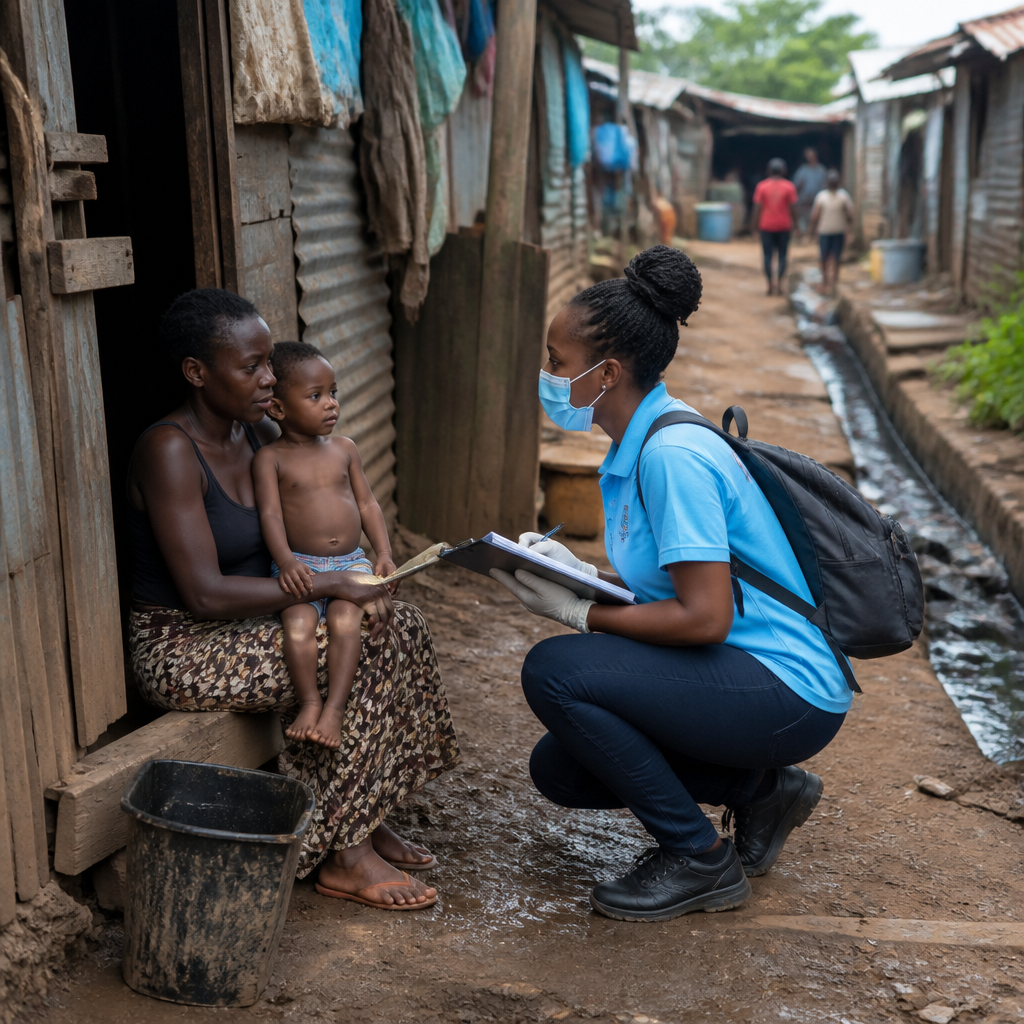
Addressing sanitation-related health inequalities starts with a simple fact: unsafe sanitation causes preventable disease, lost income, environmental contamination, and avoidable deaths, and those harms fall hardest on people with the least power. In public health practice, sanitation means the systems that safely contain, transport, treat, and reuse or dispose of human waste, greywater, menstrual waste, and related hygiene byproducts. Health inequalities are the unfair differences in exposure, illness, and access to protection experienced by low-income households, informal settlements, rural communities, people with disabilities, women, children, migrants, and workers in high-risk sanitation roles. EcoSan, short for ecological sanitation, is an approach that treats human waste as a resource stream while protecting health through separation, treatment, containment, and safe reuse. When designed well, EcoSan can reduce pathogen transmission, conserve water, recover nutrients, improve soil, and strengthen climate resilience. When designed poorly, it can shift risk from one group to another.
I have worked on sanitation planning where the biggest failures were rarely technical alone. Toilets existed, but pits flooded, sludge was dumped in drains, handwashing points were broken, and reuse schemes ignored how people actually handled excreta. Safety and sustainability in EcoSan matter because a toilet is only one link in a sanitation chain. The World Health Organization sanitation safety planning framework and the concept of safely managed sanitation from the WHO/UNICEF Joint Monitoring Programme both stress end-to-end risk control. That means user interface, containment, emptying, transport, treatment, storage, reuse, and final disposal all have to work. The purpose of this hub article is to explain how sanitation-related health inequalities arise, how EcoSan can reduce them, what risks must be controlled, and what practical design and policy choices create systems that are equitable, durable, and safe for communities and workers alike.
Why sanitation-related health inequalities persist
Sanitation-related health inequalities persist because exposure is uneven at every stage of the service chain. Households without reliable toilets are more likely to practice open defecation or rely on shared facilities with poor cleaning and no menstrual hygiene provisions. Children in these environments face repeated exposure to enteric pathogens that contribute to diarrhea, intestinal worm infection, undernutrition, and impaired development. The burden is not limited to users. Pit emptiers, sewer workers, waste pickers, and treatment plant staff often face direct contact with fecal sludge, toxic gases, sharps, and untreated wastewater. In cities I have assessed, the communities living closest to drains, transfer points, or informal dumping sites had the worst odor, flooding, vector breeding, and water contamination, while also having the least political influence to demand upgrades.
Inequality also persists because conventional sanitation models are often copied into places where they do not fit. Waterborne sewerage can be effective, but it requires reliable water, capital, energy, drainage, and long-term operation capacity. In dense informal settlements or water-scarce rural areas, those preconditions are often absent. EcoSan systems such as urine-diverting dry toilets, composting toilets, and container-based sanitation can be more appropriate, but only if they are matched to local behavior, land tenure, supply chains, and maintenance capacity. Safety failures usually come from shortcuts: insufficient storage time, poor urine diversion, unsealed vaults, weak ventilation, unsafe sludge handling, or agricultural reuse without treatment verification. The result is a pattern seen across many low-service settings: the poorest users get the least reliable technology and the weakest oversight, so they absorb the greatest residual risk.
How EcoSan improves safety and sustainability when designed correctly
EcoSan improves safety by breaking transmission pathways and sustainability by recovering value from waste streams. The core principle is separation. Urine contains most of the nitrogen and potassium in domestic excreta, while feces contain most pathogens and a large share of phosphorus and organic matter. Separating these streams can simplify treatment and enable controlled reuse. Urine-diverting dry toilets reduce water demand, avoid filling pits quickly, and produce a nutrient stream that can be stored and applied to crops under management rules. Feces can be dehydrated, composted, or otherwise treated to reduce pathogens before use or disposal. In flood-prone areas, above-ground or raised systems may protect groundwater better than unlined pits. In drought-prone regions, dry systems save significant water compared with flush toilets.
Sustainability, however, is not automatic. A truly sustainable EcoSan system protects users, workers, neighbors, soil, and water over time. That requires barriers and verification. In practice, this means tight containment, easy-to-clean surfaces, dedicated handwashing facilities, pest control, odor management, personal protective equipment for workers, and treatment targets based on pathogen reduction rather than appearance alone. It also means designing for actual operation. A household toilet that needs perfect user behavior every day is fragile. Systems perform better when containers are simple to swap, diversion bowls are easy to rinse, ash or cover material is locally available, and service providers have predictable collection routes. I have seen EcoSan succeed where local farmers valued compost, masons were trained to build standardized units, and municipalities recognized emptying and transport as essential services instead of leaving them informal.
Key hazards across the EcoSan sanitation chain
The main health hazards in EcoSan are biological, chemical, and physical. Biological hazards include bacteria such as pathogenic Escherichia coli, viruses such as rotavirus and hepatitis A, protozoa such as Giardia, and helminths including Ascaris, whose eggs can persist in the environment. Chemical hazards may come from ammonia exposure, cleaning products, industrial contamination entering waste streams, or excessive nutrient loading that pollutes water bodies. Physical hazards include slips, falls, heat stress, confined-space dangers, and sharps injuries during emptying and transport. Good sanitation risk management identifies where each hazard appears and places controls before exposure occurs. This is why end-use claims like safe fertilizer are never enough on their own; treatment and handling conditions determine safety.
| Sanitation chain stage | Main hazards | Who is most exposed | Priority controls |
|---|---|---|---|
| User interface | Hand contamination, surface fouling, flies, odors | Children, caregivers, elderly users | Easy-clean slabs, handwashing station, cover material, fly screens |
| Containment and storage | Leakage, flooding, groundwater contamination | Nearby households, well users | Sealed vaults, raised structures, siting setbacks, drainage protection |
| Emptying and transport | Direct fecal contact, aerosols, sharps, musculoskeletal strain | Sanitation workers | PPE, sealed containers, tools, training, vaccination, formalized routes |
| Treatment | Incomplete pathogen reduction | Workers, end users, farmers | Validated storage time, compost temperature control, monitoring records |
| Reuse or disposal | Crop contamination, runoff, public contact | Farmers, consumers, downstream communities | Application restrictions, withholding periods, soil testing, controlled distribution |
Among these hazards, the most neglected are worker exposure and post-treatment misuse. In many towns, manual emptiers still work with buckets, ropes, and minimal protective gear, especially where access lanes are narrow. If EcoSan products are reused in agriculture, the risk does not end at the treatment site. Application method matters. Incorporating treated material into soil is safer than broadcasting it onto edible leaves. Crop type matters too; cereals, fodder, fiber crops, and trees generally present lower direct ingestion risk than leafy vegetables eaten raw. The safest programs use multiple barriers: treatment, storage, crop restriction, timing before harvest, hand hygiene, and farmer training. That layered approach is more reliable than trusting any single intervention.
Designing equitable EcoSan systems for vulnerable groups
Equitable EcoSan design begins with who will struggle first if the system is inconvenient. Children need smaller seats or child-friendly adapters and stable steps. Older adults and people with mobility impairments need handrails, wider doors, low thresholds, and enough internal space for assistance or devices. Women and girls need privacy, inside locks, lighting, disposal or washing options for menstrual materials, and routes that feel safe at night. Shared or public EcoSan facilities should include clear cleaning responsibilities, water for handwashing, and service schedules that users can trust. If a toilet is technically safe but inaccessible, unsafe coping behaviors follow.
Affordability is another equity issue. Households with irregular income often cannot pay large upfront costs, even if lifecycle costs are reasonable. In my experience, adoption improves when financing is structured through small installments, targeted subsidies for the poorest households, or service-based models where users pay for reliable collection rather than full construction at once. Land tenure also affects feasibility. Renters may not be allowed to modify plots, and landlords may resist systems requiring active management. In these cases, container-based sanitation or neighborhood-scale service hubs can provide safer options than expecting each household to manage treatment. Equity is achieved when the system is tailored to constraints instead of assuming every user can operate, maintain, and finance the same model.
Safe reuse, environmental protection, and long-term governance
Safe reuse is one of EcoSan’s strongest benefits, but it must be governed with discipline. Urine can be a valuable fertilizer because it contains plant-available nutrients, yet its use should follow storage guidance, application timing, and crop-specific restrictions. Treated fecal matter can add organic carbon and phosphorus to soils, but only if pathogen reduction is documented and contaminants are controlled. International guidance emphasizes fit-for-purpose treatment and multiple health protection barriers. That means setting realistic end uses first, then choosing treatment and monitoring accordingly. For example, material intended for orchard trees can follow a different risk profile from material intended for vegetables consumed raw. Reuse planning should therefore be linked to local agriculture, extension services, and market practices, not handled as an afterthought.
Environmental protection also depends on governance beyond the toilet. Municipalities need bylaws for siting, licensing, emptying, transport, and approved treatment or reuse destinations. Utilities or local governments should maintain registries of service providers, incident reporting, and inspection routines. Data matter. Mapping flood zones, groundwater vulnerability, collection coverage, and disease hotspots helps target investments where inequality is greatest. Long-term success comes from treating sanitation as public infrastructure with regulated service standards, even when delivery involves households, cooperatives, or private operators. For readers exploring this subtopic further, the essential themes are worker safety, climate resilience, fecal sludge management, nutrient recovery, inclusive design, and behavior change. Addressing sanitation-related health inequalities through EcoSan means improving every link in the chain, not simply installing alternative toilets. Start by assessing who is exposed, where control breaks down, and which design and service decisions can reduce risk while creating lasting environmental value for the whole community.
Frequently Asked Questions
What are sanitation-related health inequalities, and why do they matter?
Sanitation-related health inequalities are the unfair and avoidable differences in health risks, disease burden, and life outcomes that arise when some people have safe sanitation and others do not. These inequalities show up in who is most exposed to human waste, contaminated water, unsafe toilets, overflowing drains, unmanaged menstrual waste, and poor hygiene infrastructure. They also appear in who has the fewest resources to avoid those risks, who gets sick more often, and who has the least access to treatment, clean environments, and public investment. In practice, this means that children in informal settlements, low-income households, rural communities, people with disabilities, women and girls, displaced populations, and historically marginalized groups often face much higher rates of diarrheal disease, parasitic infections, malnutrition, skin and eye conditions, and sanitation-linked threats to dignity and safety.
These inequalities matter because sanitation is not just a technical service; it is a foundation for public health, education, livelihoods, gender equity, and environmental protection. When sanitation systems fail or exclude certain groups, the consequences spread far beyond infection. Children may miss school due to illness or lack of safe toilets. Adults may lose workdays and income. Women and girls may face harassment or violence when they have to travel long distances to find a toilet or manage menstruation without privacy. Communities may live with chronic contamination of soil, water sources, and public spaces. From a health equity perspective, the central issue is that these harms are concentrated among people who already have less political influence, lower incomes, and fewer choices. Addressing sanitation-related health inequalities therefore means reducing both exposure to hazards and the deeper structural disadvantages that make some populations consistently more vulnerable than others.
How does poor sanitation contribute to disease and wider social harm?
Poor sanitation contributes to disease by allowing pathogens from human waste to move into water, food, soil, hands, household surfaces, and the wider environment. When fecal matter is not safely contained, transported, treated, and disposed of or reused, bacteria, viruses, and parasites can spread through multiple pathways. This increases the risk of diarrheal diseases, cholera, typhoid, hepatitis A and E, intestinal worm infections, and other preventable illnesses. Repeated exposure can be especially damaging for young children, contributing not only to acute sickness but also to undernutrition, impaired growth, and long-term developmental setbacks. In areas with weak drainage or poorly managed greywater, standing water and environmental contamination can also worsen other health risks and reduce overall community hygiene.
The damage does not stop at disease. Poor sanitation creates economic and social harm that can reinforce inequality over time. Families may spend money on treatment, transport to clinics, and medicines they can barely afford. Caregivers may miss work to look after sick children or older relatives. Students may lose class time because of illness or because schools lack safe, private, and usable toilets. Public spaces and water sources can become polluted, undermining livelihoods in agriculture, fishing, and small-scale commerce. There are also serious effects on dignity, safety, and mental well-being. People forced to defecate in the open or use unsafe shared facilities may experience fear, shame, stress, and heightened risk of assault. Taken together, these impacts show why sanitation is a core social determinant of health and why improving it can generate benefits across health, education, productivity, and community resilience.
Which groups are most affected by sanitation-related health inequalities?
Although poor sanitation can harm anyone, the burden is not evenly distributed. The groups most affected are typically those who face overlapping disadvantages in income, location, housing, social status, and political representation. Low-income households often live in areas with underdeveloped infrastructure, overcrowding, weak drainage, limited waste services, and insecure land tenure, all of which make safe sanitation harder to access and maintain. Rural communities may be underserved because of distance, lower investment, or difficult terrain. People living in informal settlements frequently face the combined challenge of high population density, shared facilities, poor environmental conditions, and uncertain legal recognition, which can reduce government willingness to invest in long-term systems.
Specific populations also face distinct barriers. Women and girls may need toilets that provide privacy, lighting, water, disposal options for menstrual materials, and physical safety, yet these features are often missing. People with disabilities may be excluded by steps, narrow doors, inaccessible latrines, or facilities that require balance, strength, or vision. Older adults and people with chronic illness can struggle with distance, poor design, and lack of support features. Children need sanitation that is safe, age-appropriate, and available in schools and childcare settings. People experiencing homelessness, migrants, refugees, and displaced communities may have little or no access to consistent sanitation at all. In many settings, racialized or historically marginalized groups also face systematic underinvestment. Understanding who is affected most is essential because effective solutions depend on identifying both exposure to sanitation hazards and the social barriers that prevent equal access to safe services.
What are the most effective strategies for addressing sanitation-related health inequalities?
The most effective strategies combine infrastructure, public health planning, equity-focused policy, and community participation. At a basic level, governments and service providers need sanitation systems that safely manage waste across the full chain: containment, emptying, transport, treatment, and safe reuse or disposal. That means not only building toilets, but also ensuring that pits, septic systems, sewer networks, treatment facilities, drainage, and sludge management all function reliably and safely. Investments should prioritize areas with the greatest health burden and the fewest existing services, rather than simply expanding access where delivery is easiest or most profitable. Affordability matters too. A toilet is not truly accessible if households cannot pay for installation, maintenance, desludging, water, or user fees.
Equally important is designing sanitation policy around inclusion and health equity. This includes setting standards for accessibility, privacy, safety, menstrual hygiene support, and school and workplace sanitation. It also means using data to identify gaps by income, geography, gender, disability, age, and housing status, so interventions reach the populations at highest risk. Community engagement is critical because local residents understand practical barriers such as flooding, distance, safety concerns, cultural norms, landlord restrictions, and service failures. Health promotion, hygiene education, and behavior change efforts can support improved outcomes, but they work best when paired with real, usable services. Strong regulation, environmental monitoring, and coordination across health, water, housing, education, and urban planning sectors are also essential. In short, lasting progress comes from treating sanitation as a public health system and a matter of social justice, not just as a construction project.
How can progress on sanitation equity be measured and sustained over time?
Progress on sanitation equity should be measured using more than headline coverage rates. Knowing how many toilets exist is not enough if those toilets are unsafe, inaccessible, unaffordable, or disconnected from treatment systems. A stronger approach looks at who has access to safely managed sanitation, who does not, and what kinds of barriers remain. Useful indicators include whether waste is safely contained and treated, whether facilities are functional and private, whether they are accessible for people with disabilities, whether they support menstrual hygiene management, and whether households can afford ongoing use and maintenance. Measurement should also track health outcomes such as diarrheal disease, parasitic infections, child growth impacts, school absenteeism, and environmental contamination. Importantly, all of this data should be disaggregated by income, gender, disability, age, location, housing status, and other relevant equity factors.
To sustain progress, sanitation improvements need stable financing, accountable institutions, maintenance systems, and public oversight. Many sanitation gains are lost when toilets fall into disrepair, treatment plants stop functioning, or service chains break down because no agency is clearly responsible. Long-term success depends on budgeting for operation and maintenance, training local workforces, enforcing safety and environmental standards, and embedding sanitation into broader development planning. Communities should have clear ways to report failures and influence decisions, especially where service gaps have been historically ignored. It is also important to build resilience to climate pressures such as flooding, drought, and displacement, which can quickly reverse sanitation gains and intensify inequality. When countries and local governments measure quality as well as access, focus on the populations most affected, and commit to long-term governance instead of short-term projects, sanitation equity becomes far more achievable.