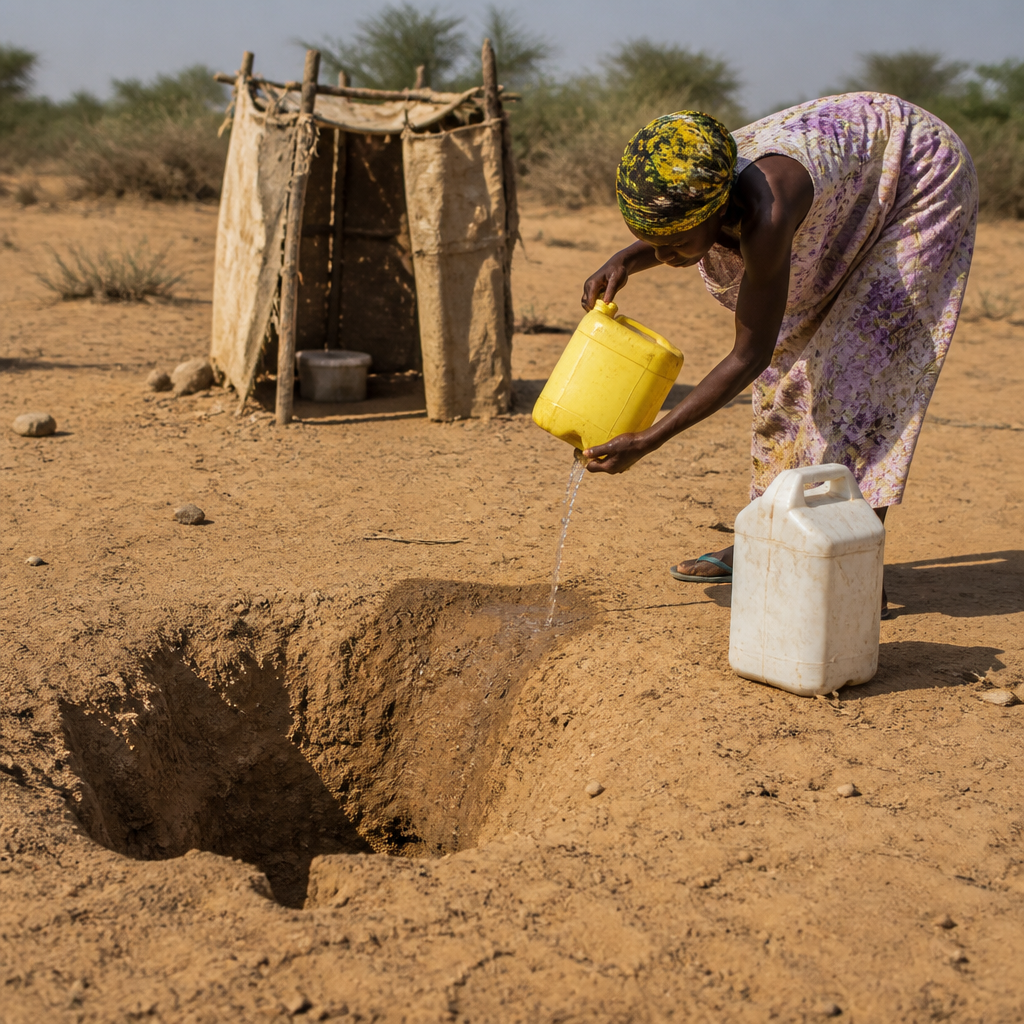
Sanitation in marginalized communities is a public health issue, an infrastructure challenge, and a human rights concern that directly shapes disease risk, dignity, school attendance, household economics, and environmental quality. In practice, sanitation means the safe containment, collection, treatment, and disposal or reuse of human waste, while EcoSan, short for ecological sanitation, refers to systems designed to recover nutrients, protect water resources, and reduce pollution rather than simply move waste away. I have worked on sanitation content and program planning across low income urban settlements and rural service gaps, and one lesson is constant: poor sanitation is rarely caused by a single missing toilet. It grows from weak drainage, insecure land tenure, unaffordable maintenance, unreliable water supply, exclusion of people with disabilities, unsafe emptying services, and policies that overlook informal neighborhoods. Marginalized communities carry the heaviest burden. Children face repeated diarrheal disease and parasitic infection, women and girls cope with privacy and safety risks, and older adults or disabled residents are often left with facilities they cannot use. The World Health Organization and UNICEF Joint Monitoring Programme consistently link safely managed sanitation with lower disease exposure and better health outcomes. Sustainable sanitation therefore cannot be measured only by toilet construction counts. It must be judged by safety through the full sanitation chain, long term operation, environmental performance, and whether the system works for the people most often excluded from planning. This hub article explains how health disparities emerge, what makes EcoSan safe and sustainable, which technical options fit different settings, and how communities, local governments, and health practitioners can make sanitation improvements last.
Why health disparities persist when sanitation is unsafe
Health disparities in sanitation are the unequal health effects produced when some groups lack safe, reliable, acceptable sanitation while others have it. The mechanism is straightforward. Fecal pathogens spread through contaminated hands, soil, water, surfaces, flies, food, and floodwater. Where toilets leak, pits overflow, fecal sludge is dumped nearby, or handwashing stations are absent, exposure becomes routine. In dense settlements, one broken sanitation point can affect hundreds of people because runoff enters shared paths, drains, and shallow wells. In remote rural areas, open defecation or poorly built pits can contaminate household water sources, especially during rains. Repeated exposure contributes to diarrhea, cholera, typhoid, helminth infection, skin disease, undernutrition, and lost school or work days. The impact is not evenly distributed. Households with lower income may rely on shared latrines with no lighting or locks. Renters may have no authority to repair facilities. Informal settlement residents may be excluded from municipal sewer expansion because their neighborhood is not formally recognized. For menstruating students, inadequate school sanitation can mean missed classes. For wheelchair users, steps, narrow doors, and unstable floors can make a toilet unusable even when one technically exists. In field assessments, I have repeatedly seen communities reported as served because infrastructure was counted, yet the sanitation chain failed at emptying, treatment, accessibility, or safety after dark. That gap between access on paper and safe use in daily life is where disparities widen. Any serious health and safety strategy must start by measuring actual function, not just installation.
What safety and sustainability mean in EcoSan
Safety and sustainability in EcoSan depend on controlling pathogens, preventing environmental contamination, conserving resources, and maintaining systems people can realistically operate. EcoSan approaches include urine diversion dry toilets, composting toilets, arborloo systems, container based sanitation, and decentralized treatment linked to reuse of treated products where regulations permit. The principle is not that every community should use the same design. The principle is that waste should be managed as a resource only after health risks are controlled. Safe EcoSan therefore requires barrier thinking: isolate excreta, support hand hygiene, keep vectors out, store or treat materials long enough to reduce pathogens, transport them safely, and apply reuse standards carefully. Sustainability adds another test. A technically elegant system fails if spare parts are unavailable, users reject the design, collection services collapse, or treatment depends on energy and skills the locality does not have. Water scarcity is a major reason EcoSan matters. Conventional flush systems can use several liters per flush and require expensive sewers and treatment plants. In drought prone regions, dry or low water systems can cut demand dramatically while also reducing nutrient losses to waterways. Nitrogen and phosphorus in excreta can, after appropriate treatment, support soil fertility. However, reuse is not automatically safe. Temperature, storage time, pH, moisture, and handling practices all matter. Standards from the World Health Organization on sanitation safety planning and safe wastewater and excreta use provide the practical framework: identify hazards, map exposure points, apply multiple barriers, verify performance, and assign responsibilities. Communities benefit most when EcoSan is planned as a service system, not a product sale.
Choosing the right sanitation model for marginalized settings
The right model depends on settlement density, water availability, flood risk, soil conditions, cultural preferences, local regulations, and service capacity. In dense informal settlements with little space, container based sanitation can outperform pit latrines because sealed containers reduce leakage and support scheduled collection to off site treatment. Where groundwater is shallow, lined pits, raised toilets, or urine diversion systems may protect water better than conventional pits. In arid rural zones, urine diversion dry toilets can reduce water demand and simplify nutrient recovery, but only if users receive practical training on ash or cover material use, vault rotation, and maintenance. In peri urban areas, simplified sewers or decentralized wastewater treatment systems may be more acceptable when densities are high enough and local management is reliable. I have seen projects fail because agencies imported a favored technology instead of matching service design to context. A dry toilet promoted in a floodplain without a robust superstructure deteriorated quickly. A communal block installed without a cleaning contract became unsafe for women within months. By contrast, a settlement using professional container collection, user support visits, and fee structures tied to affordability maintained high usage and cleaner surroundings because the service chain was clear from day one.
| Setting | Suitable EcoSan or sanitation option | Main safety advantage | Key limitation to manage |
|---|---|---|---|
| Dense informal settlement | Container based sanitation | Sealed waste containment and scheduled removal | Requires dependable collection logistics and treatment partner |
| Water scarce rural area | Urine diversion dry toilet | Very low water use and nutrient recovery potential | User training and disciplined maintenance are essential |
| High groundwater zone | Raised latrine or lined vault system | Reduces direct contamination of shallow aquifers | Construction quality and flood protection must be strong |
| Peri urban community with road access | Decentralized treatment with simplified sewer connections | Can serve many households with controlled treatment | Needs governance, tariffs, and regular technical oversight |
Protecting health across the full sanitation chain
Safe sanitation is only achieved when every step works: capture, storage, emptying, transport, treatment, disposal or reuse. This is where many interventions break down. A household toilet may appear hygienic, yet if workers manually empty pits without protective equipment and dump sludge into drains, community exposure remains severe. The sanitation chain should therefore be mapped in detail. At the user interface, design needs include stable flooring, ventilation, child friendly features, lighting, locks, menstrual hygiene support, and handwashing with soap. During storage, pits or vaults must resist collapse, infiltration, and overflow. Emptying should be mechanized where possible using vacutugs, gulpers, or other appropriate tools, supported by worker training, gloves, boots, masks where indicated, vaccination, and formal occupational safety procedures. Transport vehicles need sealed tanks and designated discharge points. Treatment options may include composting under controlled conditions, anaerobic digestion, drying beds, co composting with organic waste, or transfer to fecal sludge treatment plants. Verification matters. Temperature logs, retention times, moisture control, and routine inspections distinguish safe treatment from wishful thinking. Reuse in agriculture should follow local rules and crop restrictions, with clear guidance on application timing and protective measures. When municipalities institutionalize sanitation safety planning, they move from one time construction to ongoing risk management. That shift is especially important in marginalized communities because failures there are often invisible to decision makers until outbreaks or flooding make them impossible to ignore.
Inclusion, gender, and community trust determine long term success
Sanitation systems endure when they are trusted, affordable, and usable by everyone. Inclusion is not an optional social add on; it is an engineering and public health requirement. Women and girls often judge a toilet by privacy, menstrual hygiene support, lighting, distance, and perceived risk of harassment. Older adults may need handrails, seats, and doors that open easily. People with disabilities may require ramps, turning space, contrasting colors, or modified transfer arrangements. Children need smaller drop holes or potties that connect safely to the system. In community consultations, asking only whether residents want a toilet produces shallow data. Better questions are who cleans it, who pays for repairs, who empties it, who cannot use it, and what happens at night or during heavy rain. Trust also depends on transparency. If an operator says waste will be reused, residents need a clear explanation of treatment steps, storage periods, and health protections. Where there is stigma around handling excreta, demonstration sites and local champions help more than technical brochures. I have seen acceptance rise sharply when community health workers, school leaders, and women’s groups were involved early, tariffs were explained plainly, and service complaints had a response channel. Marginalized communities are often described as hard to reach, but the bigger problem is usually that programs are hard to trust because they are designed without local decision making power.
Financing, governance, and climate resilience make EcoSan sustainable
Even well designed sanitation systems fail without durable financing and governance. Capital subsidies may be necessary for low income households, schools, clinics, and areas facing historic underinvestment, but operating costs cannot be ignored. Cleaning, collection, treatment, replacement parts, and operator wages require predictable revenue. Viable models combine household payments scaled to affordability, municipal budget support, cross subsidies, output based aid, or contracts with small private operators. Regulation is equally important. Local authorities should define service standards, licensing for emptiers, safe discharge rules, and performance monitoring. Digital tools such as service logs, QR based collection tracking, and GIS mapping can improve accountability when used appropriately. Climate resilience must now be built into every sanitation decision. Floods can spread untreated waste through entire neighborhoods, drought can disable water dependent systems, and heat can alter storage conditions and odor control. In flood prone settlements, raised facilities, sealed containers, backflow prevention, and protected treatment sites reduce risk. In dry regions, urine diversion or low flush systems can preserve scarce water. EcoSan also supports sustainability by reducing nutrient pollution and creating pathways for resource recovery, but only when treatment quality is verified and end markets are realistic. Compost or biosolids with no buyer become a storage problem, not a circular solution. The strongest sanitation programs treat governance as infrastructure. Roles, budgets, inspection routines, and emergency response plans are as essential as slabs, pipes, and vaults.
Sanitation in marginalized communities improves health only when safety and sustainability are built into the entire system, from toilet design to final treatment or reuse. The core lesson is simple: counting facilities is not enough. Effective sanitation reduces pathogen exposure, protects workers, includes women, children, older adults, and people with disabilities, survives climate stress, and remains affordable to operate year after year. EcoSan can play a major role because it reduces water demand, supports nutrient recovery, and fits places where conventional sewer expansion is unrealistic, but it succeeds only with rigorous risk control, user training, and accountable services. For health and safety leaders, this hub topic should guide every related decision: assess the full sanitation chain, match technology to context, verify treatment performance, fund operations, and involve the community in design and oversight. If you are planning a program, reviewing a policy, or improving a facility, start with the groups most excluded from safe sanitation and build the system around their daily reality. That is how sanitation closes health disparities instead of reinforcing them.
Frequently Asked Questions
Why is sanitation in marginalized communities considered both a public health issue and a human rights issue?
Sanitation in marginalized communities sits at the intersection of health, infrastructure, equity, and human dignity. From a public health perspective, inadequate sanitation increases exposure to disease-causing bacteria, viruses, and parasites through contaminated water, soil, food, and surfaces. This raises the risk of diarrheal disease, cholera, typhoid, intestinal worm infections, skin conditions, and other preventable illnesses. These health burdens often fall hardest on children, older adults, people with disabilities, and those with weakened immune systems. Poor sanitation also contributes to malnutrition, missed school and work, and higher household medical costs, creating a cycle in which illness and poverty reinforce one another.
It is also a human rights issue because safe sanitation is fundamental to privacy, dignity, safety, and equality. People should not have to choose between relieving themselves in unsafe conditions and risking harassment, violence, or humiliation. When sanitation is absent or inaccessible, women and girls may face particular challenges related to menstruation, pregnancy, and personal safety. Children may miss school when toilets are unavailable or unusable, and people with disabilities may be excluded altogether if facilities are not designed for access. In this sense, sanitation is not only about pipes, toilets, or treatment systems; it is about whether communities have the basic conditions necessary to live healthy, secure, and dignified lives.
What health disparities are most closely linked to poor sanitation in underserved communities?
The most immediate health disparities linked to poor sanitation involve infectious disease, but the full impact is much broader. In communities without safe waste containment and treatment, fecal contamination can spread rapidly through shared water sources, floodwater, open drains, or poorly managed disposal sites. This leads to higher rates of diarrhea, cholera, dysentery, hepatitis A, and parasitic infections. Repeated exposure, especially in children, can contribute to chronic undernutrition, impaired physical growth, and reduced cognitive development. These outcomes are especially concerning because they can affect long-term educational achievement and future earning potential.
There are also important indirect health effects. When sanitation is unreliable, households may spend more money on bottled water, temporary fixes, medicines, or transportation to distant facilities, leaving fewer resources for food, education, and preventive care. Overcrowded settlements with weak drainage may experience standing water, foul odors, and pest infestations, increasing environmental health risks. Mental and emotional strain should not be overlooked either. Living without privacy, cleanliness, or dependable facilities can create stress, shame, and anxiety, particularly for women, girls, and caregivers. In schools and workplaces, poor sanitation can reduce attendance and productivity. Taken together, these factors help explain why sanitation inequities are closely tied to broader health disparities and why solutions must go beyond emergency responses to address underlying structural conditions.
What does sanitation actually include, and how is EcoSan different from conventional approaches?
Sanitation is often misunderstood as simply having a toilet, but in practice it refers to the entire chain of safely managing human waste. That includes containment, collection, transport, treatment, and final disposal or beneficial reuse. If any part of that chain fails, contamination can still occur. For example, a household may have a latrine, but if the pit leaks into groundwater or waste is emptied unsafely, the health risks remain. Effective sanitation therefore depends on systems, not just structures. It also includes hygiene-supportive features such as handwashing access, menstrual hygiene accommodations, safe drainage, and facilities that people can realistically use and maintain.
EcoSan, or ecological sanitation, differs from conventional sanitation because it is designed to protect water resources, reduce pollution, and recover valuable nutrients from human waste where appropriate and safe. Instead of treating waste only as something to be removed, EcoSan views it as a resource that can potentially be transformed through proper treatment into soil amendments or other useful outputs. EcoSan systems often aim to separate waste streams, minimize water use, and prevent untreated sewage from entering rivers, lakes, or groundwater. This can be especially relevant in water-scarce areas, flood-prone locations, or places where centralized sewer infrastructure is not feasible. However, EcoSan is not a one-size-fits-all answer. Its success depends on good design, user acceptance, operation and maintenance capacity, local climate, cultural preferences, land availability, and strong safeguards to ensure public health protection. When done well, it can support both environmental sustainability and community resilience.
Why do sanitation problems persist in marginalized communities even when the need is obvious?
Sanitation problems persist because they are rarely caused by a single missing facility. More often, they reflect a combination of underinvestment, political exclusion, insecure land tenure, weak service delivery, rapid urban growth, fragile infrastructure, and limited accountability. In many marginalized communities, residents live in informal settlements, remote rural areas, or historically neglected neighborhoods that have not been prioritized for public works. Without legal recognition, communities may be excluded from sewer expansion, waste collection services, drainage improvements, or long-term maintenance budgets. Even when short-term projects are introduced, they may fail if they do not include financing for upkeep, repairs, sludge management, or community training.
Social inequality also plays a major role. Marginalized communities often have less influence over planning decisions, fewer opportunities to shape service design, and less access to data, technical support, or political representation. As a result, sanitation solutions may be poorly matched to local conditions. A system that works in a dense urban area may fail in flood-prone terrain, rocky soil, water-scarce regions, or communities with limited road access. Cultural norms, affordability, safety concerns, and the needs of women, children, older adults, and people with disabilities are sometimes overlooked. Lasting progress requires more than infrastructure delivery; it requires inclusive planning, reliable funding, local ownership, environmental safeguards, and policy frameworks that treat sanitation as an essential public service rather than an afterthought.
What are the most effective strategies for improving sanitation and reducing health disparities in marginalized communities?
The most effective strategies combine infrastructure, public health planning, community participation, and long-term governance. First, solutions must be tailored to local realities. In some places, that may mean extending sewer networks and building treatment capacity. In others, decentralized systems, safely managed pit latrines, container-based sanitation, fecal sludge management services, or EcoSan approaches may be more practical and affordable. The key is ensuring the entire sanitation chain is safe, from household use to treatment or reuse. Systems must also be resilient to flooding, drought, population growth, and climate-related stressors that can quickly undermine poorly designed facilities.
Second, successful sanitation improvement depends on inclusion. Communities should be involved from the start in identifying barriers, selecting technologies, planning locations, and setting maintenance expectations. Facilities should be safe, private, well lit where appropriate, and accessible for people with disabilities. Schools and public spaces need sanitation that supports attendance and dignity, including menstrual hygiene needs. Third, financing and accountability matter. Governments, utilities, NGOs, and local organizations need clear roles, stable funding, and measurable service standards. Monitoring should track not only how many toilets are built, but whether systems remain functional, affordable, used consistently, and safely managed over time.
Finally, sanitation should be integrated with water access, hygiene promotion, drainage, housing, environmental protection, and healthcare. When these sectors work together, communities see broader gains: fewer infections, lower medical costs, better school attendance, improved productivity, cleaner local environments, and stronger public trust. Reducing health disparities through sanitation is not just about installing infrastructure. It is about correcting systemic inequities and ensuring that every community has access to safe, reliable, and dignified sanitation services.