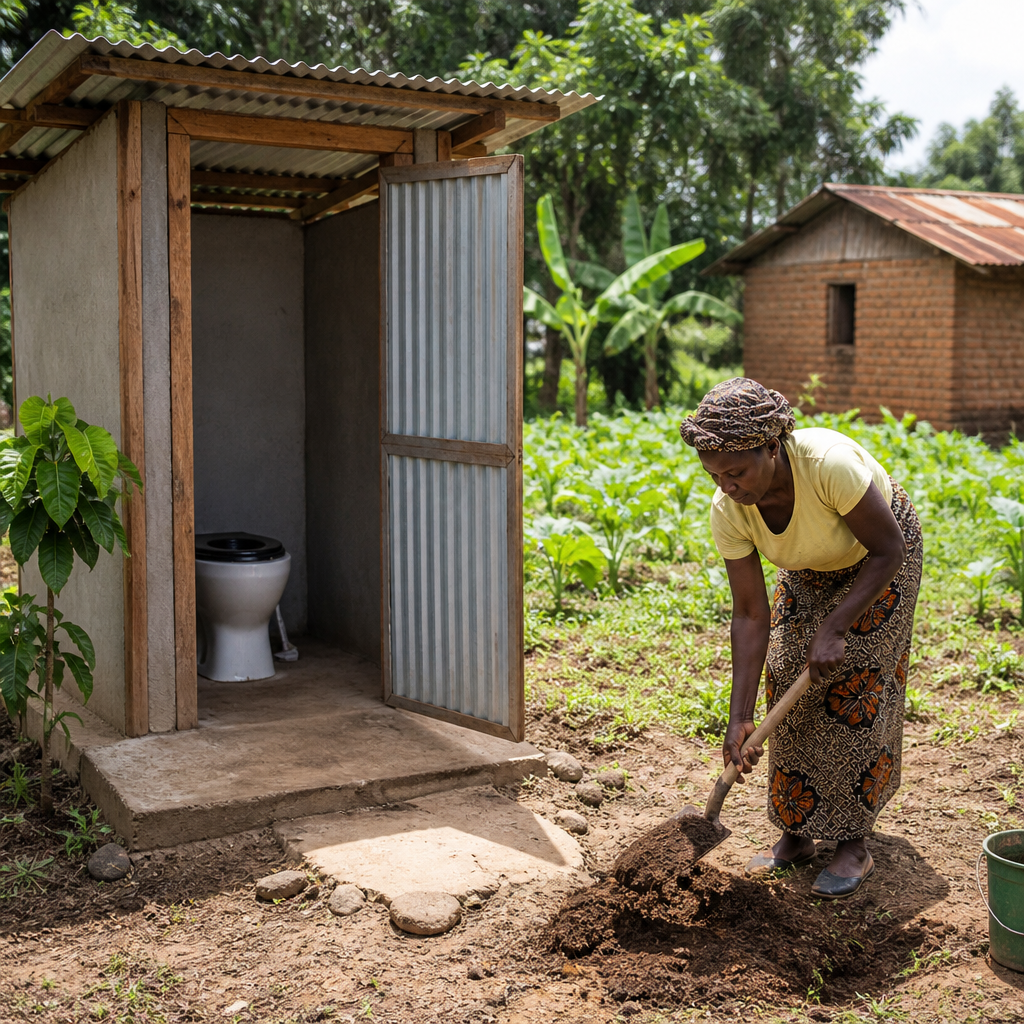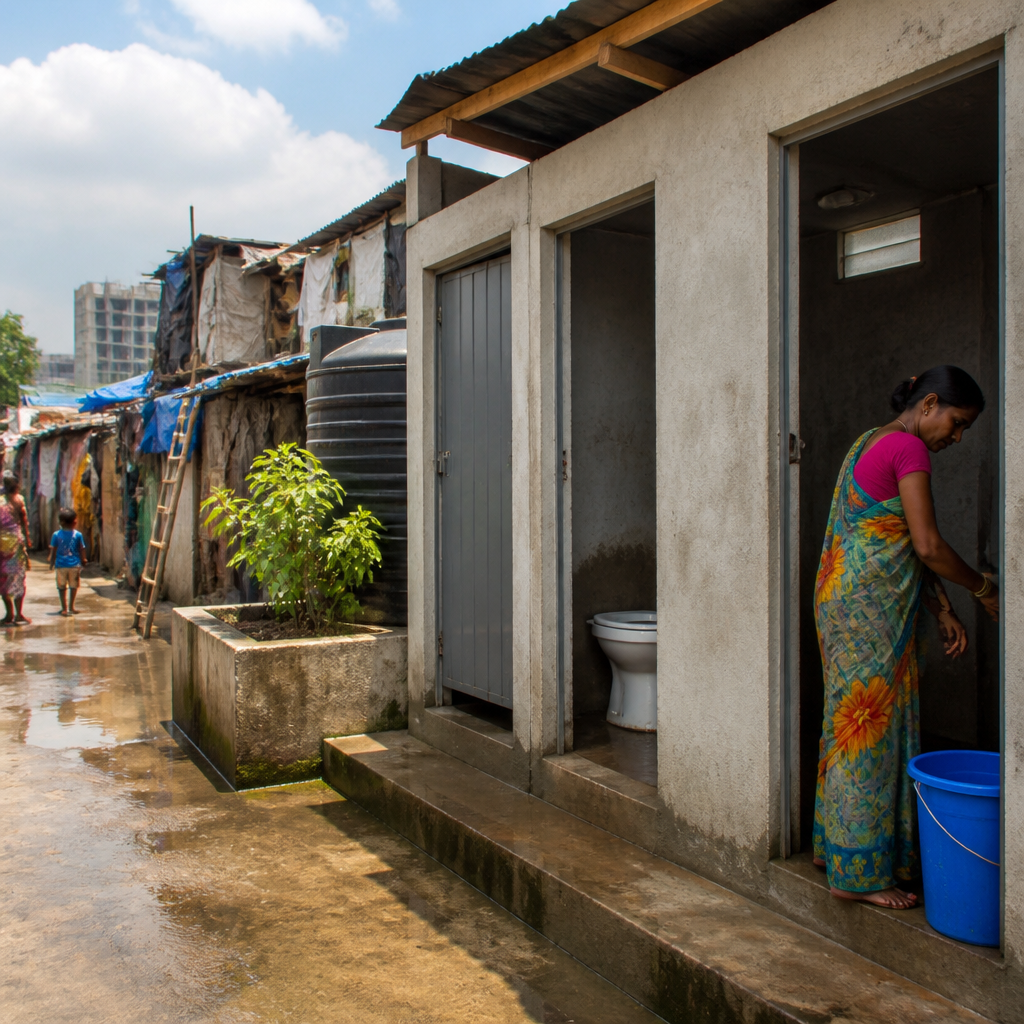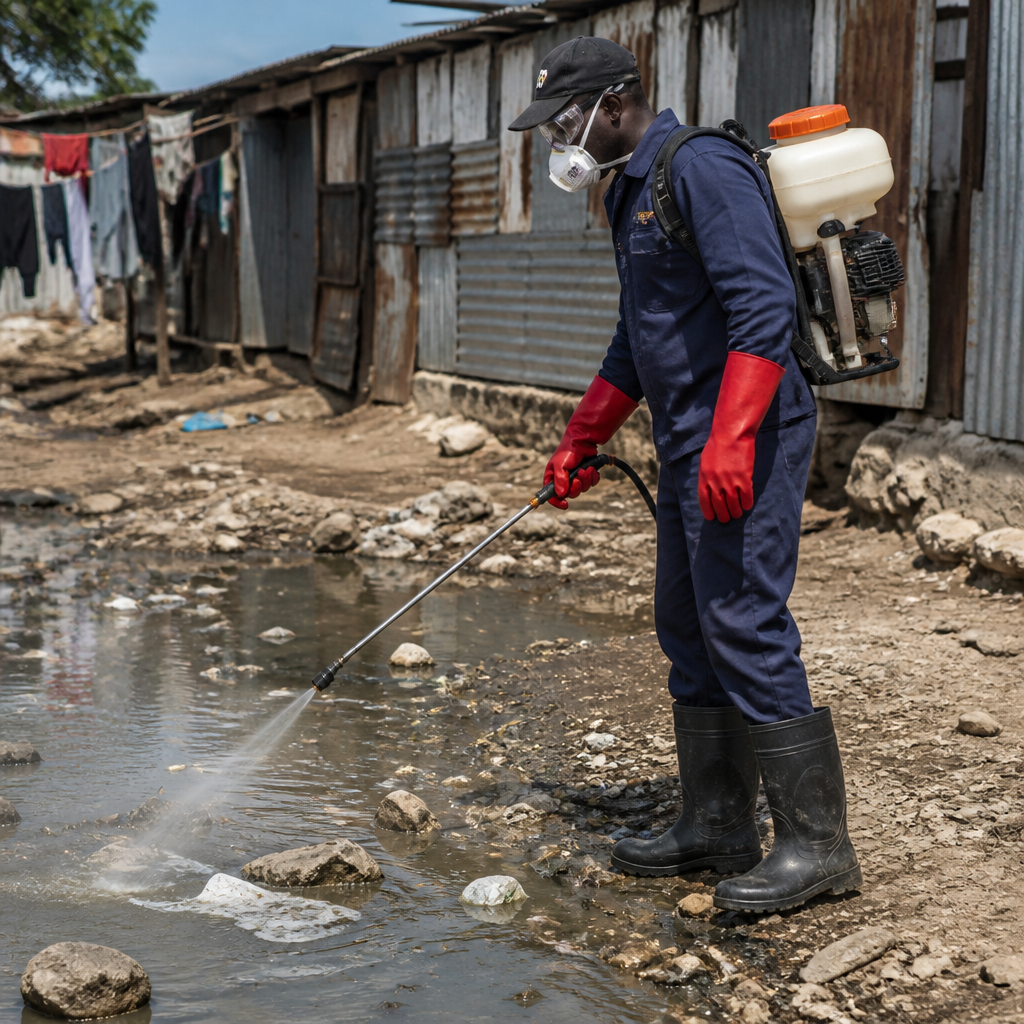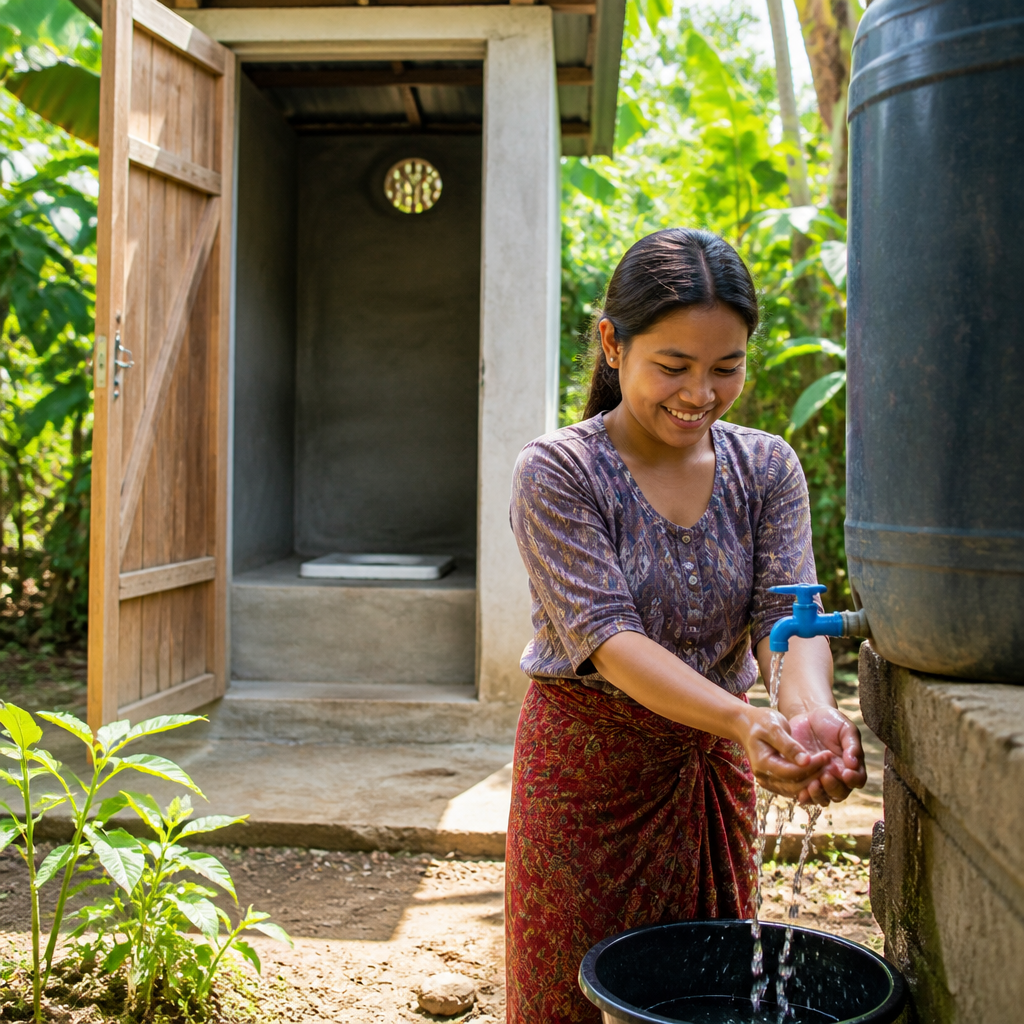
Safe reuse of treated wastewater is a practical cornerstone of modern sanitation, water security, and public health. In EcoSan, short for ecological sanitation, wastewater is not treated as waste alone; it is managed as a resource that can return water and nutrients to productive use when health risks are controlled. I have worked on sanitation content and operational guidance for facilities that balance pathogen reduction, worker protection, irrigation demands, and environmental compliance, and the pattern is consistent: reuse succeeds only when treatment quality, exposure routes, and end use are matched carefully. This matters because water stress is intensifying, fertilizer costs remain volatile, and untreated discharge still harms rivers, soils, and communities. Safe reuse of treated wastewater reduces freshwater withdrawals, supports agriculture and landscaping, and strengthens circular resource management, but only when clear guidelines and disciplined practices are followed.
Treated wastewater includes domestic sewage, greywater, blackwater, and mixed municipal effluent that has passed through physical, biological, and sometimes chemical treatment. Reuse can be non-potable, such as crop irrigation, toilet flushing, cooling water, dust suppression, and urban landscaping, or, in advanced systems, indirect or direct potable reuse. EcoSan focuses especially on decentralized and resource-recovering systems, including urine diversion, composting approaches, anaerobic digestion, and wastewater polishing for nutrient reuse. The central safety question is simple: what contaminants remain after treatment, and who or what could be exposed? Key hazards include bacteria, viruses, protozoa, helminths, nutrient overload, salinity, heavy metals, residual pharmaceuticals, and emerging contaminants such as PFAS in some source waters. A safe program therefore combines treatment performance targets, end-use restrictions, monitoring, storage controls, and hygiene barriers.
International guidance provides a strong foundation. The World Health Organization has long promoted risk-based wastewater reuse using health targets, multiple barriers, and fit-for-purpose treatment. The Food and Agriculture Organization provides irrigation water quality guidance, especially around salinity, sodium adsorption ratio, and crop sensitivity. Many national regulators also set microbial and chemical criteria for reclaimed water classes, with parameters often including E. coli, turbidity, biochemical oxygen demand, total suspended solids, residual chlorine, and nutrient limits. These standards matter because no single number guarantees safety in every context. A school garden using drip irrigation, a golf course using spray irrigation, and a factory reusing water in cooling towers face different exposure patterns and therefore different control needs. Understanding those differences is the basis of safe and sustainable EcoSan practice.
Why safe wastewater reuse matters in EcoSan systems
EcoSan systems are designed to close loops, not simply move pollution from one place to another. In practical terms, that means recovering water for reuse, retaining nutrients such as nitrogen and phosphorus, and minimizing contamination of groundwater and surface water. When managed well, treated wastewater can offset freshwater demand significantly. In arid cities, reclaimed water often irrigates parks, medians, and sports fields, freeing potable supplies for homes and hospitals. In agriculture, treated effluent can provide both irrigation and fertilizer value, lowering demand for synthetic inputs. I have seen decentralized projects perform best when reuse was planned from the start: treatment level, storage volume, crop type, irrigation method, and user training were all aligned before commissioning.
The public health case is equally strong. Discharging poorly treated wastewater spreads diarrheal disease, contaminates food chains, and degrades bathing waters. Reuse standards force better treatment and oversight than simple disposal in many jurisdictions. Sustainability gains are also measurable. Reclaimed water reduces energy embodied in long-distance water transfer, and nutrient recovery supports circular economy goals. Yet there are tradeoffs. Some treatment trains are energy intensive, brine management can be difficult where reverse osmosis is used, and inadequate monitoring can create a false sense of safety. EcoSan works best when sustainability claims are anchored in actual risk control, operator competence, and realistic maintenance budgets.
Health hazards and exposure pathways that shape reuse guidelines
Safe reuse begins with hazard identification. Microbial hazards are usually the first concern because they create acute disease risk. Untreated or poorly treated wastewater may contain pathogenic E. coli, Salmonella, norovirus, rotavirus, Giardia, Cryptosporidium, and helminth eggs such as Ascaris. Chemical hazards vary by source. Domestic wastewater can carry detergents, boron, sodium, and trace pharmaceuticals, while industrially influenced sewerage may contain solvents, metals, or persistent compounds. Physical hazards also matter: solids can clog irrigation systems, aerosols can spread microbes, and odors can signal treatment failure or poor storage conditions.
Exposure pathways determine what controls are necessary. Farmers and maintenance workers may contact water directly during pumping, filter cleaning, or irrigation repair. Nearby residents may inhale aerosols from sprinklers. Consumers can be exposed if edible crop parts contact contaminated water shortly before harvest. Children and pets face accidental contact in residential landscapes. Soil and groundwater can also be receptors, particularly where over-irrigation causes runoff, nitrate leaching, or salt accumulation. This is why modern reuse guidance uses a multiple-barrier approach. Treatment is only one barrier. Others include crop restrictions, drip irrigation instead of spray, withholding periods before harvest, controlled site access, personal protective equipment, and handwashing facilities for workers.
Treatment levels and fit-for-purpose water quality
Fit-for-purpose means the water quality should match the intended use, neither under-treated nor expensively over-treated without benefit. Primary treatment removes settleable solids. Secondary treatment, commonly activated sludge, trickling filters, rotating biological contactors, or membrane bioreactors, reduces organic matter and suspended solids substantially. Tertiary polishing can remove nutrients and fine particles, while disinfection using chlorine, ultraviolet light, or ozone reduces pathogens. In higher-risk applications, advanced treatment may include ultrafiltration, reverse osmosis, activated carbon, and advanced oxidation.
For many non-food irrigation uses, the operational focus is consistent low turbidity, low suspended solids, and reliable disinfection. UV systems, for example, perform poorly when turbidity spikes because particles shield microorganisms. Chlorination provides a residual that helps protect water in storage and distribution, but dose, contact time, pH, and organic load affect performance. Membrane bioreactors offer excellent solids removal and stable effluent quality in a compact footprint, which is why they are common in high-value reuse schemes, though membrane fouling, energy demand, and skilled maintenance must be planned for. Natural systems such as waste stabilization ponds and constructed wetlands can also be effective, especially in warm climates with available land, but they need careful hydraulic design, mosquito control, desludging schedules, and retention time management to meet health targets consistently.
Guideline framework for safe reuse decisions
A strong reuse program follows a structured decision process rather than relying on one laboratory result. The most reliable framework starts with source control, then hazard assessment, treatment selection, end-use classification, validation monitoring, operational monitoring, and response planning. Source control is essential because some contaminants cannot be removed easily or affordably once they enter the wastewater stream. Pretreatment rules for industrial dischargers, pharmaceutical disposal policies, and separation of hazardous waste streams protect the whole system.
| Reuse application | Main risk | Typical controls | Operational note |
|---|---|---|---|
| Landscape irrigation | Public contact and aerosols | Secondary or tertiary treatment, disinfection, restricted spray times | Use purple pipe and signage to prevent cross-connections |
| Food crop irrigation | Consumer exposure | High pathogen reduction, drip irrigation, withholding period, crop restrictions | Avoid direct contact with edible portions eaten raw |
| Toilet flushing | Cross-connection and aerosol exposure | Filtration, disinfection, backflow prevention | Routine dye testing helps verify plumbing separation |
| Industrial cooling | Biofouling, scaling, Legionella | Consistent filtration, biocide control, corrosion management | Chemistry must be tailored to cycles of concentration |
Validation monitoring confirms the treatment train can achieve the required reductions under expected conditions. Operational monitoring then checks that day-to-day performance remains within control limits. Common operational indicators include turbidity, disinfectant residual, flow, pH, oxidation-reduction potential, and membrane integrity where applicable. A written incident plan is non-negotiable. If turbidity rises above the validated limit, chlorine residual collapses, or a UV bank fails, reuse water may need to be diverted, retreated, or downgraded to a lower-risk use immediately. The best facilities drill these scenarios before they happen.
Practical safety measures for collection, storage, and distribution
Even excellent treatment can be undermined after the plant. Distribution systems for reclaimed water require physical separation from potable lines, backflow prevention, and clear identification, commonly with purple pipe, valve tags, and multilingual signage. Cross-connection control is one of the most important public safety practices in urban reuse. I have reviewed incident reports where the treatment process met every target, yet plumbing modifications by outside contractors created contamination risks because reclaimed and potable systems were not mapped and tested properly.
Storage design also affects safety. Open reservoirs can allow algal growth, sediment resuspension, bird access, and loss of disinfectant residual. Covered tanks reduce these risks but need ventilation, cleaning access, and turnover management to prevent stagnation. Pumping and piping should minimize dead legs where water can age. For irrigation networks, filtration is critical because emitter clogging leads users to bypass controls, increase pressure, or switch to unsafe application methods. Worker safety must be built into routine tasks with lockout procedures, confined space protocols, splash protection, gloves, boots, and hand hygiene stations. Reuse programs fail operationally when they assume users will improvise safely without training.
Agricultural and landscape reuse: protecting soil, crops, and people
Agricultural reuse offers large benefits but requires agronomic discipline. Nutrients in treated wastewater can support plant growth, yet they can also create imbalance. Nitrogen may exceed crop uptake and leach as nitrate. Phosphorus can accumulate in soil and contribute to runoff pollution. Salinity is a long-term concern in dry regions because sodium and dissolved salts affect soil structure and infiltration. The FAO framework remains useful here: match water quality to crop tolerance, climate, and soil drainage. Sensitive crops such as beans, carrots, and stone fruits may show yield loss or leaf burn sooner than more tolerant crops like barley, cotton, or bermudagrass.
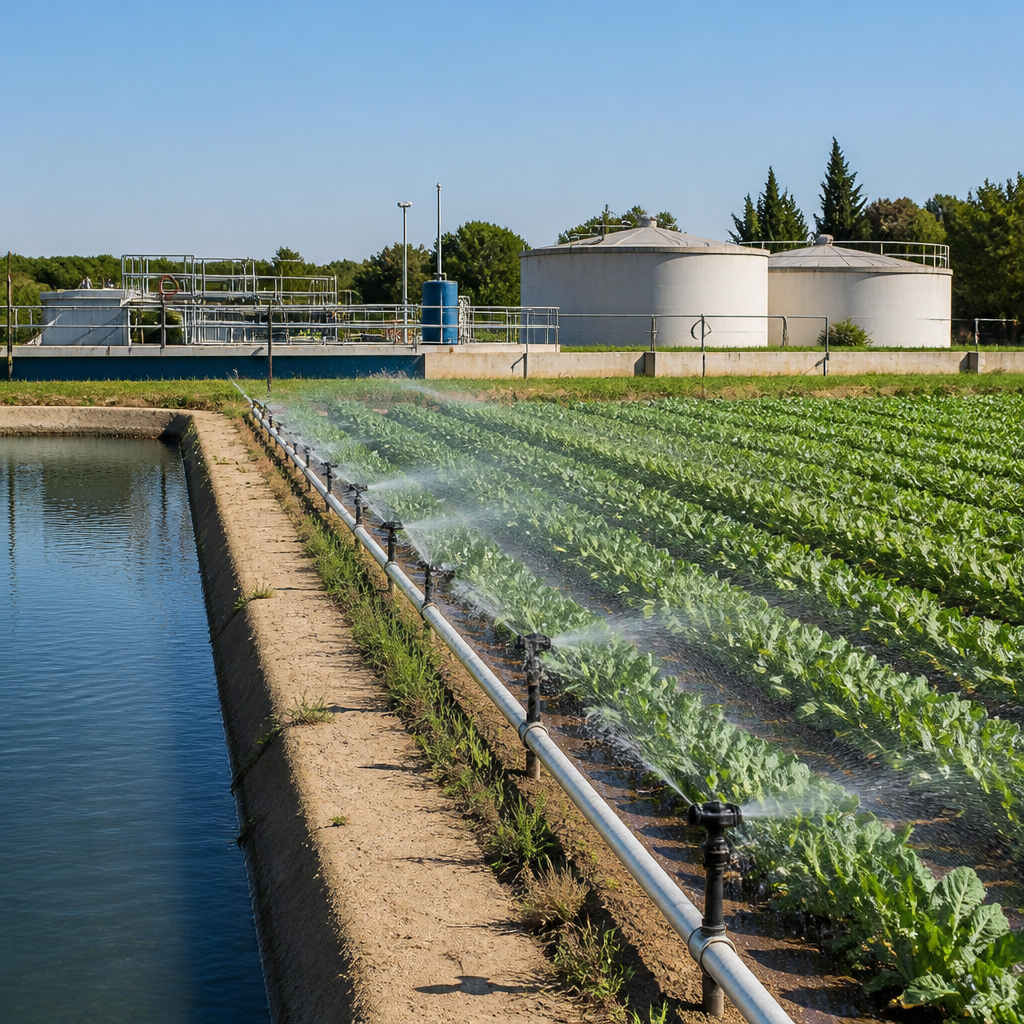
Application method changes risk dramatically. Drip irrigation is generally preferred because it reduces leaf wetting, aerosol formation, and direct worker contact compared with sprinklers. For crops eaten raw, preventing reclaimed water from touching edible portions is a basic rule. Withholding periods between last irrigation and harvest add another barrier by allowing die-off of remaining microorganisms. In landscapes, scheduling irrigation at night or during low-public-access periods reduces contact. Schools, hospitals, and playgrounds need stricter controls than highway medians because exposure patterns differ. Soil testing for electrical conductivity, sodium adsorption ratio, and nutrient accumulation should be routine, not occasional, in long-running reuse schemes.
Monitoring, governance, and long-term sustainability
Monitoring is what separates safe reuse from optimistic assumptions. A credible program combines laboratory analysis, online sensors, field inspection, and recordkeeping. Microbial testing often includes E. coli as an indicator organism, but indicator compliance does not replace process control. Chemical monitoring should reflect local source risks, especially where industries discharge to sewers or groundwater is already contaminated. Asset management matters too. UV lamps age, chlorine analyzers drift, membranes foul, and wetland hydraulics change as vegetation matures. Preventive maintenance is therefore a health protection measure, not just an engineering preference.
Governance completes the system. Clear permits, operator certification, public communication, emergency reporting, and periodic audits build trust and improve performance. Communities accept reuse more readily when agencies explain what the water is used for, how it is treated, what standards apply, and what happens during failures. For a Health and Safety hub on sustainability in EcoSan, the core message is straightforward: treated wastewater can be reused safely when decisions are based on exposure risk, treatment validation, multiple barriers, and disciplined operations. Start by mapping end uses, source hazards, and monitoring responsibilities, then build a reuse plan that protects workers, consumers, soils, and water resources for the long term.
Frequently Asked Questions
1. What does “safe reuse of treated wastewater” actually mean in practice?
Safe reuse of treated wastewater means using water that has gone through controlled treatment processes in a way that protects human health, supports environmental quality, and matches the intended end use. In practice, it is not enough for wastewater to be “treated” in a general sense. The treatment level must be appropriate for where and how the water will be used, whether that is crop irrigation, landscape watering, industrial cooling, groundwater recharge, toilet flushing, or other non-potable applications. The key idea is fitness for purpose: the water quality target should be based on the exposure risks associated with each reuse option.
From an EcoSan perspective, safe reuse also recognizes that wastewater contains recoverable value, especially water and nutrients, but that value should only be returned to productive use when risks are effectively managed. That means looking closely at pathogen reduction, solids removal, nutrient content, salinity, chemical residues, and operational reliability. For example, irrigation water used on crops eaten raw typically requires stronger controls than water applied to timber, fodder, or industrial landscapes. In addition, safe reuse depends on the full management chain, not just the treatment unit. Storage, transport, application methods, worker hygiene, signage, public communication, and monitoring all matter.
In well-run reuse systems, safety is achieved through multiple barriers rather than a single step. These barriers can include treatment processes, restricted access, drip irrigation instead of spray irrigation, withholding periods before harvest, personal protective equipment for workers, and routine water quality verification. In other words, safe reuse is a management system, not just a treatment outcome. When designed and operated properly, it can reduce pressure on freshwater sources, improve nutrient cycling, and strengthen sanitation resilience without compromising health.
2. What treatment standards or water quality factors should be checked before treated wastewater is reused?
Before treated wastewater is reused, operators should verify a combination of microbiological, physical, chemical, and operational parameters. The exact standards depend on local regulations and the intended application, but several factors are consistently important. Microbiological quality is one of the top priorities because pathogens present the most immediate health risk. Indicators such as E. coli, fecal coliforms, or other approved microbial measures are commonly used to assess whether treatment has reduced disease-causing organisms to acceptable levels. In higher-risk reuse applications, stronger pathogen controls and disinfection performance targets are typically required.
Physical and conventional treatment indicators also matter. Turbidity, total suspended solids, biochemical oxygen demand, and chemical oxygen demand can reveal whether the treatment process is functioning consistently. High turbidity or solids can interfere with disinfection and clog irrigation systems, especially drip emitters. Nutrients such as nitrogen and phosphorus may be beneficial in agricultural reuse because they reduce fertilizer demand, but they still need to be managed carefully. Excess nutrient loading can damage crops, degrade soil conditions, or contribute to runoff and eutrophication in nearby water bodies.
Chemical quality should not be overlooked. Salinity, sodium adsorption ratio, chloride, boron, pH, and trace elements are particularly relevant for irrigation because they affect soil structure and crop performance. Depending on the source wastewater, additional testing may be needed for heavy metals, industrial contaminants, residual chemicals, pharmaceuticals, or other emerging pollutants. Reuse programs connected to mixed municipal and industrial systems often require extra source control and pretreatment oversight.
Finally, treatment quality is only credible if the system is operationally stable. That is why routine monitoring, maintenance logs, calibration records, and response procedures for off-spec water are essential. A one-time laboratory result is not enough. Safe reuse depends on sustained compliance, documented performance, and a clear understanding of whether the water is suitable for the specific use category. In strong programs, quality targets are paired with action thresholds, so staff know exactly when to divert water, stop irrigation, or increase corrective treatment.
3. What are the main health and environmental risks in wastewater reuse, and how can they be controlled?
The main health risks in wastewater reuse come from exposure to pathogens, including bacteria, viruses, protozoa, and helminths, as well as from unsafe handling by workers and nearby communities. Exposure can happen through direct contact, aerosols, accidental ingestion, or contamination of food crops. Environmental risks include soil salinization, nutrient overloading, groundwater impacts, runoff to surface waters, odor issues, and the accumulation of harmful chemicals where source control is weak. The seriousness of these risks depends on the source of the wastewater, treatment performance, the reuse method, and the vulnerability of the receiving environment.
The best way to control these risks is through a multiple-barrier approach. Treatment is the first barrier and should be designed to achieve the required reduction in pathogens and pollutants for the intended use. Additional barriers are then added to reduce exposure if treatment performance varies or site conditions create added risk. These can include selecting low-contact irrigation methods such as subsurface or drip systems, restricting reuse during windy conditions, applying withholding periods before public access or harvest, avoiding spray irrigation near homes or roads, and preventing ponding or runoff from the application site.
Worker and community protection measures are equally important. Staff should be trained in safe handling, hygiene, emergency procedures, and equipment use. Personal protective equipment, handwashing facilities, vaccination policies where appropriate, and restricted access areas all strengthen safety. Public communication also helps reduce misuse, especially in urban reuse schemes where treated wastewater may be distributed through separate non-potable networks. Clear labeling, color-coded pipes, backflow prevention, and regular inspections are basic but essential safeguards.
Environmental protection requires ongoing management, not just treatment compliance. Application rates should match soil infiltration capacity and crop nutrient demand. Soil and water balances should be reviewed regularly to avoid salinity buildup or nutrient leaching. In sensitive areas, reuse plans may need setback distances from wells, waterways, or ecologically important habitats. The most effective reuse programs treat risk management as a continuous process: identify hazards, control them through design and operations, verify performance through monitoring, and update practices as conditions change.
4. Which reuse applications are most suitable for treated wastewater, and how do operators choose the right one?
Treated wastewater can be suitable for many beneficial applications, but the best option depends on treatment quality, local demand, infrastructure, economics, climate, and regulatory approval. Common uses include agricultural irrigation, landscape irrigation for parks and road medians, industrial cooling and process water, dust suppression, construction uses, toilet flushing, and in some advanced systems, aquifer recharge or indirect potable reuse under strict controls. In EcoSan and resource-oriented sanitation planning, agricultural reuse often receives special attention because it can recover both water and nutrients, creating direct value when managed safely.
Choosing the right reuse application starts with matching water quality to end-use risk. Lower-risk uses generally involve less human contact, such as irrigating non-food crops, forestry, biofuel crops, or closed industrial systems. Higher-contact applications, such as urban irrigation, toilet flushing in buildings, or irrigation of crops eaten raw, require tighter controls, more reliable treatment, and stronger distribution safeguards. The reliability of supply also matters. Seasonal reuse opportunities may call for storage infrastructure, while year-round industrial uses may offer more consistent demand.
Operators should also evaluate agronomic and environmental compatibility. For irrigation, crop type, soil texture, salinity tolerance, nutrient needs, and irrigation method all influence suitability. Water that performs well on one site may be problematic on another if the soil drains poorly or salts accumulate over time. For urban non-potable reuse, the feasibility of dual plumbing, user acceptance, maintenance capacity, and cross-connection prevention become major decision factors. For industrial use, scaling potential, residual solids, and chemical interactions may be more important than nutrient value.
A practical selection process usually combines technical assessment with risk assessment and stakeholder engagement. Decision-makers should ask: Is the treatment process capable of meeting the required quality consistently? Is there a dependable user who can absorb the volume produced? Are operation and monitoring costs manageable? Can the site enforce safety controls? When these questions are answered honestly, the chosen reuse application is more likely to be durable, compliant, and publicly acceptable. The strongest projects are those that integrate treatment capability, user need, and long-term operational discipline from the beginning.
5. What operational practices make a treated wastewater reuse program reliable over the long term?
Long-term reliability comes from disciplined operations, preventive maintenance, clear procedures, and routine verification that the reuse system is doing what it was designed to do. One of the most important practices is to establish standard operating procedures for every major task: treatment process control, sampling, disinfection management, sludge handling, equipment inspection, storage management, irrigation scheduling, incident response, and shutdown protocols. Facilities that depend on informal knowledge alone are much more vulnerable to inconsistent water quality and avoidable safety failures.
Monitoring should be structured and purposeful. Operators need a testing plan that reflects regulatory requirements and operational risk, including frequent checks of critical control points such as disinfection residuals, turbidity, microbiological indicators, and any parameters that influence the intended reuse application, such as salinity or nutrient concentration. Results should be reviewed promptly, not just filed away. A strong program defines trigger levels for action and includes contingency plans for off-spec water, such as temporary diversion, retreatment, storage hold times, or suspension of reuse activities until compliance is restored.