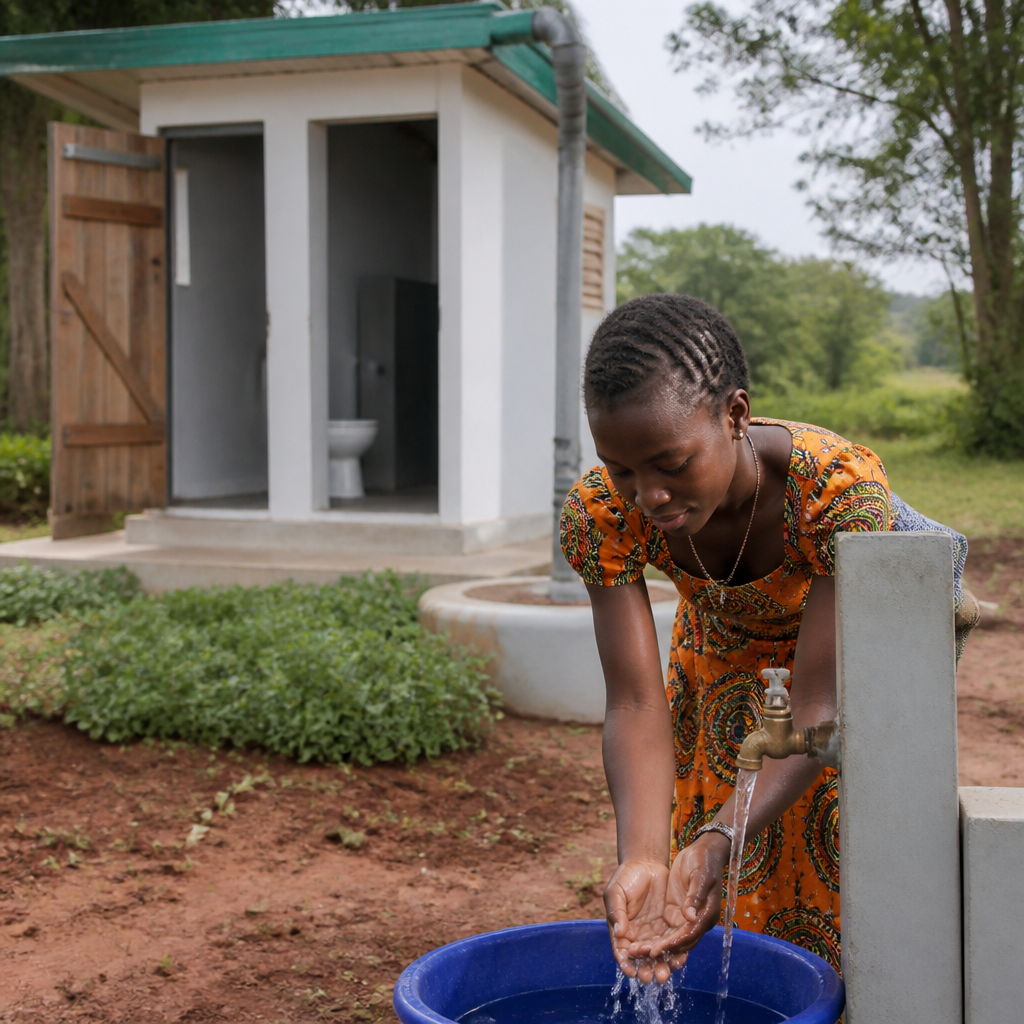
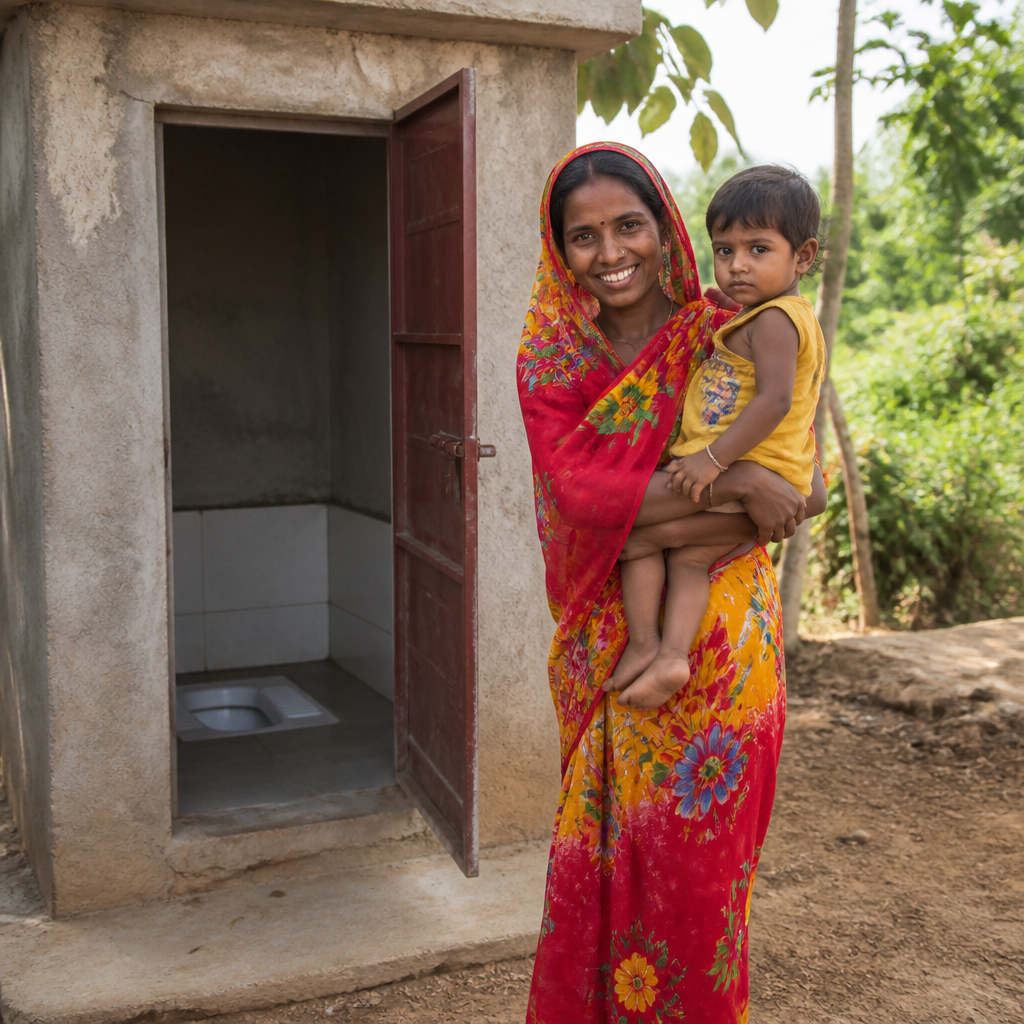
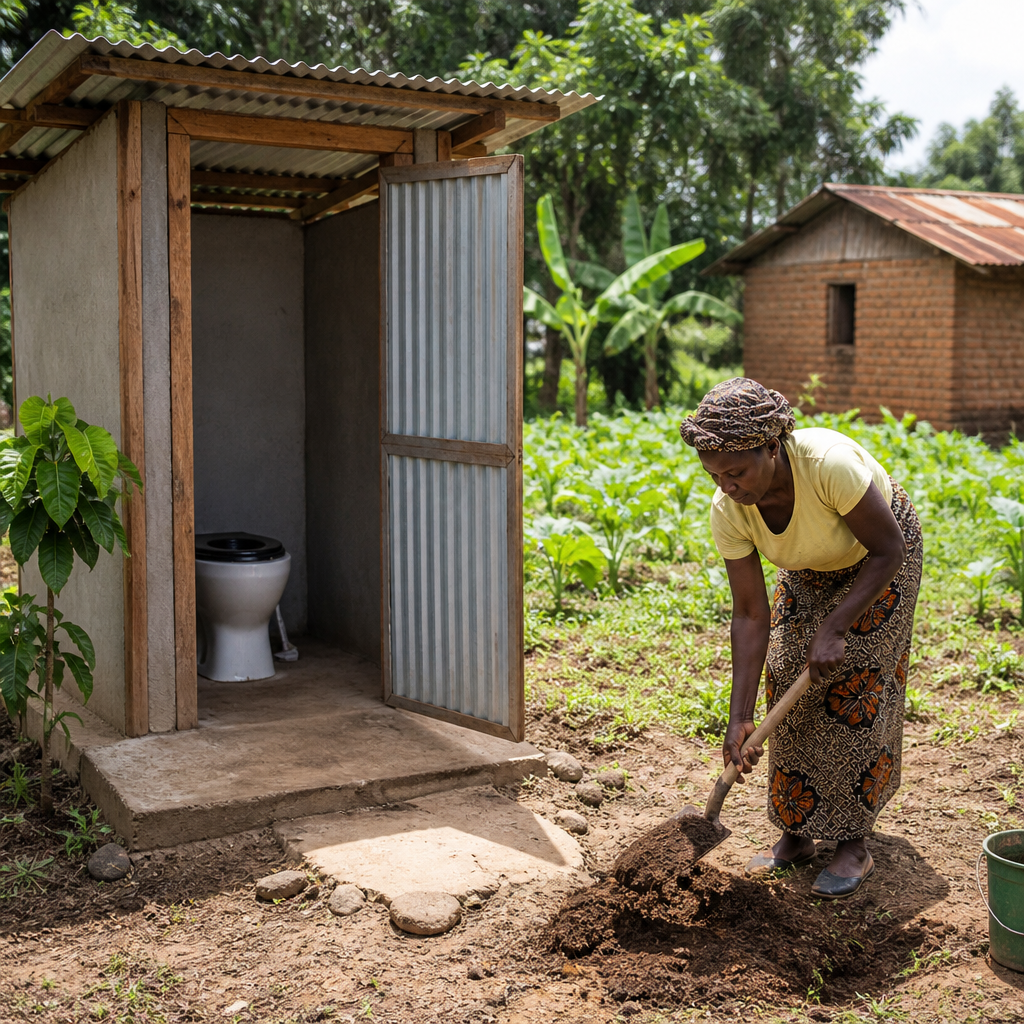
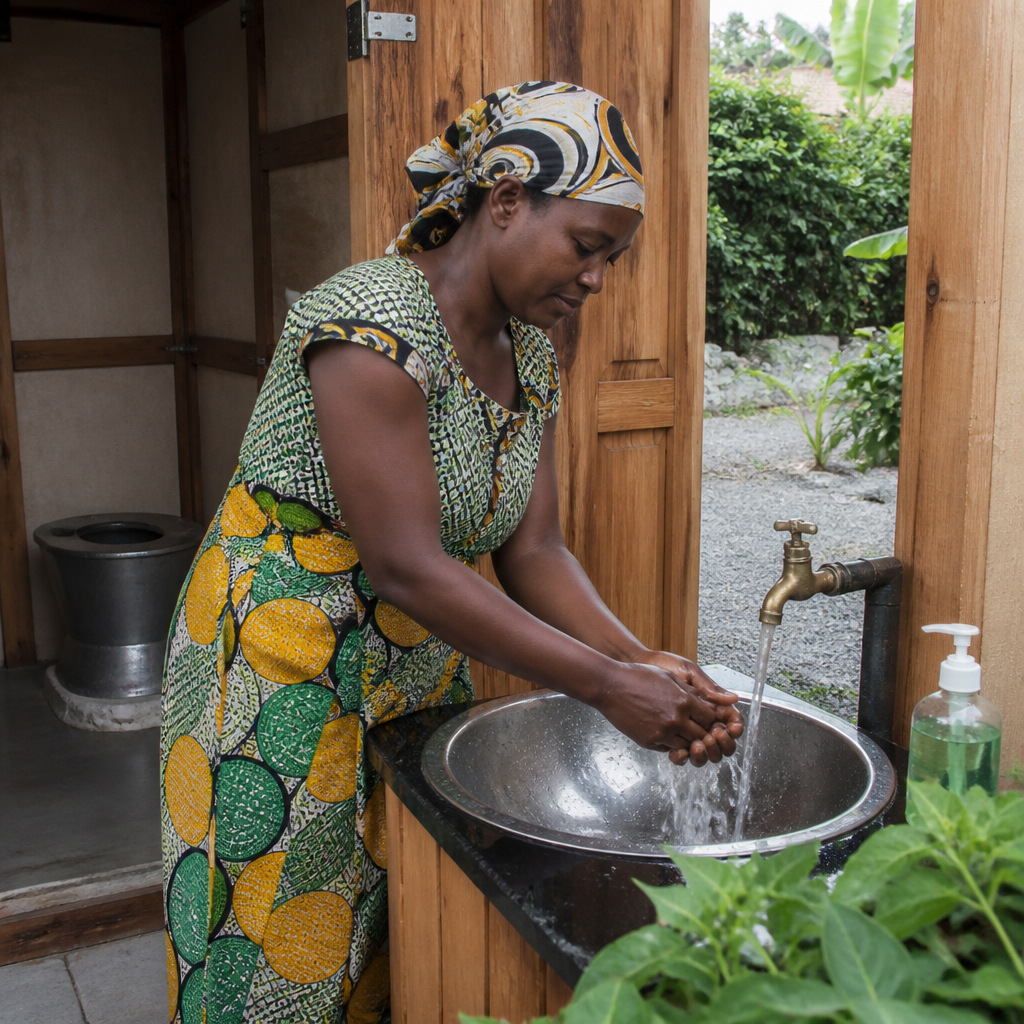
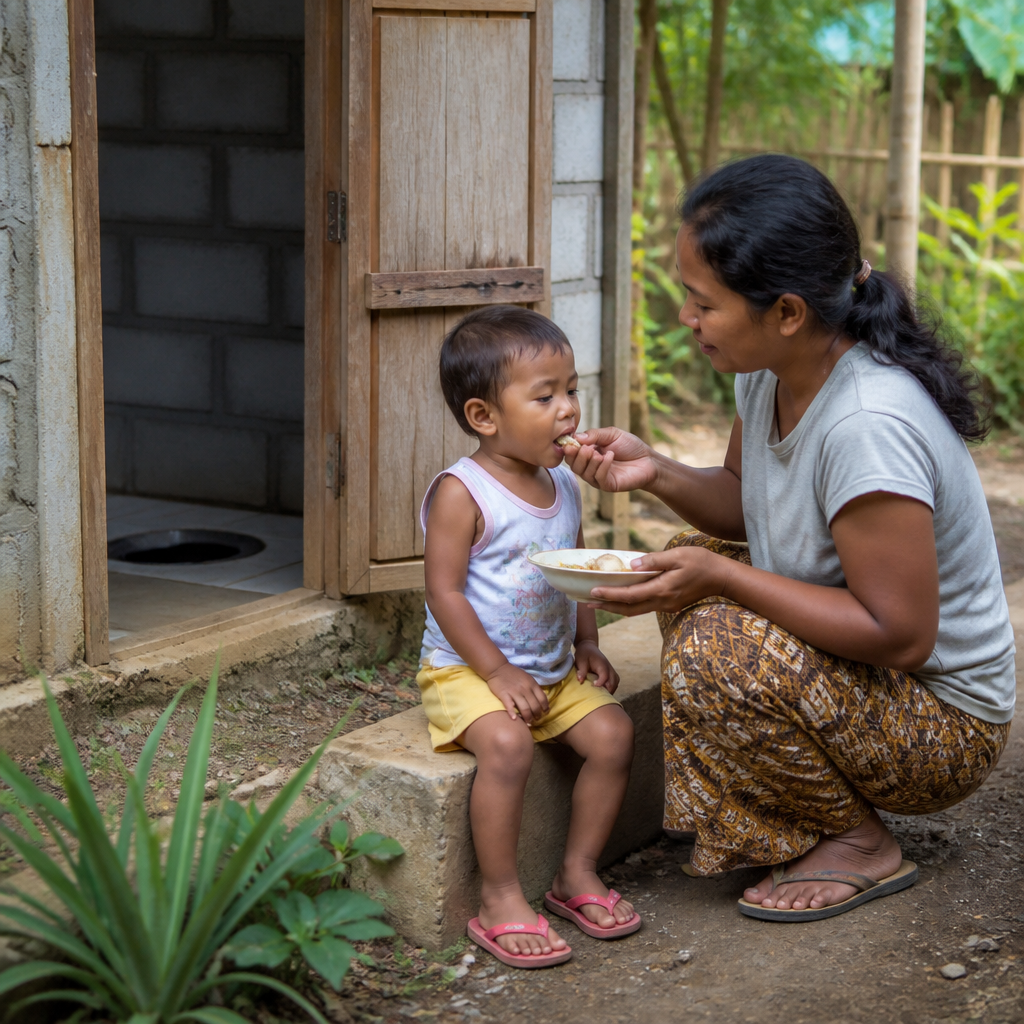
Rural sanitation shapes public health more directly than almost any other basic service because it affects drinking water, food safety, school attendance, household dignity, and the daily spread of infection. In remote areas, sanitation means the systems used to safely contain, transport, treat, and reuse or dispose of human waste, wastewater, and related hygiene materials where sewer networks are absent or unreliable. When those systems fail, the result is not only unpleasant living conditions but a predictable rise in diarrheal disease, intestinal worm infections, undernutrition, and environmental contamination. I have worked on sanitation planning discussions for dispersed communities where the central challenge was never simply building toilets; it was creating a practical chain from user behavior to long-term maintenance. That is why eco-sanitation, often shortened to EcoSan, matters so much in rural settings. EcoSan is a sanitation approach that treats human waste as a resource that can be safely transformed, usually through separation, composting, dehydration, or controlled treatment, into materials useful for agriculture or soil restoration. It is especially relevant in remote areas because it reduces water demand, can function without sewers, and aligns with local farming economies. As a hub topic within health and safety, enhancing health through EcoSan requires understanding disease pathways, technology choices, community adoption, financing, and regulation together rather than in isolation.
The health stakes are high and measurable. According to the World Health Organization and UNICEF Joint Monitoring Programme, billions of people globally still lack safely managed sanitation, and rural households are disproportionately represented. Open defecation, poorly lined pits, overflowing septic tanks, and unsafe sludge disposal allow pathogens such as E. coli, rotavirus, Vibrio cholerae, and helminth eggs to move from feces into hands, water, soil, crops, and domestic spaces. This is the classic fecal-oral transmission route public health practitioners often visualize through the F-diagram: fluids, fields, flies, fingers, and food. In remote communities, these risks intensify because clinics are farther away, roads are poor during rainy seasons, and water testing or desludging services may be unavailable for months. At the same time, conventional urban sanitation models often do not fit sparse settlements with low incomes and fragile water supplies. EcoSan enters here as a resilient alternative, but not as a one-size-fits-all answer. Some systems work brilliantly in dry climates and fail in flood-prone soils; some gain acceptance because they produce fertilizer savings; others stall because users were not trained in ash addition, urine diversion, or vault rotation. A strong hub article must therefore explain what EcoSan is, where it works, what health gains it can deliver, and how rural leaders can implement it responsibly.
Why rural sanitation breaks down and why health suffers first
Remote areas face a sanitation gap created by geography, poverty, and service fragmentation. Houses may sit far apart, making sewer networks prohibitively expensive per connection. Groundwater levels can be shallow, rocky terrain can prevent deep excavation, and seasonal flooding can inundate pit latrines. In many districts I have reviewed, the nearest fecal sludge emptying provider served only market towns, leaving villages to abandon full pits or dig new ones. When containment fails, microbes spread quickly. A cracked pit near a hand-dug well can contaminate drinking water; a school with no handwashing station can turn one child’s infection into a classroom outbreak; a household practicing open defecation during harvest can expose barefoot farmers to hookworm larvae in the soil.
The first health effects are usually gastrointestinal, but the secondary consequences are equally serious. Repeated diarrhea contributes to dehydration, lost wages, and child stunting. Worm infections reduce nutrient absorption and impair concentration in school. Women and girls often face the heaviest burden because inadequate sanitation also affects menstrual hygiene management, privacy, and personal safety, especially where toilets are distant or unusable at night. Poor sanitation further drives environmental health risks by polluting streams used for bathing, washing utensils, or watering animals. In remote areas, one unsafe sanitation practice tends to multiply into several linked hazards because households depend closely on local land and water resources. That interdependence is exactly why sanitation decisions should be treated as health system decisions, not only construction projects.
What EcoSan means in practice
EcoSan is best understood as a systems approach built on three principles: contain excreta safely, reduce pathogen risk through treatment, and recover nutrients or organic matter where safe and useful. The most familiar examples are urine-diverting dry toilets, double-vault composting toilets, arborloos, and dehydrating toilets that use ash, lime, or dry cover material. Unlike flush toilets, these designs often need little or no water, which is a major advantage in arid or infrastructure-poor areas. Urine diversion separates liquid and solid waste at the source because urine contains much of the nitrogen and potassium, while feces contain most of the pathogens and a large share of phosphorus and organic matter. Separation simplifies treatment and can reduce odor if the unit is correctly used and ventilated.
In the field, successful EcoSan programs do not stop at hardware. They define user instructions clearly, specify storage times, establish handling precautions, and decide whether outputs will be used on crops, trees, or not reused at all. WHO guidance on the safe use of wastewater, excreta, and greywater emphasizes multiple barriers to reduce health risk, including treatment, crop restriction, withholding periods, protective equipment, and hygiene. That matters because not every compost-like output is automatically safe. Temperature, moisture, pH, storage duration, and pathogen die-off all determine whether a material is suitable for handling and agricultural application. The benefit of EcoSan is real, but only when treatment and behavior match the technology design.
How EcoSan improves health in remote communities
The main health benefit of EcoSan is interruption of pathogen transmission. A well-built urine-diverting or composting toilet keeps feces off the ground, away from flies, and out of surface runoff. Because many EcoSan systems are dry or low-water, they can also reduce contamination from overflowing pits and limit the burden on scarce water supplies. In one mountain community model commonly discussed in rural sanitation planning, households that switched from open pits to sealed double-vault units reported cleaner compounds, fewer visible flies, and less foul runoff during the wet season. While self-reported illness data must be interpreted cautiously, the environmental improvements themselves are meaningful because they remove obvious exposure points.
EcoSan also supports nutrition and livelihoods when reuse is managed safely. Stored urine, applied at agronomic rates, can supply plant-available nitrogen for maize, vegetables, or fruit trees. Treated composted solids can improve soil structure and water retention, especially in degraded soils. For smallholder farmers facing high fertilizer prices, that resource recovery can make sanitation more valuable and easier to maintain. Importantly, the health gain is not only from waste containment but from stronger adoption. When households see a direct agricultural benefit, they are often more willing to keep the facility clean, add cover material, rotate chambers correctly, and repair doors or vents. In practice, sustained use is one of the strongest predictors of health impact. A technically perfect toilet that households avoid delivers little protection.
Choosing the right EcoSan system for local conditions
No sanitation technology is universally suitable, so rural planners should match the system to water availability, soil conditions, climate, cultural preferences, and maintenance capacity. The table below summarizes common options used in remote settings and the tradeoffs I see most often during project assessments.
| System | Best fit | Main health advantage | Key limitation |
|---|---|---|---|
| Urine-diverting dry toilet | Water-scarce areas, rocky ground, dispersed homes | Separates waste, lowers odor, simplifies reuse pathways | Requires user training and careful cleaning of diversion pan |
| Double-vault composting toilet | Stable households with space for chamber rotation | Allows resting time for pathogen reduction before handling | Moisture control is difficult in humid climates |
| Arborloo | Areas with available soil and interest in tree planting | Simple containment with eventual tree-based reuse | Less suitable where moving the slab is impractical |
| Raised latrine with safe pit lining | Flood-prone sites where full EcoSan is not feasible | Reduces groundwater intrusion and direct overflow | Still needs desludging or closure plan |
The table highlights an important point: EcoSan should be compared not only against ideal engineering standards but against the real alternatives available to a village. If the realistic baseline is open defecation or a collapsing pit near a water point, even a basic dry toilet with good training can significantly reduce exposure. However, planners should avoid forcing complex systems into places where cleaning materials, spare parts, or social acceptance are absent. For example, urine diversion pedestals can clog if users wash with excessive water or dispose of menstrual materials in the wrong chamber. In areas with strong anal cleansing water practices, designs must account for drainage and user comfort, or adoption will drop.
Implementation factors that determine success
The strongest EcoSan projects combine engineering, public health education, and local management. Community engagement should begin before construction, with discussions about current defecation practices, water sources, farming cycles, gender needs, and willingness to reuse treated products. I have seen projects falter because builders installed units before agreeing on who would supply ash, who would empty the vault, or whether elderly users could safely access steps. Those details sound small, but they determine daily use. A successful rollout usually includes prototype demonstrations, household training, visual instructions, follow-up visits, and a named local mechanic or mason trained in repairs.
Financing and supply chains matter just as much. Rural households may accept a low operating cost but struggle with the upfront price of slabs, vent pipes, urine containers, or superstructure materials. Smart programs use targeted subsidies for the public health component while asking households to contribute labor or local materials, which improves ownership without excluding the poorest. Local governments should also establish minimum construction standards and monitoring indicators: is the slab washable, is the pit or vault sealed from runoff, is handwashing available, is the unit in use, and is treated material handled according to guidance? These are practical indicators that field officers can verify. For this Health and Safety hub, related supporting articles would naturally explore sanitation behavior change, handwashing system design, fecal sludge management, menstrual hygiene, and safe agricultural reuse in more depth. Together, they form the knowledge base households and decision-makers need to enhance health through EcoSan.
Limitations, safety controls, and the path forward
EcoSan is not a cure-all, and credibility depends on stating the limits clearly. Pathogen reduction is not guaranteed unless storage, dehydration, composting, or other treatment conditions are actually achieved. Helminth eggs are notably persistent, and cold climates can slow die-off. Some communities reject reuse on cultural or religious grounds, while others accept urine use but not composted solids. Poorly ventilated units can smell, poorly designed pedestals can be hard for children to use, and inaccessible layouts can exclude older adults or people with disabilities. In flood zones or dense settlements, alternatives such as container-based sanitation, raised systems, or professionally managed decentralized treatment may be safer. Choosing EcoSan should therefore follow a sanitation safety planning mindset: identify hazards, assess exposure routes, set control measures, monitor performance, and adjust over time.
The central lesson is straightforward. Rural sanitation improves health when it safely interrupts contact between people and fecal pathogens, and EcoSan can do that effectively where sewers and water-intensive toilets are unrealistic. Its added strength is resource recovery, which can make sanitation economically relevant to farming households instead of being seen only as a cost. The best results come from fitting the technology to local conditions, training users carefully, and verifying that treatment and handling practices are followed. If you are building a rural health and safety strategy, use this hub as the starting point: map current risks, compare feasible EcoSan models, and develop linked plans for hygiene, maintenance, financing, and safe reuse. Better sanitation is not an abstract goal for remote areas. It is a practical route to cleaner water, stronger households, and fewer preventable illnesses.
Frequently Asked Questions
Why is rural sanitation so important for public health in remote areas?
Rural sanitation is critical because it directly affects how disease spreads within households and across entire communities. In remote areas, where sewer systems are often unavailable, families rely on local solutions such as pit latrines, septic tanks, composting toilets, soak pits, or shared sanitation facilities. When these systems are poorly built, overloaded, flooded, or not maintained, human waste can contaminate drinking water sources, farmland, food preparation areas, and common living spaces. That contamination increases the risk of diarrheal disease, intestinal parasites, cholera, typhoid, hepatitis A, and other infections that are especially dangerous for young children, pregnant women, older adults, and people with weakened immune systems.
The importance of sanitation also extends beyond immediate illness. Repeated exposure to unsafe conditions can contribute to undernutrition, missed school days, reduced work productivity, and higher medical costs for families who may already have limited access to care. Girls and women are affected in particular when sanitation facilities are unsafe, too far away, lack privacy, or do not support menstrual hygiene. In schools, poor sanitation can lead to absenteeism and lower educational outcomes. In practical terms, effective rural sanitation protects water quality, preserves dignity, improves safety, and helps break the cycle of preventable disease that often burdens remote communities the most.
What are the biggest sanitation challenges faced by remote rural communities?
Remote rural communities face a combination of infrastructure, geography, financing, and service delivery challenges that make sanitation much harder than simply building a toilet. Distance is one of the biggest barriers. Communities located far from major towns often have limited access to construction materials, spare parts, trained masons, desludging services, and technical support. Even if a household installs a toilet, there may be no practical system for emptying pits or septic tanks safely when they fill up. Without that follow-up service, the original sanitation solution can fail over time.
Environmental conditions also play a major role. High water tables, rocky soil, seasonal flooding, drought, and unstable ground can all make conventional sanitation designs ineffective or unsafe. A pit latrine that works in one village may contaminate groundwater in another. In flood-prone settings, latrines may overflow and spread waste directly into homes, paths, or water sources. In arid areas, water-dependent systems may be unrealistic. Poverty adds another layer of difficulty, since many families cannot afford durable construction, regular maintenance, or upgrades that would make facilities safer and more hygienic.
There are also social and institutional barriers. Some communities receive sanitation messages without receiving the tools, training, or long-term support needed to act on them. In some places, sanitation is treated as a household issue rather than a public health system that requires planning, financing, monitoring, and waste management. Behavior change can be difficult when open defecation has been common for generations or when available facilities are inconvenient, unsafe, or culturally inappropriate. For this reason, the main challenge is rarely just technology; it is creating sanitation systems that are affordable, acceptable, maintainable, and suited to local conditions.
Which sanitation solutions work best in rural areas without sewer networks?
The best sanitation solution in a rural area depends on local soil conditions, groundwater levels, climate, household density, water availability, and the community’s ability to maintain the system over time. In many remote settings, improved pit latrines remain a common option because they are relatively affordable and can be built with local materials. When well designed, they offer better containment, odor control, and privacy than unimproved pits. Ventilated improved pit latrines can further reduce flies and smells. However, they must be located and constructed carefully to reduce the risk of groundwater contamination and to ensure safe use during rainy seasons.
Septic tanks can be effective for homes, schools, and clinics where water is available and where there is a clear plan for desludging and treatment. Without regular emptying and proper soak-away design, septic systems can become a hidden public health risk. Composting toilets and urine-diverting dry toilets may be useful in water-scarce or rocky areas, especially where communities are open to reuse-based approaches and receive strong user education. Container-based sanitation may be suitable in especially difficult terrains or highly remote settlements if there is a dependable collection service. For institutions such as schools and health posts, shared facilities often need stronger design standards, handwashing stations, menstrual hygiene support, lighting, and routine maintenance plans.
What matters most is not choosing the most advanced technology on paper, but selecting a system that can actually function safely over time. That includes proper siting, durable construction, handwashing access, safe fecal sludge management, and community understanding of how to use and maintain the facility. In successful rural sanitation programs, hardware and hygiene promotion go together. A toilet alone is not enough if wastewater drains into living areas, if pits are never emptied safely, or if handwashing with soap is not available after toilet use and before handling food.
How does poor sanitation affect water quality, food safety, and everyday life in rural households?
Poor sanitation affects nearly every part of daily life because waste contamination does not stay confined to one place. When toilets leak, pits are badly located, or open defecation occurs near homes and water sources, rain and runoff can carry harmful pathogens into wells, springs, rivers, and storage containers. Families may believe water is clean because it looks clear, even when it contains disease-causing bacteria, viruses, or parasites. The result is repeated exposure through drinking, cooking, bathing, and washing utensils. In areas where livestock and people share close living spaces, contamination risks can become even more complex.
Food safety is also closely connected to sanitation. If caregivers cannot wash their hands with soap after using the toilet or cleaning a child, germs can move directly to food, feeding tools, and kitchen surfaces. Crops may be contaminated by unsafe wastewater or by human waste in the surrounding environment. Flies breeding around exposed feces can land on meals and household items. These transmission pathways are easy to overlook because they happen through routine daily activities, but together they create a constant burden of preventable illness. Children are especially vulnerable because they often play on contaminated ground and put their hands or objects into their mouths.
The effects go beyond health. Poor sanitation can reduce privacy, increase stress, and force women and girls to travel long distances or wait until dark to use a toilet, creating risks to personal safety. Households may spend scarce income on treatment for illnesses that sanitation improvements could have helped prevent. In schools, a lack of toilets and handwashing facilities can reduce attendance and concentration. In short, poor sanitation is not just an environmental inconvenience; it disrupts nutrition, education, dignity, safety, and economic stability in ways that accumulate over time.
What strategies help rural communities improve sanitation in a lasting and practical way?
Lasting sanitation improvement usually comes from combining infrastructure, behavior change, local leadership, and long-term service planning rather than relying on one-time construction alone. A practical first step is to assess local conditions carefully, including soil type, groundwater depth, flood risk, household income, cultural preferences, and access to maintenance services. Solutions should be matched to the setting instead of copied from another region. Community involvement is essential from the beginning so that facilities are accepted, used consistently, and maintained properly. When residents help shape decisions, they are more likely to choose designs that are realistic for their needs and budgets.
Behavior change and hygiene education are equally important. Communities need clear, actionable information about handwashing with soap, safe child feces disposal, toilet upkeep, and the links between sanitation and illness. Schools, health workers, women’s groups, and local leaders can all play a role in reinforcing healthy practices. At the same time, households need access to affordable materials, skilled labor, and financing options such as subsidies for the poorest families, microloans, or staged improvements that allow people to upgrade over time. Public institutions like schools and clinics should be prioritized because they influence health and social norms across the wider community.
Perhaps most importantly, sanitation should be treated as a full service chain: containment, transport, treatment, and safe reuse or disposal. Building toilets without planning for pit emptying, sludge treatment, drainage, and repairs often leads to system failure. Local governments, nonprofits, and community organizations can strengthen results by training sanitation workers, supporting supply chains, setting quality standards, and monitoring whether facilities are still working months and years later. Durable progress happens when sanitation is viewed not as a single construction project, but as an ongoing public health investment that protects communities every day.