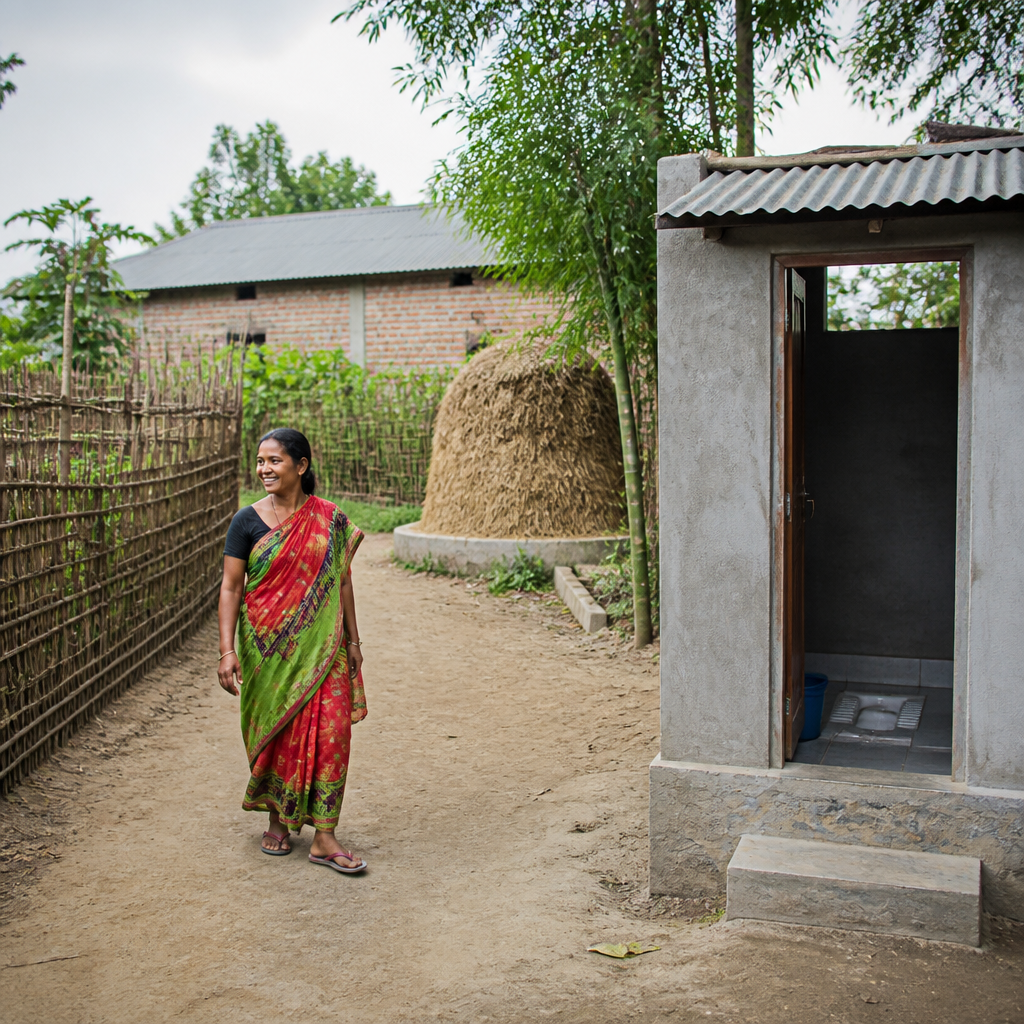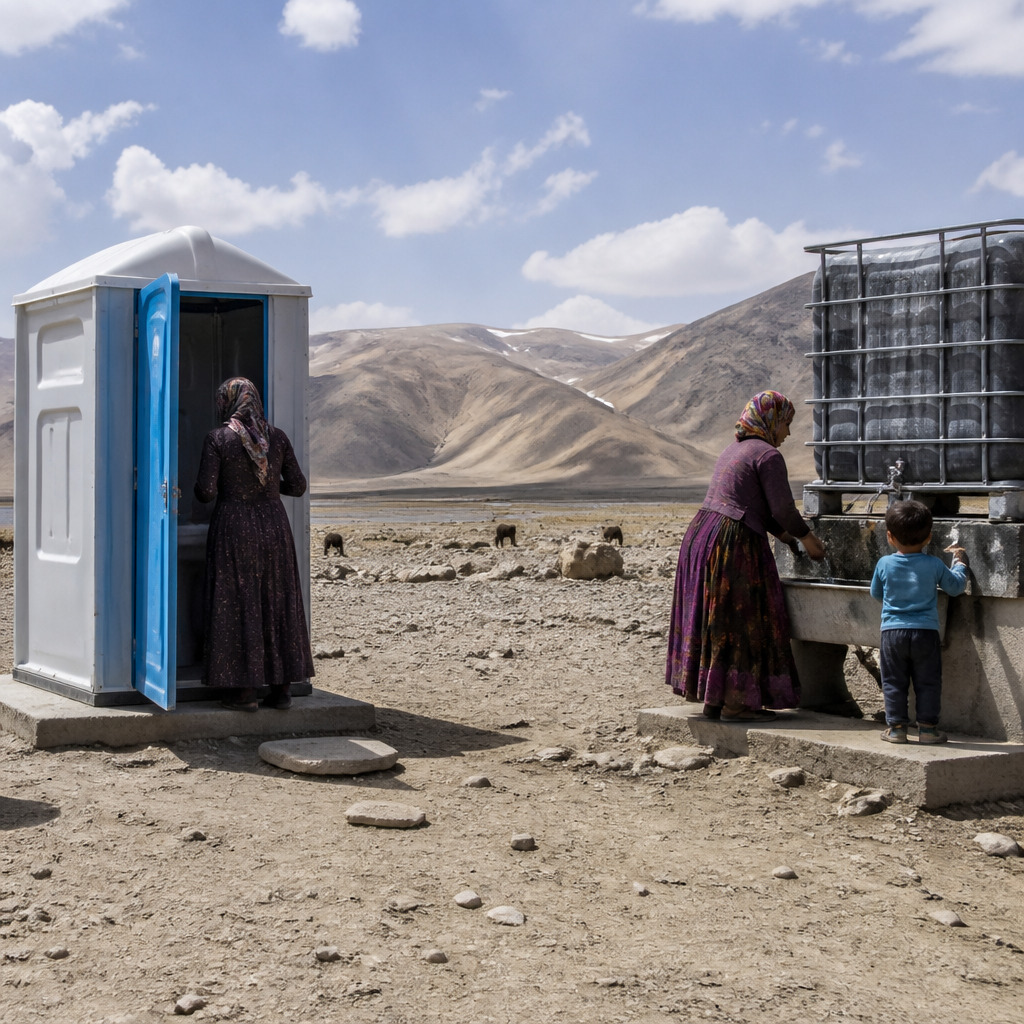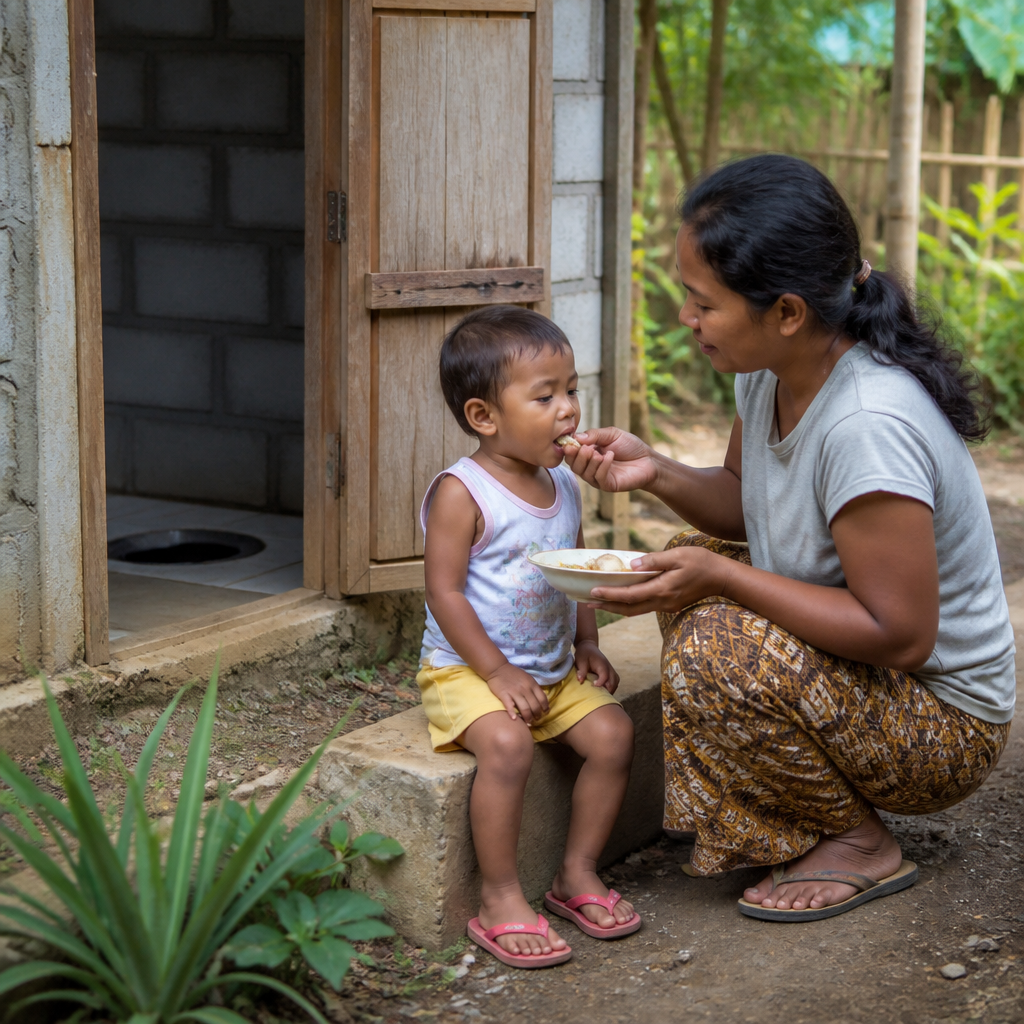
EcoSan can play a practical role in reducing stunting in children because safe sanitation interrupts the disease pathways that quietly damage growth during the first 1,000 days of life. Stunting is impaired linear growth, usually defined by the World Health Organization as height-for-age more than two standard deviations below the median for a child’s age and sex. It is not simply a matter of short stature. Stunting reflects chronic undernutrition, repeated infection, inflammation, and adverse living conditions that limit physical growth, cognitive development, school performance, and later earnings. EcoSan, short for ecological sanitation, refers to sanitation systems designed to safely contain, treat, and reuse human waste, often by separating urine and feces, conserving water, and recovering nutrients. In communities where open defecation, overflowing pits, or poorly managed wastewater expose children to pathogens every day, EcoSan is not only an environmental option. It is a child growth intervention.
I have worked on sanitation and health programs where caregivers understandably focused on food first, yet growth data kept showing the same pattern: children with frequent diarrhea, worm infections, and filthy play environments failed to thrive even when food support improved. That experience matches a broad public health consensus. Nutrition, water, sanitation, and hygiene are interdependent. A child cannot absorb nutrients efficiently when the gut is repeatedly challenged by fecal bacteria, protozoa, and helminths. Poor sanitation also affects pregnant women, who face higher infection burdens and greater nutritional stress, which can contribute to low birth weight and set the stage for later stunting. When sanitation systems safely isolate excreta, reduce environmental contamination, and support dignified hygiene practices, they help protect the biological conditions needed for growth.
This article is the central guide to enhancing health through EcoSan within a broader health and safety strategy. It explains how EcoSan works, why it matters for child growth, where it fits alongside nutrition and hygiene, and what households, schools, clinics, and local governments need to implement it well. It also serves as a hub topic for related articles on toilet design, pathogen reduction, menstrual hygiene, school sanitation, safe reuse of treated waste, and behavior change. The core point is straightforward: reducing stunting requires attacking fecal exposure at its source, and well-managed EcoSan systems give communities a durable way to do that while conserving resources and strengthening resilience.
How poor sanitation contributes to stunting
The link between sanitation and stunting is biological, behavioral, and environmental. Children are exposed to fecal pathogens through contaminated hands, water, soil, food, flies, and surfaces. In low-sanitation settings, infants often crawl and play in areas contaminated by human or animal waste, then place their hands or objects in their mouths. Even when diarrhea is not obvious, constant ingestion of pathogens can trigger subclinical intestinal damage often described as environmental enteric dysfunction. This condition blunts the intestinal villi, increases gut permeability, and impairs nutrient absorption. A child may eat enough calories on paper yet still fail to gain height because the gut cannot do its job efficiently.
Diarrheal disease remains one of the clearest pathways. Repeated episodes deplete nutrients, reduce appetite, and increase metabolic demands. Helminth infections, especially roundworm, whipworm, and hookworm in endemic areas, further drain nutrition through blood loss, reduced appetite, and competition for nutrients. Fecal contamination also raises the risk of enteric infections such as rotavirus, Shigella, pathogenic Escherichia coli, and Cryptosporidium, all of which can leave lasting growth effects. The burden is heaviest in the same early years when brain development is most rapid. That is why sanitation cannot be treated as a secondary infrastructure issue. It is central to child development.
The evidence at population level is consistent. Countries and districts with low sanitation coverage often show higher rates of child stunting, especially where poverty, crowding, and unsafe water compound risk. Not every sanitation improvement produces immediate growth gains, because outcomes depend on coverage, consistent use, handwashing, and safe child feces disposal. Still, where fecal exposure drops substantially, infection pressure drops as well. That is the mechanism EcoSan aims to influence.
What EcoSan means in practice
EcoSan is a sanitation approach built around safe containment, treatment, and resource recovery. Instead of viewing human excreta only as waste to be discarded, EcoSan treats it as a material that must first be rendered safe and can then be reused in controlled ways, usually in agriculture or landscaping. Common systems include urine-diverting dry toilets, composting toilets, double-vault toilets, arborloos, and container-based sanitation models adapted for dense settlements. The exact design varies with soil type, water availability, space, climate, user preference, and local regulations, but the public health objective is constant: keep feces out of the household environment and break pathogen transmission.
In field work, the strongest EcoSan programs are not defined only by the toilet structure. They include user training, cleaning routines, ash or dry cover material, child-friendly access, menstrual hygiene considerations, handwashing stations, and a plan for emptying or reusing treated material safely. A urine-diverting dry toilet, for example, separates urine from feces so feces stay drier and decompose more effectively. Users add ash, lime, sawdust, or another desiccating cover after each use. That reduces moisture, odor, flies, and pathogen survival. Once one chamber is full, it is sealed to allow further treatment while the second chamber is used. If the retention time, temperature, pH, and dryness are adequate, pathogen levels decline substantially.
EcoSan is especially relevant where water is scarce, groundwater is vulnerable, or pit latrines are difficult to manage because of rocky ground, flooding, or high population density. Traditional sewerage can be effective, but it is capital intensive and often unrealistic for peri-urban settlements and remote rural areas. EcoSan offers decentralized sanitation that communities can phase in more quickly. Its health value comes from reliability and containment. Its added value is nutrient recovery, which can support household food production when done according to safety guidance.
How EcoSan reduces stunting risk in children
EcoSan reduces stunting risk by cutting the chain of exposure that drives chronic gut damage and infection. The first mechanism is safe separation of children from feces. A functioning EcoSan toilet keeps waste in a protected chamber rather than in open fields, overflowing pits, drainage channels, or exposed heaps. That lowers the amount of fecal matter available to contaminate soil, attract flies, and reach water sources. The second mechanism is treatment. Drying, storage, composting, alkaline conditions, and time all help reduce pathogen viability. The third mechanism is behavior change. EcoSan projects typically involve more structured user education than conventional toilet construction, and that training often improves handwashing, cleaning, and child feces disposal as well.
The benefits are most significant when children are very young. Infants are not direct toilet users for much of the first two years, so the sanitation system must also protect their surrounding environment. Caregivers need potties, scoopers, washable mats, and clear routines for disposing of child feces into the EcoSan system. This is one of the most overlooked issues in sanitation planning. Child feces are often mistakenly considered harmless, yet they can carry very high pathogen loads. In one village program I supported, growth counseling became more effective only after sanitation messaging shifted from “build a toilet” to “keep the crawling space free from feces, wastewater, and animal droppings.” That practical reframing matters.
| EcoSan component | How it works | Child growth relevance |
|---|---|---|
| Containment of feces | Stores excreta in sealed or protected chambers | Reduces soil, surface, and fly contamination around children |
| Urine diversion or drying | Lowers moisture and odor, improving treatment conditions | Decreases pathogen survival and encourages consistent use |
| Cover material such as ash or sawdust | Suppresses insects, moisture, and smell | Improves hygiene and lowers household exposure pathways |
| Safe storage and maturation | Allows time, pH, and desiccation to inactivate pathogens | Prevents fresh fecal material from reentering living spaces |
| Handwashing station | Supports soap-and-water cleaning after toilet use | Interrupts fecal-oral transmission during feeding and caregiving |
| Managed reuse or removal | Controls how treated products are handled or applied | Reduces secondary exposure while preserving nutrient value |
None of this means EcoSan alone eliminates stunting. Child growth responds to multiple risks at once: maternal nutrition, breastfeeding, complementary feeding, immunization, malaria, clean water, and household air quality all matter. But sanitation is one of the few interventions that can reduce daily pathogen contact for every family member at the same time. That is why EcoSan belongs in any serious stunting reduction strategy.
Integrating EcoSan with nutrition, hygiene, and maternal health
The most effective stunting programs integrate EcoSan with nutrition and primary health services. Pregnant women need antenatal care, anemia prevention, deworming where indicated by national policy, and protection from infection. Newborns need early breastfeeding and exclusive breastfeeding for six months. Infants then need timely, diverse, safe complementary foods. EcoSan strengthens those efforts by making food preparation and feeding safer. If the caregiver’s hands, utensils, and household surfaces are less contaminated, the nutritional value of food is more likely to reach the child rather than being offset by infection.
Handwashing with soap remains essential. A well-built EcoSan toilet without a nearby handwashing point will not deliver its full health benefit. The critical times are after toilet use, after cleaning a child, before preparing food, and before feeding a child. Water quality also matters. If water storage is contaminated, sanitation gains can be undermined. That is why integrated programs pair toilets with safe water handling, drainage management, and hygiene promotion. Schools and childcare centers need the same package. A child who spends the day in unsanitary surroundings can still be exposed heavily even if the home toilet is improved.
Maternal workload and dignity are often overlooked health factors. Women and girls typically manage water, childcare, and household hygiene. When sanitation is distant, unsafe at night, or constantly overflowing, the burden on caregivers rises and hygiene routines suffer. EcoSan designs that are private, well lit, easy to clean, and accessible for children and older adults improve consistent use. Better use is what ultimately changes exposure patterns.
Implementation factors that determine success
EcoSan succeeds when technology choice matches local reality. Climate is a major factor. In humid areas, drying-based systems need careful ventilation and cover material management. In flood-prone zones, raised structures and sealed chambers protect against overflow and groundwater contamination. In dense urban neighborhoods, container-based or modular models may be more practical than permanent vaults. Soil conditions, cultural preferences for anal cleansing, affordability of maintenance supplies, and local acceptance of reuse all influence design decisions.
Operation and maintenance are not side issues; they are the system. Users need clear instructions for adding cover material, keeping urine diversion passages unblocked, cleaning slabs and pedestals, and rotating chambers at the right time. Municipalities or service providers need plans for supply chains, inspection, emptying support, and final treatment where onsite maturation is insufficient. Standards matter here. Guidance from the World Health Organization on sanitation and safe use of wastewater and excreta, along with UNICEF and national public health regulations, should inform program design.
Monitoring should track more than toilet counts. Programs should measure use, cleanliness, handwashing availability, safe child feces disposal, fly presence, pit or vault filling patterns, and user satisfaction. For child outcomes, height-for-age, diarrhea prevalence, deworming coverage, and environmental cleanliness indicators can show whether risk is actually falling. Community engagement is equally important. Households adopt EcoSan more readily when they understand both the health logic and the practical benefits, including odor reduction, water savings, and potential nutrient recovery.
Challenges, limitations, and the path forward
EcoSan is not a universal cure, and overpromising weakens trust. Some systems fail because households were not trained, cover material was unavailable, chambers were undersized, or designs ignored user preferences. Safe reuse requires discipline; inadequately treated material can still contain pathogens. In places with strong sewer networks and reliable wastewater treatment, conventional systems may remain the better option. EcoSan also does not address every contamination source. Animal feces, unsafe irrigation water, and poor drainage can continue exposing children unless tackled directly.
Even with those limitations, the path forward is strong. Communities need sanitation options that protect health, fit local conditions, and remain functional after donor projects end. EcoSan meets that test when programs prioritize behavior, maintenance, and public health safeguards as much as construction. For reducing stunting, the message is clear: a child’s growth depends not only on what enters the mouth as food, but also on what is kept out of the environment as waste. If you are building a health and safety strategy around enhancing health through EcoSan, start with the highest-risk households, connect sanitation to maternal and child nutrition services, and measure success by cleaner environments and taller, healthier children.
Frequently Asked Questions
1. What is stunting, and why does sanitation matter in preventing it?
Stunting is impaired linear growth in children, commonly defined by the World Health Organization as height-for-age more than two standard deviations below the median for a child’s age and sex. It is much more than being shorter than average. Stunting is a visible sign of deeper problems, including chronic undernutrition, repeated infection, ongoing inflammation, and unhealthy environmental conditions during the first 1,000 days of life, from pregnancy through a child’s second birthday. This early period is critical because the body and brain are developing rapidly, and setbacks during this window can have long-term effects on physical growth, cognitive development, school performance, and later economic productivity.
Sanitation matters because poor sanitation exposes children and pregnant women to disease-causing organisms that repeatedly challenge the body. When human waste contaminates water, soil, food, household surfaces, or hands, children can ingest harmful bacteria, viruses, and parasites even if they do not appear severely ill every time. Frequent diarrhea is one obvious result, but the bigger issue is often the quiet, repeated intestinal damage caused by unsafe environments. That damage can reduce nutrient absorption, increase inflammation, suppress appetite, and force the body to divert energy away from growth and toward fighting infection. In that sense, sanitation is directly linked to nutrition outcomes. A child may receive food, but if the environment is unsafe, the body may not fully benefit from it. Safe sanitation helps break that cycle.
2. How can EcoSan help reduce stunting in children?
EcoSan, or ecological sanitation, can help reduce stunting by safely containing, treating, and managing human waste so it does not re-enter the child’s living environment. Its practical value lies in interrupting the disease pathways that silently undermine growth. When feces are properly separated, stored, composted, or otherwise treated in a controlled way, there is less contamination of drinking water sources, less pathogen spread in yards and play areas, and less transfer of germs through hands, food, and household contact. That means fewer infections, lower inflammatory burden, and a healthier intestinal environment for children during their most vulnerable growth period.
EcoSan can be especially useful in settings where conventional sewer systems are unavailable, unreliable, or too expensive to maintain. Well-designed EcoSan systems can support safer sanitation at the household or community level while also conserving water and recovering nutrients. In some models, treated waste can be reused in agriculture under appropriate safety protocols, creating an added incentive for adoption. The public health value, however, begins with containment and treatment. By reducing exposure to fecal pathogens, EcoSan supports child growth in an indirect but powerful way: it protects the conditions required for the body to use nutrients efficiently. That is why sanitation interventions, including EcoSan, are increasingly understood as part of a broader child growth strategy rather than a separate infrastructure issue.
3. What are the main pathways linking poor sanitation to stunting?
The link between poor sanitation and stunting operates through several overlapping pathways. The most familiar pathway is repeated diarrheal disease. Each episode can reduce nutrient absorption, increase fluid and nutrient losses, weaken appetite, and leave a child more vulnerable to the next infection. Over time, repeated illness can significantly disrupt normal growth. But diarrhea is only part of the story. Even in the absence of obvious symptoms, children in unsanitary environments may experience chronic exposure to pathogens that inflame and damage the gut.
This subclinical intestinal damage is often discussed in relation to environmental enteric dysfunction, a condition associated with chronic exposure to fecal contamination. In simple terms, the intestine becomes less effective at absorbing nutrients and more prone to inflammation. When that happens during the first 1,000 days, the body may receive food but still struggle to convert it into healthy growth. Poor sanitation also increases exposure to intestinal worms and other infections that compete for nutrients or weaken overall health. In addition, illness can affect caregivers by increasing household stress, medical costs, and lost time for food preparation, breastfeeding support, and child care. Taken together, these pathways show why sanitation is not just an environmental issue. It is a child development issue, a nutrition issue, and a growth issue all at once.
4. Is EcoSan alone enough to prevent stunting?
No. EcoSan can make an important contribution, but stunting is a complex condition with multiple causes, and no single intervention can solve it on its own. Children need adequate maternal nutrition during pregnancy, exclusive breastfeeding in early infancy, timely and nutritious complementary feeding, immunization, access to quality healthcare, clean water, good hygiene practices, and safe household environments. Sanitation strengthens this package by reducing the infection burden that undermines nutritional gains, but it works best when combined with other measures.
That said, sanitation is often underestimated in child growth discussions. Families may focus understandably on food, yet children cannot grow well if they are continually exposed to disease. EcoSan becomes especially effective when paired with handwashing with soap, safe disposal of child feces, clean play spaces, water safety, hygiene education, and strong community uptake. Community coverage matters because even a well-managed household toilet offers limited protection if the surrounding environment remains contaminated. So the best way to think about EcoSan is not as a standalone cure, but as a practical and essential part of an integrated strategy to protect child growth and development.
5. What conditions are necessary for EcoSan programs to meaningfully improve child growth outcomes?
For EcoSan to contribute meaningfully to reduced stunting, implementation quality is critical. First, the sanitation system must safely contain waste and prevent human contact throughout the entire process, from use to storage, treatment, and final handling. A poorly maintained system can fail to deliver health benefits. Second, households need clear guidance on correct use, cleaning, maintenance, and safe handling practices. If users do not understand the system or do not trust it, adoption may be low and contamination risks may continue.
Third, behavior change and community acceptance are essential. Child growth benefits are more likely when many households in the same area consistently practice safe sanitation rather than only a few. Fourth, EcoSan should be integrated with broader maternal and child health efforts, including nutrition counseling, antenatal care, infant feeding support, deworming where appropriate, and hygiene promotion. Monitoring also matters. Programs should track not just toilet construction, but actual use, pathogen exposure risks, maintenance quality, and relevant health indicators. Finally, solutions must fit the local context, including water availability, soil conditions, cultural preferences, affordability, and the capacity for long-term upkeep. When EcoSan is well designed, safely managed, and embedded in a wider public health approach, it can help create the healthier environment children need to grow to their full potential.