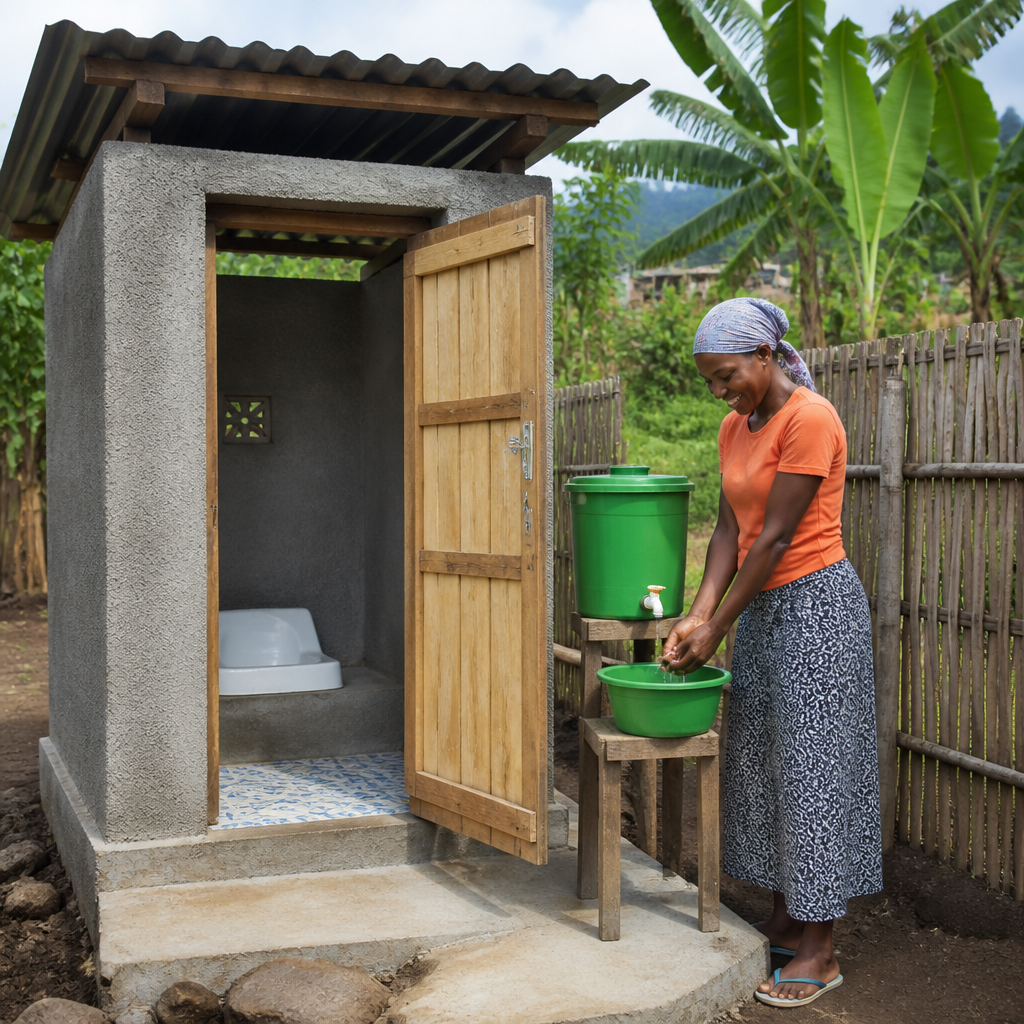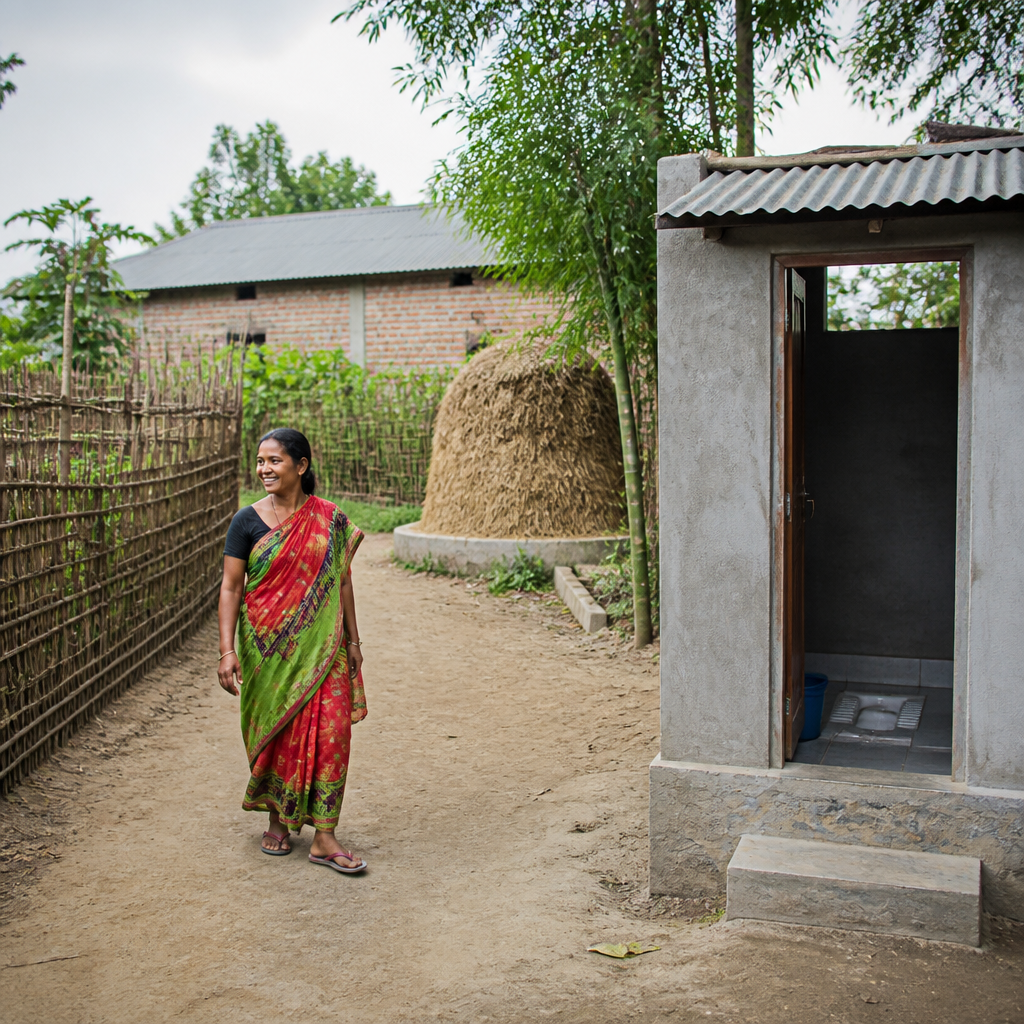
Community-led Total Sanitation, often shortened to CLTS, is a behavior change approach that helps communities end open defecation through collective action rather than household hardware subsidies. In work across rural sanitation programs, I have seen the same pattern repeatedly: latrines matter, but the larger health gain comes when an entire community changes norms, manages fecal waste safely, and treats sanitation as a shared responsibility. That is why CLTS remains central to conversations about prioritizing health in EcoSan, the broader effort to design ecological sanitation systems that protect people, water, soil, and livelihoods at the same time.
To understand the topic clearly, three terms need simple definitions. Open defecation means defecating outside in fields, bushes, waterways, or other open spaces where fecal matter can spread through soil, flies, hands, food, and drinking water. Ecological sanitation, or EcoSan, refers to sanitation systems that aim to safely contain, treat, and reuse human waste, often as compost or fertilizer, while reducing environmental contamination. Community-led means the process is organized around local analysis, local decisions, and local accountability, not just external construction targets. The health logic is direct: if fecal pathogens are kept away from people, disease transmission drops.
This matters because unsafe sanitation still drives diarrheal disease, intestinal worm infections, environmental enteric dysfunction, undernutrition, and preventable deaths, especially among children under five. The World Health Organization and UNICEF have long documented the link between safely managed sanitation and better public health outcomes, including reduced exposure to fecal contamination in homes and communities. For EcoSan programs, the stakes are even higher. Reuse systems only deliver benefits when excreta treatment is reliable, user behavior is consistent, and communities understand risk barriers. A toilet that is built but not used, or a composting system that is poorly managed, can undermine both health and trust.
As a hub within Health and Safety, this article connects the full sanitation chain: behavior change, containment, handwashing, fecal sludge handling, pathogen reduction, inclusive design, and monitoring. The central lesson from CLTS is not that one triggering meeting solves sanitation. It is that lasting health improvements require community ownership, local leadership, practical follow-up, and sanitation options that people can maintain. For practitioners prioritizing health in EcoSan, CLTS offers both strong lessons and clear warnings. Used well, it mobilizes action around disease prevention. Used poorly, it can prioritize declarations over real hygiene protection. The sections below explain what works, what does not, and how to apply the approach responsibly.
How Community-led Total Sanitation Works in Practice
CLTS typically begins with facilitation that helps residents map defecation areas, trace contamination routes, and calculate how much fecal matter remains in the environment. This process is often called triggering because it aims to create a shared realization that open defecation exposes everyone, including households with private latrines. In villages where I have observed the method, the most effective facilitators do not lecture. They ask precise questions: Where do children defecate? What happens during rain? How do flies move from feces to food? When people answer publicly, sanitation shifts from a private inconvenience to a visible community health risk.
After triggering, communities usually form action plans, identify natural leaders, and track progress toward becoming open defecation free. Verification matters. A village should not be considered open defecation free simply because latrines were dug. The standard is that every household consistently uses a safe toilet, child feces are disposed of safely, and public spaces show no visible feces. Strong programs also include handwashing with soap, maintenance planning, and provisions for elderly people, tenants, and persons with disabilities. Without those details, behavior change remains partial and fragile.
For EcoSan, the practical adaptation is important. CLTS can motivate sanitation uptake, but EcoSan adds technical requirements such as urine diversion, dehydration, composting intervals, vault management, and safe reuse protocols. Communities need to understand not only why feces must be contained, but how treatment time, moisture control, ash or cover material, and personal protective measures affect pathogen survival. In other words, collective mobilization opens the door, while technical sanitation management protects health over time.
Health Impacts: What Improves When Open Defecation Ends
The main health benefit of CLTS is reduced fecal exposure at community scale. When open defecation declines across an entire settlement, contamination loads in soil, pathways, courtyards, and drainage channels also decline. That reduction can lower transmission of pathogens including rotavirus, Shigella, enterotoxigenic E. coli, Vibrio cholerae, and soil-transmitted helminths such as Ascaris and Trichuris. The effect is strongest when sanitation improvement is paired with handwashing, safe child feces disposal, and protected water storage, because pathogens move through multiple routes.
Evidence from sanitation programs shows a nuanced picture. Many communities report fewer visible feces, better dignity, less smell, improved safety for women at night, and fewer episodes of diarrhea after sanitation coverage rises. At the same time, controlled studies have found that health outcomes are not uniform everywhere. The reason is straightforward: disease reduction depends on consistent use, high coverage, and continued maintenance. If even a minority of households continue open defecation, contamination can persist. If latrines flood, collapse, or fill quickly, people may revert to previous practices.
For EcoSan systems, positive health impacts extend beyond disease prevention when systems are well managed. Properly treated excreta can reduce dependence on synthetic fertilizers, support soil health, and improve nutrient recovery, especially nitrogen and phosphorus use. Yet this benefit only counts as a health gain if treatment barriers are respected. Fresh fecal material is hazardous. Storage duration, temperature, pH, desiccation, and composting conditions all influence pathogen die-off. The World Health Organization sanitation safety planning framework is useful here because it treats reuse as a risk-managed system, not an assumption of safety.
| Sanitation factor | Health risk if weak | Health benefit when strong |
|---|---|---|
| Community-wide toilet use | Persistent fecal contamination in shared spaces | Lower pathogen exposure across households |
| Handwashing with soap | Transmission from hands to food and children | Reduced diarrheal disease and better hygiene |
| Safe child feces disposal | High-risk feces left in compounds | Cleaner household environment |
| EcoSan treatment compliance | Unsafe handling of partially treated excreta | Safer nutrient reuse and lower occupational risk |
| Inclusive access and maintenance | Non-use by vulnerable groups and reversion | More consistent long-term sanitation behavior |
Prioritizing Health in EcoSan: Design, Operation, and Safe Reuse
Health-focused EcoSan starts with containment. Toilets must separate people from excreta immediately, prevent runoff, control vectors, and make routine use easy. In practice, I favor designs that match local habits and maintenance capacity over technically elegant systems that demand perfect operation. A urine-diverting dry toilet can work extremely well in water-scarce areas, but only if users understand seat position, anal cleansing requirements, cover material use, vault rotation, and emptying schedules. If not, moisture rises, odors increase, and treatment quality falls.
Operation is where many projects succeed or fail. Households need clear instructions on when a vault is full, how long stored material must rest, what protective gear is necessary during emptying, and where treated products can be applied. Reuse should follow crop restrictions and handling precautions appropriate to local standards. For example, treated material used on fruit trees may present lower direct exposure risk than use on leafy vegetables eaten raw. Programs should explain the reasoning plainly: treatment and application choices are about interrupting pathogen pathways, not merely completing a reuse cycle.
Monitoring should include more than toilet counts. Useful indicators include observed use, cleanliness, fly presence, slab or superstructure condition, availability of soap, child-friendly access, vault moisture, and whether treated outputs are handled according to plan. Sanitation safety planning is particularly effective because it identifies hazards from containment through transport, treatment, storage, and end use. That systems view is essential for a Health and Safety hub. Safe EcoSan is not one product; it is a managed chain with critical control points.
Lessons Learned from CLTS Programs: What Consistently Helps
The strongest lesson from CLTS is that social norms drive sanitation outcomes as much as infrastructure does. Villages that sustain gains usually have active local champions, transparent progress tracking, and regular follow-up after triggering. Public commitments, neighborhood checks, and support for struggling households matter more than a one-time event. In my experience, communities maintain momentum when sanitation is framed around protecting children, preserving local pride, and avoiding medical costs, rather than complying with an outside project.
A second lesson is that verification must be rigorous and repeated. Declaring open defecation free too early is one of the most common program errors. Rainy seasons reveal weak pits, inaccessible paths, and flooding problems that were not visible during inspections. Slippage is real. Programs that revisit communities after six months and one year generally obtain a more accurate picture of sanitation behavior. Sustainability also improves when supply chains exist for slabs, vent pipes, pit emptying services, and repairs. Behavior change without practical access to materials often stalls.
A third lesson is that inclusion cannot be treated as secondary. Women, adolescent girls, people with disabilities, older adults, and low-income tenants face specific barriers that standard CLTS messaging may miss. Menstrual hygiene management, privacy, lighting, handrails, wider doors, and affordable upgrades influence whether sanitation facilities are actually used. In EcoSan contexts, labor demands for ash handling, cleaning, and vault emptying can also shift burdens unevenly within households. Programs get better health results when these realities are addressed openly during planning and follow-up.
Common Criticisms, Risks, and How to Apply CLTS Responsibly
CLTS has faced justified criticism where facilitators used shame harshly, ignored affordability constraints, or pushed communities toward unsafe, temporary latrines. Responsible implementation requires a clear boundary: mobilization should never become humiliation, coercion, or exclusion. Households should be supported to improve sanitation progressively, with options that fit local soils, groundwater conditions, flood risk, and income levels. Public health goals are not served by pits that collapse into waterlogged ground or by declarations that hide continued unsafe practices.
Another limitation is that sanitation alone cannot solve every exposure pathway. Animal feces, contaminated drinking water, poor drainage, and unsafe food hygiene can continue to drive disease even after open defecation declines. That is why the most credible CLTS programs increasingly link sanitation with water safety, handwashing, waste management, and housing cleanliness. For EcoSan, regulation and technical oversight are also essential where reuse is promoted. Pathogen risks, pharmaceutical residues, and local acceptance need honest assessment, not assumptions.
The practical way forward is balanced implementation. Use CLTS to build collective demand and local ownership. Pair that demand with strong technical guidance, inclusive design, trained masons, post-triggering support, and risk-based monitoring. If you are building a Health and Safety content hub around prioritizing health in EcoSan, keep returning to one principle: sanitation protects health only when people use systems correctly, every day, through the full waste chain. Communities that understand that principle are far more likely to achieve durable gains.
Community-led Total Sanitation has earned its place in sanitation practice because it tackles the root public health problem: shared exposure to human feces. Its most important contribution is not simply increasing latrine numbers. It is helping communities see sanitation as a collective health defense that depends on universal use, safe child feces disposal, handwashing, maintenance, and local accountability. For EcoSan, that insight is especially valuable, because ecological systems create benefits only when treatment and reuse are managed with discipline and care.
The key lessons are clear. First, sanitation behavior changes most reliably when communities analyze their own risks and lead their own response. Second, health gains depend on whole-chain management, from toilet use to treatment to final reuse or disposal. Third, inclusion, verification, and follow-up determine whether progress lasts. Finally, responsible programs are honest about tradeoffs. CLTS can catalyze change, but it does not replace good engineering, supply chains, safeguards for vulnerable groups, or environmental health monitoring.
If you are prioritizing health in EcoSan, use this article as your starting framework. Build systems that people will use, train households to manage risks correctly, and measure success by reduced exposure, not declarations alone. Review your current sanitation approach, identify the weakest link in the chain, and strengthen it first.
Frequently Asked Questions
What is Community-led Total Sanitation, and how is it different from traditional sanitation programs?
Community-led Total Sanitation, or CLTS, is a behavior change approach designed to help entire communities stop open defecation through collective action, shared accountability, and local problem-solving. Unlike traditional sanitation programs that often focus on distributing toilets, hardware subsidies, or outside technical solutions to individual households, CLTS starts with the idea that sanitation is a community-wide public health issue. The core premise is simple but powerful: even if some families build and use latrines, the health risks remain high when human waste is still left in the open anywhere in the community.
In practice, CLTS works by helping community members analyze how open defecation affects everyone. Facilitators guide discussions and activities that make contamination visible, showing how fecal matter can move through water, soil, hands, food, and flies into people’s bodies. This process is meant to trigger a collective realization that sanitation is not just a private household matter but a shared environmental and health concern. From there, communities develop their own plans to become open defecation free, often using locally available materials and social support rather than waiting for external aid.
What makes CLTS stand out is that it aims to shift social norms, not just increase toilet construction numbers. A latrine built with outside support can go unused if the underlying beliefs and practices do not change. By contrast, CLTS seeks to create a new community expectation that everyone uses safe sanitation, manages fecal waste responsibly, and contributes to a cleaner environment. That is why many practitioners view CLTS as especially valuable in rural settings where long-term health outcomes depend on broad participation, not isolated infrastructure delivery.
What health impacts are associated with successful CLTS implementation?
The most important health impact associated with successful CLTS is reduced exposure to fecal contamination across the whole community. When open defecation declines and more families consistently use safe sanitation, there is less human waste in fields, pathways, water sources, and living areas. That reduction matters because exposure to fecal pathogens is a major driver of diarrheal disease, intestinal worm infections, and other illnesses that disproportionately affect young children, older adults, and people with weakened immune systems.
Communities that sustain open defecation free status often see improvements that extend beyond fewer episodes of diarrhea. Cleaner surroundings can contribute to better child health overall, including reduced risk of repeated infection that can undermine nutrition, growth, and school attendance. In settings where sanitation conditions are very poor, lowering environmental contamination may also support gains in dignity, safety, and mental well-being, especially for women and girls who often face privacy, security, and time burdens when sanitation is inadequate.
It is important, however, to be realistic and evidence-based about CLTS health impacts. Results are strongest when behavior change is widespread and sustained, not partial or short-lived. Health improvements are also more likely when sanitation gains happen alongside better hygiene and safer water handling. In other words, CLTS can be a major contributor to better public health, but its effects are greatest when communities not only stop open defecation but also maintain clean latrines, dispose of child feces safely, wash hands at key times, and continue treating sanitation as a collective responsibility rather than a one-time campaign goal.
Why does CLTS focus so much on the whole community instead of individual households?
CLTS focuses on the whole community because sanitation produces shared risks and shared benefits. Open defecation by even a small number of households can contaminate the environment for everyone else. That means one family’s investment in a toilet does not fully protect them if neighbors still defecate in the open and fecal matter continues to spread through rain runoff, animals, insects, dirty hands, and contaminated surfaces. From a public health standpoint, sanitation is different from many household-level improvements because the biggest gains come when coverage and use are nearly universal.
This is one of the central lessons learned across rural sanitation work: latrines matter, but the larger health gain comes when a community changes its norms together. Once safe sanitation becomes the expected standard, households are more likely to build, use, maintain, and upgrade facilities over time. Peer influence, local leadership, and mutual accountability can be more powerful than external incentives because they shape daily habits and community identity. People are no longer acting only for their own convenience; they are participating in a shared effort to protect children, neighbors, and the local environment.
The community-wide focus also makes CLTS more practical in places where outside resources are limited. Rather than waiting for every household to receive a subsidy, communities mobilize local solutions and support one another in reaching common goals. This does not mean individual needs should be ignored. On the contrary, effective CLTS recognizes that some households, including older people, people with disabilities, and the very poor, may need extra assistance. But the overall strategy remains collective because the sanitation challenge itself is collective. That is precisely why CLTS continues to play such a central role in discussions about sustainable rural sanitation.
What are the most important lessons learned from CLTS programs over time?
One of the clearest lessons learned is that counting toilets is not the same as achieving sanitation outcomes. Early sanitation efforts in many places emphasized construction targets, but experience has shown that facilities alone do not guarantee behavior change, proper use, or lasting health gains. CLTS has helped shift attention toward actual practices: whether people stop open defecation, whether child feces are disposed of safely, whether pits are managed responsibly, and whether communities maintain these changes after the initial mobilization period ends.
A second major lesson is that follow-up matters just as much as triggering. The initial community mobilization can create momentum, but sustained change usually requires repeated engagement, local leadership, and practical problem-solving. Households may need help improving low-cost latrine designs, preparing for rainy seasons, replacing collapsed structures, or making sanitation more accessible for elderly or disabled family members. Programs that treat CLTS as a short campaign often struggle with slippage, while those that support communities through the maintenance and improvement phase tend to see more durable results.
A third lesson is that context matters enormously. CLTS does not work as a rigid template that can simply be copied from one area to another. Local culture, soil conditions, poverty levels, water access, governance, and social cohesion all influence outcomes. In some communities, strong natural leaders and collective pride drive rapid progress. In others, weaker local institutions or extreme vulnerability may require a more adapted approach. The most effective practitioners understand the principles of CLTS deeply but remain flexible in how they facilitate, support, verify, and strengthen local action.
Finally, experience has shown that CLTS is strongest when it is linked to broader sanitation system thinking. Ending open defecation is a crucial step, but long-term health protection also depends on fecal sludge management, hygiene behaviors, reliable monitoring, and pathways for households to upgrade facilities over time. The lesson is not that CLTS is insufficient; it is that CLTS works best as the foundation of a larger sanitation journey, one that begins with collective behavior change and continues toward safer, more resilient rural sanitation systems.
What are the main challenges or criticisms of CLTS, and how can programs address them effectively?
CLTS has delivered important results in many settings, but it also faces legitimate challenges and criticisms that serious programs should address directly. One concern is sustainability. Some communities achieve open defecation free status initially but later experience slippage when latrines collapse, maintenance declines, or follow-up support fades. This is especially common in difficult environments with unstable soils, flooding, or high levels of poverty. To address this, programs need to go beyond short-term mobilization and invest in post-triggering support, local sanitation supply chains, stronger monitoring, and realistic pathways for households to repair and upgrade facilities.
Another criticism is that poorly implemented CLTS can place too much pressure on vulnerable households. Because the approach relies on collective accountability, it can create exclusion or stigma if facilitators are not well trained and if communities are not guided carefully. Ethical implementation is essential. Programs should emphasize dignity, inclusion, and support rather than shame or coercion. Households facing financial, physical, or social barriers should receive tailored assistance through community solidarity mechanisms, local government support, or complementary sanitation financing options. The goal is universal progress, not punishment.
A further challenge is the assumption that behavior change alone is always enough. In reality, some settings require more than community motivation. Markets for affordable materials may be weak, technical guidance may be limited, and some families may need designs adapted to disability, age, or environmental conditions. Effective CLTS programs recognize these realities and connect behavior change efforts with practical enabling support. That can include mason training, links to suppliers, inclusive design guidance, and clearer systems for pit emptying or waste management.
The broader lesson is that CLTS should not be judged only by whether a village reaches an open defecation free milestone. It should be assessed by whether sanitation behaviors are sustained, whether all groups are included, and whether environmental contamination truly declines over time. When implemented thoughtfully, ethically, and as part of a wider rural sanitation strategy, CLTS remains one of the most influential approaches for turning sanitation from an individual household concern into a durable community health achievement.