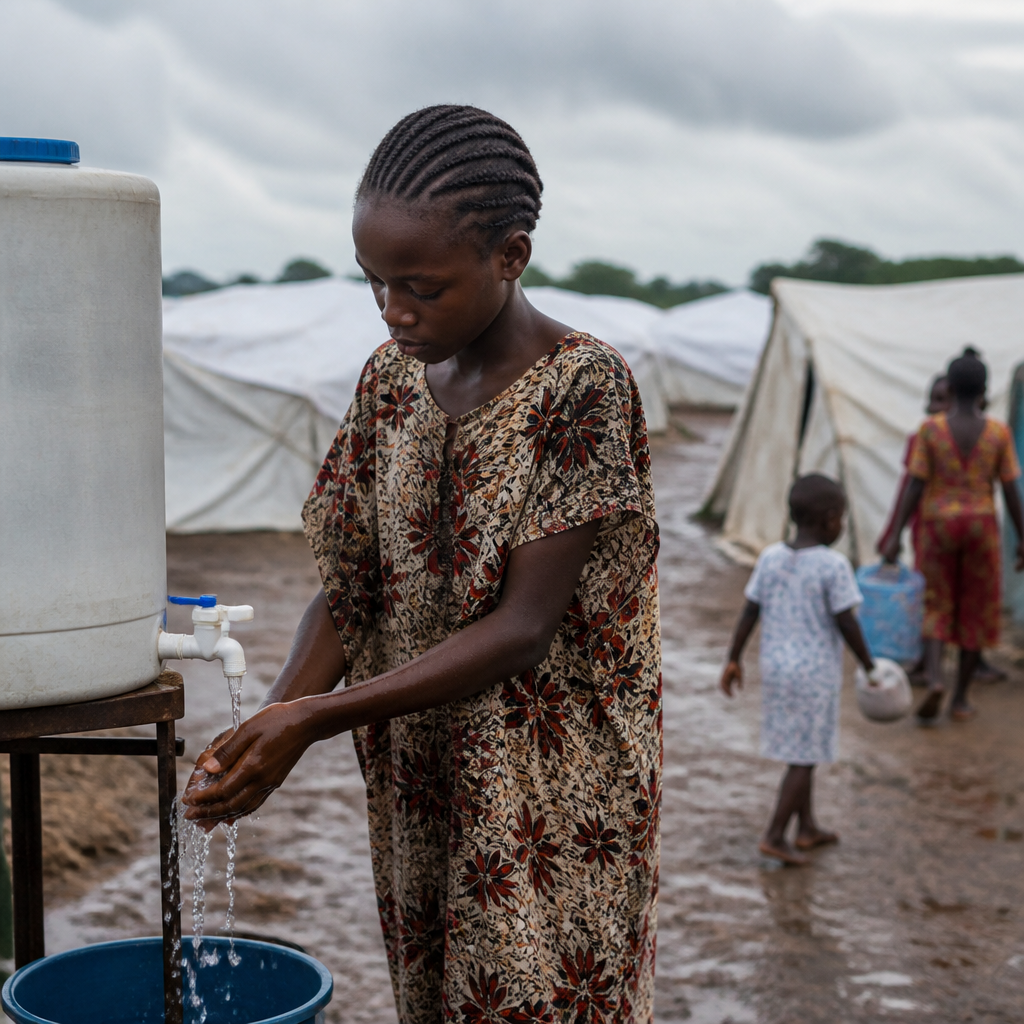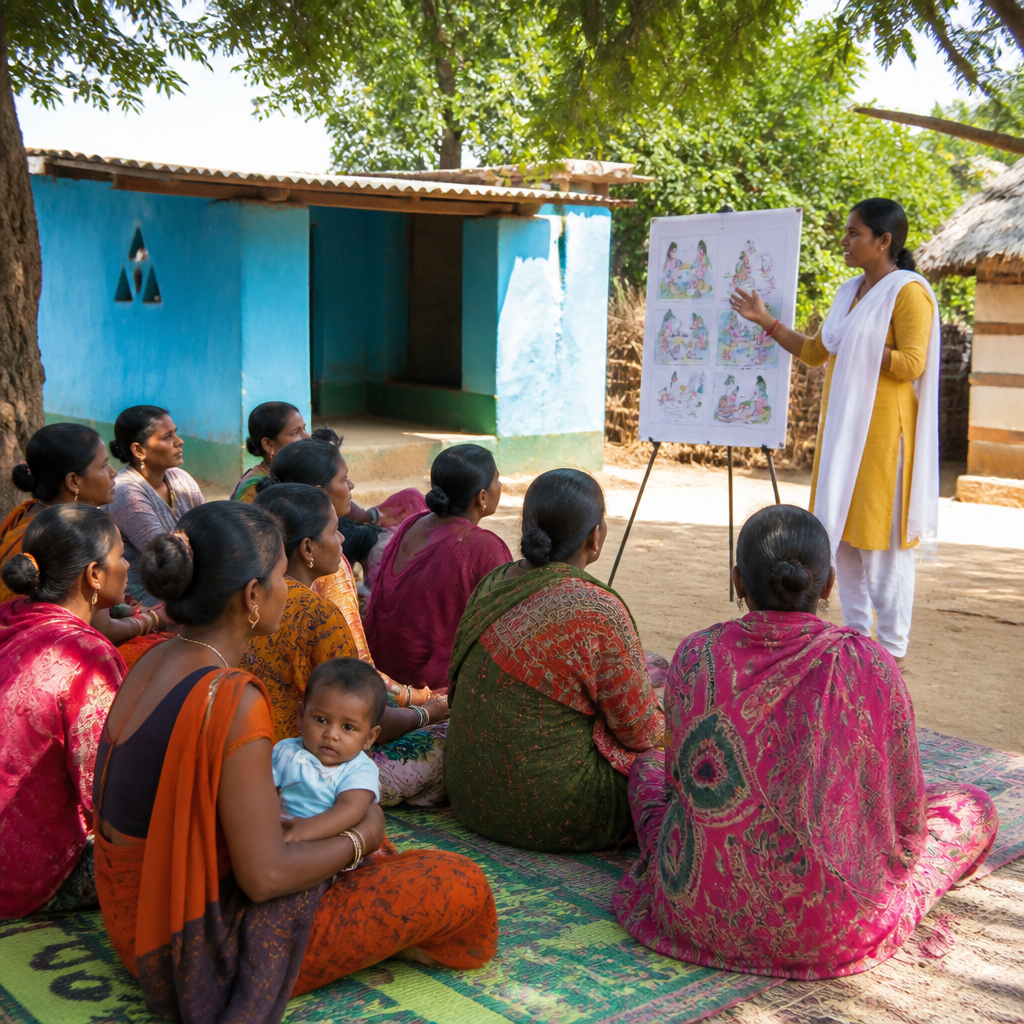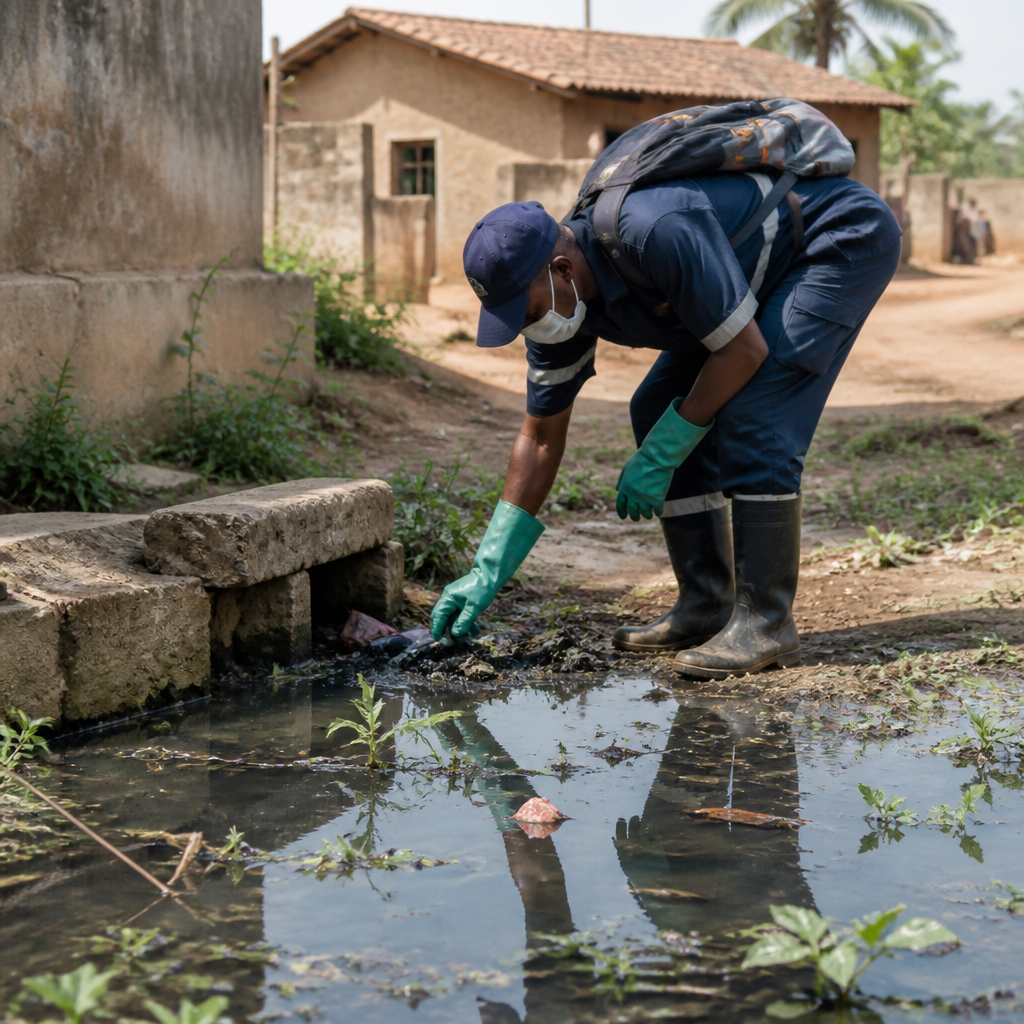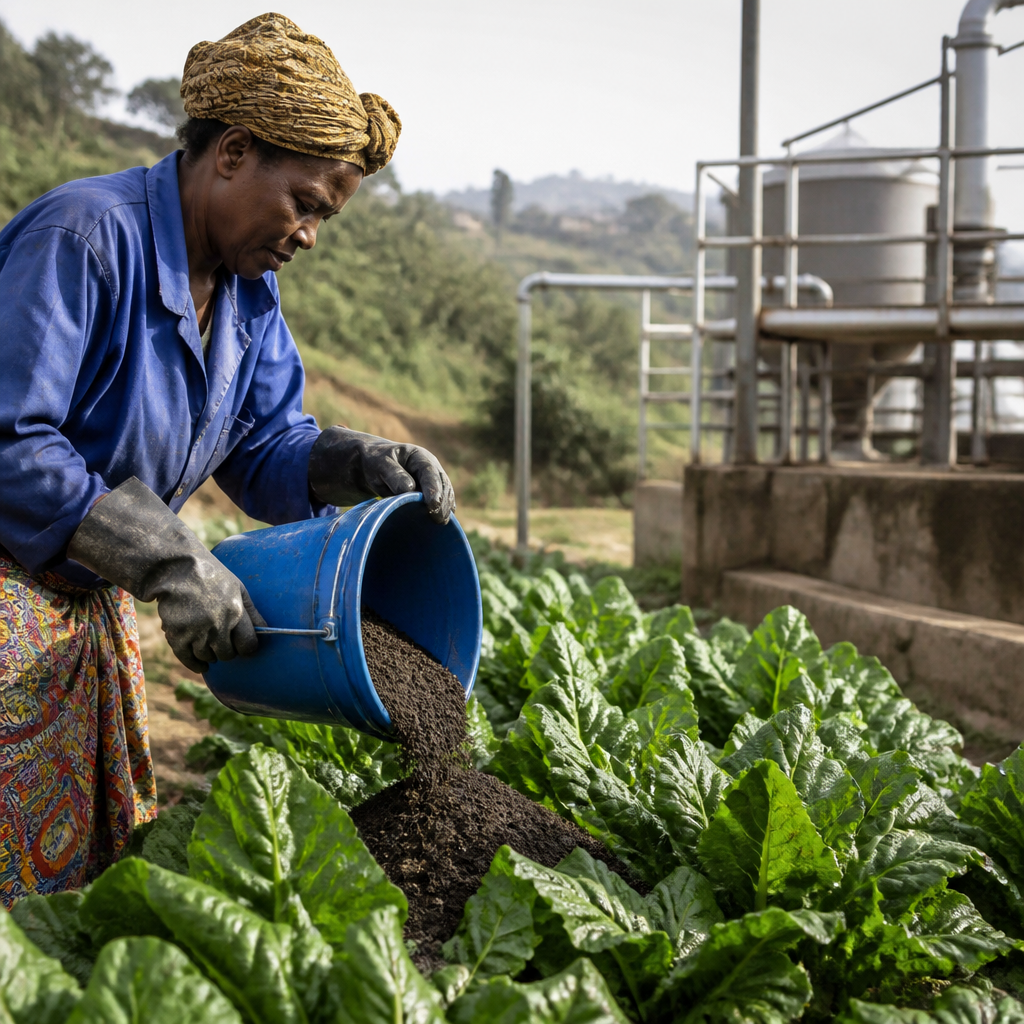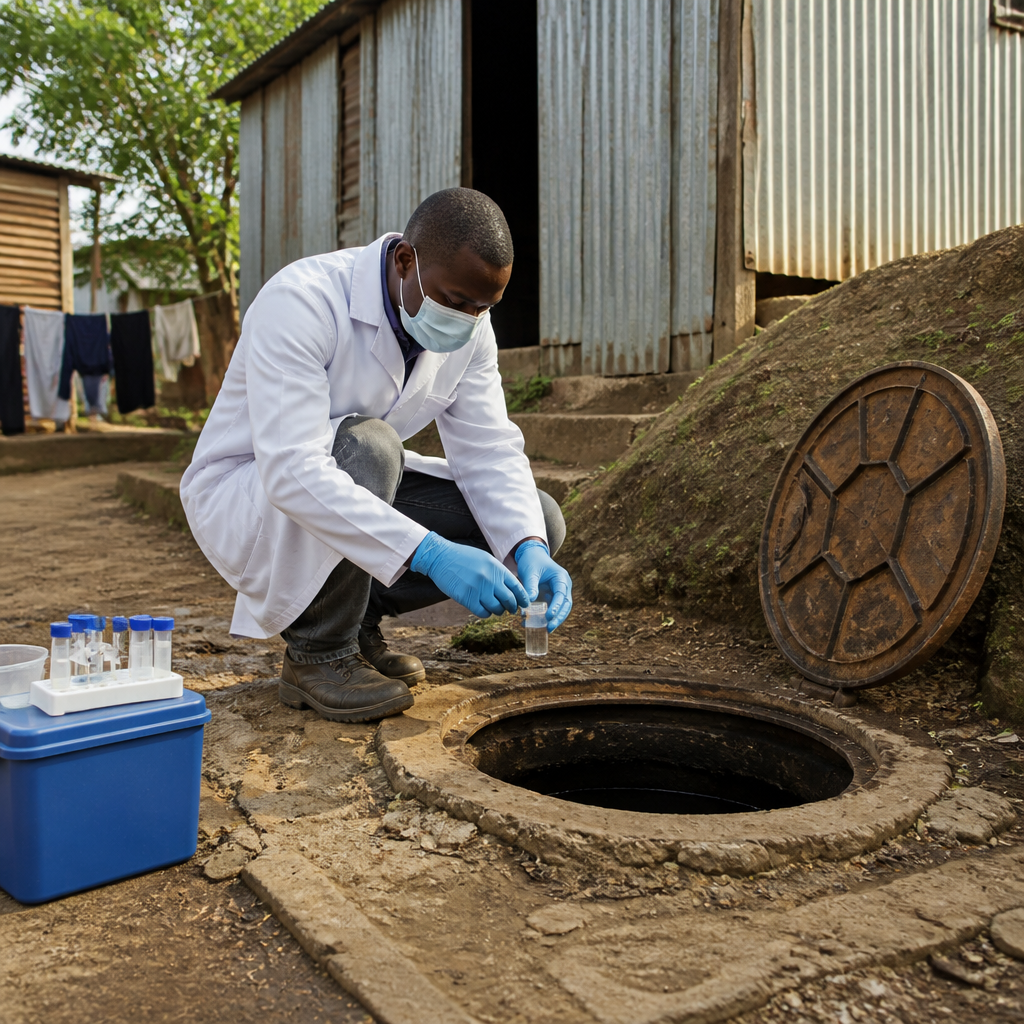
Assessing health risks in decentralized sanitation systems is central to building safe, resilient EcoSan programs, because every design choice around toilets, storage, treatment, transport, and reuse affects human exposure to pathogens and chemicals. Decentralized sanitation systems are facilities that collect, treat, and often reuse human excreta, greywater, or organic waste close to where they are generated rather than sending them to a large sewer network and centralized plant. EcoSan, short for ecological sanitation, goes one step further by treating urine, feces, and wastewater as resources that can be safely recovered for agriculture, landscaping, soil improvement, energy, or water conservation. When I assess these systems in practice, the first question is never whether resource recovery is theoretically possible; it is whether the complete service chain protects users, workers, nearby residents, and eventual consumers of crops or water.
That focus matters because the health burden from unsafe sanitation remains substantial. The World Health Organization links inadequate sanitation, hygiene, and unsafe water to diarrheal disease, parasitic infection, environmental contamination, and avoidable child mortality. Yet decentralized systems are not inherently higher risk than sewers or septic tanks. In many places they are safer and more feasible, especially where water is scarce, terrain is difficult, settlements are dispersed, or utilities cannot maintain conventional infrastructure. The deciding factor is not the technology label but the quality of risk management. A well-run urine-diverting dry toilet with documented storage times, controlled emptying, and farmer guidance can outperform a poorly maintained sewer that leaks into drains and irrigation canals. Prioritizing health in EcoSan therefore means evaluating hazards across the entire sanitation chain and designing barriers that keep people from infectious doses or toxic concentrations.
Health risk assessment in this context usually asks four plain questions: what hazards are present, who can be exposed, how likely is harmful exposure, and what controls reduce risk to an acceptable level. The main hazard groups are biological, chemical, and physical. Biological hazards include bacteria such as Salmonella, Shigella, and pathogenic Escherichia coli; viruses such as rotavirus, norovirus, hepatitis A, and adenovirus; protozoa such as Giardia and Cryptosporidium; and helminths such as Ascaris, hookworm, and Trichuris. Chemical hazards may include nitrates, ammonia, salts, pharmaceutical residues, heavy metals from industrial mixing, and cleaning agents. Physical risks include falls into pits, confined space hazards, heat stress for workers, and sharps in sludge. Because this article serves as the hub for prioritizing health in EcoSan, it lays out how to identify those hazards, rank critical exposure pathways, select protective controls, and connect decisions on design, operation, monitoring, and reuse into one defensible health and safety strategy.
Map the full sanitation chain before judging risk
The most common assessment mistake is looking only at the toilet interface. In field reviews, I map the entire chain: user interface, containment, on-site storage, treatment, emptying, transport, secondary processing, final reuse or disposal, and ongoing maintenance. Risk often shifts downstream. A toilet cubicle can appear clean while the real danger sits in an unlined infiltration pit, an overflowing storage vault, or informal sludge dumping beyond the settlement edge. For EcoSan systems, this chain perspective is even more important because reuse introduces additional contact points. Farmers, transporters, market workers, children playing near storage areas, and people eating raw produce can all become part of the exposure picture if controls fail.
A chain map should note who interacts with waste at each step, how often, and under what conditions. For example, a urine-diverting dry toilet in a rural school has different hazards from a container-based sanitation service in a dense informal settlement. The school system may face poor anal cleansing compatibility, inconsistent ash addition, and children opening vaults before storage is complete. The container-based service may reduce user contact but create worker handling risks during collection and transfer. In both cases, risk assessment improves when operators document event frequency, equipment used, maintenance intervals, climate conditions, and end-use intentions. Those details determine whether a hazard is theoretical or operationally significant.
Service level also changes health outcomes. Intermittent collection, lack of spare parts, and unclear household responsibilities are not minor management issues; they are health determinants. A decentralized system fails safely only when backup capacity, emergency emptying, drainage management, and user communication are built in. That is why successful EcoSan programs treat service delivery, not just hardware, as the primary protective measure.
Identify the hazards that matter most in EcoSan
Pathogens drive most acute health risks in decentralized sanitation. Fresh feces can contain very high concentrations of enteric organisms, and some, especially helminth eggs, survive for months in moist environments. Urine is often less contaminated than feces at source, but cross-contamination is common in real toilets due to splash, user behavior, and poor separation. Greywater can also matter when it carries fecal contamination from child bathing, diaper washing, or surface runoff. In practical assessments, I treat all untreated excreta-derived streams as potentially infectious until sampling or validated treatment shows otherwise.
Chemical risk deserves equal attention when reuse is planned. Urine and treated effluent can be valuable fertilizers because they contain nitrogen, phosphorus, and potassium, but high application rates can create ammonia volatilization, salt stress, nitrate leaching, and odor complaints. Fecal sludge or compost may contain heavy metals if household waste is mixed with batteries, paint residues, ash from burned waste, or small-scale industrial discharge. Pharmaceuticals and personal care products are a more nuanced issue: they are usually a lower immediate risk than pathogens, but persistent compounds can influence long-term reuse acceptability and environmental quality. The right response is not blanket rejection of reuse; it is source control, realistic exposure assessment, and crop-specific management.
Some hazards are operational rather than microbiological. Pit collapse, structural failure of vaults, poor ventilation causing ammonia buildup, and musculoskeletal injuries during manual emptying can injure workers quickly. Children and elderly users may be at higher risk where slab openings are too wide, floors become slippery, or access requires climbing steps. A credible EcoSan health strategy therefore combines public health, occupational safety, and product quality standards.
| Sanitation stage | Main hazards | Typical exposure route | Priority controls |
|---|---|---|---|
| User interface | Fresh fecal pathogens, urine cross-contamination, slips | Hand-to-mouth, skin contact, falls | Safe slab design, handwashing, cleaning protocol, user training |
| Storage and treatment | Pathogen survival, vector breeding, odors, leachate | Direct contact, inhalation, groundwater contamination | Watertight structures, correct storage time, cover material, drainage control |
| Emptying and transport | Aerosols, splashes, sharps, heavy lifting | Worker contact, nearby resident exposure | PPE, sealed containers, mechanized tools, route planning, vaccination |
| Reuse in agriculture | Residual pathogens, excess nutrients, salts | Crop handling, raw consumption, soil and water pathways | Validated treatment, crop restriction, withholding periods, application guidance |
Understand exposure pathways and vulnerable groups
Risk is created by exposure, not by hazard presence alone. The classic framework for sanitation is the fecal-oral pathway: fluids, fields, flies, fingers, food, and fomites. In decentralized systems, aerosols, soil ingestion, and occupational handling add further routes. A storage vault that inactivates most bacteria still may not adequately control Ascaris eggs if moisture remains high. A treated effluent that is acceptable for subsurface irrigation may become risky when sprayed on leafy vegetables eaten raw. These differences explain why a single pass-fail judgment rarely works across all EcoSan applications.
Vulnerable groups deserve explicit consideration. Young children have frequent hand-to-mouth behavior and lower infectious dose thresholds for some enteric illnesses. Sanitation workers face repeated cumulative exposure and often work without formal contracts or access to vaccination, eye protection, gloves, and wash stations. Pregnant women, elderly residents, and immunocompromised people may be more affected by enteric infections or by strenuous access conditions. Nearby communities relying on shallow wells are vulnerable to nitrate and microbial contamination when pits or soak areas are placed too close to water sources. I have seen acceptable systems on paper become unacceptable in practice simply because groundwater depth, flooding frequency, or user disability was not considered during siting.
Good assessments therefore specify who is exposed, how often, and in what dose range. If local data are available, quantitative microbial risk assessment can estimate infection probability from measured pathogen concentrations and contact assumptions. Where data are limited, a semi-quantitative matrix still helps prioritize action by scoring likelihood and severity. The goal is not false precision. It is disciplined decision-making that distinguishes a rare, low-consequence event from a daily exposure pathway affecting many people.
Use multiple barriers, not a single treatment claim
The safest EcoSan programs rely on multiple barriers. This principle is endorsed in the World Health Organization guidelines on sanitation and safe use of wastewater, excreta, and greywater. No single step should carry the full burden of protection because real systems experience noncompliance, weather shocks, and equipment failure. A multiple-barrier approach may combine source separation, storage, alkaline treatment, thermophilic composting, restricted crop use, safer irrigation methods, worker protective equipment, handwashing, and harvest intervals. When one barrier weakens, the others still reduce risk.
For fecal materials, treatment performance depends on time, temperature, moisture, pH, and mixing. Thermophilic composting can achieve strong pathogen reduction when temperatures are consistently high throughout the pile, but cold spots and poor turning are common failure points. Alkaline treatment using ash or lime can raise pH and reduce survival, yet effectiveness depends on contact conditions and operator consistency. Dehydration vaults can work in dry climates if urine diversion is maintained and rain intrusion is prevented. For urine reuse, storage time can reduce microbial risk, but users must understand dilution, crop targeting, and application timing to avoid direct contact and foliage contamination.
Crop restriction is one of the most underrated controls. Applying treated products to cereals, fodder, tree crops, timber, or crops that are cooked before consumption usually carries lower public health risk than applying them to raw salad greens. Subsurface application reduces contact more effectively than sprinklers. Withholding periods between application and harvest create another protective layer. In other words, health protection in EcoSan does not depend on proving a material is perfectly sterile. It depends on selecting realistic barriers that fit local behavior and can be maintained over time.
Design, operation, and monitoring determine whether systems stay safe
Design choices set the baseline. Toilets must separate flows as intended, prevent stormwater entry, limit vector access, and allow safe emptying without improvisation. Storage chambers need sufficient retention volume based on actual user numbers, not optimistic assumptions. Siting must account for flood elevation, soil permeability, groundwater level, and setbacks from wells or surface water. In dense settlements, sealed containers or above-ground vaults may protect groundwater better than pits. In water-scarce areas, low-flush or dry systems may reduce both cost and contamination risk if maintenance is reliable.
Operation is where many systems succeed or fail. Standard operating procedures should define cleaning frequency, cover material dosing, inspection points, overflow response, and who authorizes emptying. Workers need gloves, boots, face protection where splashes are possible, and facilities for handwashing and showering after high-contact tasks. Hepatitis A and tetanus vaccination can be justified for exposed workers, and deworming programs may be relevant in endemic areas. None of these measures is optional when manual handling occurs regularly.
Monitoring should be proportionate but consistent. At minimum, programs need records on fill levels, emptying dates, treatment times, complaints, spills, and end-use destinations. Where reuse is formalized, testing may include E. coli as an indicator, helminth egg analysis, moisture content, pH, temperature logs, nutrients, electrical conductivity, and, where risk warrants, heavy metals. I prefer trend monitoring over isolated sampling because one impressive lab result can hide recurring operational failures. Audits should also include user behavior: are people using the urine-diversion pedestal correctly, are handwashing stations stocked, and are farmers applying products to approved crops? Safe outcomes depend on human performance as much as laboratory performance.
Build governance, communication, and continuous improvement into the hub strategy
Health-focused EcoSan needs governance as much as engineering. Clear responsibilities must exist for households, schools, landlords, service providers, farmers, laboratories, and local regulators. Contracts should specify collection intervals, spill reporting, acceptable end uses, and corrective actions when treatment targets are missed. Programs also need honest communication with communities. Users accept decentralized sanitation more readily when they understand why storage times matter, why some crops are restricted, and how resource recovery benefits soils without compromising safety. Confusing or overly technical messaging invites unsafe shortcuts.
As a hub topic under Health and Safety, prioritizing health in EcoSan should connect readers to deeper guidance on pathogen reduction, worker protection, safe emptying, groundwater protection, reuse standards, school sanitation, and monitoring protocols. The key takeaway is straightforward: decentralized sanitation can protect public health and recover resources when risk assessment covers the full chain and control measures are layered, practical, and enforced. Start by mapping hazards and exposure points in your current system, then upgrade the weakest barrier first. That disciplined approach produces safer toilets, safer operations, safer reuse, and greater trust in EcoSan over the long term.
Frequently Asked Questions
What does “health risk” mean in decentralized sanitation systems?
In decentralized sanitation, “health risk” refers to the likelihood that people will be exposed to harmful biological or chemical hazards at any point in the sanitation chain, and the severity of the consequences if that exposure occurs. Unlike centralized sewer systems, decentralized systems manage waste close to homes, schools, farms, or small communities, so the major risk question is not just whether waste is collected, but whether each step safely contains, treats, transports, and, where relevant, reuses it. The main biological hazards are pathogens such as bacteria, viruses, protozoa, and helminths that can be present in feces, urine, greywater, or sludge. Chemical risks may include pharmaceuticals, cleaning agents, industrial contaminants, heavy metals, nitrates, or ammonia, depending on what enters the system and how the treated products are used.
Risk assessment looks at who could be exposed, how they could be exposed, and under what conditions exposure is most likely. That includes toilet users, children playing nearby, sanitation workers emptying containers, transport operators, farmers applying biosolids or urine, food consumers, and neighbors who may come into contact with runoff, aerosols, insects, or contaminated water. A well-designed system reduces these risks through barriers such as safe user interfaces, sealed storage, sufficient treatment time, pathogen die-off, personal protective equipment, controlled reuse practices, and routine monitoring. In EcoSan programs especially, health risk assessment is essential because the goal is not only to manage waste, but often to recover nutrients and water safely. The core principle is simple: a decentralized system is only truly sustainable if it protects health from source to final use or disposal.
Why is health risk assessment so important when designing EcoSan and other decentralized sanitation systems?
Health risk assessment is important because decentralized sanitation systems are made up of multiple connected decisions, and each one can either reduce or increase exposure. Toilet type, user behavior, separation of urine and feces, storage duration, treatment method, emptying frequency, transport conditions, and reuse practice all matter. A system that performs well technically on paper can still create public health problems if containers overflow, sludge is handled manually without protection, treatment is inconsistent, or reuse occurs before pathogens are adequately reduced. In other words, the success of EcoSan depends not just on engineering, but on understanding real-life contact pathways and interrupting them deliberately.
This assessment also helps planners choose solutions that match local conditions. Climate, soil, groundwater depth, flooding patterns, population density, water availability, maintenance capacity, and cultural practices all influence risk. For example, a pit or soak system in a flood-prone area may threaten drinking water, while a urine-diverting dry toilet may be safer if it is supported by good training and reliable collection or reuse practices. Risk assessment makes these trade-offs visible before installation, which is far more effective and less costly than trying to correct unsafe conditions later.
Just as importantly, health risk assessment builds resilience and trust. Communities are more likely to accept reuse of treated excreta or greywater when safety measures are clearly explained and backed by evidence. Regulators and program managers can use risk assessment to define treatment targets, operational standards, worker protections, and monitoring plans. Rather than relying on assumptions, they can identify critical control points and manage them systematically. That is why health risk assessment sits at the center of strong decentralized sanitation programs: it turns sanitation from a basic containment exercise into a structured public health intervention.
What are the main health hazards associated with decentralized sanitation systems?
The main hazards generally fall into two categories: microbiological and chemical. Microbiological hazards are usually the most immediate concern because human excreta can carry disease-causing organisms that spread through direct contact, contaminated hands, food, soil, water, insects, or aerosols. These include bacteria such as E. coli and Salmonella, viruses such as norovirus and rotavirus, protozoa such as Giardia and Cryptosporidium, and helminths such as Ascaris. The level of risk depends on how much waste is handled, how fresh it is, whether treatment is effective, and how likely people are to touch or ingest contaminated material.
Chemical hazards vary more by context but can be significant, especially where waste streams are mixed or reuse is part of the system. Greywater may contain detergents, disinfectants, oils, and personal care product residues. Urine can contain pharmaceutical residues and high nutrient loads, which are useful in agriculture if managed properly but problematic if overapplied. Sludge or composted products may contain heavy metals or industrial contaminants if non-domestic waste enters the system. There are also occupational hazards related to gases such as hydrogen sulfide or methane in confined spaces, along with physical hazards such as slips, sharp objects, and ergonomic strain during manual emptying and transport.
Another important issue is environmental exposure that later becomes a health problem. If a decentralized system leaks into groundwater, overflows during storms, or discharges poorly treated effluent into surface water, people may be exposed indirectly through drinking water, irrigation, bathing, or crop contamination. Vectors such as flies and cockroaches can further spread contamination if waste is not well contained. Because of this, hazard identification should include not just the waste itself, but the full operating environment. The most effective programs treat health hazards as system-wide risks, not isolated technical defects.
How can health risks be reduced across the full sanitation chain, from toilet to treatment to reuse?
Reducing health risks requires a multi-barrier approach across every stage of the sanitation chain. It begins at the user interface with toilets that are easy to use correctly, minimize contact with waste, and prevent leaks, splashing, odors, and insect access. Clear instructions, inclusive design, and regular maintenance matter just as much as the hardware itself. If a toilet is confusing, inaccessible, or unpleasant, users may bypass it or use it incorrectly, undermining safety immediately. Safe containment is the first barrier, but it must be followed by reliable storage and treatment designed around realistic loading rates and local operating capacity.
Treatment is the critical step for reducing pathogen levels before handling or reuse. Depending on the system, this may include dehydration, composting, anaerobic digestion, lime stabilization, thermal treatment, planted drying beds, or controlled storage for pathogen die-off. The key is that treatment conditions must actually be achieved and maintained. Time, temperature, moisture, pH, oxygen levels, and separation from fresh waste all influence effectiveness. For example, simply labeling material as “compost” does not make it safe; what matters is whether the treatment process consistently reduces pathogens to acceptable levels. Routine inspection and, where possible, verification through testing help confirm that the barrier is working.
Transport and emptying are also major control points. Containers should be sealed, routes planned to avoid spills, and workers trained and equipped with gloves, boots, masks, handwashing facilities, and vaccination where appropriate. Manual handling should be minimized through tools, carts, or mechanized emptying. During reuse, exposure can be reduced further by restricting which crops receive treated products, applying materials below the soil surface, observing withholding periods before harvest, and preventing children or livestock from accessing freshly treated or applied material. Safe water management, storm protection, and drainage controls are equally important to avoid runoff or flooding-related contamination. The strongest decentralized sanitation systems combine technical barriers, operational discipline, worker protection, user education, and monitoring so that no single failure leads directly to human exposure.
How do communities and program managers know whether a decentralized sanitation system is actually safe?
A system is considered safe not because it looks clean or uses an advanced technology label, but because there is evidence that hazards are being controlled consistently over time. That evidence usually comes from a combination of sanitary inspections, operational monitoring, environmental observations, user feedback, and, where feasible, laboratory testing. Program managers should identify critical control points in the system, such as toilet integrity, storage duration, treatment conditions, sludge removal practices, effluent quality, and reuse restrictions. They then track whether those controls are functioning as intended. If a dehydration vault is staying too moist, if sludge is being emptied too early, or if greywater infiltration is reaching a shallow well, the system is not safe even if the infrastructure is still in place.
Monitoring should focus on practical indicators that predict health protection. These may include fill levels, leak checks, temperature and moisture records for composting, pH for alkaline treatment, retention time, frequency of collection, odor and vector presence, worker use of protective equipment, and distance from water sources. In some settings, microbial indicators such as E. coli or helminth egg counts are used to evaluate treatment performance, while chemical testing may be necessary when there is concern about metals, salinity, or industrial contamination. The exact monitoring plan depends on the type of system and intended end use, but the principle is the same: verify performance, do not assume it.
Community engagement is another essential part of judging safety. Users and workers often notice failures first, including blocked interfaces, unsafe emptying practices, illegal dumping, poor drainage, or confusion around reuse instructions. Programs that create clear reporting channels and respond quickly tend to maintain safer systems over the long term. Ultimately, a decentralized sanitation system is safe when exposure pathways are understood, controls are in place, responsibilities are clear, and performance is reviewed regularly. Safety is not a one-time design outcome;