Nutrient recovery in sanitation turns human waste into useful products such as fertilizer, soil conditioner, irrigation water, and biogas feedstock. In ecological sanitation, often shortened to EcoSan, the aim is not simply disposal. The aim is to protect public health while recovering nitrogen, phosphorus, potassium, organic matter, and water that would otherwise be lost. When designed and managed well, these systems can reduce pollution, lower fertilizer demand, and improve soil health. When designed or operated poorly, they can spread pathogens, concentrate chemicals, and expose workers and households to preventable hazards. That balance makes safety and wellness in EcoSan one of the most important subjects in sanitation today.
The core concept is simple: excreta and wastewater contain nutrients plants need, but they also contain disease-causing organisms and contaminants that must be controlled. Human urine is typically rich in nitrogen and potassium and usually has fewer pathogens than feces. Feces contain organic matter and phosphorus, yet they also carry bacteria, viruses, protozoa, and helminths. Graywater may be reused for irrigation, but soaps, grease, and household chemicals affect safety and performance. In my work reviewing decentralized sanitation projects, the strongest systems always treat nutrient recovery as a health intervention first and a resource project second. That order matters because a bag of compost or a drum of stored urine has value only if it is handled safely.
This hub article explains how safety and wellness in EcoSan should be assessed across the full chain: user interface, collection, storage, treatment, transport, reuse, and long-term monitoring. It also clarifies the main health benefits, the common risks, the control measures that actually work, and the practical decisions households, schools, farms, utilities, and local governments face. Standards from the World Health Organization, the International Organization for Standardization, and national biosolids and water reuse rules provide a useful base, but site conditions decide outcomes. Climate, crop type, user behavior, maintenance quality, and market demand all shape whether nutrient recovery becomes a safe circular system or a hidden exposure pathway.
For readers looking for a clear answer, here it is: nutrient recovery in sanitation can be safe and beneficial, but only when pathogen reduction, chemical risk control, occupational protection, and user acceptance are built into every step. EcoSan succeeds when treatment targets are matched to end use, barriers are layered rather than assumed, and communities receive training they can act on. The rest of this article breaks down those requirements in practical terms.
Why Nutrient Recovery Matters for Health and Wellness
Nutrient recovery improves health in direct and indirect ways. Directly, it can reduce unmanaged waste, open defecation, surface water contamination, and contact with overflowing pits or failing sewers. Indirectly, it supports agriculture, food security, and environmental quality. Phosphorus is a finite mined resource, and synthetic nitrogen fertilizer is energy intensive to produce. Returning nutrients to soil can improve structure, water retention, and microbial activity, especially where soils are degraded. In dryland farming areas, that soil function matters as much as nutrient content because healthier soils reduce crop stress and stabilize yields.
There is also a sanitation service benefit. Source-separating toilets, urine diversion systems, container-based sanitation, dehydration vaults, composting toilets, anaerobic digesters, and blackwater treatment units can all reduce dependence on waterborne conveyance where sewers are unaffordable or unreliable. In dense settlements or water-scarce regions, that flexibility improves resilience. I have seen facilities that failed as conventional latrines become viable once operators shifted to routine collection, controlled storage, and clearly defined reuse pathways. Health gains appeared not because of technology alone, but because the management chain became visible and accountable.
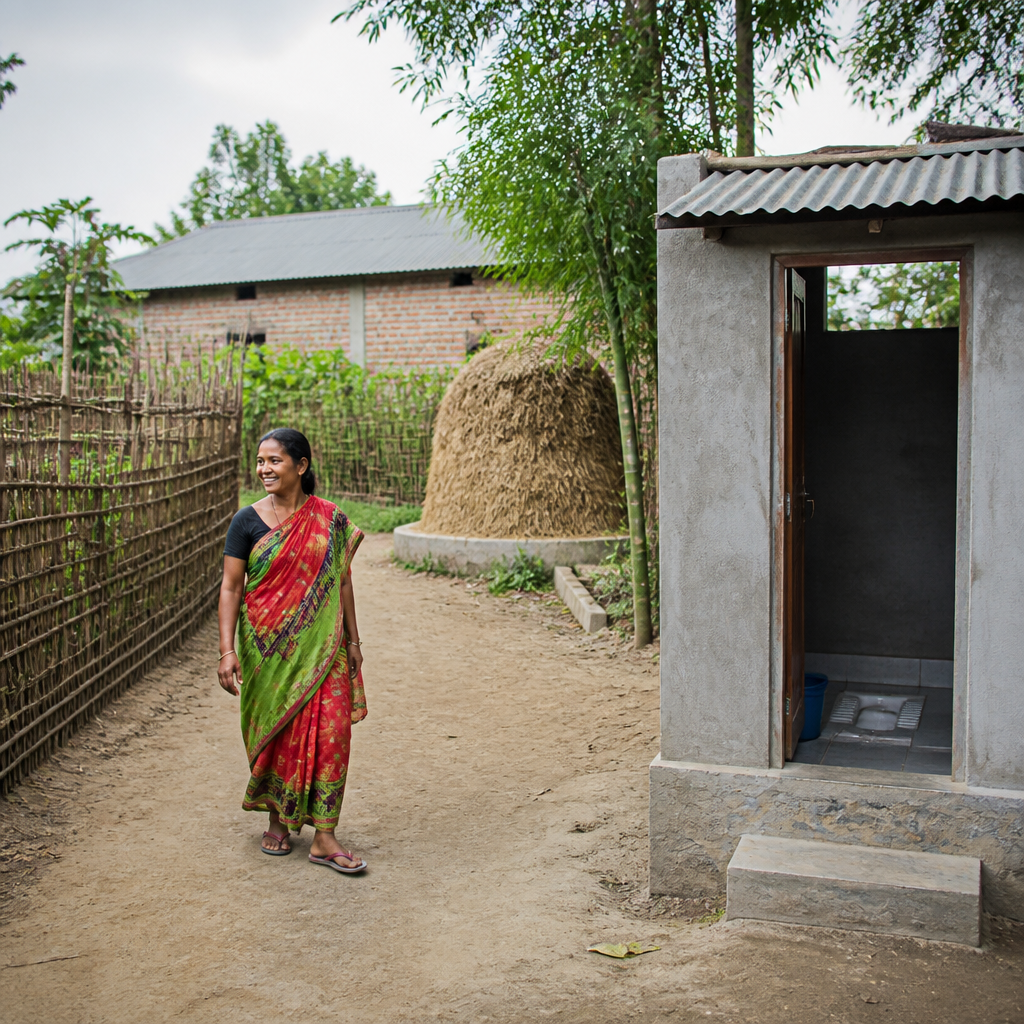
Wellness includes dignity and acceptability, not only infection prevention. A toilet that smells strongly of ammonia, attracts flies, leaks liquids, or requires users to touch raw material without protection will not be used consistently. Poor usability increases unsafe alternatives. By contrast, systems that are easy to clean, culturally acceptable, and compatible with menstrual hygiene and child use protect both physical and mental well-being. Good EcoSan design therefore includes privacy, handwashing, clear instructions, protective equipment, and realistic maintenance schedules.
Main Nutrients Recovered and Common EcoSan Pathways
The principal nutrients recovered are nitrogen, phosphorus, potassium, sulfur, calcium, magnesium, and trace micronutrients. Urine contains most of the nitrogen and potassium excreted by humans, mainly as urea that hydrolyzes into ammonium and raises pH during storage. Fecal solids contain much of the phosphorus and organic carbon. Recovery pathways include direct urine storage and agricultural application, struvite precipitation, ammonia stripping, composting, lactic acid fermentation, vermicomposting, anaerobic digestion, drying, pyrolysis into biochar-like products, and production of pelletized fertilizers from treated biosolids.
Different pathways have different safety profiles. Urine diversion can simplify nutrient recovery because urine is relatively low in pathogens when uncontaminated by feces. However, cross-contamination is common in real toilets, especially where users are unfamiliar with separation. Dehydration toilets reduce moisture and can suppress some pathogens, yet they do not guarantee complete inactivation of hardy helminth eggs. Composting can produce a stable product, but only if temperature, aeration, moisture, and retention time are managed correctly. Anaerobic digestion generates biogas and reduces volatile solids, though mesophilic digestion alone is not enough to make material universally safe for unrestricted crop use.
| EcoSan pathway | Main resource recovered | Primary health advantage | Main risk if mismanaged |
|---|---|---|---|
| Urine diversion and storage | Nitrogen and potassium fertilizer | Lower pathogen load than mixed waste | Fecal cross-contamination and ammonia exposure |
| Composting toilet systems | Soil amendment and phosphorus | Volume reduction and organic matter recovery | Incomplete pathogen kill from poor temperature control |
| Anaerobic digestion | Biogas and digestate nutrients | Energy recovery and odor reduction | Unsafe digestate reuse without post-treatment |
| Biosolids drying or pelletizing | Transportable fertilizer product | Centralized quality control | Dust inhalation and uneven treatment |
| Treated wastewater or graywater reuse | Irrigation water and residual nutrients | Water savings and reduced discharge | Exposure through aerosols, crops, and soils |
Health Benefits of Well-Managed Resource-Oriented Sanitation
The most immediate health benefit is reduced pathogen exposure in the environment. Where fecal matter is contained, treated, and reused under control, fewer organisms reach hands, floors, food, drains, and water bodies. That means lower risk of diarrheal disease, helminth infection, and vector breeding. In schools and clinics, reliable toilets with clear maintenance routines also improve attendance and reduce stress, especially for women and girls. Resource recovery can make these systems more financially sustainable by offsetting operating costs with saleable outputs, which supports continuity of service.
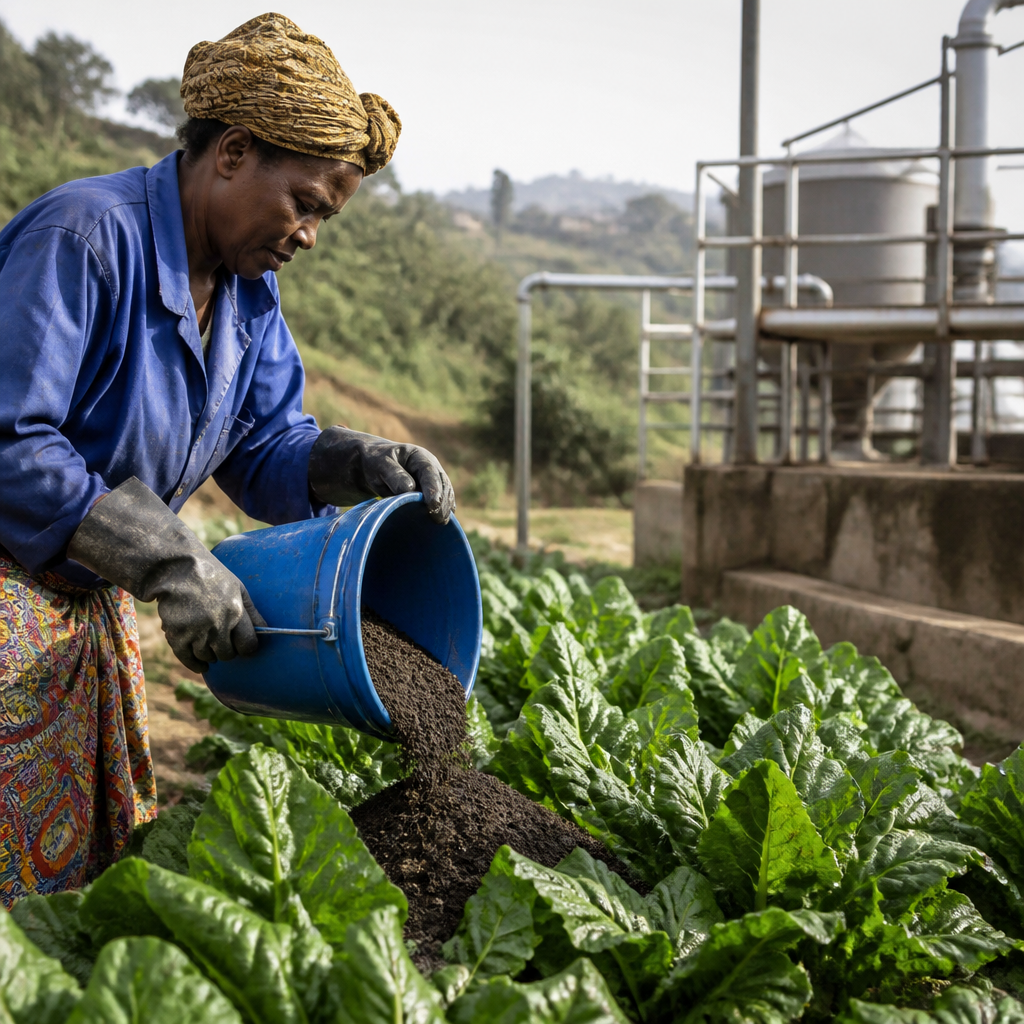
A second benefit is improved agricultural health. Properly treated sanitation-derived fertilizers can replace part of synthetic fertilizer use and add carbon that mineral fertilizers do not supply. Crops grown on nutrient-poor soils often respond to recovered nutrients, particularly where farmers cannot afford commercial inputs. Better crop growth can improve dietary quality and household income, both of which are determinants of health. In pilot programs using stored urine on maize and vegetables, yield gains have been substantial when application rates were matched to crop demand and materials were applied to soil rather than leaves.
Environmental health benefits are equally important. Nutrient runoff from untreated wastewater causes eutrophication, harmful algal blooms, and oxygen depletion in lakes and coastal waters. Recovery systems that capture nitrogen and phosphorus before discharge help protect fisheries, recreation, and drinking water sources. They can also reduce greenhouse gas emissions compared with uncontrolled decomposition and the production of conventional fertilizers. These gains are not automatic, but they are real when systems are monitored and end products meet use-specific quality targets.
Pathogen Risks, Chemical Hazards, and Exposure Routes
The principal biological hazards in EcoSan are bacteria such as Salmonella and pathogenic Escherichia coli, viruses such as rotavirus and norovirus, protozoa such as Giardia and Cryptosporidium, and helminths including Ascaris. Helminth eggs are especially important because they persist in the environment and resist many treatment conditions. A system that looks dry and odorless can still contain viable eggs. That is why time, temperature, pH, dryness, and storage conditions matter more than appearance. Pathogens can reach people through direct contact, hand-to-mouth transfer, contaminated crops, contaminated water, aerosols, flies, and soil tracked into homes.
Chemical hazards are often underestimated. Pharmaceutical residues, hormones, cleaning agents, disinfectants, PFAS in some waste streams, heavy metals from industrial inputs, and excess salts can affect product safety and soil health. Urine from households usually has low heavy metal concentrations compared with mixed sewage sludge, but pharmaceuticals are more relevant in source-separated urine. Graywater quality varies widely depending on detergents and household practices. In peri-urban areas, co-treatment with industrial or healthcare wastes can sharply change risk. No one should assume all recovered products are equally safe simply because they come from “natural” waste.
Occupational exposure deserves equal attention. Workers emptying vaults, transporting containers, maintaining pipes, turning compost, or applying products to land face repeated contact and inhalation risks. Common failures include absent gloves, no face protection, poor handwashing access, manual handling injuries, and exposure to ammonia or hydrogen sulfide in confined spaces. The health record of a nutrient recovery program is determined as much by worker protection as by laboratory results. If staff are sick, injured, or unwilling to perform tasks, the entire safety chain breaks.
How Safe EcoSan Systems Are Designed and Operated
Safe EcoSan relies on multiple barriers. First, toilets and collection systems should separate flows only when users can do so reliably and operators can maintain the equipment. Second, treatment must be selected for the intended end use. If a product will be used on food crops eaten raw, pathogen reduction requirements must be stricter than for use on timber, fiber, or energy crops. Third, storage times, pH, temperature, and moisture content should be documented, not guessed. Fourth, transport and application methods should minimize splashing, aerosol formation, and direct contact. Fifth, monitoring should confirm that critical controls are working.
Risk management works best when framed from source to use. The World Health Organization advocates health-based targets and multiple barriers for sanitation and wastewater reuse. In practice, that means combining treatment with safer application methods, crop restrictions where needed, withholding periods before harvest, worker hygiene, and consumer washing. For example, stored urine may be applied in furrows near the root zone rather than sprayed onto leaves. Compost from fecal matter may be reserved for orchards or soil restoration if treatment certainty is lower. These are not compromises; they are standard ways to match residual risk to realistic controls.
Routine operations matter more than impressive pilot designs. Every facility needs written procedures for adding cover material, checking urine pipes for blockage, preventing stormwater intrusion, measuring compost temperatures, managing leachate, calibrating dosing, cleaning surfaces, and recording batch dates. I have audited sites where a technically sound toilet failed because users added wash water into a dehydration vault, and others where modest systems performed well because caretakers followed simple checklists every day. Consistency is the hidden infrastructure of sanitation safety.
Monitoring, Regulation, and the Human Factors That Decide Success
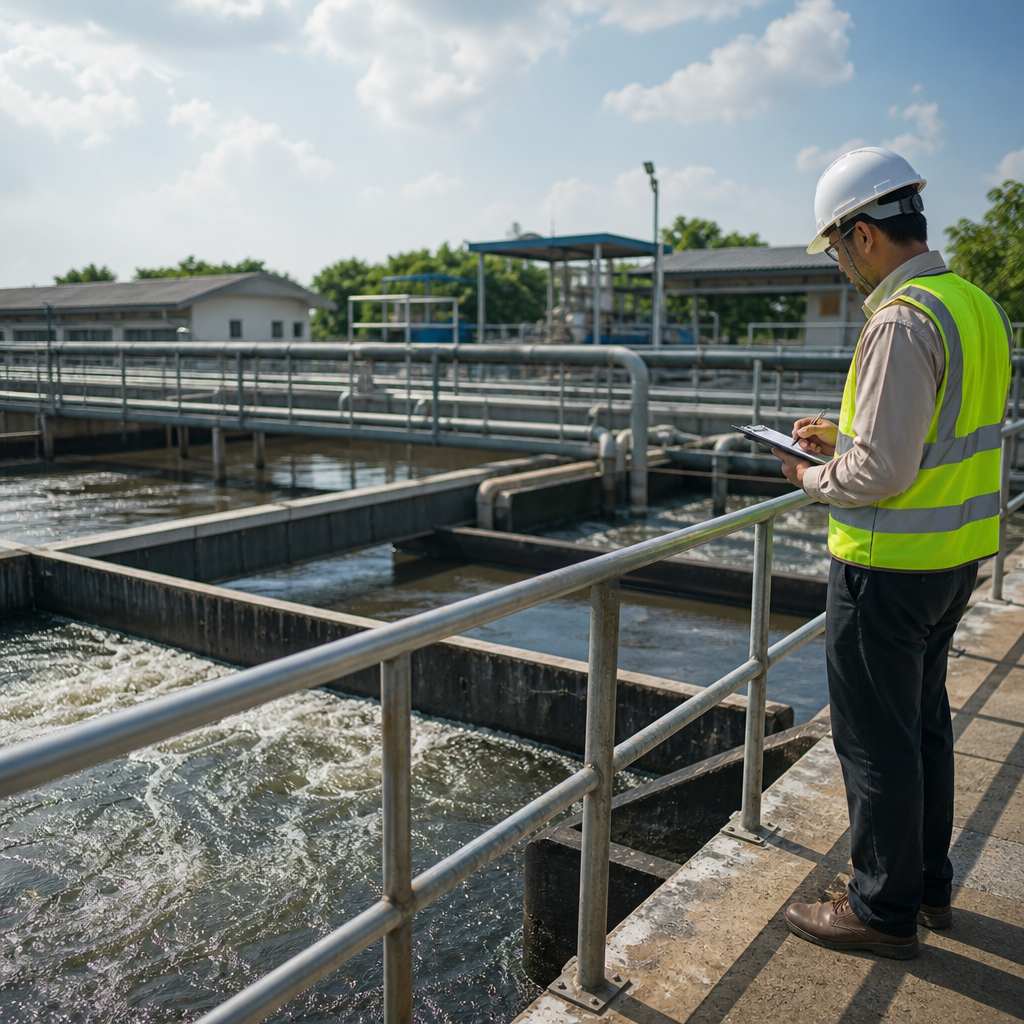
Monitoring should cover both process indicators and outcome indicators. Process indicators include pH, moisture, temperature, retention time, ash or cover material use, vector presence, container integrity, and worker protective equipment compliance. Outcome indicators include fecal indicator organisms, helminth egg reduction where relevant, nutrient content, electrical conductivity for salinity, and sometimes specific chemicals of concern. Low-resource programs may not test every batch, but they still need a verification plan and conservative assumptions when uncertainty is high. Independent spot checks build credibility with farmers, regulators, and communities.
Regulation is evolving, and local rules vary widely. Some countries classify treated excreta as biosolids or organic fertilizer, while others regulate by end use or prohibit reuse without permits. ISO has published standards relevant to non-sewered sanitation systems, and many water reuse programs rely on risk-based management rather than a single numeric limit. The practical lesson is straightforward: design for compliance early. It is far easier to define acceptable crops, treatment records, packaging, labeling, and transport conditions at the start than to retrofit a program after a complaint or outbreak investigation.
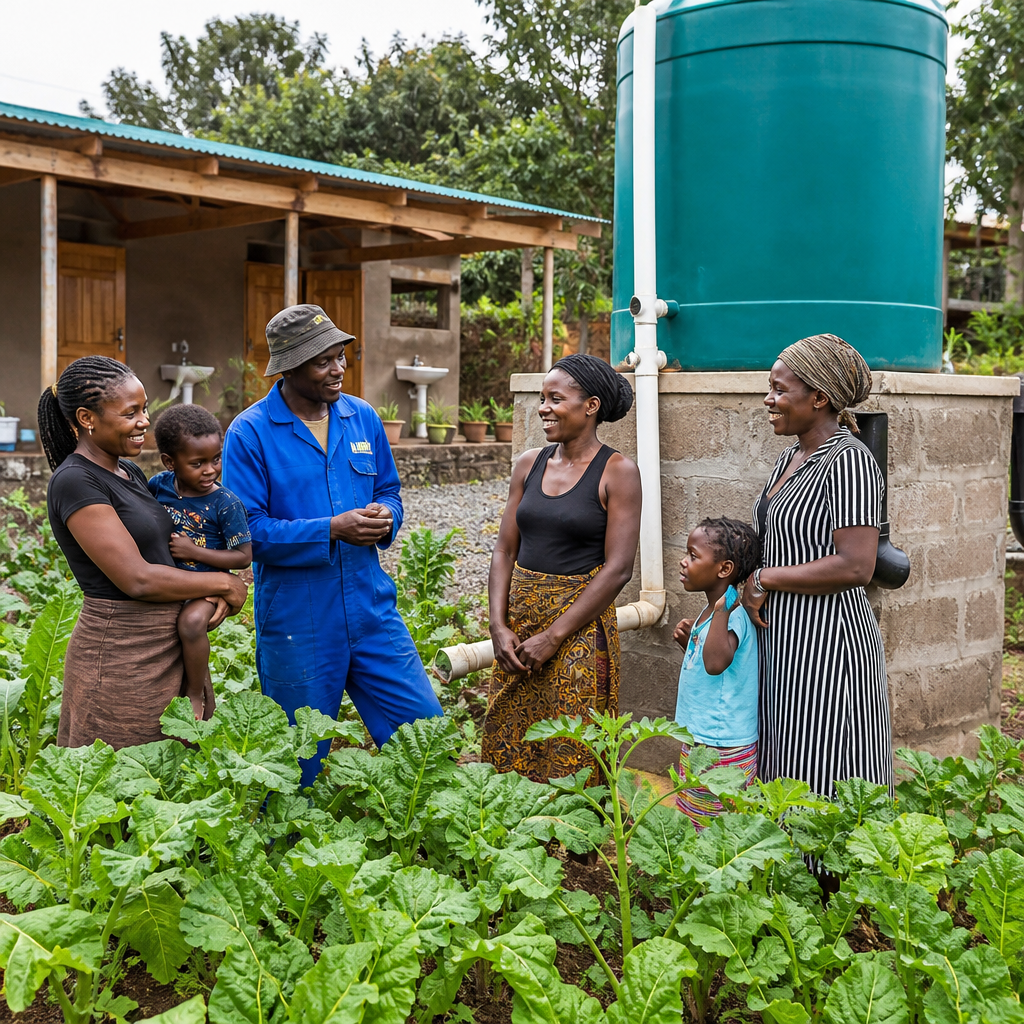
Human behavior ultimately decides whether safety and wellness in EcoSan are achieved. Users need toilets that are intuitive. Farmers need products that are affordable, reliable, and easy to apply. Workers need fair pay, vaccination where appropriate, training, and protective equipment that fits local conditions. Communities need honest communication about both benefits and limits. If you are building or managing a nutrient recovery program, start with the health safeguards, verify them regularly, and link every reuse decision to real operating data. That is how EcoSan protects people while returning nutrients to productive use.
Frequently Asked Questions
What is nutrient recovery in sanitation, and why does it matter for health and sustainability?
Nutrient recovery in sanitation is the process of capturing valuable materials from human waste and converting them into useful products such as fertilizer, soil conditioners, irrigation water, and biogas feedstock. Instead of treating urine, feces, and wastewater only as waste that must be removed, nutrient recovery systems view them as resource streams that contain nitrogen, phosphorus, potassium, organic matter, and water. This approach is central to ecological sanitation, or EcoSan, which aims to protect public health while also closing nutrient loops that are often broken in conventional sanitation systems.
It matters for health because poorly managed waste can spread pathogens, contaminate drinking water, attract disease vectors, and contribute to environmental pollution. Nutrient recovery systems, when properly designed and operated, help reduce these risks by separating, treating, and safely reusing waste-derived materials. At the same time, they can lower the release of untreated or partially treated waste into rivers, lakes, and groundwater. That means less nutrient pollution, fewer algal blooms, and reduced exposure to unsafe environmental conditions.
It also matters for sustainability because modern agriculture depends heavily on synthetic fertilizers, especially phosphorus and nitrogen inputs that require mining or energy-intensive production. Recovering nutrients from sanitation systems can reduce fertilizer demand, improve soil structure, increase water retention in soils, and support more circular local economies. In short, nutrient recovery matters because it can improve sanitation outcomes, reduce environmental damage, conserve resources, and create practical agricultural benefits if health protections are built into every stage of the system.
What are the main health benefits of well-managed nutrient recovery systems?
Well-managed nutrient recovery systems can deliver several direct and indirect health benefits. The most immediate benefit is improved containment and treatment of human waste. When sanitation systems are designed to safely collect and process urine, feces, and wastewater, they reduce human contact with infectious organisms that cause diarrheal disease, intestinal worm infections, and other sanitation-related illnesses. This is especially important in areas where open defecation, leaking pit latrines, or failing sewer infrastructure expose communities to repeated contamination.
Another major benefit is the protection of water sources. Recovering nutrients before waste is discharged can reduce contamination of groundwater, streams, and surface water bodies. That helps lower the risk of unsafe drinking water and reduces environmental conditions that can contribute to disease outbreaks. Better nutrient management can also decrease eutrophication, which occurs when too much nitrogen and phosphorus enters water systems, causing excessive algal growth and ecosystem damage.
There are also food system and livelihood benefits that connect back to health. Recovered nutrients can support crop production, improve soil organic matter, and reduce dependence on expensive commercial fertilizers. Healthier soils often hold water better, support more stable yields, and improve resilience during drought or variable weather conditions. In many settings, that can strengthen food security and nutrition. Some systems also produce biogas feedstock, which can contribute to cleaner household or community energy options and reduce reliance on more polluting fuels.
Importantly, these health benefits depend on good management. The benefits do not come from reuse alone. They come from safe collection, proper treatment, quality control, user education, and monitoring. When those elements are in place, nutrient recovery can contribute to cleaner environments, stronger agricultural systems, and lower public health risks overall.
What are the main health risks associated with nutrient recovery from human waste?
The main health risks come from pathogens, chemical contaminants, and unsafe handling practices. Human waste can contain bacteria, viruses, protozoa, and helminths that may survive for varying lengths of time depending on temperature, moisture, pH, storage conditions, and treatment method. If recovered products are used before they are adequately treated, or if workers and households handle them without proper protection, infections can spread through direct contact, contaminated food, contaminated water, or contaminated surfaces.
Chemical risks can also be important. Depending on the source and system design, sanitation-derived products may contain pharmaceuticals, hormones, personal care product residues, industrial contaminants, or heavy metals. In mixed waste streams, these contaminants may concentrate in sludge or other recovered materials. That is why source control and treatment quality matter so much. Human excreta from domestic sources can be suitable for recovery in many settings, but contamination risks increase when industrial effluents or hazardous wastes enter the same system.
Operational failures are another key risk. If toilets are poorly maintained, storage systems leak, composting or dehydration conditions are not achieved, or wastewater treatment is incomplete, the end products may remain unsafe. Workers who empty containers, transport materials, or apply recovered products to land may face occupational exposure if they lack gloves, boots, masks, handwashing access, or training. Communities may also face odor, vector, and nuisance issues if systems are neglected.
There are food safety concerns as well. Applying insufficiently treated materials to crops eaten raw can increase exposure risks. Irrigation with inadequately treated wastewater may contaminate produce or soil. For that reason, safe reuse depends on matching treatment levels and application methods to the intended end use. The central lesson is that nutrient recovery is not inherently unsafe, but it is never risk-free by default. Safety depends on treatment performance, monitoring, protective practices, and clear regulatory standards.
How can nutrient recovery systems be designed and managed to reduce health risks?
Reducing health risks starts with a multiple-barrier approach. No single step should be expected to make a system completely safe on its own. Instead, effective systems combine source separation, secure containment, appropriate treatment, safe storage, controlled transport, protected application, and ongoing monitoring. In EcoSan systems, for example, separating urine and feces at the source can make treatment and reuse safer and more efficient because each stream has different nutrient content and pathogen risk profiles.
Treatment choice is critical. Depending on the system, risk reduction may rely on dehydration, composting, alkaline treatment, anaerobic digestion, long-term storage, thermal treatment, or combinations of these methods. The goal is to reduce pathogens to acceptable levels while preserving useful nutrients where possible. For liquid streams intended for irrigation or fertilizer use, additional treatment and strict quality standards may be needed. System operators should understand that treatment performance depends on real operating conditions, not just technology labels. Temperature, retention time, moisture, pH, and maintenance all influence results.
Safe management also requires worker protection and user education. People who collect, empty, transport, and apply recovered materials need practical training, personal protective equipment, vaccination where appropriate, and access to handwashing and hygiene facilities. Households and farmers should understand when recovered products are ready for use, which crops they are suitable for, how to apply them safely, and what waiting periods or restrictions apply before harvest.
Monitoring, regulation, and recordkeeping are equally important. Systems should be checked for leaks, odors, vector problems, and treatment consistency. Recovered products may need testing for microbiological safety and, in some contexts, chemical contaminants. Local authorities and program managers should establish clear guidance on acceptable uses, storage times, crop restrictions, setback distances from water sources, and emergency procedures if treatment fails. Strong design is essential, but strong management is what keeps the health protections working over time.
Are products made from recovered sanitation nutrients safe to use in agriculture?
They can be safe to use in agriculture, but only when they have been properly treated and are used according to clear safety guidelines. Safety depends on the type of recovered product, the treatment process it underwent, the crop being grown, the method of application, and the broader environmental context. For example, source-separated urine may have lower pathogen risk than fecal material, but it still requires proper handling and, in many cases, storage or treatment before use. Compost-like materials made from fecal waste can be beneficial soil amendments, but only if treatment has reliably reduced pathogens to safe levels.
The agricultural use of recovered products should be based on fit-for-purpose principles. That means the product should meet the safety requirements for its intended use. Crops that are cooked before consumption may present different risk profiles than leafy vegetables eaten raw. Applying treated material to the soil rather than directly onto edible plant parts generally lowers exposure risk. Timing also matters. Allowing sufficient time between application and harvest can reduce the chance that pathogens remain on crops at the point of consumption.
Beyond pathogen control, agricultural safety also involves checking nutrient balance and contamination risks. Overapplication can cause runoff, groundwater pollution, or crop damage, just as with conventional fertilizers. If the sanitation stream has been mixed with industrial or hazardous inputs, chemical contamination may limit or prevent safe agricultural use. That is why source control, testing, and local regulation are so important.
When recovered sanitation products are treated to appropriate standards and applied correctly, they can support crop productivity, improve soil health, and reduce reliance on synthetic fertilizers. However, safe use is never automatic. It depends on verified treatment, careful management, farmer training, and public health safeguards from collection to final application.