Personal hygiene in EcoSan systems is the foundation of health protection, user confidence, and long-term sanitation success. EcoSan, short for ecological sanitation, refers to sanitation approaches that safely contain, treat, and often reuse human excreta as a resource, usually through urine diversion, dehydration, composting, or other low-water treatment methods. When people ask whether EcoSan is safe, the most accurate answer is yes—if hygiene practices are designed into daily use, maintenance, storage, and reuse. I have worked on sanitation guidance for dry toilets, urine-diverting systems, and community hygiene rollouts, and the same lesson appears every time: technology matters, but user behavior determines whether a system protects or spreads disease.
Personal hygiene in EcoSan systems matters because these systems create more user contact with toilets, containers, ash, cover material, handwashing stations, and treatment areas than conventional flush sanitation does. That extra contact is not inherently dangerous, but it raises the importance of disciplined routines. Pathogens of concern include bacteria such as E. coli and Salmonella, viruses such as rotavirus and hepatitis A, protozoa, and helminths including Ascaris. The main transmission route is fecal-oral exposure through contaminated hands, surfaces, water, food, tools, or soil. Good hygiene breaks that chain.
This article serves as a hub for safety and wellness in EcoSan by covering the practical habits, equipment, maintenance standards, and risk controls that keep households, schools, institutions, and farms safe. It also explains where EcoSan has limits. A well-built toilet can still fail if users do not wash hands with soap, if vault contents are removed too early, or if urine and feces are handled without protective gear. On the other hand, even simple systems perform well when toilet use is correct, treatment times are respected, and cleaning protocols are consistent. The goal is not just a cleaner toilet. The goal is a sanitation system that prevents infection, protects dignity, controls odor and insects, supports safe nutrient recovery, and keeps every user—from children to elderly residents to pit emptiers and farmers—well.
Core Hygiene Principles for Safe EcoSan Use
The best practices for personal hygiene in EcoSan systems start with understanding the critical control points. Users should deposit waste in the correct chamber, add the right cover material if the system requires it, keep urine diversion areas free of fecal contamination, and wash hands immediately after every toilet visit. In practical terms, that means keeping soap and water at the toilet, teaching users exactly where feces, urine, menstrual materials, and anal cleansing materials go, and inspecting the toilet daily for spills, moisture buildup, or insect activity.
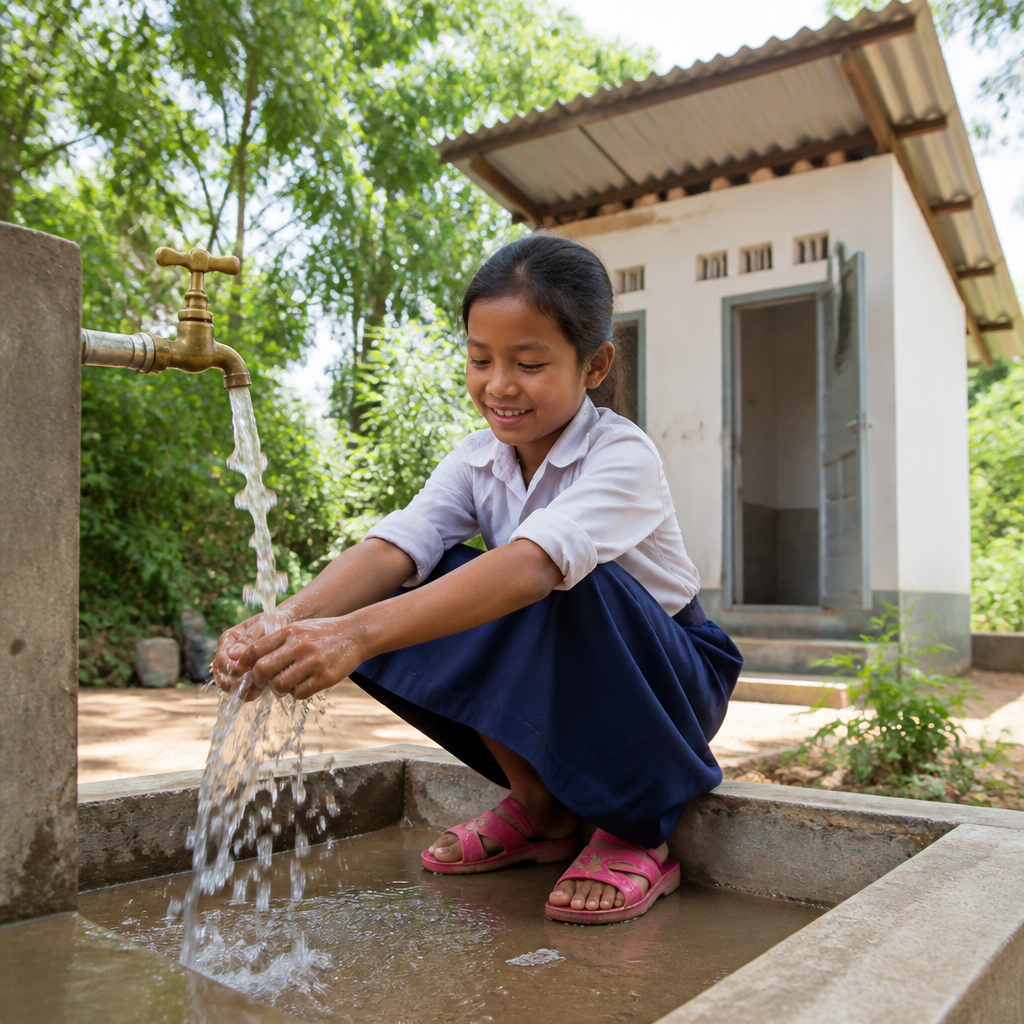
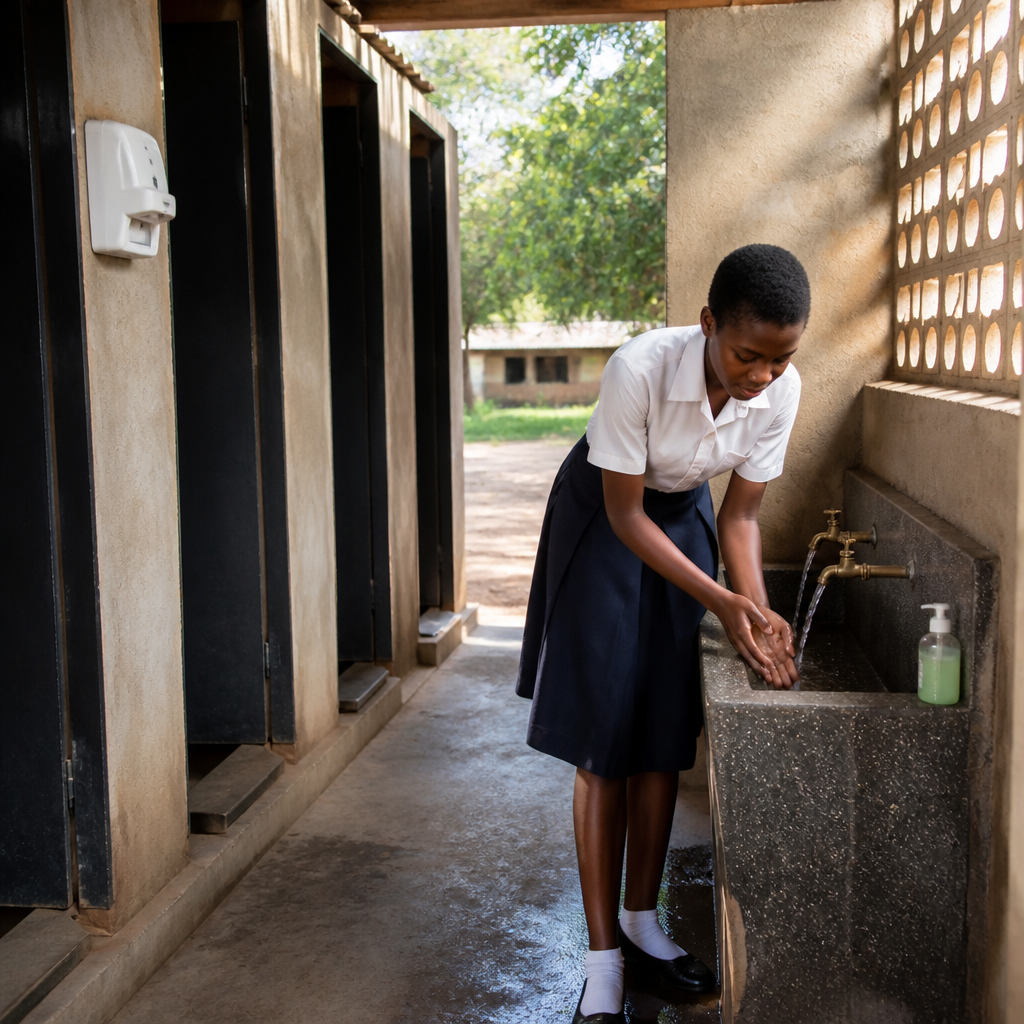
Hand hygiene is the single most effective protection measure. The standard is simple: wash with soap and safe water after toilet use, after cleaning the unit, before food preparation, before eating, and after handling treated or untreated excreta products. Alcohol-based sanitizer can supplement handwashing when hands are not visibly soiled, but it should not replace soap and water after contact with feces, sludge, or contaminated surfaces. Nails should be kept short because dirt and eggs of intestinal worms lodge under them easily. Children need direct coaching, not just reminders, because many use toilets correctly but skip handwashing unless adults reinforce the habit.
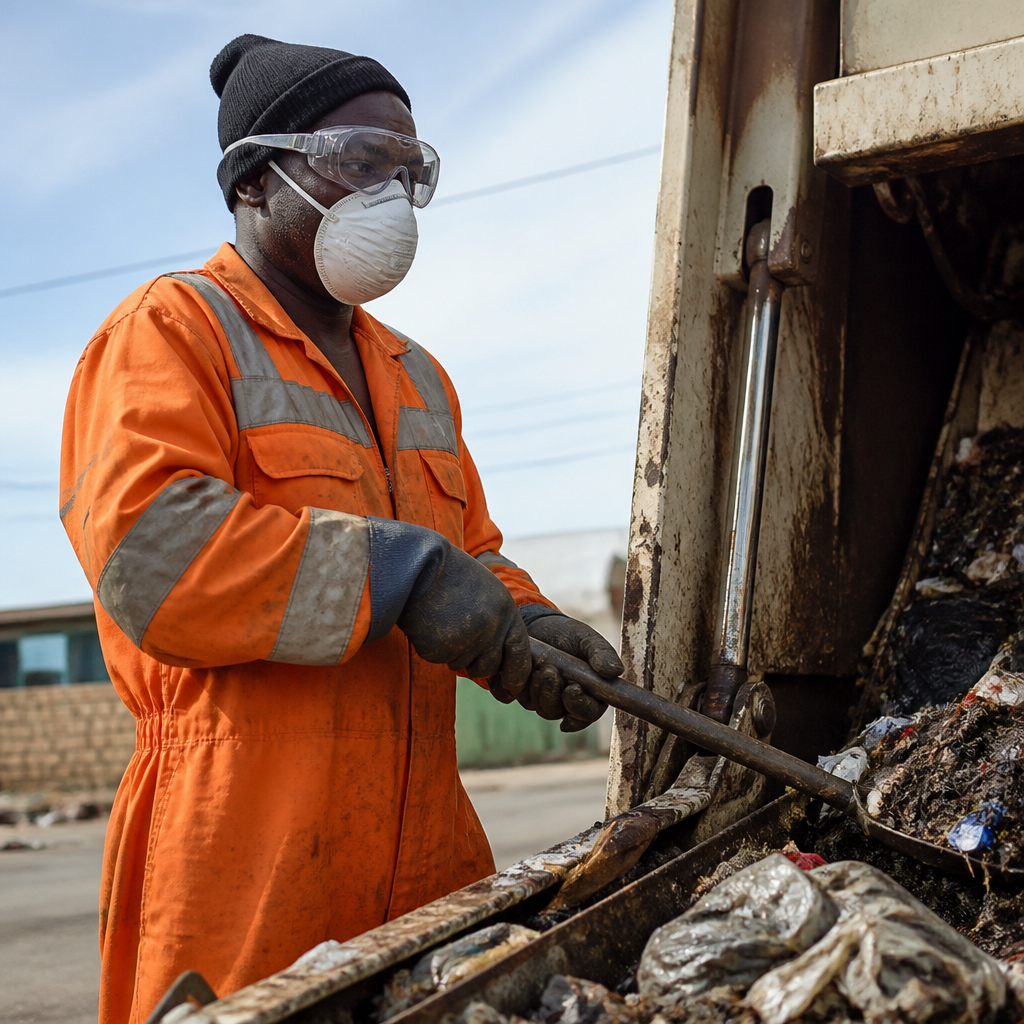
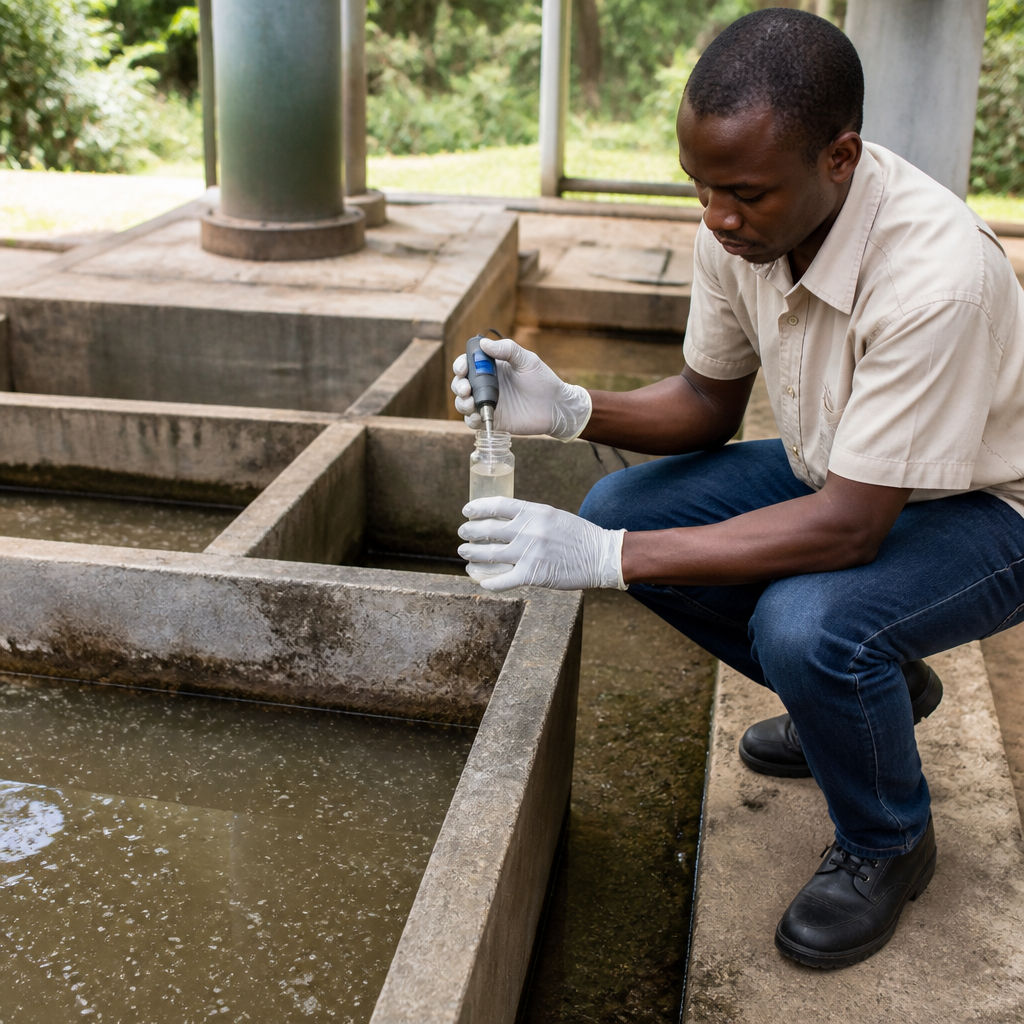
Personal protective equipment is another basic principle, especially for caretakers and operators. Gloves, closed shoes or boots, and in dusty emptying conditions a mask and eye protection reduce contact with pathogens and irritants. PPE does not replace handwashing. I have seen facilities where workers wore gloves but touched door handles, phones, and face coverings with contaminated hands, turning protection into false confidence. Gloves must be removed safely, hands washed immediately, and reusable gear cleaned and dried in sunlight when appropriate.
Using the Toilet Correctly: Everyday Behaviors That Prevent Exposure
Correct toilet use begins with clear instructions. In a urine-diverting dry toilet, urine should enter the front channel or bowl section and feces the rear drop hole. Mixing them raises moisture, causes odor, attracts flies, and slows pathogen die-off. Cover materials such as ash, dry soil, sawdust, rice husks, or lime may be added after defecation depending on system design. Their functions are to reduce moisture, suppress smell, create a barrier against flies, and improve drying. The wrong material can create problems: wet soil adds moisture, fresh ash can be dusty and irritating, and too much lime can affect later reuse value.
Users also need guidance on what not to put into EcoSan toilets. Plastics, sanitary pads unless the design allows them, diapers, stones, rags, and large amounts of water can block chutes, overload containers, and contaminate treatment outputs. Anal cleansing practices matter too. In areas where water cleansing is common, the toilet must be designed to separate cleansing water from feces dehydration chambers, or users need a different technology. One of the biggest reasons EcoSan toilets fail is not user resistance but design mismatch with local habits.
Shared and public facilities require stronger behavior management than household units. Good signage using icons helps children and low-literacy users. A caretaker should inspect several times per day, restock soap, refill cover material, wipe contact surfaces, and report faults quickly. If a toilet smells strongly, has flies, or shows wet feces exposed on surfaces, users will avoid it, and open defecation or unsafe alternatives may return. Hygiene and user acceptance reinforce each other.
Handwashing, Menstrual Hygiene, and Family Wellness Around EcoSan
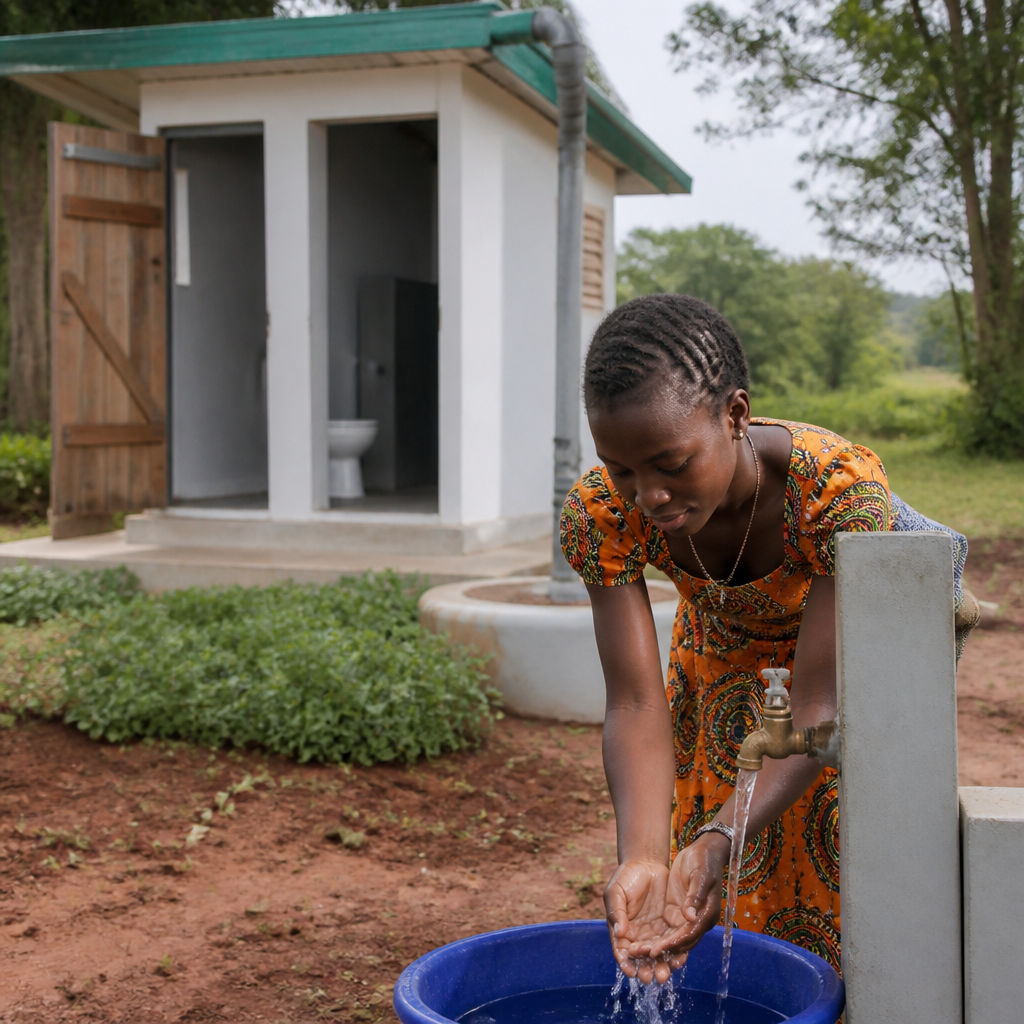
Safe EcoSan practice extends beyond the toilet seat. A functioning handwashing station should sit immediately outside or inside the facility, with water that is safe for washing, soap that is protected from theft and soaking, and drainage that does not create muddy standing water. Tippy taps, foot-operated jerrycan taps, and simple sinks all work if they are convenient. The key benchmark is proximity. If people must walk elsewhere for handwashing, compliance drops sharply.
Menstrual hygiene management should be built into EcoSan planning. Users need privacy, water where appropriate, a bin or chute for menstrual materials if they should not enter the feces chamber, and a cleaning routine that prevents blood-contaminated surfaces from remaining on doors, slabs, or floors. In schools, disposal confusion can damage toilets quickly. Staff should explain what goes into the toilet and what belongs in a lined bin for separate disposal or incineration, depending on local systems and regulations.
Family wellness also depends on protecting high-risk users. Young children may fear unfamiliar urine-diverting pedestals or squat plates, causing poor aim and contamination. Child seats, training, and supervision solve much of this. Pregnant women, older adults, and people with disabilities need stable floors, handrails, lighting, and accessible handwashing points. When safety features are missing, people touch more surfaces for balance, increasing contamination risk. Wellness in EcoSan is therefore both microbiological and ergonomic.
Cleaning, Maintenance, and Safe Emptying Procedures
Routine cleaning should focus on the slab or floor, seat or pedestal, door handles, and nearby handwashing hardware. Use detergent and water for visible dirt, then apply a disinfectant suitable for the surface if needed. Overuse of harsh chlorine in dry systems is common and unnecessary; it can corrode components and create fumes in enclosed spaces. For most household units, regular detergent cleaning plus dry management is more important than strong chemical disinfection. The toilet should stay as dry as the design requires, because moisture is the enemy of dehydration-based treatment.
Maintenance schedules prevent emergencies. Urine pipes should be checked for scale buildup, especially where urine precipitates struvite or calcium compounds. Simple flushing with small amounts of water and vinegar in some designs helps, but the manufacturer or implementing organization guidance should be followed. Vent pipes need screens intact to keep flies out. Cracks in slabs or vault doors must be repaired promptly because they allow insect entry and user contact with contents.
Emptying is the highest-risk task in most EcoSan systems, so timing and method matter. Contents should only be removed after the recommended storage or treatment period for that design, climate, and material balance. Some guidelines use six months for well-managed dehydrated feces in alternating vaults, but longer periods are often safer, especially in cool or humid conditions. Composting systems require temperature and retention criteria that many household units do not consistently achieve, which is why claiming complete sanitization without evidence is risky.
| Task | Best Practice | Main Risk Reduced |
|---|---|---|
| Handwashing after use | Wash with soap and water for at least 20 seconds | Fecal-oral disease transmission |
| Adding cover material | Use dry ash, sawdust, or approved material after defecation | Odor, flies, excess moisture |
| Cleaning surfaces | Clean high-touch points daily with detergent | Surface contamination |
| Vault emptying | Wait full treatment period; wear gloves and boots | Direct pathogen exposure |
| Urine handling | Store and apply according to guidance; avoid splashing | Cross-contamination and user contact |
During emptying, operators should wear heavy-duty gloves, boots, long sleeves, and where dust is generated a well-fitted mask. Tools such as dedicated shovels, scrapers, and sealed containers should never be reused for food or household tasks. Work should occur in daylight or with good lighting, and children should be kept away. After the task, equipment must be washed, PPE cleaned, and workers should bathe or at least wash exposed skin thoroughly. These are not optional extras; they are the controls that make reuse-oriented sanitation defensible from a public health perspective.
Safe Storage, Reuse, and Environmental Health Controls
EcoSan often aims to recover nutrients, but reuse is only safe when treatment barriers are respected. Urine is typically low risk compared with feces, yet fresh urine can still become contaminated by fecal matter during collection, by dirty containers, or by poor handling. Storage before agricultural use provides an additional safety margin. Application should target soil near plant roots rather than edible plant surfaces, and workers should avoid splashing onto skin, eyes, or harvested produce. Many programs recommend stopping urine application a set period before harvest for crops eaten raw.
Fecal products demand more caution. Treated material should be dry, crumbly, and low in odor, but appearance alone cannot prove pathogen destruction. Helminth eggs, particularly Ascaris, are resilient and often used as an indicator of treatment adequacy because they survive longer than many bacteria and viruses. For that reason, treated solids are often safest for trees, ornamentals, or crops that will be cooked, unless a validated treatment process and monitoring program is in place.
Environmental hygiene around the toilet is part of personal hygiene. Standing water, poor drainage, and scattered waste attract flies and mosquitoes. Animals should be prevented from entering storage or treatment areas because they can spread contamination mechanically. If flooding is possible, EcoSan systems need raised structures, sealed chambers, and runoff control. Floodwater can move partially treated waste into living areas, wells, and fields, turning a contained system into a community-wide exposure event. Climate resilience is therefore a hygiene issue, not just an engineering one.
Building a Safety and Wellness Culture in Homes, Schools, and Communities
The strongest EcoSan systems combine hardware with routines, training, and accountability. Every household or institution should have a simple operating protocol: how to use the toilet, when to add cover material, who cleans, where soap is stored, when vaults are switched, and who is allowed to empty or transport contents. In schools and shared compounds, assigning responsibility by shift works better than vague communal ownership. What gets measured gets maintained, so a weekly checklist for soap, water, cleanliness, odor, flies, and structural condition is effective.
Training should be practical and repeated. Demonstrations outperform posters alone. When I have seen adoption improve fastest, users were shown exactly how to aim urine, add cover material, wash hands, and report faults, then asked to repeat the process. Local health workers, masons, school staff, and farmers all need slightly different training because their contact points differ. Masons should understand slope, venting, and separation details. Caretakers should know cleaning chemistry and PPE. Farmers should know withholding periods and crop restrictions.
Linking this hub to deeper topics strengthens safety management across the whole sanitation program. Related articles should cover handwashing station design, menstrual hygiene in dry sanitation, urine reuse protocols, safe feces handling, cleaning schedules, child-friendly EcoSan adaptations, odor and fly control, and occupational safety for emptiers. Together, these topics form a complete safety and wellness framework rather than a single checklist.
Personal hygiene in EcoSan systems succeeds when safe behavior is made easy, visible, and routine. The essentials are consistent handwashing with soap, correct toilet use, dry and orderly maintenance, protected emptying, cautious reuse, and inclusive design for all users. EcoSan can protect health and recover value from waste, but only when hygiene barriers are respected at every stage from the toilet interface to final use in the field.
For households, schools, and project teams, the main benefit is clear: stronger hygiene practices turn EcoSan from a promising idea into a reliable health safeguard. Review your current setup, identify the points where hands, surfaces, and stored materials could spread contamination, and improve one routine at a time. Start with soap, instructions, cleaning schedules, and safe handling rules, then build outward into training and monitoring. That is how safety and wellness in EcoSan become durable, practical, and trusted.
Frequently Asked Questions
1. Is it safe to use an EcoSan toilet every day?
Yes, EcoSan systems are safe for daily use when they are used and maintained correctly. The key principle is that safety does not come from the toilet type alone, but from consistent hygiene practices built into everyday routines. EcoSan systems are designed to separate, contain, and treat human waste in ways that reduce pathogens and protect people from direct contact. In many designs, urine is diverted away from feces, and fecal material is dried, composted, or otherwise treated over time. This treatment process helps make handling safer and supports resource recovery, but users still need to follow proper handwashing, cleaning, and storage procedures.
For households, schools, and community facilities, the most important daily behaviors include using the toilet as intended, keeping the toilet area clean and dry, adding the correct drying or cover material where required, and washing hands thoroughly with soap after every use. Surfaces that are touched often, such as door handles, toilet seats, lids, and handwashing stations, should be cleaned regularly. If the system includes removable containers or chambers, they should remain closed or covered when not in active use to reduce odors, flies, and accidental exposure.
When these best practices are followed, EcoSan can protect health very effectively while using little or no water. In fact, many safety concerns about EcoSan arise not because the technology is inherently unsafe, but because users are not trained or maintenance routines are inconsistent. With clear instructions, reliable cleaning supplies, and a culture of good hygiene, EcoSan systems can be a dependable and health-protective sanitation option.
2. What personal hygiene practices matter most when using an EcoSan system?
The most important personal hygiene practice is proper handwashing with soap and safe water immediately after using the toilet and after any cleaning or maintenance task. Hands are the main pathway by which germs spread from sanitation systems to mouths, food, and household surfaces. A well-placed handwashing station near the EcoSan toilet is one of the simplest and most effective ways to reduce disease risk. Users should wash all parts of the hands, including between fingers, under nails, and the backs of the hands, and dry them with a clean towel or by air if possible.
Beyond handwashing, users should keep their bodies, clothing, and footwear clean, especially if they are responsible for toilet upkeep. If there is any chance of contact with waste, using gloves, dedicated cleaning tools, and washable footwear adds an extra layer of protection. Children should be taught not only how to use the toilet properly, but also why they must wash their hands every time. Menstrual hygiene should also be considered in shared or household EcoSan systems, with clear disposal or management options and regular cleaning of private spaces to maintain dignity and safety.
Another critical practice is avoiding direct contact with fresh excreta and untreated materials. Even in systems designed for safe reuse, materials should only be handled according to the recommended treatment timeline. Users should also avoid eating, drinking, or touching the face while cleaning the toilet or handling containers. In practical terms, good personal hygiene in EcoSan is about creating a routine: use the toilet correctly, keep the system dry and orderly, wash hands every time, and use protective measures during maintenance. These habits build confidence and make the entire system safer for everyone.
3. How should an EcoSan toilet be cleaned without disrupting the treatment process?
Cleaning an EcoSan toilet requires a balance between maintaining user hygiene and preserving the biological or dehydration conditions that make the system work properly. In many EcoSan designs, especially urine-diverting dry toilets, too much water can interfere with drying, create odors, or slow treatment. That means cleaning methods should be effective but controlled. Typically, the toilet seat, slab, footrests, handles, and surrounding floor should be wiped or scrubbed regularly using small amounts of water and appropriate cleaning agents that will not damage the system materials.
Users should follow the manufacturer or program guidance for approved cleaning products, because harsh chemicals may corrode components, disrupt composting conditions, or create unsafe fumes in enclosed spaces. Mild soap, diluted detergent, or other recommended cleaners are often sufficient for external surfaces. The feces vault, urine diversion area, and collection containers should also be checked routinely for blockages, spills, or crust buildup. Any issues should be addressed promptly using protective gloves and dedicated cleaning tools that are not used elsewhere in the home.
Good cleaning also means supporting the toilet’s intended function. If the system requires ash, sawdust, lime, or another cover material after each use, that routine must continue consistently. The toilet should be kept as dry as possible, and leaks from roofs, pipes, or wash water should be corrected quickly. Vent pipes and screens should be maintained so air can circulate and flies are kept out. In short, an EcoSan toilet should be cleaned often enough to remain visibly hygienic and pleasant to use, but in a way that protects the treatment process rather than undermining it.
4. How can families safely handle waste removal and reused sanitation products in EcoSan systems?
Safe handling begins with understanding the difference between fresh waste and treated material. Fresh excreta should always be considered potentially infectious. Treated material, whether dehydrated feces, composted solids, or stored urine, should only be removed or reused after the recommended treatment and storage period has been completed. The exact timeframe depends on the type of EcoSan system, climate conditions, moisture levels, and local technical guidance. Removing material too early is one of the biggest preventable health risks in ecological sanitation.
When it is time to empty a chamber or remove a container, the person doing the task should wear protective gloves, closed shoes or boots, and, if dust is likely, a mask and protective clothing. Hands should be kept away from the face during the task, and all tools used for emptying should be cleaned afterward and stored separately. The area should be prepared in advance so containers can be moved efficiently without spills. If any material is accidentally dropped, it should be cleaned up immediately and the affected surfaces disinfected according to local recommendations.
For reuse, safety depends on following established agricultural and public health guidance. Treated products should be applied in appropriate ways, often to trees, non-leafy crops, or soil improvement applications depending on the treatment level and local regulations. Urine, where reuse is permitted, may need to be stored and diluted before application. It should never be splashed onto edible plant parts that are consumed raw unless guidance specifically supports that practice. After handling any sanitation product, users must wash thoroughly with soap and water. When families are trained well and treatment timelines are respected, EcoSan can support safe nutrient recovery while still protecting household health.
5. What are the most common hygiene mistakes in EcoSan systems, and how can they be prevented?
One of the most common mistakes is failing to wash hands consistently after toilet use or maintenance. Even a well-designed EcoSan toilet cannot protect users if hand hygiene is neglected. Another frequent problem is incorrect toilet use, such as mixing too much water with dry systems, failing to separate urine and feces where required, or not adding cover material after defecation. These mistakes can lead to odors, flies, excess moisture, and incomplete treatment, all of which reduce both safety and user confidence.
A second category of mistakes involves maintenance gaps. Families may delay cleaning, ignore small leaks, allow containers to overfill, or handle material before it has been fully treated. In shared facilities, responsibilities may be unclear, which often leads to poor cleanliness and reduced accountability. Some users also store cleaning tools, children’s items, or food-related containers too close to the toilet area, increasing the risk of contamination. These are practical issues, but they have real public health consequences if not corrected.
Prevention depends on simple systems and clear habits. Every EcoSan toilet should have visible user instructions, easy access to soap and handwashing facilities, a reliable supply of cover material if needed, and a defined cleaning schedule. Household members should know who is responsible for inspections, emptying, and repairs. Children should receive age-appropriate guidance, and visitors should be shown how to use the toilet correctly. Regular refresher training is especially helpful in schools, institutions, and community programs. The goal is to make safe behavior the normal behavior. When users understand the system and hygiene is treated as a daily practice rather than an afterthought, EcoSan systems are far more likely to remain safe, acceptable, and sustainable over the long term.