Reducing the environmental impact on community health starts with understanding a simple truth: the places where people live, work, learn, and travel shape disease patterns as powerfully as medical care does. In EcoSan, safety and wellness are inseparable from air quality, water reliability, waste management, sanitation systems, housing conditions, and climate resilience. Community health refers to the physical, mental, and social wellbeing of groups of people within a shared location. Environmental impact on health means the effects, positive or negative, created by environmental exposures such as contaminated water, indoor smoke, traffic emissions, standing wastewater, unsafe disposal of solid waste, noise, heat, and chemical hazards. When these exposures are reduced, injuries fall, chronic illness burdens ease, and everyday quality of life improves.
I have worked on health and safety programs where the biggest gains did not come from a new clinic wing or a one-time awareness campaign. They came from fixing leaking drains near homes, improving handwashing access in markets and schools, separating hazardous waste, reducing diesel generator use, and creating clear reporting systems for sanitation failures. These interventions sound ordinary, but their health effect is measurable. The World Health Organization has long linked environmental risk factors to major preventable burdens including diarrheal disease, respiratory illness, vector-borne disease, cardiovascular stress, and heat-related harm. For a community like EcoSan, which centers environmental sanitation and healthy living, a practical hub article must connect these risks to concrete local action.
This topic matters because community health is cumulative. A child exposed to poor indoor air may miss school from asthma. A family using contaminated water may face repeated gastrointestinal illness. Waste left uncollected can attract rodents, create injury risks, and block drainage, increasing flood exposure. Heat trapped in dense neighborhoods can worsen dehydration, kidney stress, and mental fatigue among outdoor workers and older adults. Each issue appears separate, yet they interact. Safety and wellness in EcoSan therefore require an integrated approach: prevent exposure, build resilient systems, monitor outcomes, and involve residents in decisions. The most effective community health strategies reduce risk at the source instead of relying only on treatment after harm occurs.
As the hub page for this subtopic, this article explains the main environmental drivers of poor health, the practical controls that work, the metrics that matter, and the tradeoffs leaders should recognize. It also points toward related work in household sanitation, safe water, waste handling, climate adaptation, and neighborhood design. If the goal is a healthier community, the path is not abstract. It is cleaner infrastructure, safer behavior, better data, and policies that make the healthy choice the easy choice.
Why Environmental Conditions Drive Community Health Outcomes
Environmental conditions influence exposure before a person ever reaches a doctor. Public health professionals often group these conditions into physical, chemical, biological, and social environments. In practice, that means the air people breathe, the water they drink, the surfaces they touch, the pests around them, the heat they endure, and the infrastructure that either protects them or fails them. In EcoSan settings, sanitation is a frontline defense because human waste, wastewater, and unmanaged refuse can quickly spread pathogens through hands, food, insects, and runoff. This is the classic fecal-oral transmission chain, and breaking it remains one of the most reliable ways to reduce preventable illness.
Health outcomes also differ by vulnerability. Children absorb more pollutants relative to body size and are more sensitive to lead, smoke, and unsafe water. Older adults are more susceptible to heat stress, dehydration, and respiratory irritation. People with asthma, heart disease, diabetes, or reduced mobility face higher risk when environments are poorly maintained. Low-income households often shoulder greater exposure because they are more likely to live near traffic corridors, industrial zones, flood-prone areas, or substandard housing. Reducing environmental impact on community health is therefore not only a technical task but also an equity measure.
One lesson from field implementation is that communities rarely suffer from a single exposure. A neighborhood with irregular waste collection often also has blocked drainage, stagnant water, unpleasant odors, vermin activity, and unsafe walking routes. That combination can increase infection risk, stress, and injury at the same time. Effective EcoSan planning looks for these clusters and addresses them as systems, not isolated complaints. The most resilient communities map hazards, rank them by severity and frequency, and prioritize interventions that produce multiple health gains at once.
Clean Water, Sanitation, and Hygiene as the Foundation of EcoSan Wellness
Safe water, sanitation, and hygiene form the base layer of community health protection. Water safety means more than access to a tap. It includes source protection, treatment, storage, distribution integrity, and household handling. Even where piped systems exist, contamination can enter through broken mains, intermittent pressure, illegal connections, or poor storage practices. In community audits I have seen a reliable source undermined by something as basic as uncovered household containers or shared wash basins placed too close to latrines. The correction was not expensive, but it required training, follow-up, and accountability.
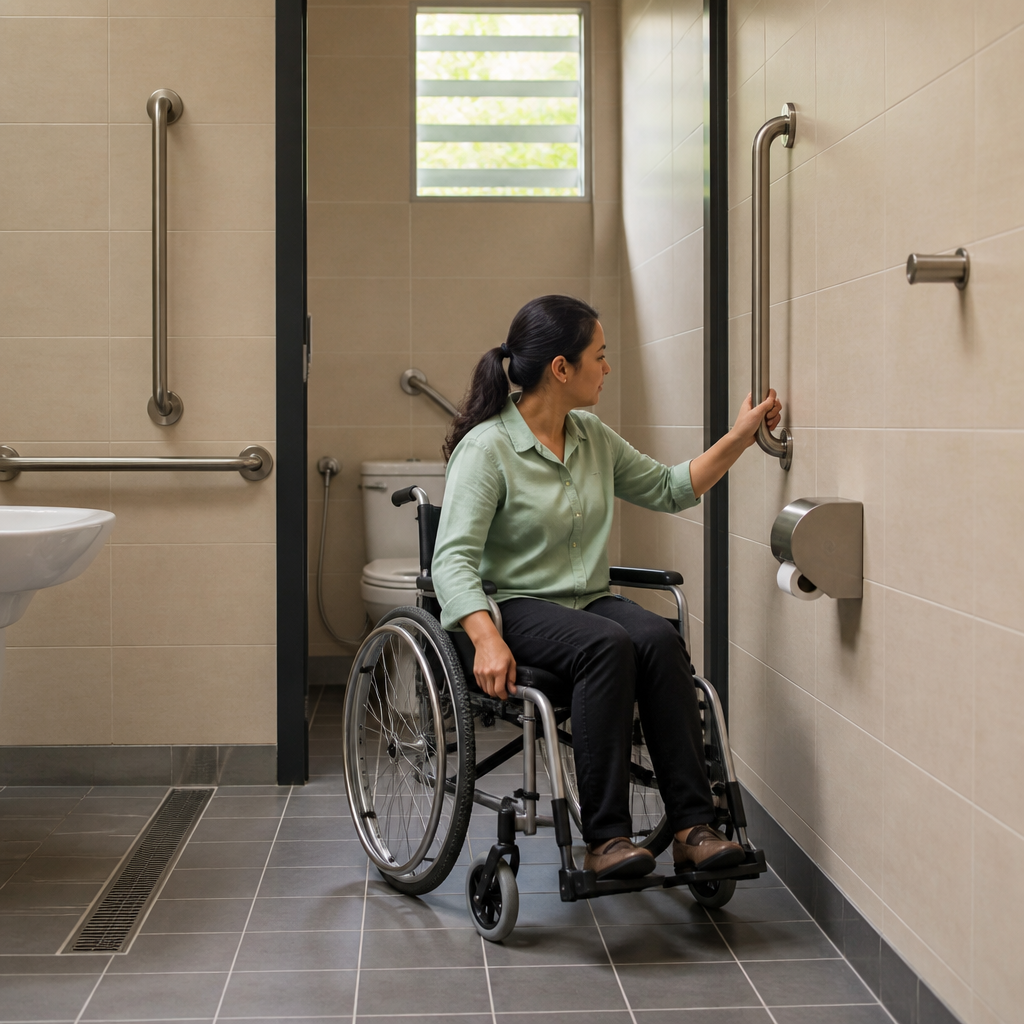
Sanitation systems must safely separate human waste from people, food, water sources, and living spaces. That can involve sewerage, septic systems, container-based sanitation, ventilated improved pit latrines, or urine-diverting dry toilets depending on local conditions. There is no single best system for every community. High water-table areas, flood-prone settlements, and dense informal neighborhoods need designs tailored to soil, climate, maintenance capacity, and affordability. A poorly chosen system can fail quickly and create greater exposure than the problem it intended to solve.
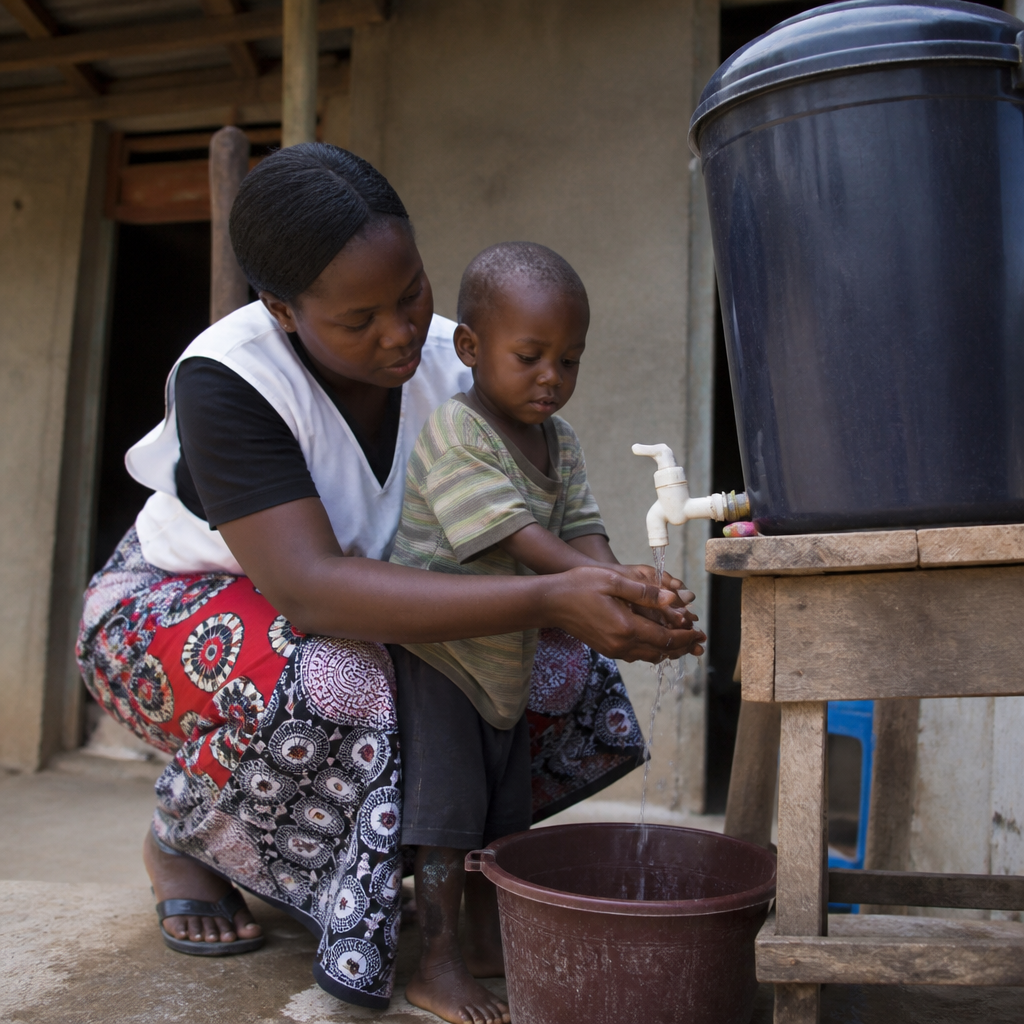
Hygiene is the behavior layer that makes infrastructure effective. Handwashing with soap after toilet use, before preparing food, and after handling waste remains one of the most proven public health measures. So does menstrual hygiene support, including private facilities, safe disposal options, and dependable water access. Schools and workplaces in EcoSan communities should treat hygiene stations as safety equipment, not decorative amenities. When supplies are inconsistent, usage drops and infection risk rises.
| Environmental health area | Main community risk | Effective EcoSan response | Health benefit |
|---|---|---|---|
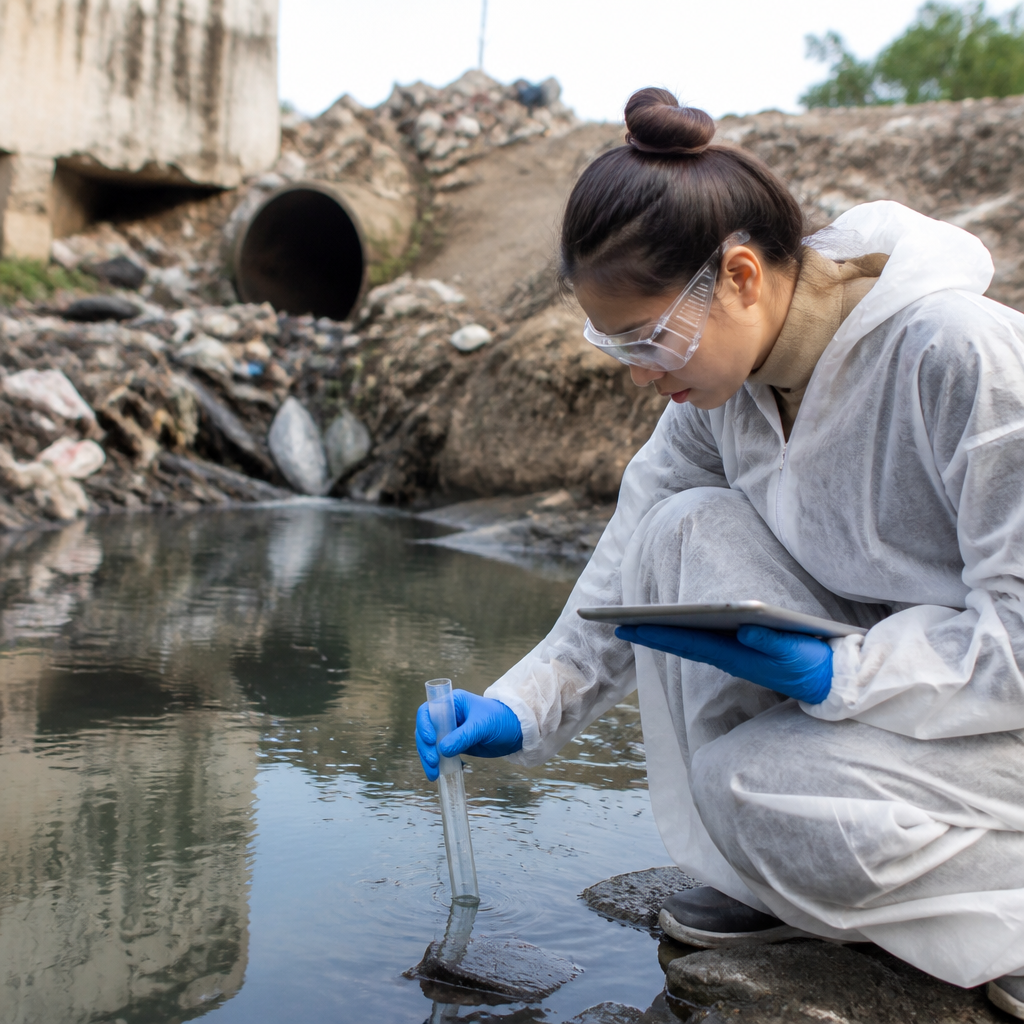
| Drinking water | Microbial contamination | Source protection, chlorination, secure storage, residual testing | Fewer diarrheal and waterborne illnesses |
| Sanitation | Fecal exposure | Well-sited toilets, safe sludge management, flood-resilient design | Lower infection transmission |
| Solid waste | Vermin, injury, blocked drainage | Segregation, routine collection, covered storage, recycling streams | Cleaner surroundings and fewer vectors |
| Indoor air | Smoke and particulates | Clean cooking, ventilation, reduced diesel use | Less asthma and respiratory stress |
| Heat and flooding | Heat illness, mold, displacement | Shade, drainage, cool roofs, warning systems | Stronger climate resilience |
Air Quality, Housing, and the Hidden Burden of Daily Exposure
Air pollution is often treated as an urban traffic issue, but in many communities the largest exposures happen indoors. Cooking with biomass, kerosene, or poorly vented gas can fill homes with particulate matter, carbon monoxide, and nitrogen dioxide. These pollutants aggravate asthma, increase respiratory infection risk, and place strain on the cardiovascular system. Cleaner cookstoves, electric cooking where grids are dependable, and properly designed ventilation can produce substantial gains. The critical mistake is assuming equipment distribution alone solves the problem. Adoption depends on fuel cost, cooking habits, maintenance, and whether the new system handles local meal patterns.
Housing quality is equally important. Damp interiors support mold growth, which is associated with respiratory symptoms and allergic reactions. Cracked surfaces and poor sealing allow pest entry. Overcrowding raises infection transmission, especially for influenza-like illness, tuberculosis, and skin conditions. Unsafe wiring increases fire risk. In EcoSan planning, housing should be considered health infrastructure. Basic improvements such as roof repair, cross-ventilation, moisture control, screened openings, and safe electrical installation often deliver broader community benefit than isolated medical outreach.
Noise, light intrusion, and neighborhood design also affect health in less visible ways. Chronic noise can disturb sleep and elevate stress. Lack of trees and shade can amplify urban heat. Streets without safe walking routes discourage physical activity. I have seen communities reduce both injury and chronic disease risk by combining speed calming, street lighting, drainage upgrades, and shaded footpaths. Environmental health is not limited to contamination; it includes designing everyday spaces that reduce strain on the body and mind.
Waste Management, Chemical Safety, and Infection Prevention
Poor waste management creates a chain of hazards. Open dumping attracts flies, rodents, and stray animals. Burning mixed waste releases fine particles and toxic compounds, especially when plastics are present. Sharps and medical waste expose workers and children to cuts, infection, and hazardous substances. Electronic waste can release lead, mercury, and brominated flame retardants when dismantled informally. In strong EcoSan programs, waste is handled according to type: organics, recyclables, residuals, hazardous household waste, healthcare waste, and construction debris each need different controls.
Segregation at the point of generation is the keystone. If hazardous materials are mixed with regular refuse, the entire stream becomes harder and more expensive to manage safely. Color-coded bins, labeled storage, trained staff, and predictable collection schedules make a measurable difference. For healthcare facilities, infection prevention standards require puncture-resistant sharps containers, secure temporary storage, transport protocols, and treatment methods appropriate to local regulation, such as autoclaving or high-temperature incineration under controlled conditions. Open burning in pits is not safe waste treatment.
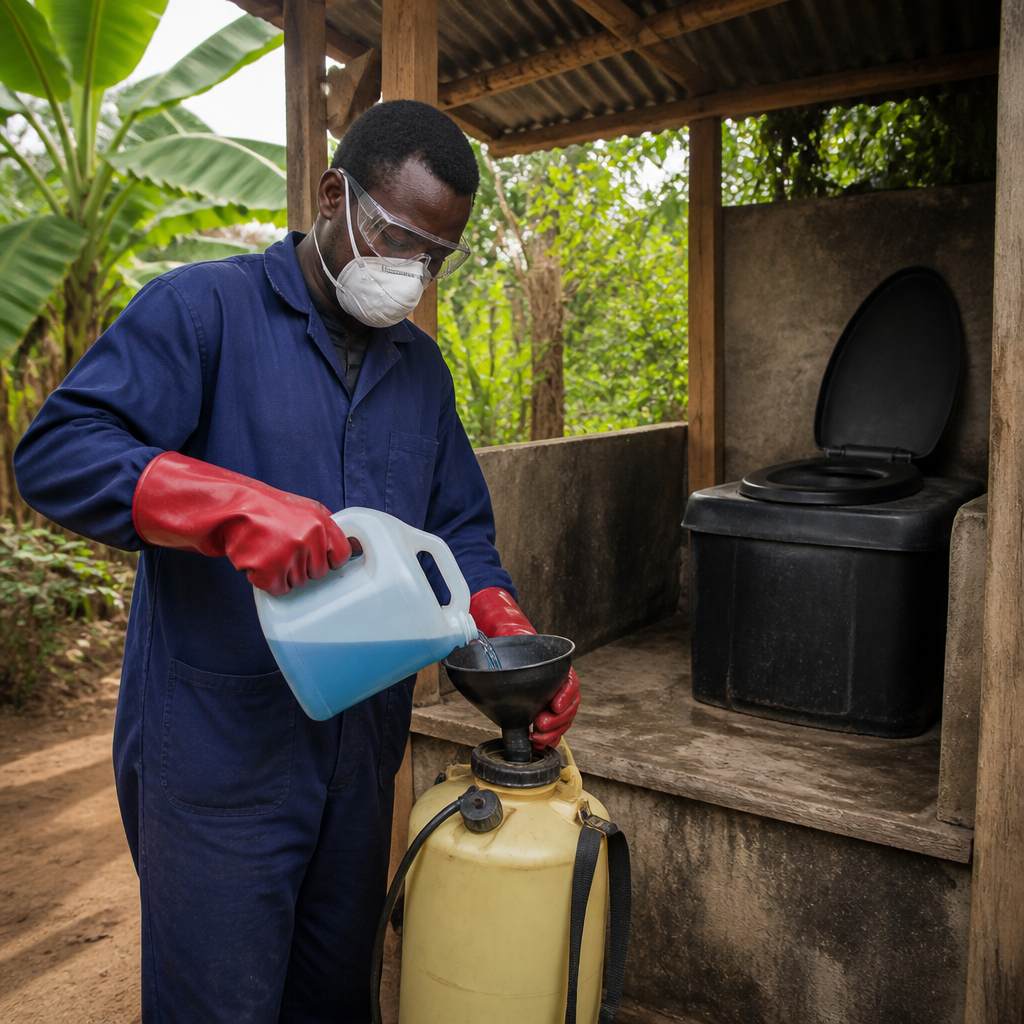
Chemical safety in community settings extends beyond industry. Cleaning agents, fuels, pesticides, paints, and solvents are often stored in homes, schools, and small businesses. Risks increase when products are decanted into drink bottles, used without ventilation, or mixed improperly. Community education should include hazard labels, child-safe storage, spill response basics, and the importance of buying only clearly labeled products. Where pesticides are needed for vector control or agriculture, integrated pest management is safer than routine blanket spraying because it combines surveillance, habitat reduction, targeted application, and resistance management.
Climate Stress, Flooding, and Building Resilient Neighborhoods
Climate change acts as a risk multiplier for community health. Higher temperatures increase heat exhaustion, dehydration, sleep disruption, and stress on people with heart and kidney disease. Heavier rainfall can overwhelm drainage, spread sewage, contaminate wells, and trigger mold growth in homes. Drought can reduce hygiene capacity and concentrate contaminants in limited water supplies. Wildfire smoke, where relevant, worsens respiratory symptoms over large areas. In EcoSan work, climate resilience should be built into routine environmental health planning rather than treated as a separate specialty.
Heat action plans are a practical example. Communities can identify cooling centers, adjust work schedules for outdoor labor, expand tree canopy, promote reflective roofing materials, and establish neighbor check-in systems for older adults. Flood resilience requires regular drain clearance, retention areas, elevation of critical sanitation assets, backflow prevention, and land-use rules that keep homes away from high-risk channels where possible. After floods, rapid cleanup guidance matters: safe water testing, disinfection protocols, mold remediation, and protective equipment for residents handling contaminated debris.
Resilient neighborhoods also depend on communication. Residents need clear, trusted warnings before heat waves, storms, or contamination events. Messages should explain not just what happened, but exactly what action to take, for how long, and where to find help. The communities that recover fastest usually have local networks already in place: schools, faith groups, health workers, neighborhood committees, and utility contacts that can share consistent information quickly.
Measurement, Governance, and Community Participation
What gets measured gets managed. For safety and wellness in EcoSan, the most useful indicators are specific and actionable: microbial water test results, chlorine residuals, toilet functionality rates, waste collection reliability, drainage blockage reports, indoor air complaints, heat alerts issued, clinic trends for diarrheal disease or asthma, and response times for environmental hazards. A dashboard does not need to be complicated to be effective. It needs to reflect real exposure pathways and assign responsibility for correction.
Governance determines whether good plans survive contact with daily operations. Roles should be explicit. Utilities manage supply quality. Public works maintain drainage and roads. Health departments track disease signals. Schools monitor hygiene facilities. Community leaders report failures and help validate priorities. Without ownership, environmental health becomes everyone’s issue and no one’s job. I have found that simple service-level standards, such as maximum repair time for a broken public handwashing station or minimum collection frequency for market waste, improve performance more than broad promises do.
Community participation is not a courtesy step. Residents know where water ponds after rain, which toilets are unsafe at night, where dumping occurs, and which messages people trust. Participatory mapping, neighborhood walks, complaint hotlines, and local monitoring groups convert that knowledge into prevention. The strongest EcoSan programs pair technical standards with resident feedback so that design decisions reflect lived reality. That is how environmental improvements become durable public health gains rather than short-lived projects.
Reducing the environmental impact on community health in EcoSan is ultimately about preventing harm before it becomes illness, injury, or long-term social cost. Clean water, safe sanitation, reliable hygiene access, healthy housing, cleaner air, sound waste management, chemical control, and climate resilience are not separate agendas. They are the operating system of a healthy community. When these basics are maintained, clinics face fewer avoidable cases, children learn more consistently, workers lose fewer days, and neighborhoods become safer in ways residents can feel every day.
The key takeaway is practical: focus first on the environmental exposures that affect people repeatedly and at scale. Test water, maintain toilets, clear drains, reduce smoke, segregate waste, prepare for heat and floods, and track the indicators that show whether conditions are improving. Build systems that fit local reality, and involve residents from planning through maintenance. In my experience, communities make the fastest progress when they treat sanitation and environmental safety as core public health infrastructure, not as side projects.
Use this hub as your starting point for deeper work across the Health and Safety topic, then turn insight into action. Review your community’s highest-risk exposures, connect them to a clear response plan, and prioritize the fixes that protect the most people first. Better environmental conditions produce better community health, and the most effective time to act is before the next outbreak, flood, or heat emergency arrives.
Frequently Asked Questions
What does it mean to reduce the environmental impact on community health?
Reducing the environmental impact on community health means improving the conditions in everyday environments that influence how people feel, function, and stay well over time. It recognizes that health is shaped not only by hospitals and clinics, but also by air quality, safe drinking water, sanitation systems, waste disposal practices, housing quality, transportation patterns, noise exposure, and protection from climate-related hazards. When these environmental factors are poorly managed, communities often see higher rates of asthma, gastrointestinal illness, heat stress, infectious disease, injuries, anxiety, and other preventable health problems.
In practical terms, reducing environmental impact involves preventing harmful exposures before they turn into illness. That can include lowering air pollution from traffic and industry, maintaining reliable water infrastructure, improving wastewater treatment, reducing illegal dumping, controlling mold and pests in homes, and designing neighborhoods that support walking, safety, and access to green space. It also means addressing unequal exposure, because low-income neighborhoods and historically underserved communities are often burdened most heavily by environmental risks.
At its core, this work is about creating healthier places to live, work, learn, and travel. A community becomes healthier when environmental systems support daily life instead of undermining it. Clean air, dependable sanitation, resilient infrastructure, and safe housing are not separate from public health—they are essential parts of it.
How do air quality and pollution affect community health?
Air quality has a direct and measurable effect on community health because every person is exposed to it constantly, both outdoors and indoors. Polluted air can contain fine particulate matter, nitrogen dioxide, ozone, smoke, chemical vapors, and allergens, all of which can irritate the lungs and strain the heart. Short-term exposure may trigger coughing, headaches, eye irritation, asthma attacks, or reduced ability to exercise. Long-term exposure is linked to chronic respiratory disease, cardiovascular disease, stroke, lung cancer, poor pregnancy outcomes, and premature death.
The impact is especially serious for children, older adults, pregnant people, and those with existing heart or lung conditions. Children are vulnerable because their lungs are still developing and they breathe more air relative to their body size. Older adults may have less reserve to handle heat and pollution together. In neighborhoods close to highways, industrial sites, warehouses, or areas prone to wildfire smoke, exposure can become a daily public health issue rather than an occasional inconvenience.
Improving air quality often requires a combination of community planning, policy, and household-level action. Communities can reduce emissions through cleaner transportation systems, stronger industrial controls, better traffic management, and more urban trees and green buffers. Schools, homes, and workplaces can improve indoor air with proper ventilation, moisture control, filtration, smoke-free policies, and safer cleaning products. When communities treat clean air as a shared health priority, they reduce disease burden and improve quality of life across all age groups.
Why are water, sanitation, and waste management so important for public health?
Water, sanitation, and waste management are foundational to public health because they determine whether a community can safely drink, wash, cook, clean, and dispose of contaminants without spreading disease. Unsafe water can carry bacteria, viruses, parasites, heavy metals, or industrial pollutants that lead to diarrheal illness, skin infections, developmental harm, and chronic disease. Inadequate sanitation allows human waste to contaminate homes, streets, soil, and water sources, increasing the risk of outbreaks and ongoing exposure to harmful pathogens.
Waste management is just as important. When garbage, hazardous materials, or wastewater are not collected, treated, and contained properly, communities may face odors, pests, contaminated runoff, blocked drainage systems, and toxic exposures. Illegal dumping and unmanaged waste can attract rodents and insects, worsen neighborhood blight, and contribute to stress and reduced feelings of safety. Flooding can intensify all of these problems by spreading contaminants into homes and public spaces.
Strong public health systems depend on reliable infrastructure and consistent maintenance. That means protecting drinking water sources, testing water quality regularly, repairing aging pipes, operating effective sewer systems, ensuring safe septic performance where applicable, and creating dependable waste collection and disposal services. Public education also matters, especially around handwashing, household chemical disposal, water storage, and emergency preparedness during service disruptions. When water, sanitation, and waste systems function well, the benefits are broad: fewer infections, safer neighborhoods, stronger dignity, and better long-term health outcomes.
How do housing conditions and neighborhood design influence community wellbeing?
Housing and neighborhood design influence community wellbeing because they shape daily exposure to risks and resources. A home that is damp, overcrowded, poorly ventilated, structurally unsafe, or affected by mold, pests, lead, or extreme temperatures can contribute to respiratory problems, injuries, sleep disruption, stress, and infectious disease transmission. Poor housing quality can also affect mental health by creating chronic worry, instability, and financial strain. In contrast, safe and stable housing supports routine, rest, privacy, and resilience.
Neighborhood design also matters in powerful ways. Communities with sidewalks, street lighting, accessible transit, parks, shade, grocery access, and safe public spaces make it easier for residents to be active, connect socially, and reach work, school, and healthcare. Communities designed around heavy traffic, unsafe crossings, neglected infrastructure, or long distances from essential services often experience more injuries, more pollution exposure, less physical activity, and greater social isolation. These patterns can contribute to obesity, heart disease, depression, and weaker community cohesion over time.
Improving housing and neighborhood conditions is one of the most effective ways to strengthen public health beyond clinical care. Efforts may include healthier building standards, home weatherization, pest and moisture control, lead hazard reduction, cooling and heating support, tree canopy expansion, traffic calming, and investment in walkable community spaces. When neighborhoods are designed for safety, access, and comfort, they help people stay healthier in ways that are both immediate and long-lasting.
What can communities do to become more environmentally healthy and climate resilient?
Communities can become more environmentally healthy and climate resilient by combining prevention, infrastructure investment, and inclusive planning. The first step is identifying local risks clearly: poor air quality, frequent flooding, unsafe water systems, heat exposure, waste problems, inadequate housing, or lack of emergency preparedness. Once those risks are understood, local leaders, residents, public health agencies, schools, utilities, and businesses can work together on practical solutions that reduce exposure and strengthen response capacity.
Some of the most effective actions include upgrading stormwater and drainage systems, expanding tree cover and cooling spaces, modernizing water and wastewater infrastructure, improving solid waste collection, reducing emissions from transportation and industry, and ensuring buildings are safer and more energy efficient. Communities can also create heat action plans, emergency communication systems, backup power strategies for critical facilities, and public education campaigns about air quality alerts, flood safety, and sanitation during disruptions. These steps matter because climate-related events such as extreme heat, storms, drought, and wildfire smoke can quickly turn environmental weaknesses into health emergencies.
Just as important is making sure community solutions are equitable and resident-informed. Environmental health improvements are strongest when they prioritize neighborhoods facing the greatest burdens and when residents have a meaningful role in decision-making. Data, public engagement, and cross-sector collaboration help ensure that investments are not only technically sound, but also trusted and effective. In the long run, a climate-resilient and environmentally healthy community is one where essential systems are reliable, risks are reduced before crises occur, and people are better protected in their everyday lives.