Evaluating the health impact of sanitation interventions requires more than counting toilets or tracking construction budgets. It means measuring whether people are actually safer, whether disease exposure falls, and whether sanitation systems remain functional without creating new environmental risks. In the context of ecological sanitation, or EcoSan, that evaluation must cover both health and sustainability because waste is treated as a resource stream, not just a disposal problem. When I have assessed sanitation programs in rural schools, peri-urban settlements, and small health facilities, the strongest results came from projects that linked pathogen control, user behavior, maintenance planning, and safe reuse practices from the start. That is why safety and sustainability in EcoSan deserves a hub-level view rather than a narrow technical checklist.
EcoSan refers to sanitation approaches designed to safely contain, treat, and where appropriate recover nutrients, water, and organic matter from human excreta. Common examples include urine-diverting dry toilets, composting toilets, container-based sanitation systems, and decentralized treatment models that support agricultural reuse. The health impact of sanitation interventions is the change in outcomes such as diarrheal disease, helminth infection, environmental contamination, child growth constraints linked to repeated infection, exposure of sanitation workers, and risks to communities living near discharge points. Sustainability adds another layer: whether a system can operate over time with realistic financing, acceptable maintenance, climate resilience, low water demand, and safe management of outputs. These terms matter because unsafe sanitation still affects billions of people, and even improved toilets can fail if sludge handling, handwashing access, or user adoption is weak.
The central question for planners, public health teams, utilities, donors, and community organizations is straightforward: which sanitation interventions reduce health risk most reliably while remaining practical and environmentally sound? Answering it is difficult because outcomes depend on local context. A sewer connection may be excellent in one dense city with strong treatment capacity and disastrous in another where untreated wastewater flows into drains. A urine-diverting toilet may protect groundwater and recover nutrients in a water-scarce region, yet underperform if households are not trained to separate streams or if emptying protocols are unsafe. Good evaluation therefore looks beyond infrastructure coverage and asks whether the full sanitation service chain works: capture, containment, emptying, transport, treatment, reuse, or disposal. For a Health and Safety hub focused on EcoSan, the most useful framework is to examine hazards, metrics, system options, behavior, and governance together.
Why health impact evaluation must cover the full sanitation chain
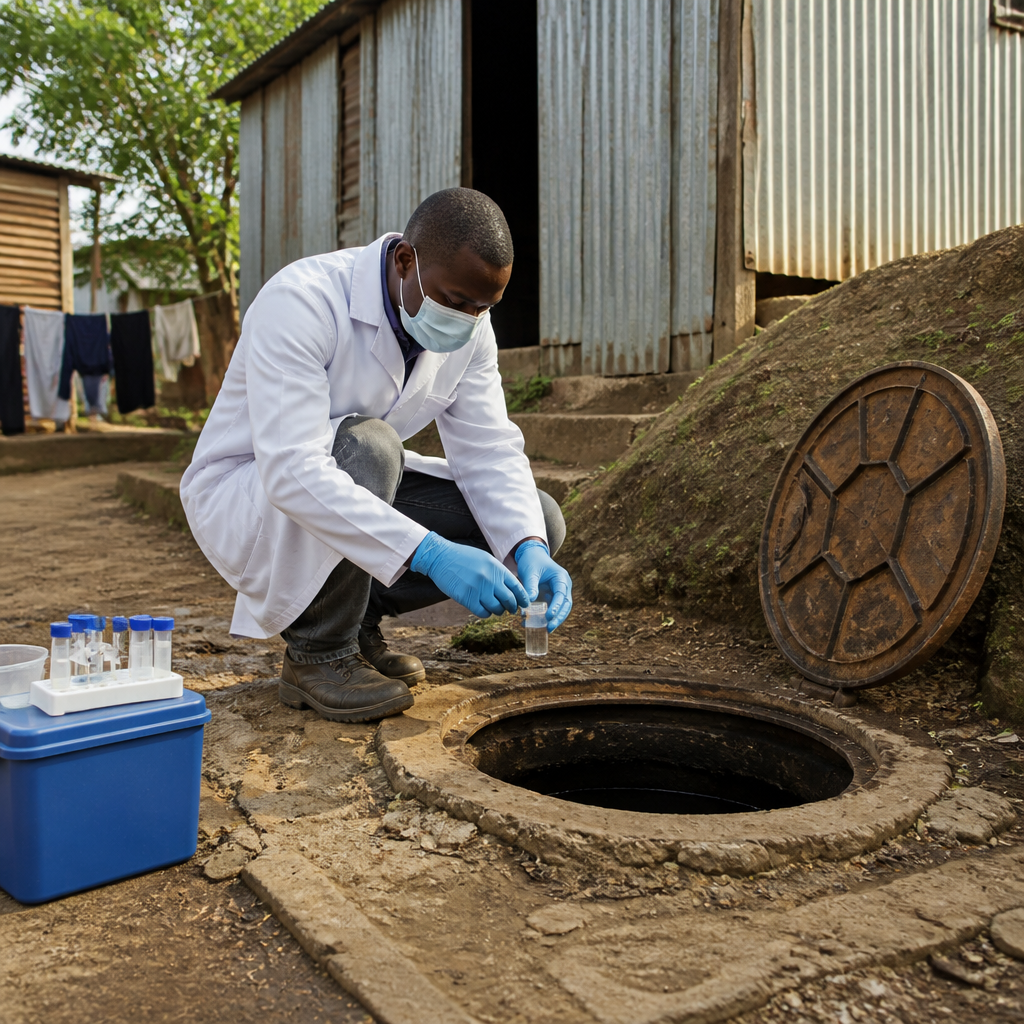
Sanitation interventions protect health only when each link in the chain reduces contact with pathogens. Feces contain bacteria, viruses, protozoa, and helminth eggs that move through water, soil, surfaces, food, and hands. If a toilet isolates waste but leakage contaminates shallow wells, the health benefit is undermined. If fecal sludge is removed manually without gloves, masks, or containment, workers absorb the risk that households no longer see. The World Health Organization sanitation safety planning approach is useful because it treats sanitation as a risk management system, not a single facility. In field reviews, I have found that communities often describe a toilet as successful while nearby drains, sludge pits, or child feces disposal practices still maintain transmission pathways.
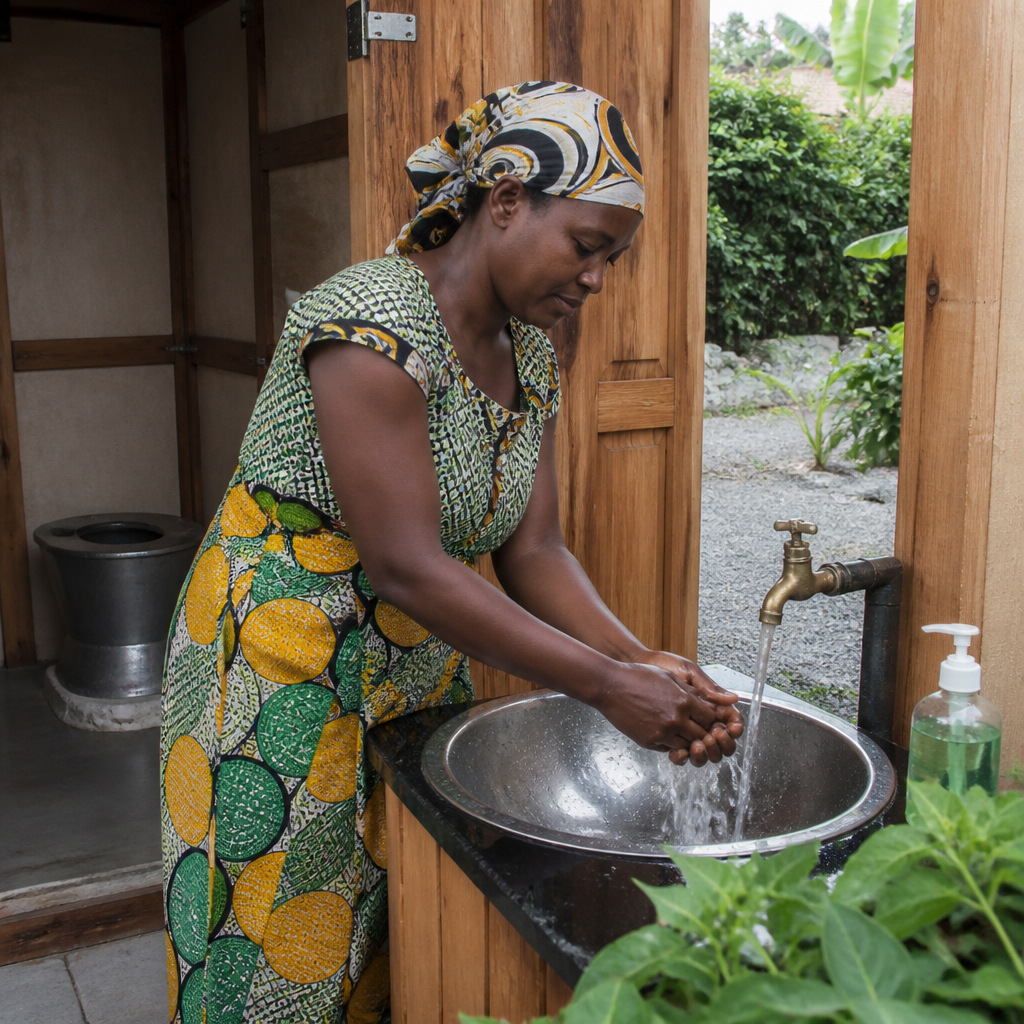
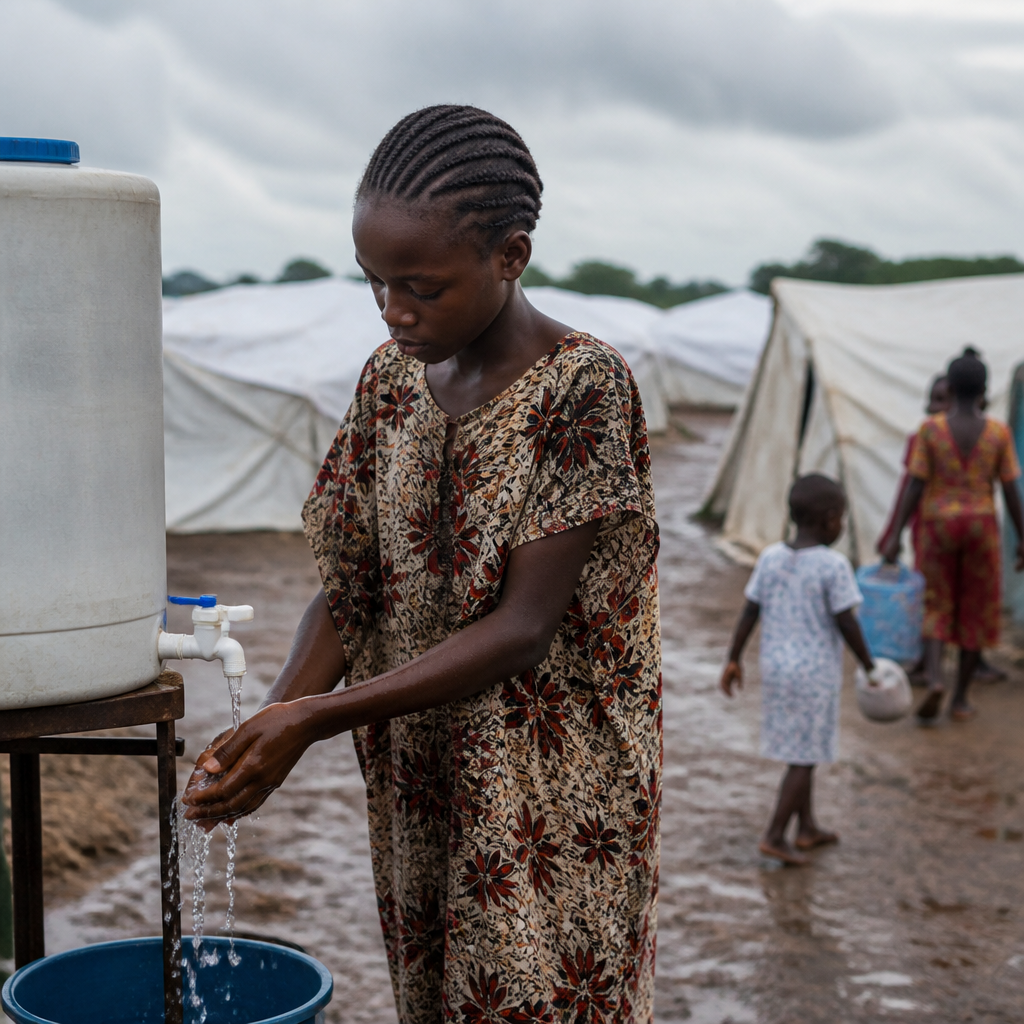
That is why health impact evaluation should include at least four categories of indicators. First are exposure indicators, such as E. coli levels in stored household water, soil contamination around compounds, or evidence of open defecation. Second are service indicators, including toilet usability, fill rate, downtime, emptying frequency, and treatment performance. Third are behavior indicators, such as handwashing with soap after defecation, safe child feces disposal, and correct urine diversion. Fourth are outcome indicators, including diarrheal prevalence, parasite burden, healthcare absenteeism, and worker injuries. Looking only at disease rates is too blunt because many variables influence illness. Looking only at construction numbers is worse because it ignores whether risk actually declines.
Core health risks and benefits in EcoSan systems
EcoSan can deliver strong health gains when designed and managed well. Dry and urine-diverting systems reduce water use, which is valuable in drought-prone regions and places where flush systems overload weak sewers. Properly operated systems can also reduce contamination of groundwater compared with poorly lined pits in areas with high water tables. Nutrient recovery is another benefit. Human urine contains much of the nitrogen and potassium excreted by households, and treated fecal material can contribute organic matter to soil. These features support food security and lower fertilizer demand. However, recovery only becomes a health advantage when treatment barriers are reliable and users follow handling guidance consistently.
The main hazards in EcoSan are well known. Fresh feces can carry enteric pathogens, and Ascaris eggs are especially persistent. Urine is usually lower risk microbiologically, but cross-contamination with feces is common in practice. In poorly ventilated or wet vaults, decomposition may not reach conditions needed for pathogen reduction. If containers overflow, if ash or drying material is not added as required, or if sludge is removed early, the system can shift risk from visible open defecation to less visible occupational and environmental exposure. Flies, odors, inaccessible cubicles, and difficult cleaning also affect whether people use the facility consistently. The public health lesson is clear: EcoSan is not automatically safe because it is ecological. It is safe when storage time, moisture control, separation quality, emptying methods, and end-use controls all function as intended.
How to measure sanitation intervention performance in practice
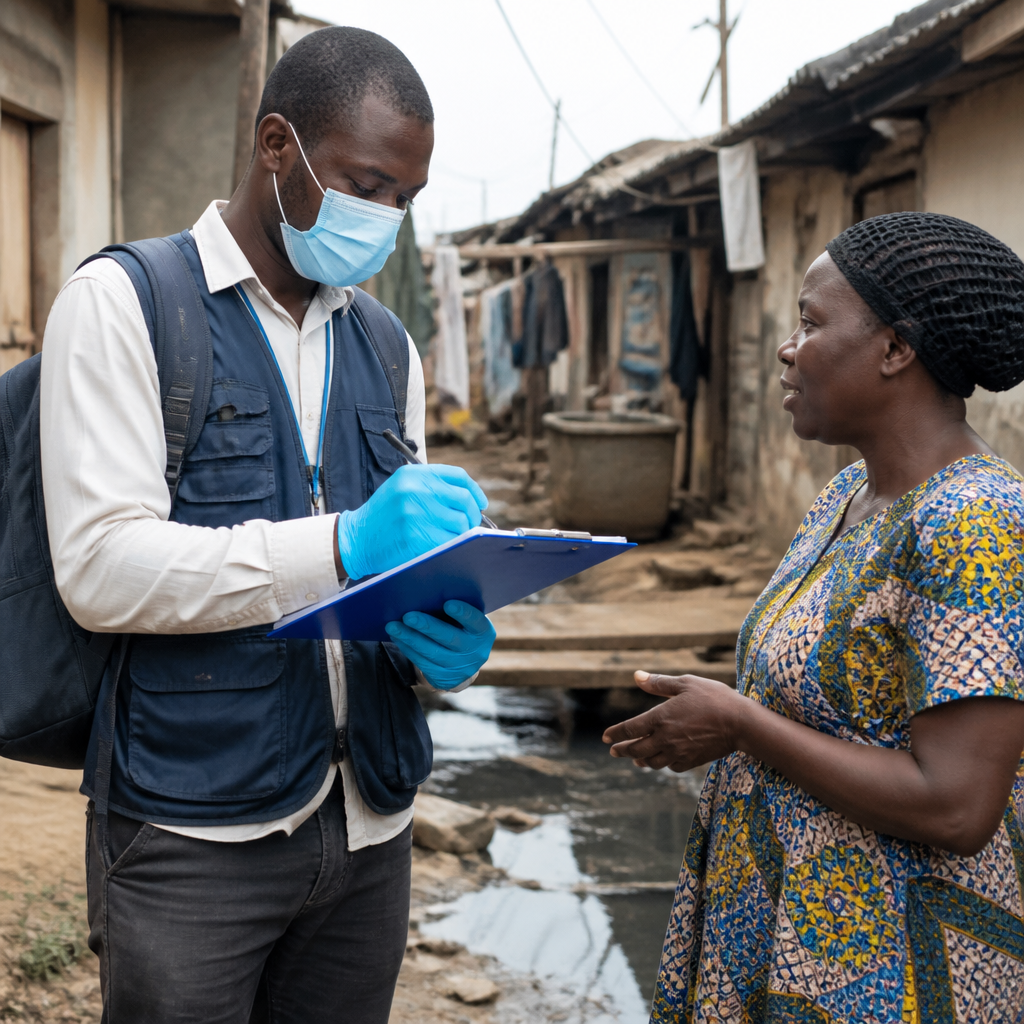
Reliable evaluation starts with a baseline and a comparison strategy. Before implementation, document toilet access, use patterns, handwashing stations, water quality, drainage conditions, and disease trends. After implementation, collect the same measures at defined intervals. Randomized trials are valuable but not always feasible. In sanitation work, I often rely on quasi-experimental designs, matched comparison communities, repeated cross-sectional surveys, environmental sampling, and facility audits. Mixed methods matter because households may report high use even when observation shows blocked pans, missing doors, or child feces in the yard. A strong monitoring plan combines survey data with spot checks, treatment records, and laboratory results where resources allow.
Several indicators are particularly useful for a hub article on safety and sustainability in EcoSan because they connect daily operations to health outcomes. These include safe containment rate, percentage of facilities with no visible leakage, proportion of users correctly separating urine and feces, handwashing station functionality, frequency of hygienic emptying, treatment residence time, and percentage of outputs reused according to protocol. For health outcomes, measure self-reported diarrhea carefully, but also consider stool testing for helminths, school attendance, skin and respiratory symptoms among workers, and contamination at points of use. If budgets are limited, prioritize indicators that reveal transmission routes. For example, surface contamination near latrines or irrigation plots may provide earlier warning than annual disease statistics.
| Evaluation area | What to measure | Why it matters for health and sustainability |
|---|---|---|
| Containment | Leaks, flooding, structural cracks, overflow incidents | Shows whether waste remains isolated from people, water, and soil |
| User practice | Correct use, handwashing, child feces disposal, cleaning frequency | Determines whether designed protection is achieved in daily life |
| Operational safety | Emptying method, protective equipment, transport spills, worker training | Prevents risk transfer from households to sanitation workers |
| Treatment and reuse | Storage time, moisture level, pathogen reduction, crop restrictions | Confirms that recovered resources are safe enough for intended use |
| Long-term viability | Cost recovery, spare parts, user satisfaction, water demand | Indicates whether health gains can be sustained over years |
Design choices that strengthen safety and sustainability in EcoSan
Design is the first public health intervention. Urine-diverting dry toilets perform best when pedestals or pans fit local user preferences, vaults stay dry, and access for emptying is built into the structure. Ventilation and insect screening reduce odors and fly breeding. Roof overhangs, raised platforms, and proper drainage protect against stormwater intrusion. In flood-prone areas, above-ground or container-based systems may be safer than pits. In rocky zones or places with high groundwater, lined or elevated designs avoid seepage. These choices are not cosmetic. They directly affect pathogen survival, acceptability, and maintenance burden.
Safe reuse design also requires explicit barriers. The WHO multi-barrier concept is practical here: treatment, restricted application methods, crop selection, withholding periods before harvest, protective equipment, and hygiene all work together. For instance, urine intended for agriculture should be stored and applied in ways that minimize contact with edible plant surfaces. Compost or dehydrated fecal material should meet local guidance before field use, especially where root crops or leafy vegetables are grown. Projects that assume farmers will improvise safe handling usually fail. The strongest programs provide standard operating procedures, designated storage zones, clear labeling, and routine supervision. Sustainability improves when users can see agronomic value, but health protection improves only when reuse is disciplined rather than informal.
Behavior, maintenance, and worker protection often determine results
Many sanitation interventions underperform for social and operational reasons rather than engineering flaws alone. If households do not understand why urine diversion matters, they may wash solids into the urine chamber. If ash, lime, or cover material is unavailable, vault conditions change quickly. If school toilets are not cleaned daily, children avoid them and revert to unsafe behaviors. In my experience, the most effective EcoSan programs budget for behavior support long after construction. They use simple signs, demonstrations, refresher visits, and caretaker coaching. They also identify who empties, who pays, where material goes, and what to do when a chamber fills earlier than expected.
Worker safety deserves equal priority. Manual emptiers, sweepers, and transport crews face some of the highest exposure in the sanitation chain, yet many projects barely mention them. Safe sanitation means gloves, boots, face protection where splashes are possible, handwashing facilities, vaccination where recommended, written procedures, and equipment that reduces direct contact. It also means dignified employment terms and access to training. A sanitation model cannot be called sustainable if it depends on hidden labor under unsafe conditions. When municipalities formalize service providers, require containment standards, and enforce treatment destinations, both worker health and environmental outcomes improve. This is one of the clearest links between governance and public health performance.
Common pitfalls, tradeoffs, and what decision-makers should do next
Decision-makers evaluating sanitation interventions should avoid three common mistakes. First, they should not assume any technology is universally superior. EcoSan, septic systems, simplified sewers, and container-based approaches each have contexts where they excel. Population density, water availability, soil conditions, land tenure, cultural acceptance, and institutional capacity all matter. Second, they should not measure success only at handover. Systems often look impressive at commissioning and deteriorate within a year because spare parts, emptying services, or user support were never funded. Third, they should not separate health goals from sustainability goals. A system that protects health briefly but fails financially or environmentally is not a durable intervention.
The practical path forward is to treat safety and sustainability in EcoSan as a managed service. Start with a risk-based assessment of local hazards and exposure pathways. Choose designs matched to hydrogeology, climate, and user behavior. Define monitoring indicators across containment, operation, treatment, and reuse. Protect workers as rigorously as end users. Review performance at regular intervals and adjust training, logistics, or design when evidence shows weak points. The best sanitation interventions are not the ones with the most hardware; they are the ones that consistently break transmission routes while remaining affordable and acceptable over time. If you are building a Health and Safety content hub around EcoSan, use this framework as the anchor, then map detailed articles on pathogen control, reuse standards, worker safety, maintenance planning, and monitoring methods so every sanitation decision is judged by its real health impact.
Frequently Asked Questions
What does it really mean to evaluate the health impact of sanitation interventions?
Evaluating the health impact of sanitation interventions means looking well beyond whether toilets were built, latrines were upgraded, or budgets were spent on schedule. The central question is whether the intervention actually reduced human exposure to pathogens and improved safety for the people who use it and live nearby. In practical terms, that includes examining changes in diarrheal disease, intestinal infections, environmental contamination, child health outcomes, and risks associated with handling, storing, transporting, or reusing human waste. A strong evaluation also considers whether women, children, older adults, and people with disabilities can use the system safely and consistently.
In ecological sanitation, or EcoSan, the definition becomes even broader because sanitation is not treated purely as waste disposal. Instead, urine and feces may be separated, treated, stored, and reused as agricultural inputs. That creates potential benefits, but it also introduces additional pathways that must be assessed carefully. An effective evaluation therefore asks whether treatment steps are sufficient, whether users follow safe handling practices, whether reuse reduces or increases health risks, and whether the surrounding soil, water, and food systems remain protected. In short, health impact evaluation is about verifying real-world risk reduction, not just documenting infrastructure delivery.
Why is counting toilets or measuring construction outputs not enough?
Counting toilets is useful for tracking implementation, but it is not a reliable measure of health protection. A toilet can exist on paper or in a village and still fail to deliver meaningful benefits if it is poorly maintained, inaccessible, culturally unacceptable, unsafe at night, too expensive to empty, or not used consistently by household members. Even a technically sound facility may do little to improve health if fecal sludge leaks into groundwater, if children continue open defecation, or if handwashing and waste handling practices remain unsafe. Construction outputs tell you what was installed. They do not tell you whether disease transmission pathways were interrupted.
This is especially important in EcoSan systems, where performance depends not only on installation but also on operation and user behavior over time. For example, a urine-diverting toilet may only function safely if users separate waste correctly, add the right treatment materials, respect storage times, and manage end products responsibly. If any step breaks down, the intended health gains may be reduced or lost. That is why serious evaluations combine infrastructure indicators with usage data, environmental testing, maintenance records, exposure assessment, and health outcomes. In public health terms, the goal is to measure effectiveness in everyday conditions, not just completion of a project activity.
Which health indicators are most useful when assessing sanitation interventions?
The most useful health indicators depend on the intervention, the local disease burden, and the pathways through which exposure occurs. Common indicators include rates of diarrheal illness, prevalence of helminth infections, enteric pathogen exposure, child growth measures where chronic environmental contamination is a concern, and clinic-based or community-reported illness trends. In some settings, researchers also assess skin infections, vector-related risks, or injuries linked to poor sanitation design. No single indicator is perfect, so a strong evaluation often combines multiple measures to capture both direct and indirect effects.
Environmental and behavioral indicators are also essential because health outcomes alone may be too slow, too variable, or too influenced by outside factors to show the full picture. These supporting indicators can include fecal contamination in soil or water, functionality and cleanliness of facilities, proper containment and treatment of waste, frequency of safe emptying, observed or reported toilet use, and handwashing behavior. In EcoSan systems, evaluators may also measure pathogen reduction during storage or composting, compliance with reuse protocols, and contamination risks in fields where treated products are applied. Taken together, these indicators help establish whether the intervention is reducing exposure in a measurable and sustainable way, which is often more informative than relying on one health statistic alone.
How do you evaluate both health and sustainability in ecological sanitation systems?
Evaluating EcoSan properly requires treating health protection and sustainability as inseparable. On the health side, the evaluation should confirm that waste is effectively contained, treated, and handled in ways that reduce pathogen transmission. That includes checking whether users understand separation requirements, whether treatment periods are long enough, whether storage conditions are appropriate, and whether final products are managed safely during transport and reuse. The evaluation should also identify who faces risk at each stage, including household members, sanitation workers, farmers, and nearby communities.
On the sustainability side, the system must be judged on whether it continues functioning without causing new environmental or operational problems. Important factors include user acceptance, affordability of maintenance, availability of treatment materials, durability of the infrastructure, nutrient recovery value, groundwater protection, odor and vector control, and the practicality of long-term sludge or resource management. If a system is hygienically sound but too difficult or expensive for users to maintain, it may fail over time. Likewise, if it recovers nutrients but creates contamination risks in soil, crops, or water sources, it cannot be considered successful. The best evaluations therefore look at performance across the full sanitation chain and over an extended period, asking not only “Did it work?” but also “Is it still working safely, and can it keep working under real community conditions?”
What are the biggest challenges in measuring the true health effects of sanitation interventions?
One of the biggest challenges is that health outcomes are influenced by many factors at the same time. Water quality, hygiene behavior, nutrition, housing conditions, drainage, animal contact, and access to healthcare can all affect disease patterns. That makes it difficult to isolate the exact contribution of a sanitation intervention, especially over short evaluation periods. In addition, some expected benefits may take time to appear, while self-reported illness data can be inconsistent or biased. Seasonal changes, population movement, and uneven adoption across households can further complicate the analysis.
EcoSan adds another layer of complexity because the system involves multiple steps, each of which can alter risk. A project may look successful at the toilet level but still create exposure during emptying, storage, transport, or agricultural reuse. There may also be a gap between what users say they do and what happens in practice. For that reason, robust evaluations often use mixed methods: epidemiological data, environmental sampling, direct observation, user interviews, system inspections, and operational records. This broader approach helps evaluators understand not just whether outcomes changed, but why they changed. That is ultimately what decision-makers need if they want to improve program design, protect public health, and scale sanitation solutions that are both safe and sustainable.