Safe handling and use of humanure begins with one hard rule: nutrient recovery is only sustainable when pathogen risk is controlled from toilet to soil. In ecological sanitation, or EcoSan, humanure means fecal material and cover matter managed as a composting feedstock rather than flushed away as waste. The health question is not whether humanure can be used safely, but under what conditions, with which barriers, and for which end uses. I have seen well-built systems protect families, reduce water demand, and produce stable compost, and I have also seen improvised setups create flies, odors, surface contamination, and avoidable disease exposure. That contrast is why this topic matters. A health-first approach to EcoSan links toilet design, user behavior, storage time, compost temperature, hand hygiene, protective equipment, and crop restrictions into one risk management chain. Break one link and the system weakens. Keep the chain intact and EcoSan can support sanitation access, resilience, and soil restoration. This hub explains the core hazards, the handling rules that matter most, the treatment standards practitioners rely on, and the practical decisions households, farms, schools, and communities should make before using humanure.
Understanding the Main Health Risks in Humanure Systems
The primary health concern in humanure handling is pathogen exposure. Fresh human feces can contain bacteria such as Escherichia coli, Salmonella, Shigella, and Vibrio cholerae; viruses such as norovirus, rotavirus, hepatitis A, and enteroviruses; protozoa including Giardia and Cryptosporidium; and helminths such as Ascaris lumbricoides. Helminth eggs deserve special attention because they are persistent in the environment and resistant to many stresses that quickly reduce bacterial counts. In practical terms, a pile that looks earthy and smells finished may still be unsafe if treatment conditions were poor or uneven.
Exposure happens through several routes. The most obvious is direct contact during toilet emptying, bucket transfer, compost turning, or field application. Less obvious routes are equally important: contaminated hands touching food, boots tracking material into living areas, runoff reaching surface water, dust aerosols generated during handling of dry material, and flies moving between feces and kitchens. Urine-diverting systems reduce moisture and odor, but they do not automatically eliminate risk from fecal containers, wiping materials, or shared contact surfaces. Health protection therefore depends on multiple barriers, not on one technology feature.
Risk also varies by user group. Children, pregnant people, older adults, and anyone with compromised immunity face higher consequences from enteric infections. Workers who empty vaults or manage compost regularly have repeated exposure, so training and routine controls matter more than occasional caution. Season and climate matter too. Warm, wet conditions can increase fly pressure and leachate problems, while cold climates can slow composting enough that storage time becomes the main treatment barrier. A sound health plan starts by identifying these variables rather than assuming one universal method works everywhere.
Source Separation, Toilet Design, and Containment
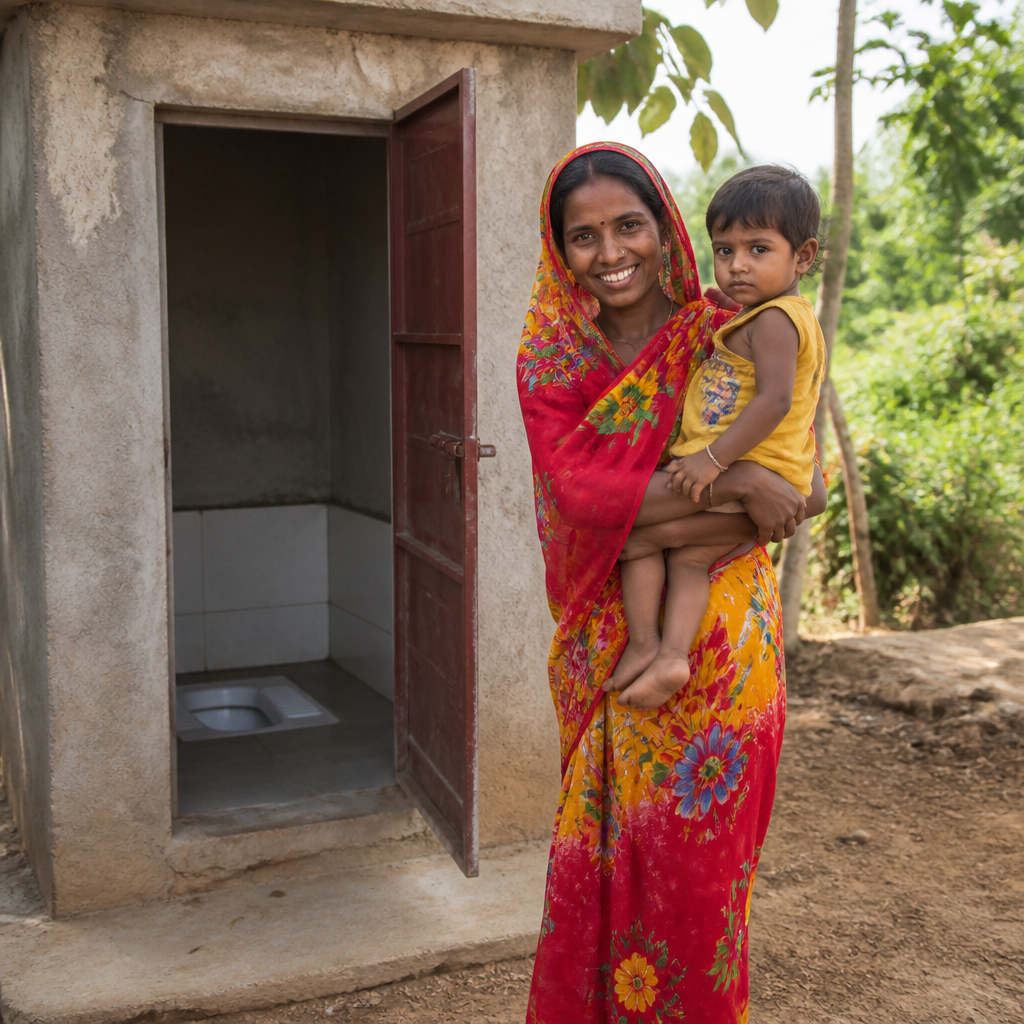
Good health outcomes begin at the toilet. The safest EcoSan systems make separation and containment easy for ordinary users, even when maintenance habits are inconsistent. Urine-diverting dry toilets, double-vault toilets, container-based systems, and well-managed composting toilets can all be health protective when they keep fresh feces contained, reduce vectors, and allow safe removal. What fails most often in the field is not the concept but the interface: undersized vaults, poor drainage, inaccessible cleanout doors, lack of anal cleansing management, and no clear place for cover material.
Cover material is more than an odor fix. Dry carbon-rich material such as sawdust, rice hulls, shredded leaves, chopped straw, or fine wood shavings helps absorb moisture, suppress flies, improve carbon-to-nitrogen balance, and create better compost structure. However, operators should know what cover material cannot do. It does not sanitize fresh feces by itself, and ash or lime added in large quantities can raise pH but may also inhibit compost biology if overused. In projects I have evaluated, the most reliable user uptake came from simple routines: add feces, add enough dry cover to fully conceal it, keep the seat and floor clean, and keep rain out.
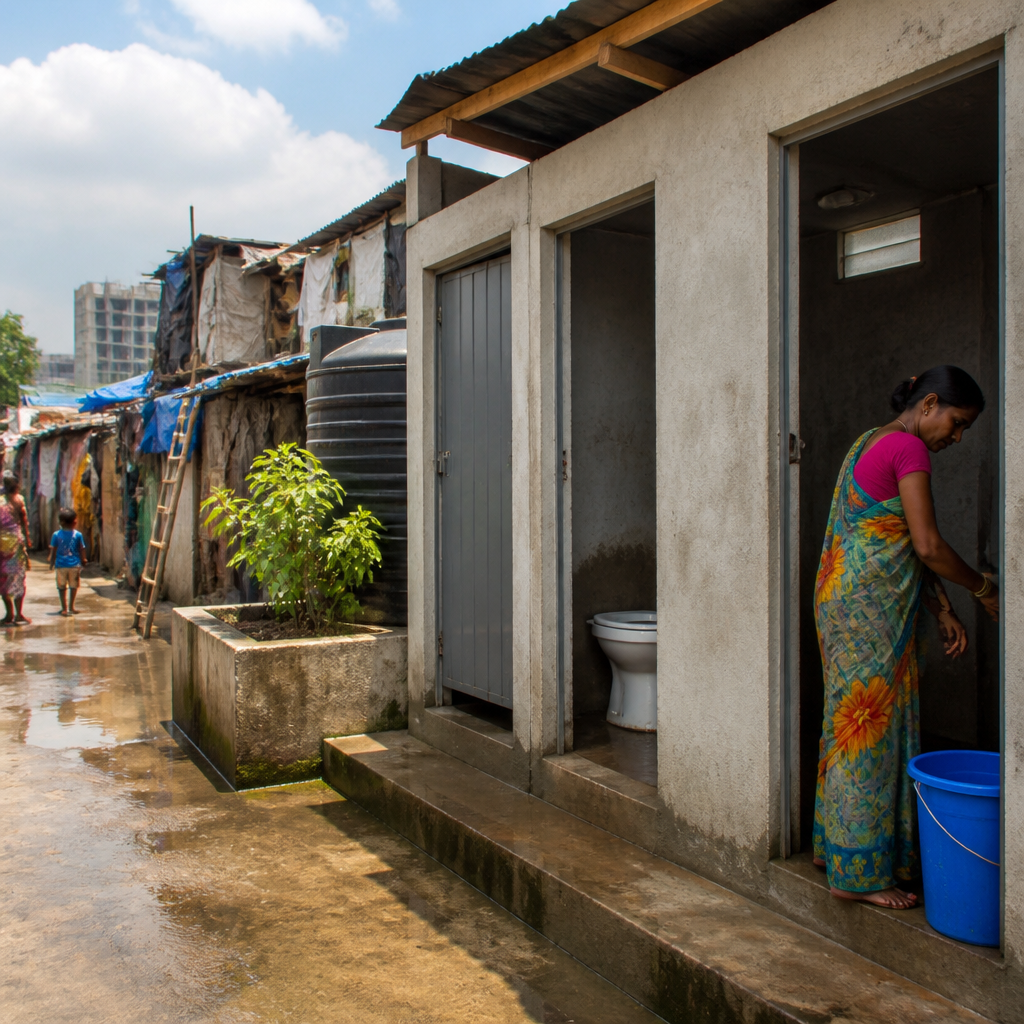
Containment details matter. Vaults and containers should prevent leakage, exclude animals, and protect nearby groundwater. Flood-prone sites need elevated structures or completely sealed containers. In rocky areas with thin soils, subsurface seepage assumptions are dangerous. Where handwashing water is scarce, systems should place a handwashing station with soap or ash immediately at the toilet exit. The basic design principle is straightforward: users should be able to do the safe thing with the least effort every single time.
Safe Collection, Storage, and Composting Practices
Humanure becomes safer through time, temperature, microbial competition, desiccation, and careful management, but treatment is only reliable when process controls are explicit. For household systems, that means knowing whether the material is being stored, thermophilically composted, vermicomposted after pre-treatment, or co-composted with other organics. These are not interchangeable. Storage can reduce many pathogens, especially in dry conditions, but helminth eggs and some viruses may persist. Thermophilic composting is faster and generally more robust when temperatures are high enough throughout the pile, but cold spots, short heating periods, and poor mixing can leave infectious pockets.
Recognized sanitation guidance consistently emphasizes time-temperature relationships and restricted end use unless treatment is validated. The World Health Organization and many national biosolids programs use barrier-based approaches because no single metric guarantees safety in all contexts. In practice, a compost manager should monitor temperature at multiple points, maintain adequate moisture, and build enough volume to retain heat. A pile that never exceeds warm ambient conditions is aging, not actively sanitizing. By contrast, a well-built compost mass with balanced carbon sources, roughly sponge-like moisture, and sufficient aeration can sustain thermophilic conditions that substantially lower bacterial and viral risks.
| Management step | Health purpose | What good practice looks like |
|---|---|---|
| Collection | Prevent direct contact and spills | Use dedicated containers, tight lids, and tools reserved for fecal material |
| Covering | Reduce flies, odor, and excess moisture | Completely cover each deposit with dry carbon material |
| Composting | Lower pathogen survival through heat and biology | Track temperatures, maintain aeration, and avoid undersized piles |
| Curing and storage | Provide additional die-off time | Allow extended resting before handling or land application |
| Use restrictions | Reduce food-chain exposure | Apply to trees, fiber crops, or ornamentals unless treatment quality is proven |
Storage and curing deserve more respect than they often receive. Even after active composting, a curing phase lets microbial processes stabilize the material and supports further pathogen die-off. Finished humanure should be dark, crumbly, and soil-like, with no recognizable fecal matter or strong fecal odor, but appearance alone is not proof of safety. Where feasible, testing for indicator organisms, moisture, and maturity adds confidence. In decentralized programs, recordkeeping is often the missing control. A simple log of fill dates, transfer dates, pile temperatures, turning dates, and application sites can prevent premature use.
Personal Protection, Hygiene, and Occupational Safety
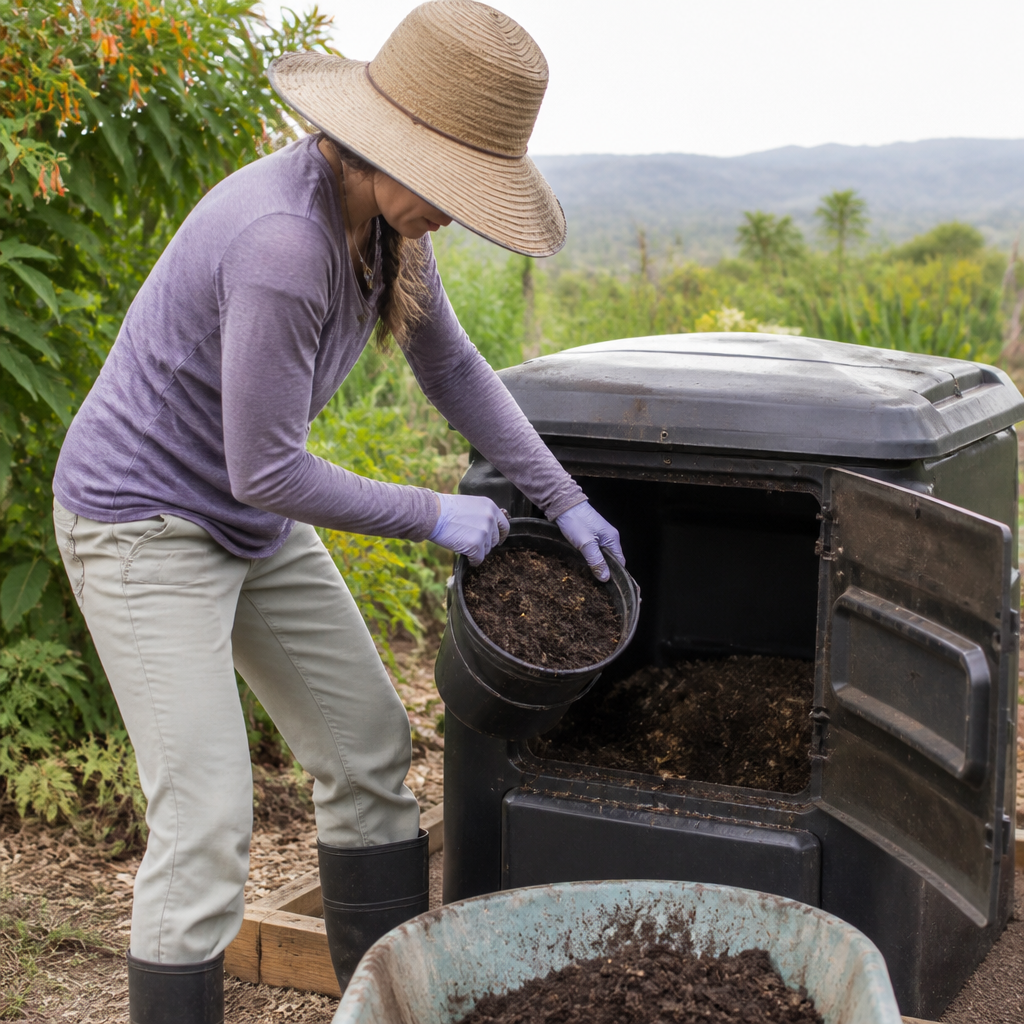
People managing humanure need routine occupational controls, not improvised caution. Minimum protections include durable gloves, work clothing or coveralls, closed footwear or boots, and a handwashing station with soap. Depending on the task, eye protection and a particulate mask may be appropriate, especially when handling dry cover materials, sieving compost, or cleaning dusty vaults. The goal is to reduce contact with fecal matter, contaminated surfaces, and inhalable particles. PPE works best when it is simple, available, and cleaned or replaced consistently. A box of gloves stored far from the work area will not be used reliably.
Hand hygiene is the most important personal barrier. Workers should wash hands after toilet maintenance, after glove removal, before eating or drinking, and before touching shared tools, phones, or vehicle controls. Nails should be kept short because contaminated soil and organic matter lodge under them easily. Cuts and abrasions should be covered before work. Eating, smoking, or storing food in the work area should be prohibited. These rules sound basic because they are basic, yet they are the controls most often skipped during routine maintenance rounds.
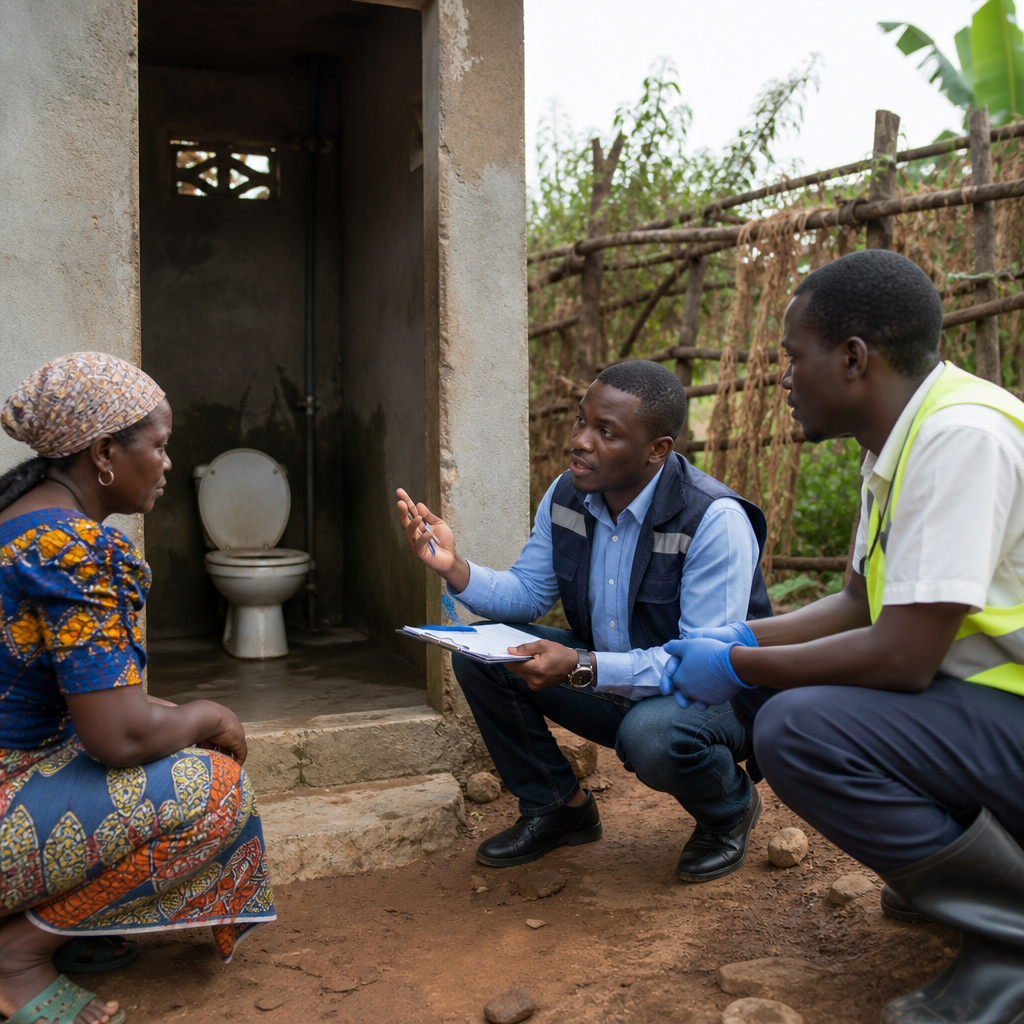
Training should cover the difference between nuisance conditions and health hazards. Odor is not a reliable risk indicator, and lack of odor is not proof of safety. Workers should know spill response, disinfection of tools, laundering of work clothes, and what symptoms warrant medical attention. Diarrhea, vomiting, jaundice, fever, and persistent abdominal pain after exposure should never be ignored. Vaccination policies may also be relevant for organized programs. Depending on local public health guidance, hepatitis A and tetanus protection can be prudent for workers with repeated sanitation exposure.
Land Application, Crop Restrictions, and Environmental Controls
The safest use of humanure depends on treatment quality and application method. If treatment has not been validated with strong process control or testing, use restrictions are essential. The most conservative and widely defensible approach is to apply humanure to nonfood uses such as trees, timber, fiber crops, ornamentals, or soil rehabilitation projects. This sharply reduces the chance that surviving pathogens reach edible plant parts or harvesting crews. Root vegetables and low-growing leafy greens present the highest concern because soil contact is direct and washing may not remove all contamination.
Application technique matters as much as crop choice. Surface spreading increases the chance of human contact, runoff, and attraction of animals. Incorporation into soil, mulching over the applied area, and maintaining setbacks from wells, streams, drainage ditches, and flood zones are standard protective steps. Avoid application before heavy rain. On sloped land, contour management and buffer strips help prevent off-site movement. If a site cannot keep material contained during storms, it is not a suitable site for use.
Community acceptance is often shaped by these practical choices. People reasonably worry about smells, flies, and food contamination. Clear restrictions, visible hygiene practices, and careful site selection build trust faster than technical arguments alone. In school or neighborhood projects, I have found that demonstration plots with trees or ornamentals are usually the right starting point. They show soil benefits while keeping exposure pathways limited. Food-crop use should come later, if at all, and only when treatment consistency has been demonstrated over time.
Monitoring, Standards, and Common Mistakes to Avoid
Every humanure program needs a verification mindset. That means defining what counts as treated, who decides, and what evidence supports that decision. Large wastewater biosolids systems use formal pathogen reduction standards, vector attraction reduction criteria, and laboratory testing. Small EcoSan systems rarely have that level of infrastructure, but they still need practical verification: temperature logs, storage duration records, moisture checks, inspection forms, and supervisory review. If a household or institution cannot document how material was handled, the safest assumption is that treatment may be incomplete.
The most common mistakes are predictable. First, using too little cover material leads to flies, odor, and messy handling. Second, allowing urine, rain, or wash water to oversaturate the pile creates anaerobic conditions and leachate. Third, building compost piles too small to heat results in slow decomposition without reliable sanitization. Fourth, emptying vaults too early because space is needed undermines the entire process. Fifth, applying material to high-risk food crops without validated treatment creates unnecessary exposure. These failures are operational, not theoretical, and they can be corrected with design changes and disciplined routines.
Safe handling and use of humanure is ultimately a public health practice disguised as a waste management task. The systems that work best prioritize containment, clear user instructions, disciplined compost management, protective equipment, and conservative end use. When in doubt, add barriers rather than removing them. Store longer, document better, restrict use, and improve hand hygiene. For anyone building or managing an EcoSan program, make this hub your starting checklist, then develop site-specific procedures before the first bucket is filled.
Frequently Asked Questions
1. Is humanure actually safe to use, or is it always a health risk?
Humanure can be used safely, but only when it is managed within a system that is specifically designed to reduce pathogen risk at every step. The key public health principle is simple: excreta should never be assumed safe until treatment goals have been met. Fresh human fecal material can contain bacteria, viruses, protozoa, and helminths, and those hazards do not disappear just because material looks dry, earthy, or partially decomposed. Safe use depends on multiple barriers working together, including proper toilet design, careful collection, adequate cover material, controlled composting or secondary treatment, secure storage, restricted handling, and a sensible choice of end use.
In ecological sanitation systems, the question is not whether nutrient recovery is possible, but whether the treatment process is reliable enough for the intended use. A well-built and well-managed system can protect households and communities by separating people from pathogens, minimizing odors and flies, and producing a more stable organic material. However, a poorly managed system can do the opposite by spreading contamination to hands, water, soil, tools, and food crops. That is why safe humanure use is best understood as a risk management issue rather than a simple yes-or-no practice. If treatment conditions are uncertain, the safest approach is to limit the final material to low-exposure applications such as trees, non-food landscaping, or soil-building in areas where direct human contact is limited.
Authoritative guidance consistently supports a barrier-based approach. Time, temperature, moisture balance, aeration, carbon-rich cover materials, protection from runoff, and post-treatment curing all matter. So does user behavior. Even the best composting setup cannot compensate for unsafe emptying, poor handwashing, or using unfinished material on vegetables that will be eaten raw. When all barriers are respected, humanure can move from a hazardous waste stream to a managed resource. When those barriers are weak, it should be treated as potentially infectious material.
2. What conditions are necessary to make humanure safer through composting?
Safer composting of humanure depends on creating and maintaining conditions that favor decomposition while also reducing pathogens. At a minimum, the composting process needs the right balance of nitrogen-rich human waste and carbon-rich cover materials such as sawdust, shredded leaves, straw, or other dry plant matter. The cover material is not just for odor control. It helps absorb moisture, reduces fly access, improves the carbon-to-nitrogen balance, and supports microbial activity that drives composting. A pile that is too wet can become anaerobic, smelly, and inefficient. A pile that is too dry may fail to heat and decompose properly.
Temperature is one of the most important treatment factors, but it should not be viewed in isolation. Thermophilic composting, where internal pile temperatures rise substantially and stay elevated for a meaningful period, can greatly reduce many pathogens. Even so, not all parts of a pile heat equally, and some organisms are more persistent than others. That is why pile size, insulation, layering, turning practices, and curing time all matter. Some systems are designed to avoid turning fresh material in order to reduce exposure and keep the most hazardous material buried in an active compost mass. Others rely on more controlled management and monitoring. In either case, uneven treatment is a real risk, so conservative retention times are important.
Time is the other major safety factor. Even when high temperatures are achieved, additional storage or curing provides another protective barrier by allowing further microbial breakdown and pathogen die-off. The material should be protected from recontamination during this phase, and leachate or runoff should be prevented from reaching groundwater, drains, or surface water. A composting site should also be located away from wells and flood-prone areas. If composting conditions cannot be monitored or maintained with confidence, then the final product should be treated more cautiously and directed to lower-risk uses. The safest systems are not the ones that rely on a single perfect condition, but the ones that combine several overlapping barriers so that if one condition is imperfect, the whole system still reduces risk.
3. What are the main health risks when handling humanure, and how can they be reduced?
The main health risks come from exposure to pathogens in fresh or insufficiently treated material. These include diarrheal bacteria, enteric viruses, protozoan cysts, and parasitic worm eggs. Exposure can happen through direct skin contact, hand-to-mouth transfer, inhalation of contaminated dust, splashes during emptying, contamination of household surfaces, or indirect transfer through water, tools, footwear, and insects. The highest-risk moments are usually collection, transport, pile building, turning, emptying chambers, and applying material that has not been fully treated. Children, older adults, immunocompromised people, and anyone doing routine system maintenance may face higher risk if controls are weak.
Risk reduction starts with system design. Toilets and storage containers should minimize contact, prevent spills, exclude flies, and keep rainwater out. Carbon cover material should be added consistently after each use to reduce odor, absorb excess moisture, and create a physical barrier over fresh deposits. During handling, people should use dedicated tools and wear protective equipment appropriate to the task, such as gloves, boots, and in some cases a mask if dusty material is being moved. Hands should be washed thoroughly with soap after any contact with the system or its tools, even if gloves were worn. Separate work clothing and clear cleaning routines for buckets, lids, and tools can greatly reduce household exposure.
Environmental controls are just as important as personal protection. Humanure should never be allowed to wash into streams, gardens, drains, or water sources. Compost areas should be secure from animals and situated where runoff can be managed. Material that is still in active treatment should be clearly separated from finished compost to avoid mix-ups. Just as importantly, users should match the final use to the confidence they have in treatment. If treatment records, temperatures, or storage times are uncertain, it is wiser to use the material on perennial plantings, trees, or land restoration rather than on crops that are eaten raw. Good sanitation practice is built on caution, not optimism.
4. Can humanure be used on food crops, and if so, which uses are safest?
Humanure should only be used on food crops when the treatment process is well controlled and there is strong confidence that pathogen risks have been reduced to an acceptable level. From a health perspective, the safest uses are those that minimize direct contact between people and the final material and reduce the chance that edible plant parts will be contaminated. In practice, that means lower-risk applications often include fruit trees, timber trees, fiber crops, ornamentals, soil rehabilitation, and perennial systems where the edible portion is not in direct contact with the soil. These uses create distance between any residual hazard and the people consuming the harvest.
Using humanure on vegetables, especially leafy greens, root crops, or anything likely to be eaten raw, is much more sensitive and should be approached cautiously. Even if compost appears mature, visible appearance is not proof of sanitation. Residual contamination can persist if the pile did not heat evenly, if curing time was too short, or if treated material became recontaminated during storage or handling. Where regulations or technical guidance exist, they should be followed closely. Where they do not, the prudent approach is to reserve finished humanure compost for uses with lower exposure potential and rely on other fertility sources for high-risk edible crops.
A good rule of thumb is to think in terms of exposure pathways rather than ideology. The more likely it is that edible plant tissue, irrigation splash, harvesting tools, or hands will contact the amended soil, the more conservative you should be. Incorporating material well before planting, avoiding side-dressing around edible crops, allowing long intervals between application and harvest, and choosing non-food or perennial targets all improve safety margins. In responsible EcoSan practice, nutrient recovery is valuable, but it never outweighs the need to protect health. If there is any doubt about treatment quality, choose the safer end use.
5. What makes an EcoSan or humanure system safe over the long term for households and communities?
Long-term safety depends less on a single compost pile and more on the reliability of the entire sanitation chain. A safe system begins with a toilet or collection method that people can and will use correctly every day. It must be practical, understandable, and robust under local conditions, including seasonal rain, temperature changes, water availability, space limits, and household labor capacity. If a system is difficult to maintain, requires constant expert intervention, or depends on ideal behavior that rarely happens in real life, health protection will eventually fail. Sustainable sanitation works when design matches human routine.
For households, that means clear operating rules: add cover material after each use, keep the system dry but not desiccated, prevent insect access, separate fresh and aging material, and never rush the treatment period. It also means having a defined plan for emptying, transport, compost site management, and final use. Many unsafe outcomes happen not at the toilet itself but when full containers or chambers are opened and moved without a preparation plan. Dedicated tools, a protected compost area, safe distances from water sources, and straightforward handwashing facilities are essential. Training matters as much as hardware. Every person involved should understand what is hazardous, what is treated, and what