Greywater reuse can cut household water demand dramatically, but only when health protection comes first. In EcoSan practice, greywater means wastewater from showers, bathtubs, hand basins, laundry, and sometimes bathroom sinks, while blackwater contains toilet waste and kitchen waste with heavier organic loads. That distinction matters because many homeowners assume greywater is automatically safe. It is not. I have inspected small reuse systems that looked clean, smelled acceptable, and still showed clear pathways for microbial exposure, chemical buildup, and mosquito breeding. Addressing the health risks in greywater reuse therefore starts with a simple principle: water conservation never justifies unsafe design, unsafe storage, or unsafe contact.
Prioritizing health in EcoSan means treating greywater reuse as a public health issue as much as a sustainability strategy. The goal is not only saving water, but reducing exposure to pathogens, protecting soil and crops, preventing household accidents, and keeping systems maintainable over time. This hub article explains the main risks, the source factors that increase them, the treatment and design controls that reduce them, and the operational habits that make greywater systems reliable. It also points readers toward the wider Health and Safety topic by covering the foundational decisions every household, designer, facility manager, or community project must get right before reusing a single litre.
Why greywater reuse creates real health risks
Greywater is often described as lower risk than sewage, and that is true, but lower risk does not mean low risk in all settings. The most important hazard is microbial contamination. Even without toilet waste, greywater can contain fecal organisms from bathing, diaper rinsing, handwashing after toilet use, and laundering underwear, towels, or cleaning cloths. Studies and field sampling routinely detect indicator organisms such as Escherichia coli, enterococci, and total coliforms in untreated household greywater. Viruses, protozoa, and opportunistic pathogens can also be present, especially where someone in the home has diarrhea, skin infections, or respiratory illness.
Chemical exposure is the second major concern. Laundry and personal care products contribute surfactants, salts, boron, quaternary ammonium compounds, fragrances, bleach residues, and sometimes solvents. These may not cause immediate illness the way pathogens can, but they matter for skin contact, indoor air quality around storage tanks, irrigation suitability, and long-term soil health. In my experience, systems fail health-wise as often from product choices and poor maintenance as from dramatic contamination events. A family can install a technically sound system, then undermine it by switching to harsh cleaners, storing water too long, or irrigating edible leaves directly.
Exposure routes determine actual risk. People can be exposed by direct skin contact, accidental ingestion, aerosol inhalation, vector contact, or contaminated produce. Children face higher risk because they play near outlets, touch wet surfaces, and put hands in mouths. Older adults and immunocompromised people may also be more vulnerable. That is why the safest greywater reuse plans emphasize subsurface irrigation, short retention times, controlled distribution, and clear separation from drinking water infrastructure. Good systems assume human error will happen and are designed to limit the consequences.
What contaminants are commonly found in greywater
Untreated greywater contains a variable mix of biological, chemical, and physical contaminants. Biological contaminants include bacteria from skin and fecal matter, fungi, parasites in some settings, and biofilm-forming organisms that colonize tanks and pipes. Chemical contaminants come from soaps, detergents, shampoos, disinfectants, dyes, oils, and cleaning agents. Physical contaminants include lint, hair, sediment, food particles when kitchen water is included, and grease. These solids matter because they clog filters, protect microbes from disinfection, and create anaerobic conditions that generate odors.
Greywater quality changes sharply by source. Shower water is usually lower in solids than laundry water. Laundry water can have high pH, sodium adsorption risk, and significant lint loads. Bathroom sink water may contain toothpaste residues, shaving products, and microorganisms from handwashing. Kitchen water is often excluded from greywater systems because fats, oils, grease, and food residues sharply increase pathogen growth, clogging, and odor formation. Where regulations allow kitchen inclusion, treatment requirements should be substantially stricter. Calling all household wastewater besides toilet flow “greywater” can mask these crucial differences.
The table below summarizes typical source characteristics and the practical health implications that follow from them.
| Greywater source | Typical contaminants | Main health concern | Preferred control |
|---|---|---|---|
| Shower and bath | Skin cells, साबुन residues, hair, occasional fecal traces | Microbial contact during storage or surface pooling | Screening, rapid use, subsurface irrigation |
| Bathroom sink | Toothpaste, saliva, shaving products, handwashing microbes | Cross contamination from poor hygiene events | Filtration and no spray irrigation |
| Laundry | Lint, detergents, bleach residues, fecal organisms from clothing | Chemical load and pathogen spikes | Lint filtration, low sodium detergents, soil application controls |
| Kitchen water | Food waste, grease, oils, high organic matter, pathogens | Rapid putrefaction and high microbial growth | Usually exclude or treat separately |
Source control is the first line of health protection
The safest litre of reused greywater is the litre that starts cleaner. Source control means reducing contamination before water enters the system. In practice, this includes excluding blackwater entirely, usually excluding kitchen water, and using products compatible with reuse. I advise households to choose low-sodium, low-boron detergents, avoid fabric softeners where possible, minimize chlorine bleach, and avoid antibacterial additives unless specifically needed. Boron is a good example of a hidden problem: it is useful in detergents but toxic to many plants at relatively low concentrations, so a system can appear safe for people while slowly damaging the landscape it irrigates.
Household behavior matters just as much as plumbing design. If someone in the house has gastroenteritis, diaper washing, or infected wound care, diversion to sewer or septic is often the prudent choice until the episode passes. Pet washing water, workshop wash water, and harsh cleaning solutions should also be kept out. In commercial and institutional settings, source control can require written procedures, staff training, and product procurement policies. I have seen schools reduce maintenance and exposure risk simply by standardizing approved soaps and posting clear sink-use rules in janitorial areas.
Plumbing identification is another critical source control measure. Nonpotable pipework should be clearly labeled and physically separated from potable systems. Cross-connections are one of the most serious failures in water reuse. Standards such as purple pipe conventions, backflow prevention, and periodic cross-connection testing exist for a reason. A hidden tie-in or a poorly marked valve can turn a conservation asset into a direct drinking water hazard.
Treatment choices and what they actually achieve
Treatment reduces risk, but no single unit solves every problem. Primary steps usually remove solids through screens, settling chambers, or simple filters. These protect downstream components and reduce clogging. Secondary treatment can involve sand filters, textile filters, recirculating media filters, membrane bioreactors, constructed wetlands, or aerobic biofilters. The treatment target depends on end use. Subsurface irrigation of ornamental plants needs a different performance level than toilet flushing inside a building, where human contact and aerosol generation are more likely.
Disinfection is often misunderstood. Chlorine, ultraviolet, and ozone can lower microbial counts, but only when the water is already clarified sufficiently. Turbidity, organic matter, and short-circuiting through tanks reduce disinfection performance. Chlorine also leaves a residual, which can be useful in distribution, but it may form by-products and can harm plants if mismanaged. UV avoids residual chemicals but needs clean water and routine lamp maintenance. Ozone is powerful but less common in small systems because of cost and operational complexity. For household systems, robust pretreatment and minimal storage usually matter more than adding a weak disinfection step to dirty water.
When evaluating treatment, ask direct questions: What organisms is the system designed to reduce? What effluent quality is required by local code? How often are filters cleaned? What alarms indicate failure? Is there bypass to sewer or septic during maintenance? Systems that cannot be monitored should be kept simple. A complicated unit without competent operation is often less protective than a basic, well-maintained subsurface irrigation setup that avoids contact altogether.
Safe storage, distribution, and reuse practices
If greywater is stored, risk rises quickly. Warm, nutrient-rich water supports microbial growth, odor generation, and vector attraction. Many guidelines therefore recommend using greywater within 24 hours, and some simple diversion systems avoid storage entirely. Long storage without adequate treatment is one of the most common design mistakes. Homeowners often request bigger tanks believing they are adding resilience, but oversized tanks usually create stagnant zones, sediment buildup, and harder cleaning conditions.
Distribution method strongly affects exposure. Subsurface drip irrigation is usually the preferred option because it keeps water below the surface, limits aerosols, reduces human contact, and applies water where roots can use it. Surface flooding, hose discharge, or spray irrigation create avoidable hazards and should generally be avoided for untreated or lightly treated greywater. Toilet flushing can be appropriate where treatment, color, odor, and disinfection are managed to standard, but it requires reliable dual plumbing, maintenance access, and clear nonpotable labeling throughout the building.
Location rules are not bureaucratic detail; they are health controls. Reuse systems should maintain setback distances from wells, property lines, watercourses, and building foundations according to local regulations. Irrigation areas should avoid ponding, runoff, and saturated soils. Application rates must match soil infiltration and plant demand. When systems are overloaded, contaminated water resurfaces, attracts insects, and increases direct contact risk. Good hydraulic design is therefore a public health measure, not merely an engineering preference.
Protecting soil, plants, food crops, and vulnerable users
Greywater safety extends beyond immediate human contact. Repeated application can alter soil structure, salinity, and permeability, especially where sodium-rich detergents are used. Soil degradation matters for health because failing soil leads to ponding and runoff, which in turn increase exposure to people and animals. Periodic soil testing for pH, electrical conductivity, and sodium-related impacts can identify problems before they become visible. Mulch basins, alternating irrigation zones, and seasonal flushing with fresh water can help manage buildup where climate and water availability allow.
Food production requires extra caution. The safest rule is to avoid applying untreated greywater to edible leaves, root vegetables eaten raw, or any crop likely to contact irrigation water directly. Fruit trees, ornamentals, and nonfood landscape plants are generally better candidates, especially with subsurface application. Where local codes allow food crop reuse, barriers such as drip burial depth, withholding periods, produce washing, and crop selection should be explicit. The point is not to reject productive reuse outright, but to match reuse methods to realistic exposure pathways.
Vulnerable users deserve specific planning. Children should not have routine access to valves, tanks, or wet discharge areas. Facilities serving hospitals, elder care, or immunocompromised populations need more conservative design criteria and stronger operational oversight. Risk communication matters too. Simple signs, household rules, and maintenance logs prevent unsafe improvisation. In every successful system I have worked on, someone clearly owned the job of checking filters, confirming flows, and responding when something smelled wrong or backed up.
Maintenance, monitoring, and legal compliance
Most greywater health failures are operational failures. Filters clog, emitters foul, pumps stick, labels fade, and users forget what not to send down the drain. Preventive maintenance must therefore be built into the system from the start. At minimum, that means accessible filters, cleanouts, inspection ports, isolation valves, and a safe diversion route when service is needed. Maintenance intervals should be written, not assumed. For larger buildings, logs should record inspections, cleaning, water quality checks, alarms, and corrective actions.
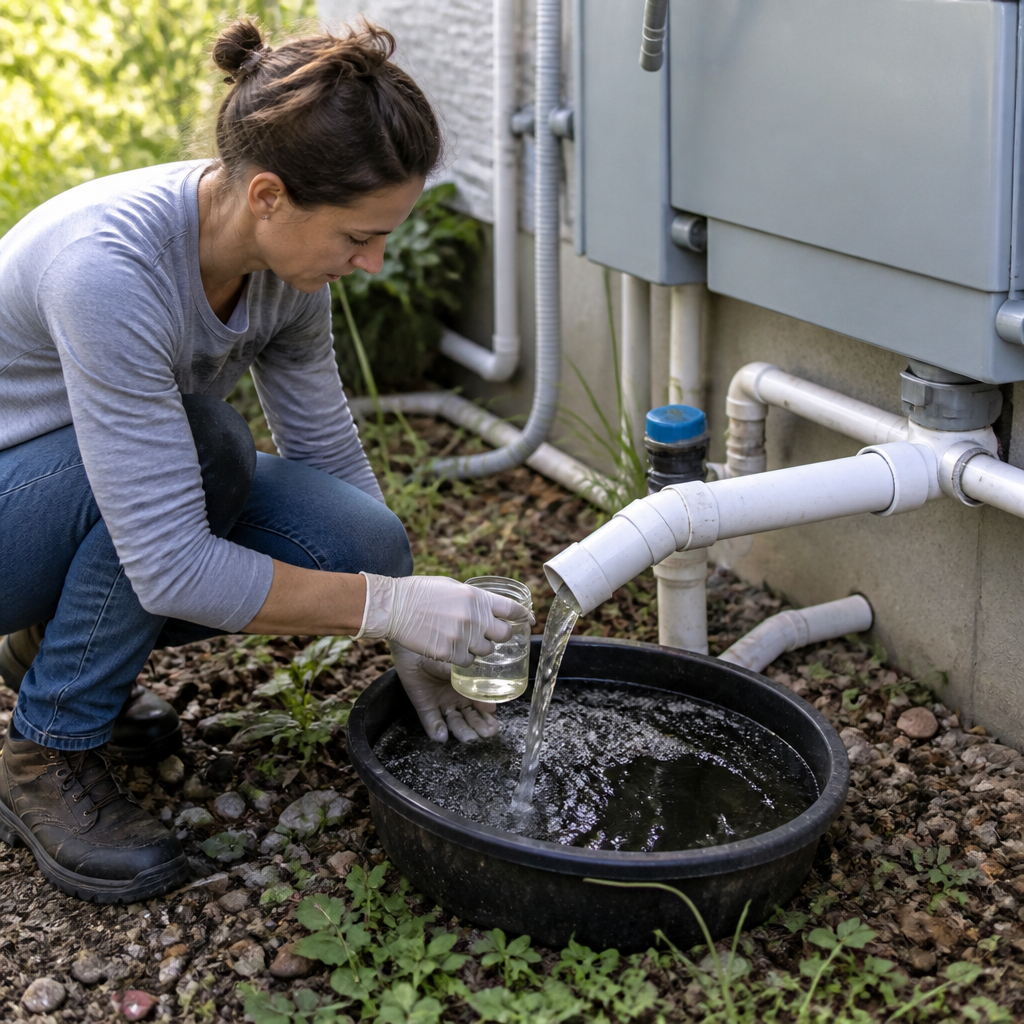
Monitoring should match system complexity. A simple laundry-to-landscape setup may only need routine visual inspection for ponding, odors, and emitter performance. A packaged treatment unit for indoor reuse may require turbidity, disinfectant residual, flow metering, and periodic microbiological testing. Local regulations vary widely, but they typically define approved sources, allowed end uses, setback distances, pipe marking, and whether permits or professional design are required. Compliance is not optional. It is the framework that turns water reuse from an informal practice into a controlled public health intervention.
For anyone building a Health and Safety knowledge base around EcoSan, the central lesson is clear: successful greywater reuse is not achieved by a device alone. It depends on source control, appropriate treatment, low-contact reuse methods, disciplined maintenance, and respect for regulations. Start with the intended end use, map every exposure route, and choose the simplest system that reliably protects people, soil, and water supplies. If you are planning or reviewing a reuse project, audit it against those principles before installation or before the next irrigation season begins.
Frequently Asked Questions
1. Is greywater actually safe to reuse around the home?
Greywater can be reused safely, but only when it is handled as a potentially contaminated wastewater stream rather than as “lightly dirty” water. That distinction is essential. Water from showers, bathtubs, bathroom hand basins, and laundry may look harmless, yet it can still contain bacteria, viruses, fungi, skin cells, body oils, detergents, hair, and traces of fecal contamination. In many homes, people assume that because greywater does not include toilet waste, it carries little health risk. In practice, that assumption is one of the biggest causes of unsafe reuse. A system can appear clean, smell acceptable, and still contain microorganisms at levels that make direct human contact risky.
The real safety question is not whether greywater is inherently safe, but whether the reuse system is designed and operated to reduce exposure. Safe practice depends on source control, short storage times, correct plumbing separation, suitable treatment where needed, and end uses that limit human contact. Subsurface irrigation is generally safer than spray application because it reduces the chance of touching or inhaling contaminated droplets. Reusing untreated greywater on edible crops, in children’s play areas, or anywhere ponding occurs increases health risk significantly. In other words, greywater reuse can be a valuable water-saving strategy, but it should never be approached casually. It is a wastewater management issue first and a conservation measure second.
2. What are the main health risks associated with greywater reuse?
The primary health risks come from pathogens, chemical exposure, and poor system management. Even though greywater is different from blackwater, it can still contain disease-causing organisms. People wash their bodies, rinse dirty clothes, and clean contaminated surfaces using household water fixtures that feed greywater systems. That means the water can pick up microorganisms from skin infections, respiratory secretions, diapers washed in laundry, pet handling, and incidental fecal contamination. If that greywater is reused without proper precautions, people may be exposed through skin contact, accidental ingestion, inhalation of aerosols, or transfer from contaminated soil and surfaces.
Chemical risks also matter. Laundry detergents, bleach residues, disinfectants, personal care products, fragrances, surfactants, and salts can all accumulate in reused greywater. Some of these substances may irritate skin, affect soil quality, harm plants, or create longer-term environmental concerns if used repeatedly in one area. In households with vulnerable individuals, such as infants, older adults, or anyone with weakened immunity, the margin for error is smaller. A poorly maintained system can further increase risk by creating stagnant water, biofilm buildup, unpleasant odors, insect breeding, and cross-connections with potable water lines. The biggest takeaway is that greywater health risks are rarely caused by one dramatic failure alone. They usually result from a chain of small mistakes: wrong source water, excessive storage, poor filtration, unsafe application, and overconfidence about how “clean” the water seems.
3. Why is it so important to separate greywater from blackwater and kitchen waste?
Separation is fundamental because not all household wastewater carries the same contamination profile. In EcoSan practice, greywater typically comes from showers, bathtubs, hand basins, laundry, and sometimes bathroom sinks, while blackwater includes toilet waste and kitchen waste with much heavier organic and microbial loads. Toilet wastewater is the most obvious high-risk stream because it contains concentrated fecal matter and urine, but kitchen wastewater is also often excluded from greywater systems because it carries fats, grease, food particles, and high organic loads that promote rapid decomposition, odors, and microbial growth. Once these streams are mixed, the health risk and treatment burden increase significantly.
That is why proper plumbing identification and separation are not optional details. A homeowner may believe a system is reusing only shower and laundry water, but if kitchen sinks or toilet-related flows are mistakenly connected, the entire risk profile changes. Even a small cross-connection can turn a low-contact irrigation system into a serious sanitation hazard. Blackwater and kitchen waste generally require a higher level of treatment and different handling than simple greywater reuse systems can provide. By keeping streams separate, you reduce contamination at the source, make treatment more manageable, and improve the reliability of the entire reuse setup. In health protection terms, source separation is one of the most effective barriers available because it prevents unnecessary risk before treatment even begins.
4. What are the safest ways to use greywater without putting people at risk?
The safest uses are those that keep greywater away from direct human contact and prevent aerosol formation. Subsurface irrigation is widely considered one of the best options because the water is delivered below the soil surface, where it can be filtered naturally by soil before reaching plant roots. This approach reduces splashing, limits odor, and helps prevent children, pets, and adults from contacting the water directly. In contrast, sprinklers, misters, and other spray systems are poor choices for untreated or minimally treated greywater because they can create fine droplets that are easy to inhale or spread onto surfaces, hands, and edible produce.
Safe use also depends on where the water is applied. Greywater should not be allowed to pool on the ground, run off into neighboring properties, or enter storm drains. It should generally be kept away from root crops, leafy vegetables eaten raw, and areas where people sit, walk barefoot, or play. Short storage times are another major safety factor. Greywater degrades quickly, and when stored too long it can become septic, generate odors, and support higher microbial growth. In most simple household systems, prompt use is safer than prolonged holding. It is also wise to match household products to the reuse goal by choosing low-salt, low-boron, and less harsh cleaning products when irrigation is intended. The overall principle is simple: the safest greywater reuse systems are conservative, low-contact, and designed to minimize exposure at every stage.
5. How can homeowners reduce health risks when installing or maintaining a greywater system?
Homeowners can reduce risk most effectively by treating greywater reuse as a technical and public health issue, not just a plumbing shortcut. The first step is to verify what sources are feeding the system and to make sure toilet waste and kitchen waste are excluded unless the system is specifically designed for more advanced treatment. After that, attention should go to local regulations, appropriate system sizing, and a reuse method that fits the property and household habits. A system that is too complex to maintain usually becomes unsafe over time. Simpler systems with clear flow paths, limited storage, and low-contact irrigation often perform better in real homes than ambitious designs that require constant intervention.
Maintenance is where many systems either remain safe or quietly fail. Filters need regular cleaning, outlets must be checked for clogging, distribution zones should be inspected for surfacing water, and any odor should be treated as a warning sign rather than a cosmetic nuisance. Homeowners should also watch for changes in water quality caused by illness in the household, different laundry practices, or the use of stronger chemicals. If diapers, heavily soiled materials, or hazardous cleaning products are entering the greywater stream, temporary diversion may be the safer choice. Clear labeling of non-potable lines, protection against cross-connections, and periodic professional inspection are all important safeguards. The best mindset is preventive: assume greywater can carry health risks, build multiple barriers against exposure, and manage the system consistently rather than relying on appearance alone.