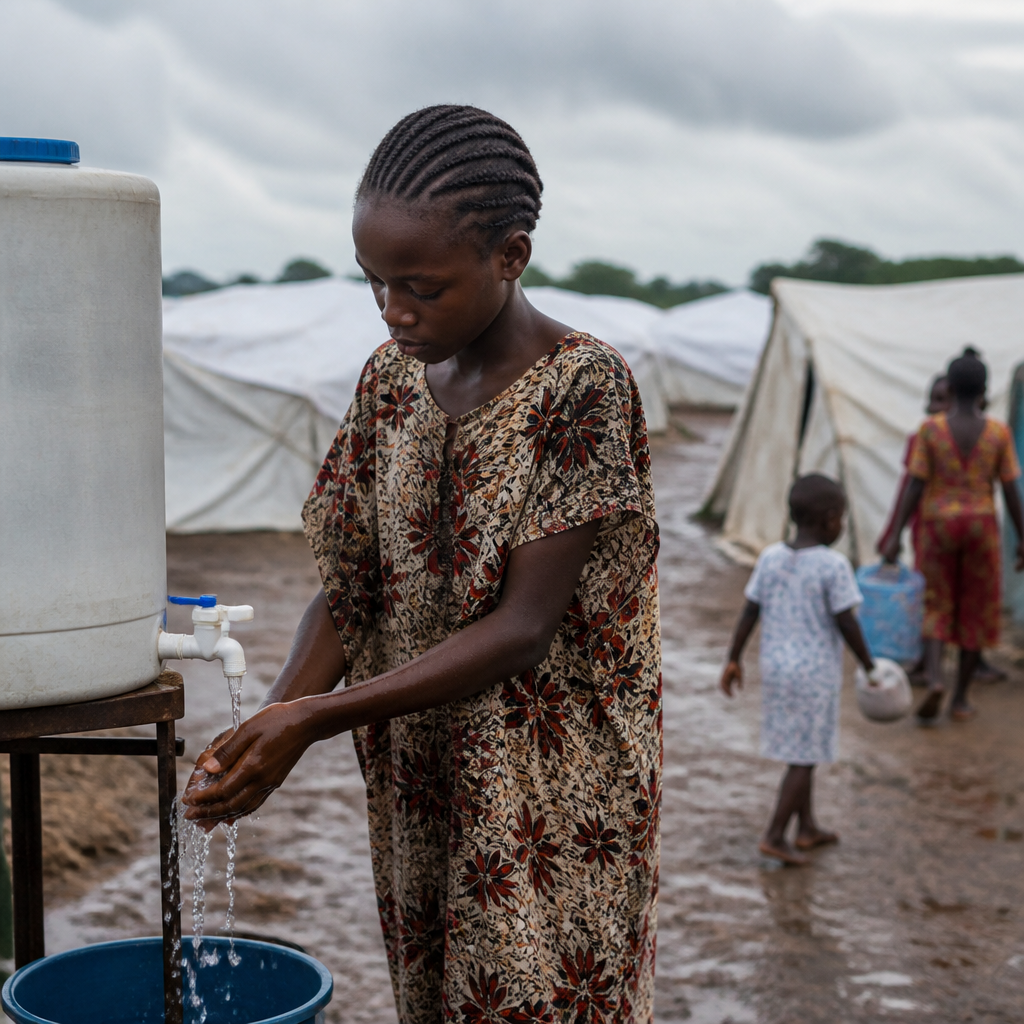
Building climate-resilient sanitation for community health means designing toilets, waste treatment, drainage links, and hygiene systems that keep working during floods, droughts, heat, storms, and shifting disease patterns. In the context of enhancing health through EcoSan, or ecological sanitation, the goal is not only to isolate human waste safely, but also to recover nutrients, protect water, reduce emissions, and strengthen local resilience. I have worked on sanitation planning where a toilet that performed well in one season failed completely when groundwater rose or water trucking stopped. That practical lesson matters: sanitation is public health infrastructure, and climate stress exposes every weak point. Communities need systems that protect people from diarrhea, cholera, helminth infections, vector breeding, contamination of wells, and unsafe waste handling even when weather becomes less predictable. A strong hub page on this topic must connect health outcomes, engineering choices, behavior, financing, and maintenance, because sanitation succeeds only when all of those parts function together.
EcoSan is often misunderstood as a single toilet type, but it is better defined as a sanitation approach guided by resource recovery and environmental protection. It includes urine-diverting dry toilets, composting toilets, container-based sanitation, decentralized fecal sludge treatment, co-composting with organic waste, and safe reuse of treated products in agriculture or landscaping. Climate resilience means those systems are planned for hazards, exposure, sensitivity, and adaptive capacity. In simple terms, practitioners ask four direct questions: what can go wrong, who is affected, how severe is the impact, and what design or management change lowers the risk? Those questions matter because sanitation failures rarely stay contained. Overflowing pits contaminate floodwater; broken sewers discharge into streams; unmanaged sludge spreads pathogens across neighborhoods. When sanitation is resilient, the health benefit is immediate and measurable: cleaner household surroundings, safer water sources, fewer disease outbreaks, less environmental contamination, and a more reliable service for women, children, older adults, and sanitation workers.
Why climate-resilient sanitation is a public health priority
Sanitation and health are inseparable. The World Health Organization has long linked safely managed sanitation to lower burdens of enteric disease, stunting, and parasitic infection, while the WHO and UNICEF Joint Monitoring Programme uses safely managed sanitation as the benchmark because simple access alone is not enough. Climate change intensifies sanitation-related risk through heavier rainfall, sea level rise, extreme heat, drought, and water scarcity. During floods, pit latrines collapse, septic tanks backflow, and open drains carry fecal matter into homes. During drought, pour-flush toilets become unusable and handwashing declines because water is rationed. In hotter conditions, pathogens and vectors can behave differently, decomposition rates shift, and odor problems worsen, reducing user acceptance. The public health priority is therefore not abstract sustainability; it is disease prevention under stress.
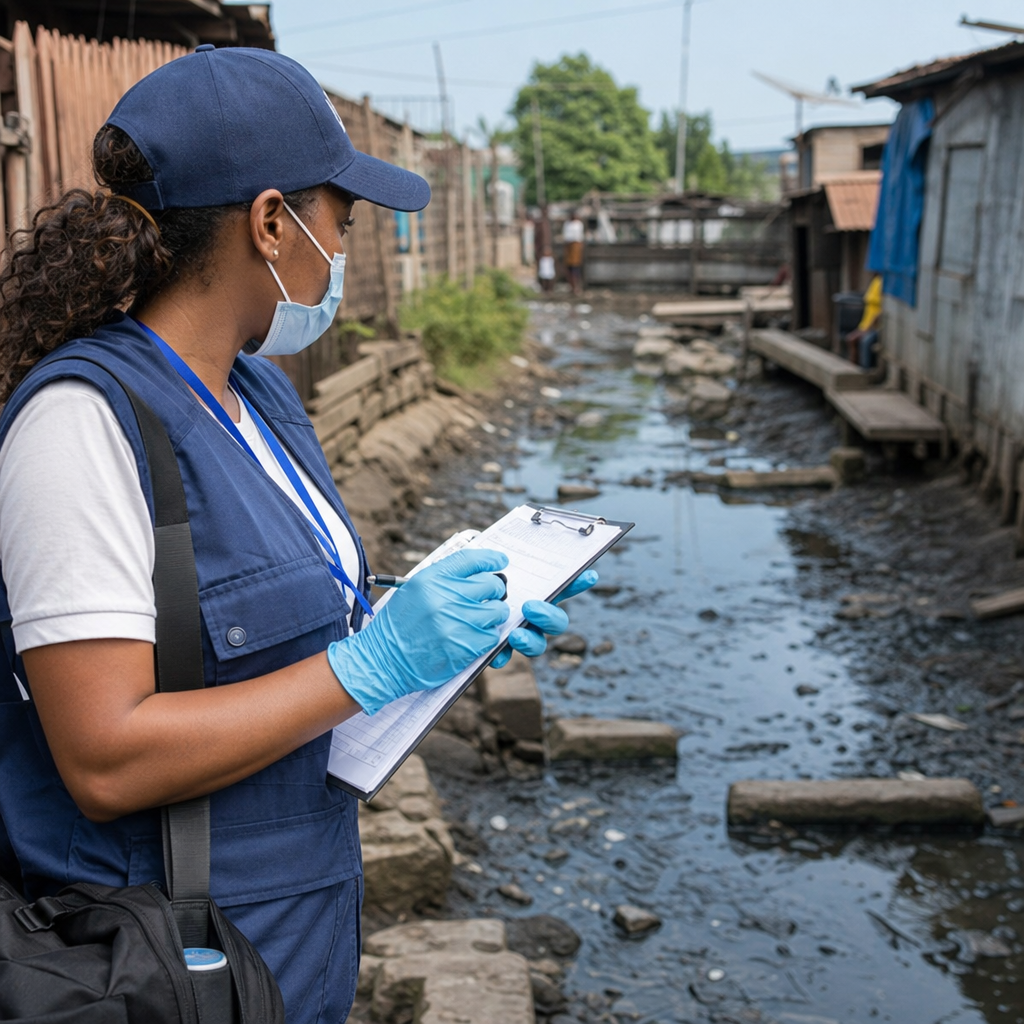
In practice, the most vulnerable communities often face stacked risks. Informal settlements may rely on shared latrines built in low-lying areas with poor drainage and no formal fecal sludge emptying route. Rural households may use shallow pits close to wells because rocky ground or high excavation costs limit alternatives. Coastal settlements may see saltwater intrusion and a rising water table, making conventional pits unsafe. In each case, climate-resilient sanitation protects health by breaking transmission pathways before emergencies happen. A well-sited raised latrine, a sealed container-based system, or a urine-diverting dry toilet can outperform a conventional pit when flooding is frequent. The lesson from field implementation is simple: resilience is not an upgrade to add later. It has to be built into siting, containment, conveyance, treatment, and reuse from the start.
How EcoSan strengthens sanitation systems under climate stress
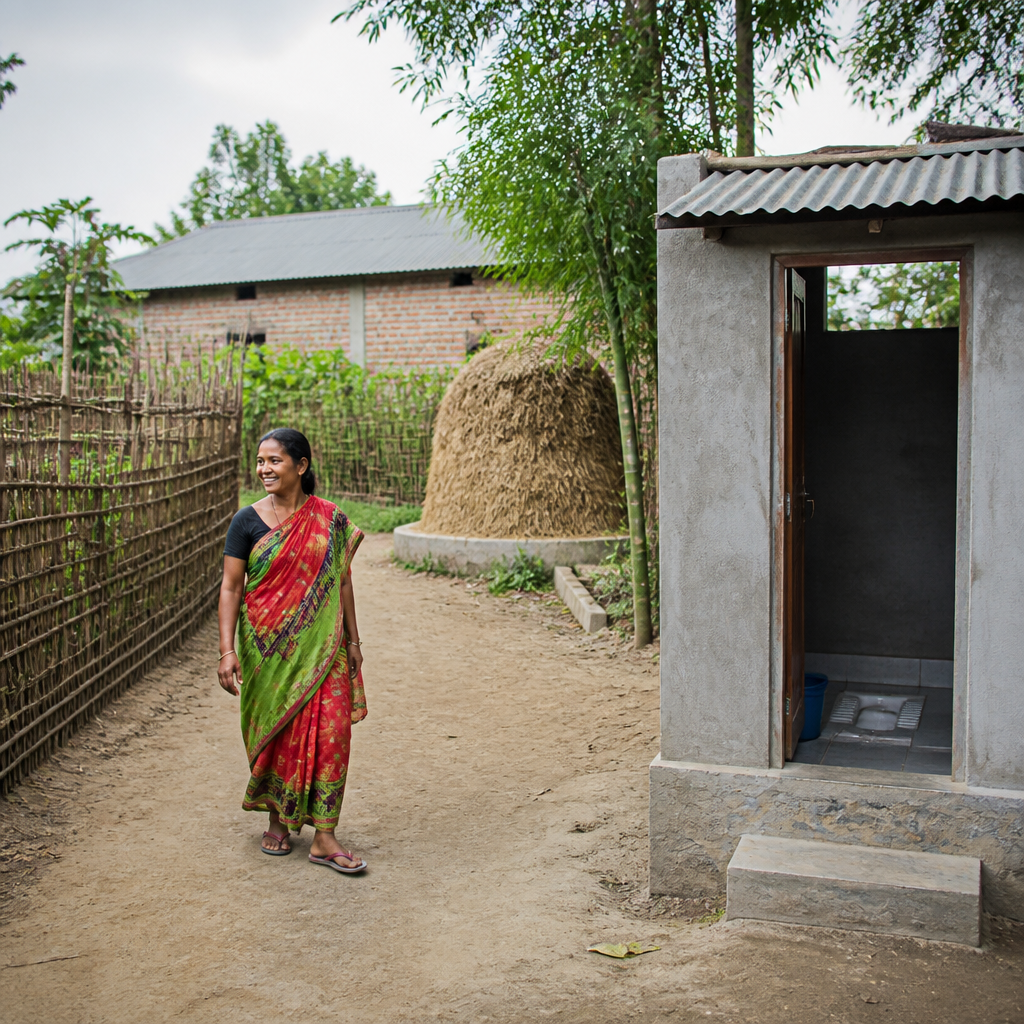
EcoSan strengthens resilience because it treats excreta as a managed material stream instead of a waste problem to hide underground. That shift creates options when water, land, energy, or sewer infrastructure are constrained. Urine-diverting systems separate urine and feces at the source, reducing moisture, odor, and pathogen handling challenges while preserving nutrients such as nitrogen, phosphorus, and potassium. Composting and dehydration processes can reduce volume and improve handling when operated correctly. Container-based models allow collection in dense settlements or flood-prone zones where pits would overflow. Decentralized treatment can shorten transport distances and prevent the single-point failure that occurs when one treatment plant goes offline.
Health gains depend on disciplined operation. Urine is usually lower risk than feces, but safe storage periods and application controls still matter. Fecal material requires treatment barriers such as dehydration, thermophilic composting, alkaline treatment, or other validated processes before reuse or disposal. The Sanitation Safety Planning approach promoted by the World Health Organization is useful here because it maps hazards from toilet to end use and identifies controls at every step. I have found that communities adopt EcoSan more readily when the health rationale is explicit: less groundwater contamination, fewer overflowing pits, reduced contact with raw sludge, and more dependable service during water shortages. Resource recovery helps economics, but health protection is the reason systems earn long-term trust.
Choosing the right technology for local climate and settlement patterns
No climate-resilient sanitation technology is universally best. The correct option depends on hydrogeology, flood depth, groundwater level, soil permeability, housing density, user preferences, operation capacity, and whether treated outputs have a realistic use market. That is why sanitation planning starts with conditions, not with a catalog of products. Where groundwater is high and flood exposure is frequent, raised toilets, sealed tanks, or container-based systems are often safer than unlined pits. Where water scarcity is severe, dry or very low-water systems generally outperform flush-based designs. Where land is available and organic waste streams are steady, co-composting may support efficient decentralized treatment.
| Setting | Main climate risk | Suitable EcoSan-oriented option | Primary health benefit |
|---|---|---|---|
| Dense informal settlement | Flooding and inaccessible desludging routes | Container-based sanitation with scheduled collection | Prevents overflow and reduces contact with raw waste |
| Rural high water table area | Groundwater contamination | Raised urine-diverting dry toilet | Protects wells and limits seepage from pits |
| Drought-prone peri-urban area | Water scarcity | Urine-diverting dehydration toilet | Maintains service when flush water is unavailable |
| Small town with agriculture nearby | Treatment gaps and nutrient loss | Decentralized composting or co-composting facility | Improves sludge management and supports safe reuse |
Examples show why matching matters. In flood-prone parts of Bangladesh and coastal East Africa, elevated platforms and sealed containment reduce inundation risk better than traditional pits. In water-scarce areas of South Africa and Namibia, urine-diverting dry toilets have been used to maintain sanitation access where flushing is unreliable or unaffordable, though maintenance and user training remain decisive. In dense urban neighborhoods served by social enterprises, container-based sanitation has created a hygienic alternative to overflowing communal facilities because waste is removed before it accumulates. Good planning also includes accessibility: toilet height, handrails, path stability, lighting, and menstrual hygiene accommodations determine whether the system works for everyone, especially during emergencies.
Design and operation principles that prevent failure
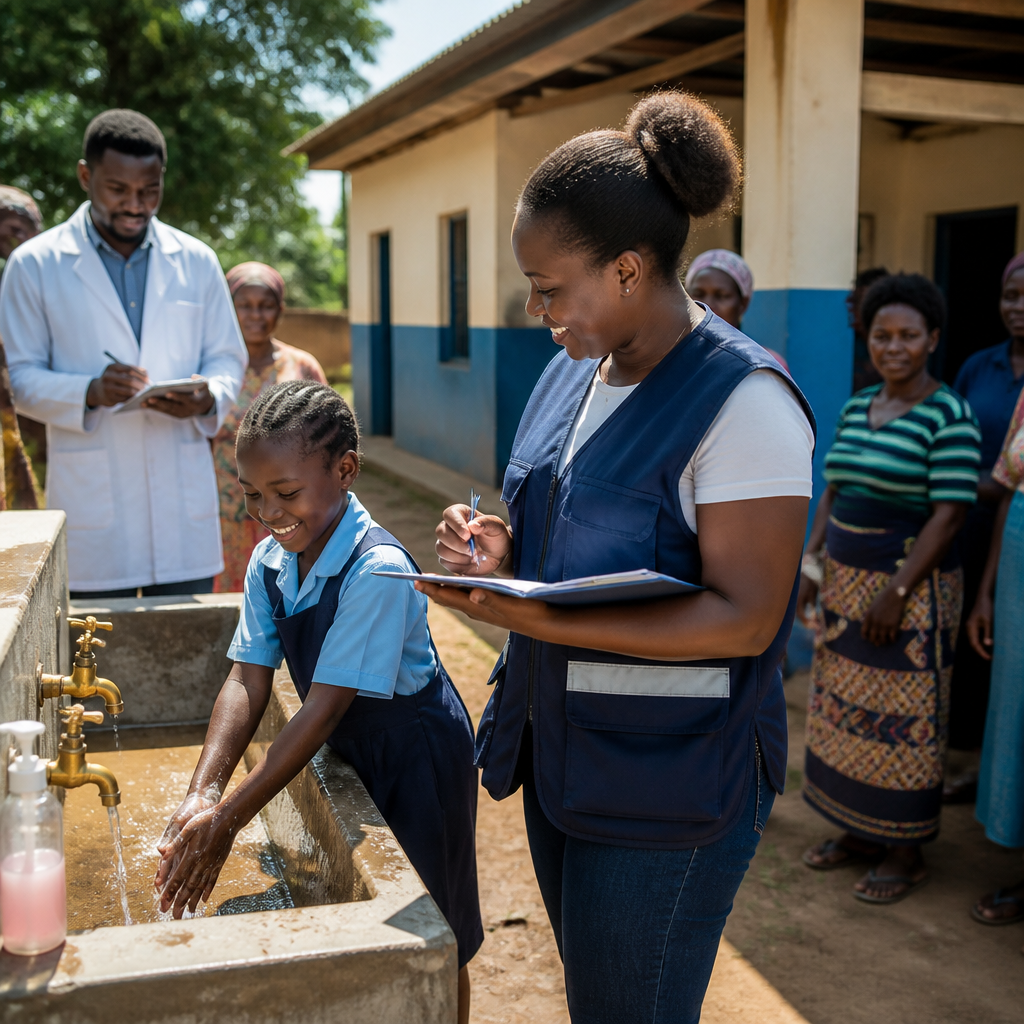
Climate resilience comes from details. The most important design principles are safe siting, robust containment, controlled ventilation, water management, accessible maintenance, and a verified service chain beyond the toilet itself. Toilets should be located away from wells according to local hydrogeological guidance, not only generic setback distances. Structures in flood zones should be elevated above expected flood levels and anchored against scour. Slabs must be easy to clean, superstructures should withstand heat and wind, and access routes must remain passable for children, older adults, and emptying teams. For shared or public systems, lighting, locks, handwashing stations, and cleaning schedules are essential health protections, not optional amenities.
Operational discipline is equally important. Every climate-resilient sanitation plan needs assigned responsibilities, spare parts, inspection routines, and trigger points for action before a failure becomes a health event. I advise teams to monitor fill levels, moisture content where relevant, structural cracks, vector presence, odor complaints, handwashing water availability, and service response times. For fecal sludge and treatment products, standard operating procedures should define collection intervals, worker personal protective equipment, transport containment, treatment conditions, storage times, and final use restrictions. Where reuse is part of the model, product quality assurance matters. Compost should meet local regulatory standards where they exist, and agricultural application should follow crop restrictions and withholding periods. Resilience is measurable when systems continue operating safely through the bad season, not just when they look good at commissioning.
Community adoption, worker safety, and governance
Even strong engineering fails when institutions are weak. Community health improves when sanitation services are understandable, trusted, and governed transparently. That begins with user engagement before construction. Households need clear explanations of how the system works, what can and cannot go into it, who empties it, what it costs, and how treated outputs are managed safely. In my experience, acceptance increases when residents see regular service and clean facilities, not when they are asked to embrace resource recovery as an abstract environmental ideal. People adopt systems that are convenient, dignified, and visibly safer for children.
Worker safety deserves equal emphasis. Sanitation workers face some of the highest exposure risks in the public health chain, especially where manual emptying persists. Climate stress raises those risks through floodwater exposure, heat stress, and disrupted transport routes. Municipalities and service providers should align operations with occupational health principles: mechanized or semi-mechanized emptying where possible, gloves and boots as a minimum, face and respiratory protection based on task, handwashing and vaccination support, heat mitigation plans, and no-entry rules for confined spaces without proper equipment and training. Governance closes the loop. Local bylaws, tariffs, service standards, land allocation for treatment, and monitoring responsibilities determine whether climate-resilient sanitation remains a pilot or becomes a durable public service. The strongest programs integrate sanitation into health, drainage, solid waste, and urban planning rather than treating it as an isolated department.
Financing, monitoring, and the path to scale
Scaling climate-resilient EcoSan requires realistic financing. Capital subsidies may be justified for public health protection, especially in low-income or high-risk areas, but operating costs must also be covered through tariffs, municipal budgets, cross-subsidies, producer payments for treatment outputs, or blended finance. Resource recovery can improve viability, yet it rarely funds the full service chain by itself. Urine-based fertilizer, compost, biogas, or biomass products have value only when quality is consistent, transport is economical, and local markets exist. Financial models should therefore be conservative. They should price collection, treatment, staffing, replacement parts, and monitoring before counting revenue from recovered products.
Monitoring should focus on outcomes that matter to health and resilience. Useful indicators include service continuity during floods or droughts, percentage of waste safely contained and treated, contamination incidents near water points, user satisfaction, handwashing functionality, desludging response times, and worker injury rates. Digital tools such as mWater, KoboToolbox, GIS flood maps, and asset management dashboards can improve accountability when they are tied to decisions, not used as reporting theater. The path to scale is straightforward even if implementation is hard: assess climate risk, select context-fit technologies, design the full service chain, train users and workers, finance operations, and monitor performance season after season. Communities that do this well gain more than cleaner toilets. They secure healthier neighborhoods, safer water, and a sanitation system that keeps protecting people when climate pressure is highest. If you are shaping a health and safety agenda, make climate-resilient EcoSan a core priority and map your community’s sanitation risks now.
Frequently Asked Questions
What does climate-resilient sanitation mean, and why is it important for community health?
Climate-resilient sanitation refers to toilets, containment systems, treatment processes, drainage connections, and hygiene infrastructure that continue to function safely under climate stresses such as flooding, drought, extreme heat, storms, and changing disease patterns. In practical terms, it means sanitation systems are planned and built so that waste stays contained, treatment remains effective, and people can still access safe services even when weather conditions become more severe or less predictable. This matters for community health because sanitation failures during climate events can quickly contaminate water sources, spread diarrheal disease, increase exposure to pathogens, and undermine hygiene practices at the exact moment households are most vulnerable.
From a public health perspective, resilient sanitation reduces both immediate and long-term risks. During floods, for example, poorly located pits or damaged septic systems can overflow and pollute wells, streets, and homes. During droughts, systems that depend heavily on water may become unusable, pushing people toward unsafe practices. High temperatures can accelerate odors, vector breeding, and breakdown of poorly managed waste storage. A climate-resilient approach anticipates these pressures and designs around them with better siting, safer containment, stronger materials, adaptable operation, and emergency planning.
In the context of EcoSan, climate resilience goes a step further. Ecological sanitation aims not only to isolate human waste safely, but also to recover nutrients, protect local water resources, reduce greenhouse gas emissions, and support circular resource use. When done well, this approach strengthens community resilience by turning sanitation from a fragile service into a system that supports soil health, water security, and local self-reliance. That combination of disease prevention, environmental protection, and resource recovery is what makes climate-resilient sanitation such a powerful community health strategy.
How does EcoSan support climate resilience better than conventional sanitation in some communities?
EcoSan can support climate resilience particularly well because it is often designed to work with lower water demand, localized treatment, and nutrient recovery rather than relying entirely on water-based conveyance and centralized infrastructure. In communities facing water scarcity, this is a major advantage. Urine-diverting dry toilets, composting systems, and other ecological sanitation models can continue operating during drought conditions when flush toilets or under-supplied sewer systems become impractical. By reducing dependence on large volumes of water, EcoSan helps maintain sanitation access while also protecting limited freshwater supplies.
EcoSan also offers benefits in flood-prone or environmentally sensitive areas when systems are properly designed and managed. Raised structures, sealed containment, above-ground storage, and controlled treatment processes can reduce the risk of fecal contamination entering groundwater or surface water during extreme rainfall. Conventional pits and poorly maintained septic systems often fail under these conditions, especially where the water table is high or stormwater drainage is weak. EcoSan systems can be adapted to local climate risks by improving separation, storage, drying, and safe reuse pathways, which makes them more flexible than one-size-fits-all sanitation models.
Another important advantage is resource recovery. Human waste contains nutrients such as nitrogen, phosphorus, and potassium, which can be safely recovered through well-managed ecological sanitation systems and returned to agriculture or landscaping where regulations and public health guidance allow. This can reduce dependence on synthetic fertilizers, lower emissions associated with nutrient production, and strengthen local food systems. For communities already under climate pressure, that circular value matters. EcoSan is not automatically superior in every setting, but where community management, maintenance capacity, land use, and public acceptance align, it can be a highly effective model for resilient sanitation and healthier local environments.
What design features make a sanitation system more resilient to floods, droughts, heat, and storms?
Resilient sanitation starts with risk-informed design. For flood-prone areas, key measures include siting toilets and treatment units above known flood levels, raising slabs and access points, sealing tanks and chambers, anchoring lightweight structures, and protecting pits or storage areas from inflow and overflow. It is also important to separate stormwater from sanitation flows wherever possible so that heavy rain does not overload the system. In places with high groundwater, lined containment and careful location away from drinking water sources are essential to reduce contamination risks.
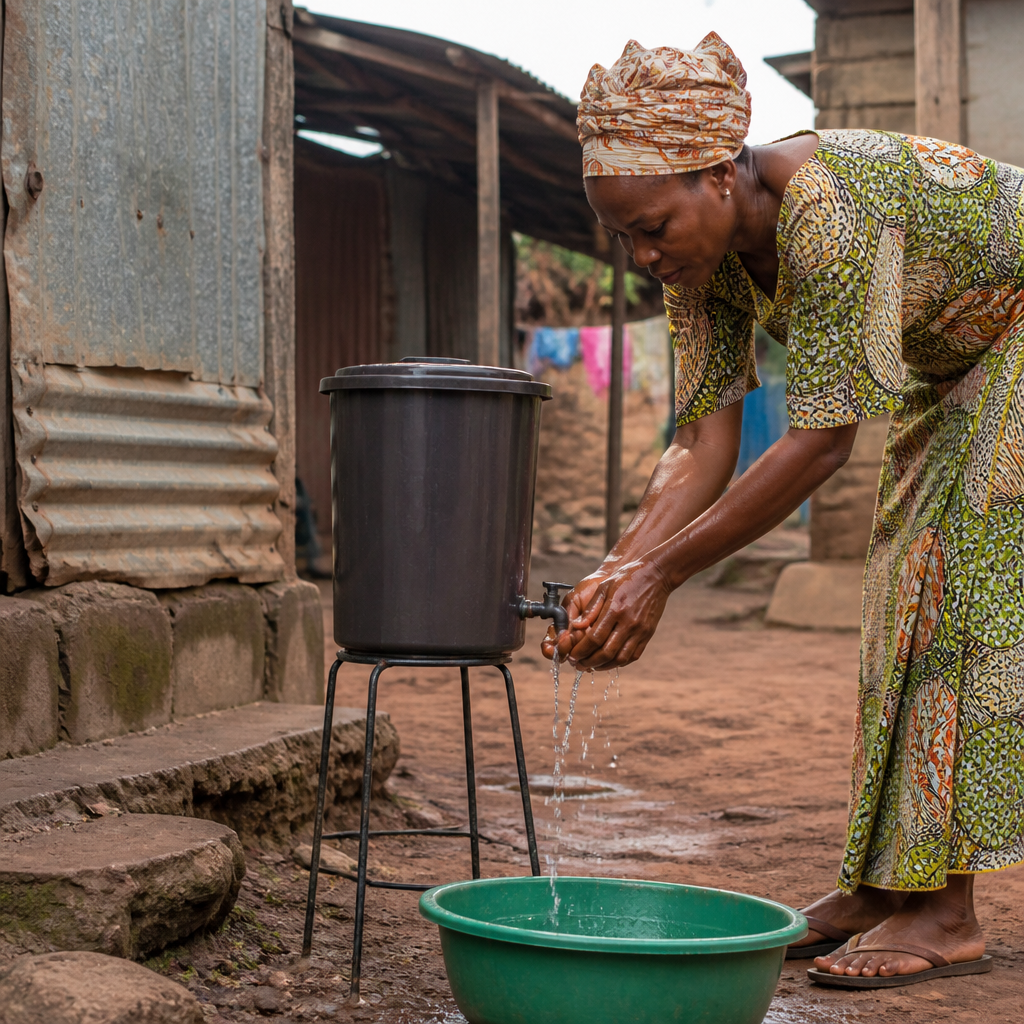
For drought-prone communities, systems should minimize water dependence and support reliable hygiene even when supply is limited. That may mean selecting dry or low-flush technologies, incorporating handwashing solutions that use water efficiently, and planning for greywater reuse where appropriate and safe. During heatwaves, material durability becomes more important, as prolonged heat can affect plastics, seals, odors, decomposition rates, and user comfort. Ventilation, shading, robust covers, and easy-to-clean surfaces can improve both usability and hygiene performance in hot conditions.
Storm resilience also depends on the broader sanitation chain, not just the toilet itself. A well-built toilet will still fail from a public health perspective if emptying services cannot reach it, if fecal sludge has nowhere safe to go, or if treatment sites are exposed to washout. That is why resilient design must consider containment, transport, treatment, final use or disposal, and maintenance access. Redundancy matters too. Communities benefit when there are backup plans for power outages, road disruptions, emergency desludging, spare parts, and temporary sanitation arrangements after disasters. The most effective systems are rarely the most complex; they are the ones that match local hazards, local skills, and local operating capacity.
How can communities plan climate-resilient sanitation systems that are practical, inclusive, and sustainable over time?
Effective planning begins with understanding local conditions in detail. Communities and planners need to assess flood history, water availability, soil conditions, groundwater depth, settlement density, existing sanitation practices, health risks, and service gaps. Climate projections should be included alongside current hazards, because infrastructure built today may face very different rainfall patterns, temperatures, or drought frequency over its lifetime. This assessment should then be linked to technology choices, site selection, maintenance planning, and financing rather than treated as a separate environmental exercise.
Inclusive planning is equally important. Sanitation systems only protect health when people can and will use them consistently. That means designs should reflect the needs of women, children, older adults, people with disabilities, tenants, schools, healthcare facilities, and informal settlements, all of whom may face different barriers. Community engagement helps identify what is acceptable, affordable, and manageable in practice. It also builds trust around issues that can be sensitive, especially when discussing waste reuse in EcoSan systems. Clear communication about safety, treatment standards, responsibilities, and benefits is critical for long-term uptake.
Sustainability over time depends on governance and service delivery, not just construction. Communities need realistic arrangements for cleaning, emptying, monitoring, repair, supply chains, and safe end use or disposal. Local governments, utilities, community-based groups, and private operators may all have roles to play, but those roles must be clearly defined and financed. Training is essential, particularly for operators handling resource recovery or decentralized treatment. The strongest sanitation plans also include contingency procedures for extreme weather, routine performance checks, and opportunities to adjust the system as conditions change. In other words, resilience is built not only through engineering, but through management, accountability, and consistent public health oversight.
What are the biggest mistakes to avoid when building sanitation systems for climate resilience and community health?
One of the most common mistakes is focusing only on the toilet structure while ignoring the full sanitation service chain. A toilet may look improved at the household level, but if sludge cannot be safely emptied, transported, treated, and reused or disposed of, the health risk simply shifts elsewhere. Another major error is choosing technologies without considering local climate hazards. Pit systems in flood zones, water-intensive systems in drought-prone areas, or fragile components in storm-exposed settings often fail because the design does not match environmental realities.
A second mistake is underestimating operation and maintenance. Climate resilience is not achieved by construction alone. Even well-designed systems can become unsafe when vents clog, seals degrade, drainage routes are blocked, treatment chambers are misused, or collection schedules break down. This is especially relevant for EcoSan, where nutrient recovery and safe reuse depend on correct separation, storage, treatment, and user understanding. If maintenance responsibilities are unclear or local capacity is weak, the system may not deliver either health protection or environmental benefits.
It is also a mistake to neglect social acceptance, affordability, and behavior. People need systems that are convenient, dignified, understandable, and aligned with local norms. If a solution is too costly to maintain, too complicated to manage, or poorly explained, usage will drop and informal alternatives may return. Finally, planners should avoid treating climate resilience as a single design feature rather than an ongoing process. Conditions change, settlements grow, and risks evolve. The best results come from combining sound engineering, public health safeguards, community participation, and adaptive management. That is what allows sanitation systems to keep protecting people not just in normal times, but during the disruptions that matter most.