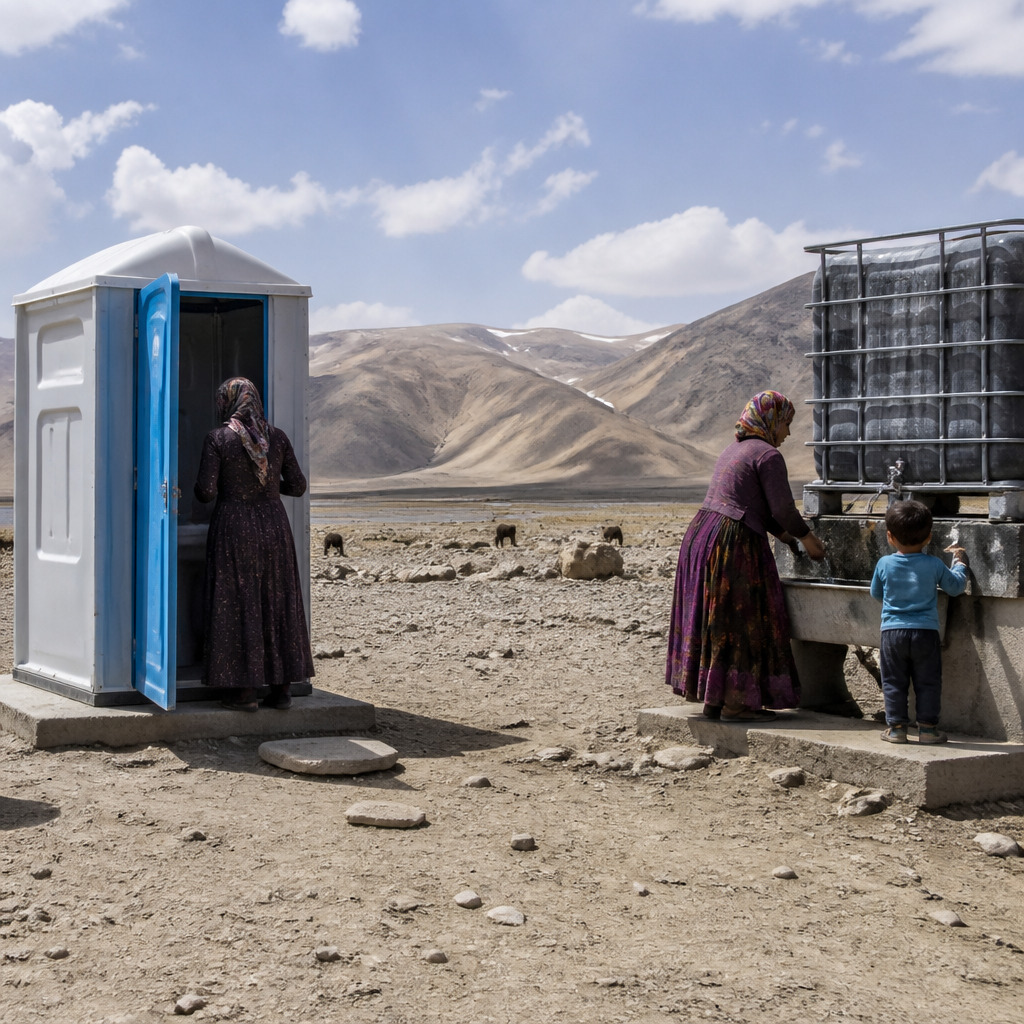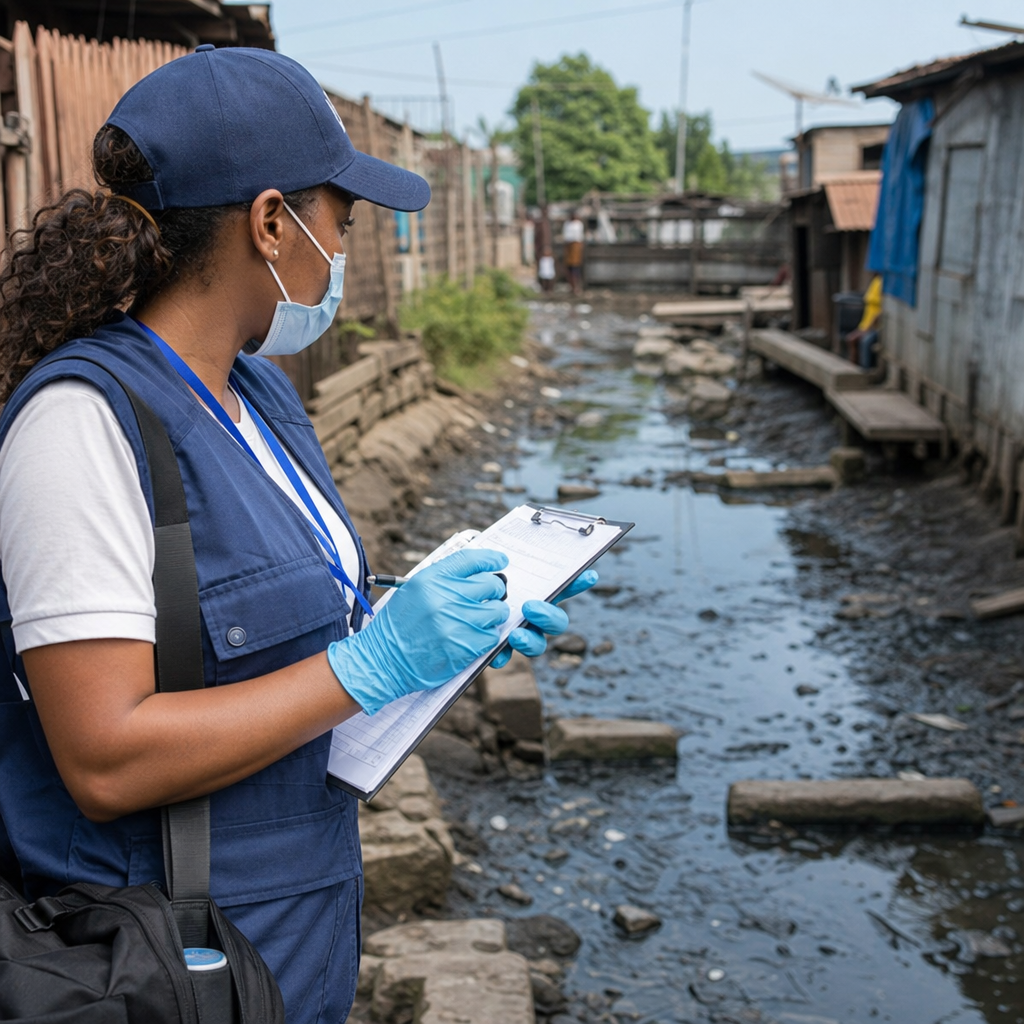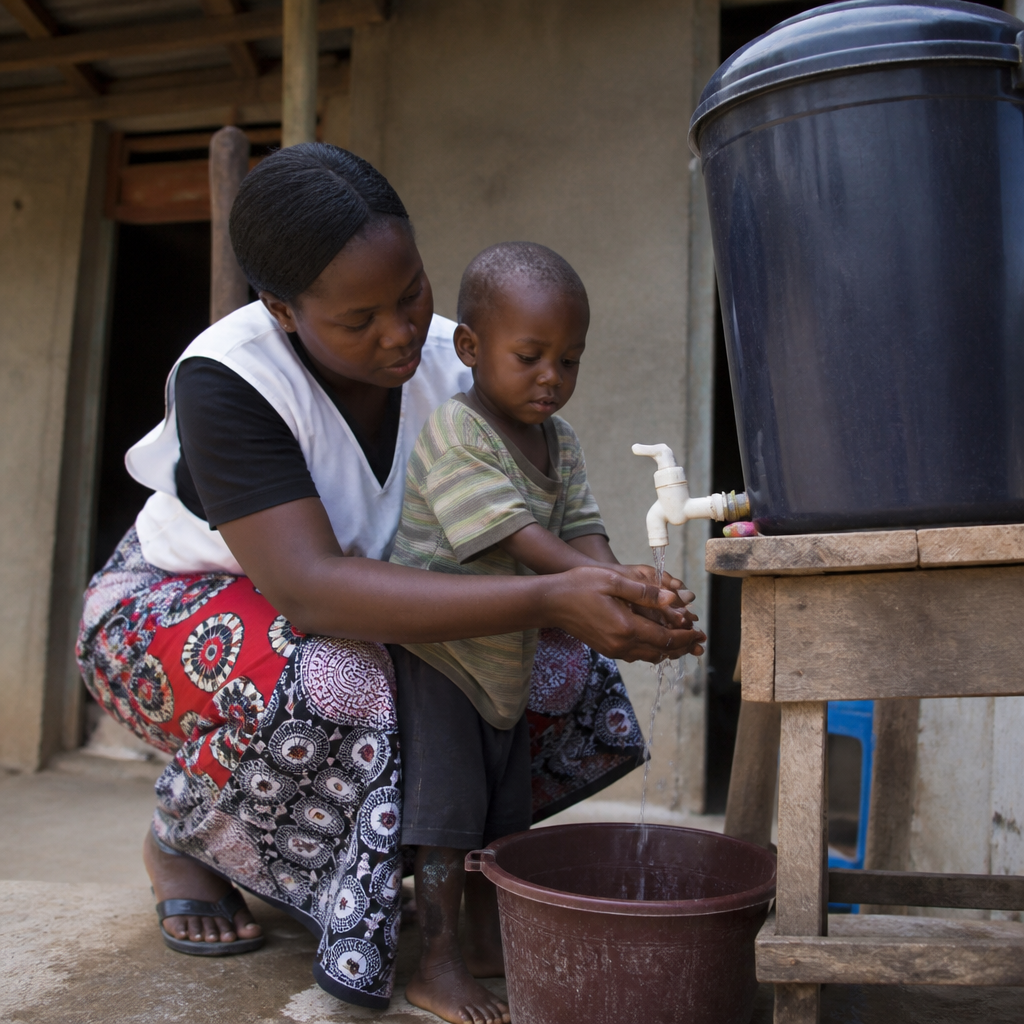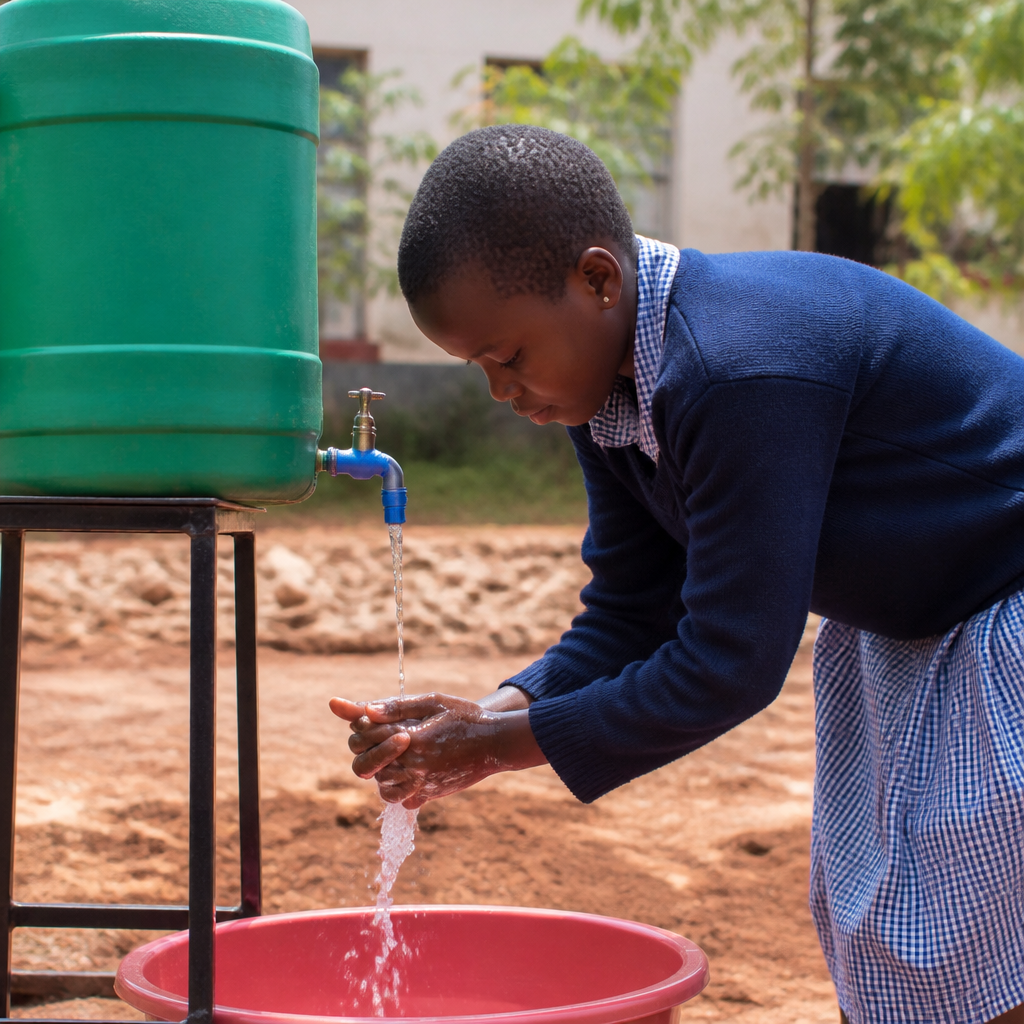
Sanitation Safety Planning is a structured risk management approach that protects public health across the entire sanitation chain, from toilet use and containment to emptying, transport, treatment, reuse, and final disposal. In practical terms, it helps communities, utilities, municipalities, farmers, and site operators identify where people may be exposed to pathogens or hazardous chemicals, then select controls that reduce those risks to acceptable levels. I have seen projects with technically sound toilets fail because planners focused on infrastructure alone and overlooked the health risks faced by pit emptiers, nearby residents, schoolchildren, and food consumers. That gap is exactly why sanitation safety planning matters, especially in ecological sanitation systems where human waste is intentionally treated as a resource.
In EcoSan, prioritizing health means designing for safe nutrient recovery without romanticizing reuse. Urine diversion, composting toilets, dehydrating vaults, container-based sanitation, anaerobic digestion, and sludge reuse can all deliver environmental and economic benefits, but none is inherently safe unless hazards are controlled consistently. The main hazards are biological, including bacteria, viruses, protozoa, and helminths; chemical, such as heavy metals, ammonia, or cleaning residues; and physical, including sharps and unsafe access during emptying. A comprehensive sanitation safety planning process defines the system boundary, maps exposure pathways, evaluates who is at risk, assigns measurable control measures, and verifies performance over time. This makes it more than a checklist. It is an operational framework that links engineering, public health, worker protection, behavior change, and governance.
The approach is especially relevant in low-resource settings and rapidly growing cities, where on-site sanitation dominates and formal wastewater networks do not reach most households. It also matters in institutions, emergency settings, peri-urban farming areas, and circular economy programs that seek to reuse excreta-derived products. Global guidance from the World Health Organization supports this kind of preventive risk management because end-product testing alone cannot guarantee safety. A compost sample may pass one test while the collection process still exposes workers to aerosols, or a urine product may meet nutrient targets while storage time remains too short for pathogen reduction. For a health and safety hub on EcoSan, the central lesson is simple: safe sanitation is achieved through multiple barriers, routine management, and informed decisions at every step of the chain.
What Sanitation Safety Planning Means in EcoSan Practice
Sanitation safety planning applies the same logic used in water safety management: prevent harm before exposure happens. In EcoSan practice, that begins by describing the sanitation system exactly as it operates, not as it was designed on paper. When I conduct field reviews, I start with a system map: user interface, containment, storage, emptying method, transport route, treatment technology, reuse application, and receiving environment. This often reveals hidden weak points. A urine-diverting dry toilet may function well inside the cubicle, yet the transfer container may leak, the storage room may be unventilated, or crops may be harvested too soon after application.
The planning process typically follows six broad actions: prepare the team, describe the system, identify hazardous events and existing control measures, assess risks, develop an improvement plan, and monitor and verify results. The team should include operators, public health staff, local authorities, users, and where relevant, farmers or private emptiers. This cross-functional view is essential because each group sees different risks. Operators notice recurring clogging and overflow. Users know whether handwashing stations are stocked. Farmers understand irrigation timing and crop handling. Health officials can connect exposure patterns to diarrheal disease, soil-transmitted helminths, or occupational infection concerns.
For EcoSan systems, planning must also account for intended resource recovery. Reuse changes both the value proposition and the hazard profile. Urine can be a nutrient-rich fertilizer, but direct application to edible leaves can create avoidable exposure. Fecal sludge compost can improve soil structure, but only if treatment achieves sufficient pathogen reduction and contamination during storage is prevented. The practical objective is not to eliminate all risk, which is impossible, but to reduce likelihood and severity through layered controls. Those controls may include toilet design changes, longer storage times, dedicated protective equipment, safer transport containers, treatment validation, restricted crop use, withholding periods, and hygiene training.
Key Health Risks Across the Sanitation Chain
The most important health risks in EcoSan come from exposure to fecal pathogens. These include enteric bacteria such as E. coli and Salmonella, viruses such as rotavirus and norovirus, protozoa including Giardia and Cryptosporidium, and helminths such as Ascaris. Helminth eggs deserve special attention because they are highly persistent in the environment and often drive conservative treatment targets for reuse. If a sanitation system handles child feces, high pathogen loads should be assumed. Risk increases when excreta is manually handled, when treatment is inconsistent, or when untreated products contact food, hands, soil, or water sources.
Chemical hazards are less visible but still important. In household systems, contamination can arise from ash additives, disinfectants, pharmaceuticals, industrial discharges entering mixed waste streams, or heavy metals where sludge is co-collected with other wastes. Nitrogen losses from urine can generate strong ammonia odors and air quality complaints, while poor ventilation in storage areas can create an unpleasant and unsafe work environment. In some decentralized systems, vector breeding, slips and falls, and musculoskeletal strain during lifting are more immediate hazards than laboratory-detected contaminants. A credible sanitation safety plan addresses all three categories: biological, chemical, and physical.
Exposure pathways differ by person and place. Toilet users may contact contaminated surfaces or lack handwashing facilities. Children are especially vulnerable because they touch floors, containers, and surrounding soil. Pit emptiers and collection workers face the highest occupational exposure through splashes, aerosols, cuts, and repeated manual handling. Transport workers may be exposed during loading or from damaged containers. Treatment operators face risks from turning compost piles, clearing blockages, or repairing dewatering units. Farmers can contact pathogens through irrigation and soil amendment practices, and consumers can be exposed when crops eaten raw receive unsafe inputs. Neighboring communities may face odors, flies, groundwater contamination, or runoff if storage and treatment are poorly managed.
| Sanitation stage | Main hazards | People most at risk | Typical control measures |
|---|---|---|---|
| Toilet use and containment | Surface contamination, overflow, poor hand hygiene | Users, children, caregivers | Cleanable surfaces, handwashing stations, sealed vaults, clear user instructions |
| Emptying and collection | Splashes, aerosols, sharps, heavy lifting | Emptiers, collection workers | PPE, closed containers, tools for lifting, vaccination, safe work procedures |
| Transport and storage | Leaks, spills, odor, vector attraction | Drivers, nearby residents | Leak-proof vessels, route planning, ventilation, spill kits |
| Treatment | Incomplete pathogen reduction, unsafe maintenance | Operators, supervisors | Validated process controls, temperature and time records, restricted access |
| Reuse or disposal | Crop contamination, soil contact, runoff | Farmers, consumers, communities | Application restrictions, withholding periods, product standards, field supervision |
How to Assess Risk and Set Priorities
Risk assessment in sanitation safety planning is practical, not purely academic. The goal is to rank hazardous events so limited budgets target the highest public health benefit first. A hazardous event is a specific failure or unsafe condition that can lead to exposure: urine tanks overflowing during the rainy season, compost piles not reaching target temperature, workers emptying vaults without gloves, or stored material being applied to lettuce before adequate treatment time. Each event is assessed for likelihood and severity. Many teams use a qualitative matrix with scores from low to very high, which is enough to guide action if the reasoning is transparent.
The strongest assessments combine site observation, interviews, operating records, and simple measurements. For example, if a dehydrating toilet repeatedly receives wash water despite being designed for dry use, treatment assumptions are no longer valid. If a composting operation lacks temperature logs, it cannot demonstrate consistent pathogen inactivation. If nearby wells are shallow and within a short distance of pits in permeable soils, groundwater risks deserve urgent attention. I also look for seasonality. Systems that seem acceptable in dry months often fail during storms, flooding, or peak tourist periods when loading increases suddenly.
Prioritization should favor measures that break exposure pathways reliably and affordably. Separating urine effectively, providing handwashing with soap, installing washable slabs, using sealed transfer containers, or extending storage time can produce large health gains at modest cost. More complex interventions, such as mechanized emptying fleets or enclosed composting systems, may be necessary in dense urban settings but require stronger management capacity. The right priority is the one that reduces risk consistently under local conditions. A beautifully engineered treatment unit that operators cannot maintain is a weaker health investment than a simpler design with clear routines, spare parts, and accountable supervision.
Control Measures That Make EcoSan Safer
Effective EcoSan uses multiple barriers because no single step can be trusted on its own. At the user interface, safer systems start with separation, containment, ventilation, and surfaces that can be cleaned easily. Urine-diverting toilets need correct pedestal geometry, clear signage, and routine cleaning to prevent cross-contamination between urine and feces streams. Feces vaults should limit water entry, exclude vectors, and allow controlled access for emptying. Handwashing stations must be close to the toilet, supplied with soap or ash, and designed so they are actually used. In schools and public facilities, behavior prompts and supervised cleaning matter as much as hardware.
Treatment controls must be based on the actual technology. For urine, storage time depends on temperature, pH, and intended crop use; the common principle is that higher temperatures and longer storage improve pathogen reduction. For composting or thermophilic treatment, temperature, moisture, aeration, and turning frequency determine performance. For dehydration systems, low moisture content and prolonged storage are critical, but they can be undermined by rainwater intrusion or misuse. Anaerobic digestion can reduce some pathogens and generate biogas, yet digestate often still requires post-treatment or controlled use. Operators should define critical limits they can measure, such as storage duration, pile temperature, moisture range, or container integrity.
Occupational health controls are non-negotiable. Workers need gloves appropriate to the task, boots, eye protection where splashes occur, handwashing facilities, first-aid access, and training in safe lifting and spill response. Vaccination policies should align with local public health guidance, especially for tetanus and hepatitis where relevant. Equally important is dignified work organization. Standard operating procedures, reporting channels, incident logs, and reliable payment reduce shortcuts that compromise safety. In several projects I have supported, the biggest improvement came not from new equipment but from routine checklists, scheduled supervision, and making PPE replacement automatic instead of discretionary.
Monitoring, Verification, and Continuous Improvement
A sanitation safety plan only works if it is monitored routinely and revised when conditions change. Monitoring checks whether control measures are in place day to day. Verification asks whether the system is truly protecting health. For monitoring, choose indicators that operators can record reliably: handwashing supplies available, vault doors sealed, urine containers intact, compost temperatures achieved, storage dates labeled, PPE used during emptying, and spill incidents closed out. These indicators should be tied to named responsibilities and practical frequencies. If nobody owns the task, the control measure is not real.
Verification can include inspections, microbiological testing, audits, complaint review, and trend analysis. Testing has value, but it should confirm a well-run process rather than substitute for one. A single pathogen result rarely captures operational variation, and laboratory access may be limited. That is why process verification is so important. If a compost system consistently reaches defined temperature-time targets, moisture is controlled, and post-treatment contamination is prevented, confidence in safety is much higher. In reuse programs, field inspections should confirm that restricted products are applied only to approved crops and that withholding periods before harvest are respected.
Continuous improvement depends on feedback loops. Review incidents, seasonal failures, user complaints, and near misses. Update the risk assessment when collection routes change, new neighborhoods are added, or markets for reuse products expand. Link this hub to related guidance on toilet design, sludge treatment, worker safety, community engagement, and agricultural reuse so teams can move from diagnosis to implementation. The main benefit of sanitation safety planning is not paperwork. It is healthier EcoSan systems that recover value from waste without transferring disease risk to workers, households, farmers, or consumers. Start by mapping your sanitation chain, ranking hazards, and fixing the highest-risk gaps first.
Frequently Asked Questions
What is Sanitation Safety Planning, and why is it important?
Sanitation Safety Planning, often called SSP, is a practical, step-by-step risk management approach used to protect public health throughout the full sanitation chain. That chain includes toilet use, waste containment, emptying, transport, treatment, reuse, and final disposal. Instead of looking at sanitation as a single facility or service, SSP examines the entire system to identify where people, animals, food crops, water sources, and the environment may be exposed to harmful pathogens or hazardous chemicals. It then helps stakeholders put realistic control measures in place to reduce those risks to acceptable levels.
Its importance lies in the fact that sanitation failures rarely happen at just one point. A toilet may be well designed, but if pits overflow, sludge is dumped unsafely, treatment is inconsistent, or wastewater is reused without safeguards, serious health risks remain. SSP helps reveal those weak links. It is especially valuable in urban settlements, small towns, rural service chains, and agricultural reuse settings where multiple actors are involved and technical performance can vary over time.
In practice, SSP supports better decision-making by moving beyond assumptions and focusing on actual exposure pathways. It encourages utilities, municipalities, communities, farmers, and site operators to ask the right questions: Who is at risk? Where are the hazards? Which controls already exist? Which ones are missing or unreliable? By answering those questions systematically, SSP makes sanitation systems safer, more resilient, and more accountable.
How does Sanitation Safety Planning work across the entire sanitation chain?
Sanitation Safety Planning works by mapping each stage of the sanitation service chain and assessing risks at every point. It begins with understanding the system as it truly operates, not just as it was designed. That means documenting how excreta or wastewater moves from households, institutions, or businesses into containment systems, through emptying and transport, into treatment processes, and finally toward reuse or disposal. Each step is reviewed for potential health hazards, including bacterial, viral, and parasitic pathogens, as well as chemical contaminants where relevant.
Once the system is mapped, stakeholders identify hazardous events and exposure routes. For example, risks may arise when toilets are inaccessible and open defecation occurs, when pits leak into groundwater, when workers empty tanks without personal protective equipment, when transport vehicles spill sludge, when treatment units are overloaded, or when partially treated effluent is used for irrigation. SSP is valuable because it does not assume that one barrier is enough. It recognizes that effective sanitation safety usually depends on multiple controls working together.
The next step is to evaluate existing control measures and determine whether they are adequate, reliable, and consistently applied. Controls may include proper toilet design, sealed containment, scheduled desludging, safe transport practices, worker training, treatment performance monitoring, restricted crop irrigation methods, or safe disposal arrangements. Where gaps exist, SSP helps prioritize improvements based on risk level, feasibility, and local capacity. This makes it highly practical, especially in settings where budgets and technical resources are limited.
Finally, SSP includes ongoing monitoring, verification, and periodic review. Conditions change over time due to rainfall, population growth, equipment failure, operator turnover, or land use changes. A sanitation system that appears safe on paper can become unsafe in daily operation if controls are not maintained. SSP therefore promotes continuous management rather than one-time planning, helping organizations keep safety measures effective over the long term.
Who should be involved in a Sanitation Safety Planning process?
One of the strengths of Sanitation Safety Planning is that it is not meant to be carried out by a single department or technical specialist working alone. Because sanitation systems involve many handoff points, SSP works best when all key stakeholders are included from the beginning. This usually means municipal authorities, sanitation utilities, public health officials, environmental regulators, desludging operators, treatment plant staff, community representatives, farmers using wastewater or biosolids, and private service providers involved in transport or reuse.
Including a broad range of participants matters because each group sees different parts of the risk picture. Operators understand where equipment breaks down. Communities know where overflow, odors, or illegal dumping actually occur. Health officials can highlight disease concerns and vulnerable populations. Farmers can explain how reclaimed water or sludge is really used in the field. Regulators can help align safety measures with existing standards and enforcement mechanisms. Without these perspectives, plans often overlook practical constraints or fail to address real exposure pathways.
SSP also benefits from leadership that can coordinate action across institutions. In many places, sanitation responsibilities are fragmented, with one entity managing toilets, another handling drainage, another overseeing treatment, and still another regulating environmental discharge. A strong SSP team helps bridge those institutional gaps. It creates a shared understanding of risk and encourages stakeholders to take responsibility for the parts of the chain they control.
Importantly, involvement should go beyond attending a workshop or reviewing a report. Effective SSP depends on participation in data collection, risk assessment, selection of control measures, and follow-up monitoring. When stakeholders help build the plan, they are more likely to trust the findings, support implementation, and sustain improvements over time. That practical ownership is often what makes the difference between a plan that sits on a shelf and one that meaningfully improves public health outcomes.
What kinds of risks does Sanitation Safety Planning help identify and control?
Sanitation Safety Planning is designed to identify both biological and chemical risks that can affect workers, users, nearby communities, consumers of agricultural products, and the broader environment. The most common concerns are pathogen-related, including bacteria, viruses, protozoa, and helminths found in human waste and wastewater. These organisms can spread through direct contact, contaminated water, contaminated crops, aerosols, flies, unsafe surfaces, and poorly managed sludge handling.
For example, SSP may reveal that children are exposed when toilets are damaged or overflowing, that pit emptiers are at risk because they lack gloves, masks, or vaccination support, or that communities downstream face contamination from untreated discharge into waterways. It can also identify treatment-stage failures, such as short retention times, overloaded ponds, bypass events, or poor disinfection, all of which reduce the system’s ability to remove harmful organisms before reuse or disposal.
Chemical hazards may also be relevant, especially where industrial wastewater mixes with domestic flows or where sludge and effluent are reused in agriculture. Heavy metals, toxic industrial compounds, cleaning agents, pharmaceuticals, and other contaminants can create risks for workers, soils, crops, and water bodies. SSP provides a framework for identifying where these hazards enter the sanitation chain and whether existing controls are sufficient to manage them.
Just as important, SSP does not stop at identifying hazards. It focuses on practical risk reduction. Controls might include safer toilet siting, improved containment, better emptying procedures, vehicle maintenance to prevent spills, operator training, treatment process upgrades, exposure restrictions for workers, crop restrictions, irrigation method changes, handwashing facilities, or improved supervision and recordkeeping. The goal is not to eliminate all hazards completely, which is rarely realistic, but to reduce exposure and bring risk down to levels that protect health in the local context.
What are the main benefits of implementing Sanitation Safety Planning in communities and utilities?
The main benefit of implementing Sanitation Safety Planning is better protection of public health through more systematic and preventive sanitation management. Rather than reacting only after contamination, disease outbreaks, or service failures occur, SSP helps organizations anticipate where problems are likely to happen and take action before those risks cause harm. This proactive approach is especially useful in fast-growing communities and under-resourced systems where operational weaknesses can easily go unnoticed until they become serious.
SSP also improves coordination and clarity. Many sanitation systems suffer from fragmented responsibilities, inconsistent monitoring, and limited communication between planners, operators, and health officials. By bringing stakeholders together around a common risk framework, SSP helps define roles, highlight gaps, and support more coherent decision-making. That often leads to practical operational improvements, such as better scheduling of desludging, stronger worker protection, more reliable treatment monitoring, and safer reuse practices.
Another major advantage is that SSP supports realistic prioritization. Not every sanitation system can be upgraded all at once, and not every risk carries the same severity. SSP helps decision-makers focus resources where they will have the greatest health impact. Sometimes that means investing in infrastructure, but in many cases it means improving procedures, maintenance, training, monitoring, or institutional coordination. Even modest changes can significantly reduce exposure when they are targeted at the right control points.
Finally, SSP can strengthen long-term sustainability and confidence in sanitation services. Safer systems protect workers, communities, farmers, and the environment while also supporting compliance with public health and environmental objectives. For utilities and municipalities, SSP can provide a defensible basis for planning, budgeting, and demonstrating responsible management. For communities, it can build trust that sanitation services are not only available, but also safe from source to end use or disposal.