Health surveillance systems in sanitation planning are the structured methods used to detect, track, interpret, and respond to health risks linked to toilets, wastewater, sludge, drainage, and hygiene behavior. In eco-sanitation, often shortened to EcoSan, those systems are especially important because the aim is not only to isolate waste, but also to recover water, nutrients, and organic matter safely. When I have worked on sanitation planning reviews, the projects that performed best were not always the ones with the newest technology. They were the ones with reliable surveillance: clear disease indicators, routine inspections, exposure mapping, and fast feedback between public health teams and sanitation operators.
Safety and sustainability in EcoSan depend on this connection. A urine-diverting dry toilet, composting toilet, decentralized wastewater treatment unit, or fecal sludge reuse program can reduce water demand and improve resource recovery. Yet each option can fail if pathogens, chemicals, vectors, or unsafe handling practices are not monitored. Health surveillance systems provide the evidence base for deciding where to place facilities, how to manage collection and treatment, what protective measures workers need, and when a design is creating unacceptable risk. They turn sanitation planning from a one-time engineering exercise into an adaptive public health process.
Key terms matter here. Sanitation planning is the process of assessing service needs, selecting technical and management options, financing infrastructure, and organizing long-term operations. Health surveillance is the continuous collection and interpretation of health-related data for action. EcoSan refers to sanitation approaches designed around ecological principles, especially nutrient cycling, water efficiency, and local reuse. In practice, this includes source separation, safe composting, biogas systems, greywater reuse, and decentralized treatment. The core challenge is balancing circularity with protection from enteric pathogens, antimicrobial resistance, heavy metals, and occupational exposure.
This topic matters because unsafe sanitation still drives diarrheal disease, helminth infections, environmental contamination, and loss of dignity, while climate pressure and water scarcity are pushing communities toward reuse-based systems. The most resilient sanitation plans now combine engineering controls with routine health surveillance, so decision-makers can see whether a system is truly safe, sustainable, and socially acceptable.
Why health surveillance is central to EcoSan planning
Health surveillance is central to EcoSan planning because ecological sanitation changes exposure pathways rather than eliminating them automatically. In a sewered system, the main concern may be downstream treatment failure. In EcoSan, the points of risk can include toilet use, urine storage, feces dehydration, compost handling, transport, crop application, groundwater interaction, and worker contact. A planner cannot manage these pathways effectively without data. That data should include disease incidence, environmental sampling, facility functionality, user practices, and workforce injury or exposure reports.
The World Health Organization’s Sanitation Safety Planning approach is useful because it frames sanitation as a chain from capture to transport, treatment, reuse, or disposal. In projects I have evaluated, this chain-based view quickly exposes weak points. A composting toilet may appear sustainable on paper, but if households remove partially treated material too early, helminth eggs can survive and contaminate gardens. A urine reuse program may conserve nutrients, but if pharmaceutical residues or poor storage practices are ignored, confidence in the program drops. Surveillance allows planners to verify assumptions instead of relying on design intent.
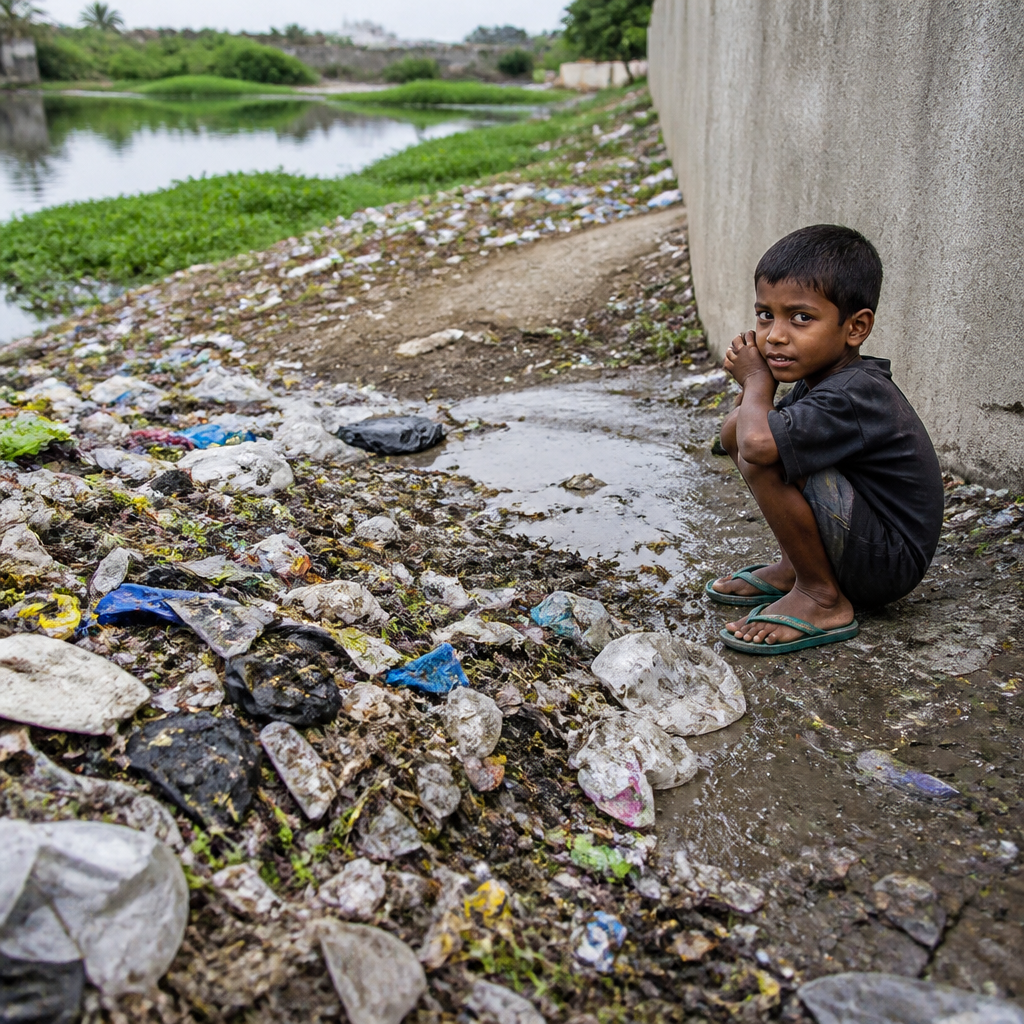
It also improves equity. Disease burdens from poor sanitation are rarely distributed evenly. Informal settlements, schools, healthcare facilities, and flood-prone neighborhoods often face the highest exposure. By combining clinic records, laboratory reporting, and geographic service data, planners can prioritize interventions where risk is highest. That prevents a common mistake: investing in visible infrastructure while leaving the most vulnerable users with unsafe maintenance conditions or inconsistent emptying services.
Core components of an effective surveillance system
An effective health surveillance system for sanitation planning has five components: indicators, data sources, analytical methods, response protocols, and governance. Indicators should cover both health outcomes and operational conditions. Outcome indicators can include diarrhea rates in children under five, confirmed cholera cases, soil-transmitted helminth prevalence, skin infections linked to wastewater contact, and worker illness trends. Operational indicators include toilet functionality, sludge overflow incidents, handwashing availability, vector presence, treatment temperatures, storage duration, and effluent quality such as E. coli, biochemical oxygen demand, and turbidity.
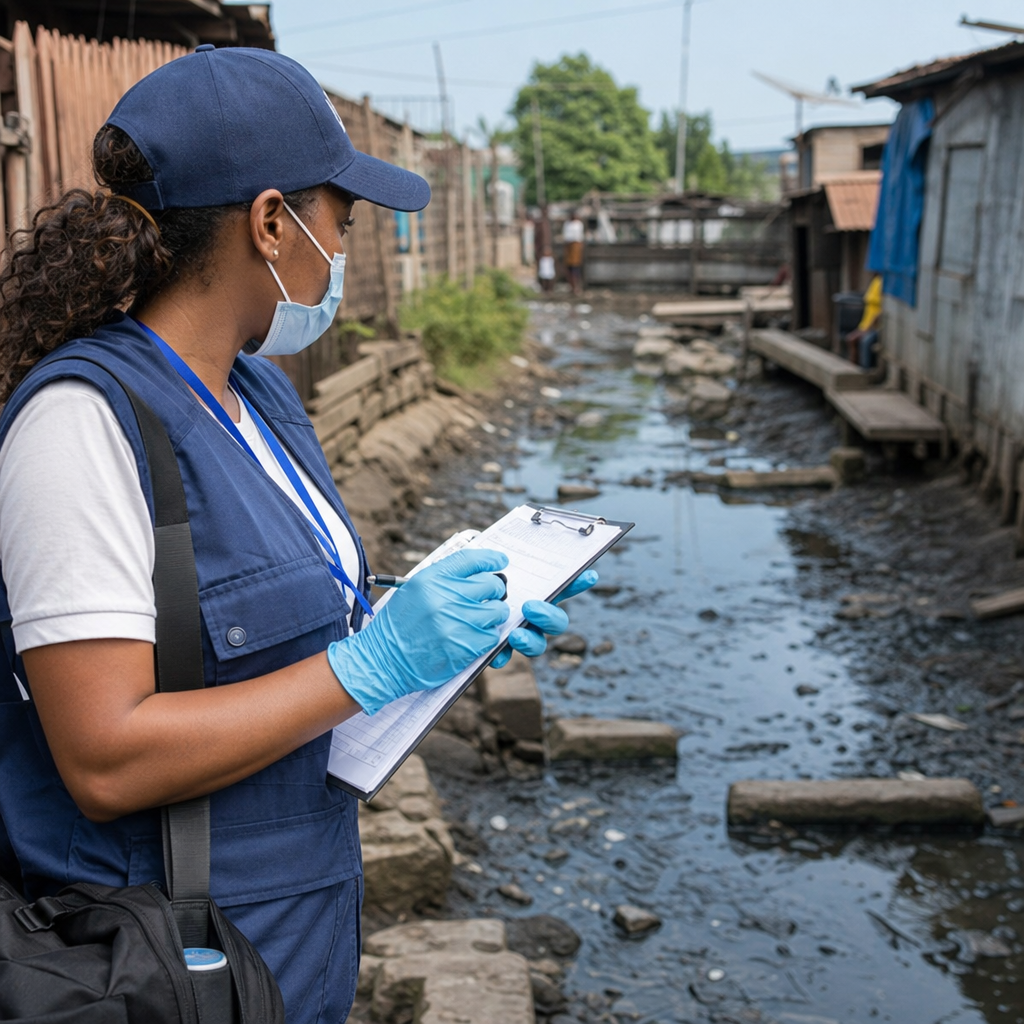
Data sources need to be mixed. Health facility records show disease patterns, but they often miss underreporting. Community surveys reveal user behavior and acceptance. Routine inspections show whether facilities are actually working. Laboratory tests confirm pathogen reduction or contamination. Environmental monitoring of groundwater, surface water, soil, and produce is essential where reuse is planned. Digital tools such as KoboToolbox, DHIS2, ArcGIS, and QGIS can connect these streams into a practical dashboard for local authorities. The most successful systems are not the most complex; they are the ones that field teams can sustain every month.
Response protocols are equally important. If surveillance detects a spike in enteric disease near a decentralized treatment cluster, someone must know who investigates, who communicates with residents, whether sludge handling is paused, and how corrective actions are documented. Governance determines whether public health, utilities, environmental regulators, and local government share information or operate in silos. Without governance, data collection becomes a reporting exercise instead of a safety mechanism.
Priority hazards in safety and sustainability in EcoSan
EcoSan planning should monitor biological, chemical, physical, and social hazards. Biological hazards are usually the most immediate. Bacteria such as Vibrio cholerae, Salmonella, and pathogenic E. coli, viruses such as rotavirus and norovirus, protozoa including Giardia and Cryptosporidium, and helminths such as Ascaris can all persist in waste streams if treatment is inadequate. Helminth eggs are especially important in fecal sludge and compost because they are highly resistant and are often used as a benchmark for treatment performance in reuse settings.
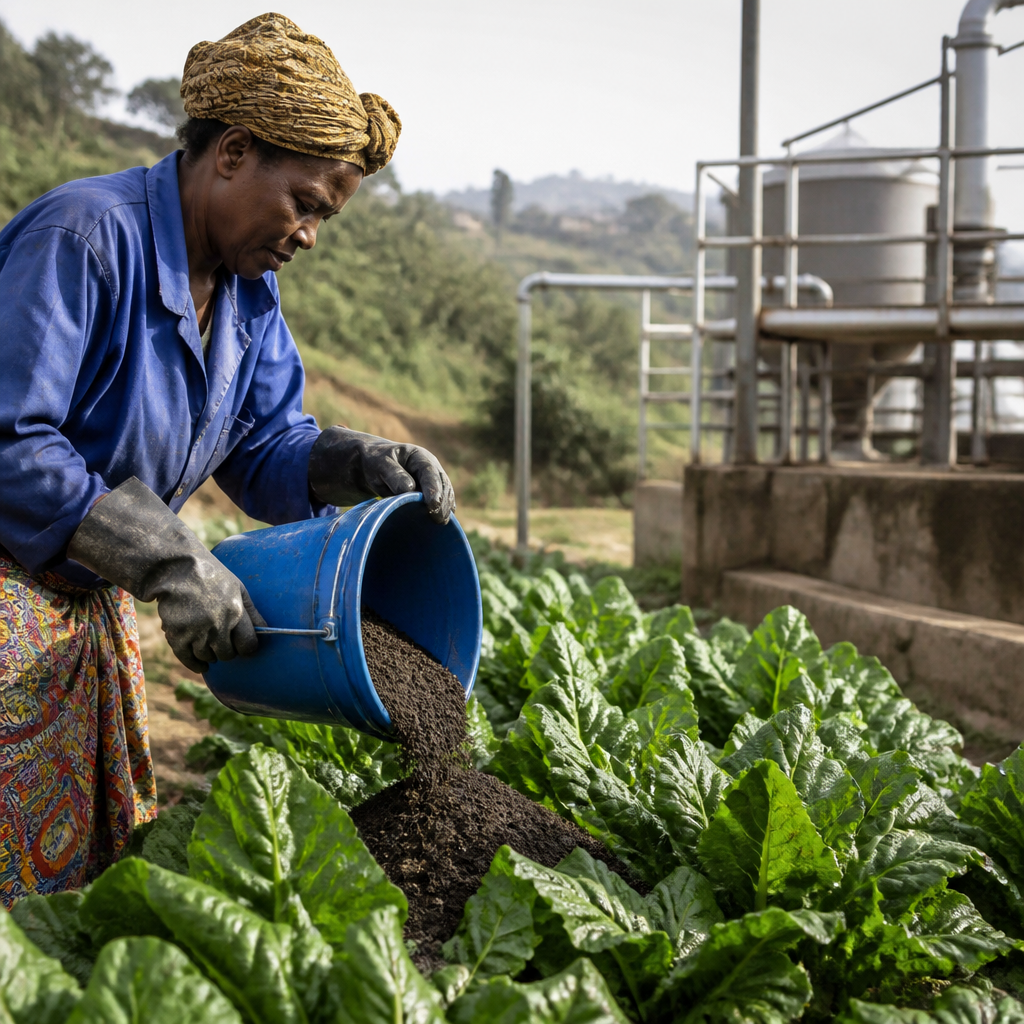
Chemical hazards are sometimes overlooked. Urine and sludge can contain heavy metals, pharmaceutical residues, cleaning agents, and industrial contaminants if waste streams are mixed. Nitrate leaching from poorly managed urine application can affect groundwater. In urban and peri-urban agriculture, repeated application of contaminated sludge can slowly degrade soil quality and raise food safety concerns. Physical hazards include slips, confined-space risks, manual lifting injuries, and unsafe tools during collection and maintenance. Social hazards include stigma, low acceptance, gendered safety concerns, and child exposure around poorly secured storage areas.
| Hazard type | Common EcoSan source | Typical surveillance indicator | Planning response |
|---|---|---|---|
| Biological | Untreated feces, immature compost, contaminated greywater | E. coli counts, helminth egg testing, diarrhea trends | Increase retention time, improve treatment barriers, restrict reuse |
| Chemical | Mixed waste streams, industrial inputs, repeated sludge application | Heavy metal screening, nitrate in groundwater, residue testing | Source control, crop restrictions, revised application rates |
| Physical | Manual emptying, poor access points, inadequate PPE | Worker injury logs, inspection findings, near-miss reports | Safer equipment, training, access redesign |
| Social | Unsafe toilet siting, stigma, low user trust | User complaints, gender safety audits, utilization rates | Redesign, community engagement, clearer operating rules |
Monitoring these hazards together supports sustainability. A system is not sustainable if nutrient recovery is high but workers are routinely exposed, or if water is saved while pathogens reach children through gardens and drains. Surveillance keeps environmental goals aligned with public health protection.
How surveillance shapes design, operations, and reuse decisions
Health surveillance should influence sanitation planning from the earliest assessment stage. During baseline work, disease maps and environmental contamination data help determine whether dry systems, decentralized wastewater treatment, container-based sanitation, or hybrid models are appropriate. In flood-prone areas, for example, raised toilets and sealed storage may be safer than infiltration-based systems. In dense settlements with high groundwater, urine diversion may reduce hydraulic loading, but only if there is a workable collection and storage service. Surveillance data helps planners choose options based on real exposure conditions rather than generic preference.
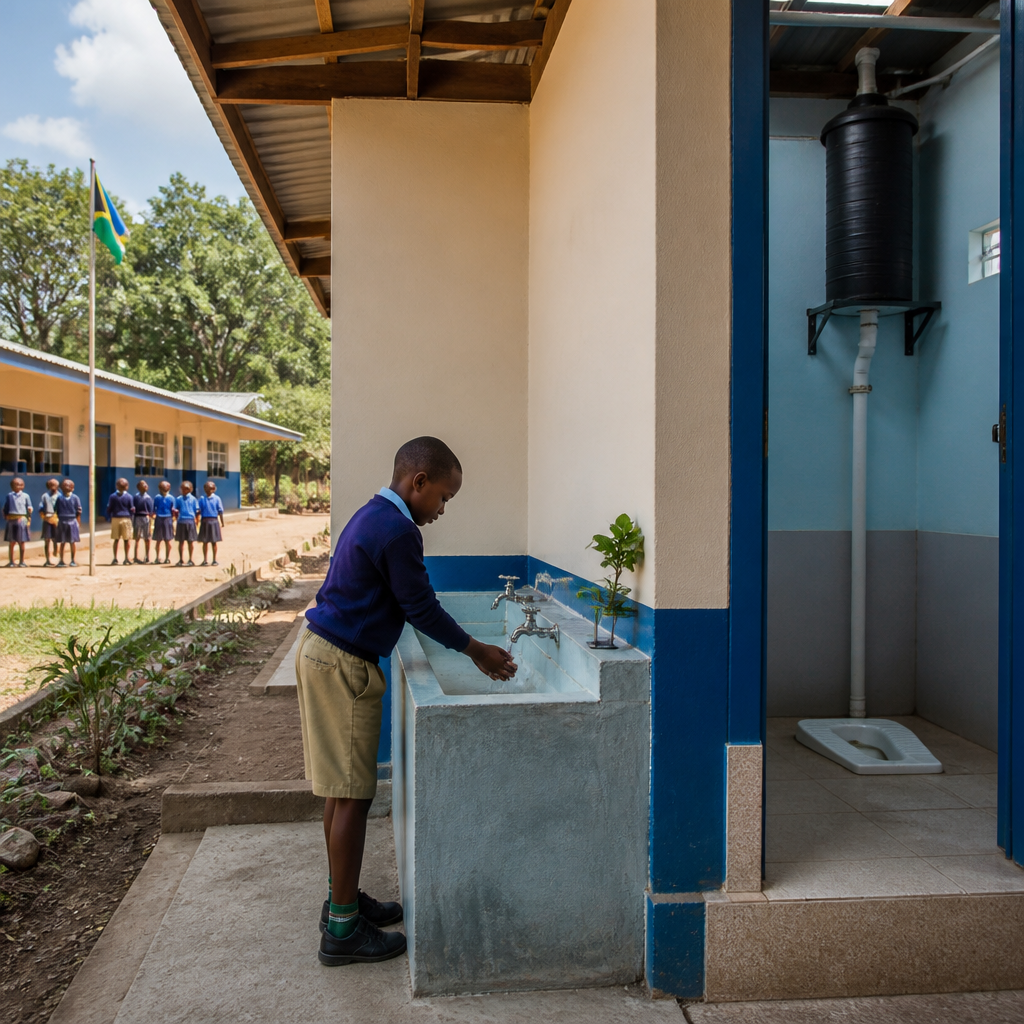
During design, surveillance findings translate into control measures. If local helminth prevalence is high, treatment barriers must be stronger and storage assumptions more conservative. If schools report low handwashing compliance, station placement and water access need redesign. If workers have frequent splash exposure during sludge transfer, fittings, hose connections, and personal protective equipment requirements must change. I have seen small design changes, such as adding lockable access covers and dedicated washdown points, reduce both contamination and maintenance failures significantly.
In operations, surveillance supports routine verification. Compost temperature logs, moisture checks, urine storage records, vector inspections, and effluent sampling are not paperwork; they show whether treatment processes are meeting their intended safety targets. Reuse decisions should be based on verified treatment quality and crop type. WHO guidance on wastewater and excreta reuse emphasizes multiple barriers, including treatment, withholding periods, application methods, and crop restrictions. That means a sanitation plan should not approve unrestricted reuse simply because a technology is labeled ecological. Safe reuse must be demonstrated continuously.
Implementation challenges and practical solutions
The biggest challenge is usually not technical theory but institutional follow-through. Many municipalities collect health data and sanitation data separately, with no shared dashboard or meeting cycle. Laboratories may be too expensive or too far away for regular pathogen testing. Community-based operators may keep paper records that never reach planners. Informal reuse practices, such as direct application of inadequately treated sludge, often happen outside official oversight. These gaps make it easy for risk to remain invisible until an outbreak or public complaint forces attention.
Practical solutions start with simplification. Use a short set of sentinel indicators that local teams can collect reliably. Pair monthly facility inspections with quarterly environmental sampling and annual prevalence surveys in high-risk zones. Establish referral pathways between clinics, environmental health officers, sanitation operators, and agricultural extension staff. Where laboratory capacity is limited, prioritize indicator organisms, sanitary inspections, and risk-based sampling rather than attempting exhaustive testing. Mobile data collection reduces delay and transcription errors, especially when field photos and geotagging are included.
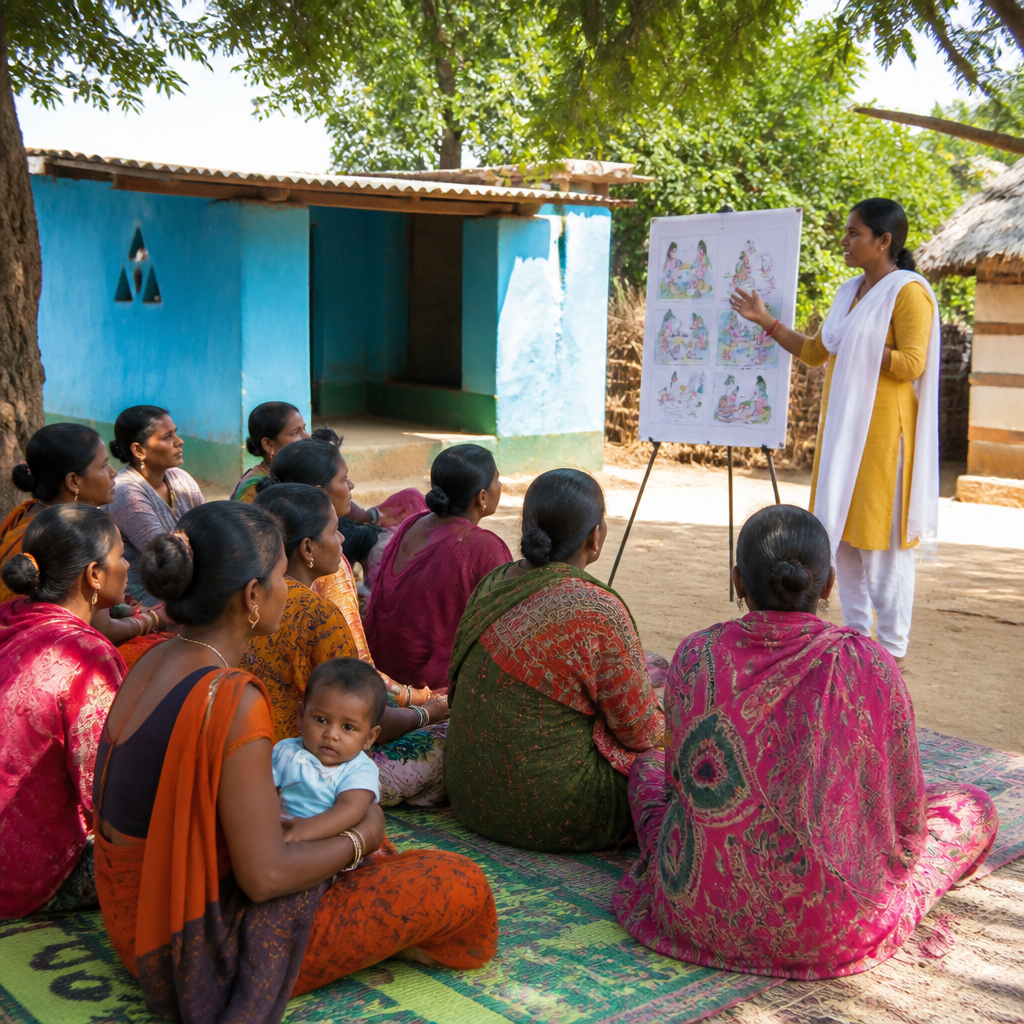
Training matters as much as equipment. Workers need clear standard operating procedures for emptying, transport, cleaning, spill response, and personal hygiene. Communities need practical guidance on storage times, child safety, handwashing, and what materials should never enter the system. Decision-makers need thresholds that trigger action, not just reports. When surveillance findings are reviewed regularly and tied to budgets, maintenance schedules, and procurement, sanitation planning becomes preventive instead of reactive.
Building a hub strategy for safer, more sustainable EcoSan
As a hub topic under Health and Safety, safety and sustainability in EcoSan should connect several detailed article areas: pathogen control in composting toilets, urine diversion safety, fecal sludge treatment standards, worker protection, greywater reuse, groundwater monitoring, school sanitation safety, and community engagement for reuse acceptance. A strong hub page explains how these subtopics fit into one planning system. Health surveillance is the linking mechanism because it spans household use, service delivery, environmental quality, and agricultural reuse.
For organizations developing content or policy, the most useful structure mirrors the sanitation service chain. Start with risk identification, move to technology selection, define treatment and storage requirements, specify worker safeguards, then explain monitoring and corrective action. Internal links between these themes help readers move from broad planning questions to technical implementation details. More importantly, the structure reflects how real sanitation programs operate. No toilet, treatment unit, or reuse scheme is safe in isolation; it is safe only when surveillance confirms that the entire chain is under control.
Future-ready sanitation planning will rely even more on integrated surveillance. Climate change is intensifying floods, droughts, and heat stress, all of which affect pathogen transport, water availability, and treatment performance. Urban expansion is increasing pressure for decentralized and circular systems. Public expectations for safe reuse are rising. The programs that succeed will be the ones that treat surveillance as core infrastructure, not an optional add-on.
Health surveillance systems in sanitation planning make EcoSan safer, more credible, and more sustainable because they convert risk into actionable evidence. They show whether resource recovery is protecting health, whether treatment barriers are working, and where users or workers remain exposed. For planners, operators, and public health teams, the lesson is straightforward: design for reuse, but manage through verification. Track disease trends, inspect facilities, sample critical points, train staff, and respond quickly when indicators move in the wrong direction.
The main benefit is confidence. Communities gain confidence that ecological sanitation will not trade one hazard for another. Regulators gain confidence that standards are being met. Farmers and households gain confidence that reuse is based on proven controls, not assumptions. That confidence is what allows circular sanitation systems to scale responsibly.
If you are building a Health and Safety content hub or updating a sanitation plan, start by mapping the service chain and attaching a surveillance indicator to every major risk point. Then expand into the supporting topics that make EcoSan work safely over time. That is how sustainable sanitation becomes dependable public health protection.
Frequently Asked Questions
What are health surveillance systems in sanitation planning, and why do they matter?
Health surveillance systems in sanitation planning are organized processes used to identify, monitor, interpret, and respond to health risks associated with sanitation services and behaviors. In practice, that includes tracking issues connected to toilets, wastewater, fecal sludge, drainage, stormwater, greywater, handwashing, and the ways people actually use sanitation facilities. Rather than treating sanitation as only an engineering or infrastructure issue, surveillance systems help planners understand whether a sanitation approach is truly protecting public health over time.
They matter because sanitation systems can fail in ways that are not always immediately visible. A toilet may be built, but waste may still leak into shallow groundwater. A drainage channel may look functional, yet standing water can support vector breeding. A sludge reuse program may appear efficient, but inadequate treatment can expose farmers, workers, or nearby communities to pathogens. Without health surveillance, these risks can remain hidden until outbreaks, environmental contamination, or chronic disease burdens become obvious.
In sanitation planning, a strong surveillance system helps decision-makers move from assumptions to evidence. It allows governments, utilities, NGOs, and facility managers to ask practical questions: Are sanitation services safely containing waste? Are workers protected? Are children in high-risk areas getting repeated diarrheal disease? Are downstream water sources being contaminated? Are hygiene messages actually changing behavior? The answers guide better investments, better regulation, and faster corrective action. In short, health surveillance systems are what connect sanitation design with real-world public health outcomes.
How do health surveillance systems support EcoSan and resource recovery approaches?
In EcoSan, or ecological sanitation, the goal is not just to remove waste from human contact. It is also to manage excreta and wastewater in ways that allow safe recovery of nutrients, organic matter, and sometimes water. That creates important opportunities, but it also raises the standard for monitoring. When sanitation systems are designed to support reuse, planners need to know much more than whether waste leaves the household. They need evidence that treatment is adequate, that handling practices are safe, and that recovered products do not create new exposure pathways.
Health surveillance supports EcoSan by following the full sanitation chain. It helps track whether urine diversion systems are functioning correctly, whether fecal matter is fully treated before reuse, whether composting conditions are sufficient to reduce pathogens, and whether sludge transport and storage practices are exposing workers or communities. It also helps monitor user behavior, because even well-designed EcoSan systems can underperform if households do not separate waste streams properly, if maintenance is inconsistent, or if recovered materials are applied to crops without safeguards.
Another major benefit is that surveillance builds trust. Resource recovery programs often depend on public acceptance, agricultural use, and regulatory approval. Reliable monitoring data can demonstrate that treated outputs meet safety targets and that reuse practices are managed responsibly. This is especially important in areas where reuse may be culturally sensitive or where past sanitation failures have reduced confidence in new systems. In that sense, health surveillance is not a secondary layer added after implementation. It is a core part of making EcoSan safe, credible, and scalable.
What kinds of data are usually collected in a sanitation-related health surveillance system?
A sanitation-related health surveillance system typically combines health, environmental, service, and behavioral data. On the health side, programs may track diarrheal disease, cholera, typhoid, helminth infections, skin disease, vector-borne disease linked to poor drainage, and other conditions influenced by sanitation quality. These indicators may come from clinics, hospitals, laboratory reporting, community health workers, school health records, or targeted outbreak investigations. The purpose is to identify patterns, hotspots, and changes over time that might be linked to sanitation failures or unsafe practices.
Environmental and operational data are equally important. This can include groundwater and surface water quality, pathogen indicators in wastewater or sludge, overflow frequency, pit filling rates, flooding points, drain blockages, sludge treatment performance, odor complaints, and the condition of toilets and containment systems. In EcoSan settings, additional parameters may include treatment temperatures, storage durations, moisture levels, and the quality or pathogen reduction performance of recovered products. These measurements help determine whether infrastructure is operating as intended and whether environmental contamination pathways are being controlled.
Behavioral and access data add another critical layer. Planners often need to know whether people are consistently using toilets, whether handwashing facilities are available and used, whether child feces are disposed of safely, whether maintenance is being performed, and whether vulnerable groups can access services. A system may also track worker safety practices, use of personal protective equipment, and exposure during emptying, transport, or reuse activities. When these data streams are combined, they provide a much clearer picture than disease records alone. They show not only where illness is happening, but also why risks are occurring and where intervention is most likely to work.
What makes a health surveillance system effective in sanitation planning?
An effective health surveillance system in sanitation planning is practical, timely, targeted, and linked to action. One of the most common weaknesses in sanitation programs is collecting too much data without a clear decision-making purpose. The strongest systems focus on indicators that directly support planning and operations, such as contamination risk, disease trends, service failures, unsafe reuse practices, or recurring exposure points. They do not try to measure everything. Instead, they measure the right things consistently and make sure the results reach the people who can respond.
Integration is another defining feature. Sanitation risks often sit across multiple institutions, including public health agencies, water and sanitation departments, environmental regulators, municipal authorities, and community organizations. If each group works in isolation, warning signs may be missed. An effective system creates a shared framework for reporting, interpretation, and response. That can include common indicators, regular review meetings, geographic mapping, escalation protocols, and clear responsibilities when problems are detected. In successful sanitation planning, surveillance is not a passive reporting tool. It is part of governance.
Community relevance also matters. Data systems are strongest when they reflect actual conditions on the ground rather than only formal infrastructure records. That means making room for informal settlements, seasonal flooding patterns, non-sewered sanitation, worker exposure, and local practices around reuse and hygiene. The most useful surveillance systems often combine technical monitoring with local observation, complaint channels, and routine field verification. When that happens, planners gain a more realistic understanding of sanitation risk. They can prioritize investments better, intervene earlier, and adapt systems before small operational failures become major public health problems.
How can sanitation planners use surveillance findings to improve outcomes over time?
Sanitation planners can use surveillance findings to shift from one-time project delivery to continuous risk management. If surveillance shows rising contamination near pit latrines, planners may revise siting criteria, strengthen lining requirements, or protect nearby water sources. If data show repeated overflows in a specific drainage corridor, they can redesign flow capacity, improve maintenance schedules, or address solid waste blockages that are causing backups. If a sludge reuse program is not consistently reaching safe treatment thresholds, planners can tighten processing controls, improve operator training, or temporarily restrict reuse pathways until performance improves.
Surveillance data also help planners allocate resources more intelligently. Rather than spreading budgets evenly or relying on assumptions, they can identify the communities, facilities, or sanitation chain stages with the greatest health risk. For example, a city may discover that household toilet coverage is relatively high, but the biggest exposure occurs during fecal sludge emptying and transport. In that case, the highest-value intervention may be licensing emptiers, upgrading transfer stations, improving treatment facilities, and enforcing worker safety protocols. Evidence helps move planning toward the points of highest impact.
Over time, surveillance findings can support stronger policy and accountability as well. They can reveal whether standards are realistic, whether service providers are meeting expectations, and whether public communication campaigns are changing hygiene behavior. In EcoSan systems, they can help determine when reuse models are working safely and when additional safeguards are needed. Most importantly, surveillance creates a feedback loop. It allows sanitation planning to evolve based on observed health outcomes, environmental performance, and operational realities. That is what separates a sanitation system that simply exists from one that consistently protects health and supports long-term sustainability.