Adapting sanitation solutions for aging populations is becoming one of the most urgent public health and infrastructure challenges in the world. As life expectancy rises and birth rates fall in many countries, communities are serving larger numbers of older adults who need toilets, bathing spaces, handwashing facilities, and waste systems designed for reduced mobility, changing balance, lower vision, chronic illness, and greater infection risk. In my work reviewing sanitation programs and facility upgrades, I have seen a consistent pattern: when sanitation is not age-responsive, preventable falls, dehydration, skin infections, caregiver strain, and loss of dignity increase quickly. When it is designed well, older adults remain safer, more independent, and healthier for longer.
Sanitation solutions include the full chain of containment, access, use, cleaning, treatment, and safe reuse or disposal. For aging populations, that means more than simply adding grab bars. It includes toilet height, doorway width, transfer space for wheelchairs, slip resistance, lighting levels, night access, menstrual and incontinence hygiene support, ventilation, odor control, handwashing placement, and reliable operation during heat waves or power cuts. In ecological sanitation, often shortened to EcoSan, the goal expands further: protect health while recovering water, nutrients, or energy and reducing pollution. The best aging-friendly sanitation systems do both. They reduce pathogen exposure and physical strain while also using resources more efficiently, which matters in water-scarce regions, dense cities, and institutions under budget pressure.
This hub article explains how to enhance health through EcoSan while adapting sanitation for older users in homes, care settings, public buildings, and community facilities. It defines the main design principles, compares suitable technologies, and shows how health and safety outcomes improve when sanitation planning includes older adults from the start. It also serves as a foundation for related articles on accessible bathroom design, infection prevention, continence support, caregiver ergonomics, wastewater treatment, and climate-resilient public health infrastructure.
Why aging changes sanitation needs
Aging affects sanitation use in predictable ways. Muscle strength declines, reaction time slows, and many adults experience arthritis, neuropathy, stroke effects, cataracts, hearing loss, dementia, or Parkinsonian symptoms. These changes make basic tasks harder: stepping over a raised threshold, squatting, turning a stiff tap, reading low-contrast signage, or reaching soap from a seated position. The risk is not theoretical. The World Health Organization consistently identifies falls as a major cause of injury in older adults, and wet, cramped toilet rooms are common sites of harm. Poor sanitation access also contributes to delayed toileting, constipation, urinary tract problems, and reduced fluid intake because people avoid using difficult bathrooms.
Infection risk is also higher. Older adults often have weaker immune responses and more frequent skin breakdown, catheter use, or incontinence, which increases exposure to pathogens if cleaning is inconsistent or hand hygiene is inconvenient. Facilities with poor ventilation and damp surfaces support mold and bacterial growth. Shared toilets in clinics, long-term care centers, or multi-generational households can become transmission points unless there is clear separation between clean and contaminated tasks, practical handwashing, and routine disinfection using products effective against enteric organisms.
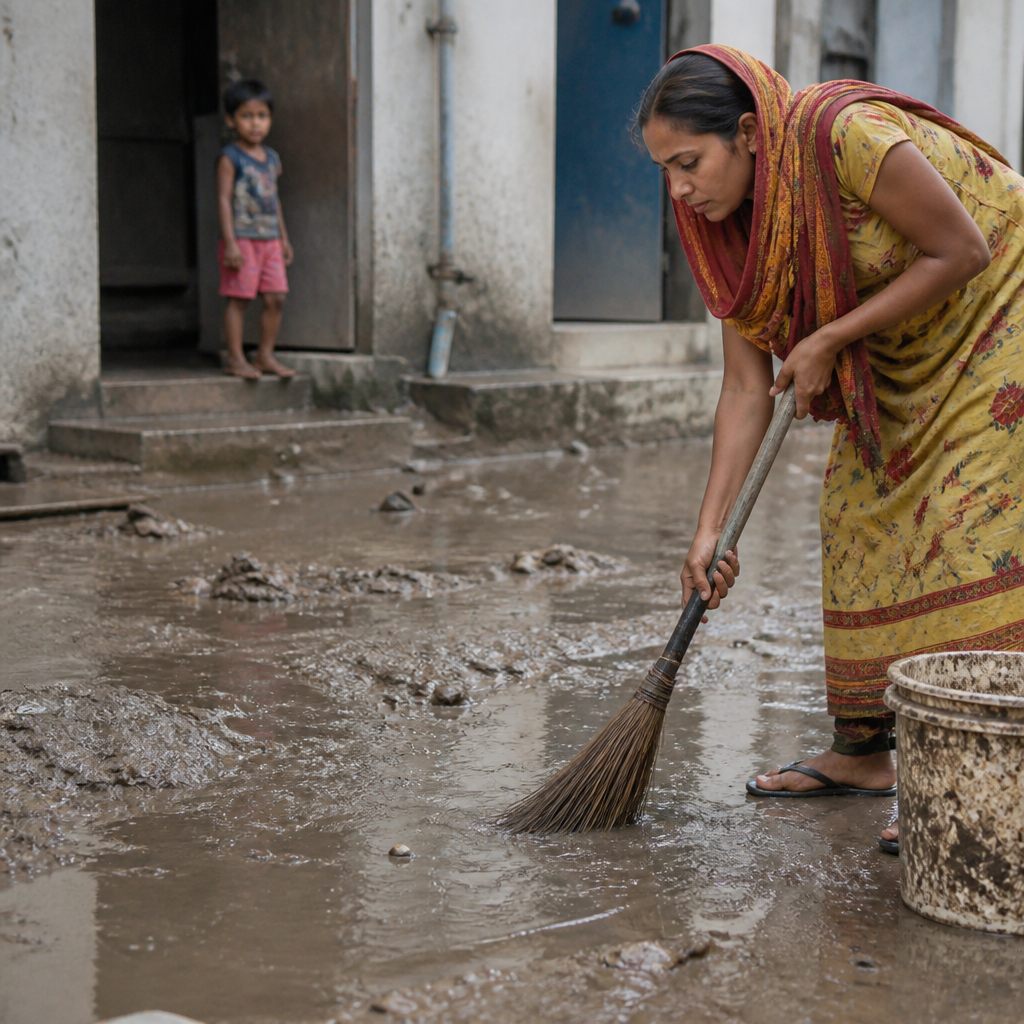
EcoSan matters here because sanitation that fails environmentally often fails clinically over time. Overflowing pits, broken septic systems, contaminated groundwater, and unreliable water supply create direct health hazards for older people who are least able to adapt. By designing systems that conserve water, safely manage excreta, and support nutrient recovery or decentralized treatment, communities can improve continuity of service while reducing the disease burden associated with system failure.
Core design principles for age-friendly EcoSan
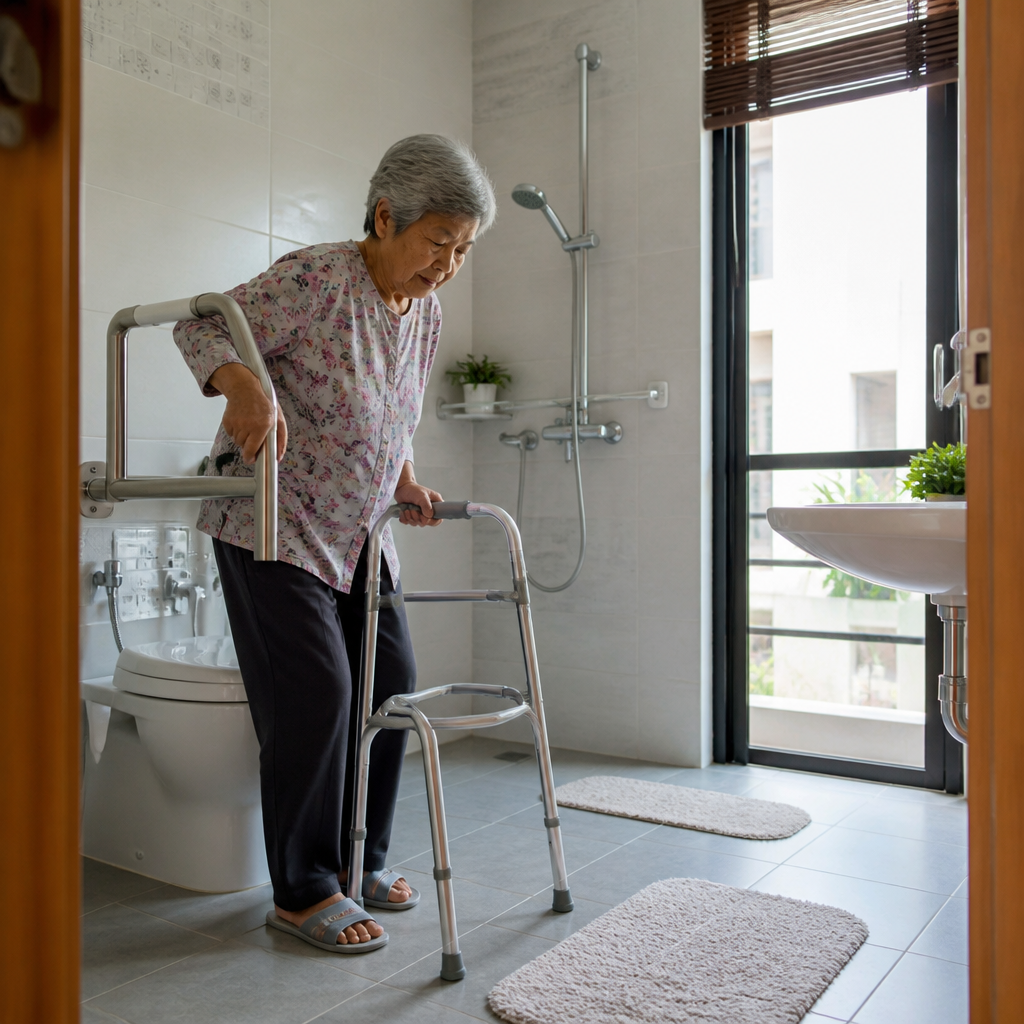
The first principle is safe access. Toilets and washing points should be close to sleeping areas, reachable without stairs when possible, and served by level, well-lit routes. Entrances should accommodate walkers and wheelchairs, with outward-opening doors or sliding doors to improve rescue access. I recommend slip-resistant floors with a wet pendulum test value appropriate for barefoot wet areas, clear color contrast between fixtures and surrounding surfaces, and illumination strong enough for aging eyes, especially for nighttime use.
The second principle is supported movement. Raised toilet seats, grab bars placed at correct heights, backrests, transfer space beside the pan, and stable handholds at entrances reduce falls and caregiver injuries. In settings where squatting toilets are culturally preferred, support frames or conversion platforms can preserve familiarity while reducing knee and hip strain. Small ergonomic changes often have large health effects because they allow timely toileting and reduce hazardous improvisation.
The third principle is hygienic usability. Controls should be easy to operate with limited grip strength, such as lever taps or sensor fixtures where maintenance capacity exists. Handwashing stations must be within immediate reach after toileting. Soap, drying options, and waste bins for pads or briefs should be obvious and easy to access from seated or standing positions. Surfaces need to be smooth enough for cleaning but not slippery. Ventilation should remove moisture and odor without creating cold drafts that discourage bathing or handwashing.
The fourth principle is system resilience. Age-friendly sanitation fails if it depends on scarce water, frequent power, or complex servicing that never arrives. EcoSan approaches such as urine diversion, composting toilets designed for accessible use, decentralized wastewater treatment, low-flush fixtures, graywater reuse for irrigation, and biogas-linked digesters can all work, but only when matched to climate, user ability, maintenance skill, and local regulation.
Comparing sanitation options for older adults
No single sanitation technology fits every aging population. The right choice depends on mobility levels, caregiver availability, water supply, sewer access, climate, and whether the setting is a private home, apartment block, clinic, or elder care facility. The comparison below summarizes common options and the health implications I see most often during assessments.
| Option | Best use case | Health and safety strengths | Key limitations |
|---|---|---|---|
| Raised flush toilet with grab bars | Homes and institutions with reliable water and sewer or septic | Easy transfers, familiar use, quick cleaning, strong infection control when maintained | Needs water; septic failure can create major hazards |
| Accessible urine-diverting dry toilet | Water-scarce areas, off-grid sites, climate-stressed communities | Low water demand, nutrient recovery potential, reduced groundwater contamination when well built | Requires careful user training, container handling, and odor management |
| Composting toilet with seated design | Remote homes, parks, decentralized facilities | Can operate without sewer connection, lowers transport burden, supports resource recovery | Maintenance discipline is essential; poor operation increases vector and odor problems |
| Bedside commode or mobile toilet chair | Night use, high fall risk, temporary rehabilitation | Reduces urgent walking, supports continence care, lowers nighttime injury risk | Needs safe emptying, cleaning, privacy, and caregiver training |
| Vacuum or ultra-low-flush toilet | Large facilities seeking water efficiency | Very low water use, good for resource-constrained buildings | Higher capital cost, mechanical complexity, service dependence |
For many households, the best answer is hybrid rather than absolute. A conventional accessible toilet may handle daily use, while a bedside commode covers nighttime urgency and periods of illness. In drought-prone regions, urine-diverting systems can reduce water demand dramatically while creating a safer long-term sanitation pathway than failing pits or overloaded septic tanks.
Enhancing health through EcoSan in homes and care facilities
Enhancing health through EcoSan starts with reducing pathogen exposure while making daily hygiene easier. In homes, that often means replacing hazardous layouts before discussing advanced technology. I have seen major gains from simple modifications: a toilet moved closer to the bedroom, a zero-threshold shower added beside the WC, a handwash basin relocated within arm’s reach, and absorbent products stored in a dry, ventilated cabinet. These changes reduce rushed movement, missed handwashing, and cross-contamination from carrying soiled items through the house.
In care homes and hospitals, EcoSan planning should follow the sanitation chain. Toileting, cleansing, hand hygiene, temporary waste storage, laundry handling, cleaning chemical storage, wastewater flow, and final treatment must all be mapped. If one link fails, older residents are affected first. For example, using low-flow fixtures without reviewing drain line gradients can lead to blockages and sewage backflow. Installing touchless taps without battery replacement schedules can disable handwashing points. Good sanitation is operational, not just architectural.
Resource-efficient systems also improve continuity. Low-flow dual-flush toilets, pressure-compensating taps, leak detection, and graywater reuse for landscape irrigation can lower water bills, helping facilities maintain cleaning frequency and staffing. Decentralized treatment units, such as membrane bioreactors or well-managed constructed wetlands, can reduce discharge pollution where sewer infrastructure is weak. In institutions with kitchen waste streams, anaerobic digestion may produce biogas for water heating, though infection control and sludge handling protocols must remain strict.
Odor control deserves more attention than it usually gets. Persistent odor discourages toilet use, worsens appetite, increases distress in residents with dementia, and can signal moisture or drainage failures. Proper trap seals, vent stacks, continuous mechanical extraction where needed, and prompt cleaning of incontinence bins are basic public health measures, not cosmetic extras.
Operational practices that protect older users
Even excellent infrastructure underperforms without disciplined operations. Cleaning schedules should target high-touch surfaces, toilets, support rails, taps, flush handles, and door pulls using products compatible with fixture materials and proven against likely pathogens. Staff need separate cloths or color-coded systems to prevent cross-use between toilets and handwash areas. Incontinence-related waste should move through clearly designated routes to avoid contaminating food or linen pathways.
Monitoring should be practical and measurable. Useful indicators include time required for an older user to reach a toilet, number of nighttime falls near sanitation areas, hand hygiene compliance, odor complaints, water consumption per resident, cleaning audit scores, and response time for plumbing faults. In my experience, these metrics identify risk faster than annual inspections alone. A toilet that is technically present but routinely blocked, poorly lit, or too far away is not functional access.
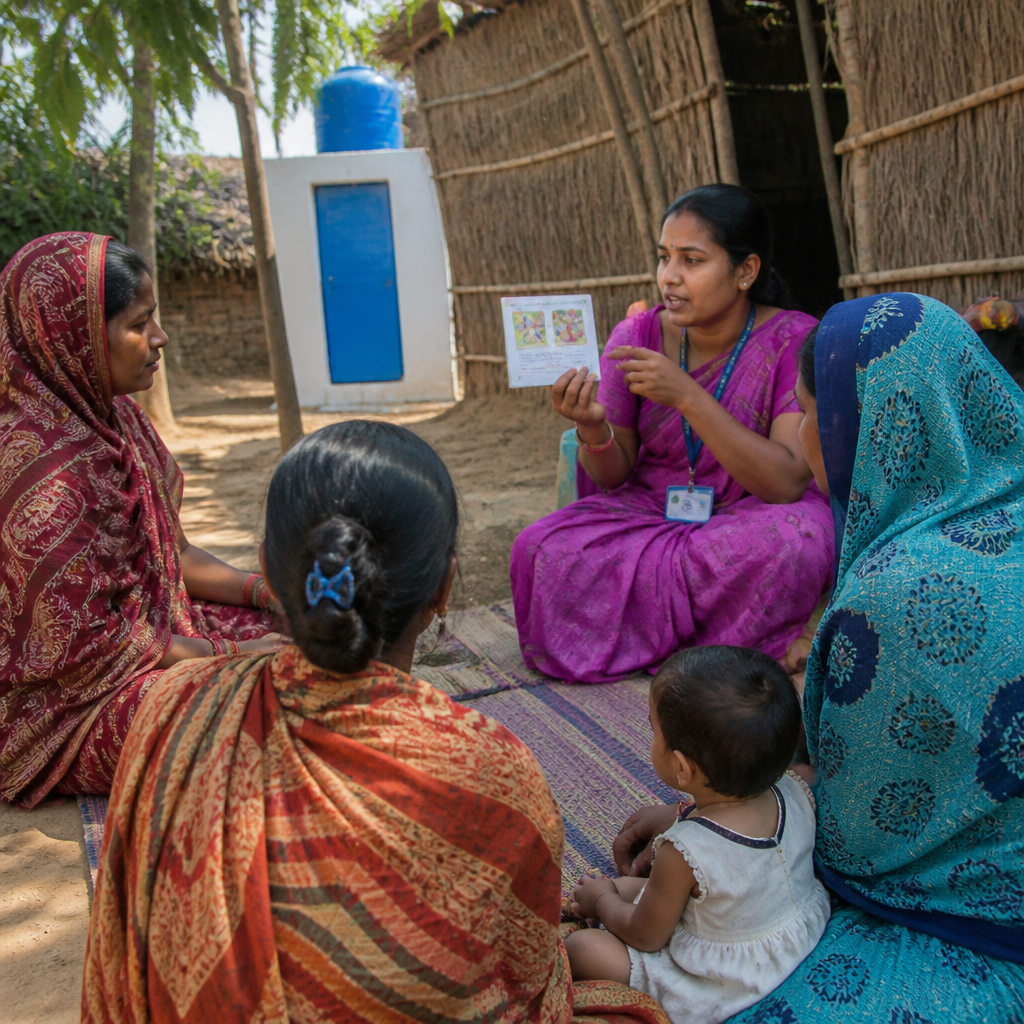
Training is equally important. Caregivers should learn safe transfer techniques, signs of dehydration and urinary retention, respectful continence support, and correct handling of dry-sanitation byproducts if EcoSan systems are used. Residents and families need plain-language instructions too. A urine-diverting toilet, for instance, fails quickly if users do not understand where paper goes, how moisture is controlled, or when containers are serviced. Good instruction protects health as much as good hardware.
Planning, policy, and the case for inclusive sanitation
Age-adapted sanitation works best when embedded in policy rather than treated as a special retrofit. Building codes should align with accessibility standards, infection prevention guidance, and water efficiency goals. Recognized references include universal design principles, ISO accessibility guidance, WHO recommendations on healthy aging and WASH, and national plumbing and public health codes. Procurement rules should require maintainable fixtures, spare parts availability, and life-cycle costing, not just the lowest upfront bid.
Community planning also matters. Public toilets near markets, transit stops, parks, and clinics can determine whether older adults stay active or become isolated. Rural sanitation programs should include seated options and service models for households unable to maintain pits or transport materials. Urban renewal projects should consider elevator access, emergency backup water, and decentralized treatment where overloaded sewers threaten reliability. Inclusive sanitation is not a niche amenity. It is core health and safety infrastructure.
Financing remains a barrier, but the economics are stronger than many assume. A fall-related hospital admission, pressure injury from poor hygiene, or outbreak linked to sanitation failure costs far more than grab bars, lighting upgrades, preventive plumbing maintenance, or water-saving retrofits. When decision-makers compare full health costs instead of fixture prices alone, age-friendly EcoSan investments are easier to justify.
Adapting sanitation solutions for aging populations is ultimately about preserving health, dignity, and independence while building systems that can endure environmental and demographic change. The most effective approach combines accessible design, reliable hygiene, resource efficiency, and realistic operations. Older adults need toilets and washing spaces that are easy to reach, safe to use, simple to clean, and dependable during stress. Communities need sanitation systems that protect groundwater, conserve water, manage waste responsibly, and stay functional as populations age.
The core lesson is straightforward: sanitation should be designed around actual users, not idealized ones. When planners include older adults, caregivers, maintenance staff, and public health teams early, the result is better for everyone, including children, disabled users, and overworked staff. Enhancing health through EcoSan means treating sanitation as both a clinical safeguard and an environmental system. That is how homes remain livable, care facilities remain safe, and cities remain resilient.
Use this hub as a starting point for deeper work on accessible toilet layouts, continence care, wastewater treatment, and sanitation risk assessment. Review your current facilities, identify the biggest barriers older users face, and prioritize the improvements that deliver safer access, cleaner operation, and stronger long-term resilience.
Frequently Asked Questions
Why do sanitation systems need to be adapted specifically for aging populations?
Sanitation systems need to be adapted for older adults because aging changes how people safely and comfortably use toilets, bathing areas, handwashing stations, and waste services. Many older people experience reduced strength, slower movement, joint pain, arthritis, limited flexibility, lower vision, balance problems, incontinence, or chronic health conditions that make standard facilities difficult or even dangerous to use. A toilet that seems adequate for a younger, able-bodied person may be too far to walk to, too hard to squat over, too slippery to enter, too poorly lit to navigate at night, or too difficult to clean for an older adult.
These challenges are not minor inconveniences. They directly affect health, dignity, and independence. When sanitation is inaccessible, older adults may reduce fluid intake to avoid using the toilet, delay urination or defecation, rely on unsafe containers, avoid bathing, or need family members to provide assistance in ways that compromise privacy. That can contribute to dehydration, urinary tract infections, constipation, skin disease, falls, caregiver burden, and social isolation. In institutional settings and dense communities, poorly adapted sanitation can also increase infection risk, especially for people with weakened immune systems.
Adapting sanitation for aging populations is therefore both a public health priority and an infrastructure design issue. It requires shifting from a one-size-fits-all approach to one that recognizes functional needs across the life course. Good adaptation improves safety, usability, and maintenance while helping older adults remain active and engaged in their homes and communities for longer. In practice, that means designing systems that are easier to access, easier to understand, easier to clean, and more supportive of dignity for people with changing physical and sensory abilities.
What design features make toilets and washing facilities safer and more usable for older adults?
The most effective sanitation adaptations are often practical, affordable, and grounded in universal design principles. For toilets, important features include a stable and easy-to-reach pathway, non-slip flooring, handrails or grab bars, good lighting, doors that are easy to open and close, and enough interior space for turning, assistance, or mobility aids. Raised toilet seats or chair-height toilets are often easier for older adults to use than low or squatting options, particularly for those with knee pain, hip problems, or reduced leg strength. If squat toilets are common, adding support rails and transition options can significantly improve safety.
Bathing and handwashing spaces also need close attention. Older adults benefit from level entrances, anti-slip surfaces, seating for bathing, clearly marked taps, reachable soap and water points, and drainage systems that prevent standing water. Visual contrast between walls, floors, and fixtures can help people with reduced vision identify edges and surfaces more easily. At night, motion-activated or low-level pathway lighting can reduce falls. Small details matter: a latch that can be opened from outside in an emergency, a shelf for medicines or personal items, a hook for clothing, or a tap that does not require strong grip strength can make the difference between safe independent use and daily difficulty.
Location is just as important as fixture design. Facilities should be as close as possible to where older adults live and sleep, especially for those with urgency, incontinence, or mobility limitations. Long distances, steps, uneven ground, and isolated facilities discourage use and raise the risk of falls. In communal or public settings, age-friendly sanitation should also include privacy, regular cleaning, adequate water supply, menstrual and incontinence product disposal where needed, and safe access for caregivers. The best designs are developed with older users themselves, because they can identify barriers that planners and engineers often overlook.
How does poor sanitation affect the health and well-being of older adults?
Poor sanitation affects older adults in layered and often serious ways. Physically, unsafe toilets and bathing areas increase the likelihood of slips, trips, and falls, which can have life-changing consequences in later life. Inadequate handwashing and waste containment also raise exposure to diarrheal disease, respiratory infections, skin infections, and contamination within the household or care setting. For older adults living with diabetes, weakened immunity, wounds, or chronic illness, these exposures can be especially dangerous and recovery can be slower.
There are also less visible health impacts. When toilets are inaccessible or unpleasant, older people may intentionally eat less, drink less, or avoid leaving their rooms or homes. That can contribute to malnutrition, dehydration, constipation, urinary problems, and reduced physical activity. If someone cannot bathe or wash properly, they may develop skin irritation, fungal infections, pressure-related problems, or a general decline in personal comfort and confidence. Incontinence without adequate sanitation support can lead to skin breakdown, odor concerns, emotional stress, and higher dependence on caregivers.
The social and psychological effects are equally important. Sanitation is closely tied to dignity, privacy, and self-respect. When older adults cannot use facilities independently, they may feel embarrassment, shame, anxiety, or loss of control. Some withdraw from community life because they are worried about finding an accessible toilet outside the home or because they fear accidents. Over time, poor sanitation can deepen isolation, increase caregiver strain, and reduce quality of life. That is why age-responsive sanitation should be viewed not only as an engineering issue, but as part of healthy aging, social inclusion, and rights-based public health planning.
What should communities and sanitation programs prioritize when planning for an aging population?
Communities and sanitation programs should begin by recognizing older adults as a priority user group rather than assuming household-level solutions will automatically meet their needs. A strong starting point is to collect better local data on age, disability, mobility limitations, caregiving arrangements, and facility access. Many sanitation plans still focus primarily on coverage numbers, without asking whether facilities are actually usable for an 80-year-old with poor eyesight, arthritis, or urgency at night. Planning should therefore include usability, safety, proximity, affordability, maintenance, and infection prevention as core indicators.
Programs should prioritize retrofitting existing facilities as well as improving new construction. In many settings, the fastest gains come from targeted modifications such as adding handrails, widening entrances, improving pathways, installing lights, raising seat height, repairing floors, increasing water reliability, or relocating facilities closer to living spaces. These upgrades are often far more realistic in the short term than complete rebuilds. At the same time, all new public, household, and institutional sanitation infrastructure should be designed with aging in mind from the beginning, because retrofitting later is usually more expensive and less effective.
Another key priority is participation. Older adults, caregivers, health workers, and maintenance staff should all be included in assessment and design processes. Their input helps identify practical barriers, maintenance burdens, and cultural factors that influence use. Programs should also coordinate across sectors. Sanitation for aging populations overlaps with housing, health care, disability inclusion, social protection, urban planning, and emergency preparedness. Finally, communities should invest in long-term operations and maintenance. An accessible toilet that is dirty, unlit, broken, or lacks water quickly becomes inaccessible in practice. Sustainable age-friendly sanitation depends not just on design, but on consistent upkeep, accountability, and service delivery.
Are age-friendly sanitation improvements affordable, and what are the most cost-effective first steps?
Yes, many age-friendly sanitation improvements are affordable, especially when communities focus on high-impact changes first. The most cost-effective interventions are usually those that reduce immediate safety risks and improve daily usability without requiring total reconstruction. Examples include installing grab bars, improving lighting, adding non-slip surfaces, repairing uneven paths, placing toilets closer to sleeping areas, raising toilet seats, improving drainage, and making doors easier to open. These changes can dramatically lower fall risk and help older adults maintain independence, often at a modest cost compared with the health and caregiving expenses associated with injuries or preventable illness.
Affordability improves further when age-friendly features are built into standard sanitation design rather than treated as special add-ons. Universal design benefits many users at once, including people recovering from illness, pregnant women, people with temporary injuries, and caregivers assisting others. That makes the investment more justifiable from both a social and economic perspective. In public and institutional settings, better sanitation can reduce staff time spent assisting with toileting, lower infection risk, and improve user satisfaction, all of which create operational value over time.
For households and low-resource communities, the best first steps are usually based on a simple risk and usability assessment. Ask: Is the route to the toilet safe? Is the floor slippery? Can the person sit and stand without help? Is there enough light at night? Can they wash hands easily afterward? Can they maintain privacy and dignity? Addressing these issues in sequence often produces meaningful results quickly. Where funding is limited, programs can combine subsidies for the most vulnerable households with technical guidance, local fabrication of support features, and community awareness efforts. The key point is that age-friendly sanitation does not always require expensive technology. More often, it requires thoughtful design, user-centered planning, and the willingness to treat accessibility as essential infrastructure rather than an optional upgrade.