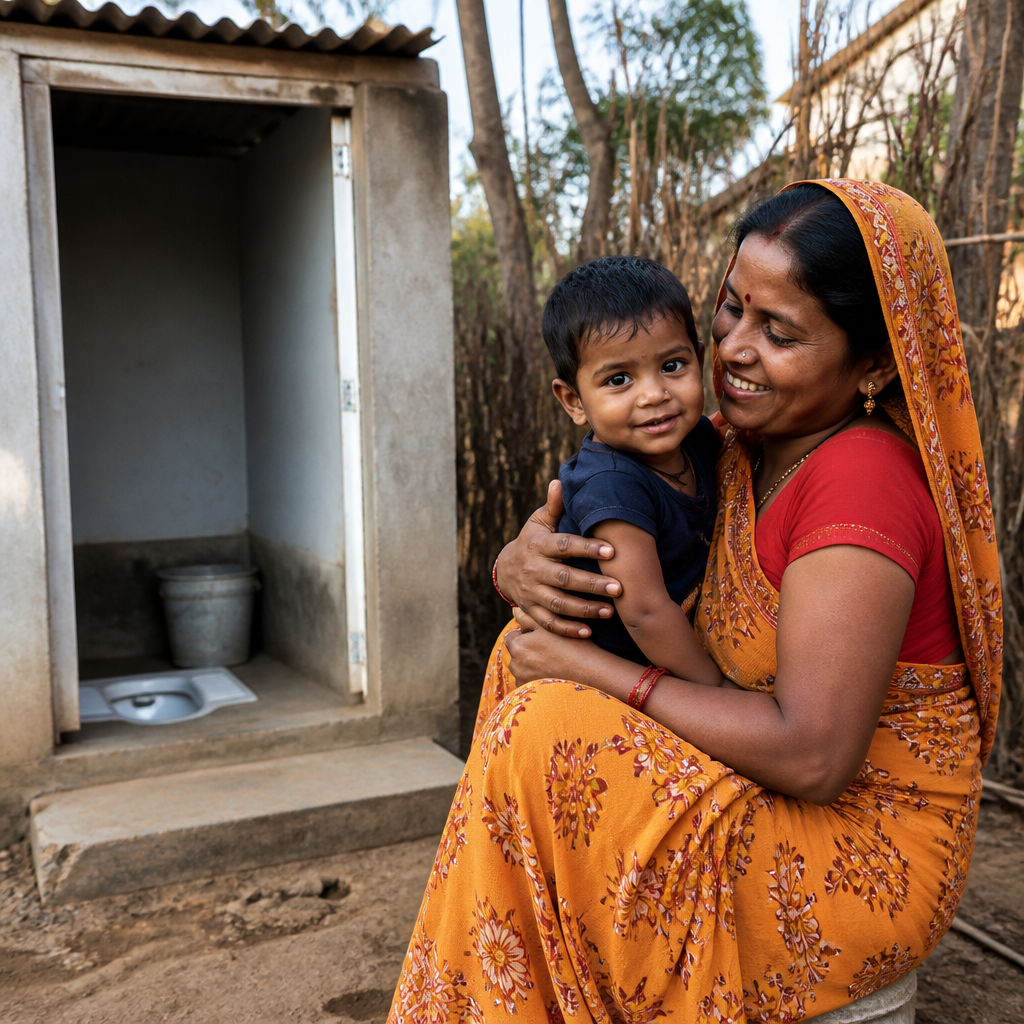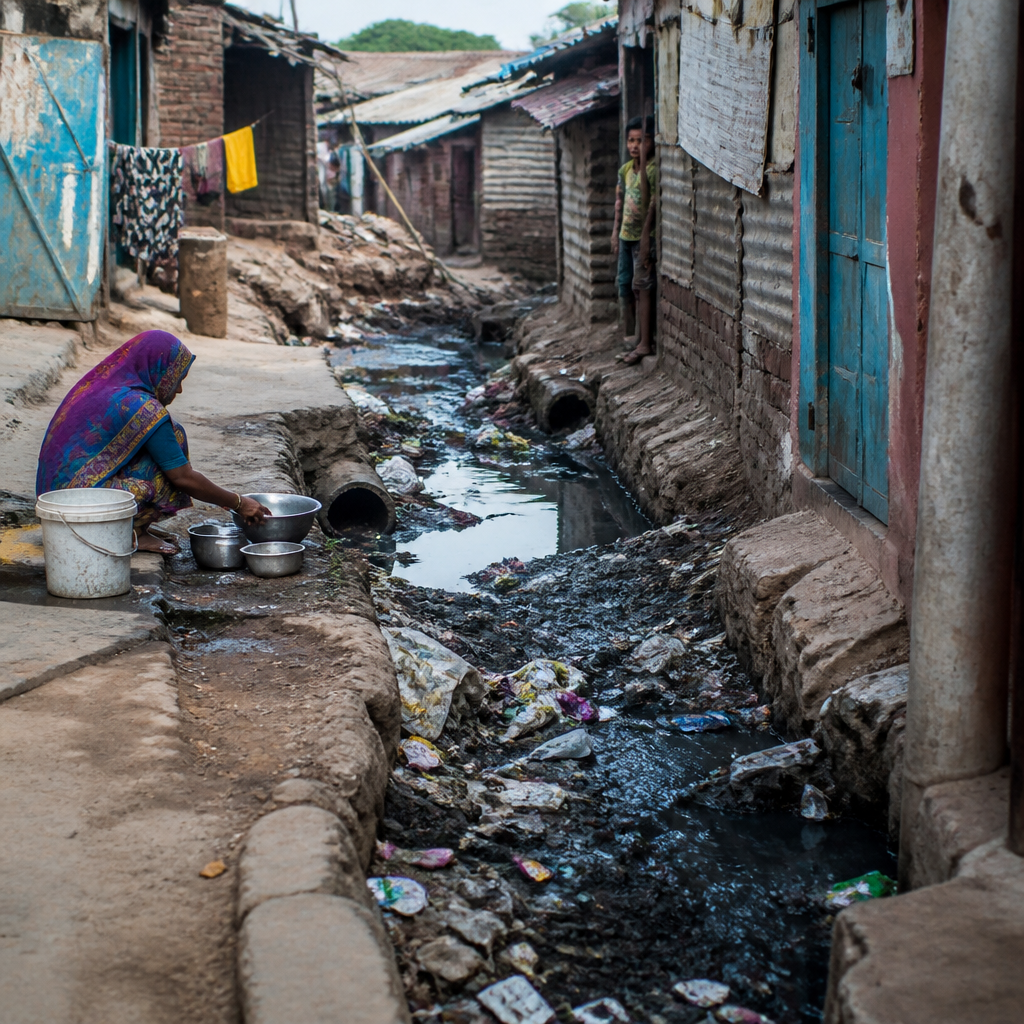
Urban slum sanitation sits at the center of one of the most urgent public health failures in modern cities. Densely populated informal settlements often lack safe toilets, reliable drainage, waste collection, and clean water, creating conditions where preventable disease spreads quickly and repeatedly. When this article discusses enhancing health through EcoSan, it refers to ecological sanitation systems designed to safely contain, treat, and reuse human waste as a resource rather than allowing it to contaminate homes, streets, and waterways. In practice, that includes urine-diverting dry toilets, container-based sanitation, decentralized composting, and fecal sludge treatment linked to agriculture or landscaping.
I have worked on sanitation content and implementation planning long enough to see the same pattern in city after city: health programs struggle when sanitation is treated as an afterthought, while neighborhoods improve when waste flows are mapped, toilets are maintained, and communities trust the service. Slum sanitation matters because exposure is constant. Children crawl on contaminated ground, floodwater carries fecal matter into cooking areas, and shared toilets become unusable without cleaning, lighting, or emptying services. The World Health Organization has repeatedly tied unsafe sanitation to diarrheal disease, parasitic infections, undernutrition, and stunting, with the greatest burden falling on low-income urban households. Sanitation is also linked to dignity, school attendance, personal safety, and household economics.
EcoSan is especially relevant in urban slums because conventional sewer expansion is often too slow, too expensive, or physically impractical in settlements with narrow lanes, insecure tenure, high water tables, or seasonal flooding. Ecological sanitation does not mean a single toilet model. It is a systems approach that prioritizes safe separation, containment, transport, treatment, and beneficial reuse wherever feasible. The health goal is straightforward: break the chain of infection by preventing human contact with pathogens. The operational goal is equally important: create sanitation services that actually function in dense, low-resource environments. As a hub article, this guide explains the health crisis, shows where EcoSan fits, and outlines the decisions that make sanitation safer, more affordable, and more durable in informal urban communities.
The urban slum sanitation crisis and why it becomes a health emergency
Urban slums face a distinct sanitation challenge because density magnifies every failure. A single blocked drain, overflowing pit, or broken communal toilet can expose hundreds of people within days. In many settlements, households rely on shared facilities used by twenty, fifty, or even more users per toilet stance. Where toilets are absent or unsafe at night, open defecation and “flying toilets” persist, adding fecal contamination to pathways, drains, and vacant plots. During rain, waste moves rapidly through the settlement and into shallow wells, storage containers, or nearby surface water.
The health impacts are immediate and cumulative. Diarrhea remains the most visible outcome, but it is not the only one. Repeated exposure to fecal pathogens contributes to intestinal worm infections, skin conditions, eye infections, and environmental enteric dysfunction, which affects nutrient absorption in children. Poor sanitation also supports mosquito breeding in stagnant wastewater and raises the risk of cholera, typhoid, hepatitis A, and dysentery when outbreaks occur. Women and girls face additional harm when facilities lack privacy, menstrual hygiene support, or lighting. Families often pay twice: once in medical bills and again in lost wages when adults miss work to care for sick children.
Municipal responses frequently fail because they focus on infrastructure without service design. Installing toilets is not enough if pits cannot be emptied, if sludge has nowhere safe to go, or if users cannot afford fees. In settlements I have studied, the most dangerous sanitation points were not always households without toilets; they were communities with partially functioning systems that leaked or overflowed into public space. That is why urban slum sanitation must be managed as a full sanitation chain, not a one-time construction project.
How EcoSan improves health in dense informal settlements
Enhancing health through EcoSan begins with controlling exposure pathways. Ecological sanitation systems are designed to isolate excreta, reduce pathogen survival, and support treatment methods that are feasible without full sewer networks. Urine-diverting dry toilets separate liquid and solid waste at the source, lowering moisture, reducing odors, and improving treatment conditions. Container-based sanitation seals waste in removable containers that are collected on a service schedule, preventing pit overflow in places where excavation is impossible. Decentralized treatment can include composting, dehydration, co-composting with organic waste, or transfer to fecal sludge treatment plants.
The direct health benefit is reduced environmental contamination. When feces are contained from the start, fewer pathogens reach hands, floors, drains, food preparation areas, and groundwater. This is why EcoSan can outperform poorly built pit latrines in flood-prone slums. A raised, sealed, service-based system often provides better protection than a low-cost pit that floods every rainy season. The second benefit is reliability. Good sanitation reduces disease only when it is consistently usable. EcoSan models can be adapted for space constraints, unstable soils, rocky ground, and informal plots where trucks cannot reach standard septic tanks.
Health gains are strongest when sanitation is paired with handwashing, safe water storage, and routine cleaning. EcoSan is not a magic device; it is a public health strategy grounded in containment and operations. The best projects I have reviewed treated behavior change, cleaning protocols, and collection logistics as essential parts of the intervention rather than side issues.
Choosing the right EcoSan model for local conditions
No single sanitation technology fits every slum. The right option depends on groundwater level, flood risk, population density, household income, land tenure, user preferences, and the city’s capacity to collect and treat waste. Urine-diverting dry toilets work well where water is scarce and users receive clear training on operation. Container-based sanitation suits dense settlements with inaccessible lanes because collection crews can move containers by handcart or motorcycle. Simplified sewerage may work in more stable settlements with enough gradient and institutional support, but it is usually not the first solution in highly informal areas.
Selection should start with exposure mapping. Identify where children play, where wastewater accumulates, where toilets overflow, and how sludge is currently emptied. Then compare options based on containment, service frequency, user safety, and lifecycle cost rather than only upfront construction price. A toilet that is cheap to build but impossible to empty safely is not affordable in public health terms.
| EcoSan option | Best-fit conditions | Main health advantage | Key limitation |
|---|---|---|---|
| Urine-diverting dry toilet | Water-scarce areas, stable user training, limited sewer access | Reduces moisture and improves pathogen control during treatment | Needs consistent correct use and ash or cover material |
| Container-based sanitation | Very dense settlements, flood zones, inaccessible lanes | Sealed containment prevents leakage into living areas | Requires dependable collection and transfer service |
| Raised composting toilet | High water table or flood-prone land | Keeps waste above groundwater and reduces inundation risk | Needs space and careful management of composting conditions |
| Shared managed toilet block | Rental compounds or markets with organized oversight | Can rapidly increase safe access for many users | Fails quickly without cleaning, lighting, and attendants |
Real-world examples support this tailored approach. In parts of Nairobi and Port-au-Prince, container-based services have shown that residents will pay for safe, convenient sanitation when toilets are clean and collection is predictable. In peri-urban settlements in East Africa and South Asia, urine diversion and decentralized composting have worked where communities accepted reuse and local operators were trained to monitor moisture, storage time, and protective handling.
Critical design and management factors that determine health outcomes
Most sanitation failures are management failures disguised as technology failures. For EcoSan to protect health, five conditions must be met: safe user interface, sealed containment, reliable collection or emptying, effective treatment, and safe end use or disposal. If any link breaks, contamination returns. For example, a well-designed urine-diverting toilet can still become hazardous if solids are removed too early, if workers lack gloves and masks, or if composting temperatures and storage times are not controlled.
Design details matter. Toilets need ventilation, easy-to-clean surfaces, child-friendly features, menstrual hygiene accommodations, and nighttime safety measures such as locks and lighting. Shared facilities need posted cleaning schedules and assigned responsibility. In dense compounds, I have seen health outcomes improve simply because caretakers had water, detergent, tools, and a payment mechanism for routine maintenance. Operations are not overhead; they are the intervention.
Treatment standards also matter. Pathogen die-off depends on time, temperature, pH, moisture control, and handling protocols. Where reuse is planned, municipalities and service providers should align with national sanitation guidelines, World Health Organization sanitation safety planning principles, and risk-based treatment targets. Reuse can be safe, but only when material is adequately treated and restricted to appropriate applications such as soil conditioning for non-food landscaping or carefully regulated agriculture. Unsupported claims that all composted human waste is automatically safe are wrong and dangerous.
Community adoption, behavior change, and affordability
Urban slum sanitation succeeds when residents see it as a dependable service, not an experiment imposed from outside. Adoption improves when communities help choose locations, set rules for shared use, and define payment methods that match irregular incomes. Daily wage earners often prefer small recurring payments over large annual fees. Landlords may contribute when sanitation upgrades reduce tenant turnover and complaints. Women’s groups, resident associations, and local health volunteers are often the most effective partners because they understand safety concerns, cleaning burdens, and peak usage times.
Behavior change should be practical and specific. Instead of broad hygiene messages, effective programs teach exactly how to use urine-diverting pans, when to add cover material, how collection days work, why child feces must go into the toilet, and where to wash hands immediately afterward. Messaging should also address stigma around reuse by explaining the treatment barrier and the difference between fresh waste and sanitized end products.
Affordability remains a real constraint. Even low-cost EcoSan systems can fail if households must absorb all capital and service costs. Blended finance works better: targeted subsidies for construction, market-based service fees for collection, and municipal support for treatment infrastructure. The health case justifies public investment because sanitation reduces clinic burden, outbreak response costs, school absence, and productivity losses.
Building a citywide sanitation system that includes slums
The strongest sanitation programs treat informal settlements as part of the urban system rather than exceptions outside it. That means integrating neighborhood toilets, collection routes, transfer stations, treatment sites, and reuse markets into a citywide sanitation plan. Tools such as shit flow diagrams, GIS settlement mapping, and sanitation safety planning help municipalities visualize where waste currently goes and where exposure occurs. Once those flows are visible, gaps become actionable: missing emptying services, illegal dumping points, overloaded drains, or treatment plants operating below standard.
City governments should regulate service quality, license emptiers and transporters, set occupational safety rules, and monitor treatment outcomes. Public health departments should track sanitation-linked disease indicators alongside infrastructure access, because access alone can hide unsafe service conditions. Nonprofits and private operators can innovate quickly, but municipal oversight is what turns pilots into durable public health gains.
The key lesson is simple. Enhancing health through EcoSan is not about choosing an unconventional toilet for its own sake. It is about creating sanitation systems that fit the physical realities of slums and reliably block human contact with waste. Cities that invest in containment, collection, treatment, and community trust can cut exposure dramatically even before full sewer coverage arrives. If you are building a Health and Safety resource on urban slum sanitation, use this hub to guide decisions toward practical, managed EcoSan solutions and connect each next step to the central goal: fewer pathogens, safer neighborhoods, and healthier lives for the residents most often left out.
Frequently Asked Questions
Why is poor sanitation in urban slums considered a major public health crisis?
Poor sanitation in urban slums is a major public health crisis because it creates the perfect environment for disease transmission on a large and repeated scale. In many informal settlements, families live close together without access to safely managed toilets, functioning sewer systems, dependable drainage, or regular waste collection. When human waste is not properly contained and treated, it can contaminate soil, water sources, pathways, shared living areas, and food preparation spaces. This greatly increases exposure to diarrheal diseases, cholera, typhoid, intestinal parasites, hepatitis, and other infections that spread through unsafe sanitation and poor hygiene conditions.
The crisis is intensified by overcrowding and limited infrastructure. Even a single blocked drain, overflowing latrine, or broken communal toilet can affect hundreds of people in a short period of time. Flooding often makes matters worse by spreading untreated waste across homes and streets. Children, older adults, pregnant women, and people with weakened immune systems face especially high risks, but entire communities are affected through recurring illness, lost wages, school absenteeism, malnutrition, and increased medical costs. In this way, poor sanitation is not just an inconvenience or an environmental concern; it is a direct driver of preventable disease, deep inequality, and long-term health instability in urban slum communities.
What are the biggest sanitation challenges facing people living in informal urban settlements?
The biggest sanitation challenges in informal urban settlements are usually a combination of physical, economic, social, and governance barriers. On the physical side, many slums are built on marginal land such as floodplains, steep slopes, or low-lying areas where formal sewer systems are difficult and expensive to install. Narrow lanes can prevent vacuum trucks or maintenance vehicles from reaching toilets and septic systems. High population density also means that the number of people sharing a single toilet is often far too high, leading to rapid deterioration, long queues, poor cleanliness, and unsafe conditions, especially at night.
Economic barriers are equally serious. Many low-income households cannot afford private toilets, connection fees, regular desludging, or ongoing maintenance. Public or communal facilities may charge per use, which can push families toward open defecation or unsafe disposal practices when money is tight. Social factors also play an important role. Women and girls often face privacy and safety concerns, including harassment when using distant or poorly lit toilets. Children may avoid unhygienic or difficult-to-use facilities, while people with disabilities are frequently excluded by inaccessible designs.
On top of that, governance gaps can leave residents without formal recognition, land tenure, or municipal services. In some cities, slum areas are overlooked in sanitation planning because they are considered temporary or unofficial, even though they may house large populations for decades. This combination of weak infrastructure, limited affordability, insecure service access, and low institutional support makes sanitation in urban slums uniquely difficult to solve. Effective responses must therefore go beyond building toilets alone and address maintenance, waste treatment, drainage, behavior change, safety, and long-term service delivery.
How does inadequate sanitation contribute to disease outbreaks and wider community health problems?
Inadequate sanitation contributes to disease outbreaks by allowing human waste to move freely through the places where people live, walk, wash, eat, and store water. When fecal matter enters open drains, standing water, shared courtyards, or nearby water supplies, pathogens can spread rapidly through direct contact, flies, contaminated hands, food, and drinking water. In crowded settlements, this process happens faster because so many households depend on the same small spaces and the same limited infrastructure. Once contamination begins, it can affect an entire block or neighborhood very quickly.
The most immediate health impacts include diarrhea, cholera, dysentery, typhoid fever, worm infections, and skin and eye conditions linked to poor hygiene environments. These illnesses are not only dangerous in the short term; when they happen repeatedly, they can cause chronic nutritional problems, dehydration, impaired child development, and weakened immunity. Children are especially vulnerable because repeated bouts of diarrheal disease can contribute to stunting and make it harder for them to learn and thrive. In addition, stagnant wastewater and clogged drainage can increase mosquito breeding, which may worsen the spread of vector-borne diseases in some settings.
The wider health burden is also social and economic. Frequent illness means missed school days, reduced productivity, rising healthcare expenses, and greater strain on local clinics that may already be overwhelmed. Caregivers, often women, carry additional unpaid labor when family members get sick. Over time, inadequate sanitation reinforces a cycle in which poor health reduces income, and limited income makes sanitation improvements harder to afford. That is why sanitation must be treated as a central part of public health policy rather than as a narrow infrastructure issue.
What is EcoSan, and how can it help improve health outcomes in urban slums?
EcoSan, short for ecological sanitation, is an approach to sanitation that aims to safely contain, treat, and reuse human waste as a resource rather than allowing it to pollute the environment. Instead of viewing waste only as something to dispose of, EcoSan systems are designed to interrupt disease transmission while recovering value in the form of nutrients, compost, or other usable outputs when managed correctly. In urban slum settings where conventional sewer networks may be impractical, unaffordable, or too slow to expand, EcoSan can offer a more adaptable and locally appropriate solution.
The health benefits come first from safe separation and containment. Well-designed EcoSan systems reduce human contact with untreated fecal matter, limit contamination of groundwater and shared spaces, and decrease the spread of pathogens through water and soil. Because many EcoSan models use less water than flush-based systems, they can be particularly useful in settlements with unreliable water access. Some systems also work in flood-prone or high-density areas where pit latrines may fail or overflow. When toilets are easier to maintain and waste is managed systematically, communities often see improvements in cleanliness, reduced odor, fewer flies, and lower exposure to infection risks.
Beyond immediate disease prevention, EcoSan can support broader resilience if it is implemented properly. Treated by-products may be reused in agriculture or landscaping under safe, regulated conditions, helping turn a sanitation liability into a managed resource stream. However, success depends on correct design, user training, regular maintenance, and strong oversight. EcoSan is not a shortcut or a one-size-fits-all fix. It works best when paired with hygiene education, drainage improvements, waste collection, community participation, and clear systems for treatment and monitoring. In that context, EcoSan can play an important role in improving health outcomes while also advancing environmental sustainability in underserved urban communities.
What solutions are most effective for improving sanitation in urban slums over the long term?
The most effective long-term solutions combine infrastructure, public health planning, community engagement, and accountable service delivery. There is no single sanitation model that works everywhere, because urban slums differ widely in density, land conditions, legal status, water availability, and local governance. What consistently works is a systems approach: safe toilets, reliable fecal sludge management, proper drainage, solid waste collection, handwashing access, and ongoing maintenance all need to function together. Building toilets without a plan for cleaning, emptying, treatment, and repair usually leads to fast breakdown and limited health impact.
Community involvement is essential. Residents understand local barriers better than outside planners, including safety concerns, peak usage patterns, flood risks, and cultural preferences. Sanitation projects are more likely to succeed when communities help choose facility locations, management arrangements, user rules, and maintenance structures. Gender-sensitive and child-friendly designs matter greatly, as do features that improve accessibility for older adults and people with disabilities. In many successful programs, trained local operators, cooperatives, or small enterprises play a major role in keeping services functional and trusted.
Municipal commitment is equally important. Long-term progress depends on integrating informal settlements into official urban sanitation strategies instead of treating them as temporary exceptions. That means financing low-income service delivery, supporting decentralized options such as communal systems or EcoSan where appropriate, regulating safe waste treatment, and coordinating health, water, housing, and environmental agencies. Data collection and monitoring also matter because cities need to know where service gaps, disease hotspots, and maintenance failures are occurring. Ultimately, the strongest sanitation solutions are those that are affordable, inclusive, safe, adaptable to local conditions, and backed by institutions that can sustain them over time. When sanitation is treated as a basic public health priority rather than a secondary urban issue, slum communities can experience lasting improvements in health, dignity, and quality of life.