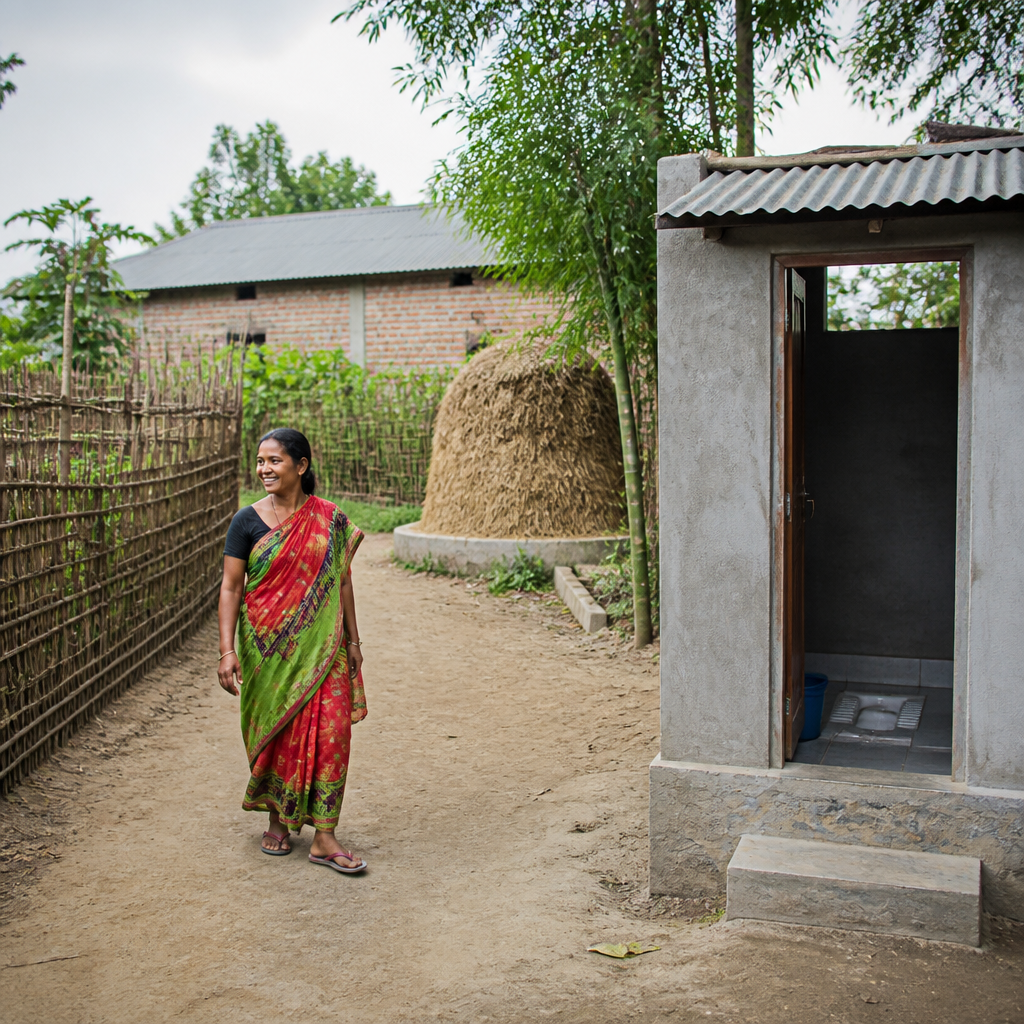
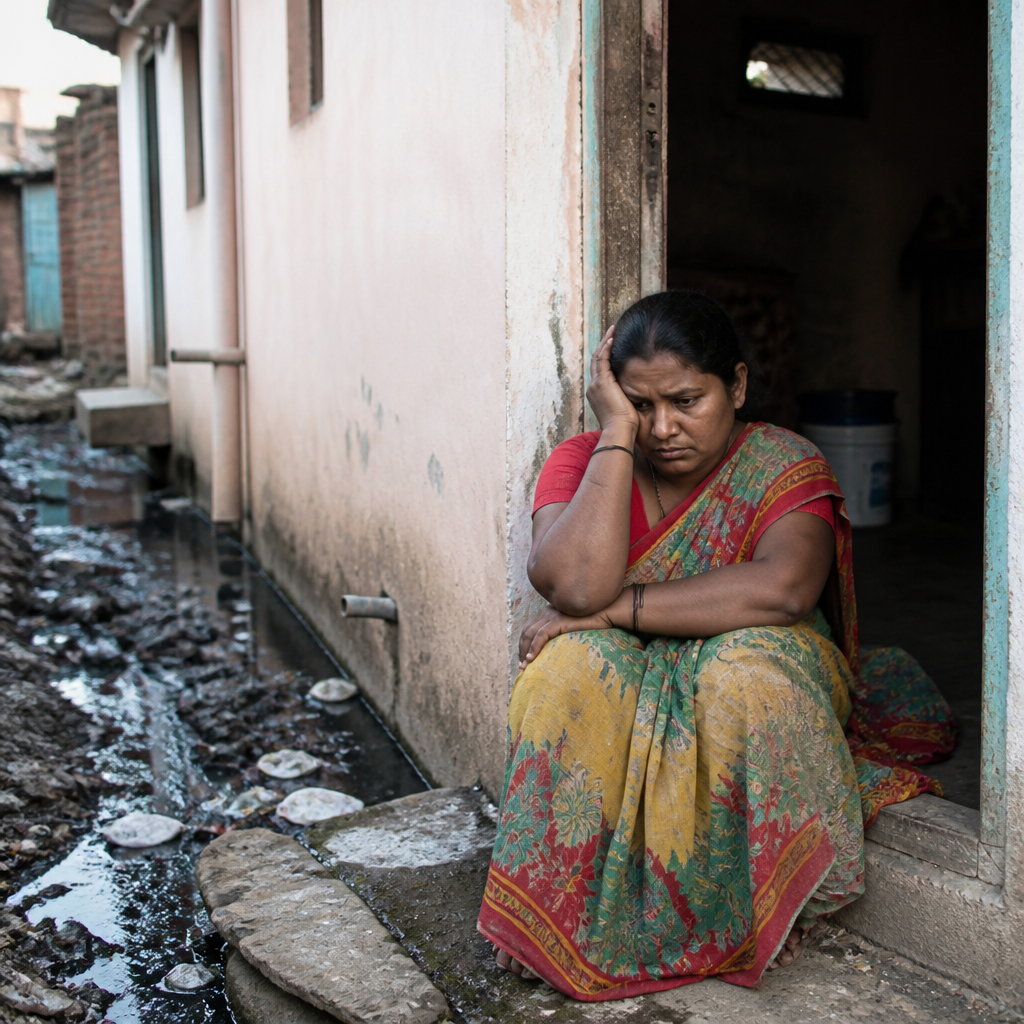
Mitigating health risks in urban sanitation systems starts with one practical truth: people stay healthy only when waste is contained, transported, treated, and reused or disposed of without exposing households, workers, water sources, food, or neighborhoods. In cities, that chain is harder to manage because dense populations generate large waste volumes, drainage networks are often incomplete, and low-income settlements may rely on shared toilets, septic tanks, pit latrines, or container-based services rather than fully sewered infrastructure. When this article refers to EcoSan, it means ecological sanitation approaches that treat human waste as a resource stream while protecting public health through source separation, safe storage, controlled treatment, and responsible reuse. Prioritizing health in EcoSan matters because urban sanitation failure is not only an engineering problem; it is a disease-control issue linked to diarrheal illness, helminth infection, cholera outbreaks, antimicrobial resistance, groundwater contamination, and unsafe worker exposure. Effective urban systems reduce pathogens, interrupt fecal-oral transmission, manage sludge safely, and create conditions where nutrient recovery does not come at the expense of human safety.
In practice, I have seen sanitation projects succeed when teams stop treating toilets as the endpoint and instead map the full service chain from user interface to final treatment. A urine-diverting dry toilet can be hygienic in one settlement and hazardous in another depending on maintenance, handwashing access, storage time, and collection reliability. The same is true for septic tanks, simplified sewers, communal toilet blocks, and fecal sludge transfer stations. Health protection depends on barriers working together: containment, cleaning, vector control, treatment validation, worker protection, and user behavior. Standards from the World Health Organization, ISO 30500 for non-sewered sanitation systems, and sanitation safety planning frameworks all point to the same conclusion: risk must be identified at every stage and reduced systematically. For a Health and Safety hub focused on prioritizing health in EcoSan, the central question is straightforward: how do cities capture the environmental and resource benefits of ecological sanitation without increasing infection risk, odor nuisance, chemical exposure, or inequitable burdens on poorer residents and frontline workers?
Understanding where health risks arise in urban EcoSan systems
Health risks in urban sanitation systems emerge at predictable failure points. The first is user contact with fresh feces, urine, anal cleansing materials, and contaminated surfaces. This commonly happens in poorly cleaned shared toilets, overflowing pits, damaged urine-diversion pedestals, leaking storage containers, and toilets without handwashing stations. The second is environmental release. Pathogens enter drains, streets, groundwater, or surface water when pits flood, septic tanks leak, informal desludging crews dump sludge into waterways, or stormwater mixes with untreated waste. The third is occupational exposure affecting emptiers, treatment plant operators, cleaners, transport crews, and waste sorters. The fourth is unsafe end use, especially when inadequately treated urine or fecal compost is applied to food crops, landscaping, or peri-urban agriculture. A fifth and often overlooked category is indirect risk: missed school for girls due to poor menstrual hygiene support, respiratory strain from ammonia in badly ventilated facilities, and injury from unsafe access stairs, slippery slabs, or nighttime insecurity.
Urban density amplifies all of these hazards. In a rural setting, one failing pit latrine affects one household. In an informal urban settlement, a single blocked communal toilet can expose hundreds of users within days. Space constraints also push technologies beyond their design assumptions. Twin pits may not have enough room for alternating use. Septic tanks are built too small and never desludged. Urine storage tanks are undersized, so partially treated liquid is discharged early. Flood-prone neighborhoods face especially high risk because high groundwater and storm surges can inundate containment systems and spread pathogens rapidly. Cities therefore need hazard mapping that combines topography, groundwater depth, service coverage, toilet type, emptying frequency, and vulnerable populations such as children under five, older adults, and immunocompromised residents. That map becomes the basis for targeted intervention rather than generic sanitation upgrades.
Applying a multiple-barrier approach from toilet to treatment
The most reliable way to mitigate health risks is to use a multiple-barrier approach. No single component makes EcoSan safe. Instead, each stage must reduce exposure so that if one barrier fails, the next still protects public health. At the toilet level, that means surfaces that can be cleaned, lids that reduce flies, separate handwashing with soap, child-friendly interfaces, and clear instructions on what can be deposited. For urine-diverting systems, correct geometry matters because poor separation increases moisture in the feces chamber, slows dehydration, raises odor, and reduces pathogen die-off. For container-based sanitation, sealed removable cartridges can sharply reduce direct contact if collection is frequent and transfer points are controlled. Shared facilities need cleaning schedules, water supply, lighting, and accountability mechanisms; otherwise even technically sound designs deteriorate into high-contact contamination zones.
Containment must be matched by transport and treatment controls. In fecal sludge management, leaks during emptying and hauling are among the biggest public health failures I encounter in city programs. Vacuum trucks with proper hoses, smaller transfer carts for narrow lanes, designated discharge stations, and documented chain-of-custody procedures are more important than glossy toilet construction. Treatment must then achieve verified pathogen reduction. Depending on the system, this may include thermophilic composting, alkaline treatment, dehydration with extended storage, anaerobic digestion followed by post-treatment, constructed wetlands for effluent polishing, or co-treatment at wastewater plants. Safe performance is demonstrated through operating conditions and indicators, not assumptions. Temperature, pH, moisture content, retention time, and helminth egg reduction are practical markers. When municipalities monitor these routinely, EcoSan becomes a controlled public health service rather than an informal waste handling practice.
Design choices that protect users, workers, and communities
Good sanitation design is public health design. In urban EcoSan, small details determine whether a system remains hygienic after six months of daily use. Toilets should have smooth, non-absorbent surfaces, adequate ventilation, privacy, and drainage that does not create standing water where mosquitoes breed. Doors must lock from inside, especially in shared and school settings, because security affects usage and open defecation risk. Handwashing points should be within immediate reach of the exit, supplied with soap, and maintained as part of the sanitation budget rather than treated as optional. For urine-diverting toilets, collection pipes need proper slope and easy cleaning access to prevent struvite buildup, a common cause of blockage. Feces vaults require moisture control, ash or cover material management where appropriate, and a realistic plan for safe emptying with minimal dust generation.
Worker protection deserves equal attention. Sanitation workers face enteric pathogens, sharps, traffic injury, musculoskeletal strain, toxic gases such as hydrogen sulfide, and psychosocial stigma. Basic controls include gloves, boots, masks or respirators for dusty dry systems, eye protection, vaccinations where available, and hand hygiene stations at depots and treatment plants. Confined space entry into septic tanks or sewers should never occur without gas testing, ventilation, retrieval equipment, and permit procedures. Mechanization is not a luxury; it is a health intervention. Small-scale desludging pumps, sealed carts, and hose systems reduce direct contact dramatically. Training must be repeated and tied to supervision, because one induction session does not change unsafe routines formed under pressure to complete many jobs quickly. Cities that formalize worker roles, provide contracts, and enforce disposal rules consistently achieve better health outcomes than cities that rely on informal emergency emptying.
| Sanitation stage | Main health risk | Effective control | Practical example |
|---|---|---|---|
| User interface | Surface contamination and hand-to-mouth exposure | Cleanable slabs, handwashing with soap, regular cleaning | Shared toilet blocks with daily checklists and water supply |
| Containment | Leakage to soil and floodwater | Sealed chambers, raised units in flood zones, routine inspection | Raised urine-diverting toilets in low-lying informal settlements |
| Emptying and transport | Worker contact and illegal dumping | Mechanized emptying, licensed haulers, discharge tracking | GPS-monitored vacuum trucks linked to transfer stations |
| Treatment | Survival of helminths, bacteria, and viruses | Validated temperature, pH, and retention time controls | Composting lines with documented thermophilic phases |
| Reuse or disposal | Crop contamination and public exposure | Application restrictions, storage periods, user guidance | Treated urine used on non-leafy crops with withholding periods |
Safe resource recovery and the limits of reuse
EcoSan is attractive because it can recover nutrients, organic matter, and in some systems energy. Urine contains most of the nitrogen and a significant share of the phosphorus excreted by households, while treated fecal solids can contribute soil carbon. However, health protection must govern all reuse decisions. Fresh excreta is not a fertilizer product; it is a hazardous biological material until treated adequately. Urine is often lower risk than feces, but cross-contamination with fecal matter is common in poorly maintained source-separating toilets, and pharmaceuticals may remain present. Fecal compost can be useful, yet only after processes achieve sufficient pathogen reduction and the product is handled under restrictions suited to local agriculture. This is why crop selection, application technique, and withholding periods matter. Applying treated products to timber, fiber crops, landscaping, or orchards generally poses lower immediate food safety risk than applying them to salad greens eaten raw.
Municipalities and service providers should define reuse categories with clear quality criteria rather than promoting a vague circular economy message. The World Health Organization’s risk-based approach is helpful here because it focuses on actual exposure pathways, not idealized assumptions. If urban farmers use untreated wastewater nearby, introducing partially treated EcoSan outputs may not improve health outcomes unless controls are enforceable. I have found that restricted reuse often works better than unrestricted reuse in cities. For example, dried fecal solids may be directed to co-composting facilities that supply tree nurseries or land rehabilitation projects rather than household vegetable gardens. Urine can be stored and blended for peri-urban non-food crops where application can be supervised. The principle is simple: the safer the treatment evidence and the lower the exposure potential, the wider the reuse options. When either condition is weak, disposal or tightly controlled non-food use is the responsible choice.
Governance, monitoring, and behavior change in dense urban settings
Urban sanitation health protection fails when governance is fragmented. One agency builds toilets, another manages drains, another licenses haulers, and no one owns outcomes across the full chain. A health-centered EcoSan program needs defined responsibilities, service standards, and financing for operations, not just capital construction. Citywide inclusive sanitation principles are useful because they force planners to account for every resident and every sanitation pathway, including non-sewered systems. Monitoring should track both infrastructure performance and health protection indicators: toilet functionality, overflow incidents, desludging response time, worker injuries, illegal dumping reports, treatment log compliance, and water quality near high-risk zones. Digital tools can help. Utilities increasingly use GIS asset mapping, mobile maintenance tickets, QR-coded service records, and laboratory dashboards to detect failures before they become outbreaks.
Behavior change is the other half of the equation. Even well-designed EcoSan systems can become unsafe if users do not understand separation rules, cover material use, child feces disposal, handwashing, or how to report a full container. Communication works best when it is specific and repeated. Telling residents to “use the toilet properly” is ineffective; showing exactly where urine goes, why trash blocks diversion pedestals, when the chamber will be serviced, and what to do if odor appears is far more useful. Schools, landlords, resident committees, and employers all influence compliance in urban settings. So do incentives. Reduced tariffs for proper service registration, penalties for illegal discharge, and public procurement standards for treatment products can shift system behavior. The hub topic of prioritizing health in EcoSan ultimately comes down to discipline: design for safety, operate to standard, verify treatment, protect workers, and never assume a technology is safe merely because it is ecological.
Mitigating health risks in urban sanitation systems requires cities to think beyond toilets and manage the entire sanitation chain as a public health service. The strongest EcoSan programs combine safe user interfaces, dependable collection, verified treatment, controlled reuse, and worker protection backed by clear governance. They recognize that dense settlements, flooding, weak maintenance, and informal service gaps create exposure pathways that can undo good intentions quickly. They also recognize that resource recovery is worthwhile only when pathogen reduction and exposure control are demonstrable, monitored, and enforceable. This balanced approach protects households while preserving the environmental benefits that make ecological sanitation attractive in the first place.
For practitioners, the practical takeaway is clear. Start with risk mapping, identify the points where people and waste come into contact, and build multiple barriers at each stage. Specify cleaning, emptying, transport, treatment, and reuse rules in operational terms. Equip and formalize sanitation workers. Monitor the indicators that reveal failure early, especially leaks, overflows, handwashing availability, and treatment conditions. If you are building a broader Health and Safety content program, use this hub as the foundation for deeper guidance on fecal sludge management, occupational safety, source-separating toilet maintenance, treatment validation, and safe agricultural reuse. Prioritize health first, and every other EcoSan benefit becomes more durable.
Frequently Asked Questions
1. What are the main health risks in urban sanitation systems?
The main health risks arise when human waste is not safely contained and kept away from people, drinking water, food, and public spaces. In urban areas, these risks are amplified by high population density, aging or incomplete sewer and drainage networks, and the widespread use of shared toilets, septic tanks, pit latrines, and other on-site systems in informal or low-income settlements. When sanitation fails at any point in the service chain, pathogens can spread through direct contact, contaminated water, flooded streets, soil, flies, and food handling surfaces.
Common health outcomes include diarrheal disease, cholera, typhoid, hepatitis A and E, intestinal worm infections, and skin or eye infections linked to poor hygiene and wastewater exposure. Children, older adults, pregnant women, and people with weakened immune systems are especially vulnerable. There are also important occupational risks for sanitation workers, who may face exposure to infectious waste, toxic gases, sharp objects, and unsafe confined spaces during pit emptying, sewer maintenance, and waste transport.
Another overlooked risk is the indirect public health impact of poorly managed wastewater and fecal sludge entering drainage channels, rivers, or shallow groundwater. This contamination can affect whole neighborhoods, especially where households depend on nearby wells, urban agriculture, or street food economies. In practical terms, the biggest health threat is not simply the presence of waste, but breaks in safe management from the toilet all the way to treatment and final reuse or disposal.
2. Why is sanitation management more difficult in dense urban areas?
Urban sanitation is more difficult because cities concentrate people, buildings, waste streams, and infrastructure problems into small spaces. A single system failure can expose many households very quickly. In dense neighborhoods, toilets may be shared by dozens of users, septic tanks may fill faster than expected, access roads for emptying trucks may be too narrow, and drainage channels may carry both stormwater and waste during heavy rain. These conditions make safe containment and transport much harder than in less crowded settings.
Many cities also have mixed sanitation arrangements rather than one uniform system. A central business district may be sewered, while nearby settlements rely on pits, tanks, communal toilets, or container-based services. That means public health protection depends on managing several service models at once, each with different risks, maintenance needs, and regulatory challenges. In practice, disease prevention requires coordination across households, service providers, utilities, municipalities, and treatment operators.
Rapid urban growth adds pressure. Population expansion often outpaces investments in sewers, treatment plants, roads, drainage, and formal waste collection. Informal settlements may emerge in flood-prone or hard-to-service areas where sanitation access is weakest. When rainfall, flooding, or power failures disrupt already fragile systems, untreated waste can spread quickly through homes, compounds, and public pathways. That is why urban sanitation must be planned as a citywide public health service, not just as a toilet installation issue.
3. How can cities reduce disease transmission across the entire sanitation chain?
Cities reduce disease transmission by treating sanitation as a full service chain: safe containment at the household or facility level, regular and hygienic emptying or conveyance, protected transport, effective treatment, and safe reuse or disposal. If even one link fails, exposure can occur. For example, a well-built toilet does not protect health if the pit overflows, if sludge is dumped into a drain, or if treatment plants do not function properly. The goal is to minimize contact between people and waste at every stage.
At the containment stage, this means using toilets and storage systems that are designed for local conditions, including water availability, soil type, groundwater level, flood risk, and user numbers. Shared and communal toilets should be cleaned frequently, designed for easy maintenance, well lit, accessible, and linked to a dependable waste removal plan. For on-site systems such as septic tanks and pit latrines, scheduled desludging is often safer than waiting for overflows or emergencies.
During emptying and transport, cities need trained operators, licensed service providers, sealed equipment, and designated discharge points. Worker protection is essential, including gloves, boots, masks or face shields where appropriate, vaccinations, hygiene stations, and strict limits on manual entry into confined spaces. At the treatment stage, plants must be sized, funded, and monitored so they actually remove pathogens and contaminants rather than simply shifting pollution downstream.
Public education is also part of disease prevention. Households need clear guidance on toilet use, handwashing, what not to dump into pits or sewers, and when to request emptying services. Strong regulation, service oversight, and routine monitoring of water quality, sludge flows, and treatment performance help cities identify risks early. The most effective approach combines infrastructure, operations, worker safety, environmental controls, and community behavior change into one coordinated system.
4. What role do shared toilets, septic tanks, pit latrines, and container-based systems play in safer urban sanitation?
These systems play a major role because in many cities they are the reality for millions of residents, especially in low-income and informal settlements where full sewer connections are not yet available. From a public health standpoint, the key question is not whether a system is sewered or non-sewered, but whether it safely contains waste and connects to reliable collection, transport, treatment, and final disposal or reuse. Well-managed non-sewered systems can significantly reduce exposure when they are properly designed, maintained, and serviced.
Shared toilets can be a practical solution in crowded areas when individual household toilets are not feasible. However, they only protect health when responsibilities for cleaning, water supply, lighting, access control, repairs, and sludge removal are clearly assigned. Poorly managed shared toilets often become hotspots for fecal contamination, user avoidance, and open defecation. Good management can make them much safer, more dignified, and more acceptable for women, children, older adults, and people with disabilities.
Septic tanks and pit latrines are common urban containment systems, but they need proper siting, construction, and emptying. Tanks that are undersized, leaking, or connected incorrectly can contaminate nearby drains and groundwater. Pit latrines in flood-prone areas may overflow or collapse, creating serious health risks. Container-based sanitation can be especially useful in dense, hard-to-reach settlements because it allows waste to be sealed and collected regularly without extensive excavation or sewer infrastructure. Its success depends on dependable collection schedules, safe handling, and downstream treatment.
In short, these systems are not temporary public health failures by definition. They can be part of a safe urban sanitation strategy when cities regulate them, support professional service delivery, monitor performance, and ensure that waste is never abandoned between the toilet and treatment stage.
5. What should city leaders prioritize first to mitigate health risks in urban sanitation systems?
City leaders should first identify where people are being exposed today and act on the highest-risk failures in the sanitation chain. That usually means mapping underserved neighborhoods, flood-prone zones, broken sewer segments, illegal discharge points, overloaded treatment facilities, and communities dependent on unsafe shared or on-site sanitation. Without this kind of practical risk mapping, investments may go to visible infrastructure while the most dangerous exposure pathways remain unchanged.
The next priority is to establish reliable service delivery, especially for neighborhoods using septic tanks, pit latrines, communal toilets, and other non-sewered solutions. This includes formalizing emptying services, licensing operators, setting service standards, improving road and transfer access where possible, and ensuring that collected waste has a legal, affordable place to go for treatment. If households cannot access affordable safe emptying, unsafe dumping will continue regardless of policy.
Worker safety should be treated as a frontline public health issue, not a side concern. Cities should enforce occupational health protocols, prevent hazardous manual emptying practices, provide training and protective equipment, and improve emergency response for sanitation operations. Protecting workers reduces disease transmission, improves service quality, and supports a more professional sanitation sector overall.
Finally, leaders should invest in systems that last: treatment capacity, drainage coordination, routine maintenance budgets, public health surveillance, and communication with communities. The strongest sanitation programs are not built on one-time construction projects alone. They are built on governance, financing, monitoring, and accountability that keep waste safely managed every day. When city leaders focus on continuous safe service rather than isolated facilities, health risks decline much more sustainably.