Safe fecal sludge management is the backbone of healthy ecological sanitation systems because every toilet, vault, pit, and storage container eventually produces waste that must be contained, treated, moved, and reused or disposed of without exposing people or the environment to disease. In EcoSan, fecal sludge management refers to the full chain of actions that handle human excreta after it leaves the user: containment, collection, storage, treatment, transport, final use, and monitoring. The term includes sludge from pit latrines, septic tanks, urine-diverting dry toilets, composting toilets, dehydration vaults, and other onsite sanitation technologies. When this chain breaks at any point, the health gains promised by ecological sanitation disappear quickly. I have seen systems praised as sustainable fail because operators focused on nutrient recovery but neglected hand hygiene, pathogen die-off times, airflow, or safe emptying procedures. The result can be direct infection, contamination of water supplies, fly breeding, odor complaints, and community distrust.
Prioritizing health in EcoSan matters because fecal sludge can contain bacteria such as Escherichia coli and Vibrio cholerae, viruses including rotavirus and hepatitis A, protozoa such as Giardia, and helminth eggs, especially Ascaris lumbricoides, which are notably persistent in the environment. The World Health Organization sanitation safety planning approach and the broader multiple-barrier principle both make the same point: one control measure is never enough. Safe management depends on layered protections from the toilet interface to the final field application. This hub article explains the practical best practices for safe fecal sludge management in EcoSan, with emphasis on hazard identification, system design, worker protection, treatment performance, transport controls, reuse standards, and long-term monitoring. It is designed to answer the key questions practitioners, site managers, municipalities, NGOs, and property owners ask when building or upgrading an EcoSan program that protects public health.
Understand the health hazards across the sanitation chain
The first best practice is to map the sanitation chain and identify where exposure can occur. In EcoSan, health risks are not confined to toilet users. The highest-risk groups often include children playing near pits or vaults, cleaners, desludging workers, transport crews, compost handlers, nearby farmers, and households using shallow wells. Exposure pathways are straightforward: hands, flies, food, soil, water, aerosols during emptying, and direct skin contact. A proper risk assessment asks who is exposed, to what hazard, for how long, and through which route. It also distinguishes between acute hazards, such as splash exposure during pumping, and chronic hazards, such as nitrate pollution or repeated contact with partially treated material.
Different pathogens behave differently, so treatment and handling rules must reflect that reality. Helminth eggs are often the limiting pathogen for reuse because they survive longer than many bacteria and viruses. Moisture content, temperature, pH, ammonia concentration, and storage duration all affect inactivation rates. For example, dehydration in urine-diverting dry toilets can significantly reduce bacterial survival, but if vaults remain damp, pathogen persistence increases. Septic sludge with high moisture and low oxygen behaves differently from dried vault contents. A common mistake is treating all fecal sludge as interchangeable. It is not. Source, consistency, storage history, and contamination with graywater or solid waste all change the hazard profile and the choice of safe treatment method.
Design EcoSan systems to separate, contain, and control
Good health outcomes begin with system design. The safest EcoSan installations separate waste streams where practical, keep feces dry when the design depends on dehydration, and prevent leakage to soil and groundwater. Urine-diverting toilets should have clearly shaped pans or pedestals, sufficient slope in urine pipes, and access points for routine cleaning because scaling and blockages can cause cross-contamination. Feces vaults need weather protection, insect screening for vents, sealed access doors, and enough volume to allow alternating use and storage. Where composting systems are used, the design must support aeration, leachate control, and a controlled carbon-to-nitrogen balance rather than relying on decomposition by chance.
Siting is equally important. Toilets, pits, and treatment areas should be located with attention to flood levels, seasonal groundwater rise, and down-gradient drinking water sources. In practice, I look for signs of poor siting before anything else: ponding around the structure, cracked vault walls, missing slabs, and unlined pits close to wells. These defects are not cosmetic; they are pathways for pathogens to leave containment. Design should also make safe maintenance easy. If workers need to improvise with buckets because access hatches are too small for equipment, exposure risk rises immediately. A safe system is one that assumes routine maintenance will happen under real field conditions, by real workers, with finite budgets and variable training.
Operate toilets and storage units with strict hygiene routines
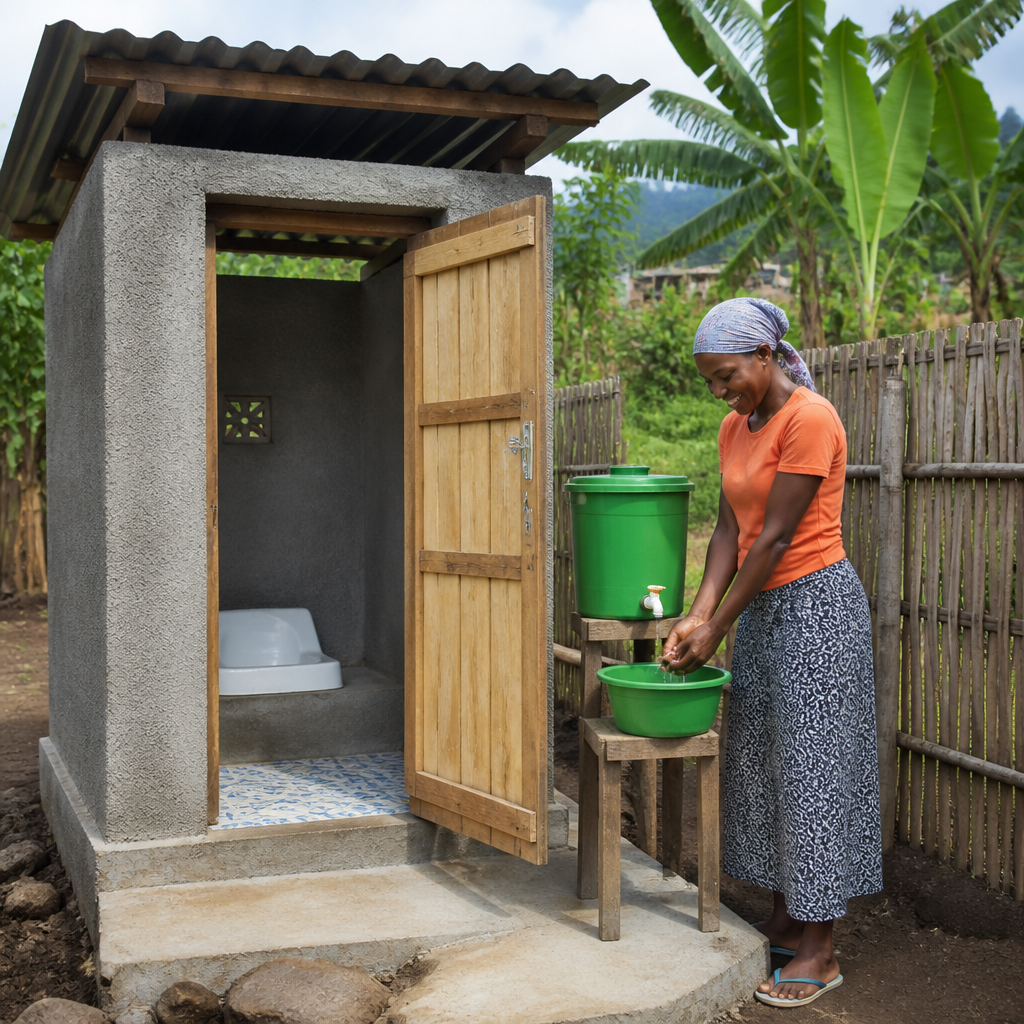
Even a well-designed EcoSan toilet can become unsafe if daily operation is poor. Users need simple instructions: add the correct dry cover material after defecation when required, keep urine and feces separated, never pour large amounts of wash water into dehydration vaults unless the design allows it, and wash hands with soap after use. Facilities must provide those basics consistently. Cover materials such as ash, lime, sawdust, or dry soil can reduce odor, discourage flies, and improve handling, but each has tradeoffs. Ash raises pH, sawdust improves carbon balance, and lime can aid disinfection, yet excessive use may hinder later processing or cause dust irritation. Site managers should choose materials based on local supply, user acceptance, and treatment objectives.
Cleaning protocols should define who cleans, how often, with what products, and where cleaning wastewater goes. High-touch surfaces deserve special attention because they transmit enteric pathogens efficiently when hand hygiene is weak. Storage units need scheduled inspections for moisture intrusion, fly activity, structural damage, and filling levels. Overflow is a preventable failure, not an unavoidable accident. Facilities serving schools, markets, camps, or multi-family compounds should keep written logs for cleaning, consumables, vault rotation dates, and maintenance events. Those records create accountability and help identify recurring breakdowns, such as urine line blockages every rainy season or inadequate cover material stocks during peak use periods.
Protect sanitation workers during emptying and transport
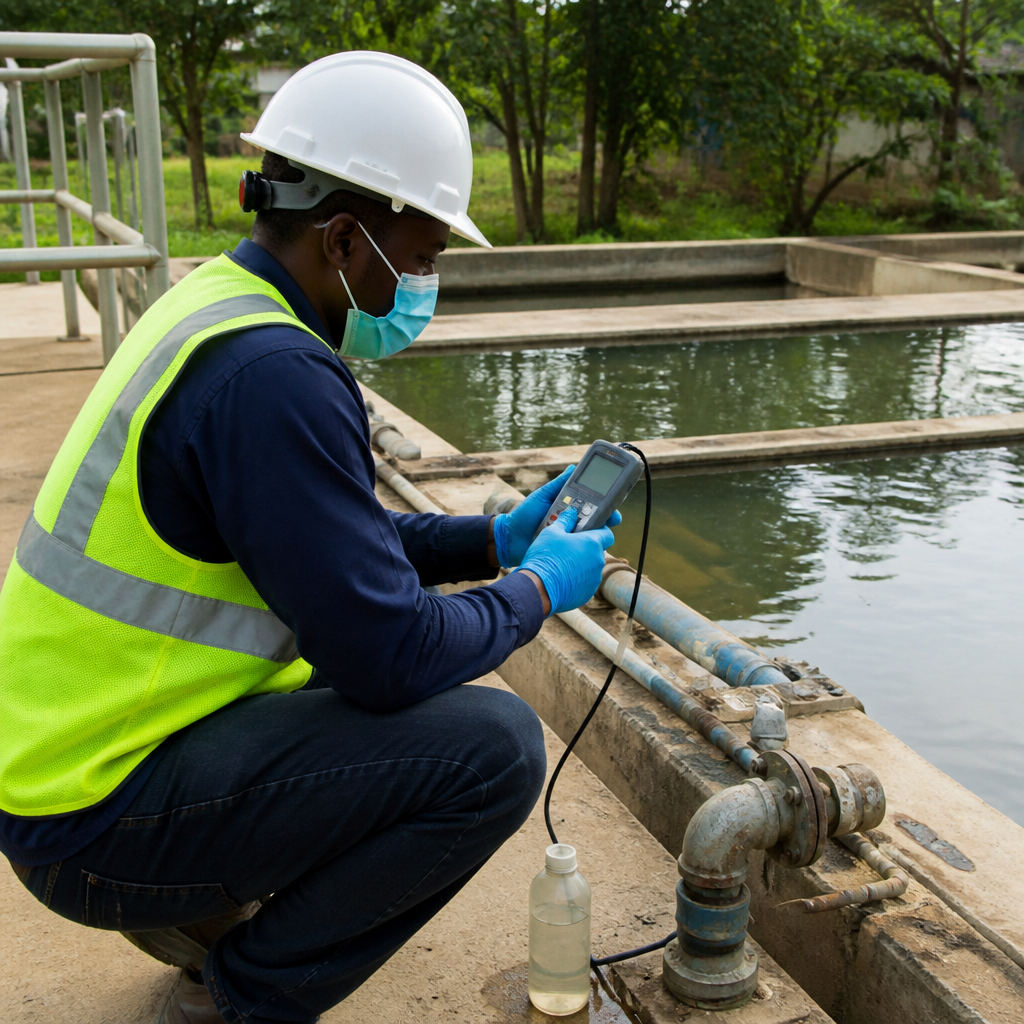
Worker safety is the clearest test of whether health is truly being prioritized in EcoSan. Emptying fecal sludge is inherently hazardous, and informal practices still expose workers to splashes, needlestick injuries, toxic gases, falls, and musculoskeletal strain. Best practice starts with eliminating unnecessary direct contact. Use pumps, carts, sealed containers, dedicated hand tools, and purpose-built access hatches whenever possible. Personal protective equipment should include heavy-duty gloves, boots, coveralls or aprons, eye protection, and masks appropriate to the task and dust level. PPE alone is not enough; workers also need training in donning, doffing, cleaning, and replacement.
Confined spaces deserve special caution. Septic tanks and enclosed chambers can contain hydrogen sulfide, methane, and oxygen-deficient atmospheres. No worker should enter without a confined-space procedure, atmospheric testing, ventilation, rescue planning, and supervision. In many low-resource settings, entry can and should be avoided entirely through equipment selection and design. Hygiene after the job matters as much as protection during the job. Employers should provide handwashing stations, showers where feasible, decontamination points for tools, tetanus and hepatitis vaccinations when available, and clear reporting channels for injuries or exposure incidents. Decent working conditions are not optional extras. They reduce absenteeism, improve retention, and materially lower disease risk across the entire fecal sludge management service chain.
Choose treatment methods that achieve real pathogen reduction
Treatment is the decisive barrier between hazardous waste and safer end products. For EcoSan systems, the right method depends on sludge characteristics, climate, land availability, budget, and intended reuse. Storage alone can reduce pathogens if conditions are dry, alkaline, and prolonged, but storage should never be assumed effective without clear operating rules. Composting can work well when temperatures, aeration, moisture, and carbon inputs are controlled. Thermophilic composting is especially valuable because sustained high temperatures accelerate pathogen die-off, although uniform heating is often harder to achieve in full-scale piles than in pilot projects. Alkaline treatment with lime can inactivate many pathogens quickly by raising pH, while drying beds, planted drying beds, co-composting, and waste stabilization ponds may suit mixed municipal programs.
| Method | Main control mechanism | Key strength | Main limitation |
|---|---|---|---|
| Dehydration and storage | Low moisture, time, elevated pH | Low operating complexity | Performance drops if contents stay wet |
| Thermophilic composting | Heat, microbial activity, time | Good for producing soil amendment | Requires careful mixing and monitoring |
| Lime treatment | High pH and ammonia effects | Rapid pathogen reduction | Needs chemical supply and safe handling |
| Drying beds | Drainage, evaporation, sunlight | Simple and scalable | Needs land and climate support |
| Co-treatment at wastewater plant | Integrated sludge processing | Uses existing infrastructure | Transport logistics can be difficult |
Verification is essential. Temperature logs, moisture checks, pH measurements, and retention time records are basic process controls. Where resources allow, laboratory testing for indicator organisms or helminth eggs provides stronger assurance. The main point is simple: treatment claims must match measured conditions, not assumptions. If a site says material is safe after six months, operators should be able to explain why that period is appropriate for that technology, climate, and loading pattern.
Manage reuse with a multiple-barrier approach
EcoSan often aims to recover nutrients and organic matter, but reuse must follow strict controls. The safest approach is to treat the end product, restrict crop types when needed, use application methods that minimize contact, and enforce waiting periods before harvest. For example, applying treated biosolids to orchards, timber lots, or soil improvement projects generally carries lower direct exposure risk than using them on salad crops eaten raw. Subsurface incorporation is safer than surface broadcasting because it limits aerosol generation, odor, runoff, and human contact. Farmers and landscapers also need training on storage, application rates, weather timing, and cleaning of tools and vehicles.
Nutrient value should never distract from contamination risk. Over-application can cause runoff, phosphorus buildup, nitrate leaching, and reputational damage for the entire EcoSan initiative. Simple agronomic planning helps: test the product where possible, estimate nitrogen and phosphorus content, match application to crop demand, and avoid spreading before heavy rain. I have seen reuse programs succeed when they treat end users as professional partners rather than passive recipients. Clear labels, delivery records, and field-level guidance build confidence. If treatment quality is uncertain, a conservative reuse route or disposal option is the responsible choice.
Monitor performance, document incidents, and build community trust
Long-term safety depends on monitoring, not one-time installation. Every EcoSan program should track operational indicators, health protection measures, and user feedback. Useful indicators include fill rates, moisture levels, emptying intervals, PPE compliance, equipment downtime, fly complaints, overflow incidents, and treatment batch records. More advanced programs add groundwater surveillance, effluent quality checks, and periodic testing of treated solids. When failures occur, incident reporting should be immediate and practical. A blocked urine line, a torn glove stockout, or an overflow during transport may look minor, but each reveals a gap that can be corrected before it becomes a public health event.
Community communication is part of risk management. People support EcoSan when they understand how the system works, what protections are in place, and what to do if they observe a problem. Facilities should display contact information for maintenance requests and provide concise guidance on proper use. Schools and communal sites benefit from refresher sessions because turnover and behavior drift are normal. Trust also depends on honesty about limitations. Some contexts lack enough dry cover material, suitable land for treatment, or reliable service access during floods. In those places, hybrid solutions or more conventional containment may be safer than forcing an EcoSan model that the local system cannot support.
Best practices for safe fecal sludge management come down to disciplined control of every link in the chain: sound design, reliable containment, hygienic daily operation, protected workers, verified treatment, cautious reuse, and continuous monitoring. Prioritizing health in EcoSan means recognizing that sustainability is not only about recycling nutrients or reducing water use. It is about preventing exposure to pathogens and preserving dignity for users, workers, and neighboring communities. The strongest EcoSan programs are the ones that make safety visible in ordinary details: accessible handwashing, sealed vaults, written maintenance logs, calibrated treatment steps, and realistic emergency procedures.
If you are building this Health and Safety hub, use it as the foundation for your related articles on toilet operation, worker protection, compost safety, reuse standards, and sanitation risk assessment. Review your current system against the practices outlined here, identify the weakest control point, and fix that first. Safe fecal sludge management is achievable, but only when health protection drives every design and operating decision.
Frequently Asked Questions
What is fecal sludge management, and why is it so important in ecological sanitation systems?
Fecal sludge management is the complete set of practices used to safely contain, collect, store, transport, treat, reuse, or dispose of human excreta after it leaves a toilet, pit, vault, or storage chamber. In ecological sanitation systems, this is not a secondary issue—it is the core public health function that determines whether the system actually protects people and the environment. Every sanitation technology eventually produces waste that must be managed. If that waste is not handled properly at each step, pathogens can spread through soil, water, food, insects, hands, tools, and direct human contact.
Safe fecal sludge management matters because it breaks the chain of disease transmission. Good practices reduce the risk of diarrheal disease, helminth infections, groundwater contamination, foul odors, and unsafe exposure for households, workers, and nearby communities. It also supports the long-term sustainability of EcoSan systems by making sure toilets remain usable, storage areas do not overflow, treatment processes are effective, and any end products are safe for agricultural reuse or final disposal. In other words, even the best-designed toilet can become a health hazard if the sludge management chain fails. A truly safe system looks at the whole process from containment all the way to monitoring and verification.
What are the best practices for safe containment, collection, and storage of fecal sludge?
Best practice starts with secure containment. Toilets, pits, vaults, and storage containers should be designed to prevent leaks, overflow, and unwanted contact with people, animals, stormwater, and groundwater. Containment units should be structurally sound, easy to access for maintenance, and located with appropriate setbacks from wells, surface water, and flood-prone areas. Where source-separating or dehydrating EcoSan systems are used, urine and feces should be managed according to the design intent, and users should receive clear instructions so the system performs properly over time.
Collection should always be planned before the system fills up. Waiting until a pit or vault is overflowing creates unnecessary exposure risks and makes removal more difficult. A regular emptying schedule, clear assignment of responsibilities, and safe access points for workers are all essential. During collection, workers should use appropriate personal protective equipment such as gloves, masks, boots, eye protection, and protective clothing. Tools and containers should be dedicated to sludge handling where possible, easy to disinfect, and designed to minimize splashing and spillage. Manual handling should be reduced whenever safer mechanical options are available.
Storage practices are equally important. If sludge is stored before treatment or transport, it should be kept in covered, clearly marked, leak-proof containers or chambers that limit odors, pests, and accidental access. Storage areas should have drainage control so rainwater does not enter and contaminated liquids do not escape. Facilities should also keep handwashing supplies, cleaning materials, and emergency spill response measures nearby. Good records—such as dates of emptying, estimated volumes, treatment status, and destination—help ensure that the material moves through the sanitation chain safely and does not get lost, dumped, or reused prematurely.
How can fecal sludge be transported and treated safely without putting workers or the environment at risk?
Safe transport begins with minimizing exposure at the point of loading and throughout the trip. Sludge should be transferred using sealed or tightly covered containers, lined carts, vacuum equipment, or other methods that prevent leaks, spills, and aerosolization. Transport vehicles and containers should be maintained regularly, cleaned after use, and routed in a way that reduces travel through sensitive public areas when possible. Any transfer points should be managed carefully, because these are common locations for accidental spills and contamination. Workers involved in loading, transport, and unloading should be trained not just in equipment use, but also in hygiene, spill control, and emergency procedures.
Treatment is what turns hazardous waste into a safer material for reuse or disposal, so it should never be skipped. The right treatment method depends on the sludge characteristics, climate, available land, budget, end-use goals, and local regulations. Common approaches include drying, composting, alkaline treatment, storage for pathogen die-off, planted drying beds, anaerobic digestion, and co-treatment at larger treatment facilities. The key principle is that treatment must be sufficient to reduce pathogens and stabilize the material before final use or release into the environment.
Operational discipline is crucial. Treatment units should be monitored for retention time, moisture, temperature, pH, loading rates, and signs of system failure. Inadequately treated sludge can still contain dangerous bacteria, viruses, protozoa, and parasite eggs, so assumptions should never replace verification. Facilities should also manage by-products such as leachate, runoff, or wash water so contamination is not simply shifted from solids to liquids. Safe fecal sludge transport and treatment protect workers, nearby residents, downstream water users, and anyone who might come into contact with the final product.
Is it safe to reuse treated fecal sludge in agriculture or landscaping?
Yes, treated fecal sludge can be reused beneficially, but only when treatment is adequate, handling is controlled, and the intended use matches the level of treatment achieved. One of the goals of ecological sanitation is resource recovery, including the return of nutrients and organic matter to soils. However, reuse is only safe when public health comes first. Untreated or poorly treated sludge should never be applied to crops, gardens, or land areas where people may be exposed.
Before reuse, the material should be treated long enough and well enough to significantly reduce pathogens and improve stability. Depending on the treatment process, this may involve composting under controlled conditions, extended storage, drying, alkaline treatment, or another validated approach. Local or national guidelines should be followed whenever available, especially regarding crop restrictions, waiting periods, application methods, and worker protection. In many cases, safer reuse options include application to trees, non-food crops, soil restoration projects, or land rehabilitation, particularly when treatment performance is uncertain.
Even after treatment, good agricultural hygiene still matters. Applicators should use protective gear, avoid direct skin contact, prevent runoff into water sources, and wash thoroughly after handling. Application rates should be based on soil needs and nutrient management principles rather than convenience. Overapplication can damage soils, create odor issues, and increase the risk of pollution. The most responsible approach is to view reuse as a managed process, not just a disposal shortcut. When done correctly, reuse can support circular sanitation goals while protecting human health and environmental quality.
What kind of monitoring, training, and safety procedures are needed for long-term fecal sludge management success?
Long-term success depends on routine monitoring, practical training, and a strong safety culture across the entire sanitation chain. Monitoring should cover infrastructure condition, fill levels, emptying frequency, treatment performance, transport records, worker safety practices, spill incidents, and final use or disposal outcomes. Facilities and service providers should track whether pits or vaults are being emptied on time, whether treatment units are functioning as intended, and whether end products meet the standards or performance targets required for their final destination. Regular inspections help identify small problems—like cracks, standing water, poor drainage, or missing covers—before they become serious health hazards.
Training is just as important as infrastructure. Household users need simple instructions on correct toilet use, what not to add to the system, and when to request emptying or maintenance. Operators and sanitation workers need more advanced training on hazard recognition, protective equipment, safe lifting and handling, equipment operation, disinfection, first aid, and what to do during spills or accidental exposure. Supervisors should reinforce procedures consistently, because even good systems become unsafe when shortcuts are normalized. Access to vaccinations, handwashing stations, changing areas, and clean water for workers should be considered part of basic occupational protection, not optional extras.
Strong safety procedures tie everything together. Every fecal sludge management service should have clear protocols for personal hygiene, equipment cleaning, restricted access, incident reporting, and emergency response. Records should be kept and reviewed so trends can be addressed early. Community communication also matters: when households understand how the service works and why safety steps are necessary, compliance improves and stigma often decreases. In the end, the safest fecal sludge management systems are the ones that combine sound engineering, consistent operations, trained personnel, and ongoing oversight rather than relying on one-time construction alone.