Promoting handwashing and hygiene in EcoSan projects is one of the most effective ways to protect public health, increase user confidence, and make ecological sanitation systems work as intended. In EcoSan, or ecological sanitation, human waste is treated as a resource that can be safely transformed into compost, urine fertilizer, or soil amendments instead of being flushed away as a problem. That shift creates important environmental benefits, including water conservation, nutrient recovery, and lower dependence on centralized sewer infrastructure. It also changes the hygiene demands placed on households, schools, farms, and community operators. When people handle containers, cover material, urine diversion components, composting chambers, and shared touch surfaces, hand hygiene becomes a frontline barrier against disease transmission.
I have seen well-built EcoSan systems fail socially not because the design was unsound, but because users felt uncertain about cleanliness, odor control, and daily maintenance. The reverse is also true: modest systems earn strong acceptance when project teams make hygiene visible, simple, and routine. This is why prioritizing health in EcoSan means more than adding a handwashing station near a toilet. It requires a complete hygiene chain that begins with toilet design, continues through user behavior, and extends to operation, maintenance, waste handling, cleaning, and reuse practices. If any link in that chain is weak, pathogens can move from feces to hands, surfaces, food, water, or soil.
Handwashing with soap remains a cornerstone because it interrupts fecal-oral transmission. According to long-established public health guidance from the World Health Organization and UNICEF, critical moments include after toilet use, after cleaning a child, before preparing food, before eating, and after handling waste. In EcoSan settings, additional moments matter: after adding cover material, after emptying vaults or containers, after touching urine pipes or taps, and after cleaning shared facilities. A health-centered EcoSan project therefore combines hardware, behavior change, training, monitoring, and clear maintenance responsibilities. This article serves as the hub for prioritizing health in EcoSan, bringing together the essential principles, practical standards, and field-tested measures that reduce risk while supporting long-term adoption.
Why handwashing is central to health in EcoSan
Handwashing is central to health in EcoSan because most sanitation-related infections spread through contaminated hands, surfaces, food, and water rather than through direct contact with waste alone. Fecal pathogens include bacteria such as E. coli and Shigella, viruses such as rotavirus and norovirus, and parasites including Ascaris and Giardia. Even when an EcoSan toilet successfully separates urine and feces, users still interact with lids, doors, scoops, ash buckets, anal cleansing materials, child potties, and cleaning tools. Without reliable handwashing, these contact points can bridge the gap between a technically sound system and preventable illness.
In practice, the most successful EcoSan projects treat handwashing as part of the core toilet package, not an optional add-on. A station should be located immediately outside or inside the facility, stocked consistently with water and soap, and designed for the local context. In water-scarce areas, I have found tippy taps, low-flow taps, and small storage containers more durable than oversized basins that quickly run dry or become stagnant. In schools, group handwashing facilities with several taps reduce queues and increase actual use. In flood-prone sites, raised platforms and protected drainage prevent muddy conditions that discourage handwashing.
Direct answers to common project questions are straightforward. Does ash replace soap for handwashing? No. Ash may be used in some emergencies, but soap is more reliable for removing grease and microbes from hands. Is rinsing with water enough after using an EcoSan toilet? No. Water alone does not adequately remove contamination. Should operators wear gloves instead of washing hands? No. Gloves reduce exposure during specific tasks, but handwashing is still required before and after glove use. These points must be stated clearly during user training because assumptions about cleanliness differ widely between households and communities.
Designing EcoSan systems for safer hygiene behavior
Good hygiene starts with design choices that make the safe action the easy action. A user should be able to enter, use, clean, and exit an EcoSan toilet without touching unnecessary surfaces or improvising basic steps. That means stable flooring, adequate lighting, secure door latches, intuitive urine diversion pans, reachable anal cleansing water where culturally appropriate, a covered container for dry cleansing materials, and a handwashing point placed exactly where it will be used. If the soap is stored too far away, if the path is dark, or if wastewater from handwashing pools at the entrance, compliance drops quickly.
Ventilation and moisture control are also hygiene features, not just comfort upgrades. Dry feces in urine-diverting dry toilets decompose more safely and smell less, which improves user acceptance and lowers fly breeding. Vault access doors must seal properly. Urine pipes need adequate slope to prevent blockages and backflow. Surfaces should be smooth enough to clean but not slippery. In communal or institutional facilities, color coding helps users distinguish urine collection, feces chambers, ash or sawdust addition, and handwashing functions. Simple graphics often outperform text-only signage, especially in multilingual settings.
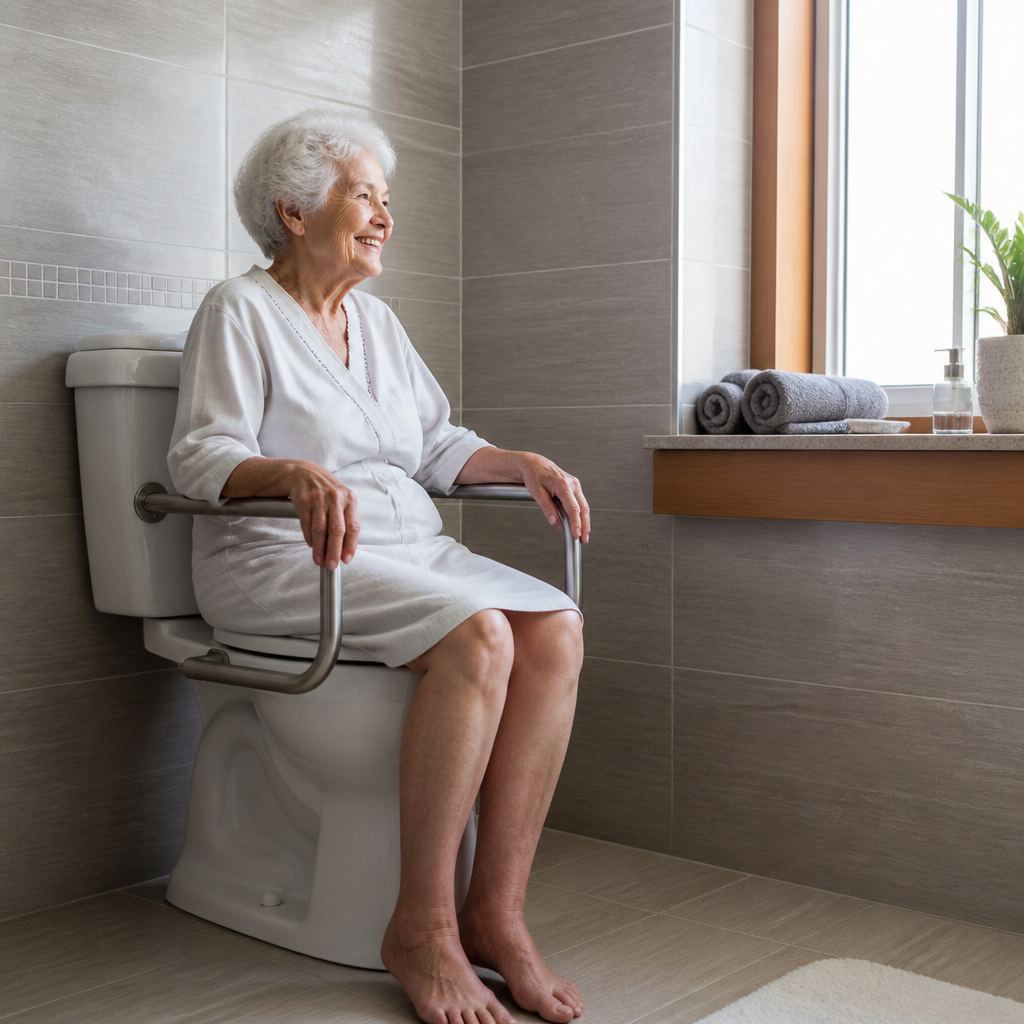
Accessibility is another health issue. When children, older adults, or people with disabilities struggle to use an EcoSan toilet, they may avoid it, use it incorrectly, or skip handwashing. Support rails, child-friendly seats, step platforms, and reachable taps improve both dignity and infection prevention. Menstrual hygiene needs must also be built into the design through privacy, water access, bins where appropriate, and cleaning materials. Facilities that ignore these realities are often underused, and underused toilets do not deliver public health gains.
Critical hygiene practices across the full sanitation chain
EcoSan hygiene does not stop at the toilet door. It extends across the full sanitation chain from user contact to storage, treatment, transport, and reuse. The safest projects define the critical control points in plain language and train each responsible person on what to do. For households, this may mean adding cover material after each defecation, keeping urine and feces separate, washing hands with soap immediately after use, cleaning pans daily, and keeping children’s feces out of open areas. For caretakers, it includes restocking soap, disinfecting high-touch surfaces, checking for leaks, and recording maintenance issues before they become failures.
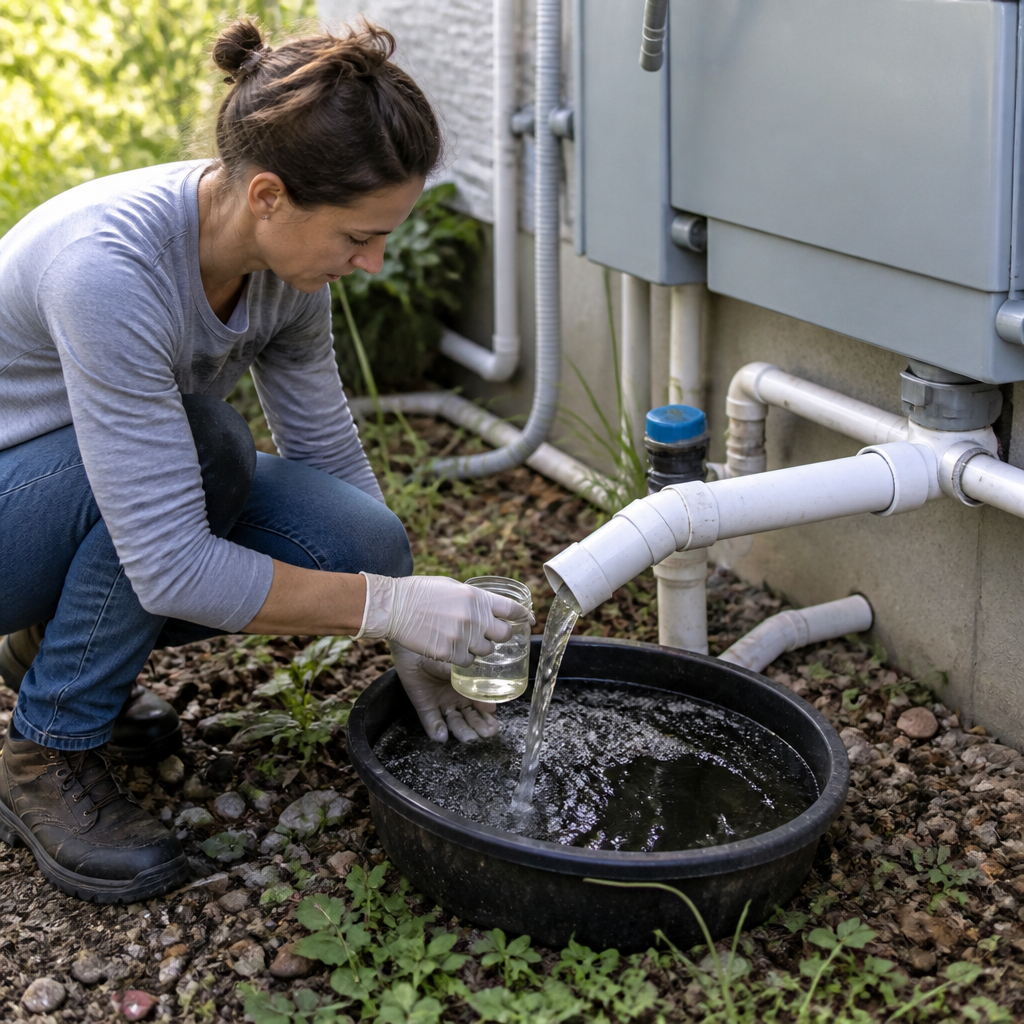
For operators who empty vaults or handle partially treated material, hygiene standards become stricter. Personal protective equipment should include heavy-duty gloves, boots, and where dust is present, a mask. Tools used for waste handling should be dedicated to that task and stored separately from household items. Handwashing with soap must occur immediately after removing gloves, and contaminated clothing should be laundered safely. Material should only be reused after adequate storage or treatment based on the system type, temperature, moisture, and local guidance. Nutrient recovery is valuable, but it never justifies shortcuts with pathogen control.
| Sanitation stage | Main hygiene risk | Practical control measure |
|---|---|---|
| Toilet use | Contaminated hands and touch surfaces | Soap-and-water station at exit, daily cleaning of handles, seats, lids |
| Adding cover material | Shared scoops and dusty containers | Dedicated scoop, lidded container, handwashing after handling |
| Vault or container emptying | Direct contact with fecal material | Gloves, boots, tools, supervised procedures, immediate handwashing |
| Urine collection and reuse | Splashing, leaks, cross-contamination | Sealed containers, clear labels, controlled application methods |
| Compost or biosolids reuse | Insufficient treatment before handling | Observe storage times, verify dryness and process controls, restrict crop contact |
This chain approach helps teams answer the question users ask most often: where exactly can contamination happen? By mapping each step, projects can target the riskiest actions instead of relying on generic messages. It also creates strong internal linking opportunities across related health and safety topics such as safe vault emptying, menstrual hygiene management, child-safe sanitation, and pathogen reduction in reuse systems.
Behavior change, training, and community adoption
Infrastructure alone does not create hygienic behavior. People need to understand why a practice matters, what correct use looks like, and how to keep the routine manageable. In EcoSan projects, the most effective training is practical and repetitive. Demonstrations should show exactly how much cover material to add, how to avoid urine contamination in feces chambers, how to wash hands for at least twenty seconds with soap, and how to clean pans, slabs, and taps without spreading contamination. One-off launch events rarely change habits. Follow-up visits, refresher sessions, and peer examples do.
Community adoption improves when project teams address concerns directly instead of dismissing them. Users often ask whether EcoSan toilets are dirtier than flush toilets, whether stored urine is safe, whether composted material can spread disease, and whether children can use the system correctly. Honest answers build trust. EcoSan toilets are not inherently less hygienic; they are hygienic when separation, drying, storage, and handwashing are consistently maintained. Urine is typically lower risk than feces, but contamination can occur if systems are misused. Reuse can be safe when treatment standards are respected. Children usually need supervision, child-friendly adaptations, and family coaching.
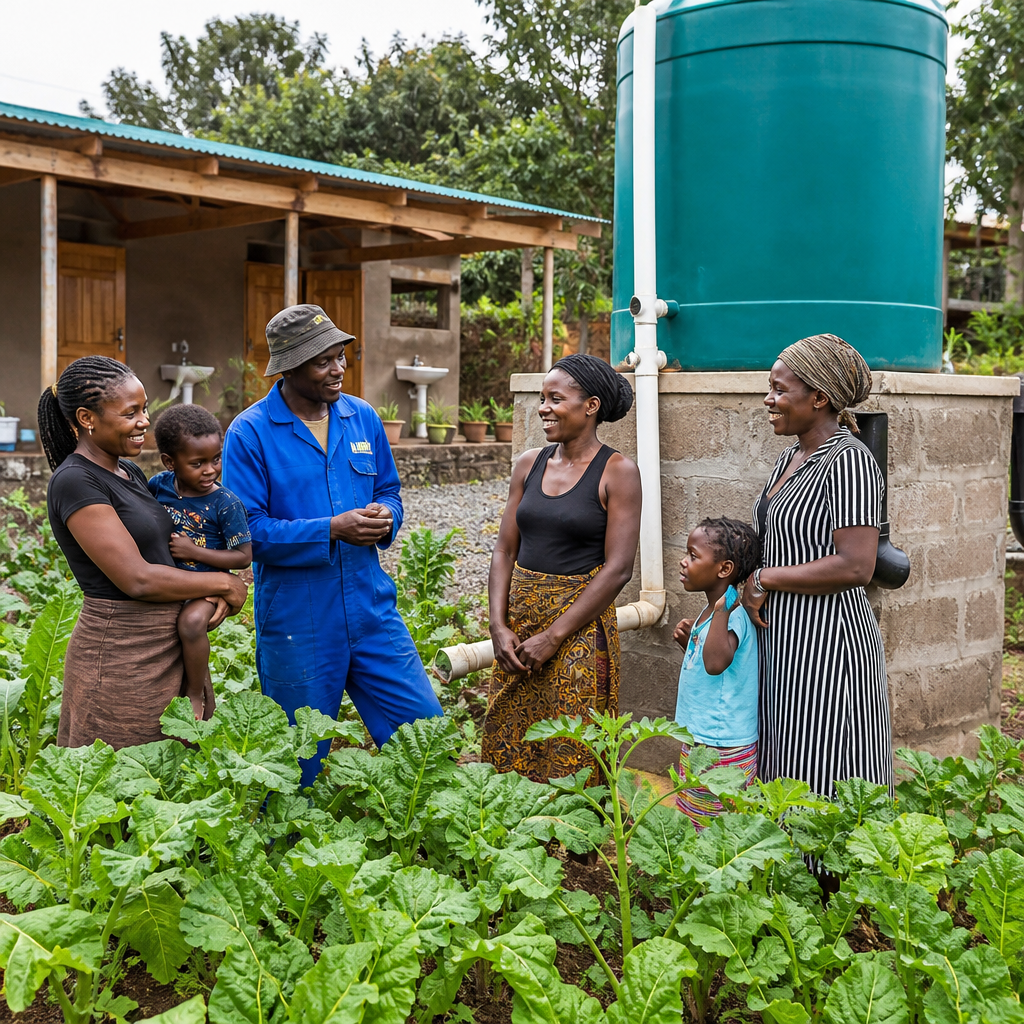
Local institutions play a major role. School health clubs, women’s groups, farmer cooperatives, and water committees can reinforce messages and monitor supplies. In several projects, I have seen simple scorecards work well: soap present, water present, no visible feces, no urine leaks, clean floor, handwashing used after exit. Recognition for clean facilities often motivates better upkeep than penalties alone. Behavior change is strongest when hygiene is framed not only as disease prevention, but also as dignity, odor control, convenience, and pride in a well-managed system.
Monitoring, maintenance, and measurable health outcomes
Prioritizing health in EcoSan requires routine monitoring, because hygiene failures are usually gradual before they become obvious. Soap runs out. Taps break. Urine lines crystallize. Doors stop closing. Ash buckets are misplaced. Vault access panels warp during rainy seasons. A maintenance plan should specify who checks each item, how often, and what happens when a problem is found. In household systems, a weekly checklist is often enough. In schools, markets, clinics, and communal blocks, daily checks are usually necessary due to higher traffic.
Useful indicators are simple, observable, and linked to action. Examples include percentage of facilities with soap and water available, number of blocked urine diversion pans, share of users observed washing hands at critical times, frequency of cleaning, incidence of fly presence, and safe completion of emptying procedures. If a project has the capacity, periodic user interviews can reveal barriers that inspections miss, such as fear of touching taps, confusion about cover material, or reluctance to let children use elevated seats. Monitoring is not bureaucracy; it is how teams prevent small hygiene gaps from eroding the whole system.
Health outcomes should be interpreted carefully. A single EcoSan project cannot always prove reductions in diarrhea or helminth infection without broader water, food, and hygiene improvements. However, projects can credibly track intermediate outcomes that are strongly associated with reduced risk: more consistent handwashing, cleaner facilities, lower open defecation, safer child feces disposal, fewer leaks, and better containment of excreta. These are meaningful public health gains. For project managers building the wider Health and Safety knowledge base, this hub should connect readers to detailed guidance on operation and maintenance, exposure risk assessment, personal protective equipment, and safe agricultural reuse.
Common mistakes and how to avoid them
The most common mistake in EcoSan hygiene planning is assuming users will create their own routines around an unfamiliar toilet system. They usually will not. If soap supply, water storage, cleaning tools, and waste handling rules are not defined from the start, the system drifts toward inconsistent and risky use. Another frequent mistake is overcomplicating reuse messaging. People need clear, conservative instructions on storage time, crop restrictions, and handling precautions, not vague reassurances. Ambiguity increases unsafe improvisation.
A third mistake is separating hardware budgets from hygiene budgets. Projects fund slabs, superstructures, and containers, then leave soap, training, signage, and caretaker time unfunded. That is a design failure, not a user failure. Finally, some teams focus so heavily on environmental benefits that they underemphasize disease prevention. In reality, EcoSan succeeds when both goals advance together. Build facilities that are easy to clean, train users repeatedly, monitor critical hygiene points, and correct problems early. If you are developing or upgrading EcoSan systems, start with handwashing and the full hygiene chain, then use this Health and Safety hub to strengthen every related practice across your project.
Frequently Asked Questions
Why is handwashing so important in EcoSan projects?
Handwashing is essential in EcoSan projects because it closes the gap between safe sanitation design and safe everyday use. Ecological sanitation systems are built to separate, contain, and transform human waste into useful resources such as composted solids or diluted urine fertilizer. However, even the best-designed system cannot protect health if users handle toilets, collection containers, cover material, tools, or surrounding surfaces and then touch food, water containers, children, or their own faces without washing their hands properly. In practical terms, handwashing helps stop the spread of disease-causing organisms that can be transferred through fecal contamination, especially in shared or high-use sanitation settings.
It also plays a major role in community acceptance. People are more likely to trust and consistently use EcoSan toilets when they feel the system is clean, dignified, and easy to maintain. Visible handwashing stations, soap or ash availability, and clear hygiene routines signal that the project takes health seriously. This builds user confidence and reduces the perception that EcoSan is unsafe or difficult to manage. In short, handwashing is not an optional add-on to ecological sanitation. It is one of the core behaviors that makes nutrient recovery, environmental protection, and public health benefits possible at the same time.
What hygiene practices should be promoted alongside handwashing in an EcoSan system?
Handwashing should be taught as part of a broader hygiene package rather than as a standalone message. In EcoSan projects, the most effective approach is to promote a set of linked behaviors that reduce contamination at every step of toilet use, cleaning, maintenance, and resource handling. These practices usually include washing hands with soap after using the toilet, after cleaning the toilet, after handling child feces, after emptying or transporting containers, and before preparing food or eating. Users should also be shown how to keep anal cleansing materials, cover material, and handwashing supplies organized so that the toilet area remains clean and easy to use.
Other important hygiene measures include regular cleaning of toilet seats, slabs, door handles, and nearby surfaces; proper use of cover materials such as ash, خاک-like dry soil, or sawdust where appropriate; correct separation of urine and feces if the system requires it; safe storage and treatment time for collected waste; and use of gloves or tools when handling partially processed materials. Projects should also address water handling hygiene, menstrual hygiene management, child-friendly toilet use, and safe disposal or washing of cleaning cloths and reusable items. When these habits are reinforced together, EcoSan systems are more likely to remain odor-controlled, user-friendly, and protective of both household and community health.
How can EcoSan projects encourage people to wash their hands consistently?
Consistent handwashing is much more likely when the behavior is made convenient, visible, and socially expected. The first step is infrastructure: every EcoSan toilet should have a nearby handwashing station with a reliable supply of water and soap, or another locally accepted cleansing agent such as ash where appropriate. If people have to walk far to wash their hands, fetch water separately, or search for soap, compliance drops quickly. Low-cost options such as tippy taps, small tanks with taps, foot-operated containers, or simple basins can work very well when they are placed directly at the exit of the toilet and kept functional.
The second step is behavior change communication. People respond better to practical, positive messaging than to technical lectures alone. Demonstrations, reminder signs, school activities, household visits, user group meetings, and community champions can all help normalize the habit. It is especially effective to explain the direct benefits people care about, such as keeping children healthier, reducing stomach illness, preventing bad smells from poor toilet handling, and making the reuse side of EcoSan safer and more acceptable. Projects should also involve the people responsible for daily toilet maintenance, since they often influence whether supplies are restocked and hygiene routines are followed. Monitoring helps too: simple checklists, user feedback, and periodic refresher training can identify barriers early and keep handwashing from becoming an afterthought after construction is complete.
Is it safe to handle compost or fertilizer products from EcoSan systems if good hygiene is practiced?
EcoSan systems can safely produce useful agricultural inputs, but safety depends on following the full treatment process correctly and maintaining strong hygiene practices throughout. Handwashing is a critical part of that safety chain, but it is not the only requirement. Materials derived from human waste must be stored, treated, and used according to the design of the system and the recommended retention times, moisture conditions, pH conditions, and handling procedures. If solids are not fully treated or urine is not stored and applied correctly, health risks can remain. That is why users and operators need clear guidance on when material is ready, how to move it, what protective measures to use, and where it can be applied.
When these safeguards are in place, handwashing greatly reduces the risk of transferring contaminants after contact with toilets, containers, tools, or treated products. People handling composted material or urine containers should wash their hands thoroughly afterward, even if gloves were used. They should also avoid touching their face, eating, or preparing food during handling activities. In many projects, additional recommendations include dedicated tools, boots, gloves, covered storage, and restricting use on certain crops depending on local standards. The key point is that EcoSan reuse can be safe and beneficial, but it works best when treatment standards, operational discipline, and everyday hygiene behaviors all support one another.
What are the most common handwashing and hygiene challenges in EcoSan projects, and how can they be solved?
Some of the most common challenges are not technical failures of the toilet itself, but practical barriers that affect daily behavior. These often include lack of nearby water, inconsistent soap supply, poor handwashing station maintenance, weak user training, unclear responsibility for cleaning, and cultural resistance to discussing sanitation openly. In shared facilities, another common issue is that everyone uses the toilet but no one feels accountable for restocking supplies or keeping the area clean. In rural or low-resource settings, seasonal water scarcity can further reduce handwashing frequency unless alternatives and storage solutions are planned in advance.
These problems can be solved with a combination of better design and stronger community management. Handwashing points should be simple, durable, affordable, and located exactly where people need them. Supply systems for soap, ash, and water should be built into routine operations rather than left to chance. User training should go beyond one-time instruction and include demonstrations, follow-up visits, and easy-to-understand visual reminders. It is also important to assign responsibility clearly, whether to households, school staff, caretakers, or sanitation committees. Involving women, caregivers, teachers, and local leaders often improves long-term adoption because they shape daily hygiene norms. Finally, projects should treat hygiene promotion as a permanent component of EcoSan implementation, not a short awareness campaign. When handwashing and toilet management are supported continuously, EcoSan systems are more reliable, safer to use, and far more likely to deliver their intended environmental and public health benefits.