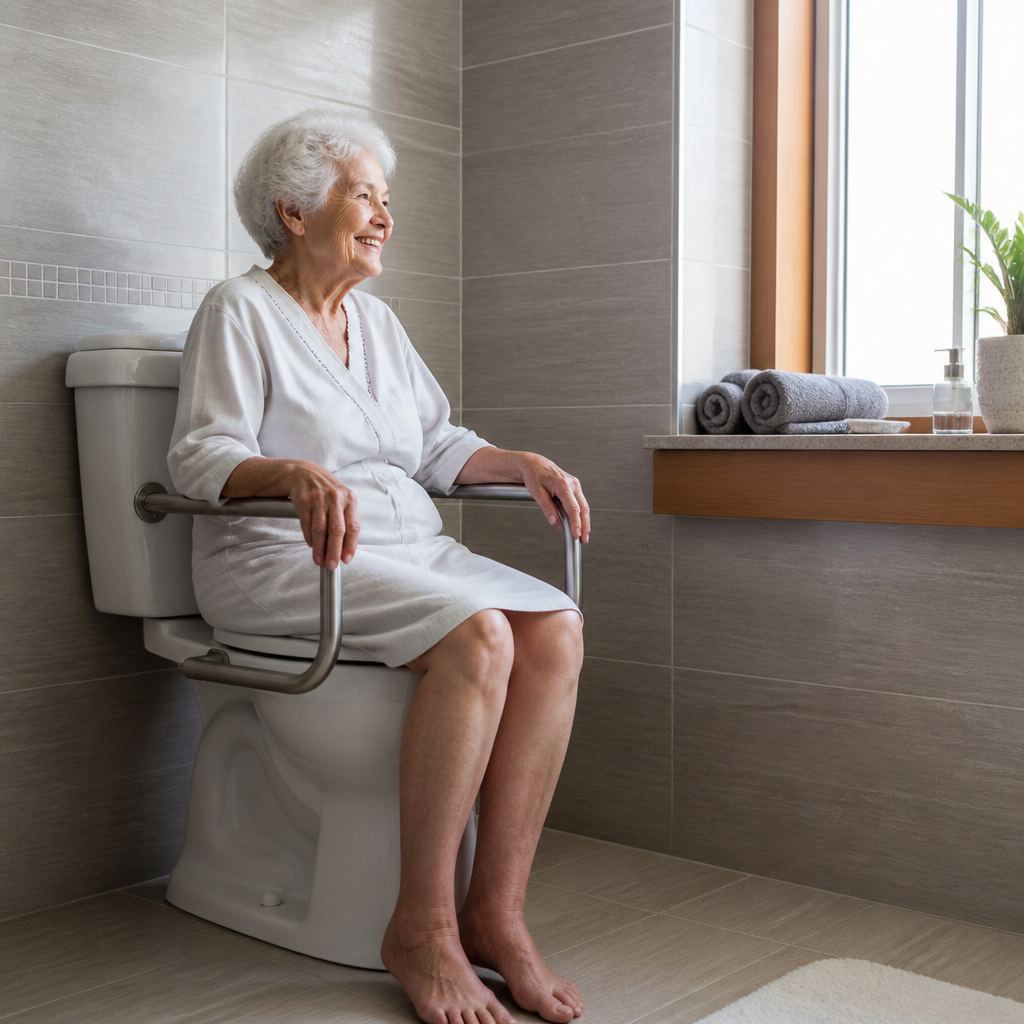
Sanitation for the elderly is not simply a matter of adding grab bars or raising a toilet seat. It is the design, operation, and maintenance of systems that protect older adults from infection, falls, dehydration, odor, and loss of dignity while also reducing environmental harm. When I have assessed senior housing, rehabilitation facilities, and multigenerational homes, the same pattern appears: sanitation failures rarely come from one dramatic defect. They come from small design oversights, difficult cleaning routines, confusing controls, poor ventilation, and waste systems that ignore the realities of aging bodies. A well-designed EcoSan approach addresses those issues together.
EcoSan, short for ecological sanitation, refers to sanitation systems that safeguard human health while conserving water, recovering nutrients where appropriate, minimizing pollution, and supporting long-term resilience. In practice, EcoSan for older adults can include low-flush or vacuum toilets, urine-diverting systems in specific settings, handwashing stations with touch-free controls, slip-resistant wet rooms, greywater reuse designed to code, natural daylight to improve visibility, antimicrobial but cleanable finishes, and ventilation that reduces moisture and airborne contaminants. The goal is not novelty. The goal is reliable, safe daily use for people who may have reduced mobility, impaired vision, arthritis, cognitive change, continence challenges, or weaker immune defenses.
This topic matters because the elderly face sanitation risks that younger adults can often manage or recover from more easily. Falls are a leading cause of injury among older adults, and bathrooms are one of the highest-risk locations because they combine hard surfaces, water, urgency, and tight turning spaces. Urinary tract infections, skin breakdown, and gastrointestinal illness can also escalate quickly in later life. At the same time, climate pressure, water scarcity, rising utility costs, and aging infrastructure make resource-efficient sanitation a practical priority. Designing for health through EcoSan means meeting two obligations at once: protect vulnerable users today and build systems that remain dependable tomorrow.
Good sanitation design for seniors also supports autonomy. Older adults often judge a bathroom not by how modern it looks, but by whether they can use it independently at night, whether it feels private, whether surfaces stay dry, and whether caregivers can assist without strain. That is why this hub article covers the full picture: safety principles, comfort features, accessible fixtures, sustainable water strategies, infection control, ventilation, material selection, maintenance planning, and the role of staff and family training. If you want to enhance health through EcoSan, start with the lived experience of the person using the space and then build every detail around predictable, low-risk use.
Core design principles for elderly sanitation
The first principle is usability under physical limitation. A sanitary space for an older adult should work even when grip strength is reduced, balance is unstable, or vision is poor. That means clear pathways, door widths that support walkers or wheelchairs, turning radii that allow assistance, and fixtures positioned within easy reach. In projects I have reviewed, the most successful rooms reduce decision-making. The route from bed to toilet is obvious, lighting is even, and controls behave consistently. Older adults should not have to twist, step over a threshold, or interpret unfamiliar mechanisms during an urgent trip to the bathroom.
The second principle is moisture control. Water on the floor turns a routine bathroom into a fall hazard. Wet-room design can be excellent for aging in place, but only when the floor slope is correct, drainage is fast, and splash zones are controlled. Slip resistance should be measured, not guessed. Standards vary by region, yet the practical rule is constant: specify flooring with documented wet slip performance, pair it with adequate drainage, and keep cleaning methods compatible with the finish. Highly textured surfaces can improve traction but trap soil, so the material choice must balance friction, hygiene, and maintenance labor.
The third principle is intuitive hygiene. Handwashing, toileting, menstrual or incontinence product disposal, and cleaning should follow a simple, visible sequence. Lever handles are easier than round knobs for arthritic hands. Contrasting colors can help users identify the toilet, sink, and support rails. Sensor fixtures reduce touch points, but they must activate reliably and should not shut off so quickly that handwashing becomes frustrating. A sustainable solution that users avoid is not sustainable at all. EcoSan succeeds when healthy behavior is the easiest behavior.
Accessible toilets, bathing spaces, and support features
Toilet specification matters more than many designers expect. Seat height should support safe transfers without creating instability for shorter users. Raised-height toilets often help, but the right answer depends on the user’s stature, hip mobility, and whether a wheelchair transfer is involved. Grab bars should be anchored to structural backing, not decorative wall panels, and their placement should reflect actual transfer patterns. Rear-wall bars, side bars, and fold-down support rails each have different uses. In compact rooms, a fold-down rail can allow caregiver access while still supporting independent use.
Bathing areas deserve the same attention. A curbless shower reduces tripping risk and improves wheelchair access, but it must be paired with a handheld shower, a stable seat, anti-scald thermostatic mixing, and storage positioned between shoulder and hip height. For frail users, water temperature stability is not a luxury; it is a burn-prevention requirement. The risk of scald injury rises because aging skin is thinner and reaction time is slower. Thermostatic controls and pressure-balanced valves are proven protective measures, and many building codes or care standards already recognize their value.
Comfort is also a health issue. Warm surfaces, controlled drafts, adequate privacy, and odor management reduce avoidance behavior. I have seen older residents delay toileting because a bathroom felt cold, dim, or difficult to use, which then increased continence problems and nighttime urgency. Small interventions matter: motion-activated pathway lights from bed to bathroom, a shelf for supplies at seated height, a bidet seat for users with limited reach, and acoustic privacy that preserves dignity. Design should anticipate routine use, not only emergencies.
| Feature | Health and safety benefit | EcoSan value |
|---|---|---|
| Dual-flush or low-flush toilet | Reliable waste removal with less water, reducing overflow risk when properly specified | Conserves potable water and lowers utility demand |
| Curbless shower with slip-rated floor | Reduces trip hazards and supports assisted bathing | Can integrate efficient drainage and easier cleaning with less chemical use |
| Touch-free or lever-operated faucet | Improves hand hygiene for users with limited dexterity | Cuts unnecessary water flow and lowers cross-contact |
| Thermostatic mixing valve | Prevents scalding during bathing and handwashing | Supports efficient hot-water management and stable temperatures |
| Mechanical exhaust ventilation | Controls humidity, mold risk, and odors | Protects building durability and reduces moisture-related remediation |
Water efficiency, resource recovery, and practical EcoSan choices
Enhancing health through EcoSan does not mean every elderly setting should install a composting toilet. The best solution depends on mobility level, staffing, climate, plumbing infrastructure, local regulations, and user acceptance. In most urban homes and care settings, the practical starting point is high-performance low-flow fixtures, leak monitoring, hot-water recirculation balanced against legionella control, and durable drainage systems. WaterSense-labeled fixtures in the United States, for example, provide a useful benchmark for efficiency without sacrificing performance when correctly selected.
Resource recovery becomes more relevant in off-grid housing, rural communities, climate-stressed regions, or demonstration projects. Urine-diverting dry toilets can reduce water use dramatically and recover nutrients, but they require disciplined maintenance, clear user instruction, odor control, and transfer methods that do not burden frail residents. For most elderly users, these systems are suitable only when operation is simplified and caregivers or facility staff manage servicing. Where they work, they can reduce dependence on unreliable sewer infrastructure and lower contamination of local waterways.
Greywater reuse for toilet flushing or landscape irrigation can also support EcoSan goals, yet public health protection must come first. Systems should comply with local plumbing and health codes, include proper filtration and separation, and be designed so maintenance neglect does not create aerosol, odor, or backflow hazards. I strongly favor simple, inspectable systems over technically clever ones that fail quietly. In senior environments, resilience means components are accessible, alarms are understandable, and backup operation exists during power loss or service interruption.
Infection prevention, cleaning, and indoor environmental quality
Older adults are more vulnerable to infection because immunity often declines with age and chronic conditions can complicate recovery. Sanitation design should therefore reduce pathogen spread at every step. Hand hygiene remains the foundation. Sinks must be reachable from the toilet area without awkward movement, soap and towels should be obvious and easy to dispense, and waste bins should open without excessive force. In shared settings, separation between clean supply storage and waste handling is essential. That sounds basic, but many older buildings still force staff to improvise, increasing contamination risk.
Surface choice plays a major role. The best bathroom finishes are not simply labeled antimicrobial; they are smooth enough to clean thoroughly, durable against approved disinfectants, resistant to moisture intrusion, and detailed to avoid dirt traps. Grout lines, sealant joints, and thresholds often become failure points. Once moisture gets behind finishes, mold and odor follow, and remediation becomes costly. Good detailing prevents that. Mechanical ventilation should provide regular air exchange and humidity removal, especially after bathing. Persistent humidity above recommended ranges encourages mold growth and degrades indoor air quality.
Cleaning protocols need to match the design. A space with many joints, shelves, and decorative recesses may photograph well but costs more time to sanitize. In elder care, that matters because rushed cleaning leads to missed touch points. I advise selecting finishes, fixtures, and room layouts that support visible cleanliness and predictable workflows. Color contrast can assist residents with low vision, but it should also help staff spot soil and standing water quickly. Cleanability is a safety feature, not an afterthought.
Caregiver workflow, maintenance planning, and long-term reliability
A sanitation system for the elderly fails if it depends on perfect user behavior or heroic staff effort. Caregiver workflow must be part of the design brief from the start. Can a helper stand beside the toilet safely? Is there room to maneuver a mobile shower chair? Are incontinence supplies stored where they can be reached without leaving the resident unsupported? In assisted living and home care alike, these practical questions determine whether care is dignified or rushed. Efficient layouts reduce musculoskeletal strain on caregivers and lower the chance of resident falls during transfers.
Maintenance planning is equally important. Toilets should have accessible shutoff valves, traps and cleanouts should be reachable, and fixtures should use parts that local service teams can source quickly. I have seen expensive imported fittings disable an otherwise excellent bathroom because replacement cartridges took weeks to arrive. Reliability beats novelty. Leak detection sensors, floor drains with trap primers where required, and clear maintenance logs help facilities catch problems before they become slip hazards or infection sources. Preventive maintenance is one of the most cost-effective sanitation investments available.
Training closes the gap between design intent and real performance. Residents may need orientation to bidet functions, dual-flush buttons, or sensor faucets. Family caregivers benefit from instruction on cleaning products, transfer techniques, and when to report ventilation or drainage problems. In larger facilities, audits tied to incident reports can reveal design flaws: repeated nighttime falls, odor complaints, or moisture damage around a shower often point to layout or maintenance failures, not just user error. The healthiest EcoSan environments are those that learn and improve over time.
Sanitation for the elderly is most effective when safety, comfort, and sustainability are designed as one system rather than treated as separate goals. The strongest EcoSan strategies begin with the realities of aging: limited mobility, changing continence, greater infection risk, and the need for dignity during intimate daily routines. From there, good design becomes specific. Toilets support safe transfers. Showers are curbless, stable, and warm. Floors drain quickly and resist slipping. Handwashing is intuitive. Ventilation manages humidity and odor. Cleaning is straightforward, and maintenance is planned before failure occurs.
The central benefit of enhancing health through EcoSan is resilience. Older adults gain more independence, caregivers work more safely, facilities reduce preventable incidents, and homes use water and materials more responsibly. Not every project needs advanced resource recovery, but every project should pursue dependable hygiene, efficient water use, durable finishes, and low-stress operation. If you are building, renovating, or evaluating a senior sanitation space, start with a room-by-room audit and prioritize the changes that reduce falls, improve hygiene, and simplify daily use first.
Frequently Asked Questions
What does sanitation for the elderly really include beyond grab bars and raised toilet seats?
Sanitation for older adults is much broader than a few accessibility upgrades. It includes the full design, operation, and maintenance of bathrooms, toilets, handwashing areas, bathing spaces, drainage, ventilation, waste handling, and water systems in ways that reduce infection risk, prevent falls, limit odors, support hydration, and preserve dignity. In practice, that means choosing non-slip flooring that still cleans easily, making sure fixtures are reachable without awkward twisting, maintaining water temperatures that prevent scalding, improving drainage so water does not pool, and ensuring cleaning routines actually remove pathogens rather than spread them from surface to surface.
It also means recognizing how aging changes sanitation needs. Older adults may have reduced balance, weaker grip strength, lower vision, slower reaction times, incontinence, impaired immunity, or cognitive conditions that affect safe bathroom use. A well-designed sanitation environment addresses these realities quietly and respectfully. For example, clear lighting helps someone identify fixtures and hazards, touchless or easy-grip controls reduce contamination and hand strain, and odor control protects comfort and social confidence. Good sanitation design is not only about safety during a crisis; it is about reducing the daily friction that can turn ordinary bathroom routines into health risks.
What are the most common sanitation design mistakes that create risks for seniors?
The most common problems are usually small oversights that combine into larger hazards. Slippery flooring, poor drainage near showers, toilet paper holders placed out of reach, dim lighting, hard-to-turn faucet controls, low-contrast surfaces, and inadequate ventilation are all frequent issues. None of these may seem severe on their own, but together they can increase the likelihood of falls, incomplete handwashing, contamination, frustration, and delayed toileting. In senior housing and multigenerational homes especially, a bathroom may technically function while still being poorly adapted to the way an older adult actually moves and uses the space.
Another major mistake is focusing only on visible hardware while ignoring system performance. For instance, installing grab bars helps with stability, but if the toilet is too close to a wall, if the floor remains wet after bathing, or if cleaning chemicals leave irritating residues, the environment is still unsafe. Maintenance failures are equally important. A loose toilet seat, a leaking base, mold around caulking, a fan that no longer vents properly, or sink splash that reaches nearby surfaces can all contribute to infection and discomfort over time. Effective sanitation for the elderly depends on details being coordinated: layout, materials, cleaning practices, moisture control, water quality, and user comfort must all work together.
How can bathroom sanitation reduce infection risk for elderly residents without making the space feel clinical?
Reducing infection risk starts with smart, low-friction design. Surfaces should be durable, smooth, and easy to disinfect without trapping moisture or debris. Handwashing stations should be convenient and intuitive, with soap, towels, and controls positioned so they can be used comfortably by someone with limited mobility or arthritis. Toilets, sinks, and shower areas should be laid out to reduce unnecessary contact points and awkward transfers. Good ventilation is especially important because it helps control humidity, mold growth, and odor while improving overall comfort. When waste bins, laundry handling, and cleaning supply storage are organized properly, contamination pathways become easier to manage.
Just as important, the room should still feel residential and dignified rather than institutional. Infection control does not require cold finishes or hospital-style aesthetics. Warm lighting, calm color palettes, thoughtfully selected fixtures, and discreetly integrated support features can all maintain a comfortable atmosphere. The goal is to create a bathroom that is easy to clean and hygienic by design, not one that constantly reminds the user of frailty or illness. This matters because older adults are more likely to use sanitation features correctly and consistently when the environment feels welcoming, understandable, and respectful.
Why are moisture control, odor management, and ventilation so important in sanitation for older adults?
Moisture control is one of the most underrated aspects of elderly sanitation. Excess water on floors creates immediate slip hazards, while hidden moisture around toilets, sinks, and showers supports mold, mildew, and material breakdown. Over time, these conditions can worsen indoor air quality and increase cleaning difficulty. Older adults may be more vulnerable to respiratory irritation, infection, and injury from falls, so preventing dampness is not just a maintenance concern; it is a direct health and safety priority. Effective moisture control includes proper floor slope, reliable drainage, well-sealed fixtures, fast-drying materials, and prompt repair of leaks.
Odor management is also closely tied to dignity. Persistent bathroom odors can discourage use, increase embarrassment, and signal larger sanitation failures such as inadequate cleaning, poor ventilation, drain issues, or waste storage problems. For elderly individuals dealing with incontinence or limited mobility, odor control affects emotional well-being as much as physical comfort. Strong ventilation helps remove humidity and odors at the source, but the system must be correctly sized, maintained, and used consistently. In a well-designed setting, the air should remain fresh without relying heavily on masking fragrances, which can irritate sensitive users. When odor, airflow, and dryness are managed together, the bathroom becomes safer, healthier, and much more comfortable to use every day.
How can sanitation for the elderly be improved while also supporting sustainability and reducing environmental harm?
Sustainable sanitation for older adults works best when efficiency never compromises safety or usability. Water-saving fixtures, for example, should still provide enough flow for effective handwashing, rinsing, and waste removal. Toilets should flush reliably to avoid repeat flushing and hygiene problems. Faucets and shower controls should conserve water while remaining simple to operate for people with limited dexterity. Choosing durable, low-toxicity materials can reduce environmental impact while improving indoor air quality and minimizing harsh chemical exposure. Easy-to-clean finishes also lower the amount of water and cleaning products required over time.
Maintenance practices are another major part of sustainability. Preventing leaks, repairing failing seals, improving ventilation efficiency, and selecting long-life fixtures all reduce waste and protect sanitation performance. Laundry and incontinence product management can also be approached more responsibly through practical storage, efficient washing processes, and thoughtful product selection based on individual needs. The key principle is balance: a sustainable sanitation system for the elderly should save resources, but it must first remain hygienic, safe, reliable, and dignified. When design decisions are made with both human needs and environmental impact in mind, the result is a system that performs better for residents, caregivers, and the broader community.