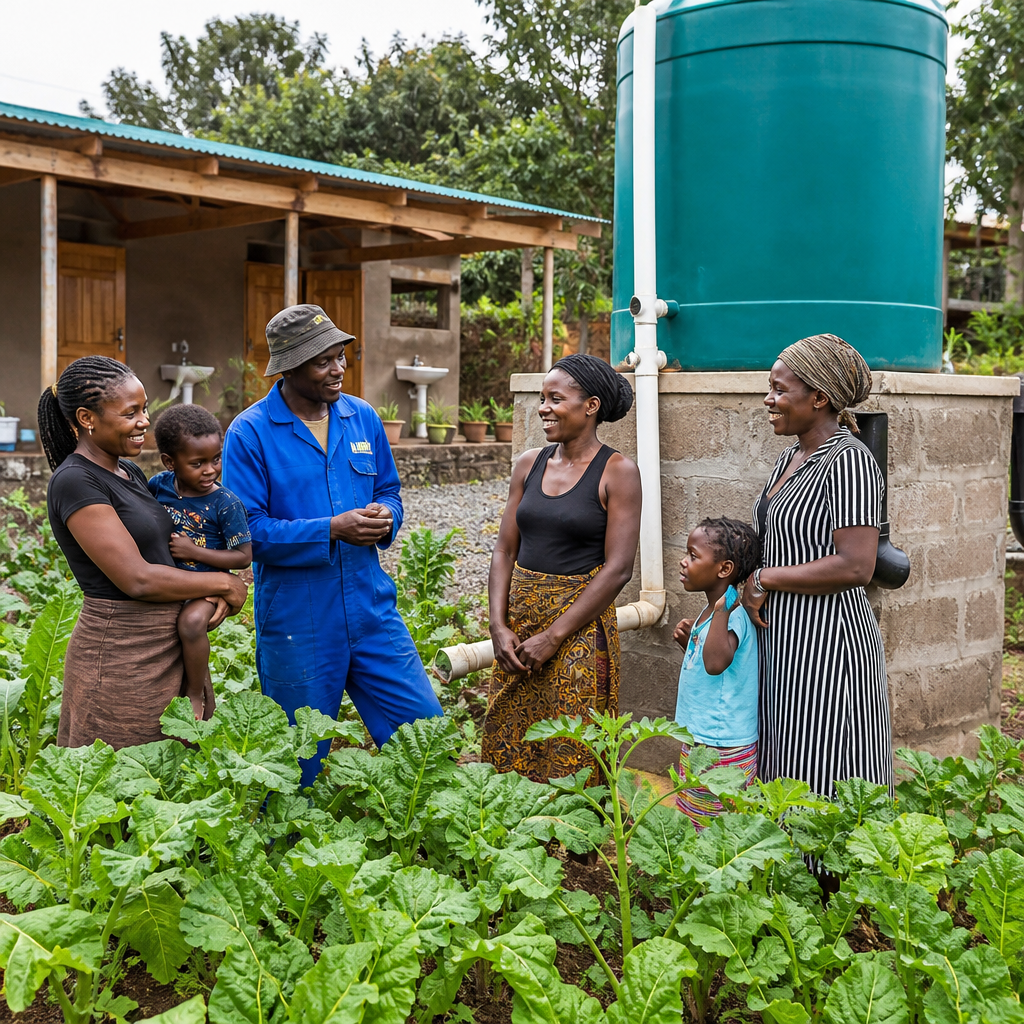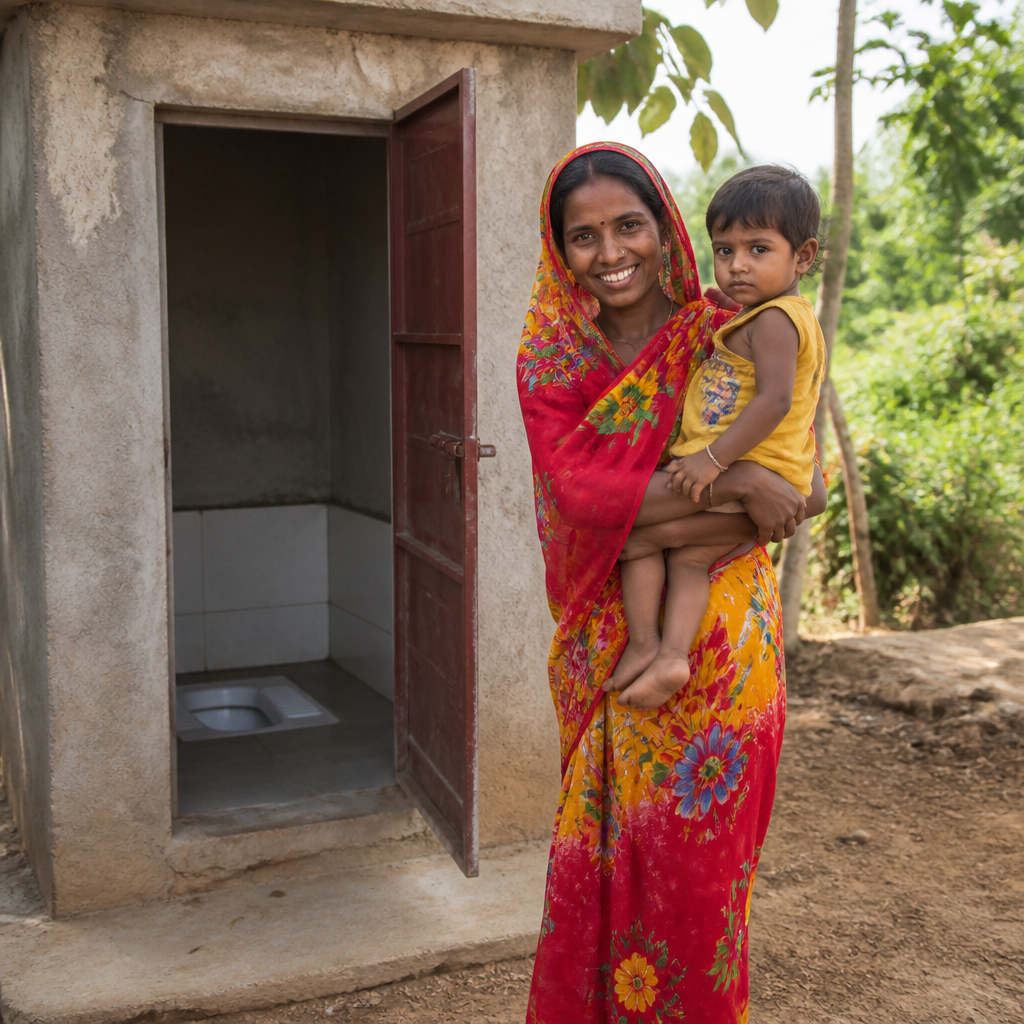
Malnutrition is often described as a food problem, yet in practice it is just as often a sanitation problem. In communities where toilets are unsafe, wastewater contaminates soil and drinking sources, and handwashing facilities are absent, children lose nutrients through repeated diarrhea, intestinal worm infections, and chronic gut inflammation. That cycle weakens growth, immunity, learning, and productivity even when calories are available. Tackling malnutrition through improved sanitation means addressing the environmental conditions that prevent the body from absorbing and using food properly.
Within health and safety planning, enhancing health through EcoSan deserves special attention because it connects sanitation, agriculture, water protection, and nutrition in one system. EcoSan, short for ecological sanitation, is an approach that treats human excreta as a resource to be safely contained, sanitized, and reused rather than flushed away as waste. Common EcoSan models include urine-diverting dry toilets, composting toilets, dehydrating vaults, and systems that recover nutrients for agriculture under controlled conditions. When designed and managed correctly, these systems reduce pathogen exposure, conserve water, and return nitrogen, phosphorus, potassium, and organic matter to soils.
I have seen sanitation programs fail when they focused only on toilet construction counts and ignored usage, maintenance, and fecal sludge safety. I have also seen EcoSan projects improve household hygiene and crop yields when training, monitoring, and local acceptance were built in from the start. That practical difference matters for malnutrition. The World Health Organization has long documented that unsafe water, sanitation, and hygiene contribute substantially to diarrheal disease, while UNICEF and nutrition researchers have shown that repeated enteric infections are linked to stunting and undernutrition. In plain terms, a child who is constantly exposed to fecal contamination cannot fully benefit from the food they eat.
This hub article explains how improved sanitation reduces malnutrition risk, why EcoSan is a strong option in water-scarce and infrastructure-limited settings, what designs and safeguards matter most, and how health teams, schools, farms, and local governments can implement EcoSan responsibly. It also clarifies where EcoSan works well, where it needs adaptation, and which indicators show real health progress. For readers exploring health and safety solutions, this is the central guide to understanding why sanitation is not a side issue in nutrition policy. It is one of the foundations of child growth, household resilience, and healthier communities.
How Poor Sanitation Drives Malnutrition
Poor sanitation contributes to malnutrition through three direct pathways: infection, inflammation, and food insecurity. First, open defecation, leaking pits, unmanaged sludge, and contaminated surfaces spread bacteria, viruses, protozoa, and helminths. Common diarrheal pathogens include rotavirus, Shigella, enterotoxigenic Escherichia coli, and Cryptosporidium. Each episode of diarrhea reduces appetite, causes nutrient loss, and increases dehydration. Recurrent infections matter even more than isolated illness because they repeatedly interrupt growth during critical early childhood windows.
Second, chronic exposure to fecal pathogens is associated with environmental enteric dysfunction, a subclinical condition in which the small intestine becomes inflamed and less effective at absorbing nutrients. A child may appear to eat enough but still fail to grow because the gut lining is compromised. This helps explain why food supplementation alone sometimes delivers disappointing results in highly contaminated environments. Nutrition and sanitation must be improved together.
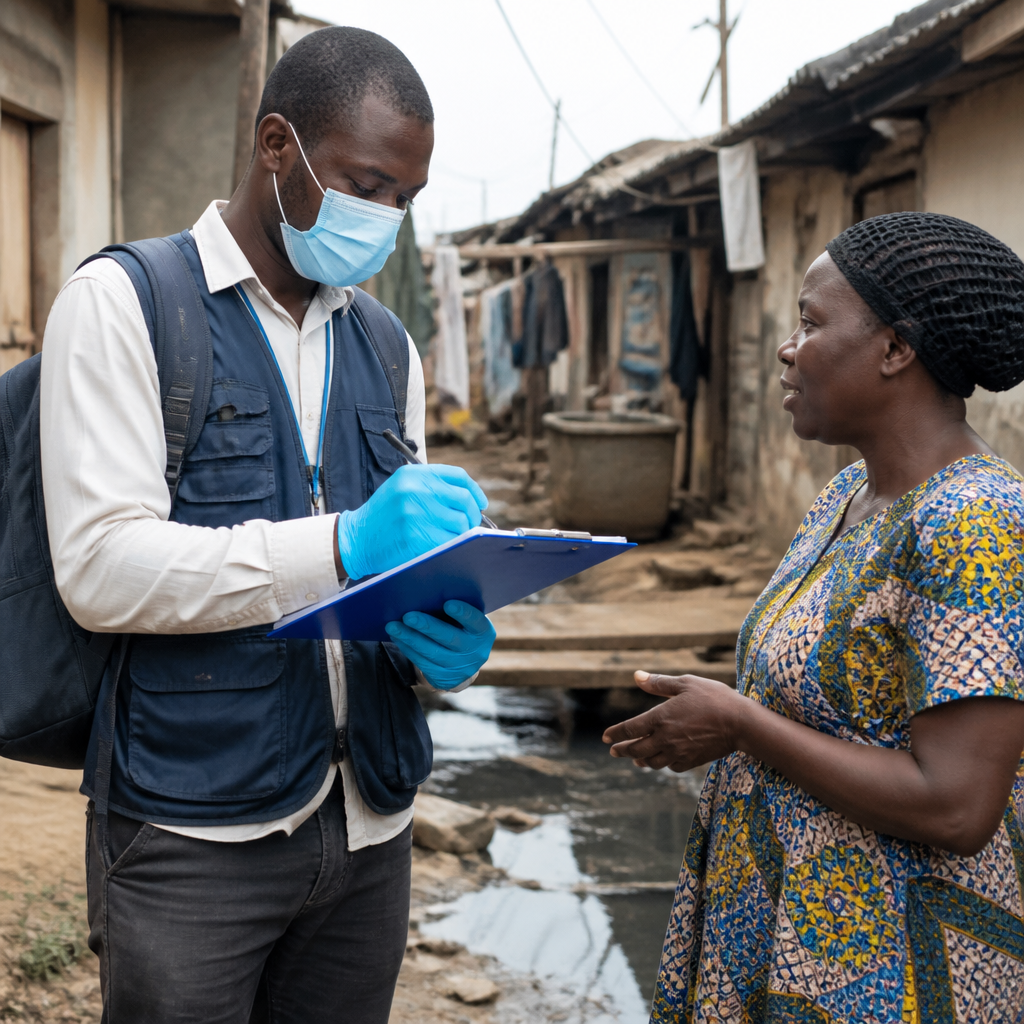
Third, bad sanitation undermines livelihoods. Illness reduces work capacity, healthcare costs consume income, and contaminated water raises time burdens for caregivers, especially women and girls. Crops irrigated with unsafe wastewater can spread disease and face market rejection. The result is less money available for diverse diets, healthcare, and education. In my fieldwork reviews, the most successful anti-malnutrition programs were never food-only interventions; they reduced exposure pathways inside homes, around child play areas, and across the wider settlement.
Why EcoSan Is Different from Conventional Sanitation
Conventional sewered sanitation is effective where infrastructure, water supply, energy, and treatment capacity are reliable. Many low-income and peri-urban settings do not have those conditions. EcoSan offers a different sanitation logic: prevent excreta from contaminating the environment, separate waste streams where appropriate, sanitize them, and recover useful resources. This can be especially valuable in drought-prone regions, rocky terrain, flood-prone settlements, and places where centralized wastewater treatment is financially unrealistic.
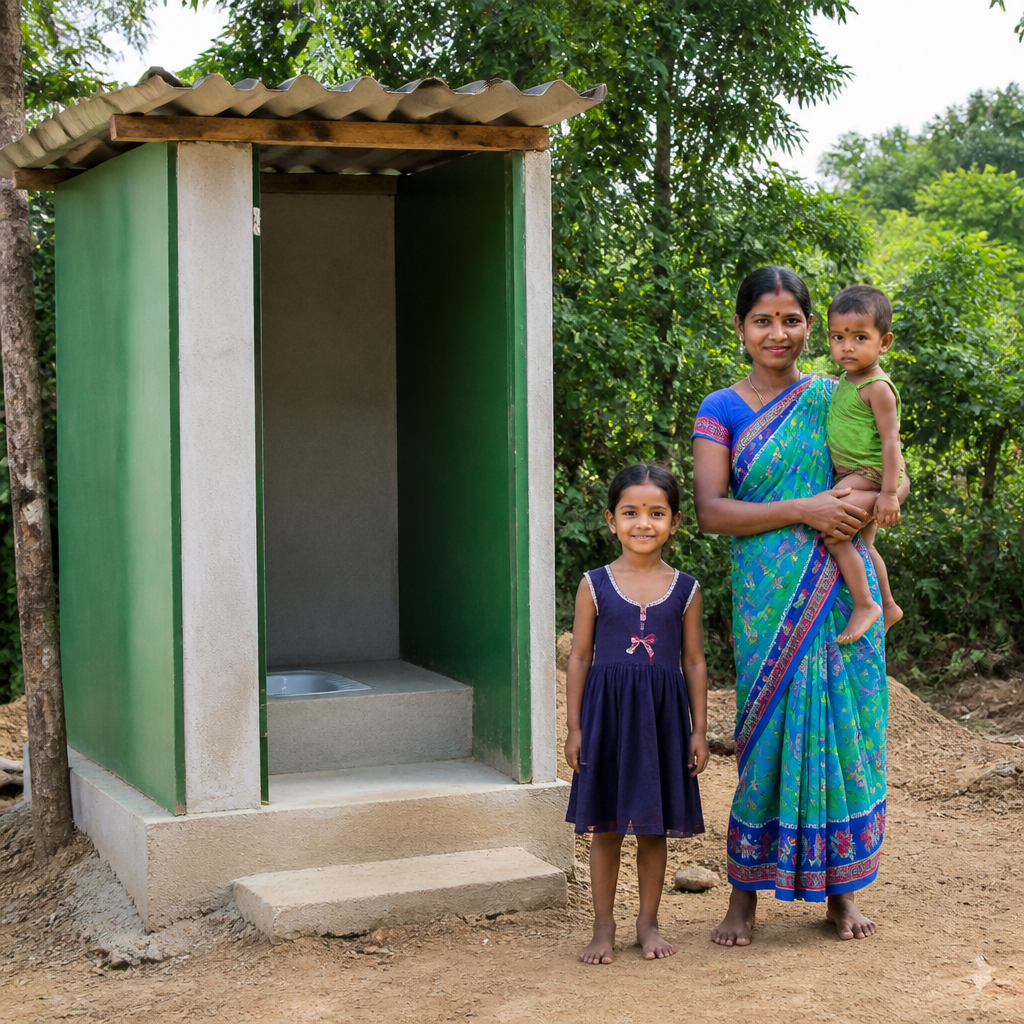
Urine-diverting dry toilets are a widely discussed EcoSan option. They separate urine and feces at the source. Because urine usually contains most of the nitrogen and a large share of the phosphorus and potassium in household excreta, it can be stored and reused under guideline-based conditions as a fertilizer. Feces are collected in a dry chamber, often with ash, lime, or dry cover material added to reduce moisture, smell, and flies. After sufficient dehydration or composting time, pathogen levels can be reduced significantly before any agricultural reuse.
The health advantage is not just reuse. It is containment. A well-managed EcoSan system limits human contact with fresh excreta, cuts groundwater contamination risk compared with poorly sited pits, and avoids dependence on flush water that may be scarce or unsafe. This makes EcoSan a practical health and safety strategy, not merely an environmental idea.
Core EcoSan Models and Their Health Implications
Not every EcoSan design fits every setting. The right choice depends on climate, soil, water table, cultural preferences, available cover material, maintenance capacity, and intended reuse. The table below compares common models used in sanitation planning.
| EcoSan model | How it works | Best-fit setting | Main health benefit | Key limitation |
|---|---|---|---|---|
| Urine-diverting dry toilet | Separates urine and feces; dry storage with ash or lime | Water-scarce homes, schools, rocky or flood-prone areas | Strong containment and low water use | Requires consistent user training and cleaning |
| Composting toilet | Supports aerobic decomposition with carbon-rich material | Households or institutions with maintenance capacity | Reduces volume and supports soil amendment recovery | Performance drops if moisture and temperature are poorly managed |
| Dehydrating vault toilet | Alternating sealed vaults dry feces over time | Dense settlements with limited pit space | Limits fly breeding and fresh waste handling | Needs adequate storage time for pathogen reduction |
| Container-based sanitation with resource recovery | Sealed containers are collected and treated off-site | Informal urban settlements | Removes waste safely where pits and sewers fail | Depends on reliable service logistics |
From a nutrition standpoint, all four models can help if they interrupt fecal-oral transmission. The design matters less than the safety chain. If a toilet is built but not used, if children’s feces are discarded in open drains, or if treated products are handled before sanitation is complete, the health benefit falls sharply. That is why implementation protocols are as important as engineering drawings.
How EcoSan Supports Better Nutrition Outcomes
Improved sanitation supports nutrition by reducing disease exposure and strengthening local food systems. The first benefit is straightforward: fewer pathogens in the domestic environment mean fewer diarrheal episodes, lower parasite burdens, and better nutrient absorption. This is especially important during the first 1,000 days from conception to age two, when growth faltering can become irreversible.
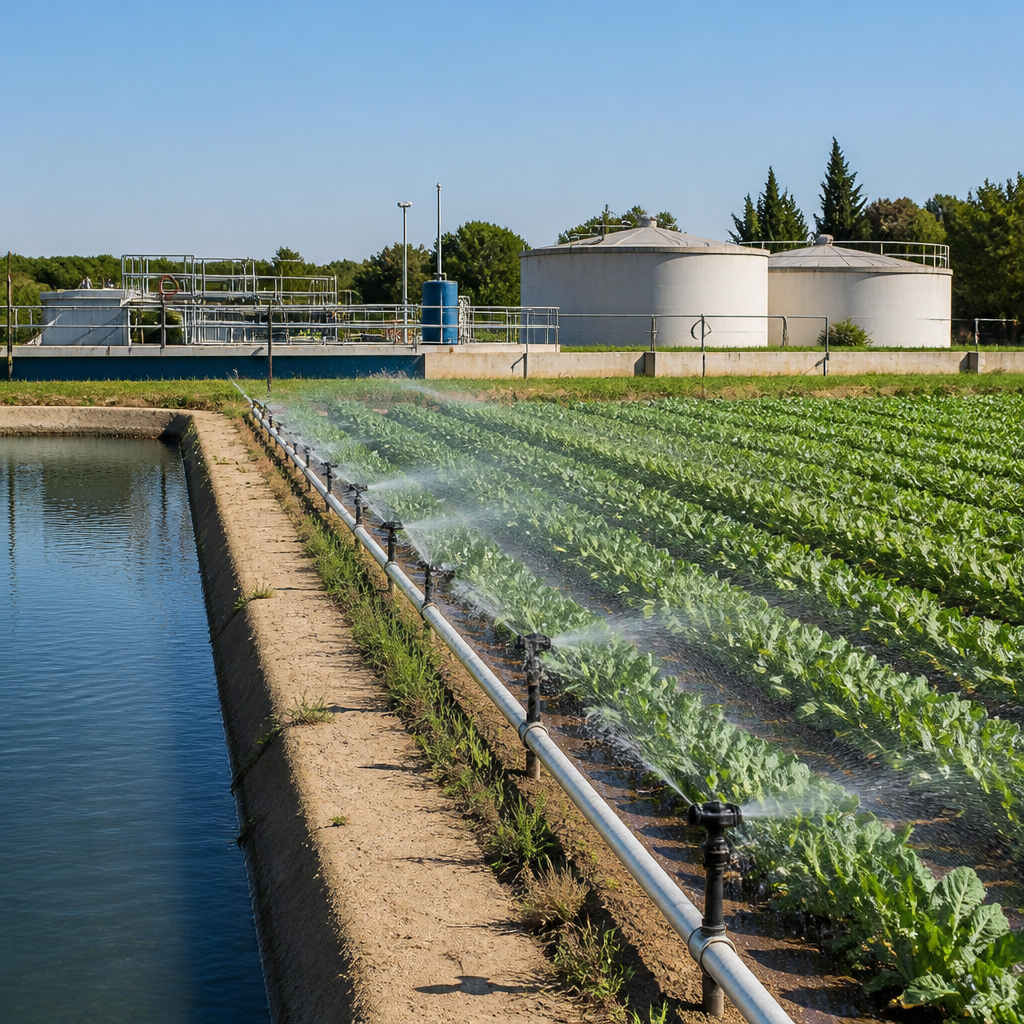
The second benefit is agricultural. Soil fertility depletion is a major driver of poor harvests in many rural areas. Synthetic fertilizers are effective, but they are often expensive and vulnerable to supply shocks. Properly treated EcoSan outputs can complement existing fertility management by returning nutrients and organic matter to fields. Urine, for example, has been used successfully on maize, leafy vegetables, and fruit trees when applied at appropriate dilution or timing. Fecal compost or dehydrated material, once safely treated according to recognized barriers and waiting periods, can improve soil structure and moisture retention. Better yields and more diverse production can increase diet quality over time.
This does not mean every household should immediately reuse all treated products on food crops. Risk assessment comes first. Safer early applications often include trees, biofuel crops, or non-leafy crops where edible portions have limited soil contact. The principle is to gain the fertility benefit without creating a new exposure route. When programs respect those safeguards, EcoSan can improve both sanitation conditions and food security.
Essential Safety Standards for EcoSan Systems
EcoSan only improves health when treatment and handling are disciplined. The most useful rule is the multiple-barrier approach promoted in sanitation safety planning and World Health Organization guidance. No single step is assumed to remove all risk. Instead, safety comes from combined measures: source separation, dry conditions or composting, sufficient storage time, personal protective equipment, handwashing, restricted crop choice, careful application methods, and withholding periods before harvest.
Pathogen survival varies. Helminth eggs, particularly Ascaris, are notably resilient and often determine the strictness of treatment requirements. Moisture, temperature, pH, and time all affect die-off. Adding ash or lime can raise pH and support dehydration, but this is not a substitute for adequate storage. In schools and public facilities, management plans should specify who empties chambers, where material is stored, and how records are kept. Without operational clarity, systems decline quickly.
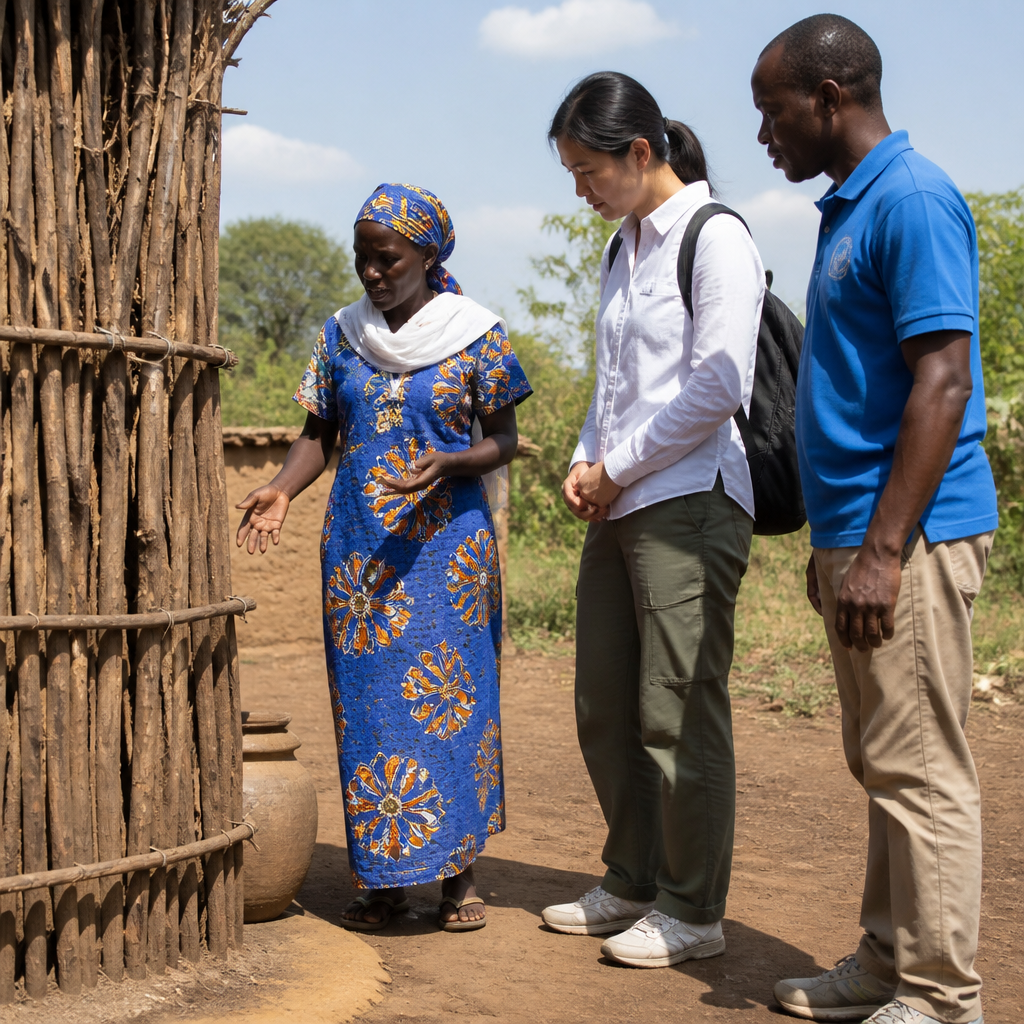
Household guidance should be concrete. Users need to know what can enter the toilet, how much cover material to add, how to clean urine-diversion pans without excess water, when to switch chambers, and how to keep children safe. In successful projects, demonstration units and repeated follow-up visits consistently outperform one-time training sessions.
Implementation in Homes, Schools, Clinics, and Farms
Different settings need different operational models. In households, privacy, odor control, convenience at night, and ease of cleaning strongly influence adoption. A technically sound toilet that feels awkward or unsafe will be underused. In schools, separate facilities for girls and boys, menstrual hygiene accommodations, and handwashing stations are non-negotiable. School EcoSan systems can also serve as educational tools linking health, biology, agriculture, and environmental stewardship.
Clinics and nutrition centers need stricter protocols because users may be ill, immunocompromised, or caring for infants. Here, the sanitation objective is maximum containment and minimal handling on-site unless trained staff and secure storage are available. In agricultural use, extension services should help farmers understand application timing, crop restrictions, and nutrient balancing. Treated urine supplies nitrogen effectively, but overapplication can burn plants or leach into groundwater. Matching application rates to crop demand is standard agronomic practice and should be part of every EcoSan training package.
Financing also affects health outcomes. Subsidies that cover construction but not follow-up service often produce abandoned infrastructure. Better models include support for masons, supply chains for pans and containers, scheduled inspections, user committees, and links to local agriculture officers. Sanitation is a service system, not a one-time hardware delivery.
Barriers, Misconceptions, and How Programs Overcome Them
The main barriers to EcoSan are social acceptance, maintenance burden, and weak institutional support. Some households dislike handling any product derived from excreta, even after treatment. Others associate dry toilets with poverty or older unimproved facilities. These concerns should be addressed directly, not dismissed. Programs that invite local leaders, women’s groups, farmers, and school staff into design decisions usually achieve stronger uptake because people can question, adapt, and test the system before scale-up.
A common misconception is that EcoSan is automatically low-maintenance. It is not. It often shifts effort from water-based flushing to user management, chamber rotation, cover material handling, and periodic emptying. Another misconception is that nutrient reuse alone justifies the system. Health protection comes first. If treatment quality cannot be assured, reuse plans should be conservative or delayed.
Still, where sewers are infeasible and pits are unsafe, EcoSan can outperform default alternatives. Programs in parts of East Africa, Southern Africa, and South Asia have shown that with local fabrication, behavior-change support, and agricultural extension, adoption can be durable. The lesson from those cases is consistent: technology succeeds when governance, training, and culture are treated as core design elements.
Improved sanitation is one of the most practical ways to tackle malnutrition because it protects the body’s ability to use food. EcoSan strengthens that strategy by containing excreta, reducing water demand, limiting environmental contamination, and creating safe opportunities to recover soil nutrients. For communities facing repeated diarrhea, stunting, poor harvests, and weak sanitation infrastructure, this integrated approach can deliver measurable health gains when it is managed carefully.
The key points are clear. Malnutrition is not only about food intake; it is also about infection pressure and nutrient absorption. EcoSan is not a single toilet type but a family of systems built around safe containment, treatment, and reuse. Success depends on the full safety chain: correct design, regular maintenance, handwashing, child-safe feces disposal, trained operators, and cautious agricultural application. Where these elements are missing, health benefits shrink. Where they are in place, households and institutions can reduce disease exposure while improving soil fertility and resilience.
As the hub for enhancing health through EcoSan, this article provides the foundation for deeper work on toilet design, fecal sludge handling, school sanitation, agricultural reuse, and sanitation behavior change. Use it to assess local risks, compare options, and build sanitation plans that support nutrition rather than undermine it. If you are shaping a health and safety program, start by mapping exposure routes in your community and identifying which EcoSan model can break them safely and sustainably.
Frequently Asked Questions
How is malnutrition connected to poor sanitation?
Malnutrition is not only about a lack of food. It is also deeply connected to the environment in which people eat, drink, and live. When sanitation is poor, human waste can contaminate water sources, soil, food, and household surfaces. Children and adults are then repeatedly exposed to harmful bacteria, viruses, and parasites. Even if a family has enough calories, the body may not be able to properly absorb and use those nutrients because illness keeps interrupting digestion and recovery.
Repeated diarrhea is one of the clearest links between sanitation and malnutrition. Every episode can cause the body to lose fluids, minerals, and nutrients that are essential for growth and health. Intestinal worm infections can further drain nutrition by competing for nutrients, causing blood loss, and reducing appetite. In addition, ongoing exposure to unsanitary conditions can contribute to chronic gut inflammation, sometimes called environmental enteric dysfunction, which affects the intestine’s ability to absorb nutrients efficiently. Over time, this cycle can lead to stunting, weakened immunity, poor cognitive development, lower school performance, and reduced productivity later in life.
In short, improved sanitation helps break the infection-malnutrition cycle. Safe toilets, proper wastewater management, clean water, and handwashing facilities all reduce exposure to disease-causing organisms. That means the body can hold onto nutrients, children can grow more normally, and communities are better able to turn available food into real health gains.
Why are children especially vulnerable to sanitation-related malnutrition?
Children, particularly those under five, are the most vulnerable because their bodies and brains are developing rapidly and need a steady supply of nutrients to support growth, immunity, and learning. At the same time, young children are more likely to be exposed to unsanitary environments. They crawl on contaminated floors, put their hands or objects in their mouths, and often have less developed immune defenses than adults. This creates frequent opportunities for germs from feces-contaminated surroundings to enter the body.
When children experience repeated diarrhea, worm infections, or chronic intestinal irritation, the damage can be cumulative. They may eat less because they feel unwell, lose nutrients during illness, and absorb fewer nutrients even when they do eat. This is especially serious during the first 1,000 days of life, from pregnancy to a child’s second birthday, when nutrition and health have long-lasting effects on physical growth and brain development. Sanitation failures during this period can contribute to stunting, underweight, anemia, delayed development, and greater susceptibility to future infections.
The effects can continue well beyond early childhood. Poor growth and frequent illness can reduce concentration, school attendance, and learning outcomes. Later in life, that may translate into lower earning potential and poorer overall health. That is why improving sanitation around households, childcare settings, schools, and health centers is so important. Protecting children from contamination is not just a hygiene issue; it is a foundational nutrition and development strategy.
What sanitation improvements have the biggest impact on reducing malnutrition?
The most effective sanitation improvements are those that reduce human contact with fecal contamination at multiple points. Safe, usable toilets are a major first step because they help contain waste and prevent open defecation. However, toilets alone are not enough. Waste must also be safely emptied, transported, treated, or disposed of so that it does not re-enter the environment through drains, soil, floodwater, or nearby water sources.
Handwashing with soap is another high-impact intervention, especially after using the toilet, after cleaning a child, before preparing food, and before eating. This simple practice can significantly reduce the spread of diarrheal disease. Reliable access to clean water is equally essential because families need water not only for drinking but also for handwashing, cleaning toilets, bathing children, and keeping cooking areas hygienic. In many communities, the absence of nearby water undermines otherwise good sanitation habits.
Drainage and wastewater management also matter more than many people realize. Stagnant wastewater around homes can spread contamination and create unsafe play spaces for children. Clean household environments, safe disposal of child feces, and hygienic food preparation all strengthen the overall impact. The biggest nutrition gains usually come when sanitation is improved as part of a broader public health package that includes clean water, hygiene education, deworming where appropriate, maternal health support, and better access to nutritious food. In other words, the strongest results come from combining infrastructure with behavior change and community-wide coverage.
Can improved sanitation help even when food insecurity is still a problem?
Yes. Improved sanitation can make a meaningful difference even in places where food insecurity remains a challenge. Better sanitation does not replace the need for sufficient, diverse, and nutritious food, but it helps the body make better use of whatever food is available. If a child is constantly sick from diarrhea or intestinal infections, even a modest diet becomes less effective because nutrients are lost or poorly absorbed. Reducing those illnesses can improve nutritional outcomes without changing calorie intake overnight.
This is especially important in low-resource settings where every meal counts. When fewer nutrients are wasted through illness, children may gain weight more steadily, recover faster from setbacks, and respond better to feeding programs. Adults may also have better energy, stronger immunity, and improved ability to work and care for their families. For pregnant women, improved sanitation can lower infection risks that may otherwise affect maternal health and infant growth.
At the same time, sanitation should be seen as part of an integrated solution. Communities facing malnutrition often need support across several areas at once, including food access, dietary diversity, breastfeeding support, health services, clean water, and sanitation infrastructure. Improved sanitation is powerful because it protects the nutritional value of food that households already have and enhances the effectiveness of nutrition interventions. In that sense, it is one of the most practical ways to strengthen the overall fight against malnutrition.
What does a successful community approach to sanitation and nutrition look like?
A successful community approach goes beyond building a few toilets. It focuses on creating a clean, safe environment where exposure to fecal contamination is reduced for everyone. That usually means improving sanitation coverage across the whole community, not just in individual households. If only some families have safe toilets while waste remains common in surrounding areas, children can still be exposed through shared spaces, water sources, and contaminated soil.
Strong community programs typically combine infrastructure, education, and long-term maintenance. Households need toilets that are affordable, safe, private, and practical to use year-round. Communities also need systems for waste management, drainage, and reliable water access. Schools and health facilities should have functioning toilets and handwashing stations so that healthy habits are reinforced in everyday life. Local education campaigns can help families understand how germs spread, why child feces must be disposed of safely, and when handwashing matters most.
The best approaches are inclusive and locally grounded. They involve local leaders, health workers, teachers, women’s groups, and caregivers in planning and monitoring progress. They also pay attention to barriers such as cost, disability access, seasonal flooding, and social norms. When sanitation improvements are paired with nutrition counseling, child growth monitoring, deworming, safe food handling, and maternal-child health services, the benefits are much greater. That kind of coordinated effort helps communities move from treating malnutrition after it happens to preventing it at the source.