Promoting menstrual hygiene in EcoSan initiatives requires more than adding bins to toilets or distributing pads during awareness campaigns. It means designing sanitation systems, operating procedures, and community education so that menstruation is managed safely, privately, and without stigma at every point of use. In ecological sanitation, or EcoSan, the goal is to protect health while recovering resources through approaches such as urine diversion, dehydration, composting, and safe reuse. Menstrual hygiene refers to using clean materials to absorb or collect menstrual blood, changing them in privacy, washing the body with soap and water, and disposing of or cleaning materials safely. When these needs are ignored, women and girls face infection risks, stress, school absence, and exclusion from sanitation services that were supposed to improve health.
I have seen otherwise well-built EcoSan sites fail because designers focused on vault performance, urine separation, and nutrient recovery while overlooking how a person actually manages a period inside that space. A toilet can meet engineering targets and still be unusable for part of the population. That gap matters because menstrual hygiene sits at the intersection of public health, gender equity, disability inclusion, solid waste management, and behavior change. It also affects whether users trust EcoSan systems enough to maintain them correctly. If menstrual materials block urine-diverting pans, contaminate composting chambers, or are hidden in unsafe places, both hygiene outcomes and system performance decline.
This hub article explains how to prioritize health in EcoSan by treating menstrual hygiene as a core design and management requirement, not an optional add-on. It covers infrastructure, operations, education, occupational safety, inclusion, and monitoring, with practical examples from schools, households, and communal toilets. It also connects menstrual hygiene to the larger health and safety agenda within EcoSan: handwashing, pathogen control, user privacy, safe collection, vector prevention, cleaning protocols, and final handling of reusable and disposable products. For programs building or upgrading ecological sanitation facilities, this is the starting point for making systems safer, more dignified, and more consistently used by the people they are meant to serve.
Why Menstrual Hygiene Must Be Built into EcoSan Design
Menstrual hygiene should shape the basic layout of an EcoSan facility from the first sketch. In practice, that means providing a lockable door, adequate lighting, a shelf or hook for supplies, a water point close to the cubicle, and a place to wash hands with soap immediately after use. For users of reusable cloths, menstrual cups, or reusable pads, the design also needs private washing space and a discreet drying strategy that protects both hygiene and dignity. In schools and dense settlements, I have found that the most successful setups are not the most expensive; they are the ones that remove friction. If a girl has to carry water from far away, queue for disposal, or wash reusable materials in public view, she is less likely to use the facility safely.
EcoSan technologies introduce extra considerations because waste streams are often intentionally separated. Urine-diverting dry toilets, for example, can be damaged or clogged if users put pads, wrappers, cloth, or underwear into the urine bowl or feces vault. Dehydration and composting systems also depend on maintaining proper moisture balance and avoiding inappropriate solid waste inputs. That does not mean menstrual materials cannot be managed within an EcoSan setting. It means the system needs a clear pathway: containment, temporary storage, collection, and final treatment or disposal. Every facility should make that pathway obvious through physical design and user instructions. Ambiguity creates contamination, odors, maintenance burdens, and user frustration.
Health protection is the main reason this design work matters. The World Health Organization emphasizes that safe sanitation must separate people from excreta and support hygiene behaviors. Menstrual hygiene adds parallel needs: safe washing, safe storage of clean materials, and safe handling of used materials. Without these, users may prolong use of soiled products, wash with unsafe water, or avoid toilets entirely during menstruation. In field programs, those responses are common when privacy or disposal is weak. Good EcoSan design reduces direct exposure to bodily fluids, supports frequent changing, and protects operators from encountering hidden waste in vaults or conveyance equipment. In other words, better menstrual hygiene design improves the full health chain, from user experience to system maintenance.
Facility Features That Support Safe Use
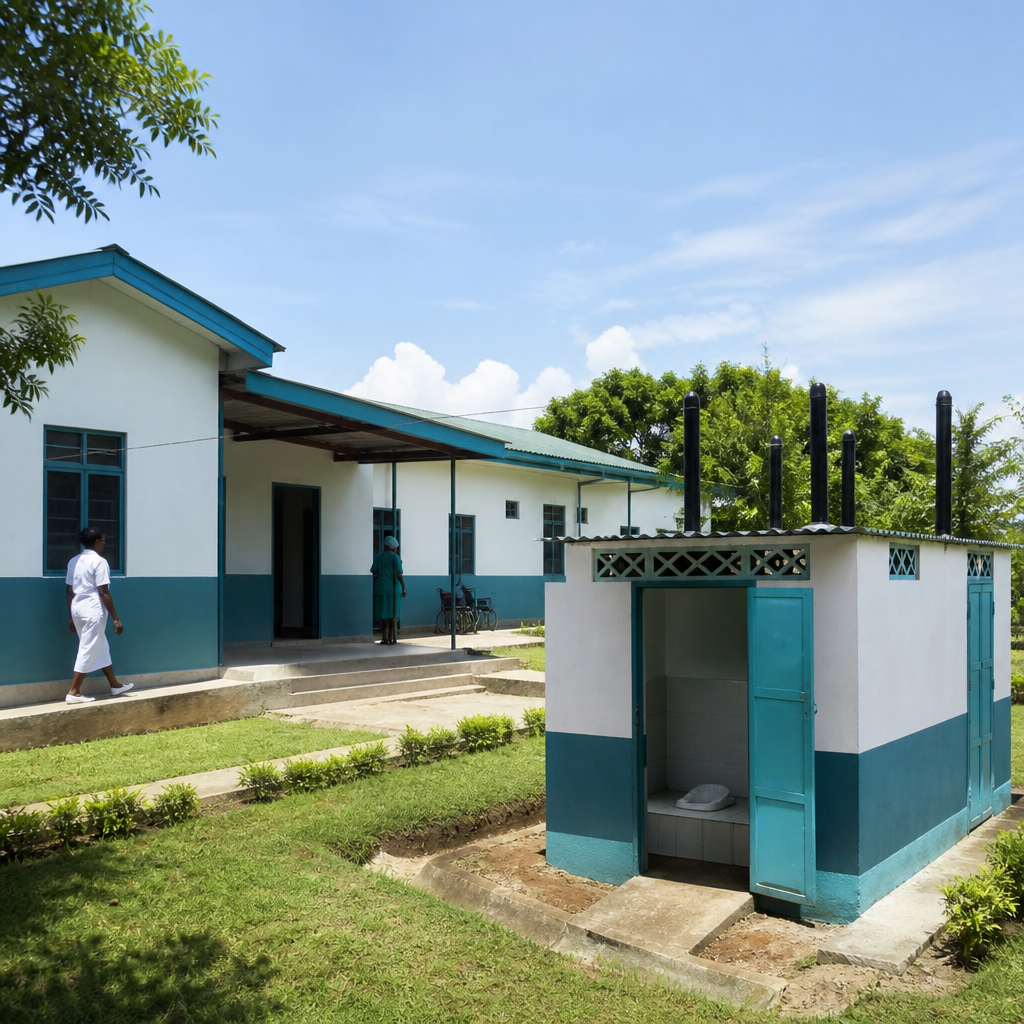
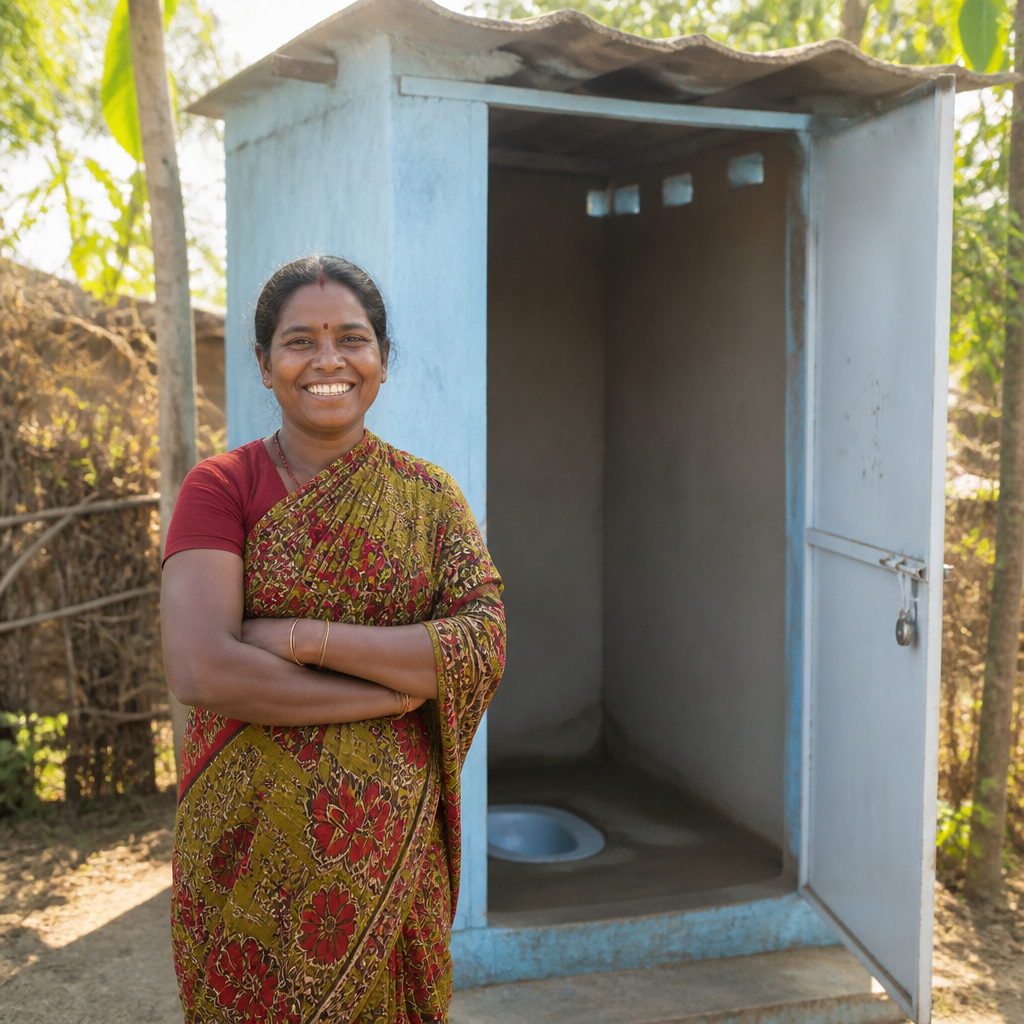
The minimum standard for menstrual hygiene in EcoSan is a private, clean, functional cubicle with water, soap, and a disposal or cleaning option. Privacy includes an inside lock, no gaps at eye level, and enough internal space to change materials without touching contaminated surfaces. Cleanability matters because menstrual blood can stain floors and slabs, and stained facilities quickly gain a reputation for being dirty or unsafe. I recommend smooth wall and floor finishes, a slight floor slope toward a drain where wet cleaning is intended, and durable paint or cladding that tolerates regular disinfection. Ventilation should control odors without sacrificing privacy. Good natural light or solar lighting makes changing easier and reduces fear, especially in evening-use community blocks.
Product choice in a community affects infrastructure needs. Disposable pads require bins with lids, liners where feasible, and predictable emptying schedules. Reusable pads and cloths need washing points with drainage, soap, and private drying arrangements such as screened lines or designated laundry zones. Menstrual cups require clean water for rinsing and periodic boiling outside the cubicle, which means programs should explain safe sterilization methods in the local context. In drought-prone areas using dry EcoSan systems, small-volume handwashing devices like tippy taps can work, but they are not enough on their own if users need to wash reusable materials. Separate service points for washing and drying often solve this without compromising dry toilet performance.
Accessibility must be treated as a health issue, not merely a compliance item. Users with disabilities, older women, and people with limited mobility need wider doors, handrails, reachable hooks, and disposal containers that can be opened with minimal force. Adolescent girls often need clear orientation the first time they use a urine-diverting or dehydration toilet during menstruation, especially if previous facilities were flush toilets or pit latrines. Visual instructions should be direct and respectful. Symbols can help where literacy is low, but they should be tested locally because misinterpretation is common. The point is simple: a menstrual hygiene feature only improves health if users can understand it and physically use it with confidence.
Managing Menstrual Materials Without Damaging EcoSan Systems
Programs often struggle most with the practical question: where do used menstrual materials go in an EcoSan initiative? The answer depends on product types, waste infrastructure, and local regulations, but it should never be left to individual guesswork. Disposable pads, tampons, applicators, wrappers, and damaged reusable products should usually be kept out of urine-diverting pans, dehydration vaults, composting chambers, and fecal sludge streams unless a specific treatment process has been validated for them. In most settings, the safer route is source segregation into lined bins or covered containers, followed by collection and transfer to an approved solid waste pathway such as controlled burial, high-temperature incineration, or municipal waste services where available.
In schools and public toilet blocks, the collection schedule is as important as the bin itself. A lid without regular emptying creates odor, overflow, and embarrassment, which quickly discourages use. I advise managers to track peak use days and size service frequency accordingly. A practical comparison appears below.
| Management option | Best fit | Benefits | Limitations |
|---|---|---|---|
| Lidded bin plus municipal collection | Urban schools, clinics, markets | Simple for users, compatible with mixed product types | Depends on reliable external waste service |
| On-site small-scale incinerator | Institutions with trained operators | Reduces storage volume and handling frequency | Needs emissions control, ash management, supervision |
| Controlled burial in protected pit | Rural sites with low waste volume | Low cost and locally manageable | Requires siting controls, not suitable in high water table areas |
| Reusable pad and cup support system | Households, schools with water access | Cuts recurring waste and disposal burden | Needs reliable washing privacy, soap, and user training |
Incineration is sometimes presented as the universal answer, but that is too simplistic. Low-temperature units can produce smoke, odor, and incomplete combustion, especially when wet waste is burned. If an institution uses an incinerator, it needs operator training, restricted access, ash handling procedures, and maintenance records. Controlled burial can be workable for small volumes, but siting must protect groundwater and prevent scavenging by animals. For reusable products, washing protocols should emphasize soap, safe water, complete drying before reuse, and secure storage in a clean container. Every option involves tradeoffs, and the right choice is the one that protects users and workers while fitting the local service chain.
Education, Stigma Reduction, and User Training
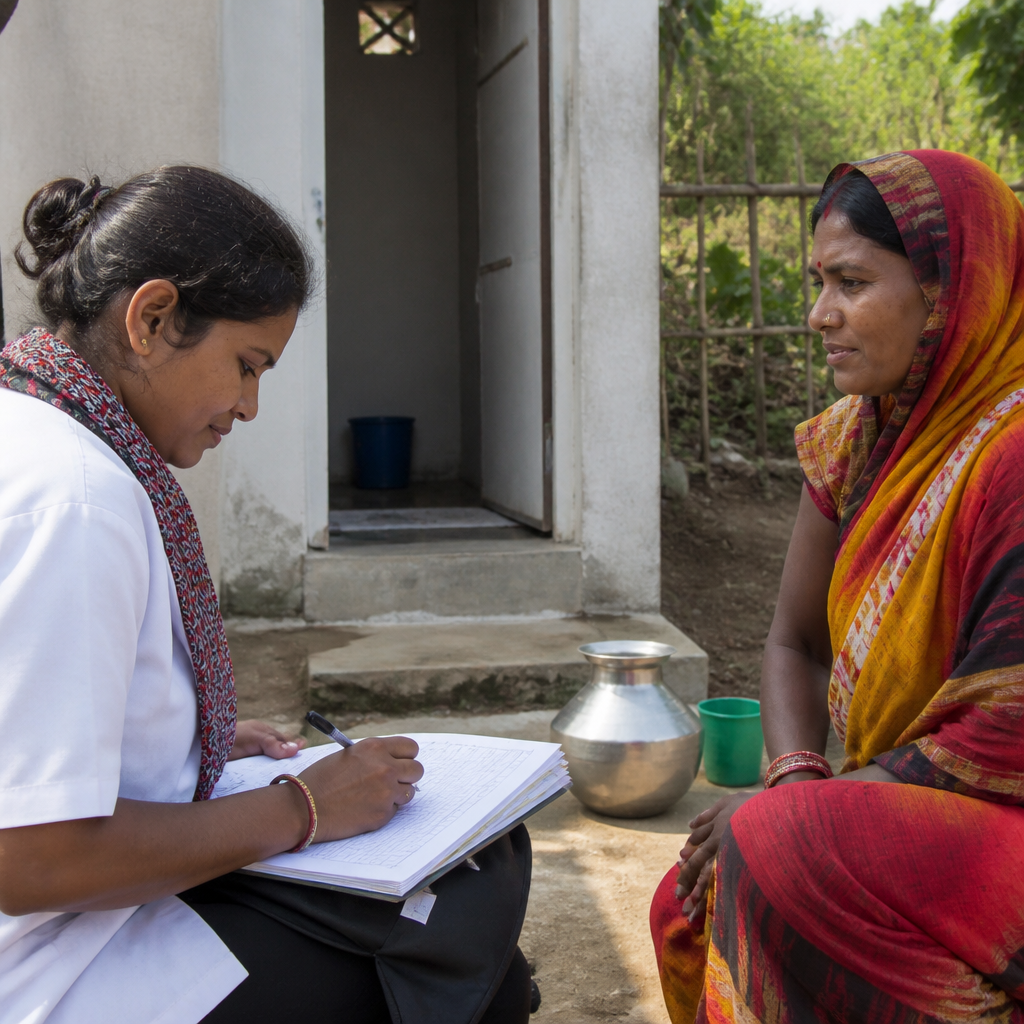
Infrastructure fails when people are too embarrassed to discuss how to use it. Menstrual stigma remains one of the strongest barriers to healthy sanitation behavior, and EcoSan initiatives must address it directly. In community meetings, I have found that practical demonstrations work better than abstract messaging. Show where water is collected, where used materials go, how to keep reusable items clean, and what never goes into a urine-diverting pan. Explain the reason behind each rule. Users cooperate more when they understand that blocking a urine channel or contaminating a compost vault affects everyone through odors, flies, maintenance costs, and possible exposure risks.
Education should reach more than menstruating users. Boys, men, teachers, caretakers, religious leaders, and sanitation workers all influence whether menstrual hygiene is treated respectfully. In schools, puberty education paired with orientation to the toilet block reduces teasing and panic during first menstruation. In workplaces and communal schemes, women should help define cleaning schedules, supply storage, and complaint channels because they know where daily use breaks down. Messages should be plain: menstruation is normal, hygienic management is achievable, and seeking privacy, water, and disposal is not a special request but a basic sanitation need.
Training also matters for caretakers and masons. Cleaning staff need written procedures for emptying bins, disinfecting surfaces, responding to spills, and reporting damaged locks or missing soap. Builders need to understand why a hook, shelf, drain, or screened wash area is not cosmetic. Small omissions can make a facility functionally unusable during menstruation. The strongest health programs create feedback loops: orientation at handover, refresher sessions, visible instructions, and a way for users to report failures without shame. That is how menstrual hygiene moves from awareness language into day-to-day EcoSan performance.
Protecting Operators, Monitoring Health Outcomes, and Building Better Programs
Prioritizing health in EcoSan means protecting the people who clean, empty, transport, and manage sanitation systems. Menstrual materials hidden in vaults or mixed into composting inputs create avoidable exposure and mechanical problems. Operators should have gloves, handwashing supplies, boots where needed, and a clear rule that unexpected solid waste is handled as potentially infectious. Standard operating procedures should cover bin emptying, contact minimization, spill response, and final disposal. In larger programs, incident logs are valuable. If one school repeatedly finds pads in urine-diversion bowls, that signals either poor signage, inadequate bins, lack of privacy, or weak orientation, not simply user negligence.
Monitoring should combine technical and human indicators. Technical metrics include bin fill rate, blocked pans, vault contamination incidents, water availability, soap stockouts, cleaning frequency, and downtime of locks or lights. Human indicators include school attendance during menstruation, reported comfort using facilities, disposal confidence, and satisfaction with privacy. Some programs use simple monthly checklists; others add anonymous user surveys or student health club reporting. The exact tool matters less than consistency. What gets measured gets fixed. When menstrual hygiene indicators are absent, the issue disappears from budgets and supervision even if users struggle daily.
Strong programs also plan for supply chains and affordability. A facility without pads in the local market, or without soap because procurement failed, cannot deliver health outcomes. Partnerships with local health departments, women’s groups, schools, and waste services strengthen continuity. Policy alignment matters too. National standards for school sanitation, occupational safety, healthcare waste, and inclusive WASH can guide design choices and funding priorities. Where standards are silent on EcoSan-specific menstrual management, implementers should document lessons and feed them back into guidelines. Field evidence is already clear: menstrual hygiene is not peripheral to ecological sanitation. It is one of the conditions that determines whether EcoSan protects health as intended.
For any organization working on Health and Safety in EcoSan, this topic should anchor the wider subtopic hub. Menstrual hygiene connects to handwashing, cleaning, solid waste management, safe reuse, user training, disability access, school sanitation, and worker protection. If you are reviewing an EcoSan project now, start with a simple audit: can a menstruating user enter privately, change comfortably, wash safely, manage used materials correctly, and leave without stigma or risk? If the answer is no at any step, the system needs improvement. Fixing those gaps will make EcoSan healthier, more durable, and more trusted. Build that review into every design, upgrade, and maintenance plan, and health outcomes will improve across the whole sanitation chain.
Frequently Asked Questions
1. Why is menstrual hygiene important in EcoSan initiatives?
Menstrual hygiene is essential in EcoSan initiatives because sanitation systems only work well when they reflect the full range of daily user needs, including menstruation. If EcoSan programs focus only on urine diversion, composting, dehydration, or waste reuse without considering how people manage periods in practice, the result can be poor usability, contamination risks, clogged systems, embarrassment, and low adoption. Menstruation affects how people use toilets, wash facilities, dispose of materials, and seek privacy, so it must be built into the design and operation of the sanitation system from the beginning.
In practical terms, menstrual hygiene in EcoSan settings is about far more than providing disposal bins. It includes safe access to water, soap, washing areas, privacy, secure doors, internal lighting or visibility, shelves or hooks for supplies, and clear guidance on which menstrual products can be used with the system. It also means ensuring that users understand how pads, cloths, menstrual cups, or other materials interact with urine-diverting toilets, dehydration vaults, and composting processes. When these needs are ignored, users may avoid toilets, dispose of materials in pits or diversion pans, or feel excluded from the sanitation service altogether.
There is also a strong dignity and equity dimension. Menstrual hygiene management affects school attendance, work participation, confidence, and personal safety. In many communities, stigma around menstruation can prevent open discussion of sanitation needs, which makes poor design more likely. EcoSan initiatives that actively address menstrual hygiene help normalize menstruation as a routine part of sanitation planning. That creates systems that are more inclusive, more hygienic, easier to maintain, and more likely to be accepted by households, schools, and institutions over the long term.
2. How should EcoSan toilets and facilities be designed to support menstrual hygiene?
EcoSan toilets should be designed with menstrual hygiene as a core user requirement, not as an afterthought. The most important design principle is usability during menstruation. That means the facility must allow a person to change, wash, store, and if necessary dispose of menstrual materials safely and privately. Basic features should include a door that locks from the inside, walls that prevent gaps in visibility, ventilation, a clean floor, and enough interior space to move comfortably. A shelf, hook, or ledge is especially useful for placing clothes, soap, water containers, or menstrual supplies where they stay clean and dry during use.
Water access is another critical design factor. Even in low-water EcoSan systems, users still need some water nearby for handwashing, body cleaning, and in some contexts rinsing reusable materials. A handwashing point with soap should be close to the toilet exit, and where possible there should be a separate private washing area for changing or cleaning reusable products. Designers should also consider drainage for wash areas so that wastewater does not create muddy, unsafe, or unhygienic surroundings. In schools and shared facilities, reliable water access often determines whether users feel comfortable attending during menstruation.
Because EcoSan systems are sensitive to what enters them, product pathways must be clearly planned. Non-biodegradable pads, wrappers, and other materials should not be dropped into urine-diversion bowls or composting vaults unless the system is specifically designed to handle them. Instead, facilities may need covered bins, lined containers, chutes to separate collection points, or small-scale treatment and disposal options that fit local regulations and maintenance capacity. Signage should be clear, respectful, and easy to understand. If reusable materials are common, the design should support discreet washing and drying in hygienic conditions. Ultimately, the best design is one that matches local menstrual practices while protecting the technical performance of the EcoSan system.
3. What menstrual products work best in EcoSan programs, and how should disposal be managed?
There is no single menstrual product that works best in every EcoSan program because product choice depends on culture, affordability, water access, privacy, waste services, and user preference. Disposable pads may be practical for some users, while reusable cloth pads, menstrual cups, or period underwear may be more suitable in other settings. The role of an EcoSan initiative is not to force one product type, but to make sure the sanitation system and user guidance can safely accommodate the products people actually use. That starts with understanding local habits through community consultation rather than making assumptions.
From a sanitation operations perspective, the key issue is whether menstrual materials can damage or contaminate EcoSan infrastructure. Disposable pads, plastic-backed products, wrappers, and applicators should generally be kept out of urine-diverting pans, dehydration chambers, and composting units unless a dedicated treatment process exists. These materials can block pipes, interfere with urine diversion, slow decomposition, and create difficult maintenance conditions for operators. Facilities should therefore include a separate and clearly explained disposal route. This could mean covered bins with regular collection, protected interim storage, transport to a regulated solid waste stream, or context-appropriate destruction methods where permitted and safely managed.
Reusable products can reduce solid waste pressure, but they require dependable conditions for hygienic use. Reusable cloth pads need washing facilities, soap, water, and private drying areas that receive sunlight or adequate airflow. Menstrual cups may be highly compatible with low-waste goals, but users need information on insertion, removal, cleaning, and safe storage, and they must have enough privacy to use them comfortably. EcoSan programs should provide neutral, practical education on all relevant options, explain what should and should not enter the sanitation system, and avoid judgment about personal choices. Good menstrual hygiene management in EcoSan is less about promoting one product and more about matching products, infrastructure, and user support in a realistic way.
4. How can community education reduce stigma and improve menstrual hygiene within EcoSan initiatives?
Community education is one of the most important tools for making menstrual hygiene work in EcoSan initiatives because technical infrastructure alone cannot overcome stigma, misinformation, or exclusion. In many places, menstruation is surrounded by silence, shame, or restrictions that influence whether people ask for what they need, use sanitation facilities properly, or seek help when problems arise. Education efforts should therefore present menstruation as a normal biological process and a routine sanitation planning issue. When communities hear consistent, respectful messages from trusted facilitators, menstrual hygiene becomes easier to discuss openly and address practically.
Effective education should include more than awareness sessions for girls and women alone. Men, boys, teachers, caregivers, sanitation workers, local leaders, and facility managers all need to understand the basics of menstrual hygiene and how it connects to EcoSan operations. This helps reduce teasing, supports budget decisions, improves maintenance, and ensures that users are not blamed for system problems that actually result from poor design or unclear instructions. Training should cover topics such as safe changing practices, handwashing, product options, cleaning routines, what not to put into urine-diversion or composting systems, and how disposal or washing arrangements are meant to work.
It is also important for education to be participatory and locally grounded. Programs should invite users to describe real challenges, such as lack of privacy, fear of leakage, difficulties washing reusable materials, or uncertainty about disposal. These insights can guide improvements to both hardware and operations. Materials should be age-appropriate, linguistically accessible, and sensitive to cultural norms without reinforcing harmful myths. When education is continuous rather than one-time, it creates feedback loops that strengthen EcoSan performance. In short, stigma falls and correct use rises when communities are given practical information, respectful space for discussion, and visible proof that menstruation has been taken seriously in sanitation planning.
5. What are the biggest implementation challenges, and how can EcoSan projects address them successfully?
One of the biggest implementation challenges is the gap between technical sanitation design and everyday user behavior. EcoSan projects may be engineered carefully for resource recovery and environmental protection, yet still fail if they do not account for how menstruating users actually manage bleeding, washing, storage, and disposal. Common problems include toilets without enough privacy, no nearby water or soap, bins that are never emptied, unclear instructions on what may enter the system, and maintenance plans that ignore menstrual waste entirely. These gaps can lead to discomfort, misuse, facility avoidance, and additional work for operators.
Another major challenge is stigma. If menstruation is treated as a taboo subject, communities may resist discussing design needs, school administrators may overlook budget requirements, and sanitation workers may receive no training on handling menstrual waste safely and respectfully. This can make even well-funded infrastructure underperform. There are also supply-side barriers: some communities lack affordable menstrual products, regular solid waste collection, spare parts for toilet components, or reliable water access for washing reusable materials. In institutions such as schools, health centers, and public toilets, responsibility for cleaning and replenishment may be poorly defined, causing small failures to become persistent service problems.
Successful EcoSan projects address these challenges by integrating menstrual hygiene into planning, budgeting, training, monitoring, and maintenance from the outset. That means conducting user research before construction, involving menstruating users in design decisions, selecting disposal or washing arrangements that match local practices, and training caretakers on both technical system care and respectful service delivery. It also means setting clear operational routines for bin emptying, cleaning, handwashing supplies, and communication with users. Monitoring should include user satisfaction, privacy, cleanliness, and menstrual hygiene functionality, not just toilet counts or waste volumes. When menstrual hygiene is treated