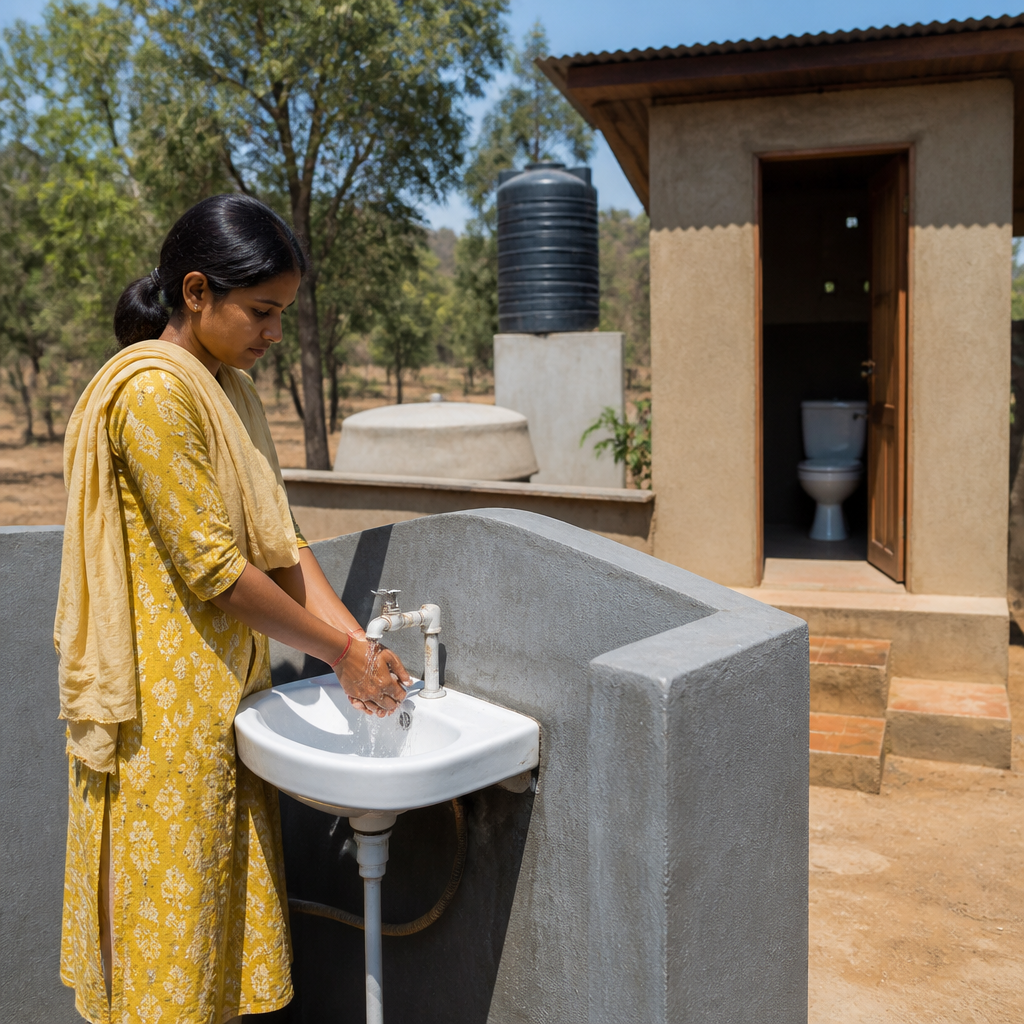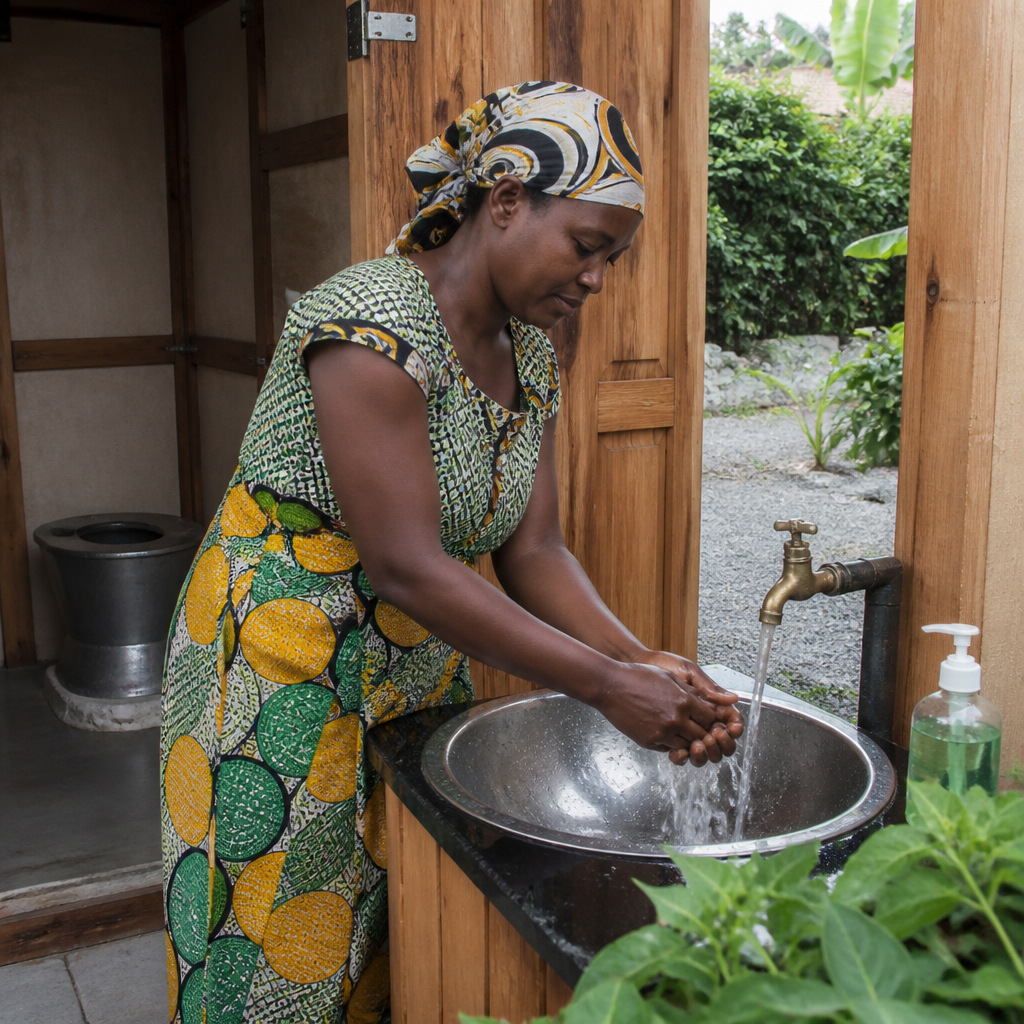
Health risks of improper sanitation and waste management are immediate, cumulative, and preventable. When sanitation systems fail, human waste, wastewater, solid waste, and contaminated surfaces become pathways for pathogens, toxic chemicals, and disease vectors. In EcoSan, or ecological sanitation, the goal is not only to manage waste but to protect health while recovering nutrients, conserving water, and reducing environmental damage. I have seen sanitation projects succeed only when health protection is treated as the first design principle rather than a secondary benefit. That is why prioritizing health in EcoSan matters for households, schools, clinics, farms, and entire municipalities.
Improper sanitation includes open defecation, leaking pits, poorly maintained toilets, unsafe sludge handling, unsegregated household waste, open dumping, and unprotected wastewater reuse. Poor waste management covers failures across storage, collection, transport, treatment, and final disposal. These gaps expose people through the fecal-oral route, direct skin contact, inhalation of bioaerosols, contaminated food and water, and bites from flies, mosquitoes, and rodents. The health burden is well established: diarrheal diseases, intestinal worm infections, cholera, typhoid, hepatitis A and E, trachoma, leptospirosis, and respiratory problems all increase where sanitation is weak. The World Health Organization consistently links safe sanitation with major reductions in enteric disease and child mortality.
EcoSan offers a practical framework for reducing those risks because it treats sanitation as a system. Urine diversion, composting toilets, fecal sludge treatment, source separation, handwashing stations, and safe reuse protocols can all lower exposures when properly designed and managed. However, badly operated EcoSan systems can also create hazards if users are not trained, storage times are too short, or personal protective measures are ignored. A health-centered EcoSan approach asks direct questions: Where can contamination occur? Who is exposed? What barriers will reliably break transmission? This hub article answers those questions and maps the core health issues that every EcoSan program must address.
How improper sanitation spreads disease
The main health danger of poor sanitation is transmission of infectious agents from feces to people. Bacteria such as Vibrio cholerae, Salmonella Typhi, and Shigella; viruses such as rotavirus and hepatitis A; protozoa such as Giardia; and helminths such as Ascaris can survive long enough in the environment to infect new hosts. In field assessments, I have repeatedly found the same pattern: a toilet may exist, but if feces leak into soil, hands are not washed, or children play near wastewater channels, exposure continues. Infrastructure alone does not stop disease; containment and behavior must work together.
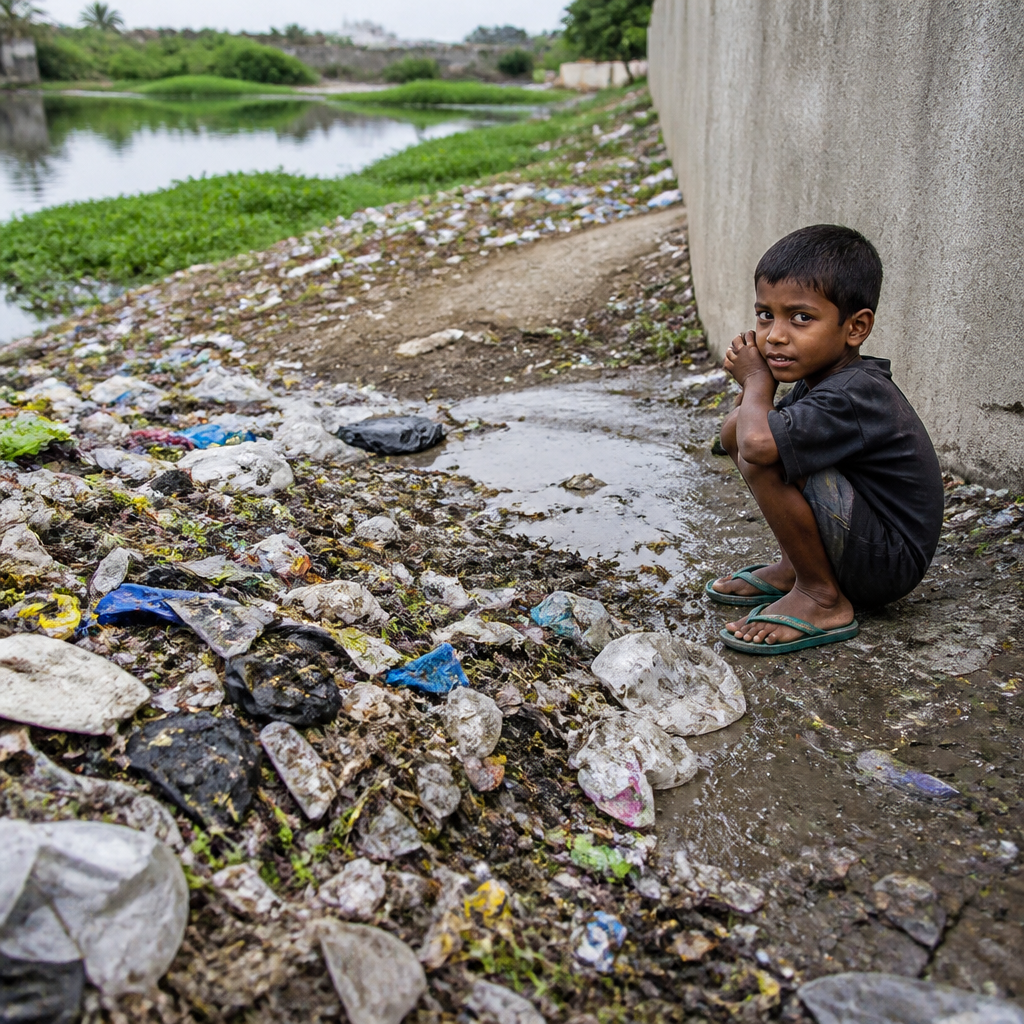
Open defecation and overflowing latrines contaminate soil and water sources. During rainfall, pathogens move from exposed waste into wells, streams, and storage containers. In dense settlements, shallow groundwater is especially vulnerable where pit latrines are close to hand-dug wells. Houseflies land on fecal matter and then on food. Children are at highest risk because they crawl, mouth objects, and have less developed immunity. Repeated exposure does not only cause acute diarrhea; it contributes to undernutrition, poor growth, anemia, and reduced school attendance. That longer-term health effect is often underestimated in sanitation planning.
Unsafe management of solid waste adds another layer of risk. Mixed waste piles attract rodents and insects, generate leachate, and are often burned in the open. Burning plastics, treated wood, and mixed refuse releases particulate matter, dioxins, furans, and other irritants that worsen asthma and other respiratory conditions. Sharp waste, including broken glass and discarded metal, causes injuries that can become infected when handled without gloves or proper containers. Where medical waste is mixed into household streams, the danger rises further through cuts, blood exposure, and accidental scavenging.
Water contamination, food safety, and household exposure
Waterborne disease is one of the clearest consequences of improper sanitation and waste management. When excreta enter drinking water supplies, even intermittently, outbreaks can follow quickly. The route is simple: contaminated source, unsafe transport, poor storage, and consumption without treatment. In rural areas, a cracked well lining or poor drainage around a borehole can allow fecal contamination after storms. In urban areas, intermittent water service creates negative pressure in pipes, pulling in sewage through leaks. A clean source is not enough if contamination occurs downstream.
Food becomes unsafe through irrigation with untreated wastewater, use of fresh sludge on crops, poor hand hygiene during food preparation, and the presence of flies around kitchens and markets. Leafy vegetables eaten raw are especially high risk because they can retain pathogens on surfaces. EcoSan can support safe nutrient recovery, but reuse must follow strict barriers: adequate treatment, crop restrictions where necessary, withholding periods, safe application methods, and post-harvest washing. In projects where these controls were documented and monitored, farmers benefited from nutrients without increasing disease risk. Where controls were informal, contamination remained likely.
Household exposure often comes from small failures that seem ordinary. A toilet slab that is hard to clean, a missing lid on a urine-diverting pedestal, a handwashing station without soap, or sludge buckets stored near cooking areas can all raise risk. Women, caregivers, sanitation workers, and children frequently bear the highest burden because they interact most with domestic waste streams. Prioritizing health in EcoSan means designing for daily use, not ideal use. A system is only safe when routine handling, cleaning, and maintenance can be done consistently and hygienically.
Waste handlers, sanitation workers, and occupational health
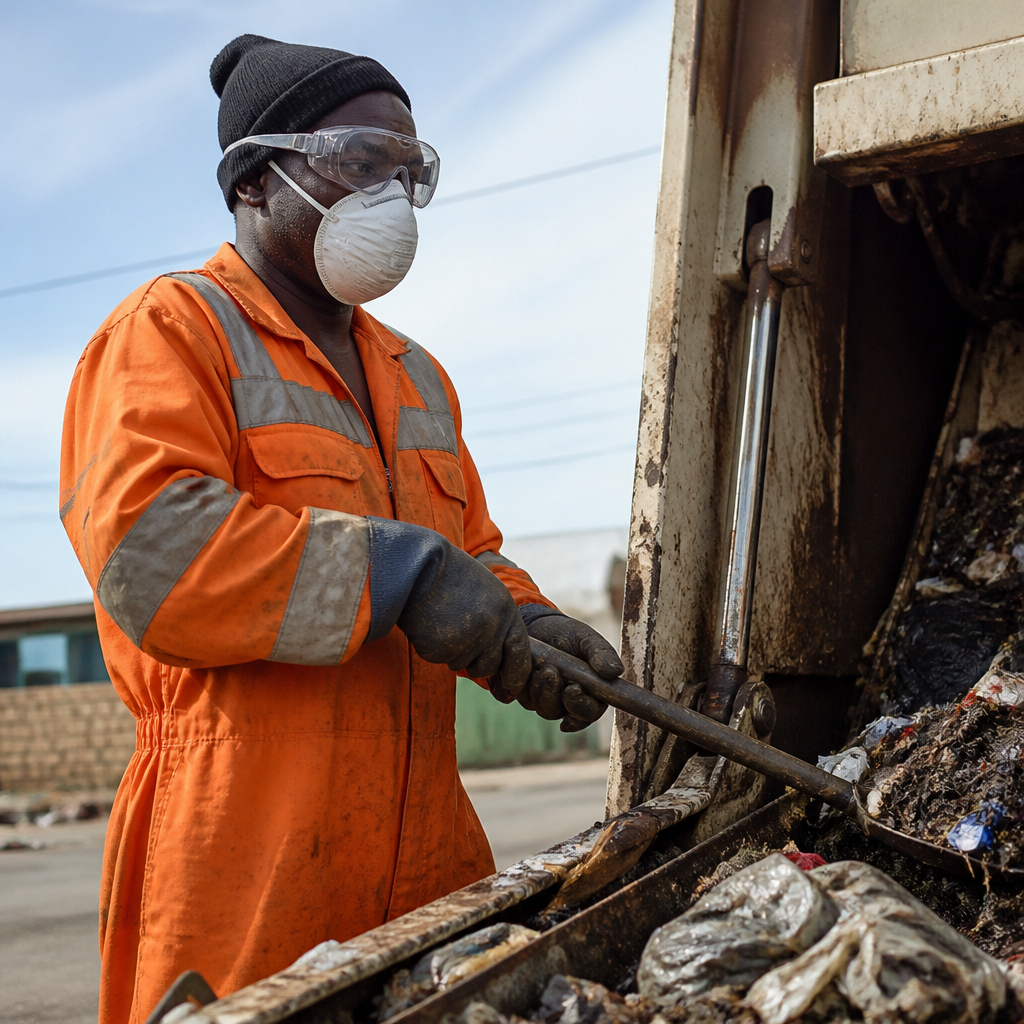
Sanitation workers face some of the most concentrated health risks in the entire waste chain. They may handle raw fecal sludge, unclog drains, collect mixed refuse, or clean treatment units under time pressure and with limited equipment. Exposure hazards include pathogens, toxic gases, sharps, musculoskeletal strain, heat stress, and traumatic injury. Hydrogen sulfide in pits and tanks can cause rapid collapse at high concentrations, while methane increases explosion risk in confined spaces. No sanitation system can be called sustainable if it protects users but sacrifices workers.
In practice, the strongest protections are straightforward: mechanized emptying where possible, confined-space entry rules, vaccination, handwashing facilities, boots, gloves, eye protection, masks appropriate to the task, and training that is repeated rather than one-time. Tools such as sealed containers, hose-based transfer, and designated cleaning areas reduce direct contact. I have seen dramatic reductions in worker illness when municipalities moved from informal manual handling to scheduled desludging with standard operating procedures. Respect, formal contracts, and access to healthcare matter as much as equipment because they improve compliance and accountability.
| Risk area | Typical hazard | Health effect | Effective control |
|---|---|---|---|
| Toilet use | Fecal contact on surfaces | Diarrheal infection | Cleanable surfaces, soap, routine disinfection |
| Sludge emptying | Pathogens and toxic gases | Infection, asphyxiation | Mechanized emptying, gas checks, PPE |
| Waste storage | Rodents, flies, sharps | Injury, vector-borne spread | Covered containers, segregation, timely collection |
| Wastewater reuse | Untreated effluent on crops | Foodborne illness | Treatment, safer irrigation methods, crop controls |
EcoSan-specific health priorities
EcoSan systems can reduce disease burden significantly, but only if they are operated as complete barrier systems. Urine-diverting dry toilets, composting toilets, arborloos, and container-based sanitation each have different exposure points. The common principle is separation, storage, treatment, and safe end use. Urine is usually lower risk than feces, yet it is not automatically sterile in all real-world settings, especially when cross-contamination occurs. Feces contain the greatest pathogen load and require the most conservative handling. Temperature, moisture, pH, time, and storage conditions determine whether treatment is sufficient.
For that reason, health-focused EcoSan programs use validated treatment targets rather than assumptions. Compost that looks mature may still contain viable helminth eggs if temperatures were uneven or the pile was recontaminated. Ash or lime addition can raise pH and reduce odor, but it does not replace adequate storage or composting time. In reuse programs, clear guidance on contact reduction is essential: apply treated products with tools, avoid edible crop contact where risk remains, wash hands after handling, and keep children away from storage areas. Documentation, inspection, and user education are not administrative extras; they are core health controls.
Design details make a measurable difference. Ventilation reduces odors and flies, but screens must remain intact. Urine diversion pedestals need correct slope and easy cleaning to prevent blockage and splash. Containers must seal tightly and be light enough for safe transport. Access paths should allow emptying without carrying waste through kitchens or classrooms. In schools and public facilities, menstrual hygiene management, privacy, lighting, and accessibility determine whether toilets are actually used. A technically sound design that people avoid will not protect health. Usability is a public health requirement.
Community planning, behavior, and public health safeguards
Health protection in EcoSan is strongest when community planning, infrastructure, and behavior change reinforce each other. The most effective sanitation programs begin with a sanitary risk assessment: identify contamination routes, vulnerable groups, seasonal flooding patterns, groundwater conditions, and current waste practices. From there, planners can choose technologies suited to the setting instead of copying a model from another region. High water table areas may need raised systems; dense settlements may need container-based approaches; farming communities may be better positioned for treated resource reuse. Context determines safety.
Behavior change is equally important because many health failures happen after construction. People need simple, repeated guidance on handwashing with soap, toilet cleaning, child feces disposal, separation of waste streams, and what to do when a system malfunctions. Visual instructions work better than long manuals in many settings. Schools can become effective demonstration sites when students learn how sanitation protects health and carry those habits home. Community health workers, local masons, and waste collectors are valuable messengers because they translate technical rules into everyday actions and can quickly identify risky practices.
Monitoring closes the loop. Useful indicators include toilet functionality, handwashing station availability, fill levels, frequency of sludge removal, presence of flies, drainage conditions, worker incidents, water quality test results, and adherence to reuse protocols. Municipalities and organizations do not need perfect data to act, but they do need routine checks and a clear response process. When problems are found early, repairs are cheaper and outbreaks are less likely. Prioritizing health in EcoSan ultimately means treating sanitation as preventive healthcare: a system of barriers that protects water, food, workers, and communities every day.
Building a safer EcoSan future
The health risks of improper sanitation and waste management are not abstract. They appear as sick children, contaminated wells, injured workers, foul neighborhoods, and preventable outbreaks. They also appear more quietly as chronic undernutrition, lost wages, school absences, and declining trust in public services. EcoSan can reverse those patterns when health is built into every decision: siting, design, user training, collection, treatment, reuse, and monitoring. The central lesson is clear from practice and evidence alike: waste is only a resource after risk is controlled.
For households, the priority is consistent safe use and maintenance. For institutions, it is reliable cleaning, inclusive access, and documented procedures. For municipalities, it is service-chain management, worker protection, and enforcement of treatment standards. For farmers and reuse enterprises, it is verified treatment and safe application. Every actor has a role, but the objective is shared: break transmission pathways before they reach people. When that happens, EcoSan delivers its full value by improving health while also supporting resilience, water stewardship, and nutrient recovery.
Use this hub as the starting point for prioritizing health in EcoSan across your projects and policies. Review your sanitation chain, identify the highest-risk exposure points, and strengthen one barrier at a time. Better sanitation is not only an environmental upgrade; it is one of the most effective public health investments any community can make.
Frequently Asked Questions
What are the main health risks of improper sanitation and waste management?
Improper sanitation and poor waste management create direct and indirect pathways for disease. The most immediate health risks come from exposure to human waste, contaminated water, wastewater, uncollected solid waste, and surfaces that carry harmful microorganisms. These conditions allow pathogens such as bacteria, viruses, and parasites to spread easily through drinking water, food, hands, soil, and household environments. Common outcomes include diarrheal diseases, cholera, typhoid, dysentery, intestinal worm infections, hepatitis, and other gastrointestinal illnesses that can become severe very quickly, especially in young children, older adults, and people with weakened immune systems.
Beyond infection, there are cumulative health effects tied to long-term environmental exposure. Poorly managed waste can attract mosquitoes, flies, rats, and other disease vectors that transmit malaria, dengue, leptospirosis, and similar illnesses. Open dumping and burning may release toxic smoke, particulate matter, and hazardous chemicals that worsen asthma, irritate the lungs, and increase the risk of chronic respiratory disease. In places where wastewater leaks into wells, rivers, or shallow groundwater, communities may face repeated illness without always realizing that the source is their sanitation system. In short, improper sanitation is not just an inconvenience or infrastructure problem; it is a serious public health threat that affects infection rates, child growth, nutrition, environmental quality, and overall community well-being.
How does poor sanitation contribute to the spread of disease in homes and communities?
Disease spreads through sanitation failures because waste does not stay contained. When toilets are absent, broken, overflowing, or poorly maintained, fecal matter can move into the surrounding environment through runoff, leakage, insects, unwashed hands, contaminated tools, or contact with shared surfaces. Once pathogens enter a household or neighborhood, they can travel through multiple routes at the same time. A person may touch a contaminated tap, prepare food without proper handwashing, drink unsafe water, or allow children to play in contaminated soil. This is why sanitation-related disease transmission is often persistent: the exposure does not happen once, but repeatedly and in many small ways throughout daily life.
Community-level spread is especially likely where drainage is inadequate and waste collection is inconsistent. Wastewater standing in open areas can mix with stormwater, then carry contamination into streets, homes, and water sources. Solid waste piles can block drains, create stagnant water, and provide breeding sites for flies and mosquitoes. Crowded settlements face even greater risk because one failing sanitation point can affect many households quickly. Effective prevention requires more than building a toilet or removing waste occasionally. It depends on safely separating people from waste at every stage, including containment, transport, treatment, disposal, and hygiene practices such as handwashing with soap. When those barriers are in place, disease transmission drops significantly.
Why are children and vulnerable populations more affected by inadequate sanitation?
Children are among the most vulnerable because their bodies are still developing, their immune defenses are less mature, and their behaviors increase exposure. Infants and young children frequently put their hands and objects into their mouths, crawl or play on contaminated ground, and rely on adults for clean water, safe food, and hygiene. Repeated diarrheal illness can quickly lead to dehydration, malnutrition, and poor nutrient absorption. Over time, chronic exposure to contaminated environments can contribute to stunting, impaired cognitive development, and reduced resistance to other illnesses. What looks like a simple sanitation problem can therefore shape a child’s long-term health, growth, and educational potential.
Other vulnerable groups include older adults, pregnant women, people with disabilities, waste workers, and individuals with chronic disease or weakened immunity. For these groups, even common sanitation-related infections can become more dangerous or harder to recover from. People with limited mobility may have difficulty accessing toilets or handwashing facilities, increasing the likelihood of unsafe practices. Informal waste pickers and sanitation workers may be exposed to sharps, chemicals, sewage, and infectious materials without adequate protective equipment. Pregnant women face additional risks when infections, dehydration, or toxic exposures affect both maternal health and fetal development. This is why sanitation planning must be inclusive and health-centered, not only technically functional.
How can EcoSan help reduce health risks while improving waste management?
EcoSan, or ecological sanitation, reduces health risks by treating human waste as a resource that must first be handled safely. The central principle is to prevent contamination of water, soil, food, and living spaces while enabling the recovery of nutrients and, in some systems, conserving water. Unlike approaches that simply move waste elsewhere, EcoSan systems are designed to contain waste effectively, reduce pathogen survival through treatment or storage, and support safer reuse practices where appropriate. When properly planned and managed, this can lower the risk of disease transmission, reduce pressure on overloaded sewer systems, and minimize groundwater pollution.
Health protection, however, depends on doing EcoSan correctly. Safe separation, storage, treatment, and handling are essential. Users need clear instructions, regular maintenance, and practical hygiene measures such as handwashing facilities, cleaning protocols, and protective equipment for anyone managing waste. Communities also need confidence that the system is safe, culturally acceptable, and easy to use. The most successful EcoSan projects usually combine engineering, health education, local training, and ongoing monitoring. In that sense, EcoSan is not just about nutrient recovery or sustainability goals; it is about creating a complete sanitation chain that protects public health while reducing environmental damage.
What are the most effective ways to prevent sanitation-related health problems?
The most effective prevention strategy is to manage waste safely from start to finish. That means ensuring access to toilets that contain waste properly, providing systems for collection or on-site treatment, protecting drinking water sources, preventing wastewater from entering homes and public areas, and disposing of or reusing treated waste under controlled conditions. Handwashing with soap remains one of the simplest and most powerful interventions because it interrupts the transfer of pathogens from feces to food, water, surfaces, and other people. Safe food handling, regular cleaning of sanitation facilities, and reliable drainage also play a major role in reducing exposure.
At the broader level, prevention depends on governance, maintenance, and public participation. Even well-designed infrastructure fails when pits overflow, drains clog, collection stops, or no one is responsible for upkeep. Regular inspection, timely repair, worker protection, health education, and community engagement are all essential. Local authorities, households, schools, clinics, and businesses each have a role in keeping sanitation systems functional. The key lesson is that sanitation-related illness is largely preventable when health protection is built into every decision. When communities prioritize safe containment, hygiene, treatment, and responsible waste management, they reduce disease, improve dignity, protect the environment, and create healthier living conditions for everyone.