Eradicating open defecation is one of the most practical ways to improve public health, environmental safety, and human dignity, and ecological sanitation, often shortened to EcoSan, offers a durable path to that goal. Open defecation means disposing of human feces in fields, forests, beaches, water bodies, or other open spaces rather than using a toilet or managed sanitation system. EcoSan refers to sanitation approaches that safely contain, treat, and often reuse human waste as a resource, usually through urine diversion, composting, dehydration, or other systems that reduce water use and recover nutrients. I have worked on sanitation communication and implementation planning, and one lesson is constant: toilets alone do not solve the problem if systems are unsafe, unaffordable, culturally mismatched, or impossible to maintain. What matters is the full sanitation chain, from containment and user behavior to treatment, maintenance, and safe end use.
This matters because open defecation drives diarrheal disease, intestinal worm infections, stunting, unsafe water contamination, and avoidable deaths, especially among children. The World Health Organization and UNICEF Joint Monitoring Programme has repeatedly shown that sanitation access is tightly linked to survival, school attendance, and community resilience. Poor sanitation also increases risks for women and girls, who may face harassment or assault when forced to seek secluded places, especially at dawn or after dark. In climate-stressed and water-scarce areas, conventional sewer expansion is often unrealistic, making decentralized sanitation essential. Enhancing health through EcoSan is therefore not a narrow technical topic. It is a public health strategy, a safety intervention, a water protection measure, and a foundation for equitable development. As a hub topic, it connects disease prevention, hygiene behavior, waste treatment, infrastructure design, agriculture, and policy enforcement into one practical agenda.
Why Open Defecation Remains a Health and Safety Emergency
Open defecation spreads pathogens through what sanitation professionals often describe as the fecal-oral transmission pathway. Feces left in the environment contaminate soil, surface water, groundwater, food, hands, and flies, which then carry disease-causing organisms back to people. The result is a predictable cycle of infection. Common pathogens include rotavirus, Shigella, Vibrio cholerae, Giardia, Cryptosporidium, and helminths such as Ascaris and hookworm. Children are the most exposed because they play in contaminated environments and have weaker immunity. Repeated exposure contributes not only to acute diarrhea but also to environmental enteric dysfunction, a chronic intestinal condition linked with undernutrition and impaired growth.
The safety dimension is equally serious. In many rural and peri-urban settings, people walk long distances to defecate in private. Women, adolescent girls, older adults, and people with disabilities face the highest burden. Lack of sanitation can force people to avoid eating or drinking so they can delay defecation until dark, increasing risks of dehydration, urinary tract infection, and constipation. During floods, conflict, or displacement, open defecation rapidly contaminates living areas and water points, increasing the likelihood of outbreaks. Communities that treat sanitation as only an infrastructure gap miss this wider risk picture. It is fundamentally about exposure control, physical security, and the prevention of repeated contamination in daily life.
How EcoSan Improves Health Through Safe Containment and Resource Recovery
EcoSan improves health by interrupting transmission at the source. Instead of allowing feces to enter the open environment, EcoSan systems separate, contain, and treat excreta where it is produced. The most common examples are urine-diverting dry toilets, composting toilets, arborloos, and dehydration vault systems. Urine diversion is useful because urine is usually low in pathogens compared with feces and contains valuable nutrients such as nitrogen, phosphorus, and potassium. Feces can be dried, composted, or otherwise treated to reduce pathogen loads before handling or reuse. When these steps are done correctly, communities gain both sanitation protection and agricultural value.
From a health perspective, the benefits are direct. Dry systems reduce standing wastewater and lower contamination risks in places with poor drainage or limited water. They also work where high water tables, rocky ground, or recurrent flooding make pit latrines unsafe. I have seen projects fail when standard pit toilets were installed in flood-prone zones; pits filled, overflowed, and contaminated nearby hand pumps. EcoSan performed better because containment was above ground and treatment steps were planned from the start. The key principle is not simply reuse. It is controlled, hygienic management that prevents human contact with fresh waste while reducing the burden on fragile water supplies and underfunded desludging services.
Core EcoSan Systems and Where Each Works Best
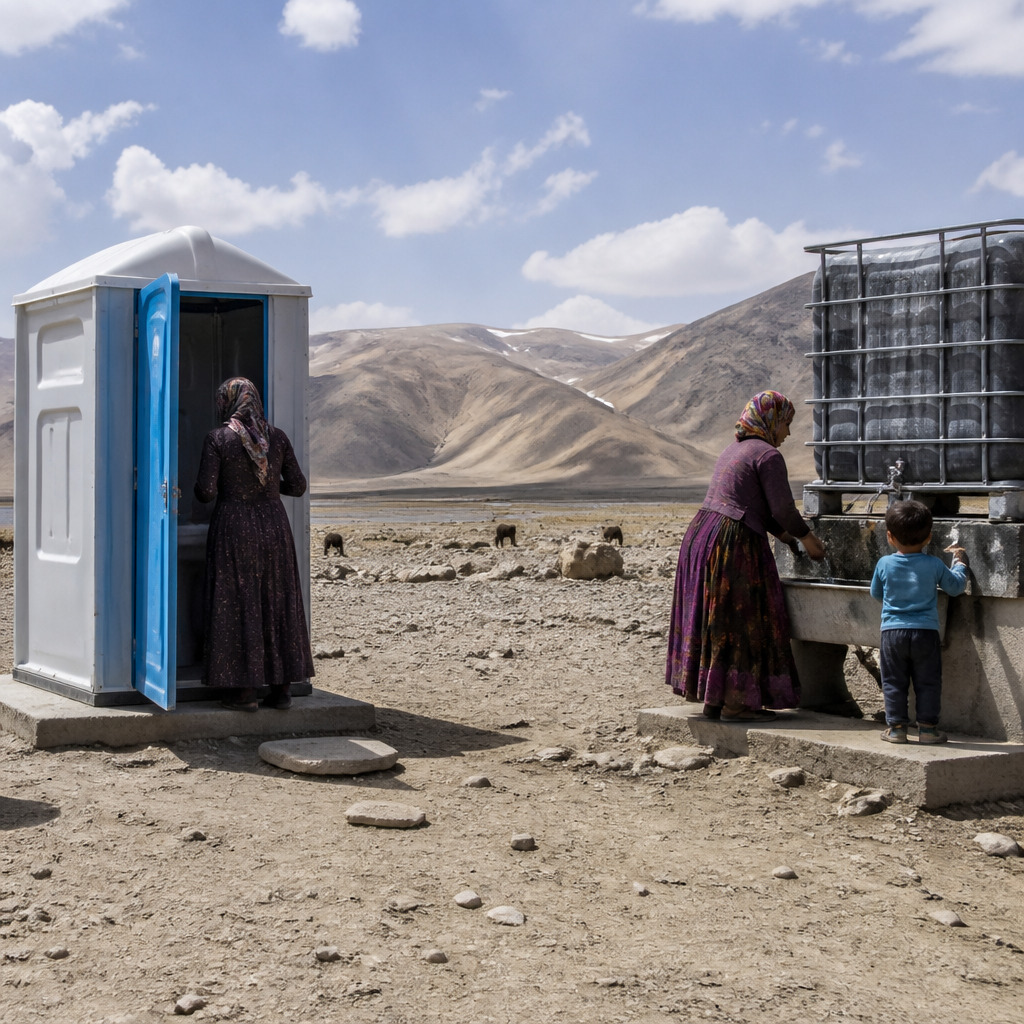
Choosing the right EcoSan model depends on climate, soil, water availability, settlement density, user preference, and maintenance capacity. Urine-diverting dry toilets are often the strongest option in water-scarce areas because they need little or no flush water and enable separate treatment streams. Double-vault dehydration toilets allow one chamber to rest and dry while the other is in use, which can significantly reduce pathogen survival when ash or lime is added after each use. Composting toilets rely on aerobic decomposition and can work well in institutions or homes where trained users can manage carbon balance, moisture, and ventilation. Arborloos, which are shallow pits moved and later planted with trees, can be suitable in low-density rural areas but are less appropriate where space is limited or groundwater is vulnerable.
| EcoSan system | Best-fit setting | Main health benefit | Key limitation |
|---|---|---|---|
| Urine-diverting dry toilet | Water-scarce homes, schools, rocky terrain | Strong source separation and low water contamination risk | Needs user training and regular emptying |
| Double-vault dehydration toilet | Flood-prone or high water table areas | Safer feces storage above ground | Requires correct ash or lime use |
| Composting toilet | Institutions, eco-sites, managed households | Stabilizes waste and reduces handling risk | Moisture and ventilation must be controlled |
| Arborloo | Low-density rural plots | Simple containment and tree planting benefit | Needs land and careful siting |
No single toilet design is universally best. In dense informal settlements, shared facilities may need container-based sanitation linked to scheduled collection and off-site treatment. In schools, separation of toilets by sex, menstrual hygiene support, handwashing access, and cleaning plans matter as much as the toilet technology itself. Good sanitation planning starts with user realities, not engineering preference. The right system is the one people can use safely every day, maintain affordably, and integrate into a complete waste management routine.
Critical Design, Operation, and Maintenance Standards
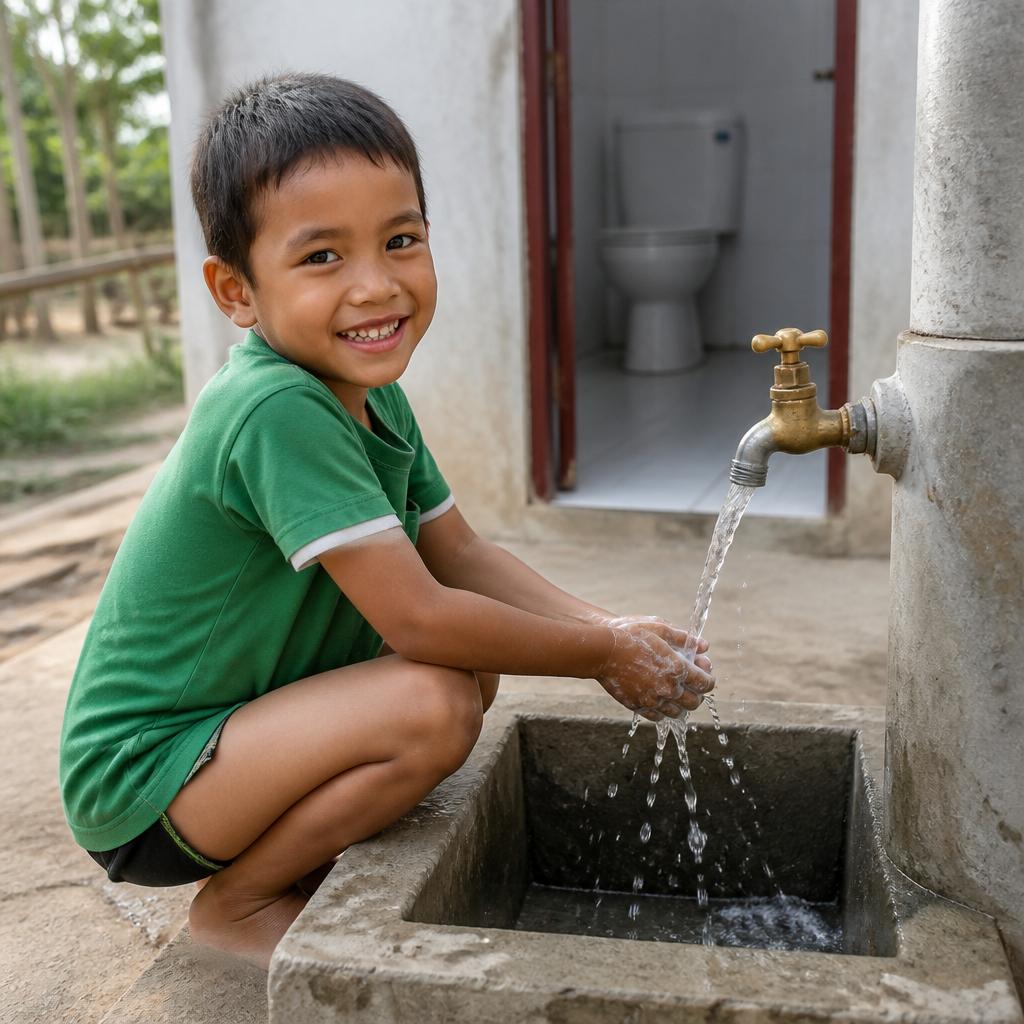
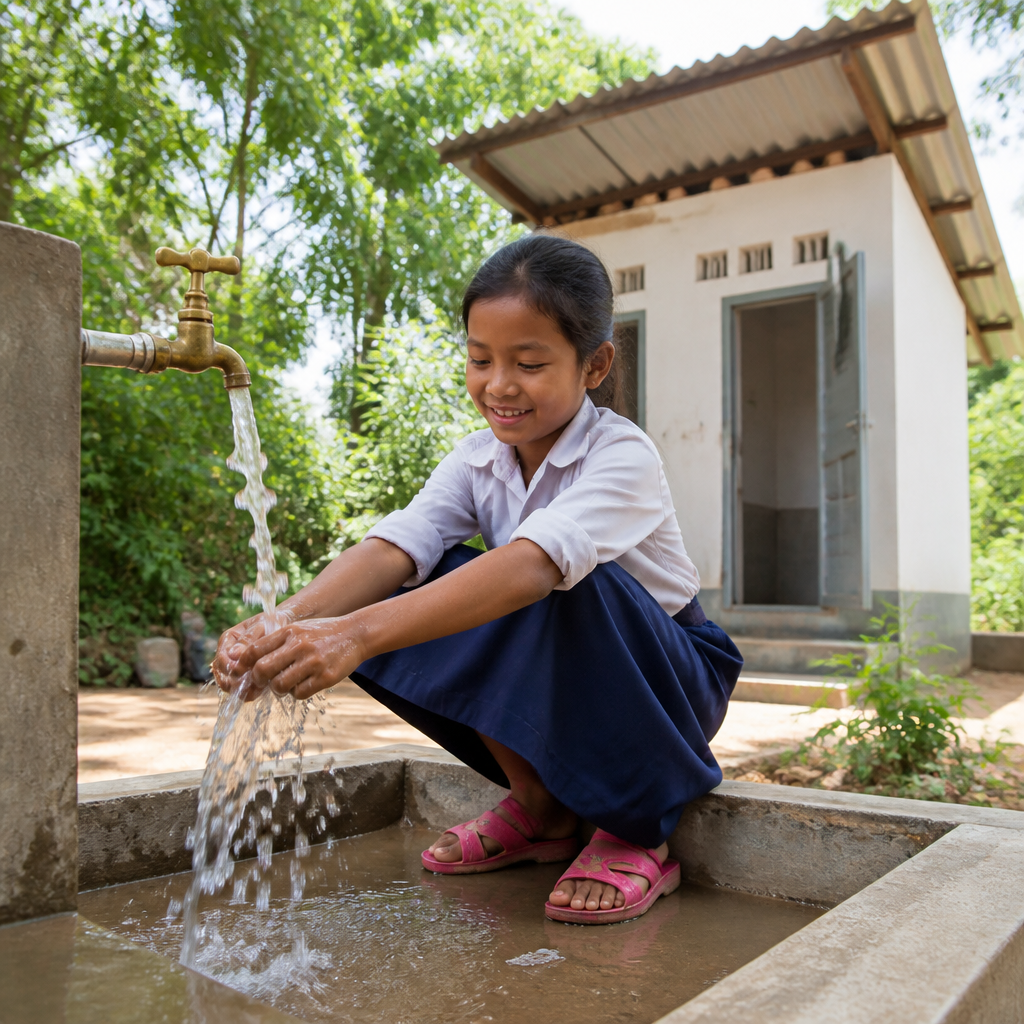
EcoSan systems protect health only when design and operation follow sanitation standards. Ventilation controls odor and insects. Urine diversion pedestals or pans must be correctly angled to prevent cross-contamination. Vaults need to stay as dry as possible because excess moisture slows dehydration and allows pathogens to persist. Additives such as ash, lime, or dry soil help reduce smell, deter flies, and improve drying, but they are not magic. They must be consistently available and correctly applied. Access doors for emptying must be sealed well enough to prevent pest entry while remaining practical for operators. Handwashing stations with soap or ash should be placed immediately outside the toilet because user contact with door handles and surfaces is a critical contamination point.
Maintenance is where many sanitation programs succeed or collapse. Clear cleaning responsibility, spare parts supply, user orientation, and scheduled emptying are nonnegotiable. In public facilities, I recommend written cleaning rosters, visual instructions, and simple fault-reporting systems because minor leaks or blocked urine pipes quickly undermine trust. Treatment times must reflect climate and handling conditions; pathogen die-off is faster in warm, dry storage but slower in cool or humid environments. International guidance from the World Health Organization on sanitation safety planning and safe wastewater and excreta use is valuable because it frames sanitation as risk management across the whole service chain. If a community reuses treated material in agriculture, protective equipment, withholding periods, and crop restrictions should be defined in advance.
Behavior Change, Community Ownership, and Gender Safety
Ending open defecation depends as much on behavior and social norms as on hardware. Households need to believe the toilet is cleaner, safer, and more acceptable than current practices. Community-led approaches have been effective when they help residents recognize how environmental contamination affects everyone, not just those without toilets. But durable change requires follow-up. Triggering events alone rarely sustain gains if facilities are poor quality, inaccessible, or embarrassing to use. User education must cover handwashing, child feces disposal, cleaning, and why treatment periods matter before reuse. Families also need practical answers to common concerns, such as smell, insects, anal cleansing materials, and what to do during the rainy season.
Gender and inclusion must be central. A toilet that women avoid at night, that girls cannot use during menstruation, or that older people cannot enter safely is not a successful sanitation intervention. Doors need working locks, interiors need lighting or safe access routes, and the layout must support privacy. Accessible features may include handrails, wider doors, raised seats, and stable paths. In schools, poor sanitation is a known driver of absenteeism among girls, particularly when menstrual materials cannot be managed discreetly. Community ownership grows when users help choose sites, superstructures, and maintenance rules, rather than receiving a design imposed from outside. The public health outcome improves because consistent use is the ultimate barrier against environmental contamination.
Environmental Protection, Agriculture, and the Economics of EcoSan
EcoSan is often described as sustainable because it reduces water demand and can recover nutrients, but those benefits matter only when health protections come first. Human urine contains most of the nitrogen and a significant share of the phosphorus excreted by households, making it a potentially valuable fertilizer when safely stored and applied. Treated fecal matter can improve soil structure and organic content if pathogen reduction is verified and local regulations permit use. In places where farmers struggle with fertilizer prices, this creates a strong economic case. It can also reduce nutrient pollution of waterways by preventing unmanaged discharge.
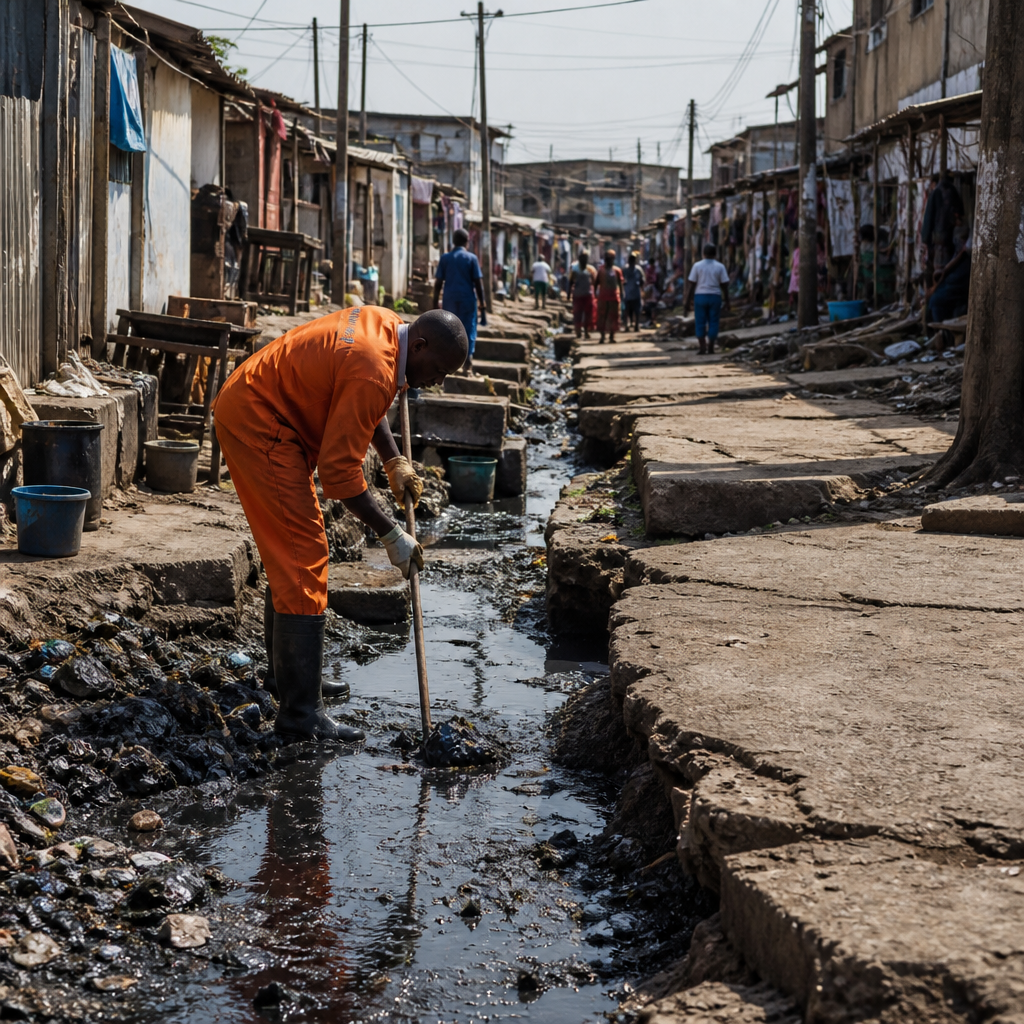
The economics are broader than fertilizer value. Open defecation imposes hidden costs through medical treatment, lost workdays, school absence, lower tourism appeal, and contamination of drinking water sources that later require more expensive treatment. EcoSan can lower lifecycle costs where sewerage is financially impossible or where pit emptying is hazardous and irregular. However, it is not automatically cheap. Upfront construction quality, training, monitoring, and service support all need funding. The best business case compares full system costs, including transport, treatment, and repairs, not just the toilet structure. For municipalities and development agencies, the strongest investments are usually those tied to local supply chains, trained masons, fecal sludge management plans, and measurable health outcomes such as reduced diarrhea incidence and improved toilet use rates.
Building an Effective Hub Strategy for Enhancing Health Through EcoSan
As a hub topic under health and safety, enhancing health through EcoSan should connect several related sanitation themes so readers can move from overview to action. The most useful supporting topics include child health and diarrheal disease prevention, school sanitation design, menstrual hygiene management, fecal sludge treatment, handwashing systems, sanitation in flood-prone communities, behavior change methods, and safe agricultural reuse practices. A strong hub article gives readers the big picture while clearly explaining how each subtopic supports eradication of open defecation. It should answer practical questions directly: What is EcoSan, how does it protect health, which toilet types fit which setting, what maintenance is required, and what mistakes commonly cause failure?
For practitioners, the most important insight is that sanitation success is cumulative. It comes from combining appropriate technology, daily usability, hygiene behavior, local governance, and long-term service support. Communities do not stop open defecation because a brochure says they should. They stop when a better option is safer, accessible, socially accepted, and consistently maintained. EcoSan can deliver that option in places where conventional systems fall short, especially where water is scarce, land conditions are difficult, or nutrient recovery adds value. The priority now is to assess local sanitation risks, choose a system that matches real conditions, and build programs that protect health from first use to final treatment. Done well, EcoSan does more than provide toilets. It creates safer environments, healthier families, and a realistic route to ending open defecation for good.
Frequently Asked Questions
1. Why is eradicating open defecation so important for public health and safety?
Eradicating open defecation is essential because it directly reduces the spread of disease-causing organisms that thrive when human waste is left exposed in the environment. Feces deposited in fields, near homes, along roadsides, or close to water sources can contaminate soil, drinking water, food crops, and hands, creating multiple pathways for infections to spread. This is strongly linked to diarrheal diseases, intestinal worm infections, cholera, typhoid, and other fecal-oral illnesses that especially threaten young children, older adults, and people with weakened immune systems. Even when the waste is not immediately visible, rainfall, flooding, insects, animals, and foot traffic can carry pathogens into homes and shared community spaces.
From a safety perspective, open defecation also exposes people to risks that go beyond disease. Women and girls may have to travel long distances or wait until dark for privacy, increasing the threat of harassment, assault, and injury. Children playing outdoors may come into contact with contaminated areas without understanding the danger. In densely populated communities, unmanaged waste also creates foul odors and degrades the local environment, making neighborhoods less healthy and less dignified places to live. Eliminating open defecation is therefore not just about sanitation infrastructure; it is a foundational public health measure that protects families, improves quality of life, and supports safer, cleaner communities.
2. What is ecological sanitation, or EcoSan, and how does it help end open defecation?
Ecological sanitation, commonly called EcoSan, is an approach to sanitation that focuses on safely containing, treating, and in many cases reusing human waste rather than simply disposing of it. The core idea is that human excreta should be managed in a way that protects health, prevents environmental contamination, and recognizes the nutrient value of treated waste. Unlike systems that depend entirely on sewer networks or water-intensive flushing, EcoSan solutions are often designed to work in rural areas, water-scarce regions, flood-prone locations, or communities where conventional infrastructure is too expensive or impractical.
EcoSan helps end open defecation by providing practical, locally adaptable alternatives that people can actually use and maintain. Depending on the setting, this may include urine-diverting dry toilets, composting toilets, dehydrating toilets, or other systems that separate, store, and treat waste safely. By offering a hygienic option close to home, EcoSan reduces the need for people to use open spaces for defecation. Just as importantly, it changes sanitation from being seen as a waste problem to being understood as a resource management opportunity. When treatment is done correctly, nutrients in human waste can be recovered for soil improvement or agriculture, which can make sanitation systems more valuable and more sustainable over time. In this way, EcoSan supports both behavior change and long-term sanitation access.
3. How does open defecation affect the environment and local water sources?
Open defecation has serious environmental consequences because untreated human waste does not remain isolated where it is deposited. It can be washed by rain into ponds, rivers, streams, wetlands, and groundwater sources, especially in areas with poor drainage or seasonal flooding. Once pathogens enter these water systems, the contamination can spread far beyond the original site, affecting households that rely on those sources for drinking, cooking, bathing, irrigation, or livestock use. This creates a persistent public health hazard that is difficult and costly to control once it becomes widespread.
The environmental damage also extends to soil quality and ecosystem balance. Repeated defecation in open areas can overload the local environment with pathogens and nutrients in an unmanaged way, attracting flies and other vectors while creating unpleasant and unsanitary conditions. Beaches, forest edges, and agricultural land can all become contaminated, reducing their safety and usefulness. In communities that depend closely on natural resources, this can undermine livelihoods as well as health. EcoSan offers a better alternative by keeping waste contained from the start and ensuring that treatment happens before any reuse. That reduces pollution, protects water sources, and supports a more responsible relationship between sanitation and the environment.
4. Are EcoSan toilets safe, and what conditions are needed for them to work properly?
Yes, EcoSan toilets can be very safe when they are properly designed, correctly used, and consistently maintained. Their safety depends on one central principle: human waste must be fully contained and treated so that harmful pathogens are reduced or eliminated before any handling, disposal, or reuse takes place. Well-managed EcoSan systems are specifically intended to interrupt the disease transmission cycle by preventing feces from contaminating hands, surfaces, soil, food, and water. In many settings, they can be a highly effective sanitation option, particularly where sewerage is unavailable or unreliable.
For EcoSan systems to work properly, several conditions matter. Users need clear guidance on how to use the toilet correctly, including whether materials such as ash, خاک, or cover material should be added after each use, and whether urine and feces must be separated. The structure must also be built to suit local conditions, including climate, groundwater level, available space, and cultural preferences. Regular maintenance is essential, because even the best sanitation technology can fail if it is neglected or misused. Safe emptying, adequate storage or treatment time, and proper hygiene practices such as handwashing are all part of the system. In other words, EcoSan is not just a toilet type; it is a complete sanitation approach. When communities receive training, support, and appropriate designs, EcoSan can be both safe and highly effective in replacing open defecation.
5. What does it take for a community to permanently eliminate open defecation?
Permanently eliminating open defecation requires more than simply building toilets. Lasting success usually comes from combining infrastructure, education, community ownership, and ongoing support. Households need sanitation options that are affordable, accessible, safe, and acceptable to use every day. If toilets are too far away, poorly designed, difficult to maintain, or not aligned with local customs, people may return to open defecation even if facilities exist. That is why effective sanitation programs focus not only on construction, but also on usability, dignity, privacy, and long-term maintenance.
Behavior change is equally important. Communities are more likely to achieve lasting results when people clearly understand how open defecation affects everyone, including those who may not practice it themselves. Public awareness, school-based hygiene education, handwashing promotion, local leadership, and shared accountability all help shift sanitation from a private habit to a collective responsibility. EcoSan can play a major role here because it offers a durable model that can be adapted to local realities while also delivering health and environmental benefits. For permanent change, communities also need systems for repairs, pit or chamber management, financing, and technical support. In short, ending open defecation for good requires a complete sanitation ecosystem: suitable toilets, informed users, supportive institutions, and a strong commitment to protecting health, safety, and human dignity.