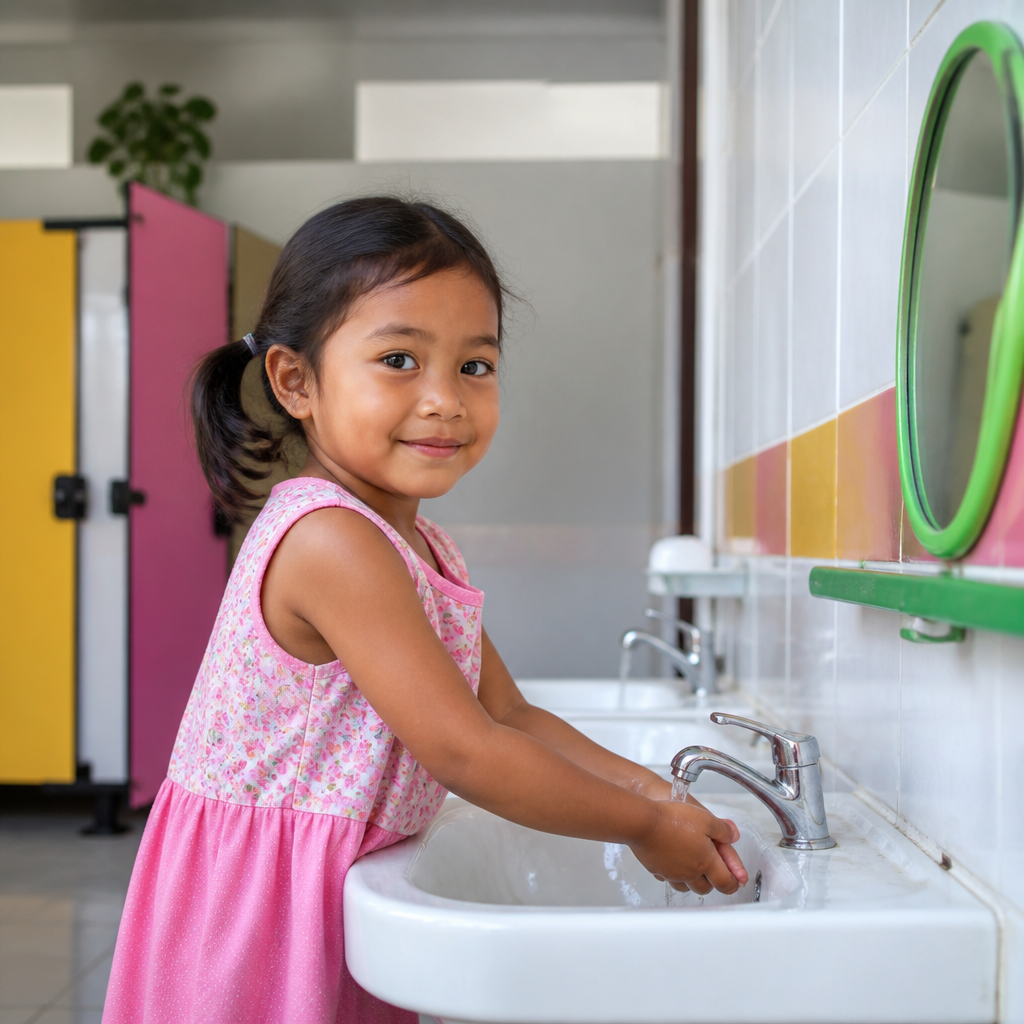
Improved community sanitation does far more than reduce disease. It changes how people feel, how they relate to neighbors, and how safely they move through daily life. In work on sanitation planning and health communication, I have seen toilet access and waste management affect confidence, school attendance, family stress, and trust in local institutions as clearly as they affect diarrhea rates. When communities invest in safe sanitation, they create conditions for dignity, privacy, predictability, and social stability. Those are psychosocial benefits, and they matter because mental wellbeing and social cohesion influence whether sanitation systems are used, maintained, and defended over time.
Community sanitation includes the shared systems, behaviors, and infrastructure that manage human waste, hygiene, drainage, and environmental cleanliness across a neighborhood, village, school, market, or settlement. In the context of EcoSan, or ecological sanitation, the goal is not only safe containment of waste but also resource recovery, water protection, and long-term resilience. Safety and wellness in EcoSan therefore cover practical issues such as pathogen control, handwashing, odor management, maintenance routines, and inclusive toilet design, but they also include less visible outcomes such as reduced fear, lower stigma, stronger participation, and a greater sense of collective ownership.
This matters across the entire Health and Safety topic because sanitation is one of the few interventions that touches physical, psychological, social, and environmental health at the same time. A clean, well-lit toilet block can reduce harassment risk for women and girls. Reliable school sanitation can reduce anxiety for menstruating students. Predictable waste collection can lower conflict between households and landlords. Clear maintenance rules can prevent the learned helplessness that develops when facilities fail repeatedly. Community sanitation is therefore not a narrow public works issue. It is a foundation for safety, wellness, and public confidence, especially in dense settlements, climate-stressed regions, and low-resource environments where the consequences of failure are immediate.
As a hub for Safety and Wellness in EcoSan, this article maps the main psychosocial benefits of improved community sanitation and explains how they connect to design, operations, governance, and behavior. It also answers a practical question many health and safety readers ask: what makes sanitation feel safe enough to use consistently? The answer is a combination of engineering quality, social acceptance, accessible design, visible cleanliness, and trusted management. When those elements work together, people not only stay healthier. They feel more secure, more respected, and more willing to cooperate in keeping the system functional.
Dignity, privacy, and daily peace of mind
The most immediate psychosocial benefit of improved community sanitation is dignity. A private, clean, functional toilet allows people to meet a basic bodily need without shame, exposure, or negotiation. That sounds obvious, yet in many communities the alternative is open defecation, unsafe shared latrines, overflowing pits, or toilets that cannot be used at night. Each of those conditions creates a background level of stress. People time meals to avoid needing the toilet, wake before dawn to find privacy, or suppress urination and defecation, which can contribute to discomfort and urinary problems. When sanitation improves, that stress drops quickly because one source of uncertainty disappears.
Privacy is especially important for women, girls, older adults, and people with disabilities. In sanitation assessments, users consistently say that locks, internal lighting, doors without gaps, and adequate separation by sex are not cosmetic details. They are safety features that protect emotional wellbeing. Menstruating girls, for example, need a place where they can change materials, wash, and dispose of waste discreetly. Without that privacy, embarrassment and anxiety rise, absenteeism increases, and participation in school or work falls. A sanitation facility that protects privacy therefore does more than provide service access. It protects identity, routine, and confidence.
There is also a cumulative benefit that practitioners often underestimate: peace of mind. When residents trust that toilets will be open, pits emptied safely, handwashing stations stocked, and pathways lit, they stop spending mental energy on contingency planning. Households no longer need backup coping strategies for system failure every week. Parents worry less about children walking to unsafe areas. Caregivers can focus on work and family instead of monitoring sanitation gaps. In behavioral terms, reliable sanitation reduces cognitive load. Lower cognitive load supports better decision-making, calmer social interactions, and stronger compliance with hygiene practices because people are not operating in a constant state of friction.
Safety and wellness in EcoSan design and operation
Safety and wellness in EcoSan depend on whether the system is designed for real users and maintained to a clear standard. Ecological sanitation often includes urine diversion, composting or dehydration processes, ventilation, safe sludge handling, and controlled reuse of treated outputs. These features can produce major environmental and agricultural benefits, but they only generate psychosocial benefits when users understand them and trust them. In practice, trust comes from visible cleanliness, odor control, intuitive interfaces, and transparent handling procedures. If a toilet looks unsafe, smells unmanaged, or seems technically confusing, people infer danger even when the process is microbiologically sound.
I have found that the best EcoSan projects combine engineering discipline with simple user communication. A posted cleaning log, standardized PPE for operators, color-coded containers, and clear instructions for handwashing and menstrual waste disposal all signal competence. They reassure users that someone is accountable. Standards from the World Health Organization on sanitation safety planning and established WASH guidance emphasize barriers against exposure at every stage, from toilet use to transport, treatment, and reuse. That barrier approach matters psychologically because people can see and understand it. They are more likely to use a system consistently when the chain of safety is visible rather than hidden in technical documentation.
Inclusive design is equally central. Toilets need stable flooring, handrails where needed, wide doors, manageable steps, and enough space for caregivers or mobility aids. Child-friendly features, such as smaller seats or safe squatting supports, reduce fear among young users. Good ventilation and daylight improve comfort. Regular desludging schedules, vector control, and drainage around facilities prevent the cues of neglect that quickly undermine confidence. In EcoSan settings, safe storage and clearly labeled reuse areas are essential, because ambiguity around composted or treated materials can trigger disgust and resistance. Once a community sees that the system is predictable and professionally run, acceptance rises and stigma falls.
How sanitation strengthens social cohesion and local trust
Improved community sanitation also changes relationships between residents. When waste disposal is unmanaged, conflict spreads easily. Neighbors blame each other for odors, blocked drains, and fecal contamination near homes or pathways. Landlords and tenants argue over fees and cleaning duties. Market vendors compete for limited toilet access. In that environment, sanitation becomes a symbol of neglect and unequal treatment. By contrast, a well-governed sanitation system gives the community a shared standard and a routine for cooperation. People know where waste goes, who maintains facilities, how complaints are handled, and what behavior is expected.
This clarity strengthens local trust. Residents are more likely to believe that community committees, school administrators, utilities, or municipal teams can manage common goods when sanitation visibly improves. That trust can spill over into other health and safety actions such as drain clearing, solid waste sorting, mosquito control, or emergency preparedness. In practical terms, sanitation often serves as an early test of whether local governance is credible. Because toilets and washing points are used daily, residents quickly notice whether promises are kept. Consistent service builds legitimacy faster than slogans do.
Social cohesion grows further when sanitation planning is participatory. Community mapping, women’s safety walks, disability audits, and user feedback sessions identify problems that engineers alone may miss. In one common example, a toilet block may be structurally sound but avoided because the path to it is dark or passes a place where harassment occurs. When residents help identify and solve those problems, they gain ownership of the outcome. That ownership reduces vandalism, improves fee compliance, and increases peer enforcement of cleanliness norms. People protect what they helped design.
| Sanitation improvement | Direct psychosocial effect | Common real-world result |
|---|---|---|
| Locks, lighting, and sex-separated stalls | Less fear and more privacy | Higher use at night and during menstruation |
| Visible cleaning schedules and trained attendants | More trust in safety | Better user compliance and lower vandalism |
| Accessible design for elders and disabilities | Greater autonomy and dignity | More independent use and less caregiver strain |
| Reliable emptying, drainage, and odor control | Lower disgust and conflict | Stronger neighbor relations and consistent facility use |
Women, children, and vulnerable groups gain the most
The psychosocial benefits of improved community sanitation are not evenly distributed. They are often greatest for people who face the highest baseline risk. Women and girls frequently bear the burden of unsafe sanitation through harassment risk, menstrual stress, caregiving work, and social expectations around modesty. A clean toilet with water, disposal options, and privacy can reduce daily vigilance and embarrassment. For adolescent girls, this matters at school, where sanitation quality influences concentration, attendance, and participation. A student who trusts the school toilet is less likely to leave early, miss classes during her period, or avoid drinking water to reduce toilet visits.
Children benefit through both safety and emotional development. Young children are sensitive to dirty, unstable, or frightening toilet environments. If toilets are dark, slippery, or shared with intimidating adults, children may delay use, have accidents, or develop aversion. Child-appropriate sanitation supports toilet training, reduces shame, and helps establish lifelong hygiene habits. Parents also experience less stress when they know children have a safe place to use during school hours or in public spaces. In community settings, that reassurance affects willingness to let children attend school, play outdoors, or travel independently within reasonable limits.
Older adults and people with disabilities often describe unsafe sanitation as a loss of control more than an inconvenience. Long distances, uneven surfaces, narrow doors, lack of seating support, and poor nighttime access can turn a routine act into a humiliating ordeal. Improved community sanitation restores autonomy. That restoration has a strong mental health effect because dependence in toileting is closely tied to dignity. In my experience, households are often willing to pay for sanitation upgrades once they see how much they reduce caregiver burden and conflict around assistance.
Displaced populations, informal settlement residents, and low-income renters also gain significantly. For them, sanitation insecurity compounds housing insecurity. Shared toilets without management often become flashpoints for extortion, exclusion, and blame. Formalized rules, service schedules, and grievance channels reduce those pressures. Even where infrastructure remains basic, better management can sharply improve the feeling of safety and fairness.
From disgust and stigma to pride and behavior change
Sanitation behavior is shaped by emotion as much as by information. Disgust can motivate hygiene, but unmanaged disgust aimed at people or neighborhoods produces stigma. Communities labeled dirty are often blamed for conditions caused by underinvestment, weak governance, or absent services. Residents may internalize that stigma, disengage from collective maintenance, or avoid discussing sanitation openly. Improved community sanitation can reverse that cycle by making cleanliness visible and attainable. Once facilities are consistently usable and waste is handled safely, public conversation shifts from blame to standards.
Pride is an underrated sanitation outcome. A clean school toilet, a market with handwashing stations, or a settlement that maintains odor-free EcoSan units gives residents evidence that improvement is possible. Pride supports behavior change because people are more likely to maintain spaces that reflect positively on them. This is one reason community-led maintenance models work best when paired with practical tools, spare parts, and accountable management. Motivation alone is not enough, but visible success makes maintenance efforts socially rewarding.
Communication matters here. The most effective messages explain not only what users should do but why a step protects family safety and community wellbeing. In EcoSan, that may include explaining dehydration times, compost maturity, urine handling, or restricted crop-use guidance. Straight answers reduce rumor and taboo. When people understand the safeguards, they are less likely to equate all waste reuse with danger and more likely to follow procedures correctly. Better understanding improves both emotional acceptance and operational safety.
What communities should prioritize next
The central lesson is clear: improved community sanitation is a psychosocial intervention as much as a health intervention. It reduces fear, protects dignity, strengthens trust, lowers conflict, and supports inclusion. In Safety and Wellness in EcoSan, those benefits depend on practical details: safe design, visible maintenance, transparent handling, user education, and accessible governance. Communities do not need luxury infrastructure to achieve these gains, but they do need reliability, privacy, and accountability. A basic toilet that is clean, lit, secure, and professionally managed will usually deliver more real wellbeing than a technically advanced system that users do not trust.
As a Health and Safety hub, this topic should guide readers toward the linked subtopics that make sanitation work in practice: pathogen barriers, hand hygiene, menstrual health support, safe sludge management, odor and vector control, school and workplace sanitation, accessibility, and community operations. Each one influences whether residents feel protected enough to use the system consistently. That consistency is the bridge between infrastructure and wellbeing. Without it, facilities deteriorate and psychosocial gains fade. With it, sanitation becomes a platform for public confidence and healthier daily routines.
If you are planning, upgrading, or evaluating community sanitation, start by asking simple user-centered questions. Do people feel safe using the facility at any hour? Can children, elders, and disabled residents use it with dignity? Is the safety chain visible from toilet to treatment or reuse? Are maintenance responsibilities clear and funded? Answering those questions will improve more than cleanliness metrics. It will improve how a community feels, functions, and cares for itself. Use this hub as your starting point, then build every sanitation decision around safety, wellness, and trust.
Frequently Asked Questions
How does improved community sanitation affect mental well-being?
Improved community sanitation can have a major positive effect on mental and emotional health. When people have reliable access to clean, safe, and private toilets, they often experience less daily stress, less embarrassment, and less fear about meeting basic needs. In many communities, poor sanitation creates constant uncertainty about where to go, whether facilities are safe to use, whether they are clean, and whether family members, especially children, older adults, or people with disabilities, can access them without difficulty. That kind of uncertainty adds a steady psychological burden to everyday life.
Better sanitation helps replace that burden with predictability and control. People are more likely to feel comfortable inviting others into their homes, participating in community events, and moving through the day without anxiety about managing toileting, menstrual hygiene, or exposure to unsafe environments. Privacy also matters deeply. Having a dignified place to use the toilet reduces shame and supports self-respect, which can improve confidence over time. These psychosocial benefits are often less visible than reductions in disease, but they are just as meaningful because they influence how safe, respected, and secure people feel in their own community.
Why is sanitation linked to dignity and social inclusion?
Sanitation is closely tied to dignity because it affects one of the most basic and personal human needs. When people do not have safe, private, and acceptable sanitation facilities, they may be forced into situations that feel humiliating, unsafe, or socially stigmatizing. Open defecation, overflowing shared latrines, or facilities without doors, lighting, or water can expose people to shame and exclusion. This is especially true for women and girls, older adults, people with disabilities, and anyone managing illness or menstruation.
Improved community sanitation supports social inclusion by making it easier for all residents to participate in public and family life without fear of embarrassment. Children may feel more comfortable attending school regularly, adults may feel more confident at work or in community meetings, and vulnerable groups may experience greater respect when facilities are designed with accessibility, privacy, and safety in mind. Good sanitation sends a broader community message: everyone deserves clean, usable infrastructure. That message strengthens belonging and reduces the social distance that often forms when some groups are left to cope with poorer, less safe conditions than others.
Can better sanitation improve relationships within families and neighborhoods?
Yes, better sanitation can meaningfully improve relationships both at home and across the wider community. Poor sanitation often creates daily conflict and strain. Families may argue about where children should go to the toilet, who is responsible for cleaning unsanitary facilities, how to manage odors and waste, or how to keep sick family members safe. These repeated stressors can increase frustration, especially in crowded households or low-resource settings where people already face many pressures.
When sanitation systems are improved, many of those tensions become easier to manage. Cleaner facilities, more reliable waste disposal, and safer shared spaces reduce sources of irritation and fear. Within neighborhoods, well-maintained sanitation can also build trust and cooperation. Residents are more likely to feel that shared rules matter, that community spaces are being respected, and that collective investments produce visible results. In places where sanitation projects involve local participation, planning, and maintenance, they can strengthen a sense of shared responsibility and mutual care. In that way, sanitation does not just improve the physical environment; it can also improve the quality of social interaction and community cohesion.
What role does sanitation play in school attendance and confidence for children?
Sanitation plays a critical role in whether children feel safe, comfortable, and ready to attend school consistently. If school toilets are dirty, broken, overcrowded, or lack privacy, children may avoid using them altogether, which can lead to discomfort, distraction, and reluctance to attend school. This burden often falls especially heavily on girls, particularly during menstruation, but it can affect any child who feels unsafe, ashamed, or anxious about school facilities.
Improved sanitation helps create a school environment where children can focus on learning rather than worrying about basic bodily needs. Clean toilets, handwashing facilities, menstrual hygiene support, and adequate privacy can increase attendance, reduce absenteeism, and improve concentration in class. Just as important, they support confidence. Children who know their school has safe and respectful sanitation are less likely to feel singled out or embarrassed. Over time, this can improve self-esteem, participation, and comfort in social settings. For families, seeing that schools provide dignified sanitation can also increase trust in the education system and reinforce the idea that children are being cared for properly.
How does improved sanitation influence trust in local institutions and long-term community stability?
Improved sanitation can strongly influence how communities view local leadership, public services, and the fairness of development efforts. When residents see functioning toilets, regular waste collection, drainage improvements, and responsive maintenance, they often interpret these changes as evidence that institutions are paying attention to real needs. That can increase trust in local government, health services, schools, and community organizations. People are more likely to engage with institutions they believe are competent, respectful, and capable of delivering practical improvements.
Over the long term, this trust matters for community stability. Sanitation projects often require coordination, behavior change communication, shared funding decisions, and ongoing upkeep. When those systems work well, they can strengthen civic participation and create a positive cycle of cooperation. Residents may become more willing to report problems, attend meetings, support public health campaigns, or contribute to maintaining shared infrastructure. In contrast, neglected sanitation can reinforce feelings of abandonment, inequality, and frustration. By improving sanitation, communities are not only protecting health; they are also building a stronger foundation for public confidence, social order, and everyday peace of mind.