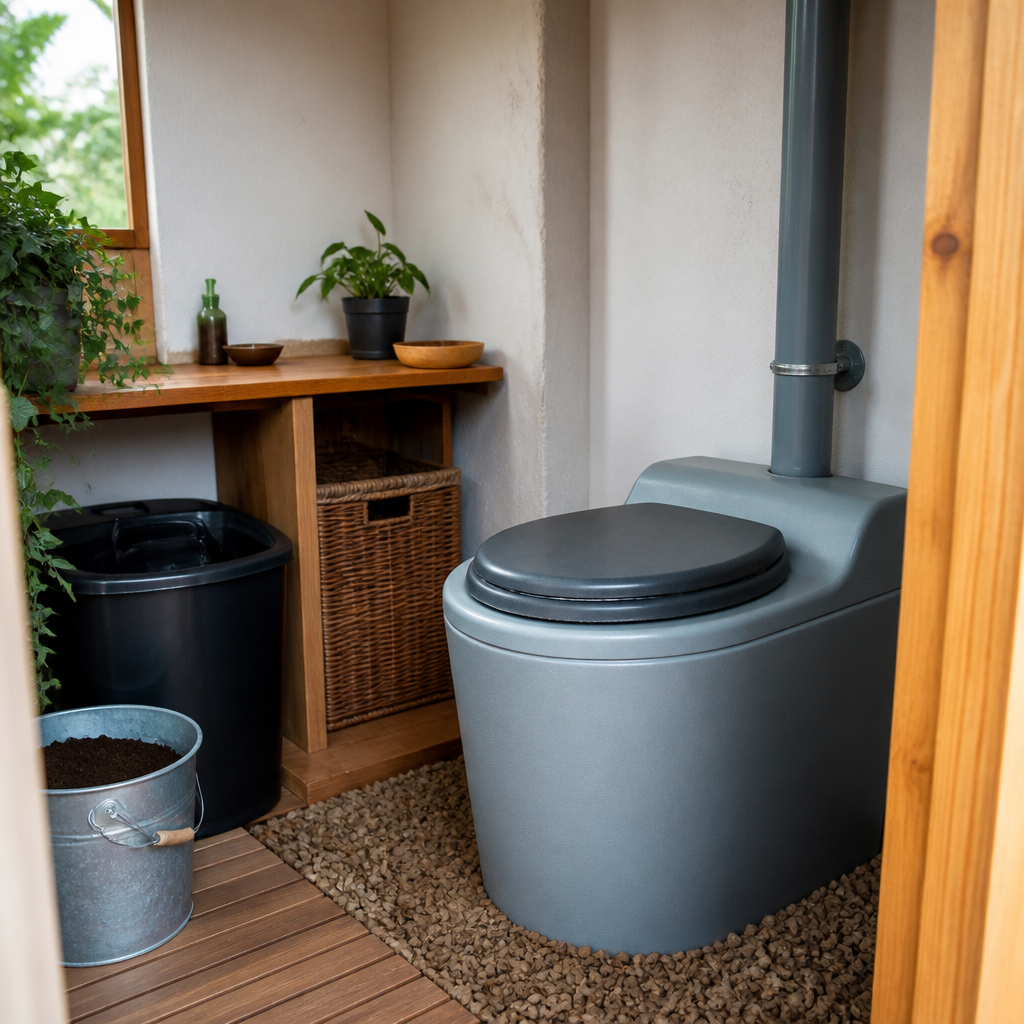
EcoSan in hospitals is the disciplined use of ecological sanitation principles to protect patients, workers, communities, and the environment while handling health care waste. In practice, that means designing systems that reduce infection risk, separate hazardous from nonhazardous materials, conserve resources where possible, and prevent pollution from treatment and disposal. In hospital settings, EcoSan is not limited to toilets or wastewater. It includes sharps management, segregation at the point of care, storage, internal transport, treatment technologies, occupational safety, and the wellness of everyone who touches the waste stream. Because this article serves as a Health and Safety hub, it covers the full safety and wellness picture: what hospital waste is, why safe management matters, the controls that work, and the decisions administrators must make to build reliable programs.
Health care waste is often misunderstood. The World Health Organization consistently notes that most waste generated in health facilities is general, nonhazardous waste, while a smaller fraction is infectious, toxic, radioactive, or otherwise dangerous. That distinction is critical. When segregation fails, ordinary paper, packaging, and food waste become contaminated, treatment costs rise, and exposure risk spreads far beyond the ward. I have seen facilities cut disposal volumes dramatically simply by improving bin placement, labeling, and staff coaching. Safe EcoSan programs matter because the stakes are unusually high: needlestick injuries can transmit bloodborne pathogens, poorly controlled incineration can release dioxins and furans, pharmaceutical residues can enter water systems, and unmanaged waste can undermine community trust in the hospital itself.
Safety and wellness in EcoSan also extends beyond compliance. It affects staff morale, patient confidence, housekeeping efficiency, emergency readiness, and operating budgets. A well-run system protects a cleaner collecting bags at 2 a.m. as much as it protects a surgeon in theatre or a waste operator at the treatment plant. The core idea is straightforward: the safest waste is the waste prevented, the next safest is properly segregated waste, and the most controllable waste is waste managed through standard procedures backed by training, protective equipment, and measurable oversight. Hospitals that treat this as a clinical safety function rather than a housekeeping afterthought consistently perform better.
This hub article brings those elements together in plain terms. It defines the main waste streams, explains the hierarchy of controls used in hospitals, reviews treatment and disposal choices, and highlights worker wellness, auditing, and outbreak planning. It also points toward the internal topics any strong Health and Safety cluster should explore next, such as sharps injury prevention, infection control interfaces, wastewater risk, and contractor management. If your goal is to build a safer EcoSan program in a hospital, start with the basics here and use each section as a decision framework.
Understanding hospital waste streams and risk categories
Hospital waste management starts with classification. Without a shared vocabulary, staff cannot segregate correctly, procurement cannot buy the right containers, and treatment vendors cannot guarantee safe handling. The main categories are general waste, infectious waste, pathological waste, sharps, pharmaceutical waste, chemical waste, cytotoxic or genotoxic waste, radioactive waste, and in some settings pressurized containers. General waste includes office paper, uncontaminated packaging, and food scraps from nonisolation areas. Infectious waste includes materials contaminated with blood, body fluids, cultures, or waste from patients with transmissible diseases. Pathological waste includes tissues and organs. Sharps include needles, scalpels, lancets, and broken contaminated glass.
Each category presents a different risk profile. Sharps can cause percutaneous injuries even when they carry no infection. Cytotoxic waste from oncology care requires strict containment because of mutagenic and teratogenic potential. Chemical waste can create acute hazards through burns, inhalation, or reactivity, and also chronic environmental harm if discharged improperly. Radioactive waste follows specialized radiation protection rules, often involving decay storage and controlled release under national regulations. The operational lesson is simple: one bin system cannot safely handle every stream. Segregation must reflect the actual hazard, and containers must be selected for puncture resistance, leak resistance, labeling durability, and compatibility with the treatment route.
Color coding is commonly used, but colors vary by country, so the hospital must align with national law and train to that standard. In one multi-site project I supported, confusion arose because contract nurses moved between facilities using different color systems. The fix was not just posters. We standardized labels with icons, added examples of common items for each container, and audited at ward level weekly for eight weeks. Contamination rates dropped because the system became easier to follow during busy shifts. That is the broader principle behind safe EcoSan in hospitals: reduce cognitive load at the point of disposal.
Segregation at source: the single most important control
If a hospital asks what intervention most improves health care waste safety, the answer is segregation at source. Waste should be separated where it is generated, not later in a storage area. Once mixed, hazardous and nonhazardous items are difficult and unsafe to sort manually. Point-of-care segregation requires the right bin in the right location, with the right opening, liner, label, and fill limit. Sharps containers should be mounted at eye level or within easy reach, not placed on floors or carried around during procedures. Infectious waste bins should be close to where dressings, swabs, and disposable PPE are removed. General waste bins should remain available so staff are not tempted to overuse hazardous containers.
Behavior matters as much as equipment. The most effective training I have delivered focused on routine scenarios rather than policy slides: where does an IV bag go if it is empty but blood stained, what about a partially used vial, or a glove from a nonisolation patient room? Staff remember examples tied to their actual tasks. Supervisors should walk the unit after implementation and ask short questions in real time. That coaching approach catches misunderstandings early and prevents drift. It is also more respectful of clinical workloads than annual lectures detached from practice.
| Waste stream | Typical examples | Primary container | Main safety objective |
|---|---|---|---|
| General waste | Packaging, office paper, uncontaminated food waste | Lined general bin | Keep nonhazardous waste out of costly treatment routes |
| Infectious waste | Blood-soiled dressings, isolation room disposables, lab cultures | Leak-resistant labeled infectious waste bin | Prevent contact, leakage, and secondary contamination |
| Sharps | Needles, scalpel blades, lancets, contaminated broken glass | Puncture-resistant sharps container | Prevent needlestick and cutting injuries |
| Pharmaceutical waste | Expired drugs, partially used ampoules, vials | Dedicated pharmaceutical container | Avoid diversion, poisoning, and improper discharge |
| Chemical waste | Disinfectants, solvents, formalin, developer fluids | Compatible sealed chemical container | Prevent burns, fumes, reactions, and spills |
Segregation failures usually stem from system design, not laziness. Overflowing bins, missing liners, poorly translated signs, long walking distances, and unclear responsibility for replacing containers all drive errors. Good hospital waste management therefore includes replenishment routines, stock controls, and escalation rules. When a ward runs out of sharps boxes, the problem is no longer individual behavior; it is a management failure that directly increases injury risk.
Worker safety, PPE, and wellness across the waste chain
Safety and wellness in EcoSan depend on protecting workers from physical, biological, chemical, and psychological strain. The people at highest risk are often the least visible: cleaners, porters, waste handlers, and temporary staff. A complete program begins with task-based risk assessment. Handling tied bags is different from operating an autoclave, cleaning a spill, or moving pathological waste. Each task needs defined controls, competency checks, and incident reporting. PPE is necessary, but it is not the first line of defense. Hospitals should first eliminate unnecessary handling, standardize containers, use carts that reduce lifting, and design routes that avoid patient and food service areas.
PPE must match the task. Heavy-duty gloves, closed footwear, aprons, eye protection, and masks may be appropriate depending on splash, puncture, or chemical exposure risk. However, PPE fails when sizes are wrong, supplies run short, or decontamination and replacement are poorly managed. I have seen handlers double-bag waste to compensate for weak liners, increasing strain injuries without solving the root cause. Better procurement standards and better bag quality solved the issue more effectively than reminding staff to be careful. Safe systems beat heroic effort.
Wellness is broader than injury prevention. Waste teams often work in hot, odorous, noisy environments with social stigma attached to their role. Rotating heavy tasks, ensuring handwashing access, providing hepatitis B vaccination, offering post-exposure prophylaxis pathways, and recognizing waste handlers as part of the infection prevention system all improve performance. A strong hospital program makes reporting easy and nonpunitive. If workers hide needlestick injuries because they fear blame, the organization loses the chance to provide timely treatment and fix the source of the hazard.
Treatment and disposal options: choosing technologies that are safe and practical
After segregation and collection, hospitals must decide how waste will be treated and where residues will go. The safest option depends on waste type, available infrastructure, regulation, and budget. For infectious waste, common treatment methods include steam sterilization in autoclaves, microwave treatment in some systems, and high-temperature incineration for specific waste types. Autoclaving is effective for many infectious wastes when cycle parameters are validated and loads are prepared correctly. It generally avoids the air emissions concerns associated with poor incineration. However, autoclaves do not make all waste disappear; they disinfect, and the treated waste still requires final disposal, often landfill where permitted.
Incineration has a legitimate role for pathological waste, certain pharmaceuticals, and materials unsuited to steam treatment, but low-quality small-scale incinerators are a known problem. Inadequate combustion temperature, short residence time, and poor air pollution control can generate harmful emissions and community complaints. For that reason, hospitals should be wary of outdated units operated without emissions monitoring and ash management plans. Encapsulation and inertization may be used for some pharmaceuticals and sharps depending on local rules. Chemical disinfection can work for certain liquid wastes, but compatibility, contact time, and operator safety must be managed carefully.
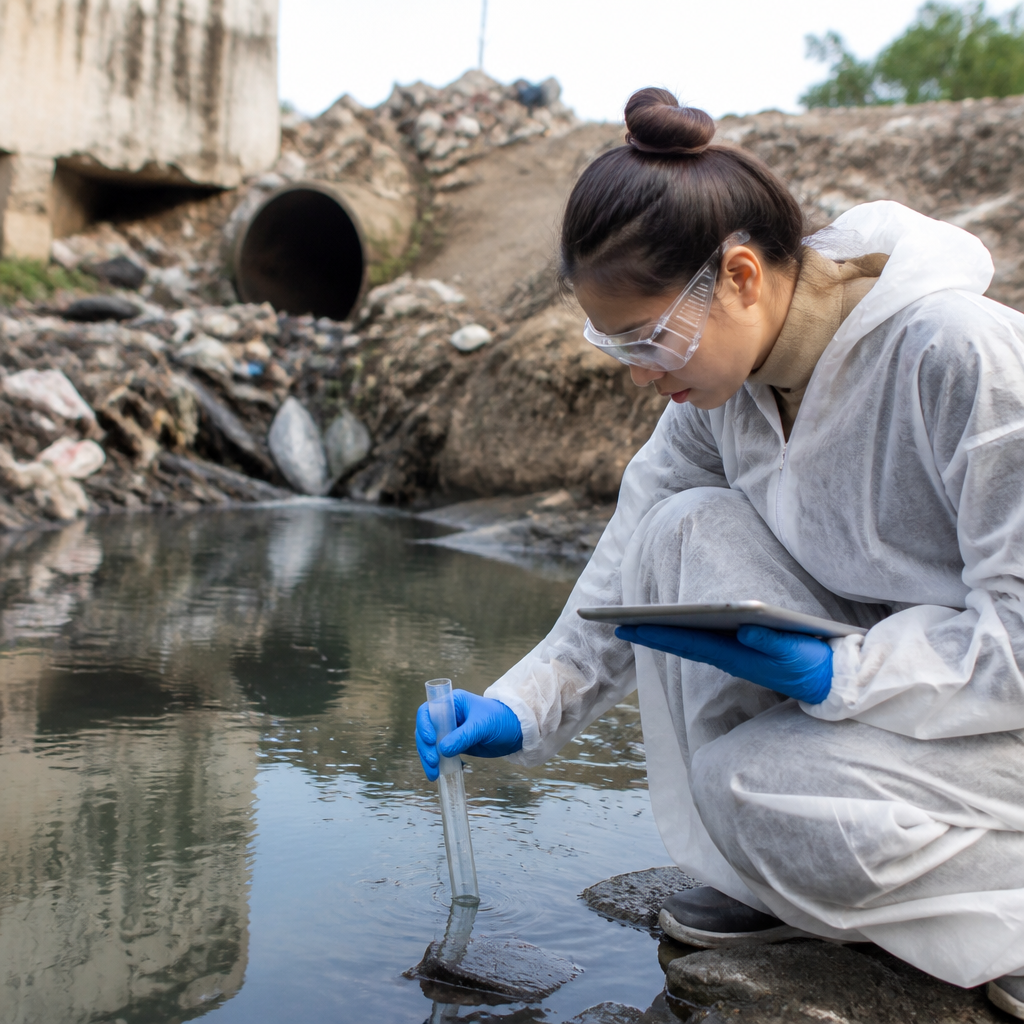
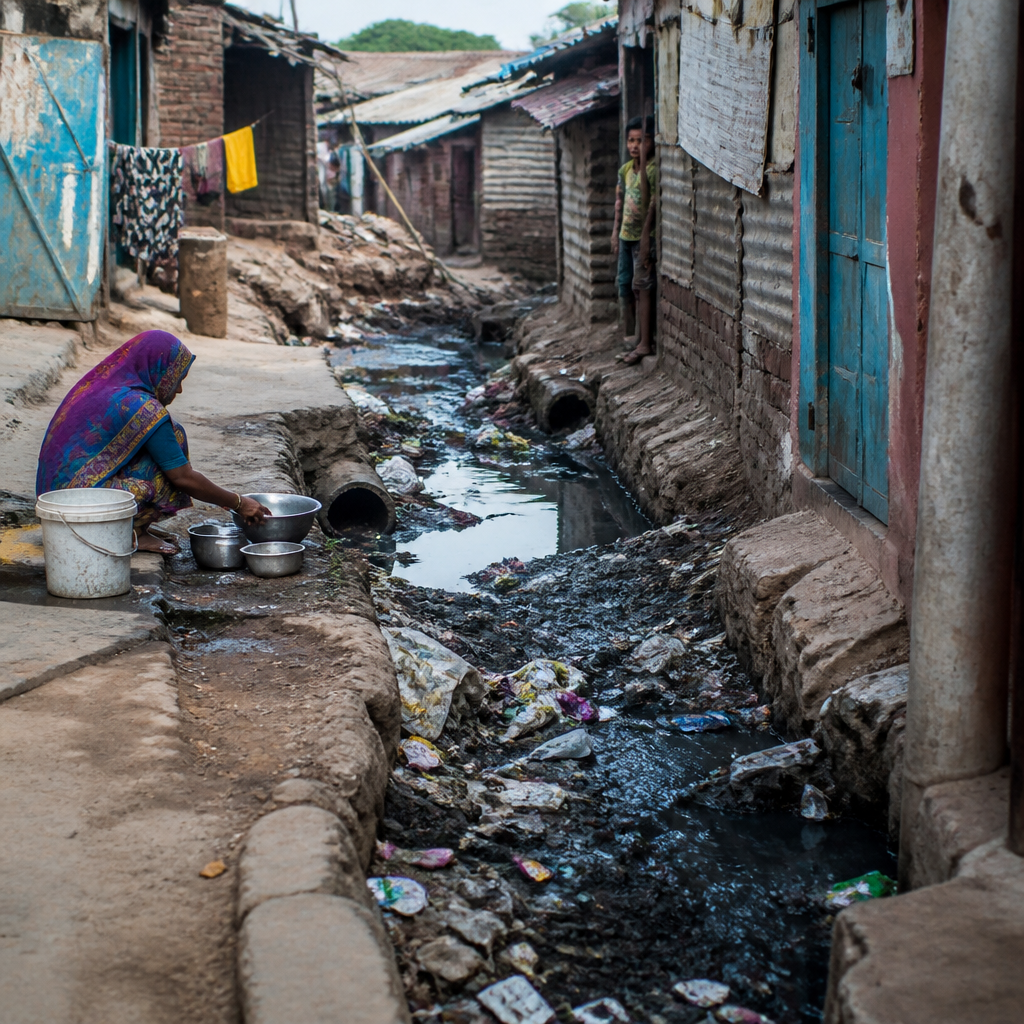
Wastewater also belongs in the EcoSan discussion. Hospitals discharge pathogens, antimicrobial residues, and chemicals into sewer systems, and in areas without robust municipal treatment, the environmental burden can be substantial. Source control matters here too. Mercury-free procurement, proper pharmaceutical take-back, and maintenance of grease traps and pretreatment systems reduce downstream harm. No hospital can eliminate every environmental impact, but it can stop avoidable contamination at the source and document that decisions are based on risk and regulatory requirements.
Governance, compliance, and continuous improvement
Reliable hospital waste management is built on governance. Every facility needs a waste management plan that defines roles, legal requirements, waste categories, container standards, collection schedules, emergency procedures, training frequency, and audit methods. This document should not sit unread in a binder. It should drive purchasing specifications, orientation programs, contractor terms, and monthly review meetings. Recognized frameworks such as the waste hierarchy, standard precautions, and occupational risk assessment provide a consistent basis for decision-making. Where environmental management systems are mature, hospitals often map waste controls to broader quality and safety governance rather than treating them as a standalone issue.
Measurement is what turns policy into performance. Useful indicators include segregation error rate, sharps container overfill rate, needlestick incidents, kilograms of hazardous waste per occupied bed day, treatment downtime, and training completion by role. Trend data matters more than isolated numbers. When hazardous waste volumes spike, leaders should ask whether patient acuity changed, whether new staff arrived, or whether a bin supply issue caused more mixing. In one facility, a sudden rise in infectious waste traced back to a well-intended but confusing sign in the emergency department. Auditing found it, the sign was revised, and volumes normalized within two weeks.
Contractor oversight deserves special attention. Many hospitals outsource transport, treatment, or final disposal, but legal responsibility rarely disappears with the contract. Vendors should be evaluated for licensing, treatment validation, contingency capacity, worker training, manifest accuracy, and site security. Unannounced visits are often revealing. If bags are stored in open yards, sharps containers are reused without authorization, or manifests do not match actual loads, the hospital faces reputational and regulatory risk. Trust must be backed by verification.
Building a hospital-wide safety culture around EcoSan
The strongest EcoSan programs are cultural, not merely procedural. Clinicians, cleaners, engineers, procurement teams, infection prevention staff, and executives must see waste management as part of patient safety and public health. That shift happens when leaders use clear expectations, fund the basics, and review waste incidents with the same seriousness applied to other safety events. Short toolbox talks, unit scorecards, visible dashboards, and feedback loops between wards and waste teams all help. So does integrating waste topics into onboarding, outbreak drills, and committee agendas.
As a hub for Safety and Wellness in EcoSan, this page points to the subtopics every hospital should develop next: sharps injury prevention, safe storage room design, spill response, cytotoxic waste handling, wastewater controls, contractor auditing, vaccination and post-exposure management, and emergency planning during outbreaks or service disruptions. Start with the highest-risk gaps, then standardize what works. Safe hospital EcoSan is achievable when segregation is reliable, workers are protected, treatment is appropriate, and performance is measured. Review your current system against these principles, fix the weak links first, and make health care waste management a visible part of your Health and Safety program.
Frequently Asked Questions
What does EcoSan mean in hospitals, and how is it different from basic sanitation?
In hospitals, EcoSan refers to applying ecological sanitation principles across the full health care waste system so that infection prevention, worker safety, environmental protection, and resource efficiency are addressed together. It goes beyond routine cleaning or the provision of toilets and handwashing stations. Basic sanitation often focuses on keeping spaces clean and controlling obvious contamination, while EcoSan takes a broader systems approach. It looks at how waste is created, how it is separated, how it moves through the facility, how it is treated, and what impacts those decisions have on patients, staff, waste handlers, nearby communities, and the environment.
That means EcoSan in a hospital includes practical steps such as separating infectious waste from general waste at the point of care, placing sharps immediately into puncture-resistant containers, reducing unnecessary single-use materials where safe alternatives exist, controlling wastewater risks, and selecting treatment methods that limit harmful emissions and pollution. It also includes training, monitoring, and accountability, because even well-designed systems fail when staff are unclear about procedures or bins are used incorrectly.
The key difference is that EcoSan treats waste management as part of safe clinical care and environmental stewardship, not as a separate housekeeping task. A hospital using EcoSan principles aims to reduce exposure, reduce waste volumes needing special treatment, conserve materials and energy where possible, and prevent contamination of air, soil, and water. In short, it is a disciplined, hospital-wide method for managing health care waste safely and responsibly.
Why is waste segregation so important in EcoSan-based hospital waste management?
Waste segregation is one of the most important parts of EcoSan in hospitals because it determines whether the rest of the system can function safely, efficiently, and affordably. Health care facilities generate many different waste streams, and only a portion of them are truly hazardous. When infectious waste, sharps, pharmaceutical waste, chemical waste, and general nonhazardous waste are mixed together, the entire mixed load often has to be treated as dangerous. That increases infection risk, treatment costs, storage complexity, and the chance of environmental damage.
Proper segregation begins exactly where the waste is generated, such as at the bedside, in treatment rooms, laboratories, pharmacies, operating theatres, and outpatient departments. Staff need clearly labeled, color-coded containers that are correctly placed and easy to use. Sharps should go immediately into puncture-proof sharps boxes. Infectious materials should go into designated bags or bins. General waste such as uncontaminated packaging, food-related waste, and office waste should be kept separate so it does not unnecessarily enter the hazardous waste stream.
From an EcoSan perspective, segregation also supports resource conservation and pollution prevention. When nonhazardous materials are kept separate, hospitals can reduce the volume of waste requiring high-risk treatment methods such as incineration or specialized disinfection. That can lower fuel use, reduce emissions, and improve compliance with environmental standards. It also protects cleaners, transport workers, and treatment operators by reducing accidental exposure to contaminated materials. In practical terms, excellent segregation is the foundation for safer handling, lower costs, better regulatory performance, and a smaller environmental footprint.
How should hospitals manage sharps and other hazardous health care waste safely?
Sharps and other hazardous wastes require tightly controlled procedures because they present direct risks of injury, infection, toxicity, and environmental contamination. Safe sharps management starts the moment a needle, scalpel, lancet, or similar item is used. It should be placed immediately into a puncture-resistant, leak-resistant, clearly labeled sharps container located as close as possible to the point of use. Containers should never be overfilled, and staff should avoid practices such as recapping needles unless a specific procedure and safety device make that necessary.
Beyond sharps, hospitals must classify and manage other hazardous wastes according to their risks. Infectious waste should be packaged securely and moved along defined routes to prevent exposure in patient or public areas. Pathological waste may require special containment and treatment. Pharmaceutical waste, especially expired or cytotoxic products, must be kept separate from general waste to prevent misuse, toxic exposure, and environmental release. Chemical waste from laboratories, imaging, cleaning, and sterilization processes also needs careful labeling, storage, and treatment based on compatibility and hazard profile.
EcoSan strengthens hazardous waste management by emphasizing prevention and system design. Hospitals should minimize avoidable waste generation, use safer products where clinically appropriate, maintain secure interim storage areas, provide personal protective equipment, and train staff regularly. Documentation is equally important. Tracking quantities, container use, incident reports, and treatment outcomes helps identify weak points and improve performance. The goal is not only to remove dangerous waste from clinical areas, but to manage it through every step of the chain in a way that protects workers, patients, waste handlers, and the surrounding environment.
What are the environmental benefits of using EcoSan principles for hospital waste?
Applying EcoSan principles to hospital waste management can significantly reduce environmental harm while maintaining strict health protection. One major benefit is pollution prevention. When hospitals segregate waste correctly, they avoid sending large volumes of nonhazardous material into high-intensity treatment systems. That can reduce unnecessary incineration, lower fuel consumption, and decrease emissions of particulate matter and other pollutants. It also supports cleaner downstream treatment because waste streams are handled according to their actual risk instead of being broadly treated as contaminated.
EcoSan also encourages hospitals to think about the full life cycle of materials. This includes reducing waste at the source, choosing products with lower environmental impact when clinically acceptable, improving inventory control to reduce expired supplies, and supporting reusable systems where safety standards can still be met. Better management of chemicals, pharmaceuticals, and wastewater lowers the risk of toxic substances entering drains, soil, or local water bodies. This is especially important in communities where treatment infrastructure may be limited and unmanaged discharges can affect drinking water, agriculture, and ecosystems.
Another important benefit is that EcoSan helps hospitals align public health goals with sustainability goals. Safe waste handling protects sanitation workers, municipal waste pickers, and nearby residents from exposure. Cleaner treatment and disposal practices reduce long-term environmental liabilities and can improve community trust in the health facility. In well-run systems, the hospital becomes not only a place of healing for individuals, but also a responsible institution that minimizes harm to the broader environment. That is the real strength of EcoSan: it recognizes that human health and environmental health are closely connected.
What are the most important steps for implementing EcoSan in a hospital successfully?
Successful EcoSan implementation in a hospital starts with leadership commitment and a clear waste management plan. Hospital administrators need to treat waste safety as a core operational and clinical priority, not an afterthought. That means defining responsibilities, allocating budgets, setting procedures for different waste streams, and making sure every department understands its role. A baseline assessment is usually the first practical step. The hospital should identify what types of waste it generates, where they are produced, what risks exist, and where current handling, storage, transport, treatment, or disposal practices are weak.
Once that assessment is complete, the hospital can build a practical system around segregation, safe containment, internal transport, storage, treatment, and final disposal. Containers must be appropriate, consistently available, and correctly placed. Routes for moving waste should reduce contact with patients and visitors. Storage areas should be secure, ventilated where necessary, and protected from pests, scavenging, and weather. Treatment methods should match the waste type and local regulations while minimizing environmental impacts. Just as important, hospitals should establish procedures for spills, needle-stick injuries, container failures, and other incidents.
Training is essential for success. Nurses, doctors, cleaners, laboratory staff, waste handlers, and contractors all need role-specific instruction and refreshers. Monitoring should be continuous, not occasional. Audits of segregation accuracy, sharps container fill levels, injury reports, waste volumes, and treatment records help the hospital measure progress and correct problems early. The most effective EcoSan programs also promote a culture of safety and improvement, where staff can report gaps without fear and where management responds quickly. When policy, infrastructure, training, and monitoring work together, EcoSan becomes a reliable part of hospital quality, infection control, and environmental responsibility.