Advancements in sanitation technology are reshaping how communities protect health, conserve resources, and build safer daily environments. In the EcoSan context, prioritizing health means designing sanitation systems that prevent disease transmission while recovering value from waste through water reuse, nutrient capture, energy generation, and low-impact treatment. EcoSan, short for ecological sanitation, is not simply an alternative toilet model; it is a systems approach that links public health, engineering, environmental management, and user behavior. When I assess sanitation projects, the first question is never what hardware is cheapest. It is whether the full chain, from containment to treatment to reuse or disposal, reliably interrupts exposure to pathogens.
That focus matters because inadequate sanitation remains a major driver of diarrheal disease, parasitic infection, child stunting, antimicrobial resistance spread, and environmental contamination. The World Health Organization and UNICEF Joint Monitoring Programme have repeatedly shown that safely managed sanitation is one of the clearest indicators of basic health protection. A latrine that leaks into groundwater, a septic tank that is never desludged, or a reuse scheme that ignores helminth die-off can all undermine the promise of sustainability. By contrast, newer sanitation technologies combine pathogen reduction targets, better materials, remote monitoring, and decentralized treatment methods to make health protection measurable rather than assumed.
For a hub article on prioritizing health in EcoSan, the key terms should be clear. Sanitation technology includes toilets, urine-diverting systems, sewer and non-sewered treatment, sludge handling, disinfection, reuse infrastructure, monitoring devices, and the operational software that keeps these parts functioning. Healthier living refers to reduced infectious disease risk, safer homes and schools, lower exposure for sanitation workers, improved menstrual and personal hygiene conditions, and cleaner water and air. The best modern systems do more than remove waste from sight. They create multiple barriers against bacteria, viruses, protozoa, and helminths while fitting real budgets, climate conditions, and user habits.
Across urban settlements, rural communities, schools, healthcare facilities, and emergency settings, the strongest trend is integration. Toilets are being paired with sensor-based maintenance alerts, containerized collection, resource recovery reactors, solar drying, membrane treatment, and validated disinfection steps. These advances are especially relevant under the Health and Safety umbrella because EcoSan succeeds only when environmental gains support, rather than compete with, disease prevention. A healthy EcoSan strategy treats sanitation as essential public health infrastructure, not a side conversation about waste. The sections below explain the technologies, standards, and practical decisions that make that strategy work.
Why health must lead EcoSan design
Health must lead EcoSan design because sanitation failures follow the entire service chain, not just the toilet interface. In field reviews, I have seen attractive installations praised as sustainable even though sludge emptied from them was dumped untreated nearby. That is not safe sanitation. The accepted benchmark is containment, conveyance, treatment, and end use or disposal that protects users, workers, and the surrounding environment. The WHO Sanitation Safety Planning framework is useful because it forces teams to identify hazardous events, assess exposure pathways, and apply controls at every stage.
Pathogen control is the central design issue. Human excreta can contain enteric bacteria such as pathogenic E. coli, Salmonella, and Vibrio cholerae; viruses such as rotavirus, norovirus, and hepatitis A; protozoa including Giardia and Cryptosporidium; and helminths such as Ascaris. Different organisms survive for different periods and need different treatment barriers. Urine diversion, dehydration, composting, alkaline treatment, anaerobic digestion, lime stabilization, thermal processing, and filtration all have roles, but none should be treated as universally sufficient without validation. Temperature, pH, moisture, retention time, and user compliance determine real-world performance.
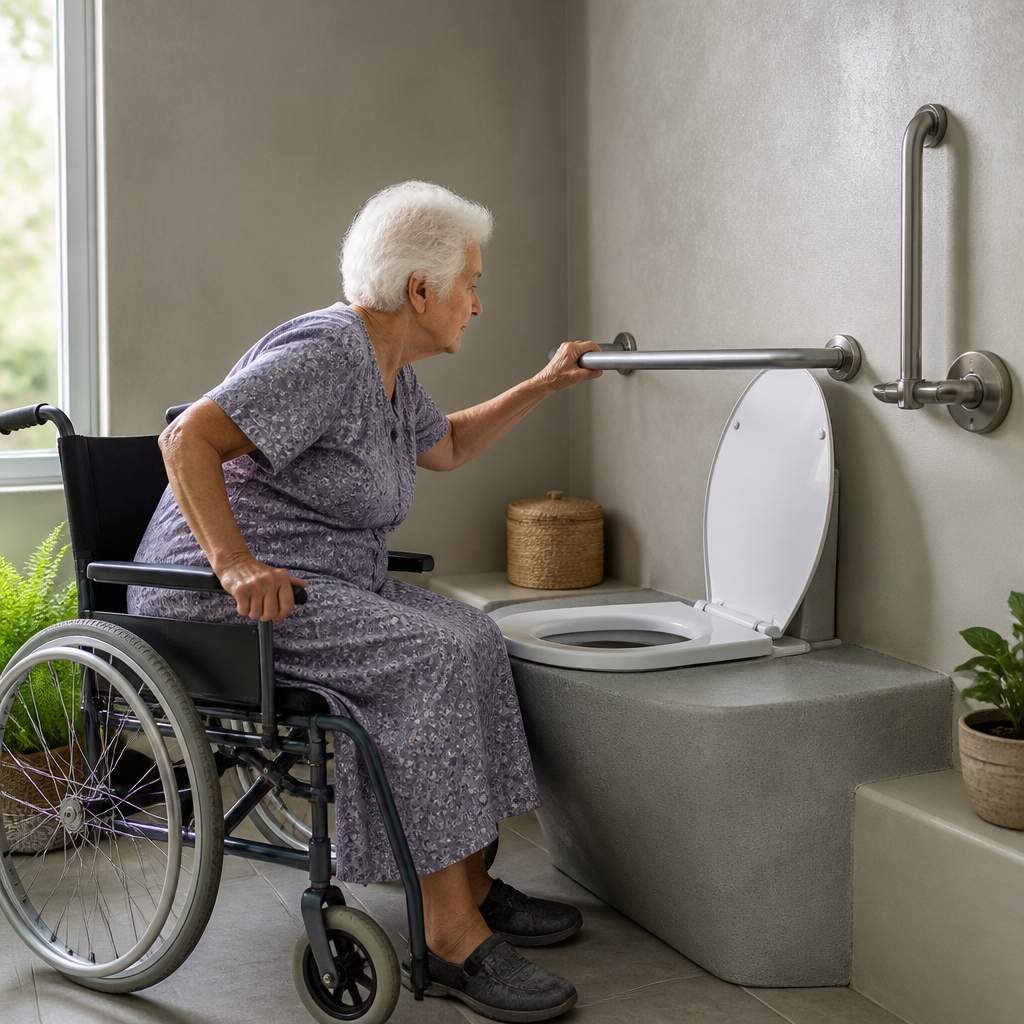
Health-led design also requires attention to inclusivity. A system that is difficult for children, older adults, pregnant users, or people with disabilities to use will not be used correctly. Poor lighting, lack of handwashing access, inadequate menstrual hygiene provisions, and unsafe pathways increase risk even when the core treatment concept is sound. In schools and clinics, these factors directly affect attendance, infection prevention, and dignity. EcoSan technologies must therefore be evaluated against operational safety and human-centered usability, not environmental claims alone.
Key sanitation technologies improving disease prevention
Several sanitation technologies now offer better disease prevention than older unmanaged pit or septic arrangements. Urine-diverting dry toilets separate urine and feces at the source, which reduces moisture in the fecal chamber, improves dehydration, and makes nutrient recovery easier. When properly used and maintained, they can lower odor, fly breeding, and cross-contamination. Twin-vault systems add resilience because one chamber can rest while the other is in use, allowing longer pathogen die-off before handling. However, these systems depend heavily on correct addition of cover material, user training, and protection from rainwater intrusion.
Container-based sanitation has emerged as a strong option in dense settlements where sewer installation is impractical. Sealed cartridges or containers are collected on a service schedule and transported to centralized treatment. The health advantage is immediate isolation of waste from household surroundings and the removal of unsafe manual emptying. Organizations operating in cities in Kenya, Haiti, and South Africa have shown that reliability of collection matters as much as toilet design. A well-run service with traceable transport and treatment can outperform poorly managed onsite systems.
Decentralized wastewater treatment technologies are also improving. Anaerobic baffled reactors, constructed wetlands, membrane bioreactors, sequencing batch reactors, and packaged treatment units can reduce organic load and pathogens close to the point of generation. In peri-urban developments, I have seen small membrane systems paired with chlorination or ultraviolet disinfection produce non-potable reuse water for flushing or irrigation. These systems are not maintenance free. Membrane fouling, inconsistent power, and operator skill gaps are common constraints. Still, when matched to local capacity, decentralized treatment reduces environmental discharge and extends service to areas beyond sewer networks.
| Technology | Primary health benefit | Best-fit setting | Key limitation |
|---|---|---|---|
| Urine-diverting dry toilet | Reduces moisture, odor, and fecal contact risk | Water-scarce homes, schools, rural sites | Requires consistent user behavior and chamber management |
| Container-based sanitation | Seals waste quickly and limits local exposure | Dense informal settlements, flood-prone areas | Depends on reliable collection logistics and payment systems |
| Membrane bioreactor | High-quality effluent with strong solids separation | Institutions, clustered housing, commercial sites | Higher capital cost and technical maintenance needs |
| Anaerobic digestion | Stabilizes waste and supports biogas recovery | Community systems, farms, institutions | Pathogen reduction may need post-treatment |
Treatment, disinfection, and safe resource recovery
Resource recovery is one of EcoSan’s strongest ideas, but it only supports healthier living when treatment is tied to explicit safety targets. Composting toilets, for example, are often marketed as if composting alone guarantees sanitation. In practice, many chambers do not maintain the temperature profile needed for rapid pathogen inactivation. That is why conservative storage times, secondary treatment, and restricted end uses are important. Fecal sludge destined for agriculture may require drying, thermophilic composting, pelletization, co-composting, or thermal treatment before reuse. Verification through microbiological testing strengthens confidence.
Urine reuse is usually lower risk than fecal reuse because fresh urine from healthy individuals is typically low in pathogens, yet cross-contamination and storage conditions still matter. WHO guidance supports storage-based risk reduction combined with crop restrictions, application methods that minimize contact, and worker hygiene. In projects where urine is used as fertilizer, I recommend closed containers, labeled storage dates, and training for dilution and application. Nutrient recovery is valuable, but clear rules are what keep a beneficial product from becoming an exposure route.
For wastewater and sludge, disinfection choices should reflect the intended reuse pathway. Chlorination is familiar and low cost, but residual management and effectiveness against some protozoa are concerns. Ultraviolet systems avoid chemical residuals but require low-turbidity water and dependable electricity. Ozone, pasteurization, solar thermal treatment, and alkaline stabilization each solve different problems. No single option is best everywhere. The right choice depends on influent quality, required log reduction, operator capacity, climate, and whether the final product is water, compost, biosolids, or energy feedstock.
Digital monitoring, automation, and smarter maintenance
One of the most important sanitation advances is invisible to most users: digital monitoring. Sensors can now track fill levels in fecal sludge tanks, pump performance, moisture in treatment beds, biogas pressure, chlorine residual, and toilet usage frequency. This matters for health because breakdowns are rarely sudden; they usually begin as missed maintenance, overflow risk, or treatment drift. Remote monitoring allows service providers to intervene before exposure happens. In municipal and private programs alike, the move from reactive emptying to scheduled, data-driven maintenance has sharply improved reliability.
Smart public toilets offer another example. Units equipped with occupancy counters, water-use controls, automated flushing, touchless fixtures, and cleaning alerts can reduce high-contact contamination points in busy transport hubs, markets, and schools. During the COVID-19 period, many facility managers accelerated adoption of touch-free handwashing taps, soap dispensers, and entry systems. Those changes were not cosmetic. Reducing surface contact and improving cleaning frequency directly support infection prevention, especially where facilities serve hundreds of users each day.
Automation should not be confused with complexity for its own sake. The best systems use monitoring to simplify operations. A vacuum toilet linked to a small treatment skid, for example, can reduce water demand while providing usage data that informs servicing. A fecal sludge operator using GPS-verified collection routes can document that waste reached an approved discharge or treatment point. These records strengthen accountability, help regulators enforce standards, and make sanitation performance auditable. In a health-centered EcoSan program, measurable maintenance is a major advance over assumptions and paper logs.
Protecting workers, households, and vulnerable settings
Healthier sanitation is not only about end users. It also depends on protecting the workers who clean toilets, empty pits, transport sludge, and operate treatment plants. Historically, sanitation labor has carried high risk from skin contact, inhalation, sharps injuries, toxic gases, and social stigma. Newer technology helps by reducing manual handling through sealed containers, mechanized emptying, hose attachments designed for dense sludge, and better personal protective equipment protocols. Ventilation and gas detection are especially important in confined spaces where hydrogen sulfide and methane can accumulate.
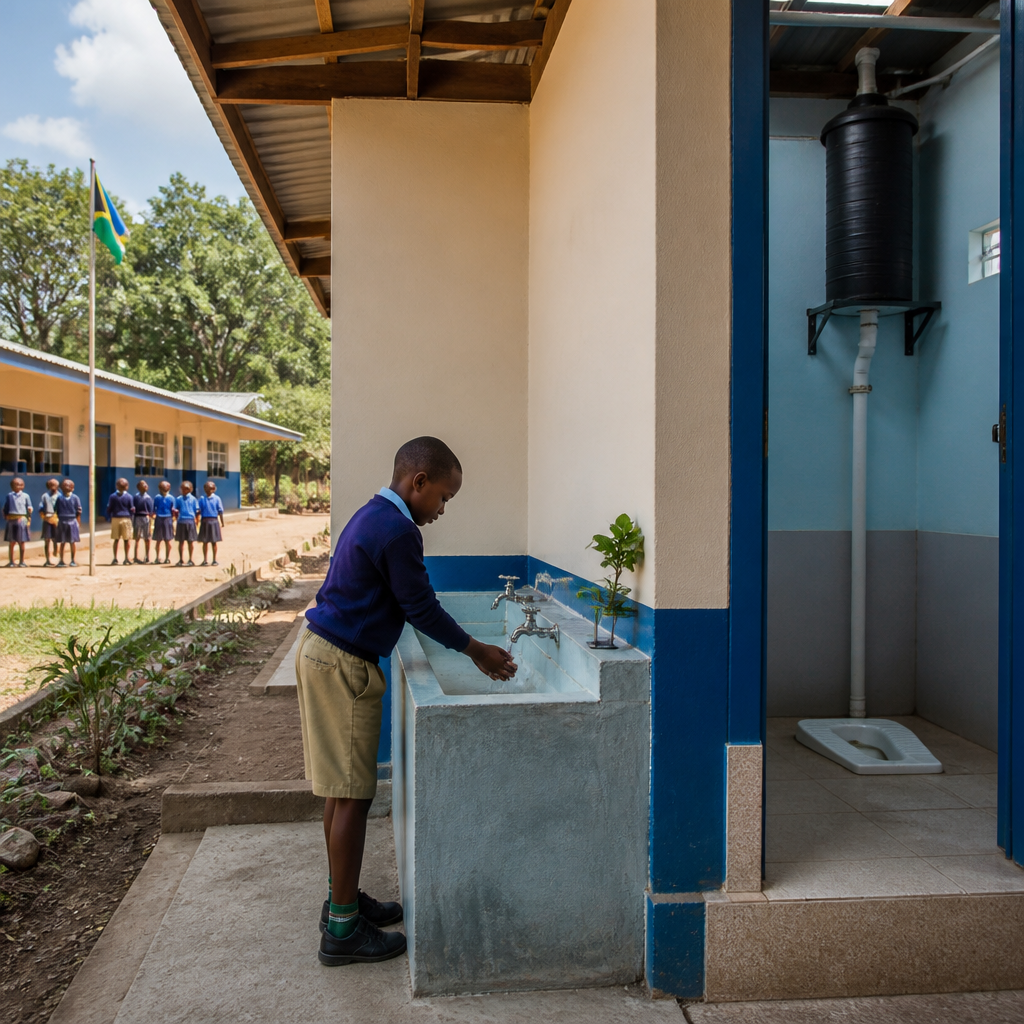
Healthcare facilities and schools need stricter standards than typical residential settings because transmission consequences are higher. In clinics, sanitation systems must support infection prevention and control, placenta and infectious waste management, hand hygiene, and reliable water access. In schools, separate facilities for girls and boys, menstrual hygiene infrastructure, handwashing stations with soap, and easy-to-clean surfaces are basic health requirements. I have seen technically sound sanitation blocks fail because no one budgeted for cleaning staff, soap replenishment, or spare parts. Operations determine outcomes.
Climate resilience belongs in this section because floods, droughts, and heat directly affect disease risk. Flood-prone pits contaminate surface water. Drought can make pour-flush systems unusable. High temperatures can either support or disrupt treatment depending on moisture control and system design. Raised latrines, sealed tanks, urine diversion, backflow prevention, and decentralized reuse can all improve resilience. Prioritizing health in EcoSan means planning for abnormal conditions, not just average days.
Implementation priorities for a strong EcoSan health strategy
A strong EcoSan health strategy begins with risk mapping, not product selection. Identify who is exposed, where contamination could occur, what standards apply, and which operator will be responsible after construction. Then match technology to settlement density, water availability, soil conditions, flood risk, energy reliability, affordability, and local acceptance. Pilot testing is wise, but pilots should collect operational data, not just user opinions. Useful indicators include pathogen reduction proxies, fill and emptying intervals, handwashing functionality, downtime, sludge destination, and cost per safely managed user.
Financing and governance are equally important. Many sanitation failures come from capital-heavy programs with no service budget. Subscription collection models, public utility management, school maintenance line items, output-based aid, and regulated private operators can each work when responsibilities are clear. Standards should reference recognized guidance from WHO, ISO non-sewered sanitation work, and national building and environmental health codes. Independent inspections, maintenance contracts, and operator training should be treated as core infrastructure, not optional extras.
For readers building out this Health and Safety subtopic, the practical lesson is simple: prioritize interventions that reduce exposure first, then optimize recovery and environmental performance. Safe containment, verified treatment, worker protection, hand hygiene, and resilient operations are the foundations. From there, nutrient reuse, water recycling, and energy recovery can deliver additional value without compromising health. Review your current sanitation chain, identify its weakest barrier, and upgrade that point first.
Frequently Asked Questions
1. What are the most important recent advancements in sanitation technology for healthier living?
Recent advancements in sanitation technology go far beyond basic waste disposal. Today’s most important innovations focus on stopping disease transmission, improving hygiene, reducing environmental contamination, and recovering valuable resources from waste. In practical terms, this includes smarter toilet and containment designs, decentralized wastewater treatment systems, touchless hygiene fixtures, real-time monitoring tools, improved pathogen removal processes, and EcoSan-based systems that safely separate and treat waste streams for reuse.
One major advancement is the shift from linear sanitation systems, where waste is simply flushed away, to circular systems that treat waste as a recoverable resource. Ecological sanitation, or EcoSan, is central to this transition. Instead of seeing sanitation only as a disposal challenge, EcoSan systems are designed to protect public health while enabling water reuse, nutrient capture, compost production, and in some cases energy generation. This creates healthier living environments by reducing exposure to untreated waste, lowering pressure on freshwater supplies, and preventing pollution of soil and waterways.
Another key development is decentralized treatment. In many settings, especially rapidly growing communities or areas lacking major sewer infrastructure, compact local treatment systems can safely process wastewater closer to where it is generated. This reduces leakage risks, lowers infrastructure costs, and supports resilient sanitation access. Combined with modern disinfection methods, improved sludge treatment, and better system design, these technologies help communities build safer, more adaptable sanitation networks that directly support healthier daily living.
2. How does EcoSan improve public health compared with traditional sanitation approaches?
EcoSan improves public health by focusing on prevention at every stage of the sanitation chain: containment, separation, treatment, reuse, and environmental protection. Traditional sanitation often emphasizes removal of waste from the household, but if downstream treatment is weak or incomplete, contamination can still spread through water, food, soil, insects, or human contact. EcoSan aims to break these transmission pathways more deliberately by designing systems that reduce exposure from the start and manage waste in a safer, more controlled way.
For example, source-separating systems can keep urine and fecal matter apart, making treatment more targeted and efficient. Fecal waste can be processed to destroy pathogens before any reuse or disposal, while urine, when safely managed, can be used as a nutrient source in agriculture. This reduces uncontrolled discharge and supports cleaner surroundings. In areas where open defecation, failing septic systems, or contaminated drainage are public health risks, EcoSan can significantly lower the spread of diarrheal disease, intestinal parasites, and other sanitation-related illnesses.
EcoSan also supports healthier living by reducing water contamination and improving long-term environmental quality. When sanitation systems prevent untreated waste from entering groundwater, rivers, and community spaces, they protect drinking water sources and reduce chronic exposure risks. Just as importantly, EcoSan encourages sanitation planning that connects household hygiene, treatment safety, agricultural reuse standards, and ecosystem health. That systems-based thinking makes EcoSan especially effective for communities that want sanitation solutions that are not only functional, but truly health-centered and sustainable over time.
3. Can sanitation technology really help conserve water and recover resources safely?
Yes, modern sanitation technology can play a major role in both water conservation and safe resource recovery, especially when systems are intentionally designed for those outcomes. Conventional sanitation often relies on large volumes of clean water to transport waste, which can be inefficient in water-stressed regions. Newer systems, including low-flush, vacuum, dry, and urine-diverting technologies, reduce water demand while still supporting hygiene and effective waste management. This makes sanitation more sustainable without compromising health protection.
Resource recovery is another major advancement. Human waste contains nutrients such as nitrogen, phosphorus, and potassium, along with organic matter that can be transformed into useful products when properly treated. EcoSan systems are particularly effective here because they separate and process waste streams in ways that make recovery safer and more practical. Depending on the design, outputs may include treated water for irrigation or non-potable reuse, stabilized compost-like soil amendments, concentrated nutrients for agriculture, or biogas for energy. These outcomes can reduce dependence on synthetic fertilizers, lower waste disposal burdens, and support local circular economies.
The key word, however, is safely. Resource recovery should only occur through well-managed systems with appropriate treatment, storage, pathogen reduction, and regulatory oversight. When sanitation technologies are poorly maintained, the health risks can outweigh the benefits. But when they are properly designed and operated, they can protect households from contamination while conserving scarce resources and turning sanitation into a tool for resilience, food security, and environmental stewardship.
4. What role do smart and decentralized sanitation systems play in healthier communities?
Smart and decentralized sanitation systems are becoming increasingly important because they help communities respond to health needs more quickly, efficiently, and locally. Decentralized systems treat wastewater near its source rather than depending entirely on large, centralized sewer networks. This can be especially valuable in peri-urban areas, informal settlements, remote communities, schools, healthcare facilities, and new developments where full-scale sewer expansion is costly or impractical. By treating waste locally, these systems can reduce overflow risks, prevent long transport-related failures, and improve sanitation access for underserved populations.
Smart sanitation adds another layer of protection by using sensors, monitoring platforms, and data-driven maintenance to improve reliability. For example, technologies can track tank fill levels, monitor treatment performance, detect leaks, and flag operational problems before they become health hazards. This matters because even well-designed sanitation systems can fail if they are not maintained. With better monitoring, service providers and communities can respond faster, reduce downtime, and keep sanitation functioning as intended.
Together, smart and decentralized approaches support healthier communities by making sanitation more responsive, resilient, and efficient. They can reduce human contact with untreated waste, improve service continuity, and support tailored solutions for local conditions. In the EcoSan context, decentralized systems are especially useful because they can be designed to recover water, nutrients, and energy close to the point of generation. That not only improves environmental performance, but also helps communities build sanitation systems that are practical, adaptive, and centered on both public health and long-term sustainability.
5. What should communities consider when adopting advanced sanitation technologies?
Communities should look beyond the technology itself and evaluate the full sanitation system, including user behavior, maintenance capacity, treatment reliability, health safeguards, financing, regulation, and long-term environmental impact. A sanitation technology may appear innovative, but if it is difficult to maintain, culturally mismatched, or unsupported by local service systems, it may not deliver lasting health benefits. Successful adoption depends on choosing solutions that fit local water availability, population density, climate, land use, technical skills, and public health priorities.
Health protection should remain the top priority. That means understanding how waste will be contained, transported or treated, and monitored to prevent pathogen exposure. If the system includes water reuse, nutrient recovery, composting, or energy production, there must be clear treatment standards and safe handling practices. Training is also essential. Users, operators, local authorities, and service providers all need to understand how the system works and what is required to keep it safe and effective. Community acceptance often improves when people see direct benefits such as cleaner surroundings, lower water use, reduced odors, fertilizer value, or improved sanitation access.
It is also important to think in terms of lifecycle performance rather than short-term installation costs. Advanced sanitation technologies can deliver significant benefits, but only when there is a plan for operation, repair, monitoring, and eventual upgrading. In the EcoSan framework, the best solutions are those that protect human health, conserve resources, reduce pollution, and remain workable for the people who depend on them every day. Communities that take a systems approach are far more likely to build sanitation infrastructure that supports healthier living now and in the future.