Managing chemical hazards in EcoSan systems starts with a simple truth: sanitation that protects water and recovers nutrients must also protect the people who build, empty, transport, treat, and reuse sanitation products. EcoSan, short for ecological sanitation, is an approach that views human excreta and household wastewater not only as wastes to contain, but also as resources to treat and return safely to soil or other productive uses. In practice, that includes urine-diverting dry toilets, composting toilets, dehydrating vaults, container-based sanitation, and systems that separate, store, sanitize, and reuse nutrients. Chemical hazards in these systems include ammonia, hydrogen sulfide, methane, disinfectants, pharmaceuticals, heavy metals, cleaning agents, and contaminants introduced from industrial wastewater or household products. They matter because exposure can harm workers and users immediately through burns, poisoning, asphyxiation, or long-term through chronic toxicity and environmental accumulation. I have worked on sanitation risk reviews where the microbiological dangers were well recognized, yet the chemical risks were barely documented, even though they determined whether reuse was actually safe. A strong EcoSan safety program therefore treats chemical risk management as essential to sustainability, operational continuity, regulatory compliance, and community trust.
Safety and sustainability in EcoSan are inseparable because every design decision changes both exposure and environmental outcomes. A urine-diverting toilet, for example, reduces pathogen transfer and preserves nitrogen, but stored urine can release ammonia, especially in hot climates and enclosed handling rooms. A composting toilet can lower waste volumes and produce soil amendment, but poor aeration or accidental mixing with greywater may create odor, sulfide generation, or leachate with elevated salts and cleaning chemicals. Even apparently low-tech systems require disciplined controls: source separation, compatible materials, ventilation, personal protective equipment, storage times, treatment verification, and clear rules for reuse. International guidance such as the World Health Organization Sanitation Safety Planning framework, ISO 30500 performance requirements for non-sewered sanitation systems, and occupational exposure concepts used by OSHA and similar agencies provide practical anchors. This hub article explains the full landscape of chemical hazards in EcoSan, how risks enter the system, which controls work best, and how to align public health goals with circular resource recovery.
What chemical hazards exist in EcoSan systems
Chemical hazards in EcoSan systems fall into several predictable categories, and naming them clearly helps operators choose the right controls. First are gases generated during storage and decomposition: ammonia from urine hydrolysis, hydrogen sulfide from anaerobic conditions with sulfur compounds, carbon dioxide from biological activity, and methane in oxygen-poor storage or sludge zones. Second are corrosive or irritating treatment chemicals such as lime, ash, caustic soda, peracetic acid, chlorine products, and descalers. Third are contaminants that arrive with the waste stream, including pharmaceuticals, hormones, PFAS in some contexts, household cleaners, solvents, pesticides, and heavy metals. Fourth are byproducts created by unsafe mixing, such as chlorine gas when bleach contacts acids or ammonia-based cleaners. Fifth are environmental contaminants accumulated in end products, especially when urine or compost is repeatedly applied to limited land area without monitoring. In field audits, I usually find that gases and cleaning chemicals create the most immediate worker hazards, while metals, salts, and trace organics create the most important long-term sustainability questions.
The route of exposure matters as much as the chemical itself. Inhalation dominates for ammonia, sulfide, methane-associated oxygen displacement, and volatile cleaning agents. Skin and eye contact are common when operators handle ash, lime, disinfectants, or concentrated urine. Ingestion risks arise from poor hygiene during emptying and reuse, or from crops, soil, and groundwater receiving contaminated products. Environmental release matters because EcoSan often aims to close nutrient loops locally; if a contaminant enters the loop, repeated reuse can spread it through gardens, drainage ditches, and shallow aquifers. This is why source control is a cornerstone of safety and sustainability in EcoSan. Systems intended for resource recovery should not receive paint waste, workshop chemicals, batteries, harsh solvents, or industrial effluent. Household guidance is equally important: discourage unnecessary bleach use in dry toilets, prohibit pesticide disposal into sanitation units, and specify approved cleaning products. A clear acceptance policy protects treatment performance and makes downstream reuse claims credible.
How chemical risks develop across the EcoSan chain
Chemical risk is best understood along the full service chain: user interface, storage, emptying, transport, treatment, storage of products, and final reuse or disposal. At the user interface, the main issues are product compatibility, ventilation, and user behavior. Urine-diverting toilets need surfaces and seals that resist urea-rich liquids and scale formation; otherwise leaks can trap urine and create persistent ammonia odor. Users may add bleach, acids, or fragranced cleaners to suppress smell, but that can corrode components and create respiratory hazards in confined spaces. In storage vaults and containers, moisture content and oxygen levels determine whether decomposition remains relatively controlled or shifts toward anaerobic gas generation. When vaults are entered, even briefly, the risk profile changes sharply because gases stratify and oxygen can be depleted. No EcoSan chamber should ever be treated as harmless simply because it serves a household rather than an industrial site.
Emptying and transport create the highest frequency of direct exposure. Opening lids releases accumulated gases; agitation liberates more. Splashing during manual transfer can expose skin and eyes to alkaline ash mixtures, high-ammonia urine, or partially treated fecal material carrying both microbial and chemical hazards. Treatment then introduces another layer. Lime stabilization raises pH effectively but demands careful dosing, dry storage, and eye protection. Thermal drying reduces pathogens and moisture but can concentrate salts and some metals in the remaining solids. Composting can improve material quality, yet if feedstock includes chemical contaminants, biological treatment will not reliably destroy all of them. Reuse finally determines whether the system is truly sustainable. Applying stored urine to crops can work well when diluted and timed correctly, but repeated application without nutrient budgeting may burn plants, increase nitrate leaching, or overload soils with sodium. Safe EcoSan is therefore not one technology but a disciplined management system across linked stages.
Core controls that prevent harm while preserving resource recovery
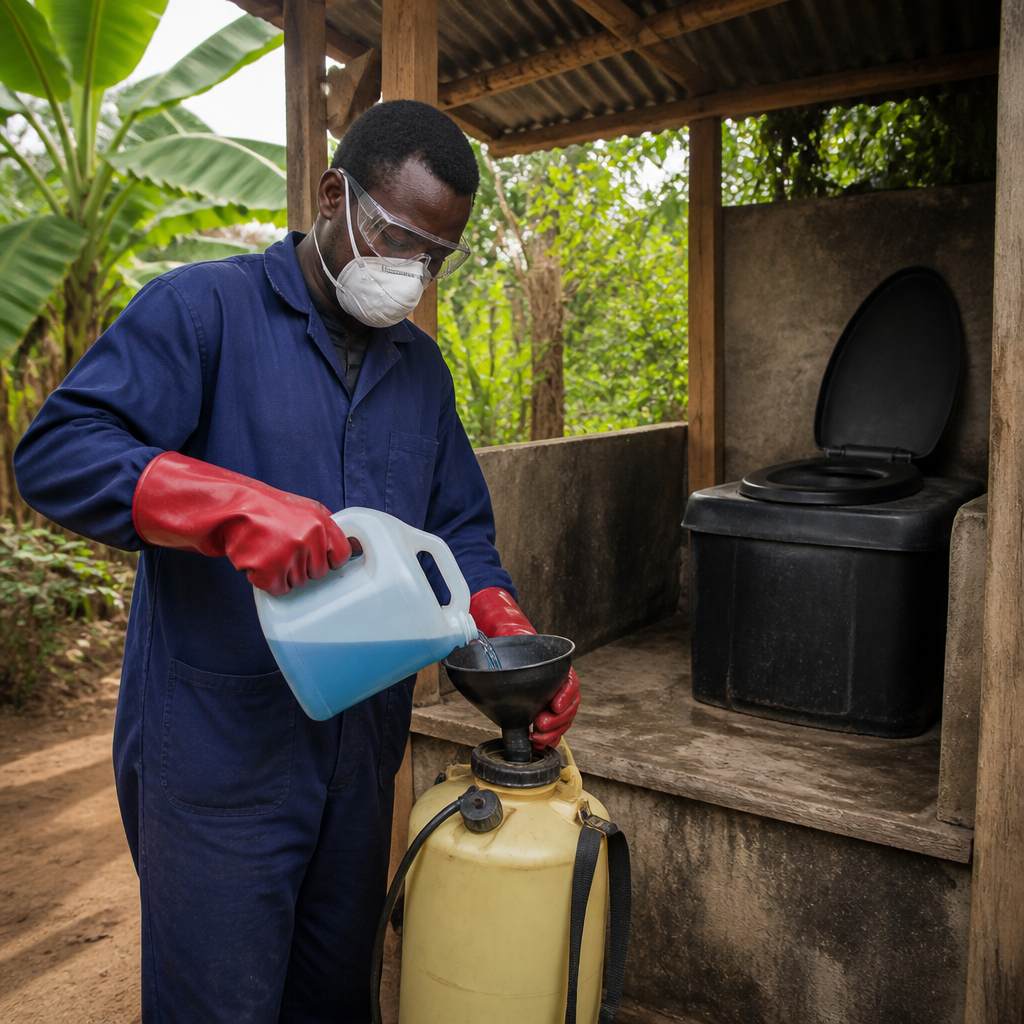
The most effective controls follow the hierarchy used in high-performing sanitation and industrial hygiene programs. Elimination comes first: keep non-compatible chemicals out of the system through source restrictions and user education. Substitution follows: choose low-toxicity, non-chlorinated cleaning products and treatment agents that meet operational needs with lower exposure potential. Engineering controls then do the heaviest lifting. Good ventilation in toilet rooms, vent stacks designed to maintain upward draft, sealed urine containers, splash-minimizing transfer equipment, and secondary containment for treatment chemicals reduce routine exposure dramatically. Administrative controls make these designs reliable in practice: standard operating procedures, entry prohibitions for confined spaces, labeled storage, maintenance logs, and training that covers both immediate symptoms and delayed effects. Personal protective equipment is the last layer, not the first. Gloves, goggles, face shields, respirators selected for the task, boots, and aprons are essential during emptying and chemical handling, but they cannot compensate for poor ventilation or unsafe mixing practices.
Monitoring is what separates assumed safety from verified safety. In my experience, many EcoSan projects monitor fill levels and pathogen indicators but neglect air quality, pH verification, electrical conductivity, or contaminant trends in reuse products. That is a mistake. Ammonia meters, hydrogen sulfide detectors, and oxygen monitors are practical for teams that open vaults or handle containers in enclosed areas. pH strips or calibrated meters confirm whether alkaline treatment targets were achieved. Electrical conductivity helps flag salinity issues before urine or compost damages soils. For broader assurance, periodic laboratory testing for nutrients, selected heavy metals, and context-specific trace contaminants supports responsible reuse planning. The correct test panel depends on local risks: near battery recycling or tanneries, metal screening matters more; in affluent peri-urban areas with high medicine use, pharmaceutical residues may deserve attention. Monitoring should always connect to action thresholds, not just produce reports. If ammonia levels rise, improve ventilation and handling times. If salts accumulate, adjust dilution, crop selection, or application frequency.
| EcoSan stage | Main chemical hazards | Most effective controls |
|---|---|---|
| User interface | Bleach, acids, ammonia odors, incompatible cleaners | Approved product list, clear labeling, passive or powered ventilation |
| Storage | Ammonia, hydrogen sulfide, methane, oxygen depletion | Sealed lids, vent stacks, no entry, gas monitoring before opening enclosed spaces |
| Emptying and transport | Splashes, aerosols, alkaline dusts, concentrated urine contact | Closed transfer tools, splash control, PPE, trained crews, route planning |
| Treatment | Lime burns, oxidizer exposure, heat stress, chemical incompatibility | Measured dosing, dry chemical storage, eyewash access, SOPs, supervision |
| Reuse | Salt buildup, nitrate leaching, metals, trace organics | Nutrient budgeting, soil testing, crop restrictions, application timing, recordkeeping |
Designing EcoSan systems for safer chemistry from the start
Design choices determine whether a system naturally suppresses hazards or constantly creates them. Urine diversion is a good example. It simplifies nutrient recovery and reduces moisture in fecal chambers, but only if slopes, pipe diameters, junctions, and flush volumes prevent standing urine and struvite blockages. Blocked lines encourage users to pour stronger chemicals into the system, escalating corrosion and exposure. Material selection matters as well. High-density polyethylene, polypropylene, and appropriate PVC formulations generally perform better with urine and many cleaning agents than metals prone to corrosion. Vent stacks need enough height, diameter, and solar or wind assistance to carry odors and ammonia away from breathing zones, not merely out of the vault. Access ports should allow emptying without requiring workers to lean deep into chambers. In larger decentralized systems, separate rooms for chemical storage and treatment are worth the cost because they reduce accidental mixing and improve housekeeping.
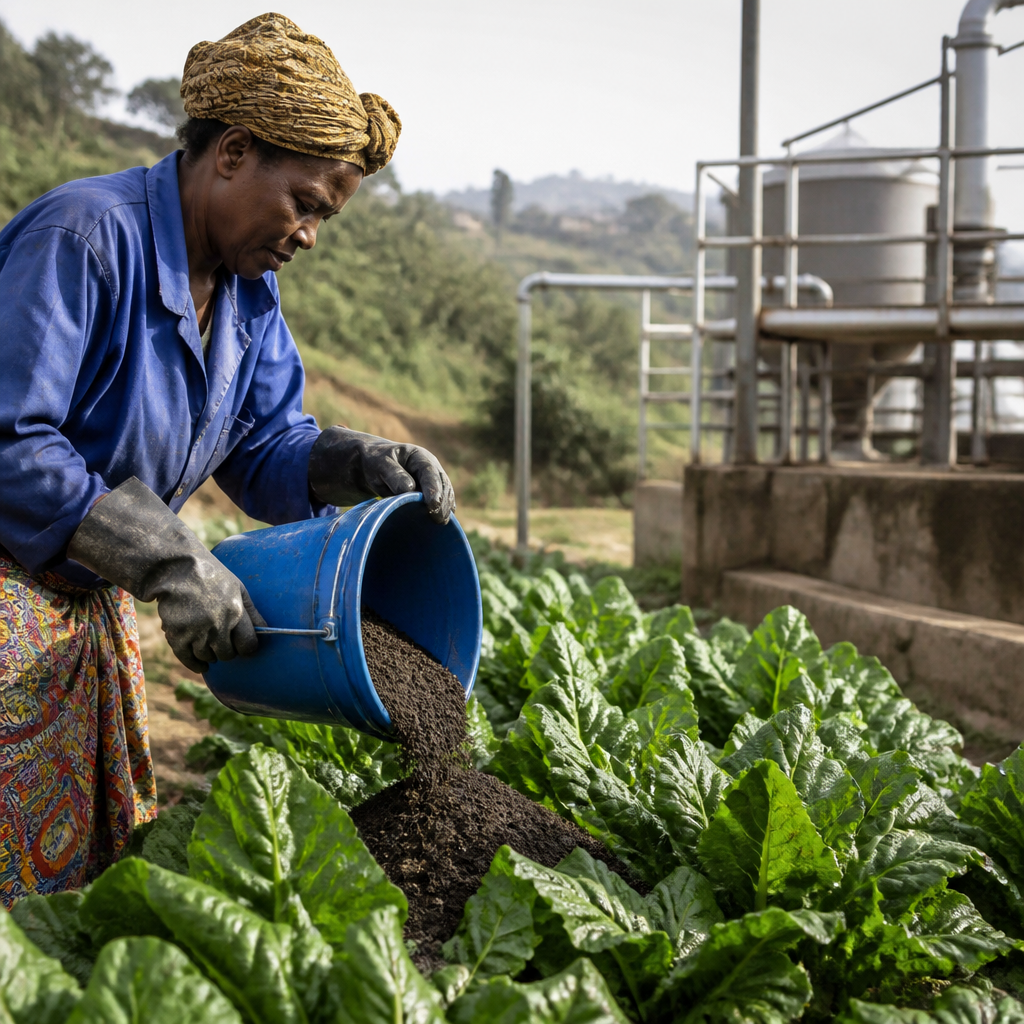
Reuse design is equally important. Safe and sustainable EcoSan does not end when treatment is complete; it ends when recovered products are matched to land, crops, and users appropriately. Stored urine is usually best applied close to crop demand, incorporated where feasible, and kept off edible plant surfaces. Compost or dehydrated material may need curing, screening, and restrictions on use around root crops or home gardens where children play, depending on treatment performance and local rules. Buffer distances from wells, streams, and flood-prone land protect groundwater and reduce off-site transport. I recommend creating a simple nutrient management plan even for community-scale systems: estimate nitrogen, phosphorus, potassium, sodium, and annual application area. This prevents the common mistake of treating every recovered product as universally beneficial. Sustainability is not just recycling; it is recycling at a dose and destination that preserves soil health, water quality, worker safety, and long-term public acceptance.
Governance, training, and continuous improvement for safe EcoSan
Strong governance turns technical controls into routine practice. Every EcoSan program should define who is responsible for user education, inspections, emptying, incident response, laboratory coordination, and reuse approvals. Written procedures should cover chemical purchasing, storage compatibility, spill response, first aid, and prohibited actions such as mixing bleach with acidic descalers or entering pits and vaults without authorization. Training needs to be practical, repeated, and task-specific. Operators should know the smell of ammonia and sulfide, but also understand that dangerous gases can overwhelm smell perception. They should know how to flush eyes after lime contact, how to decontaminate equipment, and when to reject a load because source separation failed. Communities should receive simple guidance on what can enter the toilet, why certain cleaners are banned, and how recovered products are used safely. When these messages are missing, people improvise, and improvisation is where most chemical incidents begin.
Continuous improvement depends on reviewing near misses, complaints, and monitoring results. If odor complaints increase in hot months, investigate ventilation, storage time, and urine handling practices rather than masking the symptom with stronger chemicals. If operators report skin irritation, review glove quality, handwashing supplies, and contact points in the workflow. If soil tests show rising salinity or zinc, trace the source and modify inputs or application rates. This is also where a hub approach helps. Safety and sustainability in EcoSan link to separate deeper topics such as gas hazards in vaults, safe urine reuse, lime handling, compost quality assurance, PPE selection, and nutrient management. Treat this page as the operational center: a place to align design, field practice, and reuse decisions under one risk-based framework. The payoff is substantial. Well-managed EcoSan can conserve water, recover nutrients, reduce pollution, and support local agriculture without shifting hidden chemical risks onto workers or communities. Audit your system stage by stage, tighten source control, verify treatment and reuse conditions, and make chemical safety a standing part of EcoSan performance.
Frequently Asked Questions
What are the main chemical hazards in EcoSan systems, and where do they come from?
The main chemical hazards in EcoSan systems usually come from a mix of household inputs, user behavior, local environmental conditions, and the way sanitation products are stored, treated, and reused. While EcoSan systems are often designed to recover nutrients safely, the materials moving through them can still contain unwanted chemicals that pose risks to workers, users, crops, soil, and water if they are not properly managed.
Common hazards include ammonia at high concentrations, especially in stored urine; disinfectants, bleaches, solvents, and other cleaning chemicals poured into toilets or greywater systems; pharmaceuticals and personal care product residues; detergents with problematic additives; and heavy metals that may enter the system from household products, roofing runoff, ash, batteries, industrial contamination, or mixed waste streams. In some settings, pesticides and herbicides can also be present, particularly where greywater or reused sanitation products are applied near gardens or farms.
Another important concern is chemical mixing. For example, combining strong cleaners with urine or fecal matter in enclosed spaces can release irritating or dangerous fumes. Storage areas, vaults, containers, and transport equipment can also accumulate gases that create inhalation hazards, especially when ventilation is poor. Even a system that appears simple, such as a urine-diverting dry toilet, can become hazardous if users add inappropriate chemicals, dispose of non-sanitation waste into the unit, or handle stored products without proper precautions.
The source of the hazard matters because it determines the best control measure. If the problem comes from household chemical use, the solution may be source separation and user education. If it comes from contaminated ash or industrial runoff, stronger screening and quality controls are needed. In short, EcoSan systems are safest when managers understand exactly what enters the system, what transformations happen during storage and treatment, and where people may be exposed during emptying, transport, processing, and reuse.
How can operators and households reduce chemical risks before they enter an EcoSan system?
The most effective way to manage chemical hazards is to stop them at the source. In EcoSan, prevention is far easier and safer than trying to remove contaminants later from urine, feces, composted material, or greywater. That means households, caretakers, and operators should treat the sanitation system as part of a wider chemical management plan, not just a toilet or treatment unit.
Start by controlling what is allowed into the system. Users should be clearly told not to dispose of paints, fuels, oils, pesticides, batteries, pharmaceuticals, sanitary products, solvents, or harsh cleaning agents in EcoSan toilets, vaults, soak areas, or greywater channels. Mild, system-compatible cleaners should be preferred, and labels or posters near the toilet can make a major difference in day-to-day behavior. For urine-diverting systems, keeping urine separate from feces and from wash water helps preserve nutrient value while reducing unpredictable chemical interactions.
Product selection also matters. Low-toxicity soaps and detergents, biodegradable cleaning products, and phosphorus- or boron-conscious greywater inputs can reduce long-term soil and crop impacts. Where households rely on ash, lime, or cover materials, those inputs should come from clean sources and be stored to avoid contamination from chemicals or solid waste. In communities where people may use shared facilities, management teams should establish rules on accepted inputs and conduct periodic inspections to catch misuse early.
Training is another key step. People who clean, empty, or maintain EcoSan systems need to understand not only biological risks, but also chemical ones such as skin irritation, inhalation exposure, and accidental mixing of incompatible substances. Simple procedures such as wearing gloves, ensuring airflow before opening chambers, using dedicated tools, and washing after handling materials can prevent many routine exposures. The strongest EcoSan programs combine infrastructure, signage, training, and community engagement so chemical safety becomes a normal part of sanitation practice rather than an afterthought.
What safety measures should workers follow when emptying, transporting, and treating EcoSan materials?
Anyone who empties, transports, or treats EcoSan products should work on the assumption that exposure can happen through skin contact, inhalation, splashes to the eyes, accidental ingestion, and contact with contaminated equipment or clothing. Even when a system has been functioning well, stored urine, dehydrated feces, composted solids, sludge-like residues, or greywater sediments may still contain concentrated chemicals or irritating byproducts. Safe handling therefore depends on layered protection, not a single precaution.
At minimum, workers should use appropriate personal protective equipment based on the task: chemical-resistant gloves, closed footwear or boots, protective clothing, and eye protection where splashing is possible. In dusty conditions, or where fumes and gases may accumulate, respiratory protection may also be needed depending on the hazard assessment. Good ventilation is essential before opening containers, chambers, or treatment spaces, especially enclosed areas where gases can build up. Workers should never place their face directly over an opening or enter confined spaces without proper safety procedures.
Operational controls are just as important as protective gear. Containers should be labeled, tools should be dedicated to sanitation tasks, and transfer methods should minimize splashing and spills. During transport, loads should be covered, secured, and kept separate from food, drinking water, and household goods. Treatment areas should have clear workflows for receiving, storing, processing, and curing materials so that partially treated products are not confused with materials ready for reuse.
Hygiene and emergency preparedness complete the picture. Handwashing facilities, clean water, soap, first-aid supplies, and procedures for spill response should be available wherever sanitation materials are handled. Workers should know what to do if chemicals are suspected, if fumes are detected, or if someone develops symptoms such as dizziness, burning eyes, coughing, nausea, or skin irritation. Regular refresher training, incident reporting, and supervision help turn safety rules into consistent practice. In well-run EcoSan systems, protecting workers is not separate from nutrient recovery; it is a core condition for making reuse safe and sustainable.
How do you know whether treated EcoSan products are safe to reuse in agriculture or landscaping?
Determining whether EcoSan products are safe for reuse requires more than checking whether they look dry, smell acceptable, or have been stored for a certain length of time. Safe reuse depends on treatment performance, source quality, the intended use, and whether there is a realistic risk that harmful chemicals remain in the material. The goal is not simply to recycle nutrients, but to do so without transferring pollutants to soil, crops, animals, workers, or water sources.
The first step is understanding the input stream. If the system receives only household excreta, urine, and approved cover materials, the chemical risk profile is usually lower than in systems that also receive greywater, industrial discharges, workshop waste, or mixed refuse. Treatment records matter as well. Storage time, pH, moisture control, temperature, and other process conditions help indicate whether the material has stabilized, but they do not automatically confirm chemical safety. If contamination is suspected, testing may be needed for parameters such as salinity, pH, ammonia concentration, boron, heavy metals, or residues linked to local chemical use.
The end use should guide the decision. Materials with uncertain quality should not be applied to edible crops, root vegetables, or areas where children frequently play. Lower-risk uses may include tree crops, ornamentals, forestry, or soil restoration, depending on local regulations and treatment confidence. Application rates are also critical. Even nutrient-rich products can damage plants or soil if overapplied, and chemical constituents such as salts or ammonia can become harmful at excessive concentrations.
Best practice is to combine treatment standards, quality checks, and conservative reuse guidelines. That may include regular sampling, recordkeeping, buffer distances from wells and waterways, crop restrictions, timing rules before harvest, and safe application methods that reduce direct human contact. When in doubt, a precautionary approach is the right one. Reuse should move forward only when managers can show that the product is fit for its intended purpose and that chemical as well as biological risks are under control.
Why is chemical hazard management so important to the long-term success of EcoSan systems?
Chemical hazard management is essential because the credibility and sustainability of EcoSan depend on trust. Communities, workers, farmers, regulators, and project funders all need confidence that sanitation products can be handled and reused without causing hidden harm. If an EcoSan system protects nutrients but exposes people to toxic substances, damages crops, contaminates soil, or creates unpleasant and unsafe working conditions, then the system is not achieving its purpose.
In practical terms, poor chemical management can undermine EcoSan in many ways. Workers may refuse to empty units if fumes, burns, or skin irritation become common. Households may misuse toilets if there is no guidance on compatible products. Reuse programs can fail if treated materials harm plants or trigger concern about contamination. Local water protection goals may also be compromised if chemicals leach or run off from poorly managed storage, treatment, or land application. These failures often start small, but they can quickly weaken public acceptance of the entire approach.
By contrast, strong chemical risk management improves system performance at every stage. It supports safer operation and maintenance, helps preserve the nutrient value of recovered products, reduces damage to treatment processes, and makes it easier to comply with public health