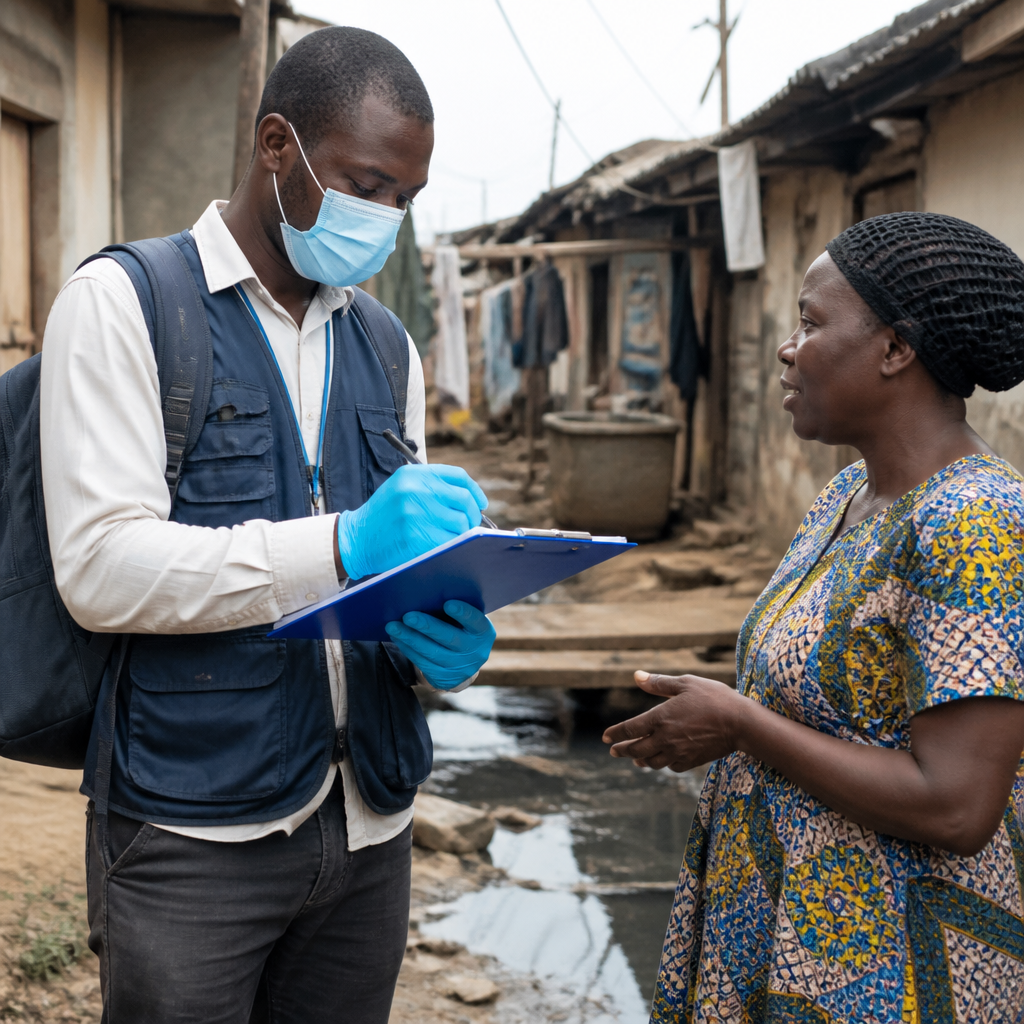
Sanitation in high altitude areas demands different rules than sanitation at sea level because thin air, freezing nights, stronger ultraviolet radiation, steep terrain, and limited infrastructure change how waste, water, and human health interact. In the EcoSan context, sanitation means managing human excreta, graywater, menstrual waste, handwashing, and hygiene behavior so nutrients are recovered safely while pathogens are contained. High altitude generally refers to settlements above 2,500 meters, where lower oxygen pressure and colder climates affect both people and biological treatment processes. Safety and wellness in EcoSan matters here because a toilet that works well in a warm lowland village can fail badly in a mountain school, trekking lodge, mining camp, or pastoral hamlet. I have seen composting chambers stall for months in the cold, urine pipes freeze overnight, and handwashing stations go unused simply because water storage tanks iced over before dawn.
The health risks are broader than diarrhea alone. At elevation, dehydration is common, so concentrated urine can create scaling in urine-diverting systems. Reduced boiling efficiency and unreliable fuel supplies complicate disinfection. Isolated communities may face delayed medical care, making prevention more important than treatment. Tourism adds another layer: seasonal surges can overload toilets and contaminate springs downhill. EcoSan, short for ecological sanitation, aims to close nutrient loops by treating excreta as a resource rather than waste. That goal remains valid in mountain regions, but the design, operation, and user training must reflect altitude-specific hazards. This hub article explains the main sanitation risks in high altitude areas, the design choices that improve safety, the operational practices that protect users, and the wellness measures that make EcoSan systems resilient for households, institutions, and remote worksites.
Why High Altitude Changes Sanitation Risk
High altitude alters sanitation through climate, geography, and physiology. Cold temperatures slow microbial decomposition, so composting toilets need longer retention times to achieve pathogen reduction. In passive systems, the difference is dramatic: a chamber that stabilizes material in six months in a tropical climate may need a year or more in a cold mountain district. Freeze-thaw cycles crack concrete, warp plastic components, and separate seals, allowing leaks and vector access. Lower atmospheric pressure also changes drying behavior and user hydration patterns. People lose more moisture through respiration at altitude, which increases water stress and can reduce handwashing if water is scarce.
Terrain matters just as much. Mountain settlements often rely on springs, glacial melt, or shallow hillside intakes. A poorly sited pit, vault, or leach area uphill from a spring box can contaminate a whole hamlet. Because land is scarce and slopes are unstable, toilets are frequently built too close to paths, retaining walls, or drainage channels. During intense rain or snowmelt, runoff can carry fecal contamination quickly downslope. In earthquake-prone mountain belts such as the Himalaya and Andes, structural stability is another sanitation issue. Cracked slabs, shifted superstructures, and broken vent stacks are not just maintenance problems; they create exposure pathways for pathogens and make facilities inaccessible for children, older adults, and people recovering from altitude illness.
Core Health Hazards in Mountain EcoSan Systems
The primary health hazard remains fecal-oral disease transmission. Pathogens of concern include bacteria such as enterotoxigenic Escherichia coli, viruses such as norovirus and hepatitis A, and protozoa including Giardia and Cryptosporidium, both common where water sources are poorly protected. Helminth eggs, especially Ascaris, are relevant where excreta reuse is practiced without adequate storage or treatment. In high altitude areas, low temperatures can preserve some pathogens longer in stored material, even while slowing the biological activity needed to destroy them. That means operators cannot rely on time alone; they need moisture control, pH management, and verified handling procedures.
Respiratory and dermatologic risks are often overlooked. Strong ammonia odors from poorly managed urine storage can irritate mucous membranes in enclosed toilet rooms, especially where ventilation is limited to conserve heat. Ash and lime, widely used as cover materials, improve drying and odor control but can irritate skin and eyes if users are not trained. Women and girls may face specific risks when menstrual waste disposal is absent or culturally restricted, leading to unsafe burning indoors or disposal into drainage lines. In schools and hostels, privacy failures increase urinary retention, which can contribute to urinary tract discomfort and reduced fluid intake. Wellness in EcoSan therefore includes comfort, dignity, thermal protection, and accessibility, not only pathogen control.
Design Principles for Safe EcoSan at Elevation
The safest high altitude EcoSan systems separate liquids from solids, keep water away from excreta chambers, and protect treatment processes from cold. Urine-diverting dry toilets are often a strong choice because they reduce moisture and lower the volume needing treatment. However, the urine line must be short, steep, insulated where necessary, and easy to clean. I prefer smooth-diameter piping with inspection access rather than improvised hose, because crystallization from struvite and calcium salts is common when urine becomes concentrated. In freezing climates, exposed elbows are failure points. Simple enclosure changes, such as routing pipes through insulated wall cavities or sun-facing chases, often prevent winter blockage.
For feces chambers, double-vault systems work well when families can alternate use and allow one side to rest. Insulation matters more than many builders expect. Adding insulated doors, airtight access hatches, and dark external surfaces on solar-exposed walls can increase internal chamber temperatures and improve drying. Ventilation should balance odor control with heat retention. A black vent pipe that gains solar heat can strengthen the stack effect, but it must be screened to exclude flies and anchored against high winds. In institutions, container-based EcoSan can outperform fixed pits because full containers can be moved to a protected treatment area rather than managed in frozen cubicles. The right design is the one local operators can maintain safely through winter, not the one that looks most advanced on paper.
Water, Hygiene, and Spring Protection
Safe sanitation at altitude is inseparable from water management. Where every bucket is carried uphill or thawed from ice, handwashing compliance drops unless facilities are designed for scarcity. Tippy taps, low-flow dispensers, and alcohol-based hand rub at key points can maintain hygiene when water is limited, though visible soil still requires soap and water. I advise communities to treat handwashing stations as critical infrastructure, not optional add-ons. Place them at the toilet exit, protect them from freezing, and assign replenishment responsibility. In clinics and schools, this single operational habit often does more to reduce illness than expensive upgrades to the superstructure.
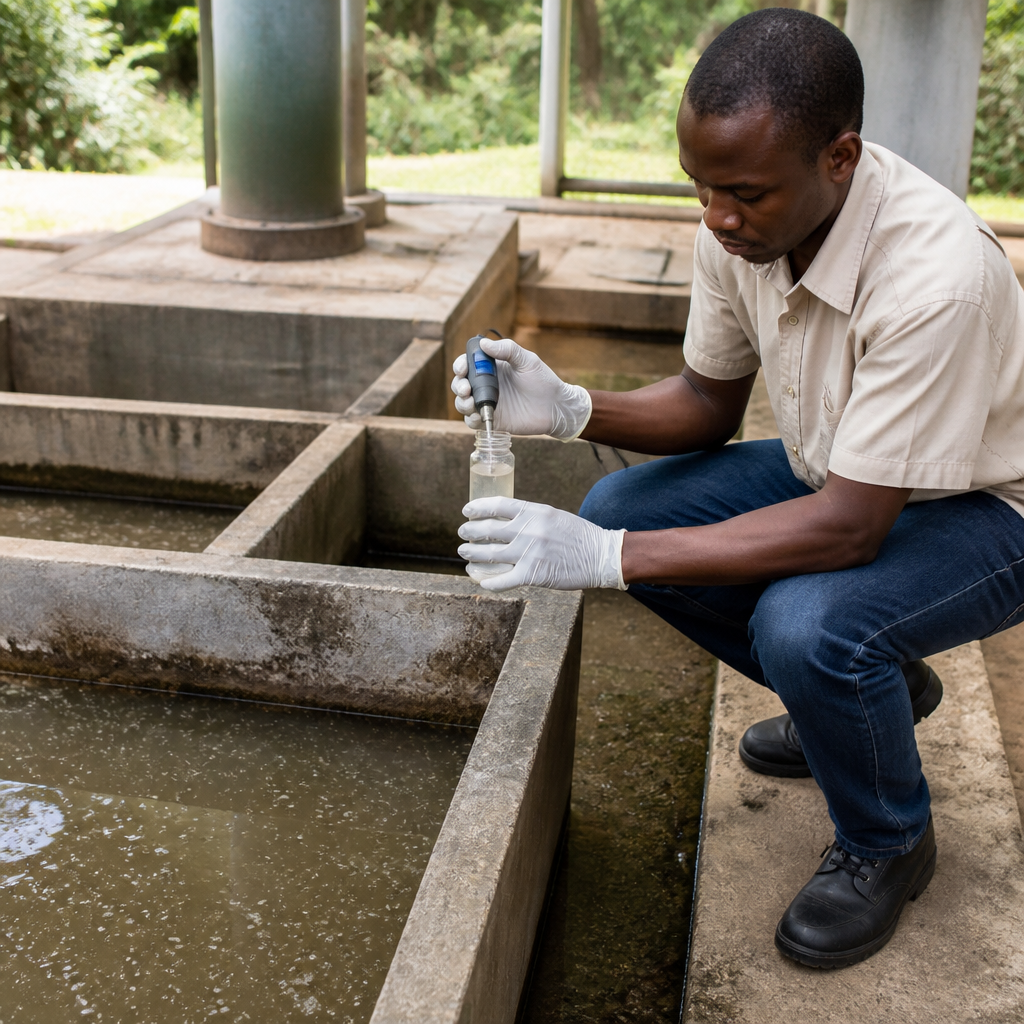
Source protection is equally important. Springs should be mapped relative to every toilet, animal pen, soak area, and graywater trench. A sanitary survey can identify cracked spring boxes, missing diversion ditches, and uphill contamination risks before water tests fail. World Health Organization water safety planning principles are useful here: identify hazards, assess risks, control the highest priorities, and verify performance. For mountain communities, that usually means keeping excreta storage fully sealed, diverting stormwater away from sanitation blocks, and maintaining buffer distances from sources based on local hydrogeology rather than generic rules alone. Rocky fractured ground can transmit contamination faster than expected.
Operational Controls That Reduce Disease Transmission
Good design fails without disciplined operation. High altitude EcoSan systems need a maintenance routine tied to climate and occupancy. Cover material must stay dry, doors and hatches must close tightly, urine channels must be rinsed or brushed before scaling hardens, and treatment chambers must be checked for moisture intrusion after storms. In lodges, camps, monasteries, and schools, assign named staff rather than vague community responsibility. A simple checklist posted inside the service area improves consistency, especially where caretakers rotate seasonally. Personal protective equipment should include gloves, closed footwear, eye protection when handling ash or lime, and handwashing supplies immediately after service.
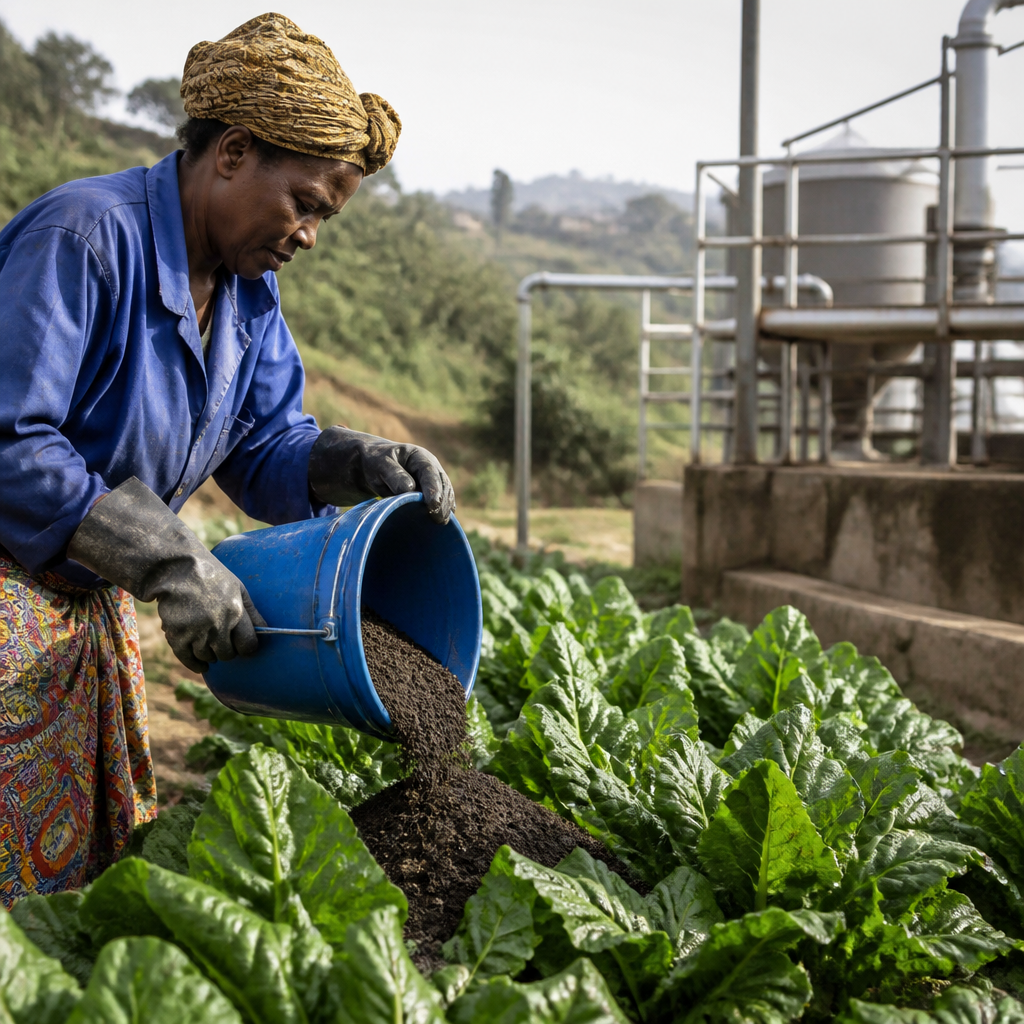
When reuse is planned, treatment standards must be conservative. Fecal matter removed from vaults should appear dry and soil-like, but appearance is not proof of safety. A multiple-barrier approach works best: extended storage, alkaline treatment where appropriate, restricted crop use, and safe transport practices. Urine intended for fertilizer use should be stored in closed containers and applied below the soil surface or incorporated quickly to reduce ammonia loss and user exposure. Food crops eaten raw deserve stricter controls than fodder trees or cereal fields. If the community cannot reliably meet treatment and handling requirements, off-site disposal or centralized processing is safer than informal reuse.
| Risk Area | Common High Altitude Problem | Practical Control Measure |
|---|---|---|
| Urine diversion | Pipe freezing or mineral scaling | Use short insulated runs, steep slope, and inspection access |
| Feces treatment | Slow pathogen die-off in cold chambers | Extend storage time, improve drying, add insulation |
| Hand hygiene | Frozen or empty handwashing station | Protect from cold and assign daily refill checks |
| Water source safety | Spring contamination from uphill sanitation | Map hazards, improve drainage, seal storage, verify with surveys |
| User safety | Slip, privacy, and nighttime access problems | Add lighting, handrails, non-slip floors, and secure doors |
Wellness, Inclusion, and User Behavior
EcoSan succeeds when users feel safe, respected, and physically comfortable. In cold climates, people avoid toilets that are dark, windy, or distant, especially at night. Then open defecation or unsafe containers reappear, regardless of what the project report says. Wellness planning therefore includes path lighting, handrails on icy approaches, child-friendly seats, menstrual hygiene provisions, and enough interior space for layered winter clothing. For older adults and people with disabilities, raised seats, stable grab bars, and doors that open outward can determine whether a toilet is used independently or not at all.
Behavior change also needs mountain-specific messaging. Users should understand why dry cover material is essential, why urine and anal cleansing water must go where the design intends, and why reusing partially treated material is risky. Tourism operators need clear orientation for visitors who have never used EcoSan before. A one-minute briefing in a trekking lodge prevents contamination caused by paper, plastics, wet wipes, or excess wash water entering the wrong chamber. In my experience, the most effective sanitation programs at altitude combine practical hardware with repeated micro-training: signs, demonstrations, school clubs, caretaker coaching, and seasonal refreshers before peak visitor periods.
Planning a High Altitude EcoSan Hub Program
As a hub for safety and wellness in EcoSan, this topic should connect household toilets, school sanitation, menstrual health, graywater control, reuse safety, winter operations, and emergency preparedness. Start with a baseline assessment: altitude, temperature range, occupancy peaks, water source type, soil and slope conditions, cultural preferences, and caretaker capacity. Then select technologies that fit those constraints. Monitoring should track not only construction outputs but also chamber dryness, handwashing functionality, user satisfaction, and contamination incidents. Low-cost tools such as sanitary inspections, maintenance logs, and periodic water testing for thermotolerant coliforms or E. coli provide actionable evidence.
Partnerships matter. Local masons need training on insulation, drainage, and vent installation. Health workers can reinforce hygiene behavior and identify disease patterns. Schools can model good practice for households. Municipalities and park authorities should plan for fecal sludge or container transport where dispersed settlements cannot manage end use safely on site. The strongest programs treat sanitation as a living service system, not a one-time build. In high altitude areas, that service mindset protects health, preserves water sources, and keeps EcoSan credible as both an environmental and public health solution.
Sanitation in high altitude areas is not a niche technical problem; it is a public health priority wherever people live, study, travel, or work above the snow line and along mountain slopes. The central lesson is simple: altitude changes the performance of toilets, the safety of water, and the daily behavior of users. Cold slows treatment, scarce water weakens hygiene, steep land accelerates contamination, and isolation raises the cost of failure. EcoSan can still work exceptionally well under these conditions, but only when systems are designed for freezing temperatures, operated with discipline, and supported by training that matches local realities.
The most effective approach combines safe separation of waste streams, protected water sources, reliable hand hygiene, conservative treatment times, and inclusive user-centered design. That protects children from diarrheal disease, reduces exposure for caretakers, supports menstrual dignity, and allows nutrient recovery without gambling with health. As the hub for safety and wellness in EcoSan, this article points to the standards every related topic should reinforce: containment, treatment, usability, maintenance, and verification. If you are planning or upgrading sanitation in a mountain community, school, camp, or lodge, start with a risk assessment and build your EcoSan program around winter performance, source protection, and user behavior from day one.
Frequently Asked Questions
Why does sanitation at high altitude require different strategies than sanitation at sea level?
Sanitation in high altitude communities must account for environmental conditions that directly affect how waste breaks down, how pathogens survive, and how safely people can use toilets, water systems, and hygiene facilities. Above roughly 2,500 meters, thinner air, lower oxygen levels, large day-to-night temperature swings, freezing nights, stronger ultraviolet radiation, steep slopes, shallow or rocky soils, and limited road access all change the practical rules of sanitation management. A toilet design that works well in a humid, lowland setting may fail in a mountain settlement because decomposition slows in cold conditions, pipes freeze, water becomes scarce in the dry season, or pit latrines become unstable on sloping ground.
In the EcoSan approach, sanitation is not just about getting waste out of sight. It includes safely managing human excreta, graywater, menstrual waste, handwashing, and hygiene behavior so nutrients can be recovered while disease risks are controlled. At high altitude, this often means choosing systems that use little or no flush water, protect users from cold and wind exposure, separate urine and feces when appropriate, and allow longer storage or treatment times because low temperatures can delay pathogen die-off. It also means planning for difficult maintenance conditions. If a village is snowbound or road access is seasonal, replacement parts, sludge transport, and regular servicing may not be realistic, so simpler, locally repairable systems are usually more reliable.
Health risks are also different. People at altitude can be more vulnerable to dehydration because the air is dry and breathing rates may increase, which makes reliable handwashing and safe water access especially important. At the same time, if water sources are limited, families may reduce hygiene practices unless systems are designed around actual water availability. Strong ultraviolet light can help reduce some pathogen survival on exposed surfaces, but it is not a substitute for proper containment and treatment. In short, high altitude sanitation requires designs that are climatically resilient, protective of scarce water and fragile landscapes, and realistic for communities facing terrain, cold weather, and infrastructure constraints.
What are the main health risks linked to poor sanitation in high altitude settlements?
The core health risks remain familiar: diarrheal disease, intestinal infections, environmental contamination, and poor hygiene-related illness. However, in high altitude settlements, these risks interact with mountain conditions in ways that can make them harder to control. When feces are not safely contained, pathogens can contaminate springs, glacial melt channels, storage tanks, and household water containers. Because many mountain communities depend on a small number of water sources, contamination from even a few households can affect a large share of the population. During rain, snowmelt, or slope runoff, poorly sited pits and open defecation areas can quickly spread contamination downhill into shared water points or crop areas.
Cold temperatures create an additional challenge because biological treatment processes often slow down. That means excreta, sludge, or wastewater may remain infectious for longer than users expect. If a latrine fills slowly and appears dry or inactive, people may assume it is safe when pathogens are still present. This matters for pit emptying, compost handling, child feces disposal, and the reuse of treated products in agriculture. EcoSan systems can work very well at altitude, but only if storage, drying, and treatment times are adapted to local temperature and moisture conditions rather than copied from warmer regions.
Women and girls may face heightened risks when menstrual waste management is inadequate, especially in cold environments where privacy, washing water, and discreet drying spaces are limited. Inadequate handwashing stations can also contribute to disease transmission because dry, cold weather and water scarcity often discourage frequent washing. Another overlooked issue is physical safety. Toilets located far from homes, down icy paths, or on unstable slopes increase the risk of falls, especially at night, for children, older adults, and pregnant women. So in high altitude sanitation planning, health protection must include infection prevention, water safety, thermal comfort, accessibility, and safe daily use in difficult terrain.
Which sanitation systems are usually most suitable for high altitude areas?
The best sanitation systems for high altitude areas are usually those that minimize water use, perform reliably in cold conditions, can be built with local materials where possible, and are manageable by the community over the long term. In many cases, urine-diverting dry toilets, well-designed composting or dehydration toilets, and other container-based or dry EcoSan options are more suitable than conventional flush systems. This is especially true where water is scarce, pipes are vulnerable to freezing, and vacuum trucks or centralized sewer networks are not available. Dry or low-water systems reduce pressure on limited water supplies and avoid many of the freezing and transport problems associated with waterborne waste systems.
That said, no single technology fits every mountain setting. Site conditions matter enormously. Rocky terrain may make deep excavation difficult, pushing communities toward above-ground or raised systems. Steep slopes require careful structural design, anchoring, drainage control, and protection from erosion. Areas with seasonal freezing may need insulated toilet superstructures, sheltered venting, and user-friendly designs that remain functional in winter. Where EcoSan reuse is part of the goal, systems must make it easy to separate, store, treat, and safely handle outputs without exposing households to pathogens. This often includes secure storage chambers, good airflow for drying, diversion of excess moisture, and practical procedures for ash, cover material, and routine cleaning.
Graywater management is equally important and is often neglected. At high altitude, poorly managed graywater can freeze, create slippery surfaces, damage paths, or pool near homes and attract pests. Small infiltration systems, planted gravel filters, or controlled kitchen garden reuse can work well if they are designed for slope, soil depth, and winter conditions. Handwashing facilities should be placed close to the toilet and home, protected from wind, and supplied in a way that supports regular use even when temperatures drop. The most suitable sanitation system is therefore not simply the cheapest toilet type. It is the system that safely contains pathogens, fits local climate and terrain, supports hygiene behavior, and can actually be operated and maintained year after year.
How can communities safely recover nutrients from human waste in high altitude EcoSan systems?
Safe nutrient recovery at high altitude is possible, but it requires more patience and stricter management than in warmer, lower-elevation climates. EcoSan is based on the idea that human excreta contain valuable nutrients that can be returned to soil instead of being wasted or allowed to pollute water sources. At altitude, the challenge is that low temperatures and periodic freezing can slow dehydration, composting, and pathogen reduction. This means communities should not assume that material is safe simply because it looks dry, smells mild, or has been stored for the same length of time recommended in a warmer region. Storage and treatment protocols often need to be extended, and moisture control becomes especially important.
Urine diversion can be very helpful because it keeps fecal material drier, reduces odor, improves handling, and preserves nutrients separately for controlled agricultural use. Feces intended for reuse generally need secure containment, adequate drying or composting conditions, and sufficient time for pathogen die-off before application. Menstrual waste and non-biodegradable materials should not be mixed into composting streams unless the system is specifically designed for them, because they can complicate treatment and handling. Community training is essential so users understand what can go into each chamber, when to add cover material, how to keep rain and snowmelt out, and how to remove treated material without exposing hands, tools, crops, or water sources to contamination.
Reuse should also follow agricultural safety rules. Treated outputs are often safest when applied to non-leafy crops, trees, soil before planting, or areas where there is limited direct human contact, depending on the level of treatment achieved. Personal protective equipment, handwashing after handling, and clear separation between storage areas and food preparation zones are basic but critical safeguards. High altitude communities may benefit from a conservative approach: longer storage, restricted crop use until treatment performance is well understood, and periodic technical review. Nutrient recovery succeeds when sanitation is treated as a managed cycle, not just a toilet technology. The goal is to capture fertilizer value without shifting health risks to farmers, households, or downstream water users.
What practical steps improve hygiene and sanitation reliability in remote high altitude communities?
The most effective improvements usually come from combining smart infrastructure choices with behavior support and local maintenance capacity. First, sanitation facilities should be located where people will use them consistently in all seasons. If a toilet is too far away, too exposed to wind, or unsafe to reach on snow, ice, or steep paths, usage will drop and open defecation or unsafe alternatives may increase. Toilets need privacy, lighting or safe nighttime access, child-friendly features, and designs that older adults and people with limited mobility can manage. Small details such as inward-opening doors blocked by snow, slippery steps, or unprotected water containers can undermine otherwise sound sanitation systems.
Second, handwashing must be designed for real mountain conditions. A handwashing point should be close to the toilet, protected from freezing as much as possible, and supplied in a way that does not depend on abundant running water. Tippy taps, insulated containers, low-flow taps, or indoor-adjacent stations may be more practical than exposed basins. Soap availability is just as important as water access. Hygiene promotion should address the specific realities of