Navigating cultural sensitivities in sanitation for health starts with a simple reality: people do not adopt toilets, handwashing systems, or waste reuse practices because engineers say they should; they adopt them when solutions fit daily life, beliefs, status, gender roles, and ideas about cleanliness, dignity, and safety. In sanitation work, I have seen technically sound systems sit unused because a latrine door faced the wrong direction for local privacy norms, while modest designs succeeded because communities shaped the rules, location, and maintenance routines themselves. This matters especially when discussing Enhancing Health Through EcoSan, a sanitation approach that treats human waste as a resource rather than something to hide, dump, or flush away.
EcoSan, short for ecological sanitation, refers to systems that safely contain, treat, and often reuse urine and feces, usually for soil improvement, nutrient recovery, or water conservation. Common examples include urine-diverting dry toilets, composting toilets, arborloos, and dehydration vaults. The public health goal is not novelty. It is disease prevention, safer waste management, reduced groundwater contamination, lower water demand, and more resilient sanitation in places where sewer networks are expensive, flood-prone, or impractical. Done well, EcoSan can support Health and Safety goals by reducing exposure to pathogens, preserving water, and improving environmental conditions that influence diarrheal disease, parasitic infection, and community hygiene.
Cultural sensitivity is central because sanitation is never only about infrastructure. It is connected to taboos about bodily functions, caste and class dynamics, menstrual hygiene, family hierarchy, child care, disability access, religious purity, and who is expected to clean. In some communities, storing treated excreta near a home is unacceptable regardless of treatment standards. In others, using sanitized urine on food crops raises concerns, while applying it to trees is acceptable. Some households prefer shared facilities if maintenance is collective and reliable; others reject them because privacy is tied to dignity and women’s safety. A successful hub on Enhancing Health Through EcoSan must therefore connect health outcomes with social acceptability, practical design, and long-term behavior change rather than presenting sanitation as a one-size-fits-all technology choice.
This article explains how to navigate those sensitivities without compromising public health. It covers why culture shapes sanitation decisions, how EcoSan supports health, which design choices improve acceptance, where projects fail, and what institutions should measure before scaling. As a hub page, it also frames the subtopics readers usually explore next: toilet design, pathogen risk, nutrient reuse, school sanitation, behavior change, inclusion, maintenance financing, and regulation. The key message is direct: sanitation systems protect health only when communities see them as safe, respectful, and workable in their own social world.
Why culture determines sanitation success
Cultural sensitivity in sanitation means understanding the beliefs, routines, and social rules that influence whether people will use, maintain, and trust a system. This includes visible factors, such as preferences for sitting or squatting, and less visible ones, such as whether men and women can share facilities, whether daughters-in-law can empty containers, or whether elders consider composted human waste permanently unclean. Public health teams often focus first on pathogen pathways, but adoption usually depends on social pathways. If a toilet interrupts accepted practices around privacy, gender separation, purification rituals, or household authority, usage drops even when the health logic is strong.
One recurring issue is the assumption that information alone changes behavior. In practice, people can understand disease transmission and still reject a sanitation option that threatens identity or status. I have watched households choose a more expensive pour-flush toilet over a dry alternative because flush systems symbolized progress, urban connection, and respectability. Conversely, communities facing water scarcity have embraced urine-diverting systems when facilitators explained their water-saving value and adjusted designs to local expectations about smell control, anal cleansing, and child use. The lesson is clear: acceptance is negotiated, not engineered in isolation.
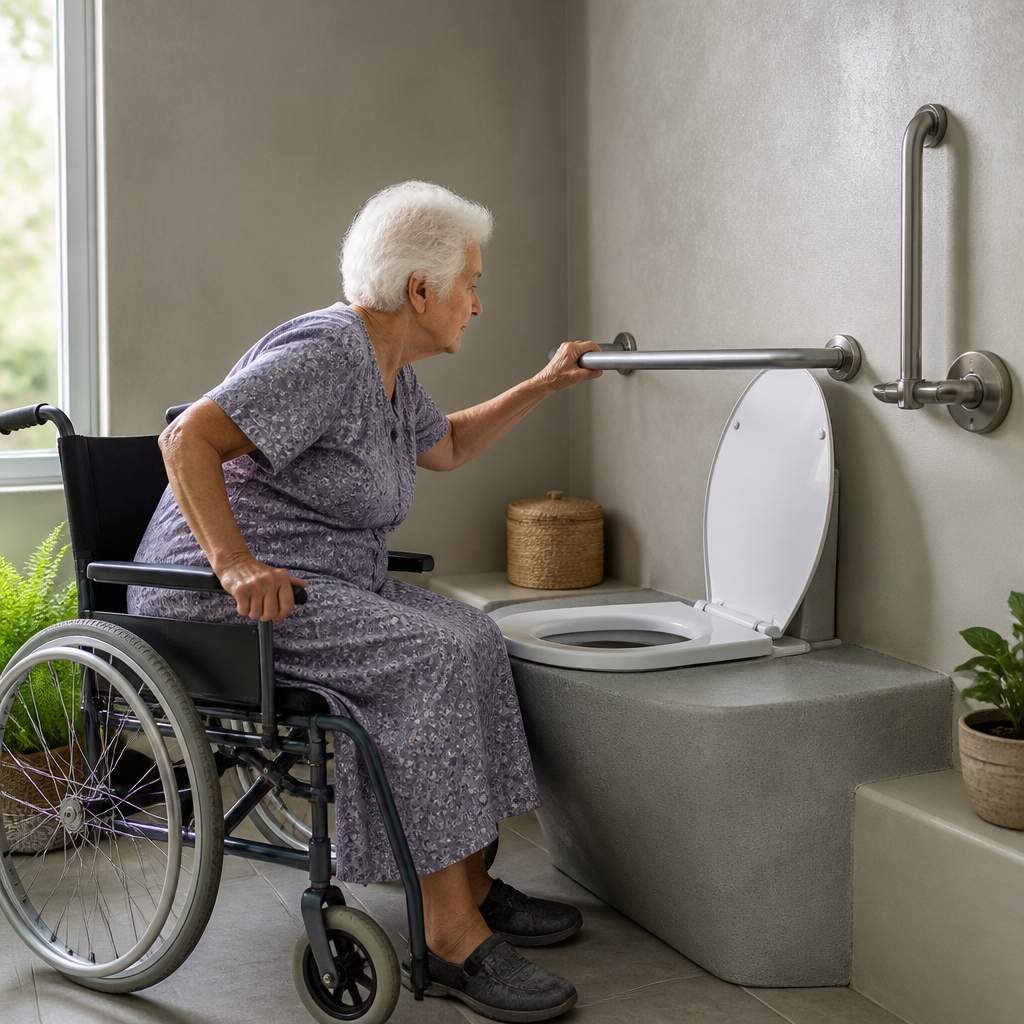
Cultural context also affects who benefits. Women may value proximity and nighttime safety, but men may control spending. Caregivers may need child-friendly interfaces, while older adults require handrails and stable floors. In some areas, disabled users are excluded because standard EcoSan cabins are narrow or raised. A culturally sensitive health and safety approach asks not only, “Will this system work?” but also, “For whom, under what conditions, and who carries the labor of keeping it safe?” Those questions should shape planning from the first community meeting.
How EcoSan improves health when implemented correctly
Enhancing Health Through EcoSan depends on breaking fecal-oral transmission routes while managing nutrients and water responsibly. The health case is strongest where open defecation, failing pits, seasonal flooding, high water tables, or unreliable sewerage create repeated exposure to pathogens. Well-managed EcoSan systems contain excreta, reduce contact with flies, limit leaching into groundwater, and create structured routines for treatment before any reuse. That is especially relevant in dense settlements, arid regions, and agricultural communities where fertilizer costs are high.
Different systems achieve these outcomes in different ways. Urine-diverting dry toilets separate urine and feces at the source, reducing moisture and helping deactivate pathogens through dehydration and storage. Composting toilets rely on managed aerobic decomposition, carbon balancing, and time-temperature control. Double-vault systems allow one chamber to rest while the other is in use, providing a treatment period before removal. These approaches can reduce water consumption substantially compared with flush toilets, an important health factor where limited water undermines handwashing, cleaning, and overall household hygiene.
Health benefits, however, are conditional. A poorly maintained EcoSan toilet can become unsafe quickly if users do not add cover material, if urine pipes clog, if vaults are emptied too early, or if untreated material is handled without gloves and handwashing. World Health Organization sanitation and wastewater guidance emphasizes multiple barriers: safe containment, adequate treatment time, controlled handling, and appropriate crop restrictions where reuse occurs. In other words, EcoSan is not automatically healthy because it is ecological. It becomes healthy when design, operation, and user training align with microbiological risk reduction.
Design choices that respect belief, privacy, and daily use
Good EcoSan design starts with anthropology as much as engineering. Toilet orientation, door locks, ventilation, floor texture, menstrual waste options, lighting, child supports, and distance from the home all affect acceptance. In Muslim communities where water is used for anal cleansing, dry systems need thoughtful drainage and moisture management; otherwise users may abandon them as unhygienic. In places where people fear odor as a sign of impurity, venting, ash use, and frequent cleaning must be built into both hardware and instructions. Where elderly users struggle with climbing, raised platforms and handrails are essential, even if they increase cost.
Design for reuse is equally sensitive. Some communities accept nutrient recovery only if products are applied to non-food trees, bioenergy crops, or soil restoration. Others are comfortable using treated urine on maize or fruit trees but reject direct use on leafy vegetables eaten raw. Those distinctions matter because they allow health programs to preserve the benefits of EcoSan while honoring local boundaries. The most effective projects present a menu of acceptable reuse pathways rather than insisting on one practice as proof of success.
| Design issue | Common cultural concern | Health-focused adaptation |
|---|---|---|
| Privacy and gender | Fear of exposure, harassment, or mixed-use discomfort | Separate stalls, inside locks, lighting, and visible maintenance schedules |
| Anal cleansing | Dry toilets seen as incompatible with washing practices | Urine diversion, drainage details, and clear moisture management guidance |
| Reuse of treated products | Disgust or taboo around food crop application | Start with trees, ornamentals, or soil rehabilitation use cases |
| Child and elder access | Fear of falls, difficulty squatting, unsafe openings | Smaller seats, support rails, stable steps, and caregiver training |
| Menstrual hygiene | Lack of discreet disposal or washing space | Integrated bins, wash areas, and maintenance protocols |
These adaptations are not cosmetic. They determine whether the sanitation chain remains intact. If women avoid a facility at night, if children defecate elsewhere because the interface is frightening, or if users pour excess water into a dehydration vault, exposure risks return. The safest design is the one people will use consistently and correctly.
Community engagement, behavior change, and trust
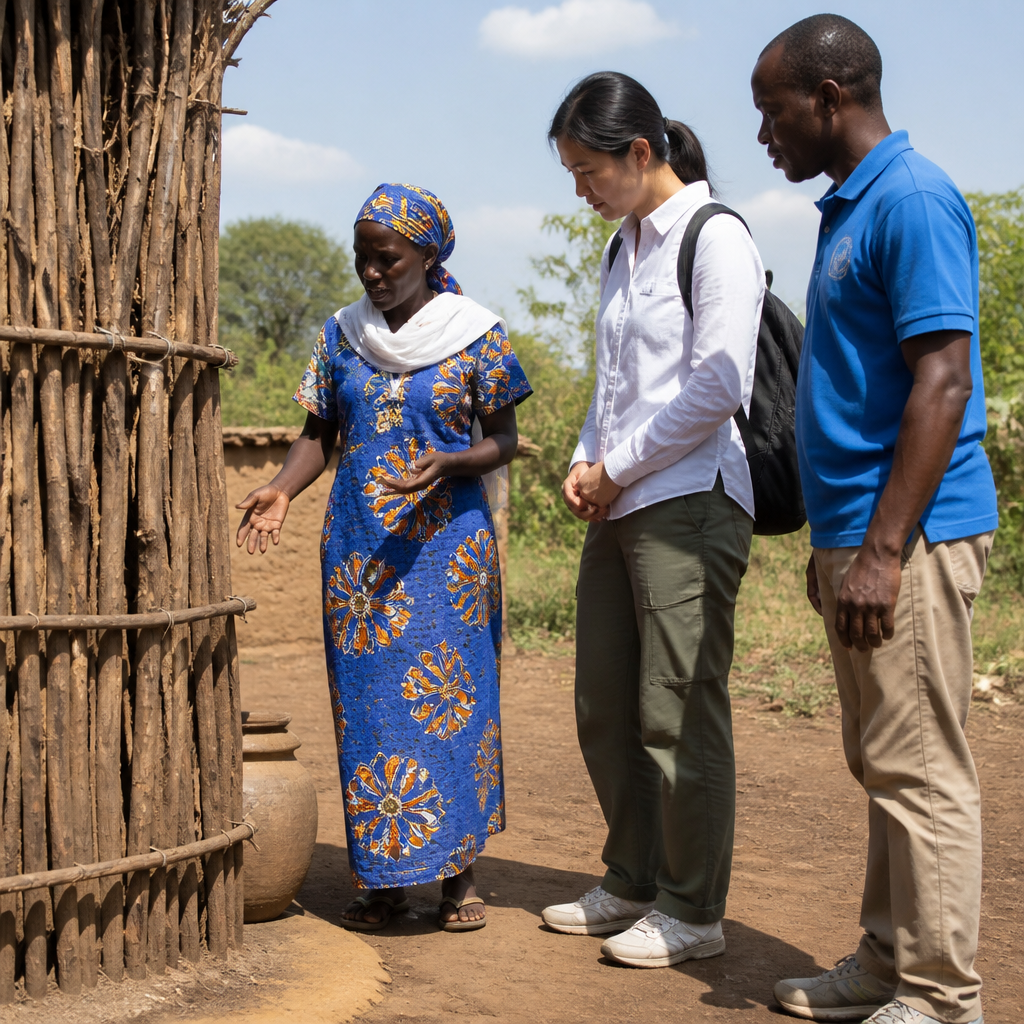
Sanitation behavior change works best when communities participate in diagnosis, design, and monitoring. That means formative research before construction: household interviews, transect walks, user journey mapping, and discussions with women, farmers, religious leaders, school staff, waste workers, and people with disabilities. These methods reveal practical barriers that surveys often miss, such as who empties containers during festivals, whether tenants can modify rental toilets, or why a community distrusts fertilizer made from human waste after a past project failed.
Trust grows when health messages are specific and honest. Communities should hear exactly how long treatment takes, what handling precautions are required, and which reuse options are safest. Overselling creates backlash. If odor may occur during poor maintenance, say so and explain prevention. If stored products should not be used on salad crops, be explicit. In my experience, transparent instructions build more credibility than promotional language about “waste to wealth.” People want sanitation that protects children from illness and protects adults from shame, conflict, and extra labor.
Demonstration sites are valuable because they turn abstract ideas into visible routines. A school, clinic, farm cooperative, or respected household can show how ash addition, vault rotation, urine dilution, and handwashing actually work. Peer-to-peer learning is often stronger than outsider instruction. Where projects endure, local champions are backed by practical systems: spare parts, cleaning budgets, trained masons, and monitoring visits. Behavior change is sustained not by posters alone but by social proof, convenience, and reliable support.
Common risks, failures, and safeguards
EcoSan projects fail for recognizable reasons. The first is treating technology selection as the project, rather than the start of service delivery. If no one is assigned to inspect fill levels, manage repairs, or supervise safe emptying, health gains erode. The second is ignoring labor. Someone must add cover material, clean surfaces, teach children, and handle treated outputs. If that labor falls invisibly on women or low-status workers without consent or compensation, resentment builds and the system is neglected. The third is poor fit with climate or settlement form. In flood zones, elevated structures may work, but only if access remains safe. In crowded compounds, storage and emptying logistics become critical.
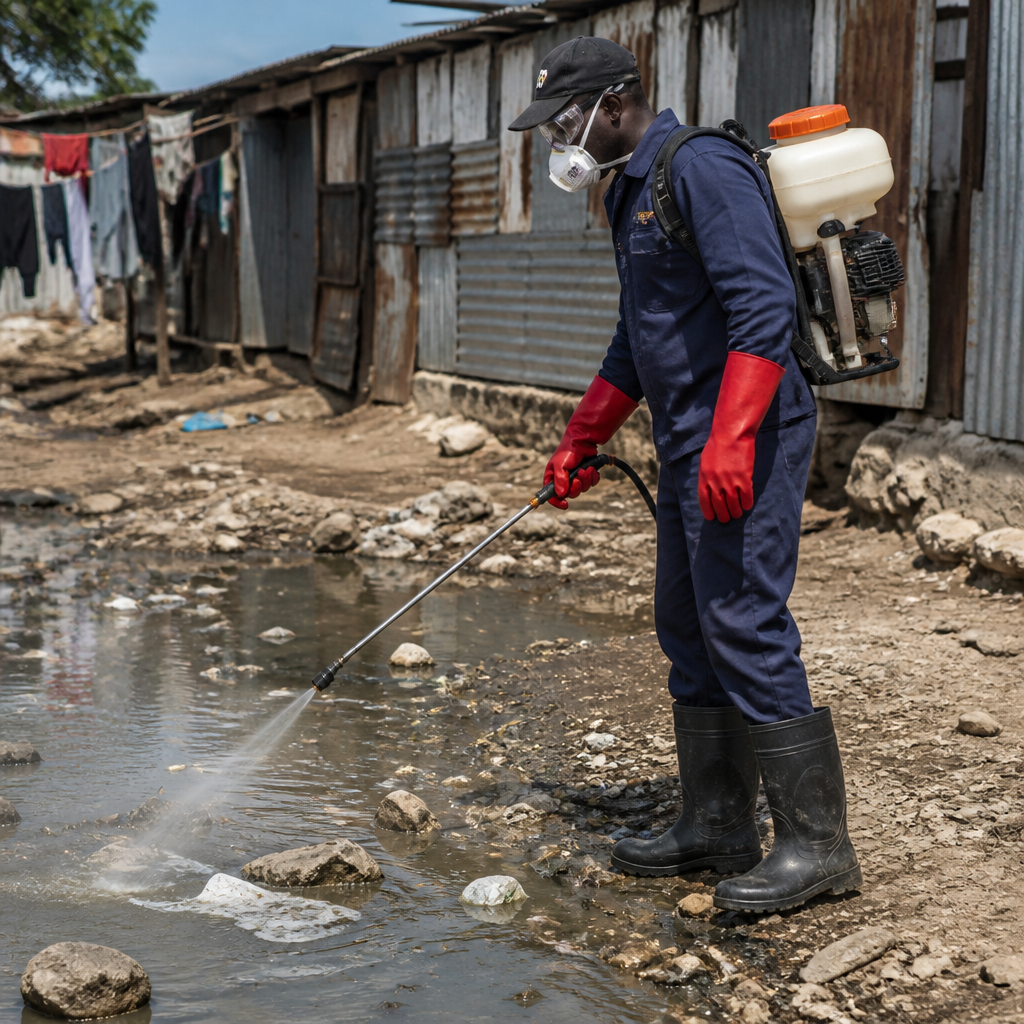
Safeguards should be built into policy and operations. Standard operating procedures for vault resting periods, personal protective equipment, handwashing stations, signage, and restricted reuse are basic requirements. Municipalities and nongovernmental organizations should train masons and operators using standardized manuals, then audit actual practice. Schools and health centers need designated budgets because sanitation collapses when cleaning materials and minor repairs depend on ad hoc donations. Monitoring should include use rates, cleanliness, odor complaints, user satisfaction, and evidence of unsafe bypass behaviors, not just construction numbers.
For this hub, the practical takeaway is that Enhancing Health Through EcoSan is less about promoting one toilet model and more about managing an entire safety system. The strongest programs pair social research with engineering, set realistic maintenance responsibilities, and adapt reuse practices to what communities will genuinely accept. If you are planning, funding, or evaluating sanitation under Health and Safety goals, begin with local beliefs and daily routines, then match them to proven risk controls. That is how culturally sensitive sanitation protects health, conserves resources, and earns lasting use. Explore the connected subtopics next, from design standards and pathogen control to inclusive facilities and community education.
Frequently Asked Questions
Why do cultural sensitivities matter so much in sanitation and health programs?
Cultural sensitivities matter because sanitation is never just about infrastructure; it is about behavior, meaning, identity, and trust. A toilet, handwashing station, menstrual hygiene system, or waste reuse practice becomes part of everyday life only when people feel it aligns with their values and routines. Communities make decisions based on privacy expectations, gender norms, religious beliefs, family structure, status, safety concerns, and local ideas about what is clean or unclean. If a sanitation solution ignores those factors, even a well-engineered system can be rejected, underused, or repurposed for something else entirely.
In practical terms, this means details that may seem minor to outsiders can determine success or failure. The location of a toilet, the direction a door faces, whether a facility is shared, how water is used for cleansing, whether children, elders, or people with disabilities can use it comfortably, and how waste is handled after collection all affect adoption. In some places, dignity and modesty are more important barriers than cost. In others, concerns about odor, visibility, or spiritual impurity may shape behavior more strongly than technical performance. Programs that recognize these realities are far more likely to improve health outcomes because they design for how people actually live, not how planners assume they should live.
From a health perspective, cultural fit is not a “soft” issue separate from sanitation performance. It is central to whether disease prevention measures work at all. If people avoid a toilet because it feels unsafe at night, if women and girls cannot use a facility privately, or if handwashing hardware conflicts with established habits, then exposure to pathogens continues despite the presence of infrastructure. Respecting culture does not mean accepting harmful conditions; it means understanding local logic well enough to co-create solutions that communities will genuinely use, maintain, and defend over time.
How can sanitation professionals design systems that respect local beliefs without compromising public health?
The most effective approach is to start with listening before designing. Sanitation professionals should spend time learning how people currently manage toileting, bathing, menstrual hygiene, child feces disposal, handwashing, and waste handling. That includes asking who does what, when, where, and why. It also means understanding social boundaries: who may share facilities, what privacy requires, what materials are acceptable, what taboos surround excreta, and how cleanliness is defined locally. This kind of inquiry reveals the difference between a technically possible design and a socially acceptable one.
Once those insights are clear, professionals can adapt the technical solution without lowering health standards. For example, they may change the siting of facilities to increase safety and convenience, incorporate water-based cleansing where that is expected, create separate spaces for men and women, improve lighting and door locks, or design handwashing stations that match common movement patterns around the home or compound. In areas where reuse of treated waste raises concerns, education and demonstration may need to be paired with careful language, visible treatment steps, and trusted local champions. The goal is to preserve core sanitation outcomes such as safe containment, hygienic use, and proper waste treatment while adjusting the user experience to fit local life.
It is also important to distinguish between flexibility in design and compromise on risk. Respecting culture does not require accepting open defecation, unsafe sludge disposal, or exclusionary practices that harm vulnerable groups. Instead, it calls for negotiation and co-design. Health workers, engineers, local leaders, women’s groups, and residents can work together to identify what must remain non-negotiable for safety and what can be tailored for acceptability. Programs that do this well tend to build trust, reduce resistance, and create solutions that are both protective of health and sustainable in the long term.
What are the most common cultural factors that influence whether people use toilets and handwashing facilities?
Several cultural factors strongly shape sanitation behavior, and they often interact. Privacy is one of the biggest. In many communities, a toilet must protect users from being seen, heard, or approached by others. That affects wall height, door placement, locking mechanisms, distance from the home, and whether facilities can be shared. Gender norms are equally important. Women and girls may need sanitation spaces that support menstrual hygiene management, provide security after dark, and account for social rules around modesty. Men, women, elders, children, and in-laws may each have different expectations about sharing and access.
Ideas about purity and contamination also matter. Some households may resist toilets too close to kitchens, prayer spaces, or sleeping areas because of beliefs about defilement or bad luck. Others may avoid handling child feces with the same urgency that they give adult waste, even though both can carry disease. Handwashing behavior is also shaped by perception: if hands do not look dirty, some people may not view washing with soap as necessary, while others strongly associate cleanliness with water but not soap. Understanding these distinctions helps practitioners build messages and facilities that connect with local reasoning rather than simply repeating generic health advice.
Status and aspiration can also influence use. In some places, a certain style of toilet signals dignity, progress, or respectability, while another design may be viewed as backward or only for poorer households. On the other hand, a low-cost option can still succeed if it feels respectable, practical, and easy to maintain. Religious practices, seasonal routines, water availability, labor division, and attitudes toward children’s independence all play roles as well. The key lesson is that sanitation uptake is rarely driven by one factor alone. It emerges from a broader social system, and successful interventions pay attention to that full picture.
How do you engage communities on sensitive sanitation topics without causing offense or resistance?
Engaging communities well begins with humility, respect, and the understanding that sanitation can touch on deeply personal aspects of life. Discussions about defecation, menstruation, bodily waste, cleansing, and privacy may be embarrassing, taboo, or restricted by age and gender. For that reason, the way a conversation is facilitated matters as much as the content itself. It helps to work through trusted local intermediaries, use culturally appropriate language, and create separate spaces for different groups when needed so people can speak openly. Women, adolescent girls, elders, people with disabilities, sanitation workers, and marginalized households often have perspectives that are missed in mixed or highly formal meetings.
Practitioners should avoid entering communities as if they are there to correct ignorance. That approach usually creates defensiveness and can shut down honest dialogue. A better method is to ask open questions, observe respectfully, and acknowledge the logic behind existing practices before discussing alternatives. For example, if people avoid a facility because it feels unsafe or violates norms of modesty, that concern should be treated as real and valid, not as an excuse. Once communities see that their priorities are being taken seriously, they are more likely to participate in problem-solving and consider changes that improve health.
Trust is built when engagement leads to visible adaptation. If residents point out that a facility location is inappropriate, a design feature is unacceptable, or a maintenance system is unrealistic, and the program responds meaningfully, credibility grows. It is also useful to frame sanitation improvements in terms communities already value: dignity, safety, convenience, respect for guests, protection of children, or household pride. Health messaging is essential, but it is often most effective when connected to these everyday motivations. Sensitive engagement does not mean avoiding difficult topics; it means addressing them in ways that preserve dignity, encourage participation, and produce solutions people feel ownership over.
What does success look like when sanitation programs truly account for cultural sensitivities?
Success looks like consistent, voluntary use of sanitation facilities and hygiene practices because they fit naturally into daily life. It means toilets are not just built but used by all intended groups, including women, men, children, older adults, and people with disabilities. It means handwashing stations are placed where people will actually use them, supplied in ways households can sustain, and incorporated into routines rather than treated as add-ons. It also means systems for emptying, transport, treatment, and possible reuse are understood, accepted, and managed safely without creating new forms of stigma or exclusion.
You can often recognize culturally responsive sanitation by the small but significant signs: users feel safe at night, girls can manage menstruation privately and comfortably, households maintain facilities because they see value in them, and communities advocate for the system rather than tolerating it. Complaints about design mismatch decrease because facilities reflect local expectations around privacy, separation, water use, cleanliness, and social etiquette. Importantly, success is not measured only by satisfaction. It should also be visible in improved hygiene behaviors, reduced exposure to fecal contamination, better user equity, and stronger long-term maintenance outcomes.
At a deeper level, success means communities are not passive recipients of sanitation technology but active partners in shaping it. Programs that account for cultural sensitivities tend to leave behind more than infrastructure; they strengthen trust, local problem-solving, and the legitimacy of public health action. When people see that sanitation solutions respect their dignity and way of life while still improving safety and cleanliness, adoption becomes far more durable. That is the real goal: not simply installing systems, but embedding healthy sanitation practices in a form that communities recognize as their own.