EcoSan and the reduction of antimicrobial resistance are closely linked because sanitation systems shape how human waste, pathogens, antibiotics, and resistance genes move through communities and ecosystems. EcoSan, short for ecological sanitation, is an approach that treats human excreta as a resource to be safely contained, processed, and reused rather than flushed away as waste. Antimicrobial resistance, often shortened to AMR, occurs when bacteria, viruses, fungi, or parasites evolve so medicines no longer work effectively against them. In practice, the most urgent sanitation connection is bacterial resistance driven by antibiotic use and the environmental spread of resistant organisms and resistance genes.
I have worked on sanitation planning where the biggest mistake was assuming AMR is only a hospital or prescribing problem. It is not. Once antibiotics and resistant bacteria enter toilets, pits, sewers, drains, sludge lagoons, or fields fertilized with untreated waste, sanitation becomes part of the resistance pathway. Poorly managed excreta allows microbes to circulate between households, clinics, livestock areas, surface water, groundwater, and food production. Well-designed EcoSan interrupts that cycle by emphasizing source separation, containment, controlled treatment, occupational safety, and beneficial reuse under defined conditions.
This matters for public health, water security, climate resilience, and farm productivity. The World Health Organization identifies unsafe sanitation as a major driver of infectious disease transmission, while the Food and Agriculture Organization and United Nations Environment Programme increasingly recognize environmental dimensions of AMR. Conventional sewerage can reduce immediate exposure when treatment is strong, but many cities discharge partially treated wastewater, combined sewer overflows, or unmanaged sludge. In rural and peri-urban settings, pit latrines may leak, flood, or be emptied unsafely. EcoSan offers another route: reduce contamination at the source, sanitize excreta before reuse, and recover nutrients in ways that protect people and ecosystems.
As a hub topic within health and safety, safety and sustainability in EcoSan means balancing infection control, chemical risk reduction, practical operations, user acceptance, and resource recovery. The core question is simple: can sanitation systems protect human health today without creating environmental hazards that make tomorrow’s infections harder to treat? The answer is yes, but only when EcoSan is implemented with rigorous design standards, validated treatment steps, worker protection, monitoring, and realistic management plans.
How EcoSan interrupts antimicrobial resistance pathways
The sanitation-AMR connection starts with excretion. A significant share of antibiotics is excreted unmetabolized, and resistant bacteria from the human gut leave the body in feces. Urine can contain antibiotic residues; feces can contain both residues and dense microbial populations carrying resistance genes on plasmids and other mobile genetic elements. If excreta is diluted into large wastewater flows, mixed with industrial discharges, or discharged untreated, those organisms and genes spread widely. If excreta is contained separately and treated under controlled conditions, their survival drops and environmental release can be minimized.
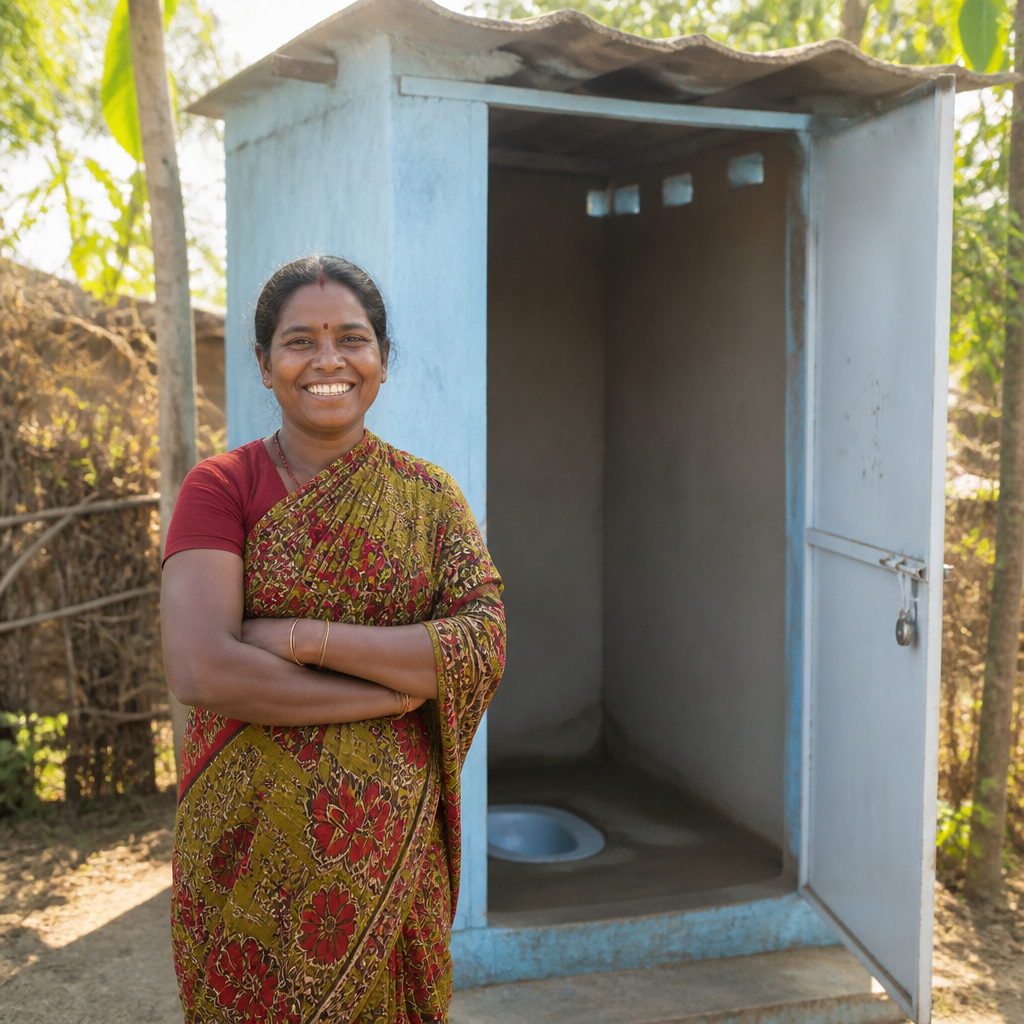
EcoSan reduces risk through several mechanisms. First, source separation keeps urine, feces, and greywater from becoming one contaminated stream. Urine-diverting dry toilets are a common example. Second, dehydration, storage, composting, alkaline treatment, thermophilic processing, or other validated barriers reduce viable pathogens. Third, reuse protocols limit crop and worker exposure. Fourth, smaller decentralized systems often make failures visible sooner than hidden sewer networks, which helps operators correct problems before contamination becomes chronic.
AMR control is strongest when EcoSan is understood as a barrier system rather than a single toilet technology. A toilet alone does not neutralize resistant organisms. The full chain matters: user behavior, containment, emptying, transport, treatment, storage, application timing, crop restrictions, and hand hygiene. In projects I have reviewed, the safest sites were not always the most expensive. They were the ones with clear operating procedures, separation of clean and dirty tools, designated storage times, and trained caretakers who knew why each step mattered.
Safety principles for sustainable EcoSan systems
Safety and sustainability in EcoSan begin with hazard identification. Biological hazards include enteric bacteria, viruses, protozoa, helminths, and resistant organisms. Chemical hazards include pharmaceutical residues, disinfectants, heavy metals where industrial contamination exists, and ammonia exposure during some treatment processes. Physical hazards include falls, sharps, manual handling injuries, and confined-space risks during maintenance. Sustainable systems address all three because a sanitation solution that recovers nutrients but exposes workers is not successful.
The most widely accepted approach is multiple barriers. The WHO Sanitation Safety Planning framework is especially useful because it maps the sanitation chain, identifies hazardous events, scores risks, and assigns control measures. For EcoSan, those controls commonly include urine diversion, watertight vaults, moisture management, ash or lime addition where appropriate, minimum storage durations, temperature monitoring for composting, restricted access to treatment areas, personal protective equipment, and documented reuse restrictions. The Hazard Analysis and Critical Control Point mindset is also valuable: define points where failure would significantly raise health risk and monitor them closely.
Design details matter. Vaults should prevent stormwater entry because wet fecal matter survives longer and is harder to sanitize. Urine storage tanks need ventilation and secure taps to reduce spills. Handwashing stations must be close enough that people actually use them. Surfaces should be easy to clean. Emptying ports must allow safe tool access without forcing workers into direct contact. Vent pipes should reduce odor and flies, because poor user experience quickly undermines consistent use, and inconsistent use creates contamination around the system.
| EcoSan element | Main AMR or safety risk | Recommended control | Operational note |
|---|---|---|---|
| Urine-diverting toilet | Cross-contamination between urine and feces | Accurate pan design and user instructions | Inspect diversion plate and clean regularly |
| Feces vault | Survival of pathogens and resistant bacteria | Keep dry, add cover material, enforce storage time | Record fill dates and resting dates |
| Composting unit | Incomplete treatment due to low temperature | Monitor temperature, moisture, and turning schedule | Thermophilic zones must be achieved consistently |
| Urine storage tank | Antibiotic residues and spill exposure | Closed storage, restricted handling, crop timing rules | Use dedicated hoses and labeled containers |
| Emptying and transport | Worker contact and environmental release | PPE, sealed containers, route planning | Disinfect tools and document incidents |
| Land application | Food-chain exposure | Application methods, withholding periods, crop restrictions | Avoid leafy crops eaten raw unless treatment is validated |
Treatment methods that reduce pathogens, residues, and resistance
No single treatment method solves every risk, so choosing the right process depends on climate, user density, maintenance capacity, and intended reuse. Dehydration in urine-diverting dry systems can lower pathogen survival, especially when moisture is minimized and storage is extended, but it is less reliable against some hardy organisms if conditions are poor. Composting can be effective when thermophilic temperatures are reached and maintained; however, many community composting units fail because operators do not monitor carbon-to-nitrogen balance, aeration, or moisture. In those cases, the label says compost, but the biology says partially stabilized waste.
Alkaline treatment using lime or ash can increase pH, suppress odor, and accelerate inactivation for some pathogens. Ammonia treatment, often relevant to stored urine and some sludge processes, can inactivate microorganisms under defined pH and temperature conditions. Heat drying, solar treatment, and co-composting with other organic materials may also play a role. For sludge or fecal solids generated at larger scale, established treatment trains such as anaerobic digestion followed by drying, composting, or thermal processing can greatly lower risk when managed correctly.
AMR adds a nuance that sanitation programs sometimes miss: reducing indicator bacteria is necessary but not always sufficient. Some resistance genes may persist in extracellular DNA even after cells die, and sublethal treatment conditions can select for hardier populations. That does not mean EcoSan is ineffective. It means validation should include conservative assumptions and robust barriers. Where resources permit, operators should combine standard fecal indicators such as E. coli with process indicators such as temperature, pH, dryness, and storage duration. Research laboratories may also test selected resistance genes, but field programs should not wait for advanced genomics before improving basic treatment performance.
Reuse of nutrients without compromising health
The sustainability promise of EcoSan is nutrient recovery. Human urine contains much of the nitrogen and a substantial share of phosphorus and potassium excreted by households, while treated fecal matter contributes organic matter and nutrients to soil. Replacing a portion of synthetic fertilizer can improve local resilience, especially where farmers face high prices or supply disruptions. Yet reuse is only justified when health protection is designed into the agricultural system.
The safest approach is fit-for-purpose reuse. Stored urine is often better suited to non-leafy crops, tree crops, fodder, or crops that will not be harvested immediately after application. Application close to the soil reduces aerosol formation and leaf contact. Treated fecal products should be incorporated into soil where appropriate, not broadcast in ways that increase worker exposure. Withholding periods between application and harvest are essential. Irrigation water quality also matters; an EcoSan product applied safely can still be undermined by contaminated wash water or post-harvest handling.
Real-world experience shows that acceptance improves when farmers see both agronomic value and clear safety rules. In East Africa and parts of South Asia, projects using urine-diverting toilets and crop trials have demonstrated yield benefits for maize, bananas, and other crops when application rates are managed properly. The failures usually come from weak logistics: containers not labeled, treatment dates not recorded, or materials distributed before resting periods are complete. Sustainability is therefore administrative as well as technical.
Operations, worker protection, and community trust
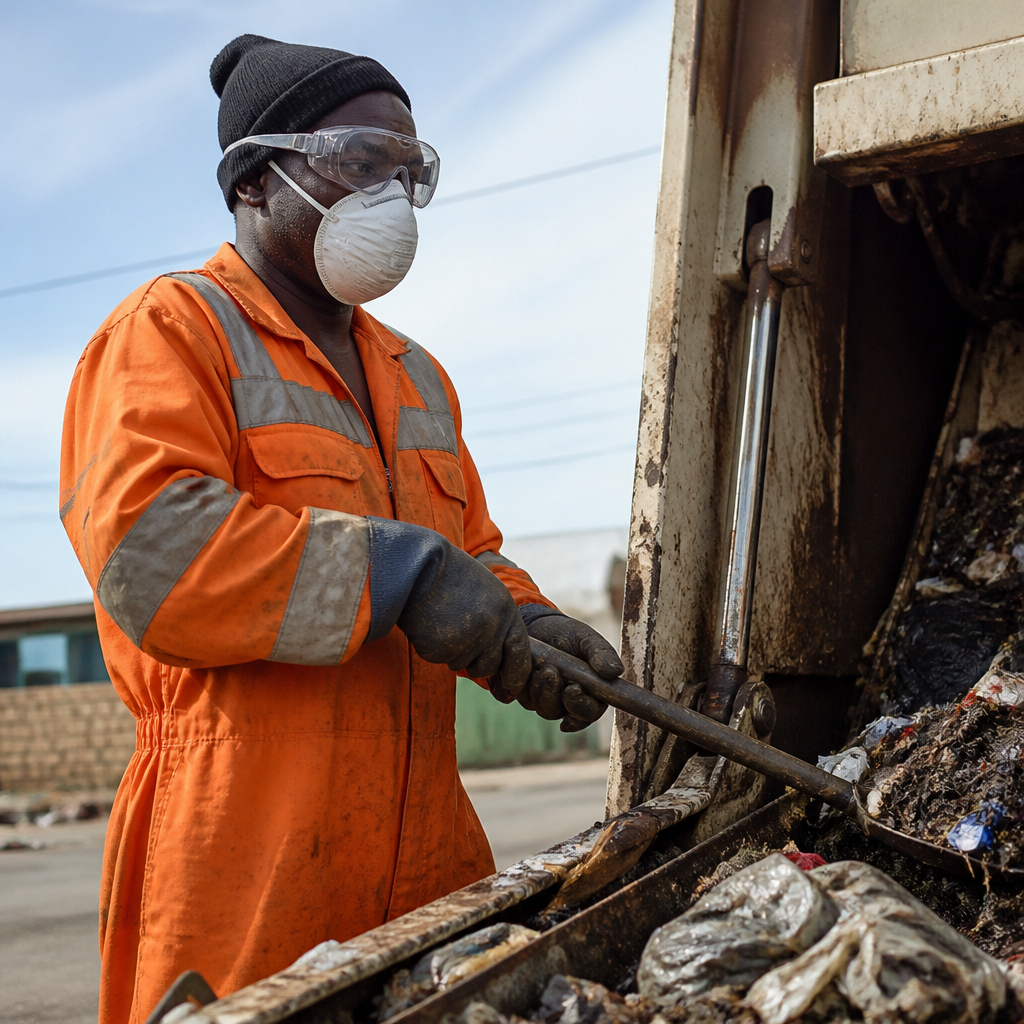
Most sanitation failures are operational failures. Even the best-designed EcoSan system will underperform if users add wash water into dry vaults, if caretakers mix fresh and stored material, or if sludge is removed without gloves, boots, masks, and handwashing supplies. Worker protection should be treated as nonnegotiable infrastructure, not an optional training topic. At minimum, operators need PPE matched to the task, tetanus and hepatitis B vaccination where advised, sharps procedures, exposure reporting, and access to cleaning and decontamination supplies.
Community trust is equally important because people will bypass systems they do not understand or do not believe are safe. Clear signage, simple user instructions, odor control, and transparent explanation of treatment steps make a measurable difference. I have seen acceptance rise when operators shared fill dates, resting schedules, and crop-use rules publicly rather than treating the process as a black box. Trust grows when residents can see that safeguards are routine, not improvised after complaints.
Monitoring should focus on what can actually be sustained. Daily or weekly checks of moisture intrusion, fly presence, handwashing supplies, vault status, temperature logs, and storage records often prevent bigger failures. Digital tools such as KoboToolbox, mWater, and GIS-based asset maps can help municipalities track decentralized sites, but paper logs still work when supervision is consistent. The key is accountability: someone must own each control measure.
Policy, standards, and the future of safer EcoSan
EcoSan performs best when local policy recognizes decentralized sanitation as a regulated public health service, not a temporary workaround. Building codes, reuse regulations, and fecal sludge management policies should define approved technologies, treatment targets, monitoring responsibilities, and permitted end uses. WHO guidance, ISO-aligned risk management thinking, and national biosolids or wastewater reuse standards provide useful reference points, but local adaptation is essential because climate, diet, water availability, and farm practices change performance.
AMR strengthens the case for stricter environmental controls. Hospitals, clinics, and pharmaceutical manufacturing sites may require separate waste and wastewater controls because their antimicrobial loads can be unusually high. EcoSan systems serving healthcare settings need more conservative treatment assumptions than household systems. Researchers are also advancing rapid microbial tests, better pathogen die-off models, container-based sanitation logistics, and thermal treatment technologies that can create safer nutrient products with lower manual exposure.
The future of safety and sustainability in EcoSan is integrated planning. That means linking household sanitation, sludge services, agricultural extension, occupational health, and AMR action plans. When those sectors work separately, risk slips through the gaps. When they coordinate, EcoSan becomes more than a toilet option. It becomes a practical public health strategy that reduces exposure, conserves nutrients, and limits the environmental conditions that help antimicrobial resistance spread.
EcoSan and the reduction of antimicrobial resistance belong in the same conversation because sanitation determines whether resistant organisms are contained or circulated. The central lesson is straightforward: source separation, controlled treatment, safe handling, and disciplined reuse can shrink AMR pathways while delivering fertilizer value and water protection. Safety and sustainability in EcoSan are not competing goals. They reinforce each other when systems are designed as multiple barriers and operated with consistency.
For health and safety professionals, the priority is to evaluate the full sanitation chain rather than a single device. For municipalities, the priority is regulation, service models, and monitoring that fit decentralized systems. For communities and site operators, the priority is everyday practice: keep streams separated, keep treatment conditions within target ranges, protect workers, and never shortcut storage or reuse rules. Those actions do more to reduce risk than glossy technology claims.
If you are building out a health and safety resource on this subject, use this hub as the starting point for deeper work on urine diversion, composting validation, worker PPE, sludge logistics, crop-use restrictions, and monitoring methods. EcoSan can support safer sanitation and lower environmental AMR pressure, but only when performance is verified in the field. Review your current sanitation chain, identify the weak points, and strengthen the barriers that protect both public health and sustainability.
Frequently Asked Questions
1. What is EcoSan, and how does it relate to antimicrobial resistance?
EcoSan, or ecological sanitation, is a sanitation approach designed to safely contain, treat, and reuse human excreta instead of simply flushing it away. The core idea is that urine and feces are not just waste streams; when properly managed, they can be transformed into safer agricultural inputs or soil-building resources. This matters for antimicrobial resistance, or AMR, because human waste often contains antibiotic residues, resistant bacteria, and resistance genes. In conventional systems, especially where wastewater treatment is weak or absent, these contaminants can spread into rivers, soils, crops, groundwater, and densely populated living environments.
EcoSan helps interrupt that spread by focusing on separation, containment, treatment, and controlled reuse. For example, urine-diverting dry toilets, composting toilets, and other decentralized sanitation systems can reduce direct environmental discharge of untreated waste. When waste is stored or treated under conditions that inactivate pathogens, the number of viable microorganisms, including some resistant ones, can be significantly reduced before any reuse occurs. That means fewer opportunities for resistant organisms to circulate between households, farms, water bodies, animals, and people.
In short, EcoSan supports AMR reduction by cutting off transmission pathways. It does not replace responsible antibiotic use in medicine or agriculture, but it addresses a major environmental dimension of resistance that is often overlooked. By improving how excreta is handled from the start, EcoSan can become an important part of broader AMR prevention strategies.
2. How can poor sanitation contribute to the spread of antimicrobial resistance?
Poor sanitation creates ideal conditions for antimicrobial resistance to move through communities because it allows untreated or inadequately treated human waste to enter the environment. Human excreta can contain pathogens from infected individuals, antibiotic residues from recent treatment, and microorganisms carrying resistance genes. When toilets are unavailable, unsafe, overflowing, or poorly connected to treatment systems, those materials can contaminate drinking water sources, surface water, soil, food crops, and hands, surfaces, and household surroundings.
This constant exposure increases the number of times people and animals come into contact with potentially resistant microbes. In crowded settings, informal settlements, refugee camps, flood-prone areas, and regions with failing wastewater infrastructure, the effect can be especially serious. Children may play near contaminated areas, families may rely on polluted water, and farmers may use unsafe wastewater or sludge for irrigation. Each of these pathways increases the chance that resistant bacteria or resistance genes will spread from one host or environment to another.
Poor sanitation also contributes indirectly. When sanitation-related diseases such as diarrhea become more common, antibiotic use may rise, including inappropriate use in cases where antibiotics are not needed. Greater antibiotic use creates more selective pressure, encouraging resistant organisms to survive and multiply. This means inadequate sanitation can both increase exposure to resistant microbes and increase the conditions that drive resistance in the first place.
That is why sanitation is now widely recognized as part of the AMR conversation. It is not only a public health issue in the traditional sense; it is also an environmental and microbial management issue. Strengthening sanitation systems, especially those that safely contain and treat waste before release or reuse, can reduce both transmission and selection pressures associated with AMR.
3. In what specific ways can EcoSan systems help reduce antimicrobial resistance risks?
EcoSan systems can reduce AMR risks in several practical ways, beginning with source control. Many EcoSan models are designed to separate waste streams, such as keeping urine and feces apart, which makes treatment more manageable and targeted. This separation can reduce moisture, improve pathogen die-off conditions, and make it easier to contain microorganisms before they spread into the wider environment. Less mixing with large volumes of water also means fewer contaminated wastewater flows entering drains, waterways, and overloaded treatment plants.
Another important benefit is localized treatment. Instead of relying entirely on centralized sewer systems, EcoSan often uses on-site or community-scale treatment processes such as dehydration, composting, alkaline treatment, storage, or other controlled methods. When these are properly operated, they can reduce pathogen survival and lower the viable burden of microbes present in excreta. This can decrease the environmental release of resistant bacteria and may also limit the movement of resistance genes through untreated waste.
EcoSan can also support safer nutrient recycling. If excreta-derived products are reused only after adequate treatment and according to health guidelines, nutrients can return to agriculture with lower microbiological risk. This is important because untreated or poorly treated sludge and wastewater used on farmland can spread resistant organisms onto crops, into soils, and through runoff into nearby water sources. EcoSan, when managed well, offers a more controlled alternative.
There are broader systems-level advantages too. EcoSan can be valuable in regions where sewer infrastructure is limited, water is scarce, or wastewater treatment is inconsistent. In these settings, preventing contamination at the household or neighborhood level may be more realistic and more effective than waiting for large centralized infrastructure upgrades. However, the AMR benefits depend on correct design, user acceptance, maintenance, treatment time, and regulatory oversight. EcoSan is not automatically protective; its success comes from disciplined implementation and safe reuse practices.
4. Does EcoSan eliminate antimicrobial resistance, or is it just one part of the solution?
EcoSan is best understood as one important part of the solution, not a complete answer to antimicrobial resistance. AMR is a complex problem driven by many interconnected factors, including overuse and misuse of antibiotics in human medicine, livestock production, and sometimes crop systems; inadequate infection prevention; weak access to diagnostics; poor pharmaceutical waste management; and environmental contamination from hospitals, households, farms, and industry. Sanitation influences one major pathway, but it cannot solve all of them on its own.
What EcoSan does especially well is reduce opportunities for resistant organisms, antibiotic residues, and resistance genes to circulate through untreated human waste. That makes it highly relevant in community health, environmental protection, and sustainable agriculture. But even the most advanced sanitation system will not stop resistance from emerging if antibiotics continue to be used irresponsibly or if healthcare settings fail to control infections. Likewise, sanitation improvements need to be paired with clean water access, hygiene practices, surveillance, public health education, and good governance.
The strongest AMR strategies usually follow a One Health perspective, which recognizes that human health, animal health, and environmental health are closely connected. EcoSan fits naturally into this framework because it addresses the environmental movement of biological contaminants while also supporting resource recovery and resilience. In practical terms, that means EcoSan can reduce risk, lower exposure, and support safer waste reuse, but it works best when combined with antimicrobial stewardship, wastewater treatment improvements, disease prevention, and evidence-based regulation.
So the short answer is no, EcoSan does not eliminate AMR. The more accurate answer is that it can meaningfully reduce one of the critical channels through which resistance spreads, making it a valuable and often underappreciated component of a comprehensive AMR response.
5. What conditions are necessary for EcoSan to safely reduce AMR without creating new health risks?
For EcoSan to reduce AMR safely, the first requirement is proper system design. Toilets, storage units, treatment chambers, and reuse pathways must be built to prevent leaks, flooding, overflow, insect access, and accidental contact with fresh waste. If containment fails, the intended health benefits can be lost quickly. Designs also need to match the local climate, water availability, soil conditions, user preferences, and maintenance capacity. A technically sound design that people do not use correctly or consistently will not deliver reliable AMR protection.
The second requirement is effective treatment and sufficient retention time. Human excreta should not be reused before pathogens have been adequately reduced according to accepted health standards. Depending on the system, this may involve dehydration, composting, storage, pH adjustment, heat, or combinations of methods. These processes need to be monitored and managed, not assumed to work automatically. While treatment can reduce many microbial hazards, performance varies by organism, temperature, moisture, and operating quality, so evidence-based protocols are essential.
Third, user education and occupational safety are critical. Households, sanitation workers, farmers, and waste handlers need clear guidance on system use, cleaning, protective equipment, storage times, and safe application practices. Even a well-designed EcoSan system can pose risks if treated materials are removed too early, mixed incorrectly, or applied unsafely to crops. Training should be practical and repeated, not limited to a one-time installation briefing.
Fourth, supportive policy and oversight matter. Local regulations, public health standards, inspection systems, and technical support help ensure that EcoSan systems are not only installed but maintained and evaluated over time. Communities also benefit from monitoring programs that track sanitation performance, pathogen reduction, and, where possible, environmental AMR indicators. This helps decision-makers understand which approaches are working and where improvements are needed.
Finally, EcoSan should be integrated into a broader sanitation and health strategy. It works best when combined with safe water, hygiene promotion, responsible antibiotic use, and environmental health planning. When those conditions are in place, EcoSan can reduce waste-related exposure to resistant microbes while supporting sustainability goals. Without those conditions, however, reuse-based sanitation can unintentionally shift risks rather than solve them. The key is not just reuse, but safe, controlled, and scientifically managed reuse.