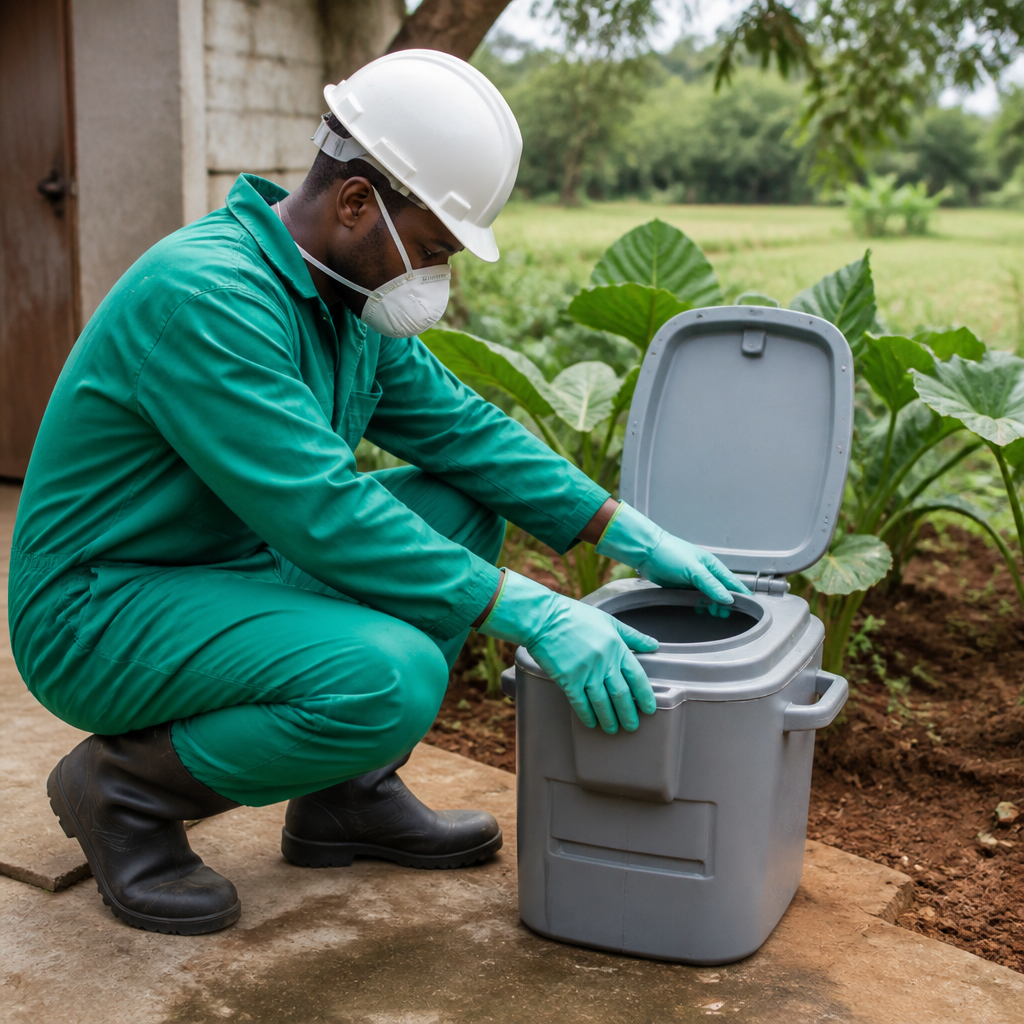
EcoSan and occupational health are inseparable because sanitation systems only count as sustainable when they protect the people who build, empty, transport, treat, and reuse sanitation products. EcoSan, short for ecological sanitation, is an approach that treats human excreta and wastewater not simply as waste to discard but as resources to manage safely, recover, and return to productive use. In practice, that means urine-diverting dry toilets, dehydrating vaults, composting systems, faecal sludge treatment, nutrient recovery, and reuse pathways for agriculture or landscaping. I have worked on sanitation risk reviews where technically sound systems failed because routine worker exposure was ignored, and the lesson is consistent: the design is only as sustainable as the daily protection it gives operators.
Occupational health in EcoSan covers the prevention of disease, injury, chemical exposure, ergonomic strain, heat stress, and psychosocial harm across the sanitation service chain. Workers face hazards during construction, user support, pit or vault emptying, transport, treatment, storage, and end use. The main biological risks come from enteric pathogens such as E. coli, Salmonella, Shigella, helminths including Ascaris, protozoa, and viruses such as hepatitis A and rotavirus. Chemical risks may include ammonia, hydrogen sulfide, lime dust, disinfectants, and industrial contaminants entering mixed waste streams. Physical risks include slips, confined spaces, sharp objects, traffic incidents, repetitive lifting, and falls. These hazards matter because sanitation workers worldwide experience disproportionate rates of infection, injury, stigma, and underreporting, especially in informal service arrangements.
For a Health and Safety hub, the key principle is straightforward: EcoSan succeeds when resource recovery is paired with rigorous hazard control at every step. That requires safe design, standard operating procedures, personal protective equipment, vaccination, hand hygiene, exposure monitoring, and clear treatment targets before any reuse. It also requires management decisions about staffing, procurement, supervision, and incident reporting. The safety and sustainability in EcoSan conversation often focuses on environmental gains such as nutrient recycling and reduced water use, but worker protection is the operational test that proves whether those gains are real. A system that saves water while exposing emptiers to aerosols, back injuries, or untreated sludge is not sustainable; it is simply shifting harm onto workers.
This article explains how to protect workers throughout the EcoSan chain, what standards and control measures matter most, and where the tradeoffs lie. It is designed as a hub page for the wider Safety and Sustainability in EcoSan topic, so it addresses the core questions readers ask first: what hazards exist, how risk is assessed, which controls work best, what training and monitoring are required, and how safe reuse is verified. The aim is practical clarity. If you are planning, operating, regulating, or financing EcoSan systems, these are the protections that should be built into the project from day one.
Understanding worker exposure across the EcoSan service chain
The most useful way to manage occupational health in EcoSan is to map exposure step by step. In a urine-diverting dry toilet, for example, workers may first face construction hazards such as cement dust, manual handling, and falls. During operation, promoters or caretakers may contact fresh faeces if users do not separate streams properly or if vaults are opened too early. Emptiers can inhale dust from dehydrated faeces, lift heavy containers, or handle urine tanks that leak. Transport staff face vehicle and spill risks. Treatment workers manage compost piles, drying beds, co-composting systems, or alkaline treatment processes where temperature, pH, moisture, and retention time determine pathogen reduction. Reuse workers then handle end products whose safety depends on treatment performance, storage integrity, and application methods.
Different EcoSan technologies shift risk rather than removing it automatically. Urine diversion can reduce moisture and odour, but if collection containers are poorly sealed, workers may still contact contaminated material. Composting toilets can produce a safer soil-like output, yet only when carbon balance, aeration, temperature, and curing time are controlled. Container-based sanitation reduces direct handling at the household level, but it concentrates logistics and transport risks. Anaerobic digestion can stabilize waste and generate biogas, though workers must manage methane, confined space hazards, and maintenance tasks. The practical implication is that no technology is inherently safe. Safety comes from design details, maintenance routines, and whether the operator can keep critical control points within specification.
Exposure also varies by employment model. Municipal crews may have formal PPE, vaccinations, and supervision, while informal emptiers often rely on improvised tools and inconsistent payment. Contractors paid per container or per trip may rush, skip handwashing, overload vehicles, or work while fatigued. Gender and age matter too. Women sanitation workers may face poorly fitted PPE and inadequate toilet or washing facilities at depots. Younger workers may be assigned the heaviest manual tasks with the least training. Migrant and casual laborers may avoid reporting symptoms or incidents because they fear losing work. Any serious occupational health program for EcoSan must account for these realities, not just the engineering diagram.
Key hazards in EcoSan: biological, chemical, physical, and social
Biological hazards are the most discussed, and for good reason. Human excreta can contain bacteria, viruses, protozoa, and helminth eggs, some of which remain viable for long periods in moist or cool conditions. Ascaris eggs are especially important because they are persistent and frequently used as a conservative indicator in sanitation guidance. Workers may be exposed through skin contact, accidental ingestion, aerosols, splashes to eyes or mouth, and contaminated surfaces. In field audits, I have repeatedly found that the highest exposure points are not dramatic failures but ordinary moments: opening a vault lid without waiting for dust to settle, cleaning a blocked urine pipe without eye protection, or eating after work before proper handwashing.
Chemical hazards are easy to underestimate in EcoSan. Urine storage can generate ammonia, which irritates eyes and airways at elevated concentrations. Hydrogen sulfide may form in anaerobic spaces and becomes acutely dangerous in poorly ventilated tanks or pits. Lime and ash used for treatment or moisture control can damage skin, eyes, and lungs when handled without gloves and masks. Cleaning agents, chlorine products, and fuels for transport equipment add further exposure potential. In mixed waste environments, pharmaceutical residues, heavy metals, or industrial chemicals may be present, particularly where source separation is incomplete. Worker protection therefore depends on understanding not just pathogens but the chemistry of treatment and storage environments.
Physical hazards often produce the most immediate injuries. Repetitive lifting of full containers can cause musculoskeletal disorders, especially where ergonomics are ignored and pathways are uneven. Slips on wet floors, cuts from broken plastics or metal, and falls from raised platforms are common. Traffic collisions during collection and transport are a major but underrecognized sanitation risk, particularly in dense urban areas where vehicles stop frequently. Heat stress affects workers wearing impermeable PPE in hot climates, and dehydration can undermine concentration and increase accident rates. The social dimension matters as well. Sanitation workers often experience stigma, harassment, low status, and weak bargaining power, all of which reduce reporting and make unsafe practices seem normal.
How to control EcoSan risks using the hierarchy of controls
The most effective occupational health strategy in EcoSan follows the hierarchy of controls: eliminate hazards where possible, substitute safer methods, apply engineering controls, strengthen administrative controls, and use PPE as the last line of defense. In sanitation, elimination rarely means removing all exposure, but it can mean designing out avoidable contact. Examples include sealed urine containers with quick-connect fittings, raised access points that prevent workers from climbing into spaces, wheeled cartridges instead of hand-carried buckets, and toilet interfaces that reduce contamination of external surfaces. These choices lower risk before behavior becomes the deciding factor.
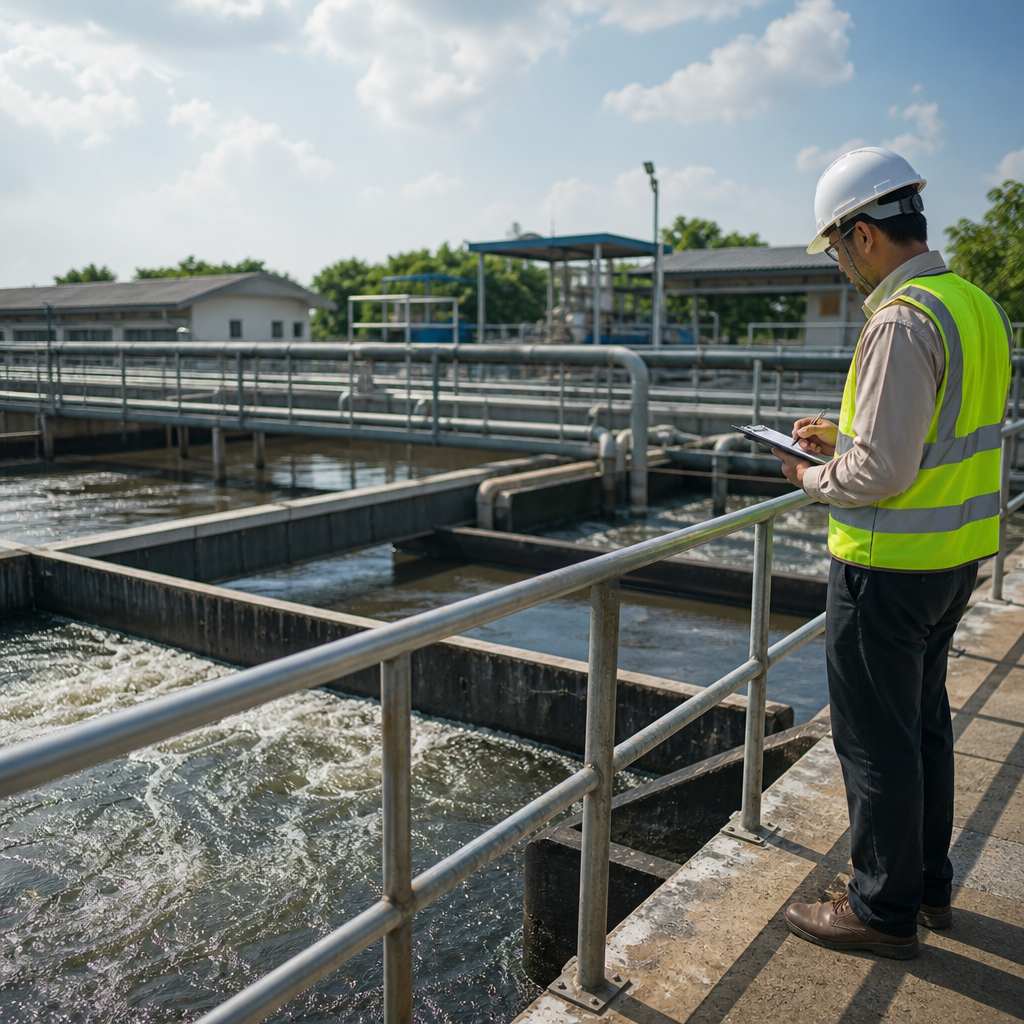
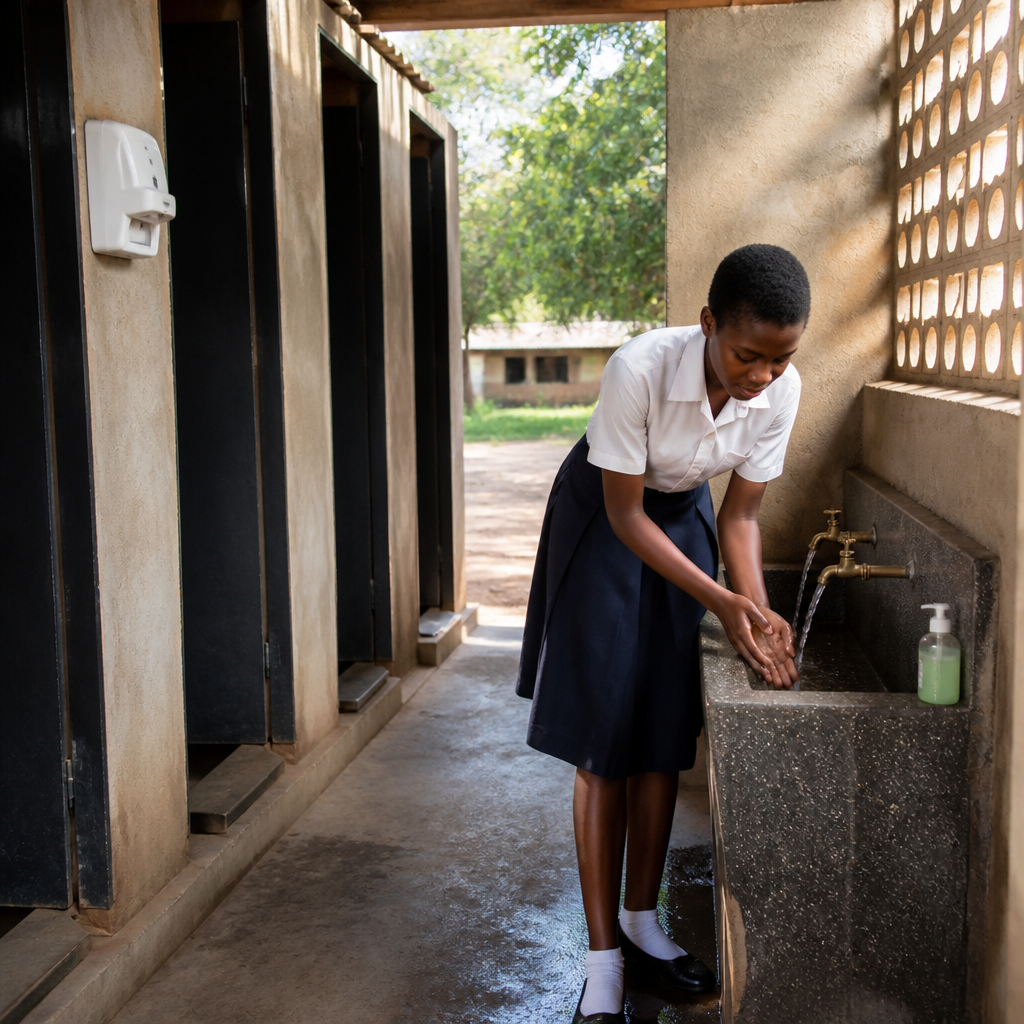
Engineering controls are where strong EcoSan systems distinguish themselves. Good ventilation in storage and treatment areas reduces gas accumulation and dust. Dedicated wash stations with running water, soap, and drying facilities break the fecal-oral route reliably. Splash guards, closed transfer pumps, leakproof transport bins, and easy-to-clean depot surfaces reduce contamination spread. Mechanical aids such as trolleys, hoists, and ramps cut manual handling strain. Lighting matters too; many incidents occur during early morning or evening servicing when visibility is poor. If a site cannot be serviced safely in low light, the schedule or infrastructure should change rather than expecting workers to compensate.
Administrative controls turn safe design into consistent practice. Every EcoSan operation should have written procedures for collection, transfer, treatment, spill response, sharps handling, hand hygiene, decontamination, and emergency referral. Training must be task specific, repeated, and supervised on the job. Vaccination policies should usually cover tetanus and hepatitis A where recommended by local health authorities, with hepatitis B considered when exposure pathways justify it. Medical surveillance, fit-for-work checks in hot conditions, and incident reporting systems are essential. PPE still matters, but it must match the hazard: gloves resistant to puncture and chemicals, eye protection for splashes, boots with slip resistance, respirators or masks when dust or aerosols are credible, and clothing that workers can clean properly.
| EcoSan task | Main worker hazards | Best control measures |
|---|---|---|
| Vault or container emptying | Dust, splashes, heavy lifting, sharps | Sealed containers, lifting aids, puncture-resistant gloves, face protection |
| Urine collection and storage | Ammonia, leaks, slips | Ventilation, sealed fittings, absorbent spill kits, non-slip floors |
| Composting or drying treatment | Aerosols, heat, repetitive handling | Moisture control, tool-based turning, shaded work periods, respirators where needed |
| Transport | Traffic crashes, spills, overexertion | Route planning, vehicle maintenance, load limits, secure containers |
| Reuse in agriculture | Residual pathogens, dust, sun exposure | Verified treatment, application restrictions, gloves, hygiene facilities |
Treatment performance, reuse safety, and verification
Safe reuse is the point where sustainability claims must be proven. Treatment targets should be based on intended end use and credible exposure pathways. The World Health Organization sanitation safety planning approach and reuse guidance are valuable because they focus on risk management across the whole chain rather than relying on a single end-point test. In EcoSan practice, verification commonly involves checking process parameters that correlate with pathogen reduction: time, temperature, pH, moisture content, and storage duration. For urine, storage time and dilution practices matter. For composted or dehydrated fecal material, operators need evidence that treatment conditions were actually achieved throughout the mass, not just at the surface.
No single test guarantees safety under all conditions, so robust programs combine validation and routine monitoring. Validation asks whether the treatment method can reach required reductions under local conditions. Routine monitoring asks whether it continues to do so day after day. That may include temperature logs for composting, pH records for alkaline treatment, moisture checks, container labeling, batch segregation, and periodic microbiological analysis by accredited laboratories. Helminth egg reduction remains a particularly important benchmark in many settings. If monitoring is weak, reuse restrictions become more important, such as applying products only to non-food crops, orchards with soil incorporation, or landscaping where public contact is limited. These restrictions protect both workers and communities.
Verification also affects occupational health directly. When treatment records are clear and products are accurately labeled, workers know what precautions to use and when material can move to the next stage. When records are missing, everyone acts on assumptions, which is how premature emptying and unsafe reuse occur. I advise operators to treat documentation as a safety control, not paperwork. Batch numbers, fill dates, treatment start dates, storage durations, and release approvals should be visible and auditable. If the system cannot show where a load came from, how it was treated, and who approved it for reuse, it is not ready to scale safely.
Building a worker-centered safety culture in EcoSan programs
The strongest EcoSan occupational health programs make worker protection part of management, budgeting, and performance review. That begins with procurement. Buying the cheapest gloves or containers usually increases total cost because failures lead to contamination, replacements, sick leave, and distrust. Supervisors need practical indicators: PPE availability by size, handwashing station uptime, vaccination coverage, near-miss reports, lost-time injuries, and treatment monitoring completion rates. Contracts should specify safety obligations for subcontractors, including training, incident notification, and replacement of damaged PPE. If payment structures reward speed alone, unsafe shortcuts will follow, so balanced performance metrics are essential.
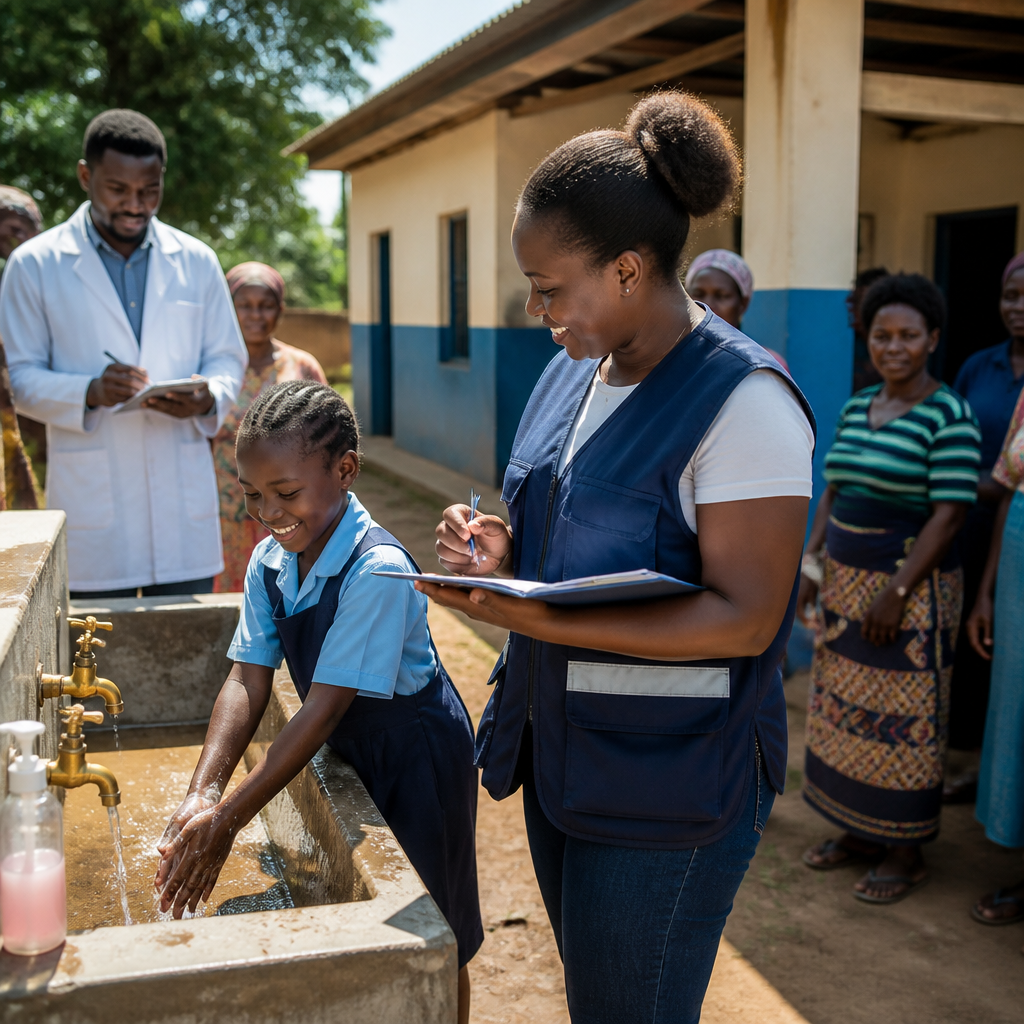
Worker voice is equally important. Frontline staff often know exactly where exposure occurs, such as a stairway too narrow for containers, a valve that sticks, or a route that forces lifting over drains. Regular toolbox talks, anonymous reporting channels, and joint safety inspections surface these issues early. Mental health and dignity should not be treated as secondary concerns. Reliable washing facilities, changing areas, rest breaks, drinking water, and respectful supervision improve adherence to safe practice because they signal that workers are valued. Public communication matters too. Communities that understand EcoSan are less likely to stigmatize workers and more likely to use systems correctly, which reduces contamination at the source.
As a hub for Safety and Sustainability in EcoSan, the central message is clear: protect workers first, and the environmental benefits become durable. Safe design, verified treatment, fit-for-purpose PPE, training, monitoring, and dignified working conditions are not optional extras; they are the operating foundation of responsible EcoSan. Organizations planning or upgrading systems should map the service chain, identify hazards, set measurable controls, and audit performance routinely. Start with the highest-risk tasks, fix design flaws that force contact with waste, and verify every reuse pathway before expansion. When worker safety is built into EcoSan from the beginning, sanitation becomes both sustainable and genuinely protective of public health.
Frequently Asked Questions
1. Why is occupational health so important in EcoSan systems?
Occupational health is central to EcoSan because a sanitation system cannot honestly be called sustainable if it protects users but exposes workers to preventable harm. EcoSan depends on a chain of human activities: construction, operation, cleaning, emptying, transport, treatment, storage, and reuse. At every stage, workers may encounter pathogens, sharp objects, hazardous gases, heavy loads, heat stress, repetitive strain, and social stigma. If those risks are ignored, the system may recover nutrients or save water, but it fails the basic test of human sustainability.
EcoSan, or ecological sanitation, is built on the idea that human excreta and wastewater can be managed as resources rather than simply discarded. That principle only works when resource recovery is paired with safe handling. Urine-diverting dry toilets, dehydrating vaults, composting units, and faecal sludge treatment processes all require practical safety controls so that the people doing the work are not exposed to infection, injury, or long-term occupational illness. In other words, worker protection is not an optional add-on to EcoSan; it is part of the design logic itself.
There is also a strong public health reason to prioritize occupational safety. When workers are properly trained, equipped, and supported, treatment and reuse processes are more likely to be carried out correctly. That reduces the risk of environmental contamination, improves product quality for reuse in agriculture or landscaping, and helps build public trust in EcoSan programs. Protecting workers therefore improves system performance, regulatory compliance, and community acceptance all at once.
2. What health risks do workers face when building, emptying, transporting, and treating EcoSan materials?
Workers in EcoSan systems can face a wide range of hazards, and the exact risk profile depends on the technology used and the local operating conditions. The most obvious concern is biological exposure. Human excreta and inadequately treated sludge may contain bacteria, viruses, protozoa, helminths, and fungi that can cause gastrointestinal illness, skin infections, eye irritation, and more serious diseases if material is inhaled, ingested, or comes into contact with broken skin. Even when a system is designed for dehydration, composting, or storage, incomplete treatment or premature emptying can leave dangerous organisms viable.
Physical hazards are also common. Workers may lift heavy containers, maneuver in cramped spaces, climb unstable structures, or handle tools and waste with sharp contaminants mixed in. These conditions can lead to cuts, puncture wounds, musculoskeletal injuries, slips, trips, and falls. In some settings, workers may also face dangerous atmospheres, especially around pits, tanks, or enclosed treatment spaces where oxygen can be low and toxic gases may accumulate. While EcoSan often seeks to reduce reliance on sewered infrastructure, any confined or poorly ventilated work area still demands caution.
Chemical and environmental stresses should not be overlooked. Disinfectants, lime, ash, dust from dried material, smoke from burning waste nearby, and prolonged sun exposure can all affect respiratory health, skin, and eyes. Transport workers may deal with poorly sealed containers, spills, traffic risks, and long travel times under hot conditions. Beyond these direct hazards, many sanitation workers experience psychosocial burdens such as social exclusion, poor wages, informal employment, and lack of access to medical care. A good occupational health approach in EcoSan must address the full picture: infection risks, injury prevention, chemical exposure, ergonomics, and worker dignity.
3. What practical measures can EcoSan projects use to protect workers effectively?
The most effective protection strategy starts with system design, not just personal protective equipment. EcoSan projects should aim to reduce contact with excreta at the source by using technologies and workflows that make collection, storage, and emptying safer. Examples include accessible vaults, sealable containers, clear urine diversion, safe drying or composting periods, tools that allow handling at a distance, and transport systems that minimize manual transfer. If a toilet or treatment unit is difficult to empty safely, that is a design flaw as much as an operational challenge.
Training is equally important. Workers need practical instruction on how the system functions, what hazards are present, how pathogens are reduced through storage or treatment, and what to do if treatment is incomplete. They should know proper hand hygiene, safe lifting techniques, spill response procedures, cleaning and disinfection methods, and when a product is safe for transport or reuse. Training should be repeated and adapted to local literacy levels and languages, with visual procedures where possible. Supervisors also need training so safety expectations are reinforced in day-to-day operations, not just during project launch.
Protective equipment still matters, but it should be appropriate, available, and actually usable in the local climate. Depending on the task, that may include gloves, boots, coveralls or aprons, eye protection, masks or respirators for dusty work, and handwashing supplies. PPE is only effective when it fits properly, is cleaned or replaced as needed, and is supported by safe work practices. In addition, workers should have vaccination access where relevant, health monitoring, first-aid supplies, sanitation facilities for themselves, and formal procedures for incident reporting. Strong EcoSan projects also create fair contracts, regular pay, and social recognition for workers, because safety improves when workers are empowered to speak up about risks.
4. How does safe treatment and reuse of EcoSan products reduce occupational health risks?
Safe treatment is one of the most important risk-control barriers in EcoSan. The whole purpose of treatment processes such as dehydration, composting, storage, or other stabilization methods is to reduce pathogens and make materials safer to handle, transport, and reuse. When treatment is done correctly and verified, worker exposure drops significantly because the material becomes less infectious and often easier to manage physically. That is especially important for workers who empty containers, monitor treatment units, bag end products, or apply recovered nutrients and soil amendments in agriculture.
However, treatment only protects workers when the process is consistent and based on real operational controls. Time, temperature, moisture, pH, storage conditions, and separation quality all matter. For example, a composting system that never reaches effective conditions or a dehydrating vault that is emptied too early may look functional while still containing harmful organisms. This is why occupational health depends on process discipline: clear retention periods, monitoring logs, routine inspections, and decision rules for when material is or is not ready for reuse. Without those controls, workers may be falsely reassured and handle dangerous material with inadequate precautions.
Reuse practices also need structure. Even treated products should be handled using safe application methods, appropriate tools, and hygiene protocols that prevent dust inhalation, splashing, and contamination of food crops, water sources, or work surfaces. Storage and labeling are important so workers know what stage of treatment a material has reached. In well-managed EcoSan systems, treatment and reuse are not separate from occupational health—they are the mechanisms that turn a high-risk waste stream into a manageable resource while protecting the people who make that transformation possible.
5. What should communities, employers, and policymakers do to make EcoSan safer for sanitation workers?
Creating safer EcoSan systems requires shared responsibility. Employers and service providers should start by recognizing sanitation work as skilled, essential labor rather than informal cleanup work that can be done without planning. That means conducting risk assessments, budgeting for safety equipment and maintenance, setting standard operating procedures, and making worker protection part of routine management. Too often, EcoSan projects invest in toilets and treatment infrastructure but underinvest in the people who keep the system functioning. Closing that gap is one of the fastest ways to improve both health outcomes and long-term system reliability.
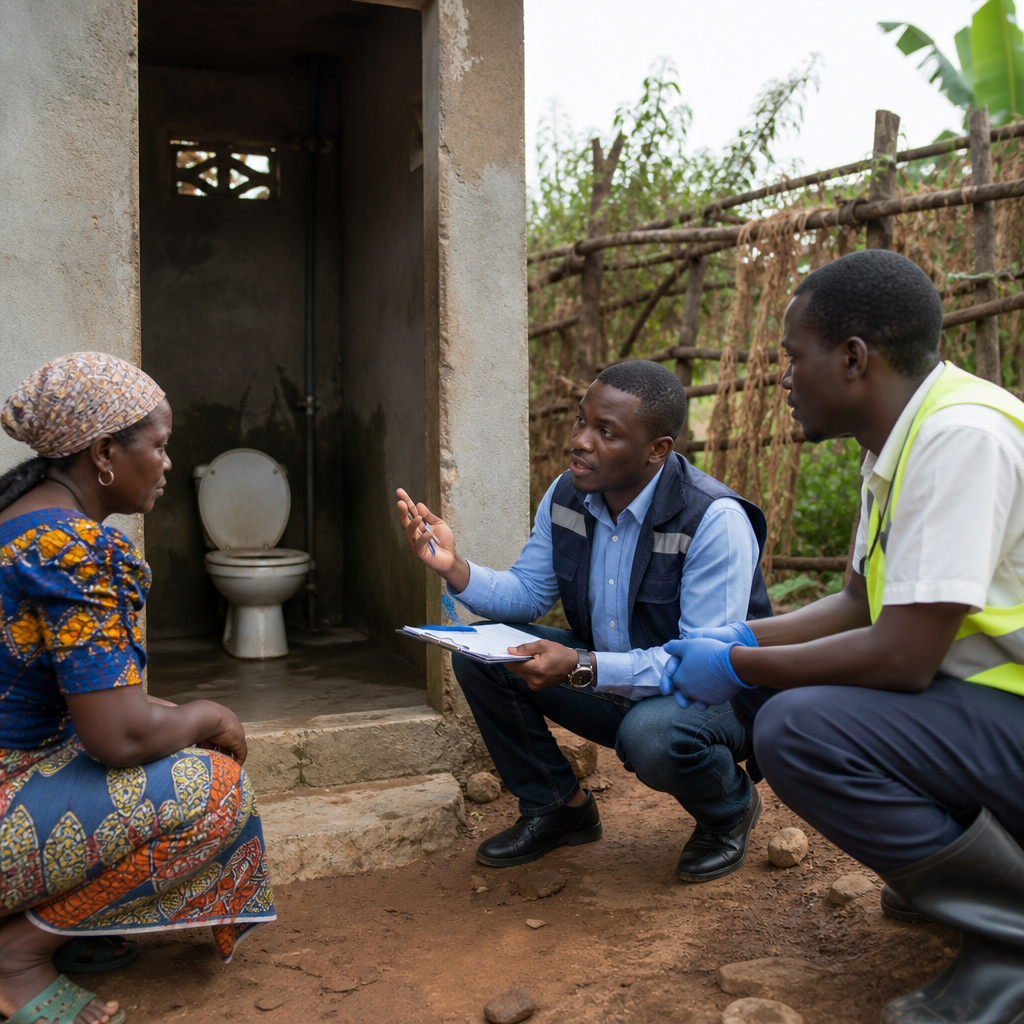
Communities also play a major role. Users need clear guidance on proper toilet use, especially in urine-diverting and dry sanitation systems where misuse can increase exposure risks for downstream workers. Communities should understand why sharps, solid waste, chemicals, and stormwater should not enter sanitation units, and why emptying schedules and treatment rules matter. Respect for sanitation workers is part of occupational health as well. Social stigma can discourage workers from seeking protective gear, medical care, or fair conditions. Community education helps normalize safe sanitation work as a public service that deserves dignity and protection.
Policymakers can strengthen the entire sector by setting enforceable occupational health standards for non-sewered sanitation and resource recovery systems. This includes worker training requirements, PPE provision, treatment validation guidance, licensing, health surveillance, and inclusion of sanitation workers in labor protections and social security systems. Public agencies can also support data collection on injuries, infections, and exposure patterns so programs improve over time. When governments, NGOs, utilities, and private operators all treat occupational health as a non-negotiable part of EcoSan, the result is a safer workforce, a more credible sanitation sector, and a more truly sustainable approach to ecological sanitation.