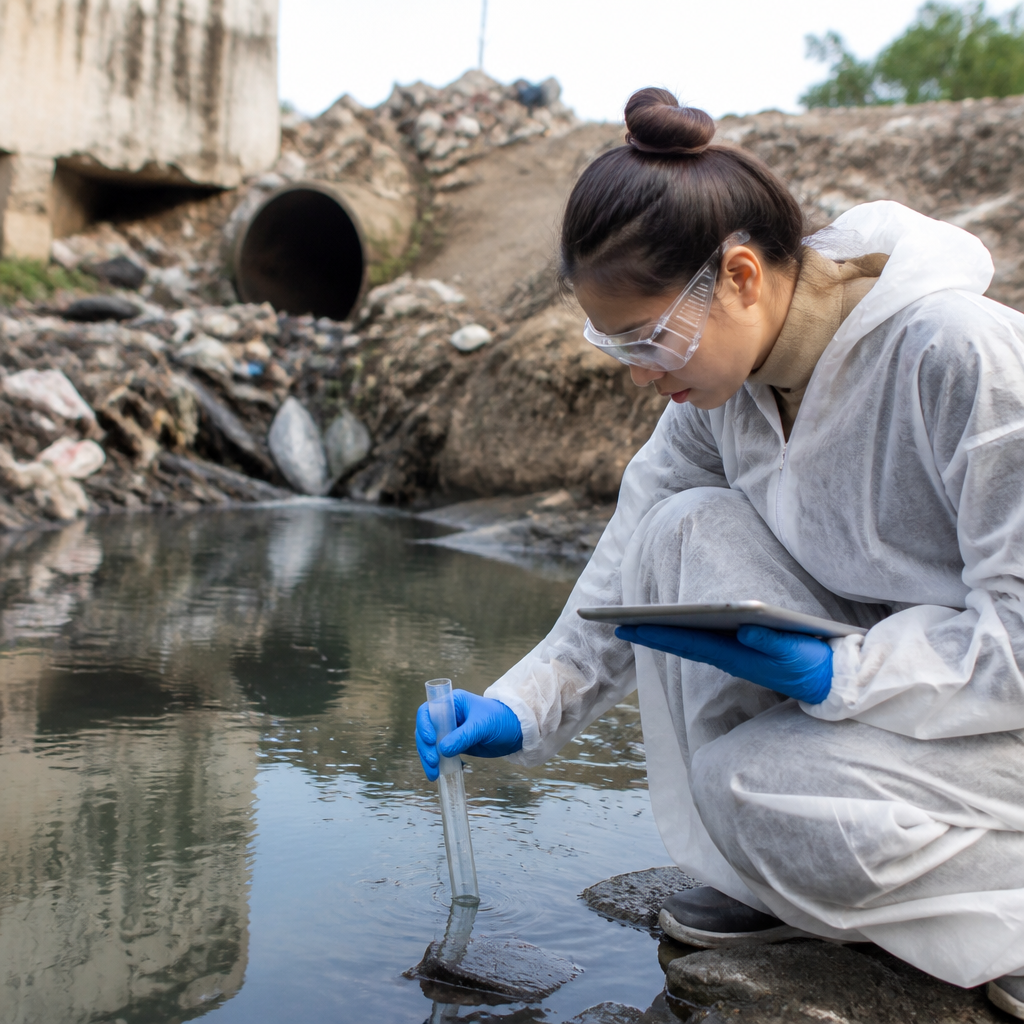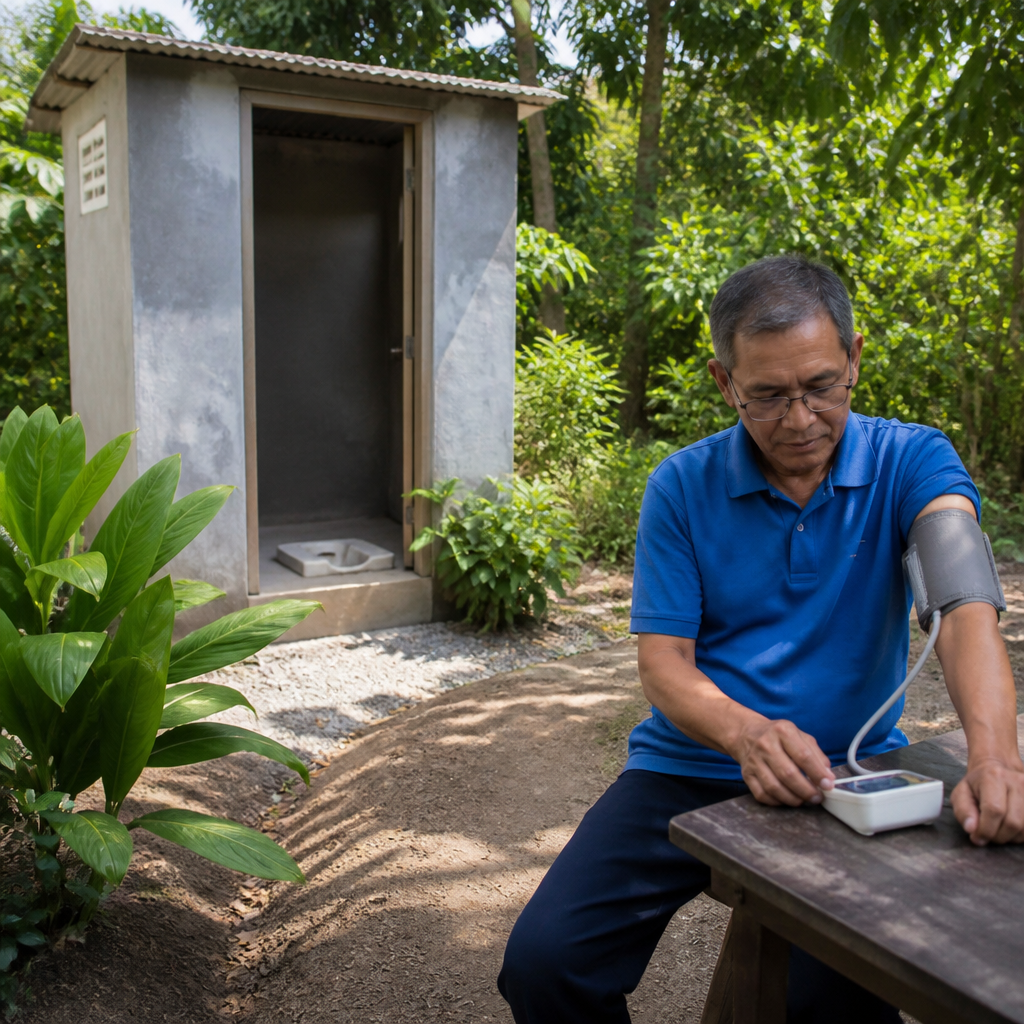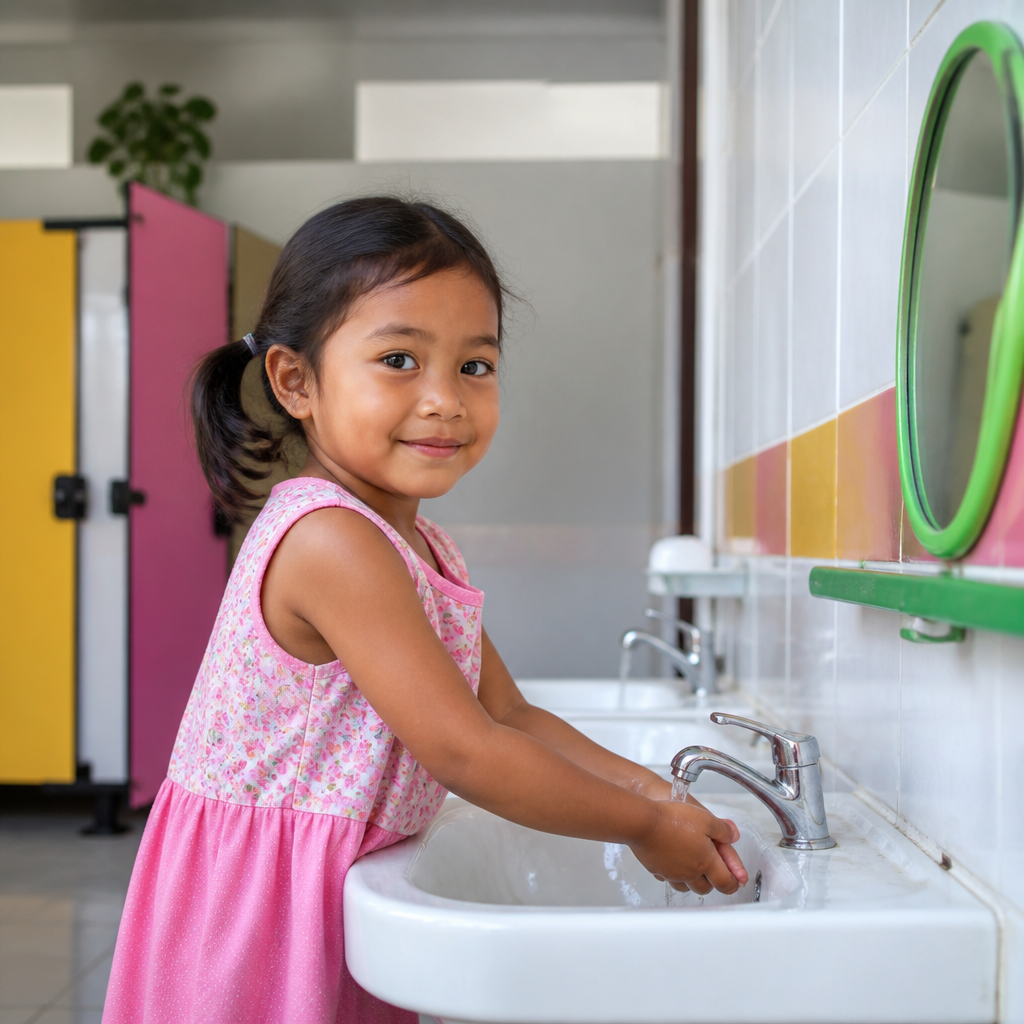
Child-friendly sanitation is the foundation of a healthy environment because children face the highest risk from contaminated water, unsafe toilets, and poor hygiene facilities. In work across schools, clinics, and community sanitation projects, I have seen the same pattern repeatedly: when toilets are designed for adults and waste systems ignore child behavior, illness rises, attendance falls, and caregivers lose confidence in the space. Within the broader Health and Safety landscape, enhancing health through EcoSan means building sanitation systems that protect children from pathogens while recovering nutrients, conserving water, and reducing environmental harm. EcoSan, short for ecological sanitation, treats human waste as a resource to be managed safely rather than a nuisance to be hidden and forgotten. Child-friendly sanitation adds another layer: every toilet, handwashing station, cleaning routine, and waste flow must match the physical size, developmental stage, and daily habits of infants, toddlers, school-age children, and adolescents.
This matters because sanitation failures affect children faster and more severely than adults. The World Health Organization and UNICEF have long linked unsafe sanitation to diarrheal disease, intestinal worm infections, stunting, malnutrition, and reduced educational outcomes. Young children also face non-disease risks that standard toilet planning often misses, including falls into oversized drop holes, exposure to cleaning chemicals, contact with flies around feces, and fear of dark or dirty facilities. A child who avoids using the toilet because it feels unsafe may hold urine, defecate in open areas, or stop drinking water during the day, each of which creates its own health problem. A well-designed EcoSan system addresses these practical realities directly by combining barrier protection, easier maintenance, and resource recovery methods that can be managed without exposing children to untreated waste.
As a hub topic, child-friendly sanitation brings together design, hygiene behavior, waste treatment, environmental safety, and long-term operations. The central idea is simple: safe sanitation for children is not just a smaller toilet seat. It is a system that starts with accessible use, continues through hygienic cleaning and waste separation, and ends with treatment processes that prevent disease transmission. In EcoSan settings, that may include urine-diverting dry toilets, composting toilets, ventilated improved pit systems, fecal sludge treatment, handwashing stations, and protocols for caregivers and staff. The strongest programs connect all of these pieces, because children benefit most when sanitation is treated as a complete health protection system rather than a single structure.
Why child-friendly sanitation requires a systems approach
Child-friendly sanitation works only when design, behavior, cleaning, and treatment support one another. In one school upgrade I assessed, the toilets were newly painted and technically improved, but the cubicles had high steps, the door latches were hard for six-year-olds to operate, and there was no reliable handwashing water by midday. Predictably, children used the facility inconsistently, and teachers reported accidents and open defecation behind classrooms. The lesson was clear: a toilet can meet engineering specifications and still fail children. A true systems approach asks practical questions. Can a child reach the toilet safely? Can they use it without assistance? Can caregivers supervise discreetly? Is soap available every day? Can cleaners remove waste without direct contact? Is treated output managed far from play areas and food zones? If any answer is no, health protection is incomplete.
EcoSan strengthens this systems approach because it forces planners to think beyond disposal. Instead of sending waste into overloaded sewers or unlined pits, ecological sanitation uses controlled treatment pathways. These may include dehydration, composting, urine diversion, or structured sludge handling that reduces pathogen survival. For children, this matters because the environment around sanitation facilities is part of the exposure pathway. Pools of wastewater, overflowing pits, and open sludge transport create direct contact risks and attract insects. EcoSan methods, when well managed, reduce standing effluent, limit contamination of groundwater, and create cleaner zones around homes and schools. They are particularly useful in water-scarce regions, high water table areas, flood-prone settlements, and peri-urban sites where conventional sewer expansion is slow or unaffordable.
Another reason a systems approach matters is inclusion. Children are not one user group. A toddler in a childcare center, an eight-year-old in a primary school, and a menstruating adolescent all require different sanitation features. Children with disabilities may need support rails, transfer space, wider doors, lower basins, or caregiver access. Some need sensory cues, non-slip floors, and predictable layouts. EcoSan planning must therefore address user diversity at the start, not as a retrofit. The most effective health and safety programs map the entire sanitation journey, from approach path to handwashing exit, and identify where a child could be exposed, frightened, excluded, or injured.
Core design features that make sanitation safe for children
Safe child-friendly sanitation starts with scale, stability, and visibility. Toilet seats or squat plates must match children’s body size, and drop holes should be small enough to prevent falls yet large enough for practical use. Floors need high slip resistance, especially where water is used for cleansing. Doors should open easily from inside, include child-height locks, and allow emergency access from outside for adults. Adequate lighting is essential because children avoid dark spaces and are less able to identify hazards. Ventilation is equally important; bad odor is not just unpleasant but a powerful reason children reject toilets. In dry EcoSan toilets, correct vent pipe design, fly screens, and regular addition of dry cover material such as ash or sawdust help control insects and odor while supporting the treatment process.
Handwashing is not a separate amenity; it is part of the sanitation unit. The station should sit on the natural exit path, at child height, with drainage that does not create mud or stagnant puddles. Soap must be physically present, not assumed. I have found that the difference between nominal handwashing access and actual handwashing behavior often comes down to small details: whether children can press the tap, whether the basin is crowded, whether the queue feels manageable, and whether an adult reinforces the habit at the right times. In schools, placing multiple low-flow taps in a row near meal areas increases compliance dramatically compared with a single basin tucked behind the toilet block.
Privacy and dignity are also health issues. Girls in particular reduce toilet use when locks are broken, gaps are visible, or disposal options for menstrual materials are missing. Child-friendly sanitation therefore includes screened cubicles, bins or designated disposal systems, water for washing where culturally appropriate, and cleaning routines that keep the space usable throughout the day. In EcoSan contexts, menstrual waste should never be dropped into urine diversion channels or compost chambers unless the system is specifically designed to accept it. Clear signs and staff training prevent blockages and unsafe manual handling later.
| Sanitation element | Child-friendly requirement | Health and safety benefit | EcoSan implication |
|---|---|---|---|
| Toilet interface | Small seat or child-sized squat plate, secure footing | Prevents falls and encourages consistent use | Reduces contamination around the unit from missed use |
| Handwashing station | Low height, soap available, easy tap operation | Reduces fecal-oral disease transmission | Keeps the sanitation chain hygienic at point of exit |
| Ventilation and odor control | Light, airflow, screened vent pipes | Improves acceptance and reduces flies | Supports dry toilet performance and user comfort |
| Access path | Level route, drainage, non-slip surfaces | Lowers injury risk and improves inclusion | Protects surrounding soil from wastewater pooling |
| Maintenance access | Adult service entry separated from child use zone | Limits contact with untreated waste | Makes collection and treatment safer and more controlled |
How EcoSan improves health outcomes for children
Enhancing health through EcoSan depends on interrupting transmission routes. Children become infected when pathogens from feces reach hands, water, food, soil, toys, or surfaces. Conventional sanitation can fail when pits leak, sewers overflow, or sludge is dumped untreated. EcoSan reduces these risks by separating flows, containing waste at the source, and applying treatment methods that make by-products safer for final use or disposal. Urine-diverting dry toilets, for example, keep urine and feces apart. This lowers moisture in the feces chamber, which reduces odor and supports dehydration. With correct storage time and management, pathogen levels decline substantially, making downstream handling safer for trained adults. For children, the immediate gain is cleaner, drier, less fly-infested facilities and fewer contamination points in the surrounding environment.
Composting and dehydration systems also support public health where water is scarce. In many low-resource settings, flush toilets are installed without dependable water or sewer connections, and they quickly become unusable. Children then revert to unsafe alternatives. A well-run EcoSan system avoids that collapse because it is designed around local constraints. However, success depends on disciplined operation. Feces must receive the right cover material, urine channels must stay unblocked, and storage chambers need adequate resting periods before emptying. These are not optional details. If maintenance breaks down, health protection breaks down. That is why training for janitors, caregivers, school staff, and community operators is as important as the hardware itself.
There is also a nutrition and environmental health dimension. In agricultural communities, safely treated urine and composted excreta can return nutrients such as nitrogen, phosphorus, and potassium to soils. This resource recovery does not create a direct child health benefit unless it is managed safely, but when standards and handling protocols are followed, it can improve local food production while reducing pressure on chemical fertilizer use. The critical rule is separation between treated materials and child access. Storage areas, curing zones, and application schedules must be fenced, supervised, and timed so children never contact untreated or partially treated outputs.
Operation, maintenance, and hygiene behavior in real settings
The daily management of sanitation determines whether design intent becomes real health protection. In childcare centers, I recommend written cleaning schedules with named responsibilities, because “someone will do it” usually means no one does it consistently. High-touch surfaces such as door handles, seats, rails, and taps need routine cleaning with appropriate products, while stronger disinfectants must be stored completely out of children’s reach. Cleaning staff should have gloves, boots, handwashing access, and clear procedures for spills, blocked pans, and fecal accidents. In schools, break times create peak demand, so facilities should be inspected after recess and lunch, not just once each morning.
Behavior change works best when sanitation routines are concrete and repeated. Young children need simple cues: use the toilet, wipe or wash appropriately, flush or cover according to the system, wash hands with soap, and leave the area clean. Visual prompts help, but adult modeling matters more. Teachers, caregivers, and older student leaders shape norms quickly when they reinforce the same sequence every day. For EcoSan facilities, behavior guidance must be system-specific. If a toilet is urine-diverting, users must know where paper goes, when cover material is added, and what items must never enter the chamber. Many failures blamed on “bad technology” are actually failures of orientation and supervision.
Monitoring should be practical and measurable. The indicators I trust most are soap availability, facility usability, odor level, visible feces on surfaces, handwashing traffic, cleaning frequency, and safe emptying records. Schools can track toilet-to-student ratios, downtime by cubicle, and refill rates for soap and cover material. Community facilities can audit sludge handling, vector presence, and child complaints. These measures reveal operational weakness early, before disease outbreaks or facility abandonment occur. They also create internal linking points for a broader Health and Safety content hub, since sanitation performance connects directly to infection prevention, water quality, school attendance, menstrual health, and environmental risk management.
Planning a child-friendly EcoSan program that lasts
Long-term success comes from planning for governance, financing, and local ownership from the first design meeting. A child-friendly EcoSan program should begin with a user assessment that includes age groups, disability access, cultural practices, supervision patterns, climate risks, and maintenance capacity. The next step is technology selection. Urine-diverting dry toilets may suit water-scarce schools; twin-pit systems may fit rural households; container-based sanitation may work in dense informal settlements where on-site treatment is impractical. The correct choice is the one that local staff can operate safely year after year, not the one that looks most advanced on paper.
Budgeting must include consumables and servicing, not just construction. Soap, cover material, replacement taps, desludging tools, protective equipment, and operator training all belong in the annual cost model. So does periodic monitoring. Parents and community committees are more likely to support sanitation funding when reporting is transparent and linked to visible outcomes such as cleaner toilets, fewer absences, and safer grounds. Standards from UNICEF’s child-friendly school guidance, WHO sanitation safety planning, and ISO-aligned risk management practices provide a useful reference base for setting those expectations.
The strongest takeaway is straightforward: child-friendly sanitation protects health only when the entire system is designed around children and managed without gaps. EcoSan offers a practical path because it reduces waste exposure, supports safe treatment, and adapts well to places where water, sewerage, or land conditions limit conventional options. For schools, childcare centers, clinics, and communities building a stronger Health and Safety strategy, this hub topic should guide every linked decision, from toilet dimensions and handwashing layout to maintenance training and final waste handling. Review your current facilities with a child’s perspective, identify the points where exposure or fear still exists, and upgrade the full sanitation chain, not just the visible toilet.
Frequently Asked Questions
Why is child-friendly sanitation so important in schools, clinics, and community spaces?
Child-friendly sanitation matters because children are more vulnerable than adults to the health effects of unsafe water, poorly designed toilets, and inadequate hygiene facilities. Their immune systems are still developing, they are more likely to put their hands in their mouths, and they often need more frequent bathroom access. When sanitation systems are built only with adults in mind, children may avoid using the toilets altogether, use them unsafely, or rely on open and unhygienic alternatives. That increases the spread of diarrheal disease, intestinal infections, skin conditions, and other preventable illnesses.
In practical terms, the impact goes well beyond health. In schools, children who feel unsafe or uncomfortable using the toilets may miss class time, avoid drinking water to reduce bathroom visits, or stay home entirely. In clinics, poor sanitation can undermine infection prevention and erode trust among caregivers. In community settings, inadequate sanitation affects daily routines, dignity, and participation, especially for younger children and those with disabilities. A child-friendly approach creates environments that are safer, easier to use, and more trusted by families, which supports better attendance, stronger hygiene habits, and healthier outcomes across the wider Health and Safety landscape.
What features make a toilet or handwashing area truly child-friendly?
A truly child-friendly sanitation space is designed around how children actually move, behave, and learn. Size and accessibility are the starting points. Toilets should be the right height for children or include secure adaptations that allow them to sit or squat comfortably without fear of falling in. Openings should be appropriately sized, floors should be non-slip, and doors should be easy to open and close from both inside and outside in case a child needs help. Handwashing stations should be low enough for children to reach independently, with taps that are simple to operate and soap that is consistently available.
Safety and cleanliness are equally important. Good lighting, proper ventilation, privacy measures, and regular cleaning all influence whether children will actually use the facilities. Pathways to the toilet should be safe and clearly marked, with no sharp edges, broken surfaces, or standing wastewater nearby. For younger children, supervision considerations matter too, including layouts that allow caregivers or staff to monitor without compromising dignity. Child-friendly design also includes behavioral supports such as visual cues for handwashing, clear signs, and easy-to-understand hygiene messaging. When all of these elements work together, the sanitation space becomes less intimidating, more functional, and far more effective at protecting health.
How does poor sanitation affect children’s health, learning, and emotional well-being?
The health effects of poor sanitation are immediate and serious. Exposure to contaminated surfaces, unsafe waste disposal, and inadequate handwashing contributes to diarrheal disease, parasitic infections, dehydration, and recurring illness. For children, these repeated health burdens can interfere with growth, nutrition, and overall development. Even seemingly small sanitation failures, such as toilets that cannot be flushed properly or sinks without soap, can create repeated exposure risks in high-use settings like schools and clinics.
The learning impact is also significant. Children who are uncomfortable using school toilets often become distracted, anxious, or absent. Some avoid drinking water so they do not have to use the bathroom, which can affect concentration and physical well-being. Repeated illness leads to missed days, lower participation, and reduced academic performance. In addition, emotional well-being is deeply tied to sanitation conditions. Dirty, unsafe, or non-private toilets can cause fear, embarrassment, and stress, especially for young children still developing independence. For caregivers, visibly poor sanitation can signal that a facility is not safe, leading to reduced confidence in sending children there. In that way, sanitation is not just an infrastructure issue; it is closely connected to child development, educational access, and a family’s sense of trust and security.
How can schools and community leaders improve child-friendly sanitation without starting from scratch?
Many meaningful improvements can be made without a full rebuild. A strong first step is to observe how children actually use the current facilities. Are they able to reach the taps? Are they afraid of the toilet openings? Are doors too heavy, locks too difficult, or pathways unsafe? Small design corrections can have a major impact. Installing step platforms with secure surfaces, lowering handwashing points, adding child-sized seats or pans, improving lighting, repairing locks, and using clear visual hygiene reminders are all practical changes that improve usability and safety quickly.
Operations and maintenance are just as important as physical upgrades. Toilets must be cleaned regularly, supplied consistently with soap and water, and checked for damage before small issues become bigger hazards. Schools and community leaders should also involve teachers, cleaners, caregivers, health workers, and children themselves in the planning process. Children often reveal barriers adults overlook, such as fear of dark spaces, discomfort with smell, or confusion about how to use certain fixtures. Where budgets are limited, it is often most effective to prioritize the changes that reduce risk immediately: safe access, clean surfaces, functioning handwashing stations, privacy, and reliable waste management. Incremental improvements, when guided by child behavior and daily routines, can transform a space from barely usable to genuinely protective.
What role do hygiene education and caregiver involvement play in child-friendly sanitation?
Infrastructure alone is not enough. Even well-designed sanitation facilities are less effective if children do not understand when and how to use them properly, or if adults do not reinforce healthy habits. Hygiene education helps children connect sanitation practices with their own health in simple, repeatable ways. Teaching handwashing after toilet use, before eating, and after contact with dirt or waste is essential, but the teaching should be age-appropriate, visual, and practical rather than purely instructional. Songs, posters, routines, demonstrations, and positive reinforcement are often more effective than one-time lectures.
Caregiver involvement strengthens those habits across home, school, and community environments. When parents, teachers, clinic staff, and community leaders send consistent messages about hygiene and sanitation, children are more likely to adopt those behaviors and sustain them. Caregivers also play an important role in identifying sanitation barriers, reporting maintenance issues, and advocating for improvements that make spaces safer and more inclusive. In clinics and early childhood settings, adults may need to assist children directly, which makes proper training and supervision especially important. The most successful child-friendly sanitation efforts treat hygiene education, infrastructure, maintenance, and caregiver engagement as parts of the same system. That integrated approach is what creates safe environments that children can trust and use confidently every day.