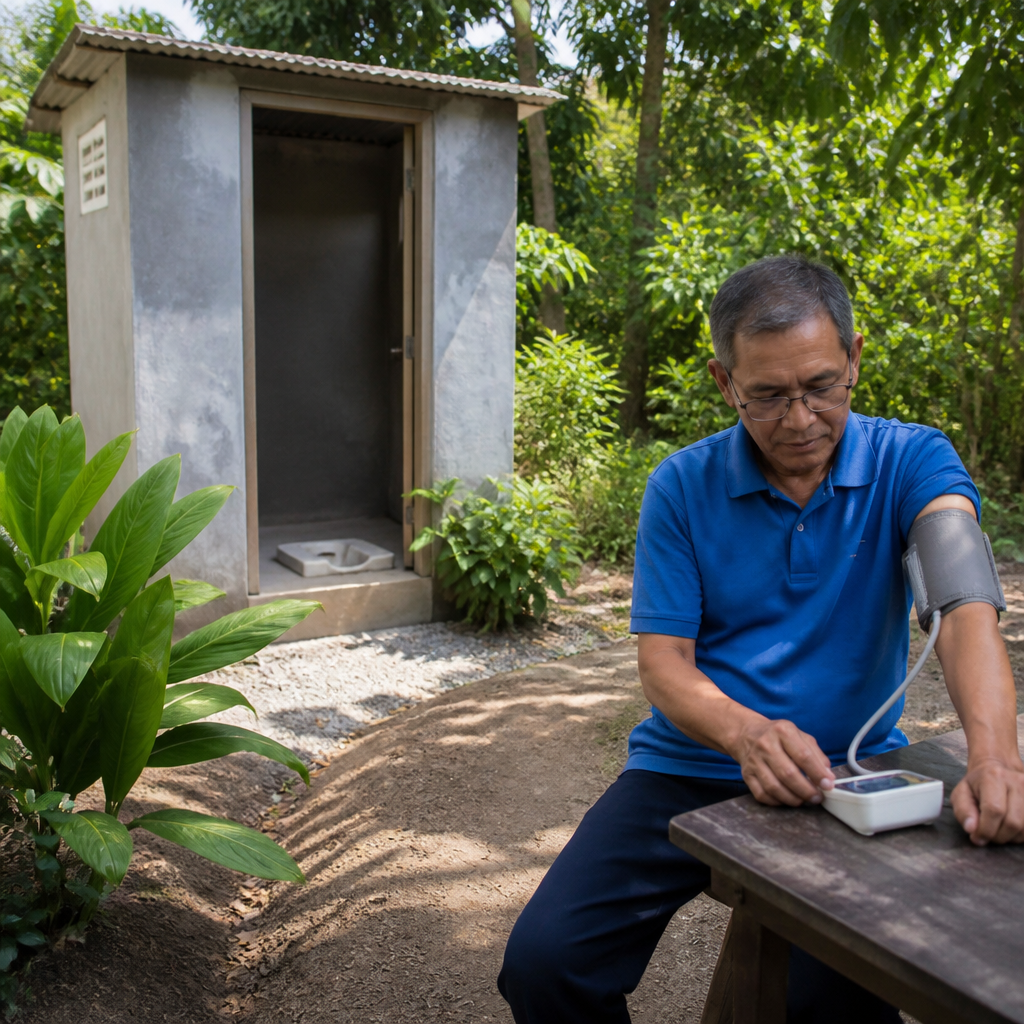
EcoSan and lifestyle diseases are linked more closely than many people realize because sanitation systems shape exposure to pathogens, water quality, food safety, air quality, daily stress, and the environmental conditions that influence chronic illness. EcoSan, short for ecological sanitation, is an approach that treats human waste as a resource to be safely contained, transformed, and reused, usually through urine diversion, composting, dehydration, or nutrient recovery. Lifestyle diseases are noncommunicable conditions such as diabetes, hypertension, cardiovascular disease, chronic respiratory illness, kidney disease, and some cancers, often driven by diet, inactivity, pollution, stress, and unsafe living environments. In practice, I have seen health teams discuss sanitation only in terms of infection control, yet the strongest programs also address the indirect pathways through which poor sanitation worsens long term disease risk. That broader view matters because communities do not experience health problems in isolated categories. A household dealing with unsafe toilets may also face contaminated drinking water, higher food costs, smoke exposure from poor waste handling, missed medical visits, and anxiety that undermines healthy routines. Safety and wellness in EcoSan therefore sits at the intersection of public health, environmental engineering, behavior change, and community design. Understanding the link helps households, planners, employers, schools, and local governments choose sanitation systems that reduce immediate hazards while supporting healthier daily lives.
What EcoSan means for safety and wellness
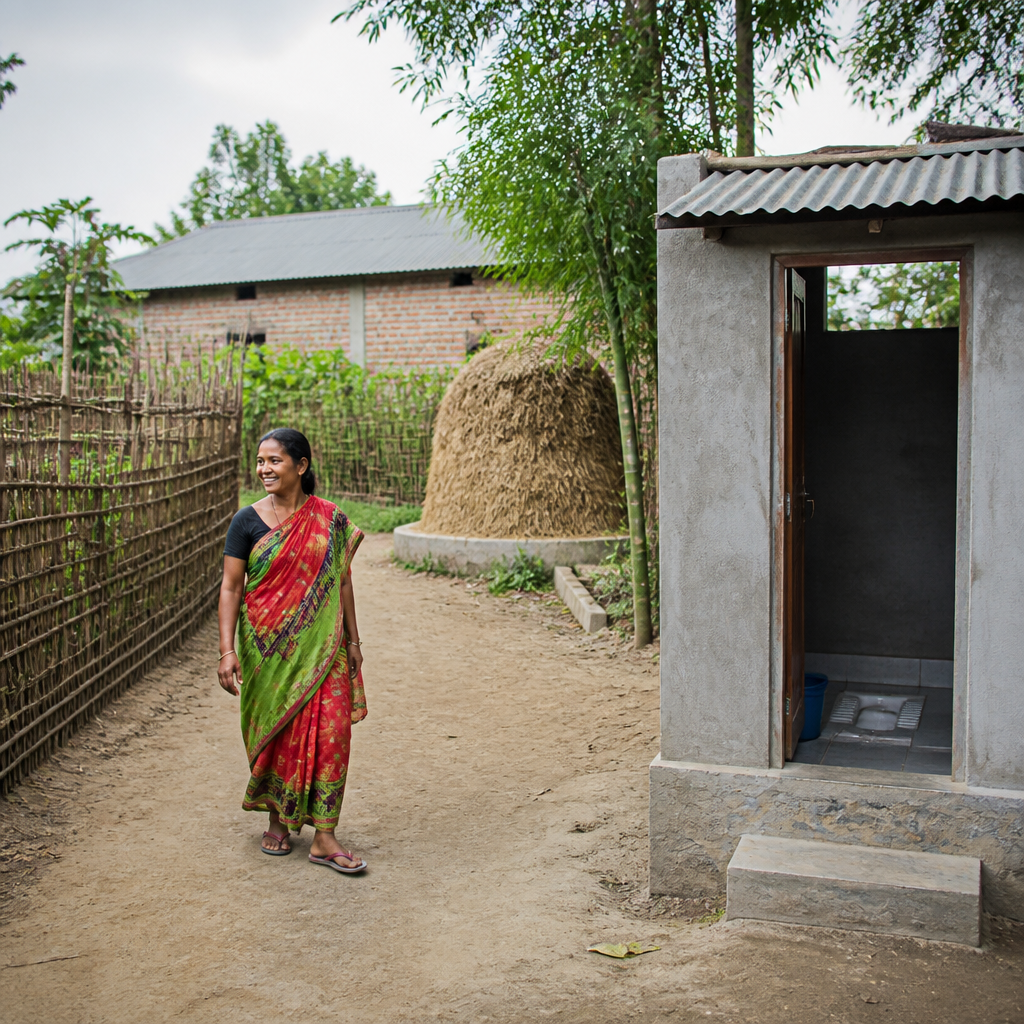
EcoSan is not a single toilet model. It is a system design philosophy built around safe separation, treatment, and reuse of human excreta so nutrients return to soil without spreading disease. Common forms include urine-diverting dry toilets, composting toilets, arborloos, and container-based systems with off-site treatment. Safety in EcoSan depends on barriers: separating urine and feces, preventing contact with fresh waste, controlling moisture, ensuring adequate storage or composting time, using personal protective equipment during handling, and applying treated products according to agronomic guidance. Wellness goes beyond avoiding diarrhea. A well-run EcoSan system can reduce odors, flies, standing water, and contamination of household surroundings. It can also improve dignity, convenience, and perceived control over the home environment, factors that support mental wellbeing and daily health behaviors.
When sanitation is badly designed, the opposite occurs. I have reviewed facilities where urine leakage created slippery floors, where inadequate ventilation trapped ammonia odors, and where poor user training led to cross contamination. Those failures become health stressors. People avoid using the toilet at night, delay urination, consume less water to reduce toilet trips, or revert to unsafe disposal methods. Each behavior has consequences, including urinary infections, dehydration, and a higher burden on people with diabetes, kidney disease, and hypertension. The central lesson is simple: EcoSan supports wellness only when technical design, maintenance, and user behavior work together consistently.
How sanitation conditions influence lifestyle diseases
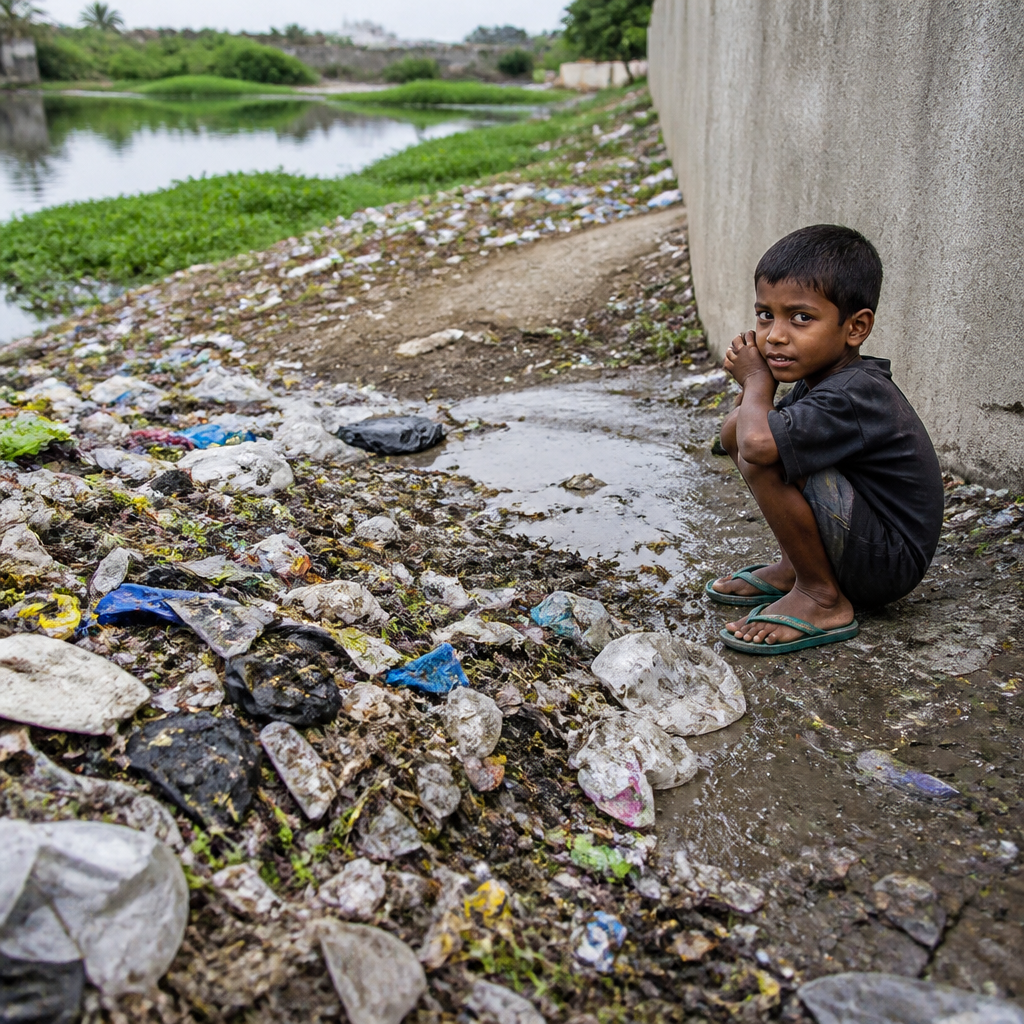
The phrase lifestyle disease can be misleading because it suggests personal choice alone. In reality, the built environment strongly shapes risk. Sanitation affects chronic disease through several pathways. First, recurrent gastrointestinal infections from contaminated environments can impair nutrient absorption, worsen undernutrition early in life, and contribute to metabolic vulnerability later. Second, unsafe water and sanitation create chronic inflammation and repeated infections, which can destabilize blood glucose control and increase complications in people already living with diabetes. Third, poor sanitation often coexists with poverty, crowding, heat stress, and unreliable water supply, conditions associated with hypertension, kidney stress, and reduced capacity for exercise or food preparation. Fourth, unmanaged waste can pollute air and water, adding exposure to particulates, nitrates, and microbial contaminants that burden cardiovascular and respiratory health.
There is also a behavioral pathway. People are more likely to maintain healthy routines when the home environment is safe and functional. A private, accessible toilet supports hydration, medication adherence, menstrual hygiene, and sleep quality. For older adults or people with limited mobility, the distance to a toilet can determine whether they remain physically active and socially engaged or become isolated. In settlement upgrading projects, I have seen sanitation improvements produce secondary gains that are rarely captured in headline metrics: fewer missed clinic visits, more time for food preparation, less fear of assault during nighttime toilet trips, and lower stress for caregivers. These are not small quality of life details. They shape chronic disease management every day.
Key safety risks in EcoSan systems and how to control them
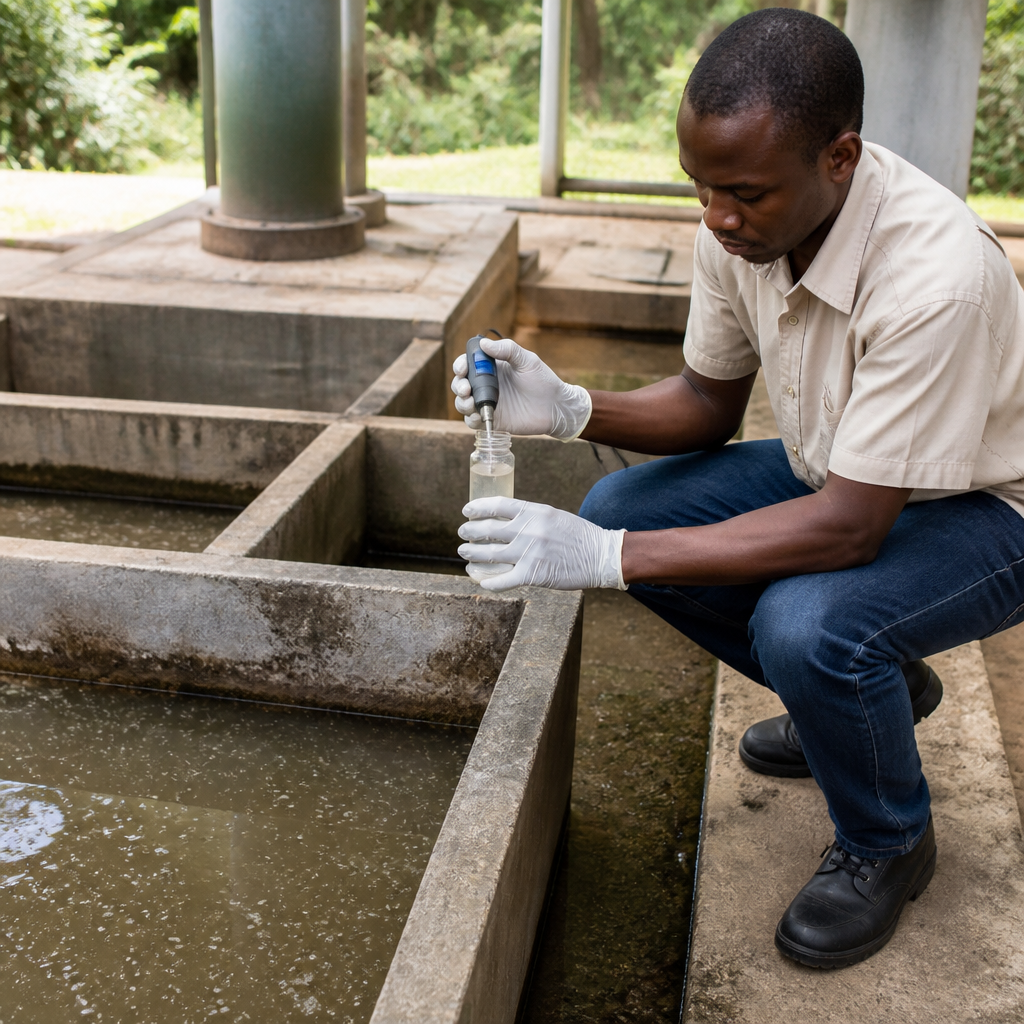
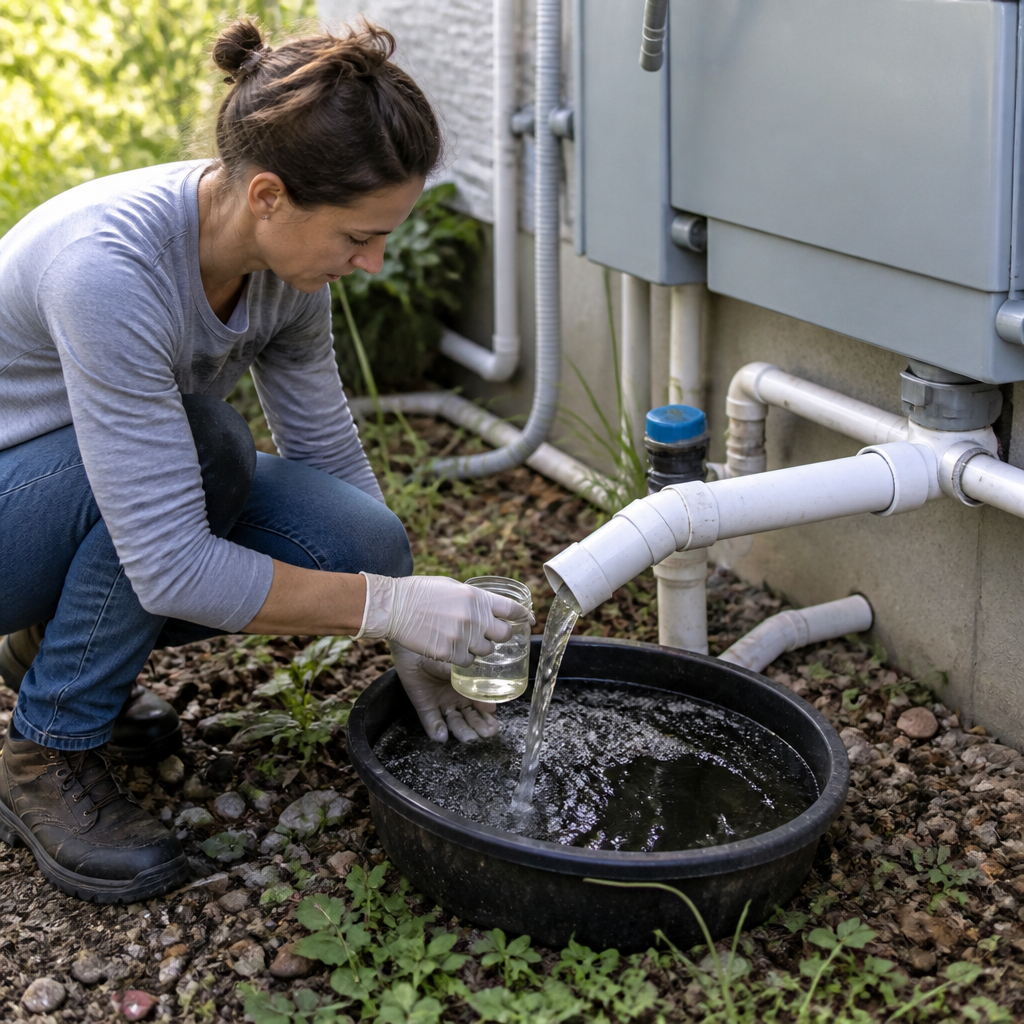
EcoSan can be highly protective, but only if key risks are managed systematically. The first risk is pathogen exposure during collection, storage, emptying, transport, or reuse. Feces can contain bacteria, viruses, protozoa, and helminths, so treatment time, temperature, pH, and dryness matter. World Health Organization sanitation safety planning principles emphasize multiple barriers rather than reliance on one treatment step. The second risk is chemical exposure, including cleaning agents, ammonia, and dust from ash or dry cover material. Good ventilation and safe handling procedures reduce these hazards. The third risk is user error. If people do not understand where urine goes, when to add dry material, or how long to store composted solids, the system can fail despite sound engineering.
The fourth risk is structural. Slippery surfaces, poor lighting, inadequate handwashing stations, and difficult access steps can cause falls and discourage use by children, pregnant women, or older adults. The fifth risk is groundwater or surface water contamination when pits, soak areas, or storage units are placed incorrectly. Proper siting relative to wells and flood zones is essential. The sixth risk is occupational exposure for sanitation workers, who need gloves, boots, face protection when appropriate, vaccination where recommended, and clear standard operating procedures. In effective programs, maintenance logs, user education, periodic inspection, and safe reuse protocols are treated as core health measures, not optional extras.
| EcoSan issue | Health concern | Practical control |
|---|---|---|
| Poor urine diversion | Odor, wet fecal vaults, higher pathogen survival | Correct toilet use training, routine inspection, repair of seals and pipes |
| Inadequate composting or storage | Exposure to viable pathogens during reuse | Follow validated storage times, monitor dryness and temperature, restrict handling |
| No handwashing station | Fecal-oral transmission, food contamination | Place soap and water or alcohol rub at point of use |
| Unsafe access or poor lighting | Falls, avoidance, nighttime stress | Non-slip floors, rails, solar lighting, accessible layout |
| Improper siting | Water source contamination | Hydrogeological assessment and setback distances from wells |
Water, hygiene, and metabolic health
Water access is one of the clearest bridges between EcoSan and lifestyle disease. Many ecological sanitation systems use little or no flush water, which can be a major advantage in water-scarce areas. Households may save significant volumes otherwise reserved for flushing, leaving more water available for drinking, cooking, bathing, and handwashing. That matters for chronic disease prevention and management. Adequate hydration supports kidney function, helps regulate body temperature, and is especially important for people with diabetes or those taking diuretics for hypertension. If a sanitation option reduces household water stress without compromising hygiene, it can indirectly support metabolic health.
However, low-water systems create problems when hygiene is neglected. A dry toilet without a reliable handwashing setup is not a healthy system. In clinics and schools, I have found that the most successful installations pair low-water sanitation with handwashing design that is visible, convenient, and continuously supplied. Simple choices matter: tippy taps or foot-operated stations where plumbing is limited, soap storage that stays dry, drainage that avoids puddling, and behavior prompts placed at eye level. For households managing diabetes, gastrointestinal illness from poor hygiene can quickly trigger dehydration and unstable blood sugar. For children, repeated enteric infection contributes to poor growth and learning outcomes, which are linked to lower lifetime health and income. Water-efficient sanitation should therefore be judged not only by liters saved, but by whether it preserves the full hygiene chain.
Food systems, nutrient recycling, and hidden health tradeoffs
One of EcoSan’s strongest arguments is nutrient recovery. Urine contains most of the nitrogen and a significant share of phosphorus and potassium excreted by humans, while treated fecal matter can add organic material to soil. Used correctly, these outputs can reduce fertilizer costs and support household or community agriculture. Better food production can improve diet quality, which is central to preventing obesity, hypertension, and micronutrient deficiencies. In several peri-urban projects, kitchen gardens supported by safely managed organic inputs increased access to leafy vegetables and reduced spending on produce, giving families more control over healthy meals.
Still, nutrient recycling carries nonnegotiable safety conditions. Fresh excreta must never be treated casually as fertilizer. Storage periods, treatment methods, crop restrictions, and application techniques must follow established guidance. Urine is usually lower risk than feces, but it is not risk free if contaminated. Treated products should be applied to soil rather than edible surfaces, and withholding periods before harvest may be necessary. Another overlooked tradeoff is pharmaceuticals and household chemicals entering reuse streams. While concentrations vary, antibiotic residues, hormones, and cleaning products can complicate risk assessments. Programs that ignore these issues undermine public trust. The responsible position is clear: nutrient recovery is valuable, but only within a sanitation safety plan that protects handlers, consumers, and water sources.
Mental wellbeing, dignity, and everyday behavior
Safety and wellness in EcoSan are not only microbiological. Toilets influence stress, dignity, privacy, and social inclusion. When a sanitation facility is clean, close, well lit, and easy to use, it reduces daily cognitive burden. People stop planning around fear of smell, exposure, embarrassment, or harassment. Women and girls especially benefit from facilities that support menstrual hygiene management, disposal or washing arrangements, and privacy for changing. Older adults and people with disabilities benefit from handrails, raised seats, enough space for assistance, and doors that lock without trapping the user inside.
These design features affect lifestyle disease through behavior. Stress hormones, poor sleep, social withdrawal, and reduced fluid intake are not abstract concerns; they are common responses to unsafe sanitation. I have worked on assessments where residents intentionally limited evening meals or water to avoid nighttime toilet trips. That pattern can worsen constipation, kidney stone risk, blood pressure control, and medication tolerability. Dignified sanitation also supports school attendance and workplace productivity, both linked to long term health. A hub discussion of EcoSan wellness must therefore include psychosocial safety as a core design requirement, not an afterthought.
Who is most vulnerable and what good programs do differently
Not all users face the same risk. Children are more likely to contact contaminated surfaces and less able to follow complex toilet instructions. Pregnant women may need more frequent urination and safer nighttime access. People with diabetes are more vulnerable to dehydration, foot injuries from poor flooring, and complications from infection. People with reduced immunity, including some cancer patients, face greater harm from pathogens that healthier adults might tolerate better. Sanitation workers carry repeated occupational exposure that demands formal protection, training, and respect.
Strong EcoSan programs segment these needs instead of assuming one design suits everyone. They conduct user testing before scale-up, adapt seat height and slab dimensions, verify handwashing access for children, and include maintenance financing from the start. They also link sanitation with health education: hydration, safe food handling, vector control, and chronic disease management. Monitoring should track not just coverage, but functionality, cleanliness, odor control, handwashing availability, and safe end use. If this article is the hub for Safety and Wellness in EcoSan, that is the main organizing principle: a sanitation system is only successful when it remains safe, usable, and health promoting for real people over time.
Building a safer EcoSan strategy for homes, schools, and communities
A practical EcoSan strategy starts with context. Soil type, flood risk, water scarcity, user preferences, disability access, crop plans, and maintenance capacity determine the right solution. For homes, prioritize user training, sealed storage, handwashing at the toilet, child-safe design, and a clear plan for emptying or reuse. For schools, add gender-sensitive privacy, menstrual hygiene facilities, cleaning schedules, supervision, and enough units to prevent queues. For communities and employers, formalize operator roles, protective equipment, incident reporting, and inspections. Named tools such as sanitation safety planning, hazard analysis, and preventive maintenance schedules help convert good intentions into reliable performance.
The key takeaway is direct. EcoSan can reduce environmental contamination, conserve water, support food production, and improve dignity, all of which influence lifestyle disease risk and management. But benefits are never automatic. They depend on careful design, verified treatment, hygiene infrastructure, inclusive access, and long term maintenance. If you are planning, upgrading, or evaluating an EcoSan system, review it through a health lens that includes infections, chronic disease, mental wellbeing, and occupational safety together. Start with one honest assessment of your current sanitation risks, then build the controls that make EcoSan genuinely safe and well.
Frequently Asked Questions
What is the connection between EcoSan and lifestyle diseases?
EcoSan and lifestyle diseases are connected through the environments people live in every day. Ecological sanitation does more than manage human waste; it influences water quality, food safety, household hygiene, local air conditions, and even the stress burden placed on families and communities. Lifestyle diseases such as diabetes, heart disease, chronic respiratory conditions, obesity-related complications, and some inflammatory disorders are often discussed in terms of diet, exercise, smoking, and alcohol use, but those behaviors do not exist in isolation. They are shaped by the broader living environment, including sanitation.
When sanitation is poor, people may be repeatedly exposed to pathogens, contaminated water, and unsafe food-growing conditions. Chronic exposure to infections and environmental contaminants can increase inflammation, weaken overall health, and make it harder for the body to manage long-term disease risks. For example, frequent gastrointestinal illness may affect nutrient absorption and immune function, while polluted surroundings can reduce quality of life and contribute to stress. Stress itself is a major driver of lifestyle-related illness because it affects sleep, hormonal balance, blood pressure, and decision-making about food and physical activity.
EcoSan systems aim to break these harmful cycles by safely containing and treating waste, reducing contamination, and recovering nutrients in a controlled way. In communities where EcoSan is properly designed and maintained, there can be cleaner surroundings, safer water sources, fewer sanitation-related infections, and better support for local agriculture. All of these factors help create healthier living conditions that support long-term disease prevention. So while EcoSan does not directly “cure” lifestyle diseases, it can address important environmental determinants that influence how common and severe those diseases become.
How can ecological sanitation improve public health beyond preventing infectious disease?
Most people immediately associate sanitation with infection control, and that is absolutely important, but the public health value of ecological sanitation goes much further. EcoSan can improve health by reducing ongoing environmental pressures that quietly contribute to chronic disease over time. Cleaner sanitation systems can protect drinking water from fecal contamination, reduce the presence of disease-causing organisms in the home environment, and lower the burden of waste-related pollution in soil and surface water. That creates a healthier baseline for communities, especially in densely populated or water-stressed areas.
There are also indirect but highly meaningful benefits. A well-managed EcoSan system can reduce foul odors, improve the usability and dignity of sanitation facilities, and create a more stable household routine around hygiene. These improvements affect mental well-being, daily comfort, and stress levels, which are often overlooked in discussions about chronic illness. People living in unsanitary conditions may face embarrassment, anxiety, inconvenience, sleep disruption, and safety concerns, all of which can contribute to long-term physical and emotional strain.
In addition, some EcoSan models support nutrient recovery and safe reuse in agriculture, which can improve local food systems when done according to health standards. Better soil fertility and safer crop production can contribute to food security and more reliable access to nutritious foods, which is a core part of preventing lifestyle diseases. Public health is not only about avoiding outbreaks; it is about creating conditions that support healthy eating, safe living, physical comfort, and reduced environmental stress. EcoSan can be part of that broader health strategy when it is implemented responsibly and paired with education, maintenance, and community engagement.
Can poor sanitation increase the risk factors associated with chronic lifestyle diseases?
Yes, poor sanitation can increase several risk factors associated with chronic lifestyle diseases, even if the relationship is not always obvious at first glance. One of the clearest pathways is through repeated exposure to contaminated environments. When sanitation systems fail, pathogens can spread into water, food, and living spaces, increasing the likelihood of infections. Repeated illness can place long-term strain on the body, trigger persistent inflammation, and interfere with normal nutrition. Chronic inflammation is increasingly recognized as an important factor in many noncommunicable diseases, including cardiovascular disease and metabolic disorders.
Poor sanitation can also undermine healthy daily habits. If households have unreliable or unsafe toilet access, people may reduce water use for hygiene, avoid eating or drinking at certain times, or spend extra time and energy managing basic needs. In some settings, this can limit the ability to maintain regular routines around meal preparation, exercise, work, and sleep. Over time, disrupted routines and environmental discomfort can contribute to stress, poor dietary choices, lower physical activity, and weaker overall resilience. These are all recognized contributors to lifestyle disease risk.
Another major issue is community-level environmental degradation. Inadequate sanitation can contaminate water bodies, attract insects, create unpleasant living conditions, and affect local agriculture. This can reduce access to safe food and clean water while increasing exposure to harmful substances and stressors. Families living in such environments may face a compounded burden: higher infectious disease risk alongside greater vulnerability to hypertension, poor metabolic health, respiratory irritation, and mental strain. That is why sanitation should be viewed as part of the chronic disease prevention landscape, not just as a separate issue limited to hygiene or emergency health response.
Is EcoSan a practical solution for healthier lifestyles in both rural and urban settings?
EcoSan can be a practical solution in both rural and urban settings, but its success depends on context, design quality, community acceptance, and long-term management. In rural areas, EcoSan is often attractive because it can reduce dependence on large sewer networks, protect groundwater, and support nutrient recycling for agriculture. Systems such as urine-diverting dry toilets or composting toilets may be especially useful where water is scarce or where centralized treatment infrastructure is limited. If managed correctly, these systems can improve sanitation access while also contributing to safer farming inputs and healthier environmental conditions.
In urban and peri-urban areas, the situation is more complex but still promising. Space constraints, population density, maintenance logistics, and regulatory requirements can make implementation more challenging. However, decentralized EcoSan solutions can still play an important role, especially in informal settlements, water-stressed cities, or areas where conventional sewer expansion is too expensive or environmentally unsustainable. With proper collection systems, treatment protocols, and user education, EcoSan can help reduce pollution loads and improve sanitation reliability in places where traditional systems are failing or incomplete.
From a lifestyle disease perspective, practicality is not just about whether the toilet works. It is about whether the sanitation system contributes to a cleaner, safer, less stressful living environment. A practical EcoSan solution is one that users understand, trust, maintain, and benefit from over time. If the system reduces contamination, supports local environmental health, and improves daily living conditions, it can indirectly support healthier lifestyles. Still, EcoSan is not a one-size-fits-all answer. It works best when introduced as part of a broader public health and planning strategy that includes behavior change, technical support, monitoring, and clear safety standards for waste treatment and reuse.
What should communities know before adopting EcoSan to support long-term health?
Communities should understand that EcoSan is not simply a toilet technology; it is a full sanitation approach that requires safe design, consistent use, regular maintenance, and strong awareness of health protection measures. The basic idea is to treat human waste as a resource, but that resource must be handled carefully. Urine diversion, dehydration, composting, and nutrient recovery can all offer real environmental and agricultural benefits, yet only when systems are properly managed to prevent human exposure to pathogens. Long-term health gains depend on this safety foundation.
It is also important for communities to know that adoption works best when people are involved from the beginning. Social acceptance matters. Users need clear information about how the system functions, why separation and maintenance are necessary, what can and cannot be added to the toilet, and how treated outputs can be safely reused if reuse is part of the model. Without training and local ownership, even a technically sound EcoSan system can fail. Poorly maintained systems may create odors, inconvenience, or hygiene risks, which can undermine trust and reduce health benefits.
Finally, communities should see EcoSan as one part of a wider health improvement effort. It can support long-term health by protecting water sources, improving environmental cleanliness, lowering stress associated with inadequate sanitation, and in some cases strengthening local food production. But for the strongest impact on lifestyle diseases, EcoSan should be paired with other health-promoting measures such as safe drinking water, handwashing, healthy housing, nutritious diets, clean cooking environments, and access to preventive healthcare. In other words, EcoSan is most powerful when it helps build healthier living systems, not just better waste disposal.