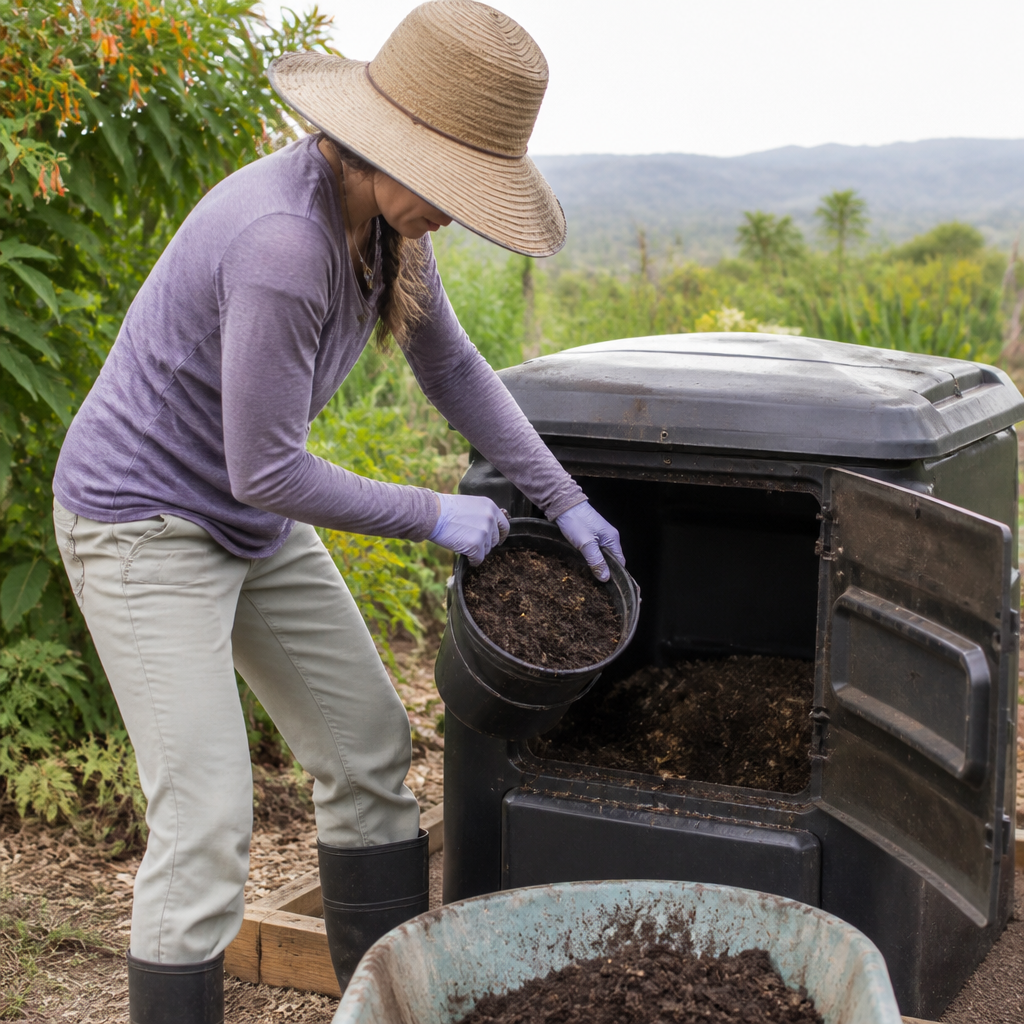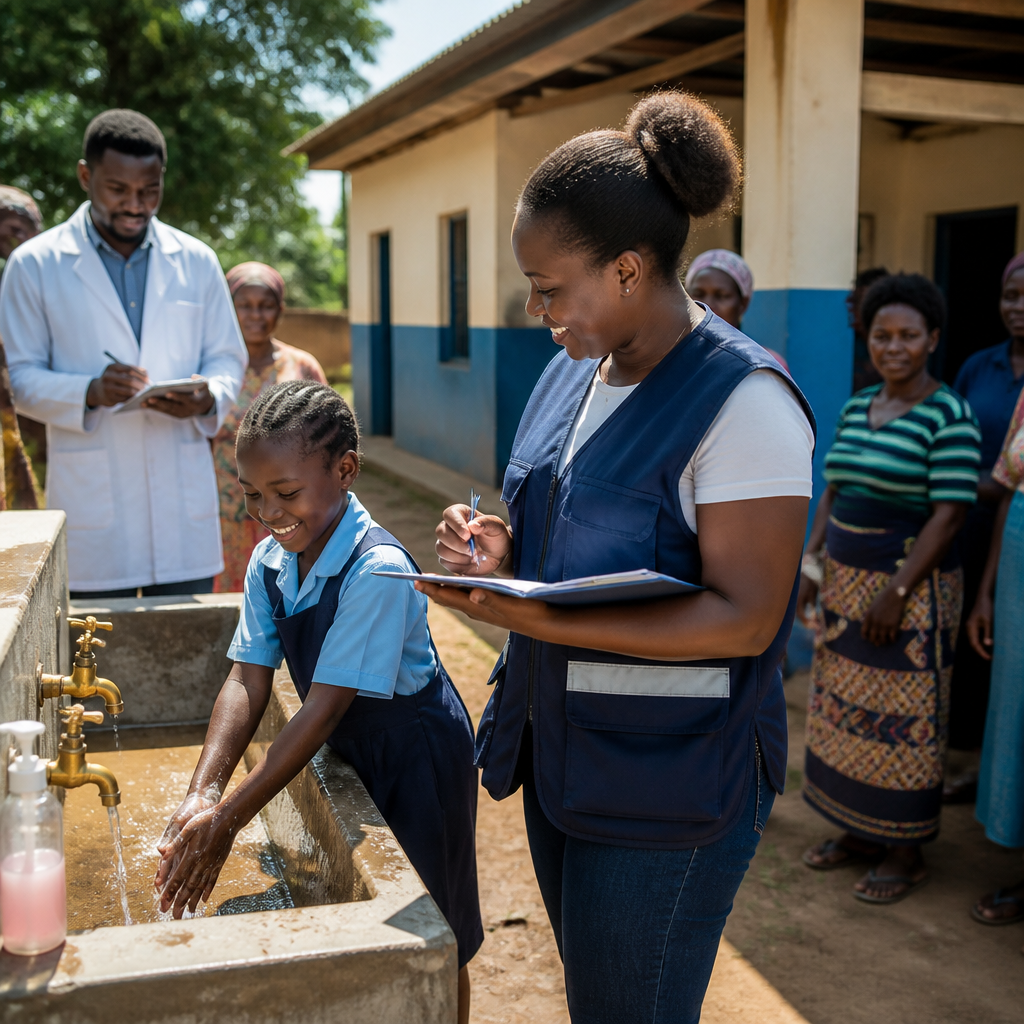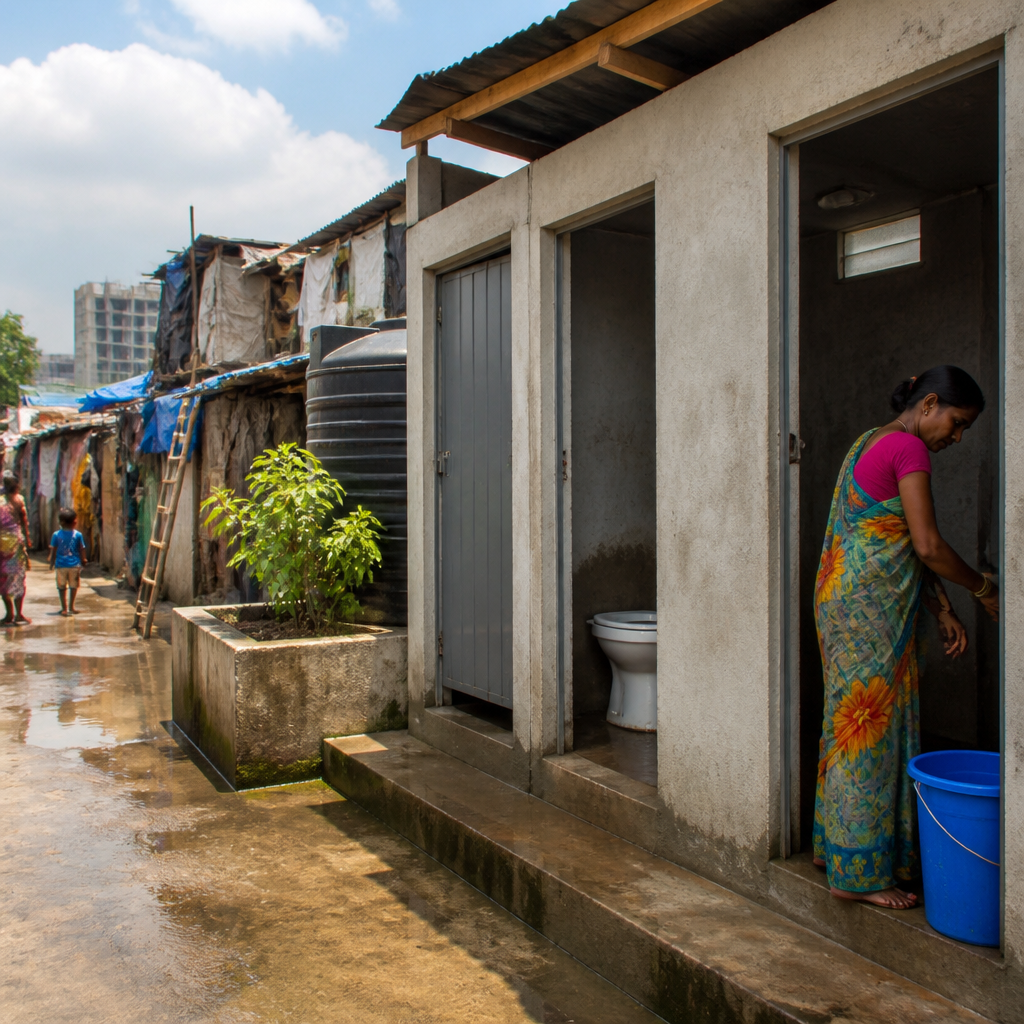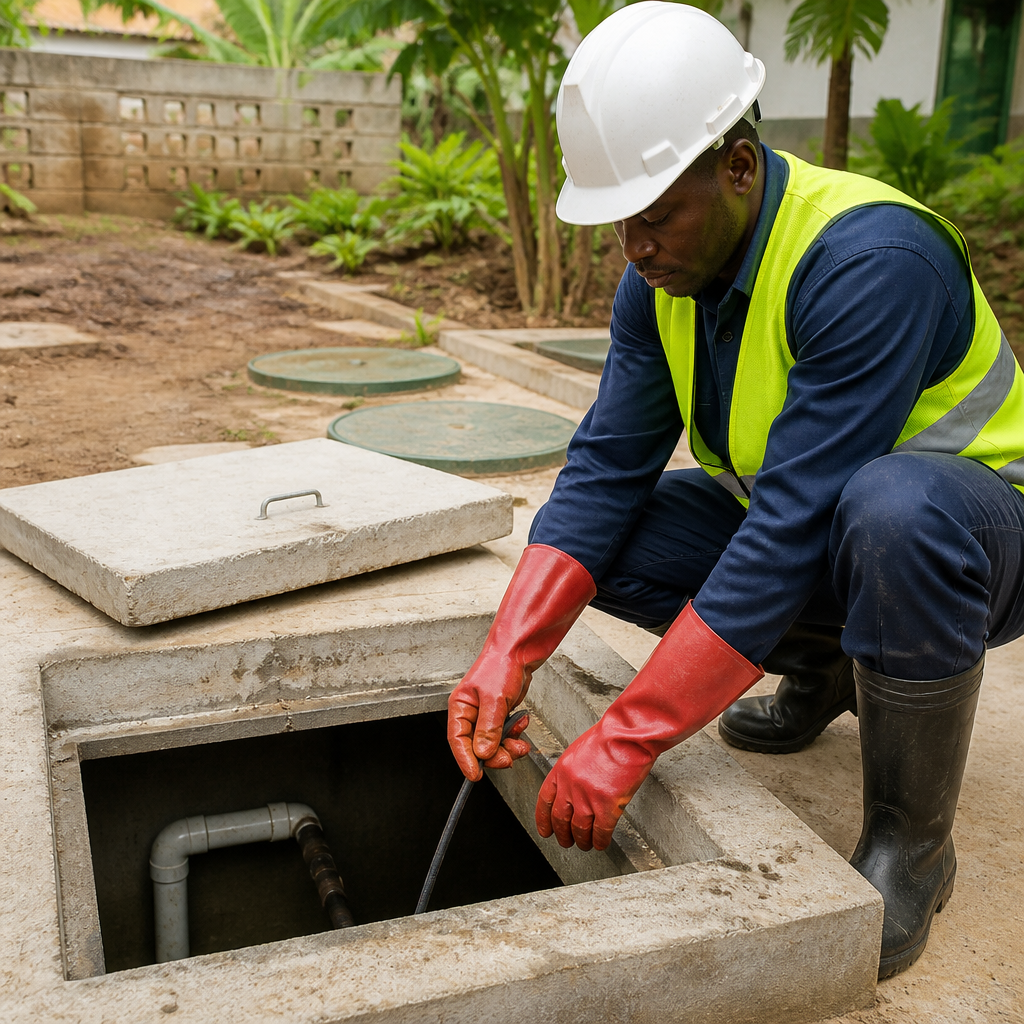
Assuring safety in decentralized sanitation systems starts with recognizing that toilets, treatment units, storage chambers, and reuse practices are part of a public health chain, not isolated pieces of hardware. In EcoSan, or ecological sanitation, that chain is designed to protect health while recovering value from human waste through nutrient reuse, water conservation, and localized treatment. Decentralized sanitation systems include urine-diverting dry toilets, composting toilets, septic tanks, container-based sanitation, biogas digesters, small-bore sewers, constructed wetlands, and neighborhood fecal sludge treatment units. Safety and wellness in EcoSan means controlling pathogens, chemicals, vectors, odors, structural hazards, and user behavior at every step, from toilet use to transport, treatment, storage, and agricultural application. This matters because failures in sanitation do not stay local: they contaminate groundwater, spread diarrheal disease, expose workers, undermine trust, and can turn a promising sustainability project into a health liability.
I have seen technically sound systems fail because project teams focused on nutrient recovery or low water use while treating safety as an afterthought. A urine-diverting toilet with poor user instructions quickly develops cross-contamination. A composting chamber without moisture control stops sanitizing and becomes a fly nursery. A well-built sludge drying bed becomes dangerous if workers lack gloves, handwashing stations, and a defined unloading procedure. On the other hand, decentralized systems can be exceptionally safe when they are managed with the same discipline used in drinking water, food handling, and occupational health. The core idea is simple: identify hazards early, build barriers against exposure, verify performance, and make safe use easier than unsafe use. For anyone planning, operating, regulating, or funding EcoSan, this hub explains the practices that keep decentralized sanitation systems protective, credible, and genuinely health promoting.
Understand the main safety risks across the sanitation chain
The first step in assuring safety in decentralized sanitation systems is to map hazards by stage. At the user interface, the risks include direct contact with feces or urine, slips on wet floors, poor lighting, child access to vaults, and aerosol exposure during cleaning. In storage and collection, common hazards are overfilled containers, manual lifting injuries, puncture wounds from sharps, and vector breeding in uncovered or damp material. During transport, spills, leaking hoses, unstable carts, and route contamination become the main concerns. Treatment introduces its own risks: incomplete pathogen die-off, methane buildup in confined spaces, exposure to ammonia, hydrogen sulfide, or lime dust, and unstable structures around tanks and pits. Reuse adds another layer, including unsafe crop selection, excessive nutrient application, and contact between incompletely treated products and food.
Pathogens remain the central public health concern. Human excreta can carry bacteria such as Salmonella and pathogenic Escherichia coli, viruses including rotavirus and hepatitis A, protozoa such as Giardia, and helminths including Ascaris lumbricoides. Helminth eggs are especially important in EcoSan because they are persistent and resistant to many environmental stresses. A system that looks dry and clean can still be unsafe if treatment time, pH, temperature, or dehydration are inadequate. Chemical hazards also matter. Urine and fecal products may contain pharmaceuticals, cleaning agents, heavy metals from industrial discharges, or excess salts. In most household EcoSan contexts, pathogen control is the priority, but chemical screening becomes important where source separation is weak or wastewater receives mixed inputs from workshops, clinics, or small industries.
A practical way to think about risk is exposure, not just presence. Hazard exists when dangerous organisms or substances are present; risk rises when people can touch, inhale, ingest, or spread them. That distinction helps teams prioritize controls. A sealed, intact urine tank presents lower immediate risk than an overflowing feces vault, even though both contain contaminants. Likewise, a compost pile under controlled conditions is safer than partially dried sludge stored open to rain. The sanitation chain is only as safe as its weakest transfer point, which is why hub planning must connect toilet design, worker protection, treatment verification, and end-use rules rather than handling each topic separately.
Design toilets and containment systems for inherently safer use
Safe EcoSan begins with design choices that reduce mistakes. Urine-diverting dry toilets work best when the pedestal or squatting pan clearly separates urine from feces, splash is minimized, and anal cleansing materials have an obvious disposal route. If users are confused about where to place water, ash, toilet paper, or menstrual products, cross-contamination is almost guaranteed. In projects I have supported, the most reliable installations used intuitive geometry, clear pictograms, washable surfaces, screened vents, and access doors that operators could open without entering the chamber. Child-friendly features, handrails, stable steps, and privacy locks improve both safety and acceptance. Toilets that feel unsafe or inconvenient will be bypassed, and open defecation or informal dumping immediately defeats the health objective.
Containment must keep waste where it belongs under realistic conditions, not just on a drawing. Chambers need proper lining, water protection, and structural stability for the local soil and rainfall pattern. In flood-prone areas, raised units and sealed storage prevent infiltration and overflow. In dense urban settings, container-based systems can outperform pits because they eliminate seepage and make collection predictable, but only if exchange schedules are reliable. Ventilation is another overlooked safety feature. A well-designed vent stack with fly screen reduces odor, moisture, and insects, while also lowering user aversion. For septic or biogas components, access covers should be secure, labeled, and not easily opened by children. Confined-space entry around tanks demands strict controls because oxygen depletion and toxic gases can kill within minutes.
Materials and maintainability are as important as layout. Rough floors, unsealed joints, and absorbent surfaces hold contamination and complicate cleaning. Corrosion-resistant fittings, robust hinges, and easy-to-wash wall finishes reduce failure points. Standardization helps too. When a municipality or enterprise uses a small set of proven toilet and container models, operator training, spare parts management, and inspection become easier. Safety in decentralized sanitation systems is improved when the equipment supports routine behavior: containers sized for one person to handle safely, lids that lock positively, drains that prevent standing water, and doors that can be cleaned without disassembly. Good design does not eliminate management needs, but it narrows the range of ways a system can become dangerous.
Control pathogens through treatment, storage, and verification
EcoSan is safe only when treatment objectives are explicit. Drying, composting, alkaline treatment, anaerobic digestion, and long-term storage each work through different mechanisms, and each has limits. Dehydration lowers water activity and can reduce pathogen survival, but moisture intrusion from rain or urine carryover can stop progress. Thermophilic composting can inactivate many pathogens effectively, yet only if temperature, oxygen, carbon balance, and turning are controlled. Lime or ash can raise pH and support die-off, but field application rates vary and should not be guessed. Anaerobic digestion produces energy and stabilizes solids, but mesophilic digesters do not automatically guarantee full pathogen reduction. Storage time is therefore critical, particularly for fecal matter and biosolids intended for reuse.
International guidance offers useful reference points. The World Health Organization promotes a multiple-barrier approach for safe use of wastewater, excreta, and greywater, combining treatment with handling controls, crop restrictions, and hygiene measures. ISO 30500 for non-sewered sanitation systems sets performance expectations for liquid and solid outputs, including microbiological criteria. National fecal sludge and biosolids standards, where available, should guide local targets. In practice, operators need simple operational indicators they can actually monitor: moisture content, temperature profile, storage duration, pH, cover material use, and signs of vector activity. Laboratory testing for helminth eggs, fecal coliforms, or E. coli is valuable, especially for validation, but daily safety depends on disciplined process control.
| Control point | What to verify | Why it matters |
|---|---|---|
| Toilet interface | Correct urine diversion, no visible leakage, cover material available | Reduces moisture, odor, flies, and direct contact |
| Storage chamber | Dry conditions, secure access, recorded fill and resting dates | Supports die-off and prevents accidental exposure |
| Treatment unit | Temperature or pH targets met, mixing protocol followed | Confirms the process is actually sanitizing material |
| Collection and transport | Closed containers, spill kit present, route and unloading procedure defined | Protects workers and the surrounding environment |
| Reuse site | Approved crops, application timing, handwashing and PPE available | Breaks the pathway from residual hazards to people |
Verification should be proportionate but never symbolic. If a project claims compost sanitization, it should document temperatures and retention time, not rely on appearance alone. If dehydrated feces are stored for pathogen reduction, operators should record chamber closure dates and protect material from rewetting. If urine is reused as fertilizer, dilution and application methods should minimize leaf contact and aerosolization, and storage protocols should reflect expected pathogen risks. The goal is not perfection; it is evidence that the chosen barriers are working. That evidence protects communities, strengthens regulation, and makes decentralized sanitation defensible in schools, housing projects, clinics, and agricultural programs.
Protect workers and users with hygiene, training, and operations management
Most sanitation injuries happen during routine work, not during extraordinary incidents. Workers emptying vaults, exchanging containers, cleaning toilet slabs, or moving partially treated material face repeated low-level exposure that accumulates over time. Effective programs therefore start with standard operating procedures. Every task should define tools, sequence, required personal protective equipment, hand hygiene points, disinfection steps, and what to do after a spill. At minimum, teams handling excreta need gloves appropriate to the task, sturdy boots, dedicated work clothing, eye protection when splashes are possible, and soap plus running water or a reliable hand hygiene alternative. Vaccination against tetanus and hepatitis A is strongly recommended where exposure risk is sustained, and some contexts also justify typhoid vaccination based on local epidemiology and medical advice.
Training must be practical and repeated. One induction session is not enough because staff turnover is common and unsafe shortcuts appear when schedules tighten. The best training I have observed uses the actual toilet, actual containers, and actual routes rather than classroom-only presentations. Workers practice sealing lids, lifting with neutral posture, placing absorbent material after a spill, and removing gloves without contaminating their hands. Supervisors check compliance quietly but consistently. User training matters just as much. Households need simple rules: where urine goes, when to add cover material, what never goes into the chamber, how to report a full unit, and why handwashing after toilet use remains non-negotiable even when the toilet looks dry and clean.
Operations management ties everything together. Collection frequency should match fill rates, not administrative convenience. Spare containers, ash or bulking agents, soap, and cleaning supplies need buffer stock. Complaint systems should be easy to use and fast to resolve because odors, flies, and service delays are early warning signs of safety decline. Recordkeeping does not need to be complicated; a shared logbook or mobile form can track fill dates, pickups, maintenance actions, incidents, and training completion. When managers review those records weekly, they can spot patterns before they become outbreaks or accidents. Safety and wellness in EcoSan is operational discipline made visible in everyday tasks.
Manage reuse safely to protect food, soil, water, and community trust
Resource recovery is one of EcoSan’s strongest advantages, but reuse is where public confidence is won or lost. Treated urine and sanitized fecal products can support agriculture by returning nitrogen, phosphorus, potassium, and organic matter to soil. Yet safe reuse depends on matching product quality to crop type, application method, and timing. Urine is usually best applied close to the soil, not sprayed over edible leaves. Fecal compost or dehydrated material should be incorporated in ways that limit direct human contact and runoff. Crops eaten raw deserve stricter controls than orchards, timber, fodder, or soil-building plantings. In many settings, using recovered products first on non-food crops or demonstration plots is the smartest way to build evidence and acceptance.
Water protection is equally important. Nutrient reuse is not automatically sustainable if application exceeds crop demand or occurs before heavy rain. Excess nitrogen can leach to groundwater as nitrate, and phosphorus can drive eutrophication in ponds and streams. Setback distances from wells, drainage channels, and homes should be respected, and reuse should pause when soils are saturated. Social factors matter too. Communities need transparent information about what treatment has occurred, what the product is called, who uses it, and on which crops. Euphemisms create suspicion. Clear labeling, visible protective practices, and demonstration results make a stronger case. When people see that operators measure storage time, restrict crop use, and wash equipment properly, confidence rises.
The broader benefit of this discipline is resilience. Decentralized systems can expand sanitation in water-scarce areas, informal settlements, peri-urban fringes, schools, parks, and remote institutions where sewers are impractical or unaffordable. They can reduce freshwater use, lower conveyance costs, and create local fertilizer value. But those benefits hold only when safety is designed, managed, verified, and communicated from the start. The most successful EcoSan programs treat health protection as the core product and resource recovery as the added value. If you are building a health and safety hub for EcoSan, use this article as the foundation, then develop linked guidance on pathogen control, worker PPE, toilet design, fecal sludge handling, reuse standards, monitoring plans, and emergency response so every part of the sanitation chain stays protective.
Frequently Asked Questions
1. What does “safety” really mean in decentralized sanitation systems?
In decentralized sanitation, safety means much more than whether a toilet or treatment unit appears clean or functions mechanically. It means the entire sanitation chain—from user interface and containment to storage, treatment, transport, handling, and final reuse or disposal—must consistently reduce health risks for households, workers, and the surrounding environment. Toilets, composting chambers, septic tanks, urine-diverting systems, and reuse practices are all connected parts of one public health system. If one step fails, pathogens can move into soil, water, food crops, hands, tools, or living spaces.
In practical terms, a safe system prevents contact with fecal pathogens, protects groundwater and surface water from contamination, controls odors and vectors such as flies, and ensures that any recovered products are handled in a way that does not spread disease. For EcoSan systems in particular, safety also includes making sure resource recovery is done responsibly. Nutrients can be valuable, but they should only be returned to soil under conditions that minimize biological hazards. A well-designed decentralized system does not just collect waste locally; it treats and manages it so public health protection remains the first priority at every stage.
2. How can EcoSan systems recover nutrients and conserve water without compromising public health?
EcoSan systems are built around the idea that human waste contains recoverable resources, especially nutrients such as nitrogen, phosphorus, and potassium, and that water should be used efficiently rather than wasted in transport. However, safe resource recovery depends on separation, treatment, and disciplined handling. For example, urine-diverting dry toilets keep urine and feces apart, which can make treatment easier and reduce odors, moisture, and pathogen persistence in the solid fraction. Composting or dehydration chambers are then managed to create conditions that lower pathogen survival over time.
Public health protection comes from combining appropriate technology with proper operation. That includes correct use by households, keeping chambers dry when required, allowing adequate storage or treatment time, preventing cross-contamination, and using protective equipment during maintenance and emptying. Recovered materials should only be reused according to local health guidance and agricultural best practices. In many settings, this means applying treated products to non-food crops, trees, or soils first, or using additional safeguards such as restricted crop types, soil incorporation, and withholding periods before harvest. Water conservation and nutrient recovery are genuine benefits of EcoSan, but they only remain beneficial when treatment performance and user behavior are treated as seriously as the engineering itself.
3. What are the main health risks in decentralized sanitation systems, and how can they be controlled?
The primary health risks come from exposure to pathogens in human excreta, including bacteria, viruses, protozoa, and helminths. Exposure can occur through direct contact during toilet use, cleaning, pit or chamber emptying, sludge transport, leaks from septic tanks, runoff from poorly managed systems, or unsafe agricultural reuse. Secondary risks include contamination of drinking water sources, vector breeding, foul odors that signal poor containment, and unsafe work conditions for operators and service providers. In systems that are intended to recover resources, there is also the added risk that users may assume all recovered material is automatically safe, when in fact treatment quality can vary widely.
Risk control starts with strong containment and continues through every downstream step. Toilets should be designed to minimize splashing and user contact, treatment units should be sized and located correctly, and storage chambers should prevent leakage and unauthorized access. Septic tanks require regular desludging and appropriate soakaway or effluent management. Composting and drying systems require moisture control, retention time, and disciplined operation. Safe emptying, transport, and treatment services are essential because many health failures happen after waste leaves the toilet. Finally, monitoring, user education, hand hygiene, and clear reuse rules are critical controls. The most reliable approach is to think in terms of multiple barriers: no single feature guarantees safety, but a series of protective steps makes the overall system far more resilient.
4. Are decentralized sanitation systems as safe as conventional sewered systems?
They can be, but safety depends on design quality, operation, oversight, and service arrangements rather than on whether a system is centralized or decentralized. Conventional sewer networks are often seen as the benchmark because they remove waste from the household quickly, but they also rely on uninterrupted conveyance, treatment plant performance, and proper sludge management. If sewers leak, overflow, or discharge untreated wastewater, they can pose serious public health and environmental risks. Decentralized systems, by contrast, manage waste closer to where it is generated, which can reduce water demand, lower infrastructure costs, and enable local reuse. But because treatment and handling happen in many smaller locations, the system is only as safe as its weakest link.
Well-managed decentralized sanitation can provide a high level of health protection, especially in areas where sewer expansion is impractical, too expensive, or environmentally unsuitable. The keys are standardization, regular inspection, operator training, clear household guidance, and reliable fecal sludge or solids management services. In other words, decentralized sanitation should not be treated as a “low oversight” option. When communities, utilities, local governments, and private service providers establish clear responsibilities for maintenance, emptying, treatment verification, and reuse control, decentralized systems can be both safe and sustainable. The comparison should not be idealized sewerage versus real-world decentralized systems; it should be based on which approach can actually be managed safely under local conditions.
5. What best practices help ensure long-term safety in toilets, treatment units, storage chambers, and reuse activities?
Long-term safety depends on treating decentralized sanitation as an ongoing service, not a one-time construction project. At the household level, users need clear instructions on correct toilet use, what can and cannot be added to the system, and how to recognize signs of malfunction such as persistent odor, insect activity, wet composting chambers where dryness is required, or backups in septic systems. Toilets and access points should be easy to clean, child-safe, and designed to reduce accidental contact. Regular inspections help catch structural cracks, poor sealing, blocked ventilation, or leakage before they become public health hazards.
At the system level, best practices include matching technology to soil conditions, groundwater depth, climate, user preferences, and maintenance capacity. Storage chambers should be sized for sufficient retention time, treatment units should be operated according to manufacturer or design guidance, and desludging schedules should be planned rather than delayed until failure. Workers who empty or transport waste should have training, protective gear, and access to hygienic disposal or treatment facilities. Where reuse is part of the model, treated materials should be applied with documented safety procedures, restricted to appropriate uses when needed, and supported by local health and agricultural regulations. Perhaps most importantly, communities should build accountability into the system: who inspects, who empties, who treats, who verifies safety, and who educates users. When those responsibilities are clear, decentralized sanitation is far more likely to remain safe over time.