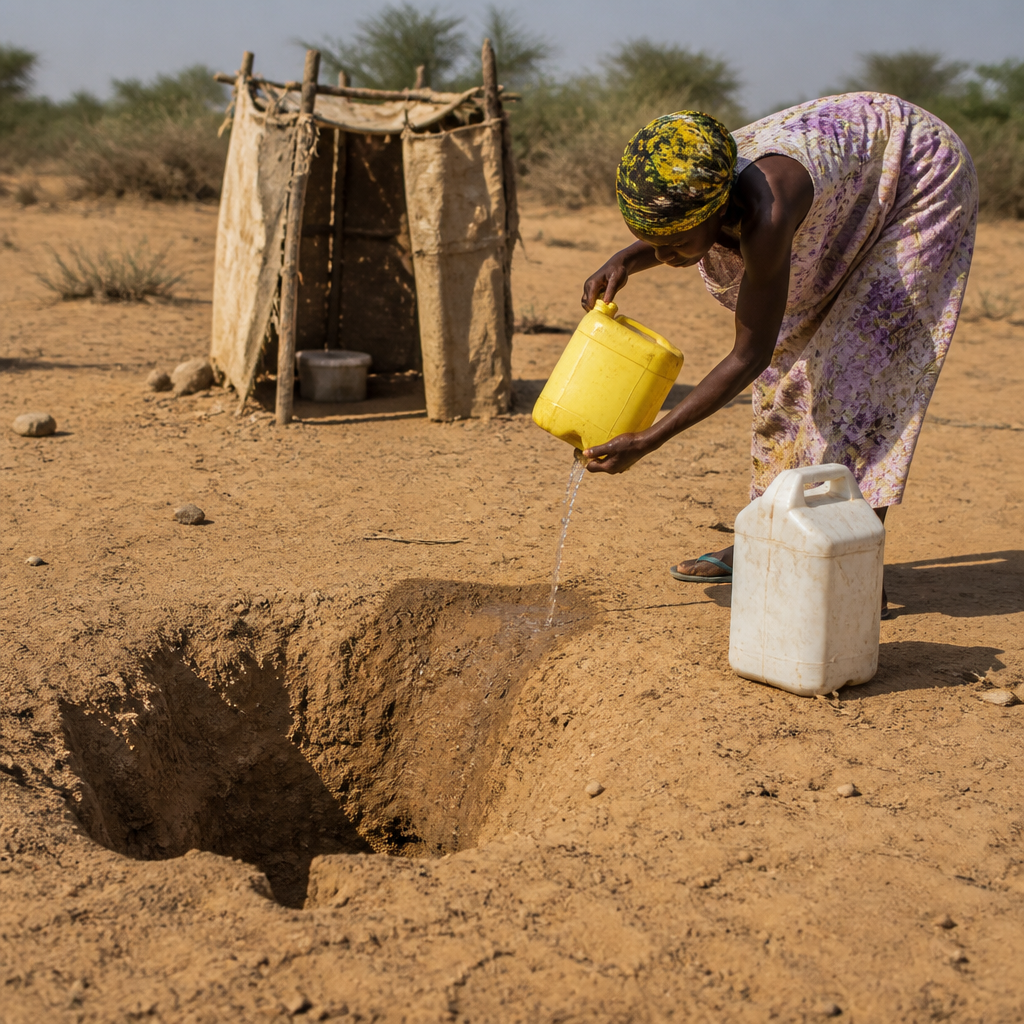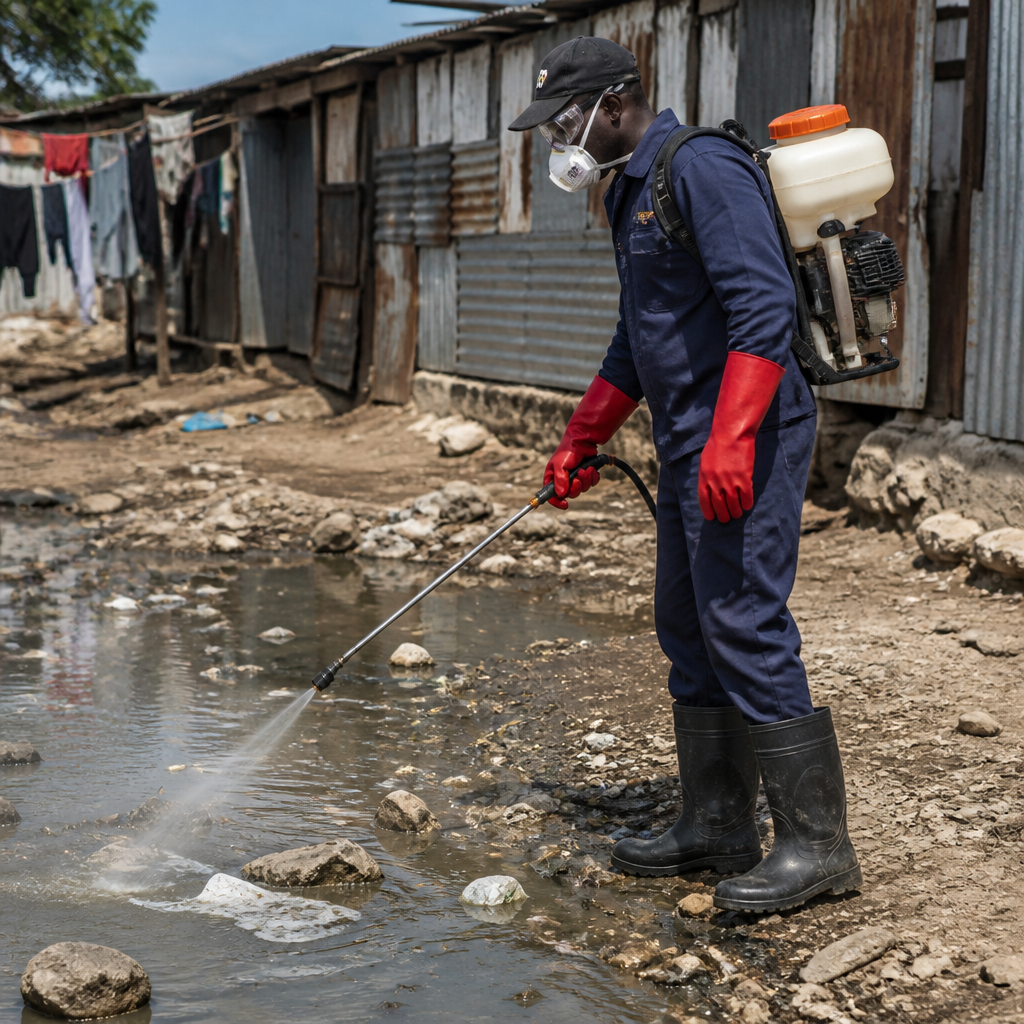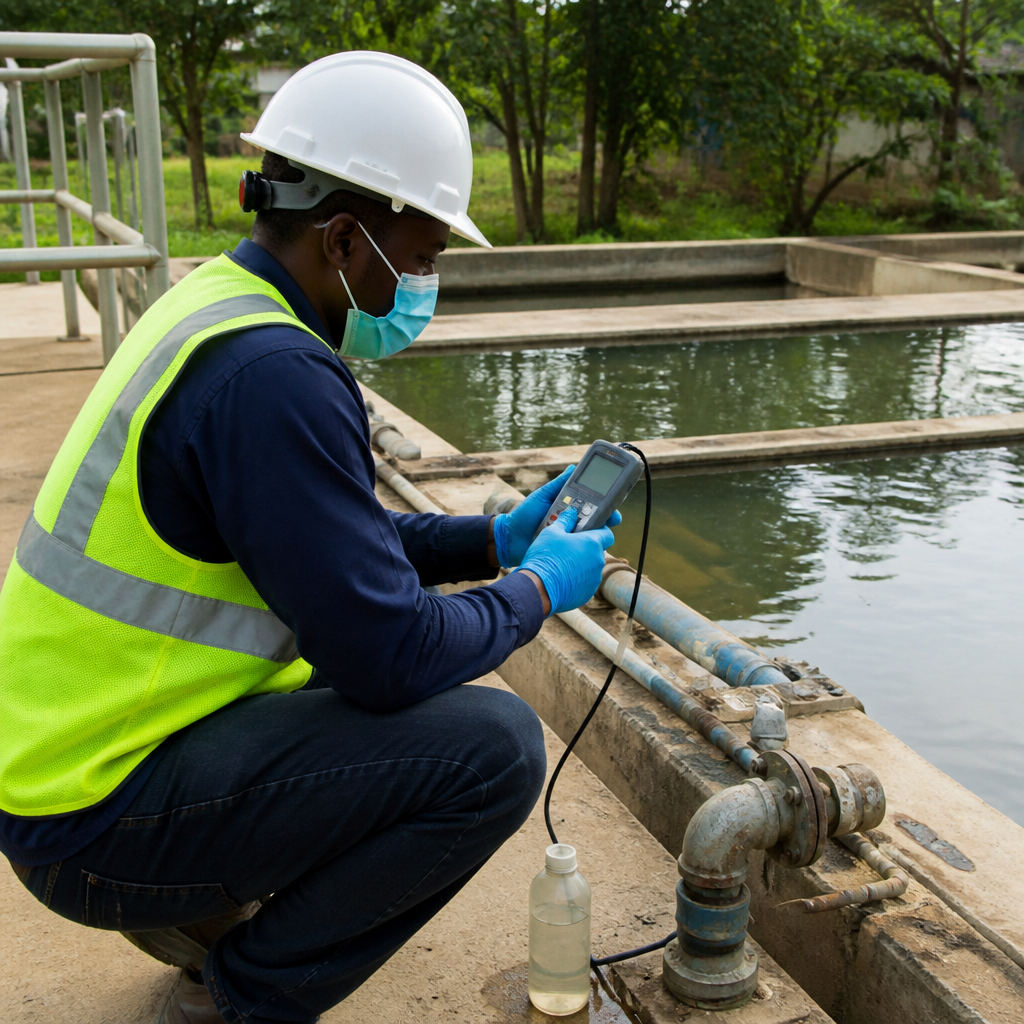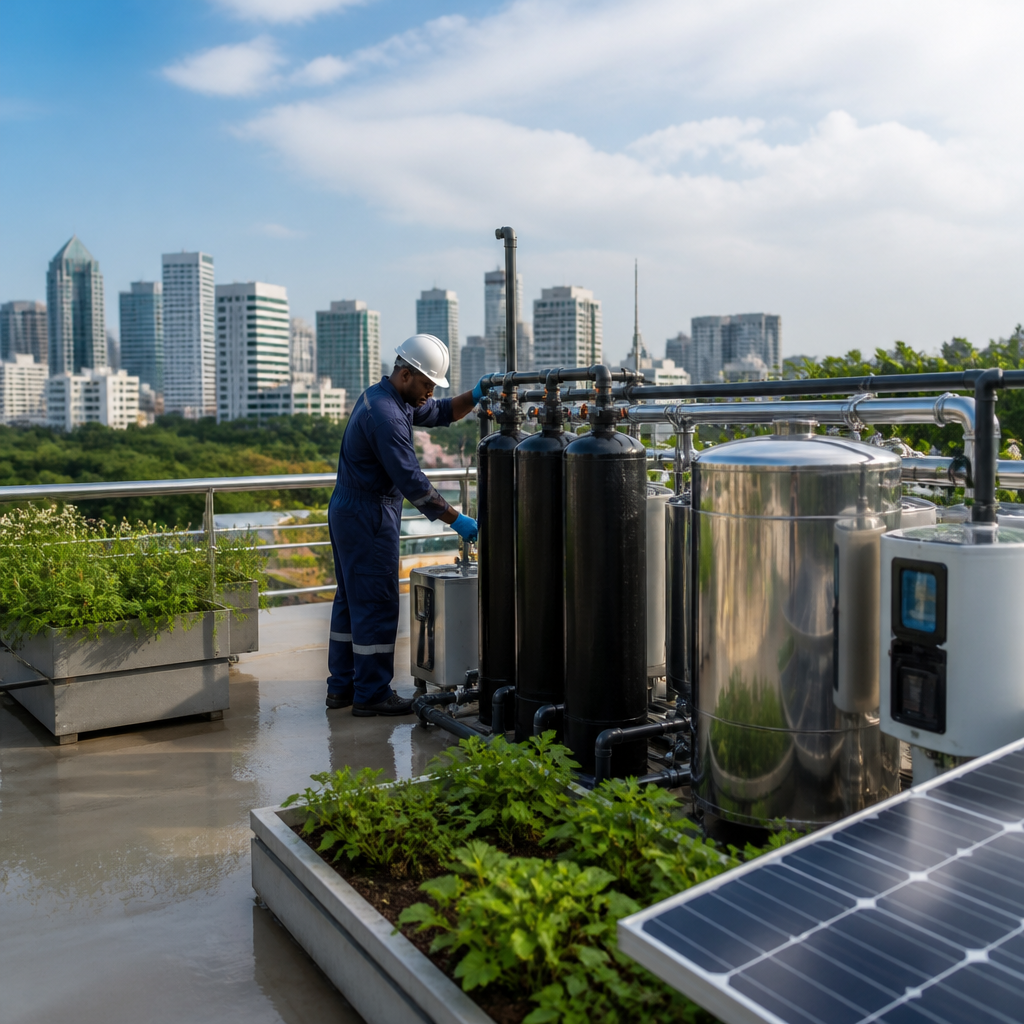
Future trends in sanitation for health and safety are reshaping how communities, employers, builders, and public agencies think about disease prevention, worker protection, and environmental performance at the same time. In EcoSan, short for ecological sanitation, waste is treated as a resource stream rather than a disposal problem, and that change in mindset affects safety and wellness at every level. I have worked on sanitation planning discussions where the first question used to be where waste goes after flushing; now the better question is how a sanitation system protects people, recovers value, and reduces long-term risk. That shift matters because sanitation failures still drive diarrheal disease, pathogen exposure, unsafe working conditions, groundwater pollution, and odor complaints that undermine public trust. Safe sanitation is not only about toilets. It includes collection, containment, transport, treatment, reuse, cleaning protocols, monitoring, user behavior, and emergency response. Wellness adds another layer: a good system supports dignity, accessibility, indoor air quality, menstrual hygiene, mental comfort, and equitable access for children, older adults, sanitation workers, and disabled users. As cities face climate stress, water scarcity, stricter regulations, and pressure to cut emissions, ecological sanitation is moving from niche practice to practical strategy. The future of sanitation for health and safety will be defined by smarter treatment, better exposure control, data-driven maintenance, stronger standards, and designs that work in schools, homes, healthcare sites, job sites, and dense urban settings. This article explains the major trends shaping safety and wellness in EcoSan, why they matter, where they work best, and what organizations should prioritize next.
Why EcoSan Is Becoming Central to Health and Safety
Ecological sanitation is a system approach that separates, treats, and reuses human waste, graywater, or organic byproducts in ways that protect health and conserve resources. The core health objective is simple: break the chain of infection by preventing human contact with pathogens such as E. coli, Salmonella, norovirus, helminths, and enteric viruses. The safety objective is broader: reduce slips, aerosols, chemical exposure, confined-space hazards, musculoskeletal strain, and failures caused by flooding or power loss. In practice, EcoSan systems can include urine-diverting dry toilets, composting toilets, decentralized wastewater treatment, container-based sanitation, blackwater treatment with anaerobic digestion, and nutrient recovery technologies that produce fertilizer inputs. These systems matter because conventional sewer expansion is expensive, water intensive, and in many regions too slow to close service gaps. The World Health Organization and UNICEF Joint Monitoring Programme has repeatedly shown that safely managed sanitation remains uneven globally, especially in informal settlements, schools, and emergency settings. Even where infrastructure exists, poor maintenance creates preventable risk.
From direct field experience, the strongest EcoSan projects succeed when they are designed around user safety first, not only environmental goals. For example, a composting toilet may save water, but if vault access is awkward, ventilation is poor, or emptying intervals are unrealistic, the result can be worker exposure and user dissatisfaction. A decentralized treatment unit may recover nutrients, but if operators are not trained on lockout procedures, chemical dosing, and personal protective equipment, health and safety performance will fail. Future-ready sanitation therefore requires integrated design: hygienic interfaces, sealed transfer points, clear signage, safe maintenance zones, odor control, handwashing access, and routine verification that treatment targets are being met. The trend is toward systems that make the safe behavior the easiest behavior.
Smarter Treatment Technologies and Pathogen Control
The most important future trend in sanitation is not novelty for its own sake; it is more reliable pathogen reduction under real operating conditions. Effective EcoSan systems increasingly combine source separation with treatment barriers. Urine diversion reduces fecal volume, limits odors, and supports nutrient recovery, while fecal solids can be composted, dehydrated, pasteurized, or treated by thermophilic processes. The safety question is whether the treatment consistently reaches validated endpoints. Standards and guidance from the World Health Organization, ISO sanitation standards, and national biosolids frameworks all point in the same direction: treatment claims must be tied to measurable performance, not assumptions. Temperature, retention time, moisture content, pH, and operator consistency all affect pathogen die-off.
Emerging systems are using embedded sensors to track those variables continuously. In decentralized units, operators can monitor tank levels, oxidation-reduction conditions, temperature curves, and ventilation rates remotely rather than waiting for failure reports. That reduces overflow events and catches treatment drift before unsafe material is handled or reused. In one planning review I participated in, remote fill-level sensors in container-based sanitation cut missed pickups and emergency servicing because route planning matched actual use patterns. Similar gains are appearing in schools and parks where low-maintenance dry systems were once considered unreliable. Advanced membranes, electrochemical disinfection, ultraviolet polishing, and modular pasteurization units are also improving point-of-use and neighborhood-scale treatment. These options are not interchangeable. Membranes need fouling management, UV depends on low turbidity, and thermal systems require dependable energy inputs. The trend is careful matching of technology to context, with safety margins built into operation and maintenance plans.
Worker Safety Will Drive Better System Design
Sanitation workers face some of the highest routine biological exposure risks in the public health chain, yet future sanitation planning is finally starting to center their protection. In EcoSan, this means designing collection and treatment steps that reduce manual contact, awkward lifting, aerosol generation, and unplanned spills. Containerized systems with sealed cartridges, wheeled transfer units, quick-connect hoses, and dedicated washdown stations can substantially lower exposure compared with ad hoc emptying methods. Mechanical assists matter as much as treatment technology. A safe toilet that becomes dangerous during servicing is not a safe sanitation system.
Occupational health practices are also becoming more precise. Programs increasingly specify glove material, respirator type, splash protection, hepatitis and tetanus vaccination policies, hand hygiene sequence, laundering controls, and decontamination of tools and vehicle interiors. Confined-space entry rules, common in utilities, are becoming more relevant to decentralized treatment vaults and storage tanks. Good employers now use job hazard analyses and standard operating procedures for desludging, compost handling, reagent storage, and emergency spill cleanup. Training is moving beyond annual lectures toward short task-based refreshers supported by pictograms and mobile checklists. This matters because sanitation incidents are usually operational failures, not conceptual ones. When systems are designed for low-contact servicing and workers are equipped like essential health infrastructure staff, injury and infection risk falls sharply.
Data, Standards, and Verification Are Replacing Assumptions
Another major trend is the move from presumed safety to verified safety. For years, many sanitation projects were judged by installation counts, not by whether they delivered sustained hygienic performance. That is changing. Regulators, funders, and facility managers increasingly want proof that systems control exposure, meet treatment goals, and remain usable over time. The most credible EcoSan programs track a practical set of indicators: user access, handwashing availability, downtime, odor complaints, vector presence, fill levels, treatment temperature, moisture, effluent quality where relevant, and frequency of unsafe handling events.
Verification depends on clear standards. In buildings, organizations often align sanitation planning with occupational safety requirements, accessibility rules, plumbing codes, and infection prevention guidance. In treatment and reuse, risk-based approaches drawn from Sanitation Safety Planning and Hazard Analysis and Critical Control Point methods are especially useful. They force teams to identify where contamination can occur, what control measures are critical, how limits will be monitored, and what corrective action is required when a process drifts. Named tools such as digital maintenance management platforms, QR-coded inspection logs, and GIS-based asset mapping are making decentralized sanitation more auditable. The real benefit is trust. When school administrators, health inspectors, and nearby residents can see maintenance records and performance checks, acceptance of EcoSan rises because the system is no longer a black box.
Design for Wellness, Dignity, and User Behavior
Health and safety in sanitation are often undermined by a design mistake: assuming users will tolerate inconvenience if the system is environmentally sound. They will not, and they should not. Future sanitation design is putting wellness factors on equal footing with treatment performance. That includes privacy, lighting, ventilation, acoustics, menstrual hygiene disposal, handwashing within immediate reach, child-friendly dimensions, and layouts that support users with limited mobility. In schools and workplaces, these details determine whether people hydrate properly, wash hands consistently, and report faults early.
User-centered EcoSan also improves infection control. Toilets that are easier to clean, with smooth surfaces, touch-minimized hardware, and durable finishes, reduce microbial persistence and maintenance burden. Better ventilation reduces moisture, odors, and perceived uncleanliness, all of which influence whether people use facilities as intended. Clear instructions matter especially with urine-diverting systems, where incorrect use can compromise separation and create blockages. In projects I have reviewed, the facilities with the best long-term outcomes paired physical design with onboarding: simple signs, caretaker walkthroughs, and fast response when users reported a problem. Wellness is measurable. Lower absenteeism, higher user satisfaction, better cleanliness scores, and fewer bypass behaviors such as open defecation or off-system dumping are direct indicators that sanitation is supporting health rather than merely existing on paper.
Where Future EcoSan Trends Are Headed
The next generation of ecological sanitation will be shaped by practical decisions about context, maintenance capacity, water availability, and acceptable risk. The strongest options are not universally best; they are best for specific conditions. The table below summarizes where current trends are moving.
| Trend | Primary Health and Safety Benefit | Best-Fit Settings | Main Limitation |
|---|---|---|---|
| Urine-diverting dry toilets | Reduces fecal volume, odors, and water demand | Water-scarce schools, parks, remote housing | Needs strong user instruction and periodic maintenance |
| Container-based sanitation | Limits direct handling through sealed collection | Dense settlements, temporary sites, emergency response | Requires dependable pickup logistics and service discipline |
| Sensor-enabled decentralized treatment | Detects failures early and supports verified performance | Campuses, clinics, multifamily sites, resorts | Needs power, connectivity, and trained operators |
| Thermal treatment and pasteurization | Provides strong pathogen reduction for reuse pathways | Resource recovery hubs, institutional systems | Energy demand and process control must be managed |
| Nutrient recovery from urine and biosolids | Turns waste into fertilizer inputs while reducing disposal loads | Agricultural regions, circular economy projects | Quality assurance and regulatory acceptance are essential |
Climate resilience will influence all of these choices. Systems in flood-prone areas need elevated components, ingress protection, and overflow controls. Hotter climates change decomposition rates and odor profiles. Drought increases the value of waterless or low-water designs, while severe storms make decentralized redundancy attractive because a single network failure affects fewer users. Another clear trend is modularity. Instead of waiting years for large infrastructure projects, organizations are deploying units that can scale stepwise, be relocated, or be upgraded as demand changes. That flexibility is particularly valuable in fast-growing peri-urban areas, construction camps, healthcare outreach settings, and disaster recovery operations.
How Organizations Should Build a Safer EcoSan Hub Strategy
For a health and safety program, the best EcoSan strategy starts with risk mapping rather than product selection. Identify who uses the facility, who services it, what pathogens or chemicals are relevant, how failures would be detected, and what local standards apply. Then evaluate sanitation options against five criteria: exposure control, usability, maintenance realism, resilience, and resource recovery potential. If any system depends on perfect behavior or heroic maintenance, it is the wrong system. Pilot testing is worth the time because small design details determine outcomes. Trial different handwashing placements, ventilation configurations, waste transfer methods, and signage before scaling.
Procurement should require documented service plans, spare parts availability, operator training, cleaning protocols, and measurable treatment targets. Include sanitation workers in design reviews; they will identify access problems that planners miss. Build internal links across environmental health, facilities, occupational safety, and sustainability teams so no critical duty falls between departments. Finally, communicate sanitation as essential health infrastructure, not an afterthought. The organizations seeing the best results treat EcoSan as a hub topic that connects hygiene, infection prevention, water stewardship, worker safety, accessibility, and climate preparedness. That integrated view is the future. If you are updating your health and safety program, start by auditing your current sanitation risks, then prioritize the EcoSan improvements that protect users and workers first while building long-term environmental resilience.
Frequently Asked Questions
1. What are the most important future trends in sanitation for health and safety?
The most important trends are moving sanitation away from a narrow waste-disposal model and toward integrated systems that support public health, worker safety, and environmental performance together. One of the clearest shifts is the rise of ecological sanitation, often called EcoSan, which treats human waste and wastewater as resource streams that can potentially be recovered, processed, and safely reused rather than simply discarded. This approach changes planning priorities because it encourages communities, employers, builders, and public agencies to think about disease prevention, nutrient recovery, water conservation, and long-term resilience at the same time.
Another major trend is the use of decentralized and modular sanitation systems. Instead of relying entirely on large, centralized infrastructure, many future-ready sanitation strategies include localized treatment units, portable hand hygiene stations, on-site wastewater processing, and flexible designs that can serve construction sites, remote facilities, schools, healthcare settings, and rapidly growing communities. These systems can improve access, reduce environmental contamination, and help maintain operations during emergencies or infrastructure disruptions.
Digital monitoring is also becoming more important. Sensors, remote diagnostics, wastewater surveillance, and predictive maintenance tools can help identify failures early, track sanitation performance, and support faster public health response. In health and safety terms, this means better visibility into contamination risks, reduced equipment downtime, and stronger infection-control planning. At the same time, sanitation design is increasingly being linked with broader occupational health goals, such as reducing worker exposure during waste handling, improving ventilation and hygiene access, and designing safer cleaning and maintenance workflows. The future of sanitation is not just about cleaner facilities; it is about smarter systems that protect people more effectively.
2. How does ecological sanitation improve health and safety outcomes?
Ecological sanitation improves health and safety by changing how waste is managed from the very beginning. In a conventional system, waste is often treated as something to remove as quickly as possible, sometimes without enough attention to recovery, exposure control, or environmental spillover. EcoSan starts with a different premise: if waste streams are separated, contained, treated, and reused safely, they can create less pollution, reduce pathogen spread, and support healthier living and working environments. That shift can lead to better outcomes for sanitation workers, building occupants, communities, and the ecosystems that support public health.
From a disease-prevention standpoint, EcoSan can reduce contamination of soil, groundwater, and surface water when systems are well designed and properly maintained. That matters because poorly managed waste can contribute to gastrointestinal illness, parasitic infection, and broader environmental health burdens. By using controlled treatment processes and better source separation, ecological sanitation can limit direct and indirect exposure pathways. This is especially valuable in areas where conventional sewer systems are incomplete, aging, overloaded, or vulnerable to flooding.
Worker safety also benefits when systems are designed for safer handling, less manual contact, and more predictable treatment steps. For example, equipment and facilities can be planned to reduce splash risks, aerosol generation, confined-space hazards, and the need for emergency cleanups. EcoSan can also support safer resource recovery when there are clear treatment standards for composted biosolids, reclaimed water, or nutrient products. The key point is that ecological sanitation is not simply an environmental idea; it is a health and safety framework that addresses exposure reduction, sanitation access, system resilience, and sustainable performance together.
3. Why are employers and builders paying more attention to sanitation as part of workplace safety?
Employers and builders are paying closer attention because sanitation is now recognized as a core part of risk management, workforce protection, and regulatory readiness. Clean water, hygienic restrooms, handwashing access, waste containment, and safe cleaning practices are not secondary conveniences. They directly affect illness prevention, attendance, morale, productivity, and legal compliance. In industries such as construction, manufacturing, logistics, food handling, healthcare, education, and public works, sanitation conditions can influence everything from infectious disease transmission to heat stress management and chemical exposure during cleaning.
On job sites and in buildings, future sanitation planning is becoming more proactive. Builders are increasingly considering fixture layout, drainage, touchless technology, easy-to-clean surfaces, maintenance access, wastewater management, and occupancy patterns during design rather than treating sanitation as an afterthought. This matters because poorly designed sanitation spaces can create hidden hazards, including slip risks, mold growth, overcrowding, inadequate ventilation, and unsafe waste handling. Better design supports both routine hygiene and emergency response, especially during outbreaks or service interruptions.
For employers, sanitation is also tied to business continuity. A workplace that cannot maintain safe hygiene conditions may face absenteeism, operational disruption, complaints, reputational damage, or enforcement actions. As standards evolve, organizations are expected to show that they are managing sanitation systematically, not reactively. That includes maintenance schedules, staff training, PPE for sanitation workers, clear protocols for spill response, and regular evaluation of high-touch areas and wastewater-related risks. In short, sanitation is gaining attention because it is increasingly seen as essential infrastructure for protecting workers and keeping operations safe and functional.
4. What role will technology play in the future of sanitation for communities and public agencies?
Technology will play a major role, but its value lies in making sanitation systems more responsive, measurable, and resilient. For communities and public agencies, one of the biggest opportunities is the use of data-driven monitoring to improve decision-making. Sensors can track flow rates, overflow conditions, water quality indicators, fill levels, equipment status, and treatment performance in real time. This allows operators to identify failures before they become public health incidents, prioritize maintenance more efficiently, and reduce the chance of contamination events that threaten neighborhoods, schools, workplaces, or public facilities.
Wastewater surveillance is another powerful trend. Public health authorities have already seen how wastewater data can help monitor disease activity across a population, often providing early warning signals before clinical cases are fully documented. Looking ahead, this kind of surveillance may become more integrated into broader health and safety strategies, helping agencies respond faster to outbreaks, allocate resources more intelligently, and better understand sanitation-related vulnerabilities across regions. When used responsibly, it can strengthen prevention without relying only on individual testing or delayed reporting.
Technology will also support more adaptable sanitation infrastructure. Smart toilets, touchless wash stations, automated disinfection tools, water reuse systems, and compact treatment units can improve hygiene while reducing water use and labor demands. Geographic information systems, digital twins, and asset management software can help public agencies plan upgrades, model risk, and prepare for population growth or climate-related disruptions such as flooding and drought. Still, technology is not a substitute for sound operations or equitable access. The future will belong to sanitation systems that combine innovation with maintenance discipline, workforce training, and practical public health goals.
5. How can communities prepare for future sanitation challenges while improving health, safety, and sustainability now?
Communities can prepare by treating sanitation as a long-term health and safety investment rather than a background utility issue. The first step is to assess existing vulnerabilities honestly. That includes identifying gaps in wastewater treatment, restroom access, stormwater interaction, hand hygiene availability, worker protections, maintenance capacity, and emergency preparedness. Communities that understand where failures are most likely to occur are in a much stronger position to prioritize upgrades that reduce disease risk and environmental harm at the same time.
Planning should also broaden beyond traditional disposal infrastructure. Communities can explore decentralized systems, ecological sanitation options, water reuse opportunities, flood-resilient designs, and more inclusive public hygiene access. In practice, this may mean upgrading aging facilities, improving sanitation in schools and public spaces, designing safer waste handling processes, or incorporating source-separating systems in new developments where appropriate. It also means involving the people who actually operate, clean, inspect, and depend on these systems every day. Their experience often reveals where the real safety problems are and which solutions are most workable.
Strong preparation depends on governance and education as much as equipment. Public agencies, employers, planners, and residents need clear standards, realistic maintenance funding, health-based performance goals, and communication strategies that build trust. Training is especially important for sanitation workers and facility operators, who need the tools, PPE, and authority to carry out safe procedures consistently. When communities align sanitation planning with public health, occupational safety, and environmental sustainability, they are better able to manage future challenges such as emerging pathogens, climate pressure, population growth, and infrastructure stress. The most effective path forward is not simply building more systems, but building smarter systems that protect people reliably over time.