Sanitation shapes health, productivity, education, and investment more directly than almost any other public service, which is why the interplay between sanitation and economic development deserves close attention. In practical terms, sanitation includes the safe containment, collection, transport, treatment, and reuse or disposal of human waste, along with hygiene behaviors and the systems that keep communities clean. Economic development refers to sustained improvements in income, employment, business activity, infrastructure, and quality of life. When sanitation systems fail, disease rises, school and work attendance falls, tourism weakens, land values decline, and municipal budgets absorb preventable costs. When sanitation systems improve, the opposite happens: healthier workers, stronger local markets, more resilient cities, and better long-term returns on public investment.
I have worked on health and infrastructure content long enough to see one pattern repeatedly: sanitation is often treated as a social obligation, yet decision makers move faster when they understand it as an economic engine. That framing is not cosmetic. The World Bank, World Health Organization, and UNICEF have repeatedly shown that inadequate sanitation imposes measurable losses through healthcare spending, lost labor time, lower educational attainment, and environmental damage. Open defecation, unsafe pit latrines, leaking sewers, and unmanaged sludge all create costs that ripple through households and national accounts. Those costs are especially severe in fast-growing urban areas, informal settlements, and climate-stressed regions where weak infrastructure amplifies every shock.
This hub article explains how sanitation influences development outcomes across households, firms, cities, and governments. It defines the main pathways, highlights tradeoffs, and connects public health outcomes to fiscal and business results in plain language. If you want a clear answer to a common question—does sanitation really affect economic growth—the evidence says yes. Better sanitation reduces disease transmission, protects water resources, raises productivity, supports women’s workforce participation, strengthens school attendance, and makes places more attractive for commerce and investment. The relationship works in both directions as well: stronger economies can finance better sanitation, but only if leaders prioritize service quality, equitable access, and sustainable operations rather than one-time construction alone.
Understanding this interplay matters because sanitation decisions last for decades. A poorly sited treatment plant, an underdesigned sewer network, or a subsidy structure that ignores maintenance can lock a city into high costs and poor outcomes. By contrast, effective sanitation planning can support inclusive growth, climate resilience, public trust, and healthier communities at the same time.
How Sanitation Drives Economic Performance
The most immediate economic effect of sanitation is disease prevention. Diarrheal disease, helminth infections, cholera, typhoid, hepatitis A, and other fecal-oral illnesses reduce labor productivity by keeping adults home from work and children out of school. Even when illness is not fatal, repeated infections cause fatigue, dehydration, malnutrition, and cognitive strain that lower output. In labor-intensive sectors such as agriculture, construction, manufacturing, and market trading, a few lost workdays per household can meaningfully reduce income. At national scale, those losses accumulate into weaker labor participation and slower growth.
Sanitation also affects time use. Where households lack private toilets or reliable public facilities, people spend time traveling to defecation sites, queuing, cleaning contaminated spaces, or caring for sick relatives. Women and girls often bear a disproportionate burden, particularly in places where safety concerns force them to wait until dark. That time has an opportunity cost. It is time not spent in paid work, school, caregiving of a healthier kind, or small-business activity. In economic analysis, this is a classic productivity issue: improved sanitation releases hours back into the day.
Property markets respond as well. Neighborhoods with effective drainage, clean streets, sewer connections, and reliable fecal sludge management typically attract higher rents and stronger retail activity than areas marked by foul odors, flooding, and visible waste. Businesses choose locations partly on operational reliability and brand risk. Restaurants, hotels, food processors, clinics, schools, and logistics firms all need hygienic surroundings. In my experience reviewing local development plans, municipalities often underestimate how much poor sanitation suppresses private investment by signaling weak governance and exposing firms to shutdowns, worker illness, and customer distrust.
Tourism offers a straightforward example. Visitors may forgive traffic or modest infrastructure, but outbreaks, dirty beaches, polluted rivers, and unsafe public toilets directly damage destination appeal. Several coastal and heritage economies have learned that wastewater discharge and inadequate solid and liquid waste management can undermine years of marketing investment in a single season. Sanitation is therefore not only a health service; it is part of place competitiveness.
Household Welfare, Education, and Workforce Participation
At household level, the sanitation-development link becomes intensely personal. Medical bills for preventable gastrointestinal disease can consume a meaningful share of monthly income, especially where people pay out of pocket. Families may also lose earnings when caregivers stay home with sick children. Recurrent illness contributes to stunting and anemia, which are associated with weaker educational performance and lower lifetime earnings. Economists often describe this as a human capital problem: poor sanitation today reduces productivity tomorrow.
Schools illustrate the mechanism clearly. Children learn less when they are sick, exhausted, or absent. Schools without clean, functional, gender-separated toilets see attendance drop, particularly for adolescent girls managing menstruation. Teachers are affected too; inadequate facilities reduce morale and can increase absenteeism. When sanitation improves, schools become healthier and more usable environments, supporting retention and learning outcomes that compound over time. A city that invests in school sanitation is not simply installing toilets; it is protecting future workforce quality.
Workforce participation is also shaped by dignity and safety. Women working in markets, factories, transport hubs, farms, or offices need access to toilets, handwashing stations, and menstrual hygiene support. Without them, many limit fluid intake, endure discomfort, leave work early, or decline employment entirely. The economic effect is rarely captured in headline statistics, yet it is substantial. Better sanitation lowers barriers to labor force entry and helps employers retain workers. For informal workers such as street vendors, access to safe public toilets can directly determine daily earnings because leaving a stall unattended means losing customers.
Children under five face the highest health risk from unsafe sanitation, but the economic consequences extend across generations. Families with healthier children save money, preserve time, and build educational continuity. Over years, those advantages influence savings, asset accumulation, and social mobility.
Urbanization, Infrastructure Choices, and Service Delivery Models
Rapid urbanization raises the stakes. Dense settlements magnify the damage caused by leaking sewers, overflowing pits, illegal dumping, and inadequate drainage. Yet urban growth also creates an opportunity: serving many people in a concentrated area can improve economies of scale if systems are designed well. The key question is not whether a city should invest in sanitation, but which service model fits its geography, density, water availability, institutional capacity, and budget.
Conventional sewerage works well in many high-density districts, but it is capital intensive and depends on strong utility management, reliable water supply, and wastewater treatment capacity. In peri-urban areas or informal settlements, decentralized wastewater treatment systems, simplified sewers, container-based sanitation, shared facilities with professional maintenance, or scheduled fecal sludge management may deliver better results at lower cost. I have seen cities fail by copying prestige projects unsuited to local conditions. A partially completed sewer network that never reaches treatment is not development; it is stranded capital.
The sanitation value chain matters as much as the toilet itself. Safe containment without emptying services eventually fails. Emptying without regulated transport leads to illegal dumping. Treatment without reuse planning can raise operating costs unnecessarily. Effective sanitation policy looks end to end: user interface, collection, conveyance, treatment, resource recovery, and final disposal. This systems approach is now standard in citywide inclusive sanitation planning because it reflects how real urban services function.
| Sanitation investment area | Direct economic effect | Example outcome |
|---|---|---|
| Household toilets | Lower disease exposure and time savings | Fewer missed workdays and school absences |
| Public and workplace facilities | Higher labor participation and customer confidence | Better productivity in markets, stations, and offices |
| Fecal sludge management | Reduced environmental cleanup and health costs | Cleaner neighborhoods and fewer flood-related contamination events |
| Wastewater treatment | Protection of water resources and tourism assets | Safer rivers, beaches, and downstream irrigation |
| Maintenance and utility operations | Longer asset life and better service reliability | Lower lifecycle costs and stronger investor confidence |
Financing models influence outcomes too. Capital grants can accelerate coverage, but without tariffs, taxes, or transfer mechanisms to fund operations and maintenance, systems deteriorate quickly. Blended finance, output-based aid, municipal bonds, and public-private partnerships can help, but only where contracts allocate risk sensibly and regulators enforce service standards. The essential point is simple: sanitation infrastructure is not a one-time purchase. It is an ongoing service business with public health consequences.
Public Finance, Business Growth, and Environmental Externalities
Governments often ask whether sanitation pays for itself. The best answer is that sanitation produces returns across multiple budgets, even when they do not appear on a single utility balance sheet. Health ministries save through lower treatment demand for preventable disease. Education systems benefit from stronger attendance. Water utilities face lower source contamination. Municipalities spend less on emergency cleanup after floods spread waste through streets and homes. Businesses gain from healthier staff and more reliable operating environments. These are classic positive externalities, and they justify public support.
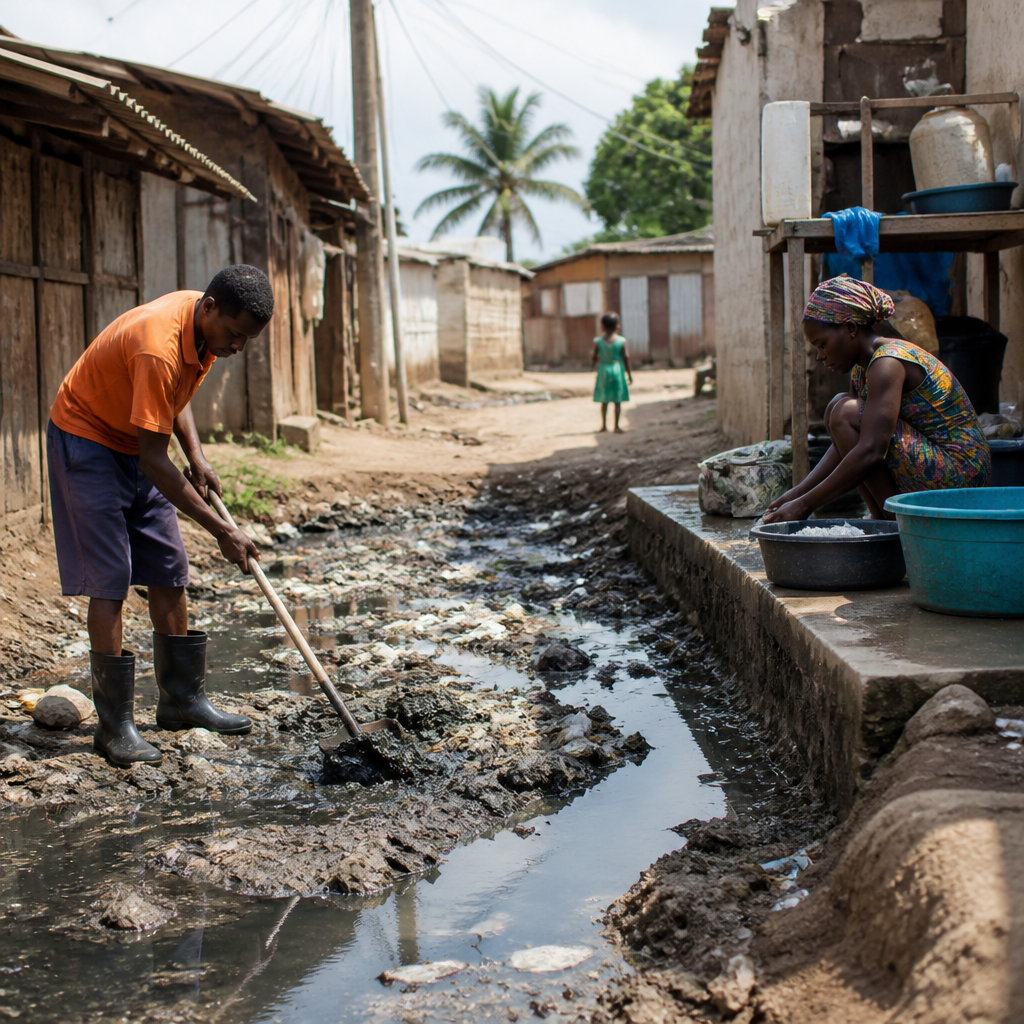
Environmental externalities are equally important. Untreated wastewater and poorly managed sludge contaminate rivers, groundwater, soils, and coastal ecosystems. That contamination reduces fish stocks, damages irrigation quality, raises drinking water treatment costs, and can depress agricultural yields where pathogens or heavy pollution affect soil and crops. In industrializing regions, mixed pollution from domestic waste and factories creates even more complex risks. Economic development that ignores sanitation can therefore erode the natural assets it depends on.
There are also opportunities on the resource recovery side. Treated wastewater can support agriculture, landscaping, and certain industrial uses in water-scarce regions. Biosolids and treated sludge can produce soil conditioners or energy through anaerobic digestion when quality controls are strong. Biogas from wastewater treatment plants can offset energy costs. These options are not universal, and they require regulatory oversight, but they can improve financial viability and environmental performance together. The lesson is not that every sanitation system becomes profitable, but that well-managed systems can capture value rather than only absorb cost.
Measurement matters. Serious planning uses indicators such as safely managed sanitation coverage, desludging frequency, noncompliance rates, customer complaints, wastewater effluent quality, operating ratio, and service continuity. Tools from the JMP, World Bank diagnostics, WHO sanitation safety planning, and utility benchmarking help decision makers compare options. Without metrics, governments tend to overvalue visible construction and undervalue maintenance, training, and regulation—the very functions that determine whether economic benefits actually materialize.
What Effective Sanitation Policy Looks Like
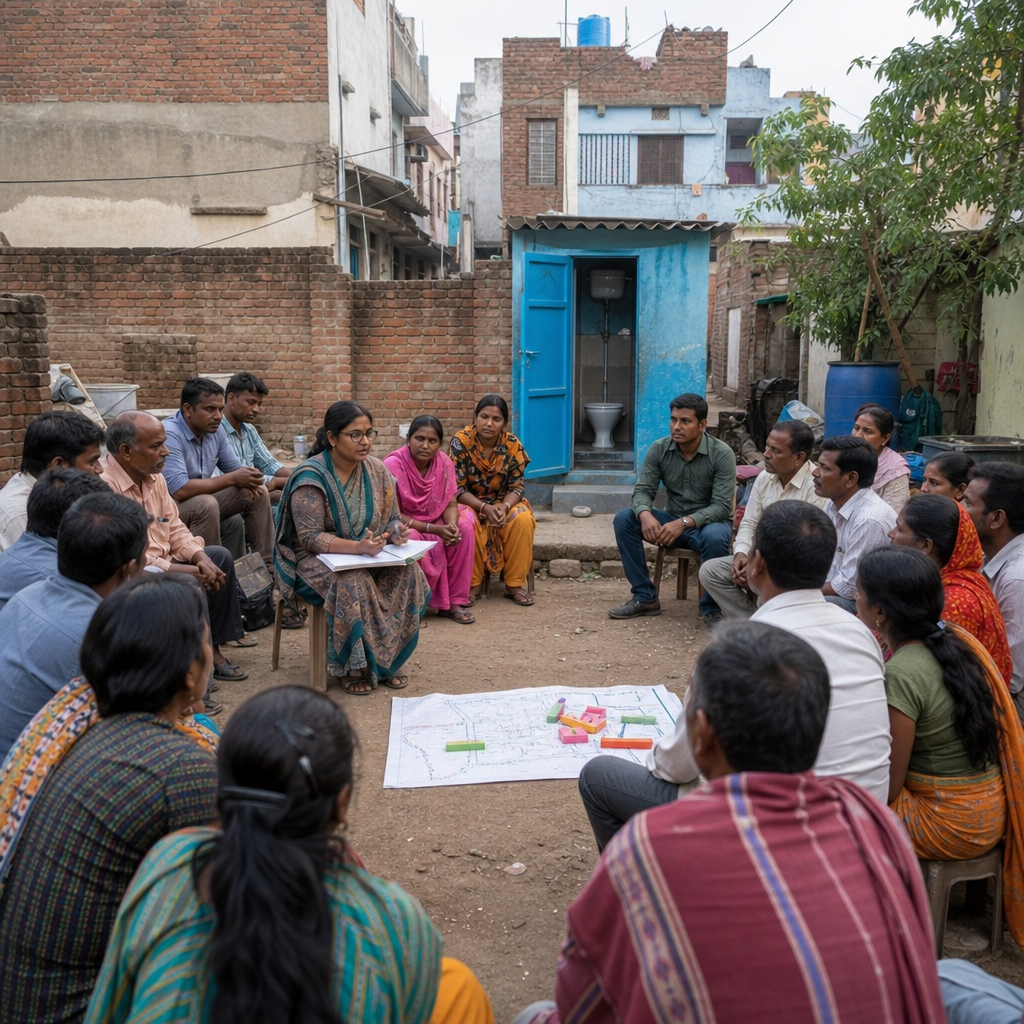
Effective sanitation policy starts with realistic service mapping. Leaders need to know who has safely managed services, who relies on unsafe pits or shared toilets, where sludge goes, which neighborhoods flood, and which institutions are responsible for each step. From there, policy should prioritize the highest-risk gaps first: schools and clinics without functional toilets, dense low-income settlements with unsafe emptying, waterways receiving untreated discharges, and public spaces where missing facilities constrain work and mobility.
Regulation and behavior change must accompany infrastructure. Toilets that are not used, pits that are never emptied safely, and treatment plants that bypass standards during power outages will not deliver development gains. Clear service standards, operator licensing, inspection regimes, fecal sludge discharge points, handwashing promotion, and affordable user fees are all part of the solution. Equity is critical. If tariffs or connection charges exclude low-income households, cities may widen health and economic gaps rather than reduce them.
Climate resilience now belongs at the center of sanitation planning. Floods can overwhelm sewers and spread contamination; drought can make water-based systems harder to sustain; sea-level rise can damage coastal outfalls and contaminate aquifers. Designing for resilience means using flood-protected facilities, backup power, modular treatment, infiltration control, and technologies suited to local water stress. The economic case is strong: assets built for yesterday’s climate are expensive to repair and cheap only on paper.
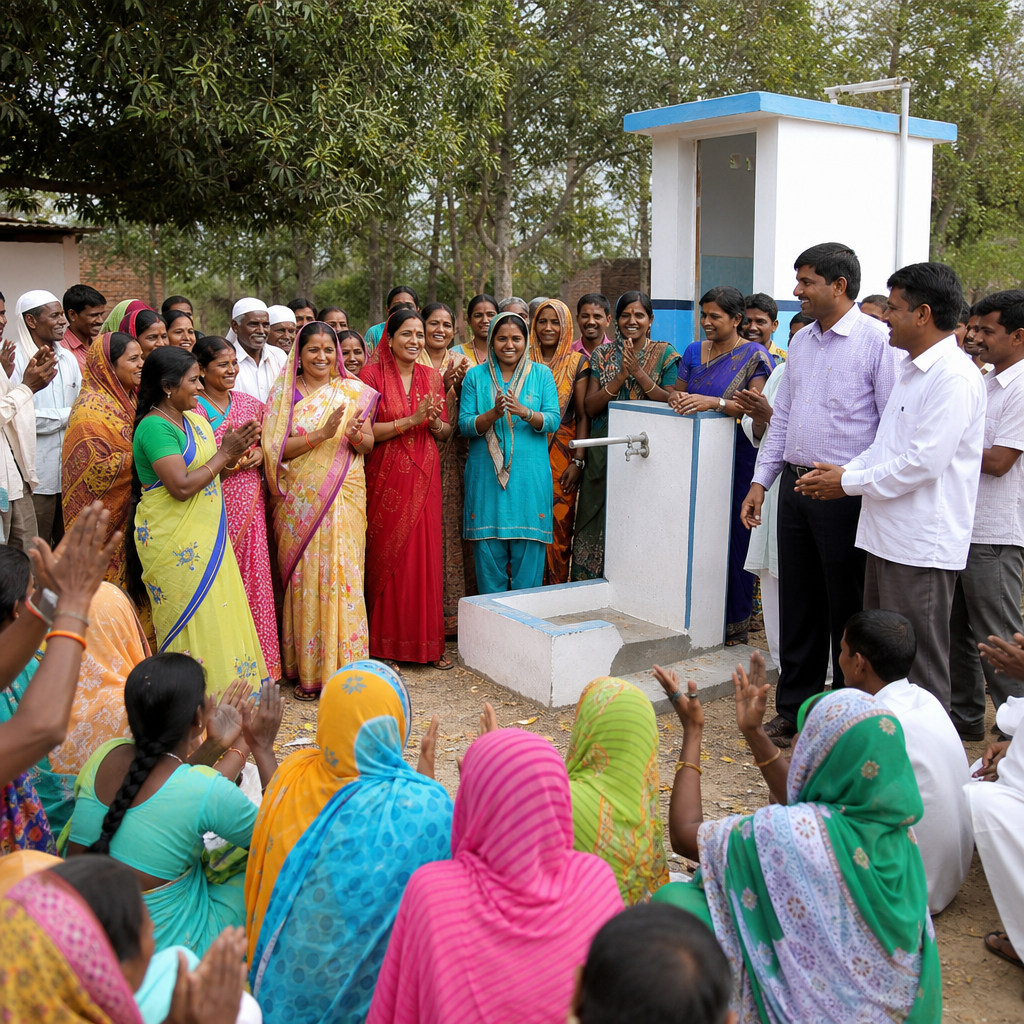
For public officials, the practical takeaway is to treat sanitation as core economic infrastructure, not as a side program. For businesses, the message is to support reliable sanitation around factories, supply chains, worker housing, and commercial districts. For communities, the priority is to demand services that are safe, maintained, and inclusive. Strong sanitation policy improves health, but its larger achievement is enabling people and places to be more productive, resilient, and investable.
The interplay between sanitation and economic development is not abstract theory; it is visible in daily work patterns, school attendance, municipal finance, environmental quality, and investor confidence. Safe sanitation reduces disease, saves time, protects water, supports women’s participation, raises property values, and strengthens tourism and business activity. Poor sanitation does the reverse, imposing costs that fall heaviest on low-income households and fast-growing cities. The most important insight is that toilets alone are not enough. Lasting development gains come from complete service chains, sound financing, credible regulation, and maintenance that continues long after construction crews leave.
As a hub for this health subtopic, this page should guide how you evaluate every related question, from school toilets and urban sewerage to fecal sludge management, wastewater reuse, and sanitation financing. The unifying principle is simple: when waste is managed safely, communities gain economic capacity. When it is not, preventable losses spread across families, firms, and governments. If you are planning policy, funding infrastructure, managing a business site, or researching public health, make sanitation a first-order development priority and build decisions around measurable service outcomes.
Frequently Asked Questions
Why is sanitation considered so important to economic development?
Sanitation is foundational to economic development because it directly affects public health, worker productivity, school attendance, household spending, and investor confidence. When sanitation systems safely contain, collect, transport, treat, and dispose of or reuse human waste, communities experience lower rates of diarrheal disease, parasitic infections, and other sanitation-related illnesses. That means fewer missed workdays, lower medical expenses, and stronger labor participation across the economy. In households with poor sanitation, families often lose income not only because someone becomes sick, but also because caregivers must stay home, children miss school, and out-of-pocket healthcare costs consume money that could otherwise be invested in food, education, housing, or small businesses.
From a broader economic perspective, sanitation also supports the functioning of cities and markets. Businesses depend on healthy employees, reliable public services, and clean environments to operate efficiently. Areas with inadequate sanitation often face polluted water sources, reduced land values, strained healthcare systems, and reputational barriers that discourage tourism and private investment. By contrast, improvements in sanitation can create a healthier and more stable environment for commerce, manufacturing, construction, and service industries. In that sense, sanitation is not just a social service or public health issue; it is a core piece of economic infrastructure that helps communities build human capital, attract investment, and sustain long-term growth.
How does poor sanitation affect health, education, and productivity at the same time?
Poor sanitation creates overlapping setbacks that reinforce one another across daily life. The most immediate impact is on health. When waste is not safely managed, pathogens spread through water, soil, food, and surfaces, increasing the risk of diarrheal diseases, cholera, intestinal worms, and other infections. These illnesses weaken children physically and cognitively, contribute to malnutrition, and reduce adults’ ability to work consistently or effectively. Frequent illness can become a cycle: low-income households are more exposed to poor sanitation, then face repeated health shocks that make it harder to earn income and improve living conditions.
Education suffers in parallel. Children who are sick or caring for sick relatives miss school more often, and repeated absences can reduce learning outcomes over time. Schools without adequate toilets, handwashing facilities, and menstrual hygiene support are especially challenging for girls, who may miss classes or drop out altogether when facilities are unsafe, private sanitation options are absent. This has long-term economic consequences because educational attainment is closely linked to lifetime earnings, workforce participation, and social mobility.
Productivity is affected both directly and indirectly. Workers lose hours or days to illness, and even when they remain on the job, poor health can reduce concentration, stamina, and output. Employers may also face higher absenteeism, staff turnover, and medical-related disruptions. At the community level, governments and health systems must devote scarce resources to preventable sanitation-related disease, leaving less fiscal space for infrastructure, education, and enterprise support. That is why sanitation problems should be understood as multi-sector economic constraints, not isolated environmental concerns.
Can investing in sanitation really produce measurable economic returns?
Yes, sanitation investment can generate measurable and often substantial economic returns, especially when projects are designed to serve entire service chains rather than only building toilets. The return comes from several channels. First, healthier populations reduce healthcare costs for both families and governments. Preventing disease is almost always less expensive than treating it repeatedly. Second, improved sanitation increases productivity by lowering absenteeism and helping people maintain consistent work and school attendance. Third, communities with better sanitation often become more attractive for business activity, housing development, and tourism because they offer cleaner, safer, and more reliable living conditions.
There are also indirect and long-term returns that are easy to overlook but economically significant. Better sanitation contributes to child growth and cognitive development, which strengthens future workforce quality. It can reduce environmental contamination that would otherwise harm agriculture, fisheries, and water resources. In urban areas, effective fecal sludge management and wastewater treatment can protect drainage systems and reduce flooding-related losses when waste clogs infrastructure. In some settings, treated waste can even support resource recovery through compost, biogas, reclaimed water, or nutrient reuse, creating additional value streams.
That said, the economic payoff depends on quality, maintenance, behavior change, and institutional capacity. A toilet that is inaccessible, unsafe, culturally unacceptable, or disconnected from waste treatment will not deliver the same benefits as a well-managed sanitation system. Strong returns usually come from integrated approaches that combine infrastructure, hygiene promotion, financing, regulation, and ongoing service delivery. When those pieces work together, sanitation investment moves from being a cost center to being a driver of resilience, efficiency, and inclusive growth.
What is the connection between sanitation and attracting business or public investment?
Sanitation plays a quiet but powerful role in shaping whether businesses and investors view a community as viable, stable, and ready for growth. Investors tend to look for places where infrastructure supports a healthy workforce, public systems function reliably, and environmental risks are manageable. Poor sanitation can signal the opposite: higher disease burdens, weak municipal capacity, pollution risks, and potential operational disruptions. These conditions increase uncertainty and can raise the real cost of doing business through healthcare expenditures, lower labor reliability, cleanup needs, regulatory issues, and reputational concerns.
For businesses that depend on foot traffic, hospitality, food service, manufacturing, logistics, real estate, or large labor pools, sanitation matters even more. Customers and workers are less likely to engage fully in places that are visibly unclean, unsafe, or lacking basic facilities. Industrial and commercial activity also depends on water quality and environmental management, both of which are affected by sanitation systems. If wastewater and fecal sludge are poorly handled, contamination can affect supply chains, land use, and compliance requirements.
On the public side, governments and development institutions are often more willing to support broader infrastructure expansion when basic sanitation systems are in place or improving. Sanitation can therefore serve as an enabling condition for urban development, housing upgrades, school improvements, healthcare expansion, and transport-oriented growth. In practical terms, communities that invest in sanitation are often strengthening their overall development profile: they show readiness for planned growth, better governance, and lower public health risk. That makes sanitation a meaningful part of investment readiness, even when it is not the first factor decision-makers mention.
What kinds of sanitation strategies are most effective for supporting long-term economic development?
The most effective sanitation strategies are the ones that treat sanitation as a complete service system rather than a one-time construction project. Long-term economic development depends on solutions that are technically sound, financially sustainable, socially accepted, and consistently managed over time. That includes safe containment at the household or facility level, reliable collection and transport, proper treatment, and environmentally responsible reuse or disposal. It also includes handwashing, hygiene education, and behavior change efforts that help people use and maintain facilities effectively.
Urban and rural contexts often require different models. Dense urban areas may need sewer networks in some locations, while others may rely on well-regulated onsite sanitation systems supported by fecal sludge management services. Rural communities may benefit more from decentralized systems, community-led approaches, and targeted support for low-income households. In all cases, affordability matters. If services are too expensive, households may not connect, maintain facilities, or use formal emptying services, which undermines both health outcomes and economic gains. Smart financing, subsidies for vulnerable groups, and incentives for service providers can help close that gap.
Institutional strength is equally important. Clear responsibilities, data-driven planning, service standards, regulation, and maintenance funding are what keep sanitation systems functioning beyond the initial investment period. Coordination across health, education, water, urban planning, and finance sectors also improves results because sanitation’s economic benefits are spread across all of them. The strongest long-term strategies are inclusive, meaning they account for schools, healthcare facilities, informal settlements, women and girls, people with disabilities, and marginalized communities. When sanitation planning is equitable and service-oriented, it protects health, strengthens labor markets, supports education, preserves the environment, and creates the conditions for lasting economic progress.