Balancing health and sustainability in EcoSan means designing sanitation systems that protect people from disease while conserving water, recovering nutrients, and reducing environmental harm. EcoSan, short for ecological sanitation, treats human waste as a resource stream rather than an unwanted byproduct. In practice, that includes approaches such as urine-diverting dry toilets, composting toilets, dehydrating vaults, blackwater separation, and reuse systems that turn treated excreta into soil amendments or irrigation inputs. I have worked with sanitation planning teams that quickly learned a simple lesson: a toilet is never only a toilet. It is part of a chain that includes user behavior, containment, storage, transport, treatment, reuse, and long-term monitoring.
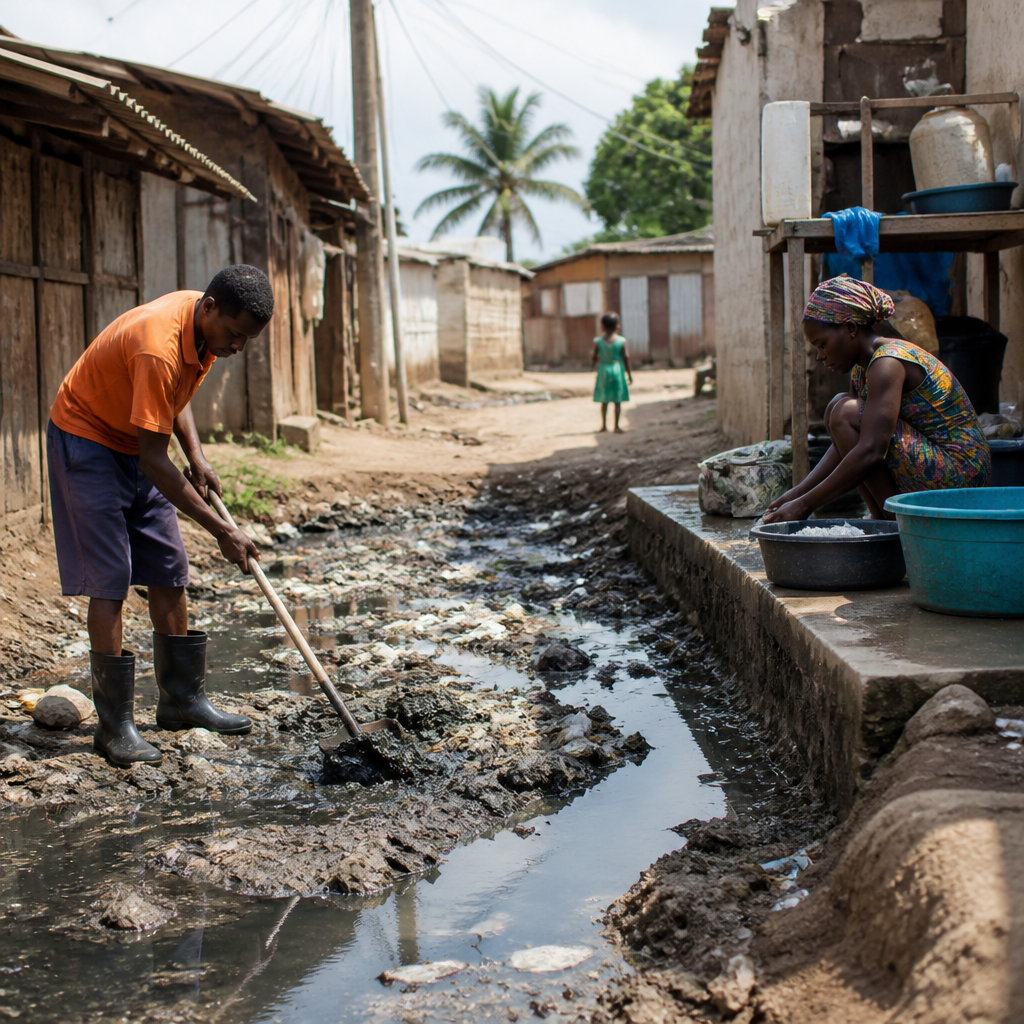
This topic matters because sanitation failures create direct safety risks and long-range sustainability costs at the same time. The World Health Organization and UNICEF have repeatedly linked inadequate sanitation to diarrheal disease, parasitic infection, malnutrition, unsafe water, and lost school and work time. Conventional sewered systems can solve some exposure problems, but they are expensive, energy intensive, and often unrealistic in water-scarce, informal, remote, flood-prone, or rapidly growing settlements. EcoSan can close those gaps, but only when public health protection is built into every step. If pathogens survive storage, if users do not separate waste properly, or if farmers apply products incorrectly, a system marketed as green can become unsafe.
For a hub article under safety, the core question is straightforward: how do you balance health and sustainability in EcoSan without sacrificing either one? The answer starts with risk-based design. Safe EcoSan separates waste streams where useful, reduces pathogen loads through validated treatment barriers, prevents contact during handling, and creates products with clear use restrictions when full sanitization is not guaranteed. Sustainable EcoSan minimizes freshwater demand, captures nitrogen and phosphorus, lowers transport and fertilizer costs, and fits local habits and maintenance capacity. The strongest projects do both. They follow sanitation planning principles, rely on hazard analysis, define operating responsibilities, and measure outcomes rather than assuming that an eco-friendly concept is automatically safe.
Understanding the key terms helps. Health protection in sanitation means interrupting fecal-oral transmission and limiting exposure to bacteria, viruses, protozoa, helminths, and chemical contaminants. Sustainability means environmental performance, affordability, resource efficiency, social acceptance, and durability over time. EcoSan systems succeed when they provide containment, treatment, and reuse that communities can actually maintain. This hub page explains the major safety principles, technology options, treatment methods, operational controls, and decision points that shape safe and sustainable EcoSan programs, while pointing to the practical questions every household, institution, planner, and operator should answer before choosing a system.
Why health protection is the first requirement in EcoSan
Health comes first because sanitation exists to break disease pathways. Human excreta can contain E. coli, Salmonella, norovirus, rotavirus, Giardia, Cryptosporidium, and soil-transmitted helminths such as Ascaris. Some pathogens die quickly outside the body, but others persist for weeks or months depending on moisture, temperature, pH, sunlight, and storage conditions. In EcoSan, the safety challenge is not limited to toilet use. Exposure can occur when emptying vaults, transporting containers, applying urine or compost, washing equipment, or handling crops. That is why experienced practitioners use a multiple-barrier approach rather than trusting a single treatment step.
A multiple-barrier approach combines toilet design, storage time, temperature control, desiccation, pH elevation, composting, restricted crop use, hand hygiene, and personal protective equipment. The principle is well established in sanitation safety planning and wastewater reuse guidance. If one barrier underperforms, the others still reduce risk. For example, urine diversion can lower moisture in fecal chambers and improve dehydration, but users still need a handwashing station, operators still need safe emptying tools, and final products still need rules for where and how they are applied. When I review underperforming systems, the root cause is often not the toilet itself but a missing barrier elsewhere in the chain.
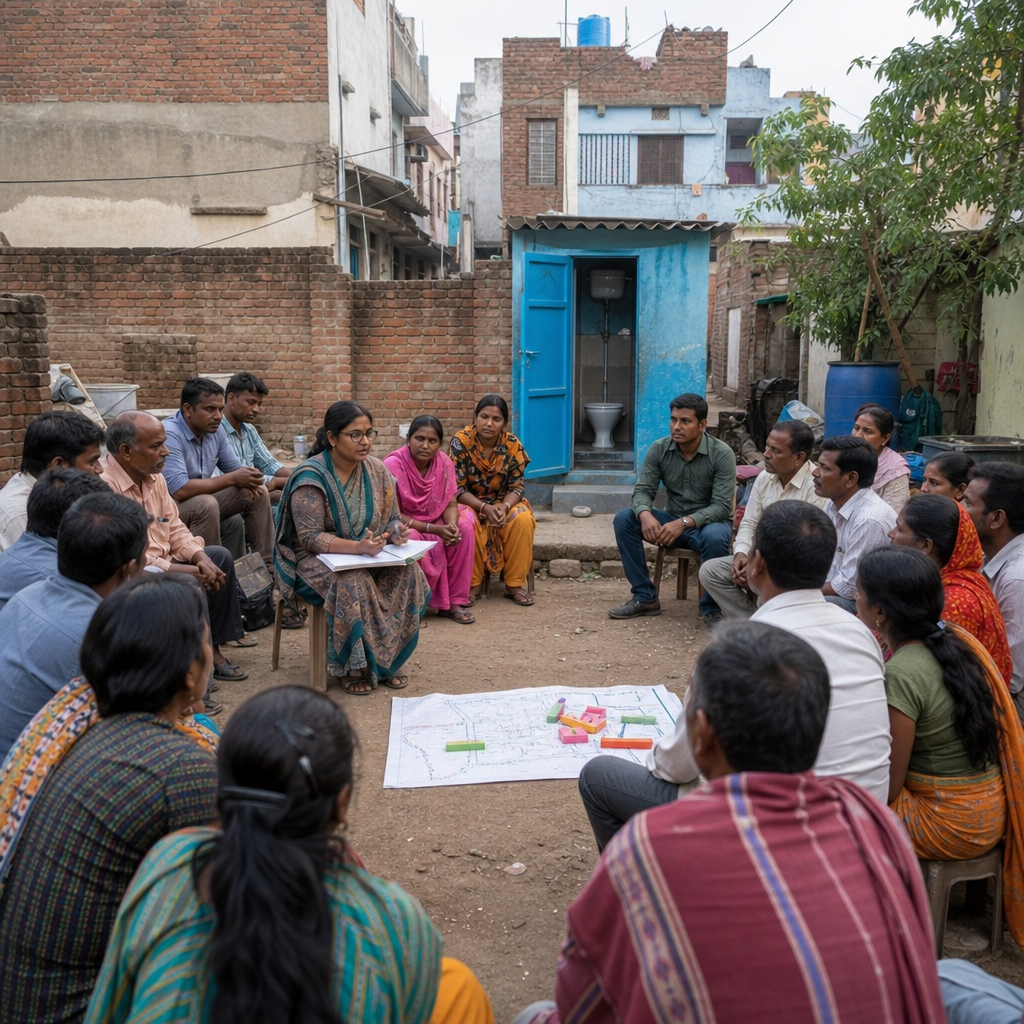
Health-focused design also means recognizing vulnerable groups. Children may misuse diversion pedestals, elderly users may struggle with stairs or squatting plates, and sanitation workers face the highest routine exposure. Schools and clinics need stricter cleanliness standards and easier maintenance than lightly used household installations. Flood-prone areas require sealed containment and groundwater protection because inundation can spread pathogens beyond the site. A balanced EcoSan strategy therefore starts by mapping who might be exposed, how exposure could happen, and which controls are realistic in that setting.
How EcoSan supports sustainability without compromising safety
EcoSan offers sustainability benefits that conventional systems often miss. First, it reduces water demand. Urine-diverting dry toilets and composting systems can function with little or no flush water, a major advantage in arid regions and areas where pumping and treatment are expensive. Second, EcoSan can recover plant nutrients. Human urine contains most of the nitrogen and a substantial share of the phosphorus and potassium excreted by households. When properly stored and applied, it can offset synthetic fertilizer use. Third, source separation can reduce wastewater volumes and make downstream treatment more manageable.
Those gains only count when safety controls are maintained. Nutrient recovery is valuable, but not if untreated material contaminates vegetables eaten raw. Water savings are meaningful, but not if poor cleaning leaves toilets unusable and pushes people back to open defecation. Sustainability also includes social durability. A system that looks ideal on paper but demands daily tasks users reject will fail faster than a simpler design with lower recovery rates. I have seen communities keep basic urine-diverting systems running for years because the interface was easy to clean and the emptying cycle matched local routines, while technically advanced pilots collapsed when spare parts or operator training disappeared.
Climate resilience is another sustainability dimension. Decentralized EcoSan can keep functioning during droughts, power cuts, and sewer failures. Yet resilience requires robust construction materials, secure storage, odor control, and plans for unusual events such as heavy rain or temporary abandonment. Good EcoSan design therefore treats sustainability as operational reliability, not just resource recovery. The system must still be safe in month one, year three, and after the next extreme weather event.
Choosing the right EcoSan system for the context
No single EcoSan technology is best everywhere. Selection should be based on water availability, soil and groundwater conditions, user preferences, density, climate, agricultural demand, construction budget, service capacity, and local regulation. Urine-diverting dry toilets work well where water is scarce and users can manage separate collection. Composting toilets can perform effectively where organic bulking material is available and maintenance is consistent. Container-based sanitation may fit dense informal settlements if collection logistics are dependable. Blackwater treatment with biogas recovery can suit institutions or clustered housing where feedstock volume justifies the infrastructure.
The most common planning mistake is choosing by ideology instead of conditions. A dry system placed in a community that expects pour-flush convenience may be poorly used. A reuse-oriented system installed where no one wants the end product will accumulate untreated waste. A vault design with difficult access will increase unsafe manual handling. The right question is not which system sounds most sustainable, but which full sanitation chain can be operated safely and affordably by the people responsible for it.
| EcoSan option | Main sustainability benefit | Primary health control need | Best-fit context |
|---|---|---|---|
| Urine-diverting dry toilet | Water saving and nutrient separation | Correct diversion, dry feces storage, safe emptying | Water-scarce homes, schools, rural compounds |
| Composting toilet | Organic matter stabilization | Temperature, moisture, retention time, vector control | Households or lodges with active maintenance |
| Dehydration vault system | Low water use and simpler containment | Dry cover material, sealed resting period, PPE during removal | Rural and peri-urban sites with space |
| Container-based sanitation | Controlled off-site treatment | Leakproof containers, collection discipline, worker protection | Dense settlements with service operators |
| Anaerobic digestion with reuse | Energy recovery and effluent management | Post-treatment before reuse, gas safety, sludge handling | Institutions, farms, clustered developments |
Context also determines whether reuse should be central or optional. In some regions, agriculture can absorb sanitized urine and compost easily. In others, cultural concerns, fragmented landholding, or regulatory restrictions make reuse difficult. In those cases, EcoSan may still be appropriate for water saving and decentralized containment, but the product pathway must be planned honestly from the start.
Treatment, storage, and validation of safety
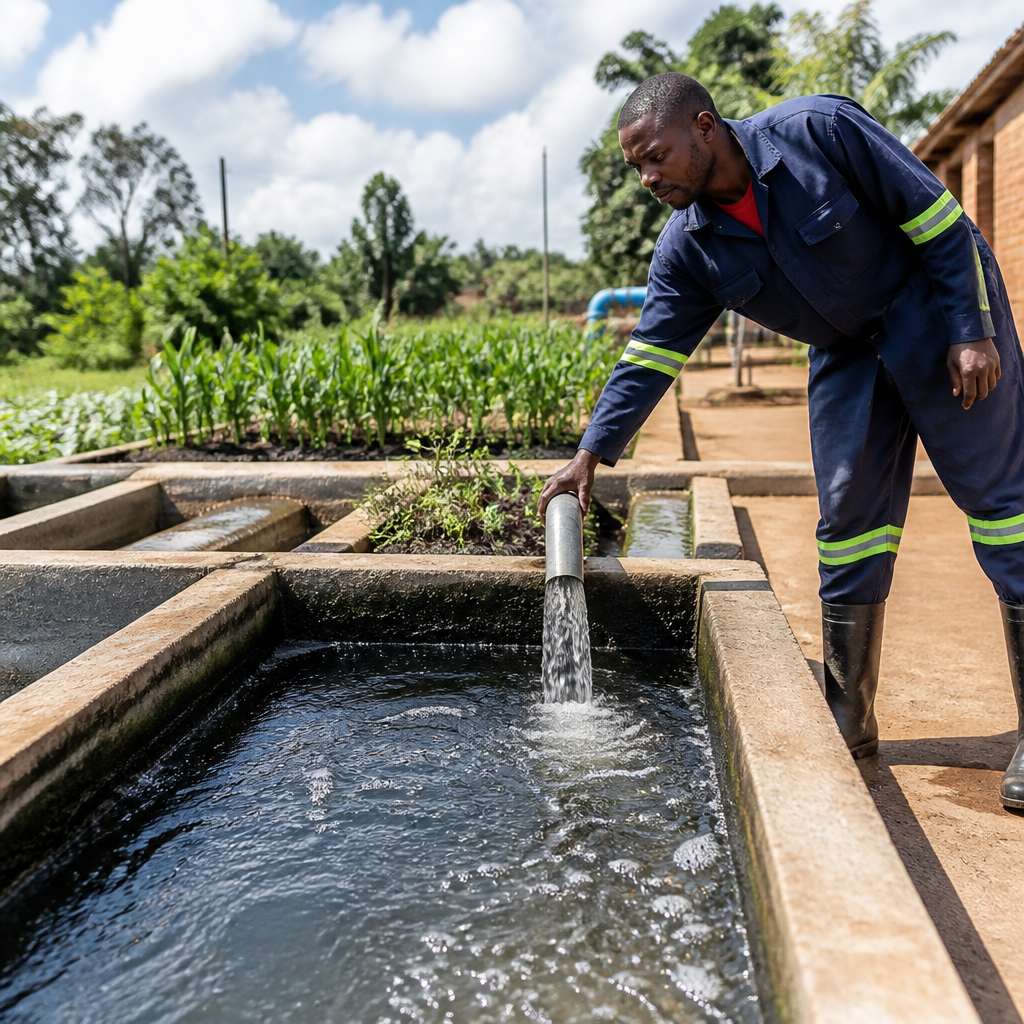
Treatment is where sustainability claims either become credible or collapse. The aim is pathogen reduction to levels appropriate for the intended end use. Methods include dehydration, alkaline treatment with ash or lime, thermophilic composting, long-term storage, anaerobic digestion followed by post-treatment, and co-composting with other organic materials. Each method has limits. Dehydration works better in warm, dry conditions and depends on low moisture. Composting requires the right carbon-to-nitrogen ratio, aeration, and heat profile. Anaerobic digestion improves stabilization but does not guarantee complete pathogen removal on its own.
Validation matters more than labels. Calling material compost does not prove it is hygienically safe. Operators need measurable parameters such as temperature history, moisture, pH, storage duration, and where possible microbial indicators. Helminth eggs remain a critical concern in many low- and middle-income settings because they are persistent and highly relevant to health risk. For urine, storage time, temperature, and dilution practices affect safety and agronomic value. For fecal products, restricted use on trees, fuel crops, or soil conditioning around non-food plants may be safer when full sanitization cannot be demonstrated.
Standards and guidelines should inform decisions. WHO guidance on the safe use of wastewater, excreta, and greywater emphasizes health-based targets and multiple barriers. ISO 30500 has advanced performance expectations for non-sewered sanitation systems. National building codes, fertilizer regulations, and occupational safety rules may also apply. In field operations, I advise teams to document the treatment train in plain language: what enters, what conditions are required, who checks them, what records are kept, and what happens if a batch fails. That discipline prevents guesswork and improves accountability.
Operations, behavior, and the human factors that determine success
Most EcoSan failures are operational, not conceptual. Users must understand what goes into the toilet, how to add cover material if required, how to keep urine diversion channels clear, and when a chamber is full. Caretakers need cleaning routines that do not flood dry systems or corrode components. Service providers need schedules, tools, transport containers, and designated treatment sites. If any of these links break, safety and sustainability both decline quickly.
Behavioral design is therefore essential. Toilets should be intuitive for children and first-time users. Instructions must use local language and simple visuals. Handwashing facilities need soap or ash and a reliable water source nearby. Odor control, privacy, lighting, menstrual hygiene accommodation, and accessibility all influence whether people use the system correctly. In one school program I supported, the technology was sound, but girls avoided certain blocks because disposal options for menstrual materials were poor. Blocked diversion channels followed, and maintenance burdens rose. A small design oversight undermined the whole sanitation chain.
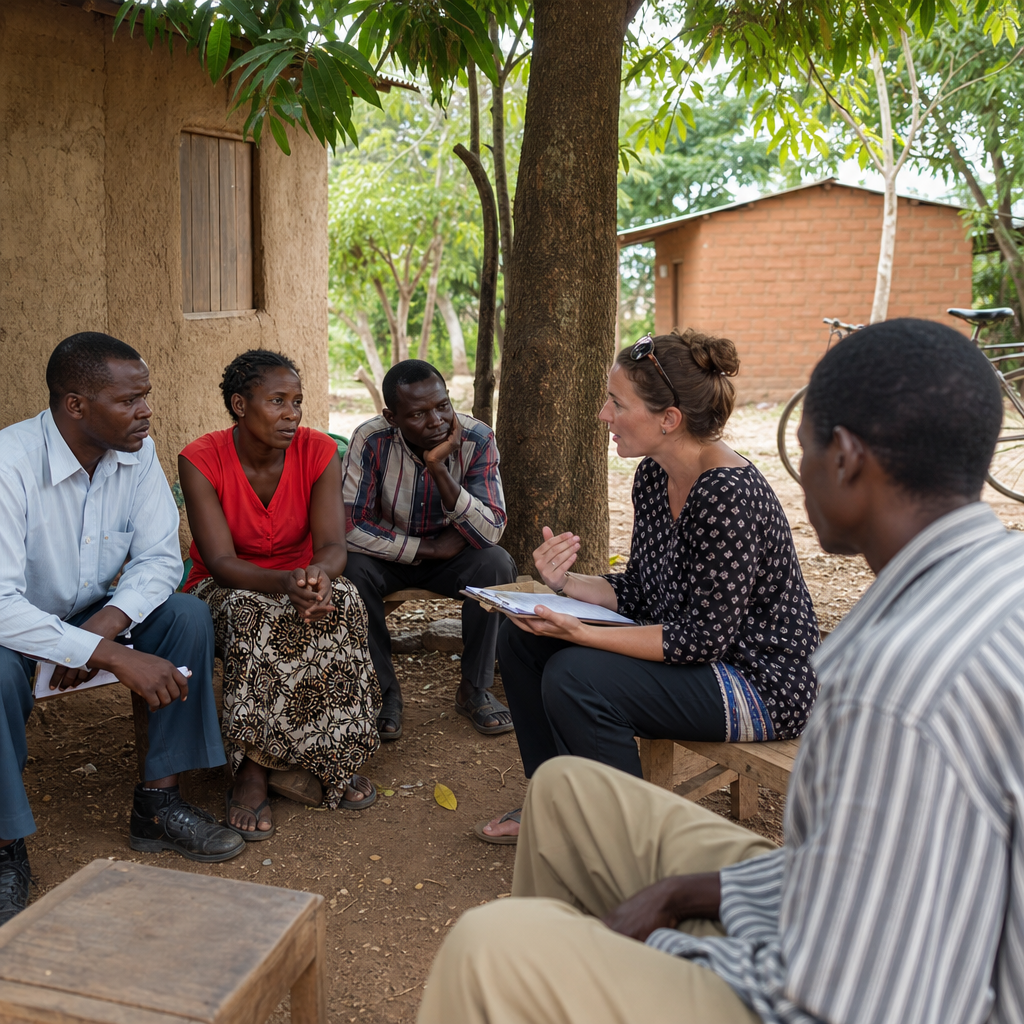
Training should be role-specific. Households need basic use and minor maintenance guidance. Operators need hazard awareness, PPE protocols, disinfection procedures, spill response steps, and recordkeeping habits. Managers need budgets for consumables, replacement parts, and periodic inspections. Communities also need honest communication about tradeoffs. EcoSan can reduce water use and recover nutrients, but it is rarely maintenance-free. When expectations are realistic, long-term performance improves.
Governance, monitoring, and building a safe EcoSan program over time
Safe EcoSan depends on governance as much as engineering. Someone must own the assets, someone must fund maintenance, someone must inspect treatment performance, and someone must decide whether end products are suitable for reuse or require further processing. In successful programs, these responsibilities are written down. Municipalities may license service providers, schools may assign caretakers and budgets, and housing projects may include maintenance contracts from the beginning. Without institutional clarity, systems drift into unsafe improvisation.
Monitoring should track both health protection and sustainability performance. Useful indicators include toilet functionality, user satisfaction, presence of handwashing supplies, chamber fill rates, transport incidents, treatment temperatures, storage times, final product destinations, groundwater observations where relevant, and cost per household served. Digital tools such as KoboToolbox, mWater, and simple QR-coded maintenance logs can make decentralized monitoring practical. The point is not collecting perfect data; it is detecting problems early enough to correct them.
Balancing health and sustainability in EcoSan ultimately means respecting the entire sanitation chain. Protect people first, recover resources where it is safe and worthwhile, and choose systems that fit local reality rather than abstract ideals. The best EcoSan projects are disciplined, not experimental in the casual sense. They combine proven barriers, practical maintenance, transparent responsibilities, and measured outcomes. If you are planning an EcoSan system, start with a risk assessment, map the full service chain, and define exactly how safety will be maintained from toilet seat to final reuse or disposal.
Frequently Asked Questions
What does “balancing health” mean in the context of EcoSan?
In EcoSan, “balancing health” means creating sanitation systems that protect human health without shifting the burden onto the environment. Traditional sanitation often focuses primarily on removing waste from immediate living spaces, but EcoSan goes further by asking what happens next: how pathogens are managed, how water is used, how nutrients are conserved, and how pollution is prevented. The goal is to reduce disease risks while also supporting long-term ecological stability.
That balance is important because sanitation decisions affect multiple public health outcomes at once. A system that safely contains and treats excreta helps prevent exposure to bacteria, viruses, protozoa, and helminths that can spread through contaminated hands, food, soil, and water. At the same time, a system that minimizes wastewater discharge, avoids groundwater contamination, and reuses nutrients responsibly can improve food security, reduce chemical fertilizer dependence, and lessen environmental degradation that ultimately affects community health.
In practical terms, balancing health in EcoSan means matching technology and management practices to local conditions. For example, urine-diverting dry toilets may work well in water-scarce regions because they reduce water demand and separate waste streams for safer treatment and reuse. Composting toilets and dehydrating vaults can also be effective when operated correctly, especially where sewer infrastructure is limited. The “balance” comes from designing systems that are safe, realistic to maintain, culturally acceptable, and environmentally sound over the long term.
How do EcoSan systems protect people from disease if human waste is being reused?
EcoSan systems protect people from disease by emphasizing containment, separation, treatment, and controlled reuse. Human excreta can contain pathogens, so the core principle is not direct reuse of raw waste but careful processing that reduces health risks before any material is returned to the environment or used in agriculture. When properly designed and managed, EcoSan systems create barriers that interrupt pathogen transmission pathways and make reuse safer.
Different EcoSan approaches use different treatment methods. Urine-diverting systems separate urine and feces at the source, which is helpful because urine is typically lower in pathogens than feces and can often be managed more easily when stored correctly. Fecal matter may be dehydrated, composted, or otherwise treated to reduce moisture, raise pH, increase temperature, or extend storage time, all of which can help inactivate pathogens. In blackwater separation and reuse systems, treatment may include settling, biological processing, filtration, and additional disinfection steps depending on the intended end use.
Safe reuse depends heavily on operational discipline. That includes using the toilet correctly, preventing cross-contamination, maintaining dry conditions where required, allowing adequate storage or treatment time, using protective equipment during handling, and applying end products in ways that limit human exposure. For instance, treated materials may be used on non-food crops, fruit trees, forestry, or soil improvement applications where contact risks are lower. In short, EcoSan protects health not by ignoring the risks in human waste, but by managing them systematically and responsibly.
Why is water conservation such an important part of balancing health and sustainability in sanitation?
Water conservation matters because sanitation systems can consume significant volumes of clean water, and in many regions that water is increasingly scarce or expensive. Conventional flush systems often use potable water to transport waste, which can be inefficient where water supplies are stressed. EcoSan approaches reduce that demand by using dry or low-water technologies, helping communities preserve freshwater for drinking, cooking, hygiene, and agriculture.
There is also a direct health connection. When households or communities face water shortages, hygiene practices can suffer, and sanitation systems may become less reliable. Choosing a sanitation model that requires less water can make services more resilient during droughts, infrastructure failures, or seasonal shortages. This is especially important in rural areas, peri-urban settlements, and climate-vulnerable regions where access to reliable water and sewer systems may be limited.
Beyond conserving water itself, EcoSan can reduce water pollution. When excreta are separated and treated close to the source, there is less risk of overloading sewers, leaking from poorly maintained septic systems, or contaminating nearby surface water and groundwater. That means cleaner ecosystems, lower treatment burdens downstream, and fewer public health threats linked to polluted water sources. In this way, water conservation in EcoSan is not just an environmental benefit; it is a practical public health strategy that supports safer, more sustainable sanitation overall.
What are the main health and environmental benefits of recovering nutrients from human waste?
Nutrient recovery is one of the defining advantages of EcoSan because it transforms sanitation from a disposal problem into a resource management opportunity. Human urine and feces contain valuable nutrients such as nitrogen, phosphorus, and potassium, which are essential for plant growth. When those nutrients are safely recovered and reused, they can support agriculture, improve soils, and reduce dependence on synthetic fertilizers.
From a health perspective, nutrient recovery can contribute indirectly but meaningfully to community well-being. Health is influenced not only by disease prevention but also by nutrition, livelihoods, and environmental quality. If farmers have access to locally recovered soil amendments or fertilizers, that can improve crop productivity and resilience, especially in areas where commercial fertilizers are costly or difficult to obtain. Better soils and more reliable yields can strengthen food systems, which is a foundational part of public health.
Environmentally, nutrient recovery helps close the loop. Instead of allowing nutrients to enter waterways and contribute to eutrophication, EcoSan systems can capture them for productive use. This reduces pollution, lowers greenhouse gas emissions associated with manufacturing and transporting synthetic fertilizers, and supports circular economy principles. The key, however, is safe treatment and responsible application. Nutrient recovery delivers the greatest benefits when health safeguards are built into every stage, from collection and storage to treatment, transport, and final reuse.
What challenges must be addressed to successfully balance health and sustainability in EcoSan systems?
The biggest challenge is that EcoSan systems are not “install and forget” technologies. Their success depends on design quality, user behavior, regular maintenance, and clear treatment protocols. A system may be environmentally promising on paper, but if it is poorly maintained, used incorrectly, or introduced without community understanding, health risks can increase rather than decrease. That is why balancing health and sustainability requires both sound engineering and strong management.
Another major challenge is social acceptance. Sanitation is deeply shaped by habits, perceptions, and cultural norms, and some people may be uncomfortable with the idea of handling or reusing treated human waste. Education, training, and transparent communication are essential to explain how the system works, why separation and treatment matter, and what makes reuse safe. When users understand the public health and environmental benefits, adoption tends to improve.
There are also regulatory and logistical considerations. Safe reuse requires standards for treatment, storage, transport, and application, as well as monitoring to verify that health protections are being met. Local climate, soil conditions, housing density, water availability, and institutional capacity all influence which EcoSan model is appropriate. In the end, successful balance comes from choosing context-specific systems, supporting them with ongoing training and oversight, and treating sanitation as an integrated health, environmental, and resource issue rather than a narrow waste disposal task.