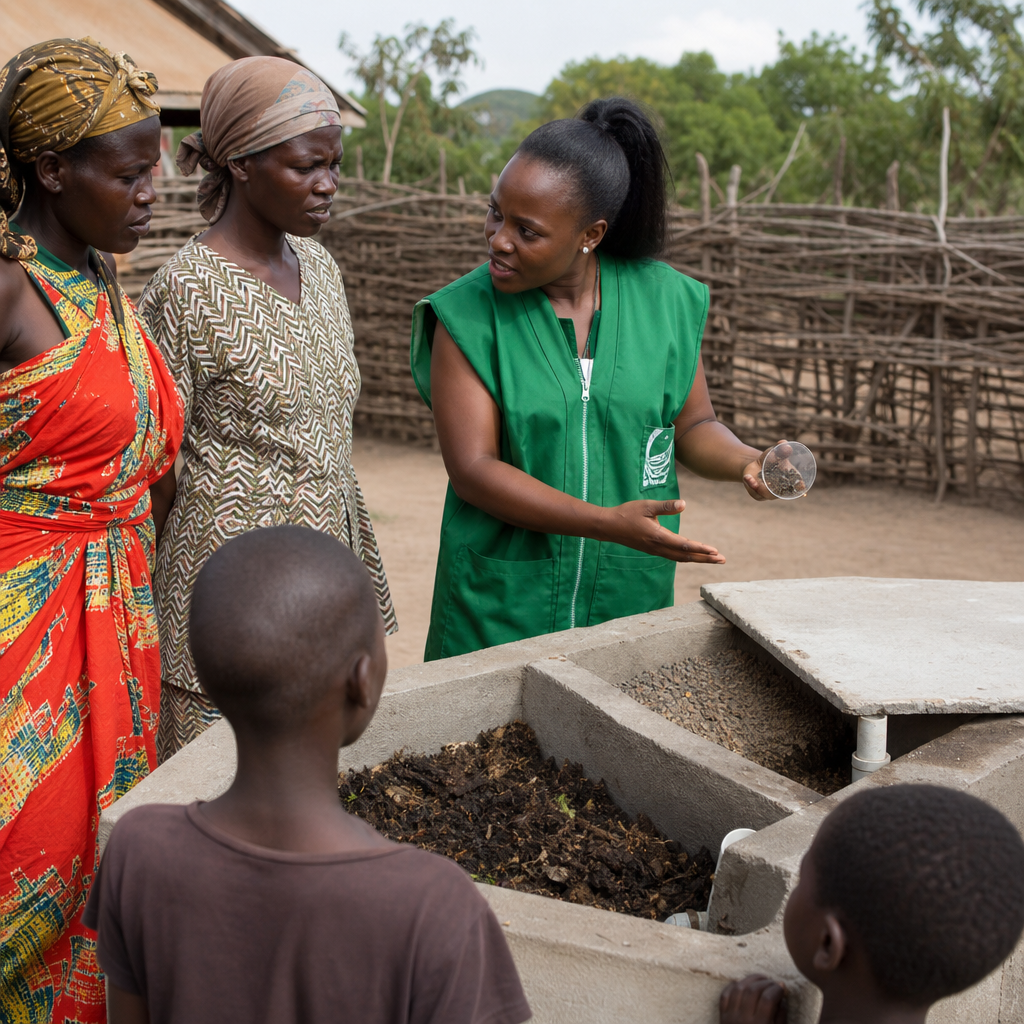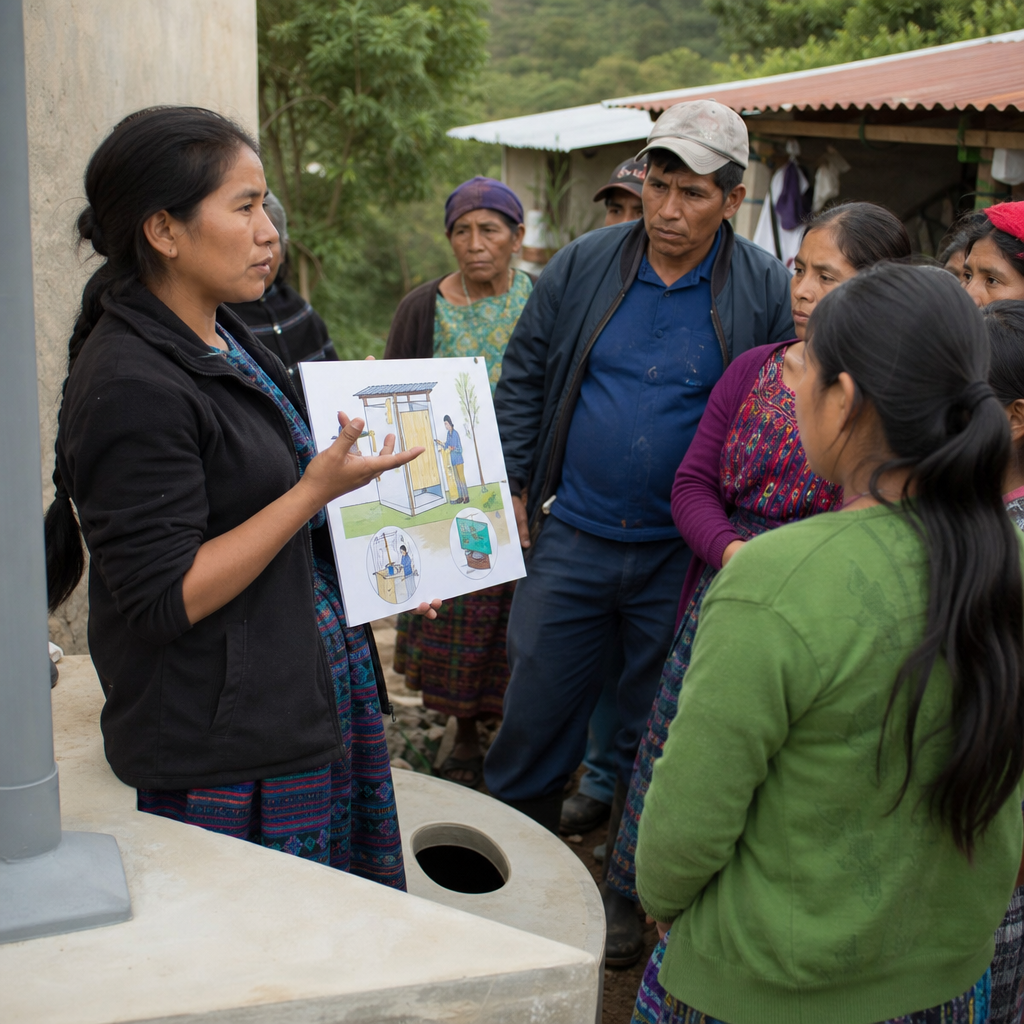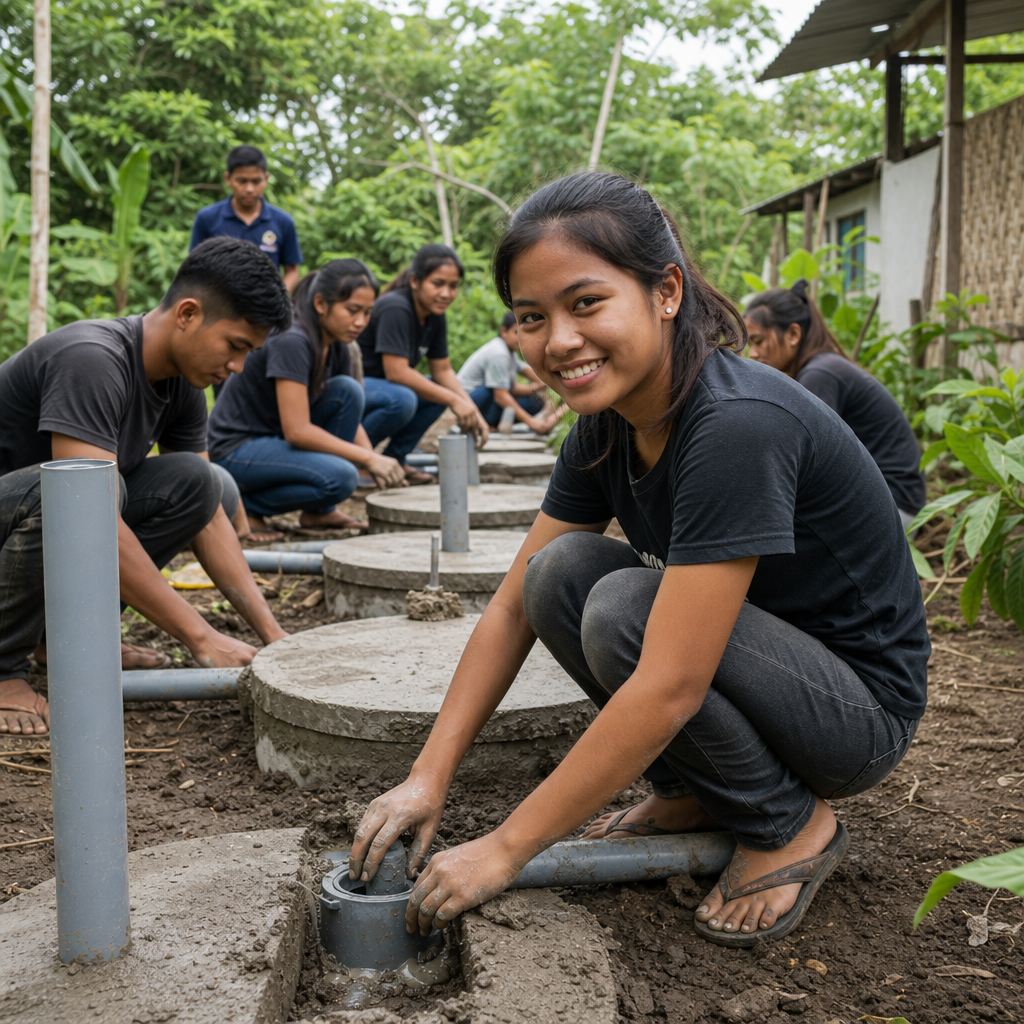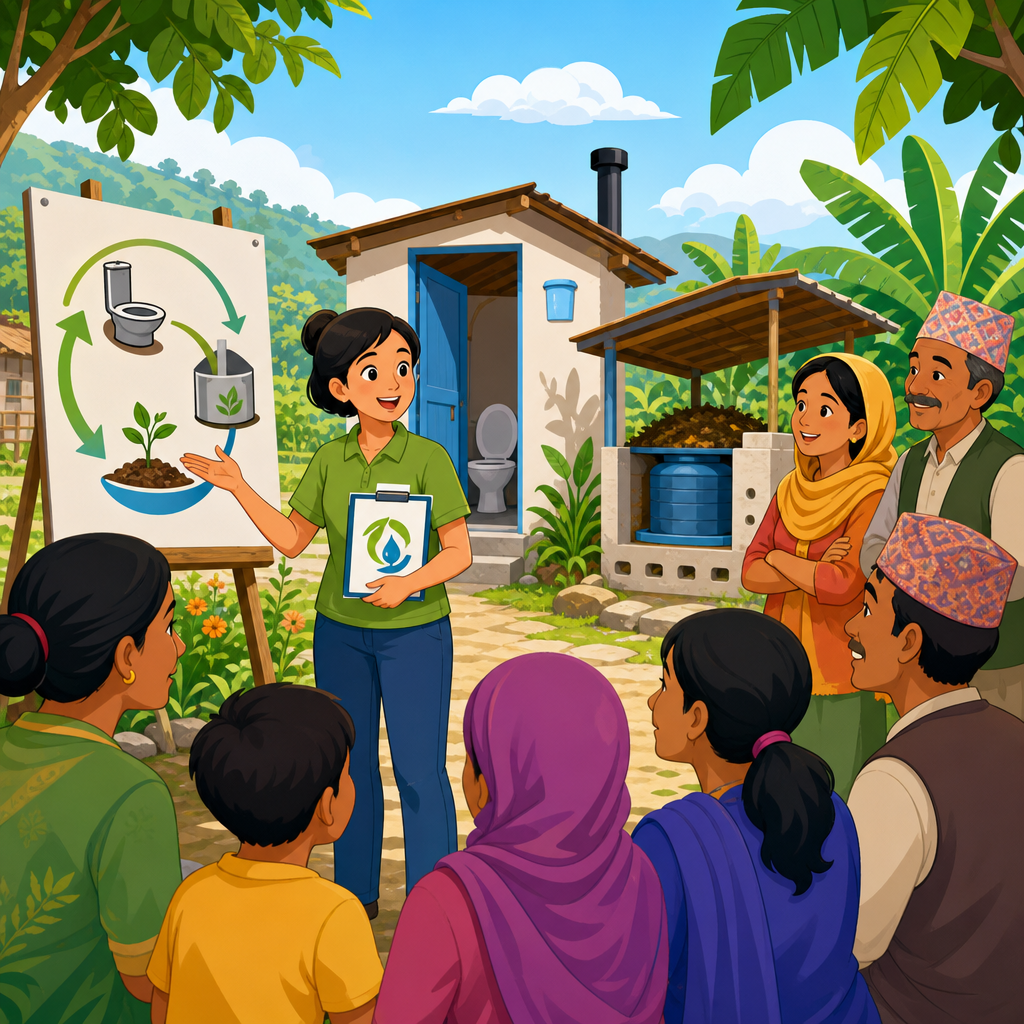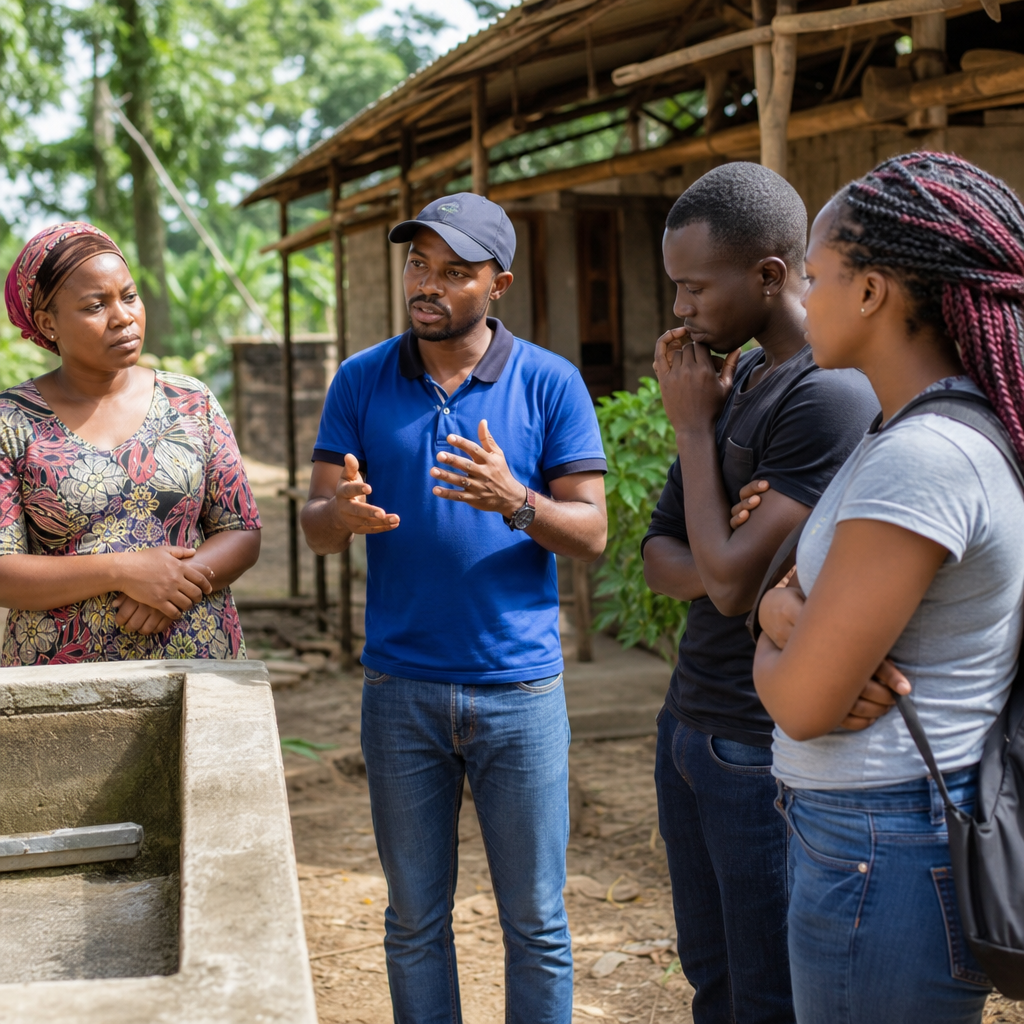
Collaborative learning turns sanitation from a technical service into a shared community practice, because lasting change happens when residents, schools, utilities, health workers, and local governments learn from one another. In sanitation, collaborative learning means structured ways to exchange knowledge, test solutions, document what works, and adapt practices across neighborhoods or institutions. Best practices are the approaches repeatedly shown to improve hygiene behavior, toilet access, fecal sludge management, drainage, and public health outcomes under real conditions. I have seen sanitation projects stall when training was treated as a one-off event, and improve quickly when peer educators, operators, and community leaders met regularly to compare results. This matters because sanitation affects disease prevention, school attendance, dignity, safety, environmental quality, and municipal costs. It also sits at the intersection of behavior, infrastructure, financing, regulation, and culture. A hub article on educating for change must therefore connect household actions with system-level learning. The goal is not simply to transfer information, but to build local capacity to solve sanitation problems continuously, using evidence, feedback, and shared accountability.
Why collaborative learning improves sanitation outcomes
Collaborative learning improves sanitation outcomes because people adopt practices more consistently when they help shape them, see peers succeed, and receive feedback tied to local conditions. In public health, this reflects social learning theory: behavior changes faster when trusted role models demonstrate it visibly. In sanitation, that may mean schoolchildren practicing handwashing routines, market vendors co-designing waste stations, or desludging operators comparing safety procedures. The process also reduces a common implementation failure: experts recommending solutions that ignore maintenance capacity, water availability, disability access, land tenure, or cultural preferences. When users and providers learn together, these constraints surface early.
Direct benefits are measurable. The World Health Organization links safely managed sanitation with lower exposure to diarrheal pathogens and broader gains in child health and nutrition. UNICEF and WHO Joint Monitoring Programme data have repeatedly shown that access alone is not enough; services must be used, maintained, and safely managed. Collaborative learning supports that full chain. For example, a municipality may train caretakers on cleaning schedules, but peer exchange between schools often reveals practical improvements such as color-coded supplies, student hygiene clubs, and repair logs that keep toilets functional. In my work reviewing sanitation programs, the strongest sites usually shared one trait: routine learning loops, not just infrastructure budgets.
Core principles for educating for change
Effective sanitation education starts with a clear principle: people change behavior for practical, social, and emotional reasons, not because they were given a brochure. Programs work best when they are participatory, repetitive, inclusive, and tied to visible improvements. Participatory means residents, custodians, teachers, health staff, and utility teams contribute knowledge, rather than receiving instructions passively. Repetitive means messages are reinforced across channels, because single-session awareness campaigns fade quickly. Inclusive means reaching women, men, children, older adults, people with disabilities, renters, informal settlement residents, and workers handling waste. Tied to visible improvements means behavior campaigns are matched with soap, water points, toilets, bins, drainage clearance, and service-response systems.
Another principle is specificity. “Improve hygiene” is too vague. “Wash hands with soap after toilet use, before preparing food, and after cleaning a child” is actionable. “Keep toilets clean” becomes stronger when translated into a daily checklist, responsibility roster, and supply inventory. Standards matter here. Training content should align with recognized guidance from WHO, UNICEF, national sanitation policies, occupational safety rules, and building or school health standards. Precision builds trust. So does honesty about tradeoffs. A composting toilet may reduce water demand but fail without proper user orientation and maintenance. Sewer expansion can improve service, yet remain unaffordable without financing plans. Education for change must explain both benefits and operating realities.
Who should be involved and what each group contributes
Sanitation learning succeeds when stakeholders understand their distinct roles. Households contribute firsthand knowledge about daily routines, affordability barriers, privacy concerns, and seasonal challenges such as flooding. Community-based organizations provide social networks that help messages spread and disputes get resolved. Schools create early habits through structured routines, student leadership, and parent engagement. Frontline health workers translate sanitation risks into practical prevention. Utilities and municipal departments contribute service data, technical standards, and maintenance systems. Private operators, including pit emptiers and waste collectors, bring operational expertise that planners often overlook. Local businesses can sponsor handwashing stations or improve waste practices in markets and workplaces.
The strongest programs define these roles explicitly. A ward sanitation committee might monitor public toilets, while teachers manage school hygiene clubs and municipal engineers track repairs. Faith leaders may reinforce cleanliness norms in weekly gatherings. Landlords can be engaged through lease clauses, service agreements, or shared facility rules. Journalists and radio hosts help normalize topics still considered taboo, such as menstrual hygiene management or safe fecal sludge disposal. Bringing these groups together matters because sanitation problems cross boundaries. A blocked drain may begin with household waste disposal, worsen because collection is irregular, and end with standing water near a school. Shared learning helps each actor see the entire system instead of defending one narrow task.
Methods that spread best practices across communities
Several methods consistently spread sanitation best practices when they are adapted carefully. Peer-to-peer exchange is one of the most effective. Community champions, school caretakers, or sanitation workers learn from people doing the same job under similar constraints, which makes advice credible. Demonstration sites also work well. A model school toilet block, a neighborhood handwashing station, or a properly managed fecal sludge transfer point gives people something concrete to inspect. Training-of-trainers can scale knowledge, but only if trainers receive coaching, observation, and refresher sessions; cascade models often dilute quality without supervision.
Community mapping, sanitation walks, and problem-ranking exercises help residents identify contamination risks and prioritize action. Digital tools strengthen these methods. KoboToolbox, Open Data Kit, and simple mobile reporting systems let teams document broken facilities, soap stockouts, overflowing pits, or illegal dumping. Dashboards can then guide response. Radio call-in shows, WhatsApp groups for operators, and short video demonstrations extend reach when literacy varies. The right method depends on context. In dense urban settlements, landlord engagement and service hotlines may matter more than broad village meetings. In schools, competitions can motivate cleaning and handwashing, but they should reward consistent systems, not only one-day displays.
| Method | Best use | Strength | Main limitation |
|---|---|---|---|
| Peer exchange visits | Schools, utilities, community groups | High credibility and practical learning | Travel and coordination costs |
| Demonstration sites | New toilet or hygiene models | Makes abstract guidance visible | Can be copied poorly without coaching |
| Training-of-trainers | Large geographic scale | Efficient for rapid reach | Quality often drops across levels |
| Mobile reporting tools | Maintenance and monitoring | Fast feedback and data capture | Needs connectivity and follow-up |
| Community mapping | Risk identification and planning | Builds ownership of decisions | Requires skilled facilitation |
Turning sanitation education into behavior change
Education changes sanitation behavior only when it addresses motives, barriers, and habits. Knowledge alone rarely shifts practice. People may understand disease transmission and still avoid using a latrine that is dark, unsafe, smelly, inaccessible, or expensive to maintain. This is why behavior-centered design is useful: it asks what people are doing now, what triggers that behavior, what environment surrounds it, and what incentives or frictions matter. In practical terms, a handwashing campaign improves when soap is placed at the point of use, nudges are visible, children practice routines daily, and someone checks replenishment. A toilet use campaign improves when privacy, lighting, water, menstrual materials, and cleaning systems are addressed together.
Norms are powerful. Communities often shift faster when sanitation becomes associated with status, care for children, and neighborhood pride rather than only disease avoidance. I have seen cleaner shared toilets sustained where user groups posted cleaning rosters publicly and recognized reliable households. In schools, student monitors can help, but adult accountability remains essential. Fear-based messaging should be used carefully; it may gain attention but can stigmatize the poorest households or sanitation workers. Better messaging is practical and respectful: show how to maintain pits safely, when to call licensed emptiers, how to separate solid waste from drains, and why protective equipment protects both workers and families. Repetition, convenience, and visible results are what turn lessons into habits.
Knowledge sharing in schools, neighborhoods, and workplaces
Different settings require different learning designs. In schools, sanitation education is most effective when integrated into routines rather than isolated in occasional lectures. Timetabled handwashing, student-led inspections, menstrual hygiene support, and maintenance reporting make sanitation part of school governance. Teachers need simple tools: lesson plans, attendance links, referral pathways for repairs, and age-appropriate materials. Parent-teacher associations are important because household behavior and school conditions reinforce each other. A school can teach handwashing well, but impact remains limited if children return to homes without soap or safe toilets.
In neighborhoods, especially informal settlements, the practical unit of change is often the compound, block, or market cluster. Shared toilets need operating rules, fee transparency, water access, and conflict resolution. Community meetings should therefore focus on management details, not generic awareness. Workplaces require another approach. Food markets, bus stations, construction sites, and factories need sanitation training tied to compliance, worker safety, cleaning contracts, and customer expectations. Occupational health standards are relevant here, especially for cleaners and waste handlers exposed to fecal matter, chemicals, and sharps. Named responsibilities matter. If nobody owns inspections, supply purchasing, or sludge emptying schedules, sanitation education becomes an empty promise.
How to document, evaluate, and scale best practices
Best practices are not slogans; they are documented approaches with evidence behind them. To identify them, teams need baseline data, process monitoring, and outcome measures. Useful indicators include toilet functionality, handwashing station availability, soap presence, safe containment, desludging frequency, user satisfaction, school absenteeism, complaint response time, and fecal sludge disposal compliance. Qualitative evidence matters too. Interviews and observation often reveal why one site performs better than another: stronger caretakers, clearer budgets, better procurement, or more realistic user rules. A true best practice is transferable, but not copied blindly. Teams should record context, costs, staffing, and prerequisites.
Scaling works best through deliberate adaptation. Start by piloting in one school cluster, market system, or ward. Document the operating model using checklists, photos, maintenance plans, training guides, and budget assumptions. Then test the model elsewhere with light modification. Plan-Do-Study-Act cycles are useful because they create disciplined experimentation: try a cleaning rota, measure compliance, adjust responsibilities, and review results. Municipal learning forums can compare sites quarterly and publish simple scorecards. What should not be scaled? Interventions that rely on one exceptional champion, donor-only funding, or intensive supervision that local institutions cannot sustain. The aim is resilient practice embedded in routine management, not a temporary showcase project.
Common barriers and how communities overcome them
Common barriers to sanitation learning are predictable. The first is fragmentation: health teams talk about behavior, engineers talk about infrastructure, and operators talk about logistics, but no one aligns the messages. The second is weak maintenance financing. Education cannot compensate for facilities that lack water, cleaning supplies, or repair funds. The third is stigma. People may avoid discussing open defecation, menstrual hygiene, child feces disposal, or the safety of sanitation workers. The fourth is data fatigue: forms are completed, but nobody uses the information to solve problems. Finally, programs often exclude renters, people with disabilities, or informal workers even though they face the highest risks.
Communities overcome these barriers through practical governance. Joint review meetings align departments around a shared sanitation plan. Small maintenance funds, transparent user fees, or municipal service contracts keep facilities operational. Inclusive design and targeted outreach ensure that toilets are accessible, lighting is adequate, and information reaches nonliterate users through images or demonstrations. Public recognition can reduce stigma; when sanitation workers receive proper equipment, training, and visible respect, service quality improves. Data become useful when they trigger action within a set timeframe, such as repair of school toilets within seventy-two hours or replenishment of soap stocks each week. The lesson is consistent: education drives change only when systems respond visibly.
Collaborative learning is the engine of lasting sanitation improvement because it connects knowledge, behavior, services, and accountability. The most successful sanitation programs do not rely on one awareness campaign or one construction cycle. They create ongoing exchange among households, schools, health workers, operators, businesses, and government so that problems are identified early and solutions are refined continuously. This hub on educating for change should guide every related topic: school hygiene, community outreach, worker safety, inclusive toilet design, behavior change communication, maintenance systems, and monitoring. The central idea is simple and proven. People sustain sanitation practices when they understand them, help design them, see them working nearby, and trust that services will support their effort.
If you are building a sanitation education strategy, start with a stakeholder map, a few measurable behaviors, and one learning loop that produces action quickly. Document what works, share it across sites, and improve it with evidence rather than assumptions. That is how best practices spread, and that is how sanitation education becomes real change.
Frequently Asked Questions
What does collaborative learning mean in sanitation, and why does it matter?
Collaborative learning in sanitation is the process of bringing different groups together to share practical experience, compare results, solve problems collectively, and improve sanitation systems over time. Instead of treating sanitation as something delivered only by engineers, contractors, or public agencies, collaborative learning recognizes that successful sanitation depends on the behavior, knowledge, and participation of many people. Residents understand daily barriers to toilet use and maintenance. Schools shape hygiene habits early. Utilities and service providers manage infrastructure and operations. Health workers see the consequences of unsafe sanitation firsthand. Local governments help coordinate policy, funding, and enforcement. When these groups learn from one another, sanitation becomes more responsive, more realistic, and more sustainable.
This matters because sanitation challenges are rarely solved by infrastructure alone. A new toilet block, sewer connection, or sludge management plan can underperform if it does not fit local routines, affordability, cultural norms, or maintenance capacity. Collaborative learning helps communities move beyond one-size-fits-all solutions by creating structured ways to exchange knowledge, test approaches, document what works, and adapt proven practices across neighborhoods, schools, clinics, and institutions. In practical terms, that can mean peer learning visits, community feedback sessions, school hygiene clubs, joint planning meetings, operator training exchanges, or local data reviews that turn lessons into action.
Its value is especially clear when the goal is lasting behavior change. People are more likely to adopt hygienic practices, maintain facilities, and support local improvements when they see evidence from places like their own and hear directly from peers they trust. Collaborative learning also reduces duplication and wasted effort. Instead of each area repeating the same mistakes, successful methods can be refined and spread. Over time, this creates a stronger culture of accountability, innovation, and shared ownership, which is essential for improving hygiene behavior, toilet access, service quality, and public health outcomes.
Who should be involved in sharing sanitation best practices?
Effective sanitation improvement depends on involving a wide range of stakeholders, because each group contributes a different type of expertise. Residents and community leaders should be central participants because they understand how sanitation works in everyday life: who uses which facilities, what prevents consistent toilet use, what affordability pressures exist, and where safety, privacy, or accessibility concerns are greatest. Their experience helps ensure that proposed solutions are practical and acceptable rather than purely technical.
Schools and teachers are also key participants. They influence hygiene habits among children and can reinforce handwashing, toilet cleanliness, menstrual hygiene management, and facility stewardship. In many communities, students become messengers who carry better sanitation practices back to their households. Health workers contribute another essential perspective by connecting sanitation conditions to disease prevention, nutrition, maternal and child health, and outbreak response. Their data and observations can help communities understand the direct health impact of poor sanitation and the benefits of improvement.
Utilities, sanitation workers, desludging operators, engineers, and facility managers should be included because they know the realities of service delivery, maintenance cycles, waste treatment, and system performance. Their operational knowledge helps distinguish solutions that look good on paper from those that can actually be maintained over time. Local governments, planning departments, and regulators play a coordinating role by aligning community learning with budgets, standards, land use decisions, and long-term infrastructure planning. Nonprofits, researchers, and development partners can support documentation, training, facilitation, and monitoring, but their role is most effective when it strengthens local ownership rather than replacing it.
In short, the strongest collaborative learning systems are inclusive and structured. They do not rely on a single expert voice. They bring together users, service providers, institutions, and decision-makers so that sanitation best practices are not only identified, but also tested, supported, funded, and sustained.
How can communities identify and share sanitation best practices effectively?
Communities identify sanitation best practices most effectively when they treat learning as an ongoing process rather than a one-time workshop. The first step is to define what “best” means in context. A best practice is not simply a popular idea; it is an approach that consistently improves outcomes such as toilet access, safe use, cleanliness, handwashing behavior, waste containment, maintenance reliability, or user satisfaction. To identify these approaches, communities need simple but reliable evidence. That can include usage rates, maintenance records, school attendance trends, health data, user feedback, cost comparisons, and observations from local sanitation workers or health staff.
Once promising practices are identified, they should be documented clearly. Good documentation explains what was done, who was involved, what resources were required, what challenges came up, what results were achieved, and under what conditions the approach worked. This is important because sanitation interventions are highly context-specific. A successful school toilet management system, for example, may depend on student leadership, teacher supervision, water availability, and a modest cleaning budget. Without documenting those conditions, other institutions may try to copy the visible idea without the support systems that made it successful.
Sharing methods should be practical and accessible. Peer exchanges between neighborhoods, visits to well-managed facilities, cross-school learning sessions, demonstration projects, operator forums, and community review meetings often work better than top-down presentations alone. Visual tools such as maps, checklists, photos, dashboards, and before-and-after comparisons can make lessons easier to understand and replicate. It is also useful to create feedback loops so that people adopting a practice can report back on what needed adjustment. That turns knowledge sharing into adaptation, which is where real improvement happens.
The most effective systems also include local leadership and regular follow-up. A community sanitation committee, municipal coordination group, or school-health task force can help maintain momentum, review progress, and keep lessons moving across institutions. When learning is tied to real decisions, such as maintenance planning, budget allocation, hygiene promotion, or facility upgrades, best practices become embedded in routine action instead of remaining ideas on paper.
What are the biggest challenges in collaborative sanitation learning, and how can they be addressed?
One major challenge is unequal participation. In many sanitation discussions, technical officials or external organizations dominate the conversation while the voices of women, low-income residents, people with disabilities, sanitation workers, and school-age users are underrepresented. This creates blind spots, especially around privacy, safety, access, affordability, and maintenance realities. The solution is to design participation intentionally: hold meetings at accessible times and locations, use local languages, include targeted focus groups, and create safe ways for underheard groups to share concerns and ideas.
Another challenge is the gap between knowledge and implementation. Communities may hold workshops, collect lessons, and produce recommendations, yet little changes on the ground because there is no funding, no clear responsibility, or no follow-up system. To address this, collaborative learning should be linked to action plans with assigned roles, timelines, and measurable goals. If a school identifies toilet cleaning as a key issue, for example, the next steps should specify who cleans, how supplies are financed, who supervises standards, and how progress will be reviewed. Learning becomes effective when it is tied to management and accountability.
There is also the challenge of transferring practices across different settings. What works in a dense urban settlement may not fit a rural village, and what succeeds in one institution may fail elsewhere if water supply, staffing, budgets, or cultural norms differ. This is why adaptation is so important. Best practices should be shared as tested approaches with clear conditions, not rigid templates. Piloting in a new context, collecting early feedback, and adjusting before scaling can prevent costly mistakes.
Finally, many sanitation systems struggle with weak documentation and fragmented information. Valuable lessons remain in people’s memory instead of being captured in a form others can use. Standardized reporting formats, simple monitoring tools, routine review meetings, and local knowledge repositories can help. Even basic documentation such as maintenance logs, community scorecards, and short case studies can make a significant difference. When communities invest in both relationships and evidence, collaborative sanitation learning becomes much more resilient and useful over time.
How does collaborative learning lead to long-term improvements in hygiene behavior and toilet access?
Collaborative learning supports long-term improvement by making sanitation change visible, practical, and locally owned. Hygiene behavior and toilet access do not improve permanently just because facilities are built or messages are delivered once. Sustained progress requires people to understand why sanitation matters, see examples that feel achievable, participate in shaping solutions, and trust that systems will continue to function. Collaborative learning creates this foundation by turning isolated interventions into shared community practice.
For hygiene behavior, the long-term advantage is reinforcement. When schools teach handwashing, health workers explain disease prevention, community leaders model positive behavior, and families exchange practical strategies, people receive consistent messages from multiple trusted sources. This repetition matters, but so does mutual problem-solving. If handwashing stations are unused, collaborative learning helps uncover why: perhaps soap is too costly, water is unreliable, or the design is inconvenient for children. Once those barriers are openly discussed, communities can test and refine solutions that fit local conditions. The result is behavior change that is more realistic and more likely to last.
For toilet access, collaborative learning improves both demand and delivery. Communities can identify where access gaps exist, which groups are excluded, what financing obstacles households face, and which designs are most acceptable and maintainable. Service providers and local governments can then respond with better-targeted investments, improved service models, and stronger maintenance arrangements. Because users are part of the