EcoSan and climate change community workshops turn abstract environmental goals into practical local action by teaching people how ecological sanitation protects water, recovers nutrients, and builds resilience under rising climate stress. EcoSan, short for ecological sanitation, is an approach that treats human waste as a resource rather than a disposal problem. In practice, that means separating urine and feces where appropriate, sanitizing excreta, conserving water, and safely returning nutrients and organic matter to soil systems. Climate change adds urgency because heavier rainfall, drought, flooding, heat, and damaged infrastructure all increase sanitation risks while threatening food production and public health. I have seen workshops succeed when they connect these systems clearly: sanitation affects groundwater, agriculture, emissions, disease exposure, household spending, and community dignity at the same time.
As a hub topic within community engagement and education, educating for change means more than delivering one-off awareness sessions. It requires a structured learning pathway that helps residents, local leaders, teachers, farmers, health workers, and utility staff understand why EcoSan matters, what technologies fit local conditions, how behavior change happens, and how communities can measure results. Strong workshops answer practical questions directly. What is EcoSan? How does it reduce climate vulnerability? Which toilet designs work in flood-prone areas? How do facilitators address cultural resistance? What safety standards matter? How can community groups finance implementation and maintain trust? This article brings those questions together so readers can use it as the central reference point for planning, improving, and linking every EcoSan education effort.
Why EcoSan Education Matters for Climate Adaptation and Mitigation
Community workshops matter because sanitation behavior is learned, negotiated, and reinforced socially. Climate change increases the stakes. In low-lying settlements, pit latrines can flood and contaminate shallow wells after storms. In drought-affected areas, flush toilets may become unaffordable or impossible to operate because water is scarce. Ecological sanitation offers alternatives such as urine-diverting dry toilets, composting toilets, arborloos, and container-based systems that can function with little or no water and reduce direct pressure on failing infrastructure. When residents understand these links, adoption improves because the technology is no longer presented as a niche toilet project; it becomes part of local climate preparedness.
Education also contributes to mitigation. Conventional wastewater systems can be energy intensive, and unmanaged fecal sludge emits methane and nitrous oxide when decomposing anaerobically. EcoSan systems do not eliminate emissions automatically, but when they are well designed and managed, they can reduce water demand, lower transport needs, recover nutrients that would otherwise be manufactured through fossil-fuel-intensive fertilizer production, and support soil carbon through the reuse of treated organic matter. Workshops should explain this carefully. People respond better to realistic claims than sweeping promises. I have found that trust rises when facilitators acknowledge both benefits and boundaries, including pathogen risks if treatment protocols are skipped.
Designing Workshops That Move People from Awareness to Action
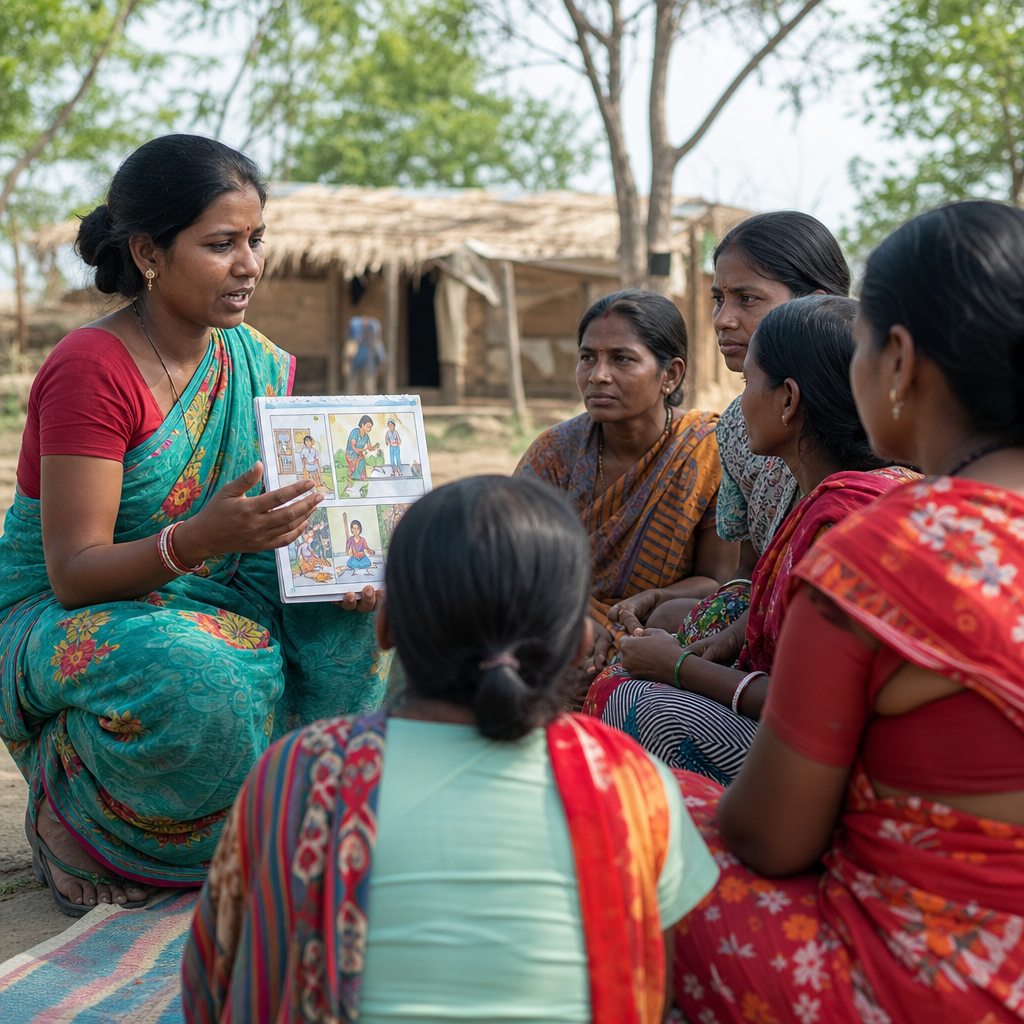
The most effective EcoSan and climate change community workshops follow an adult-learning model rather than a lecture model. Participants need to see, handle, question, compare, and decide. A good session starts with local climate and sanitation problems participants already recognize: flooded pits, bad odors, crop costs, unsafe sludge disposal, girls missing school because facilities are unusable, or household spending on chemical fertilizer. Facilitators then map these concerns to sanitation options and adaptation choices. This sequence matters. If training begins with technical jargon, people disengage. If it begins with lived experience, communities supply the case for change themselves.
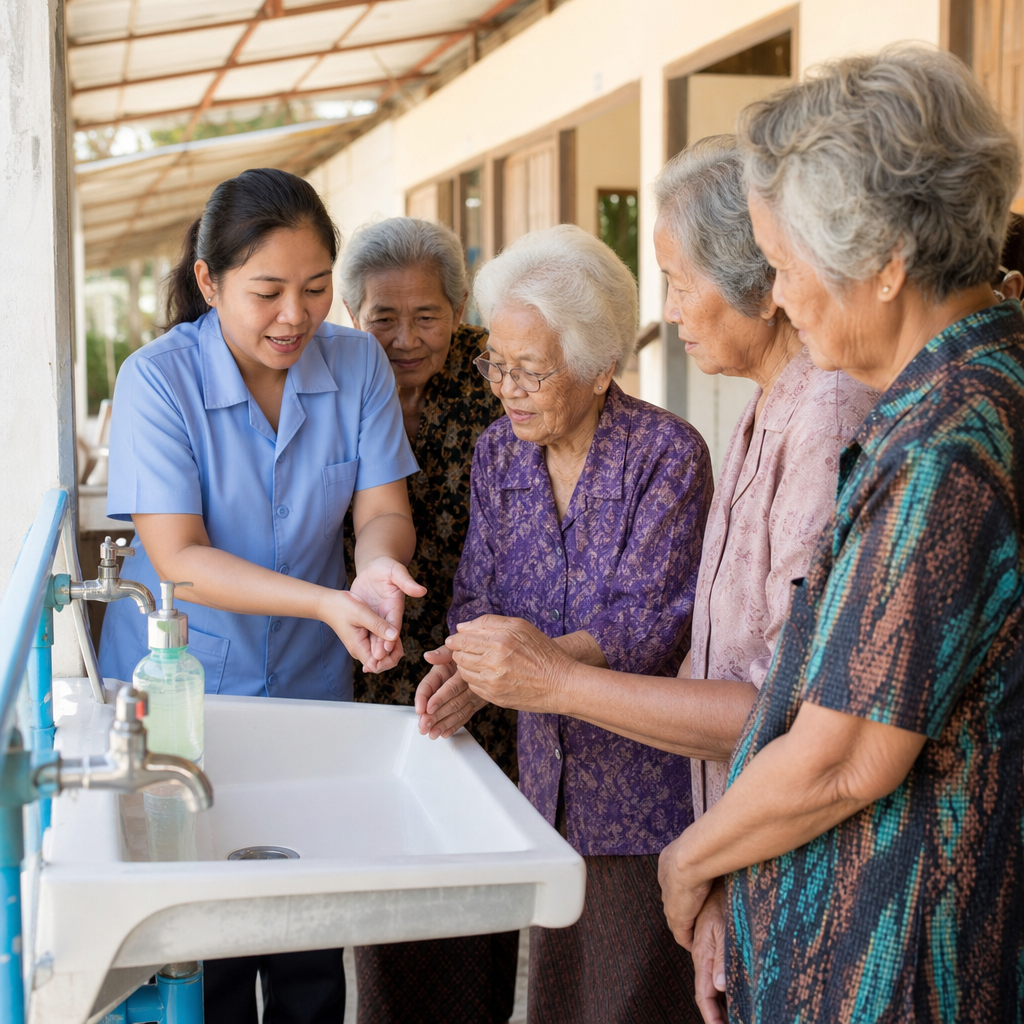
Workshop design should include four layers. First, establish shared understanding through plain-language definitions, diagrams, and local examples. Second, demonstrate technology physically where possible: show vaults, urine diversion pans, handwashing stations, cover materials, storage containers, and treatment timelines. Third, practice decision-making through scenario work such as selecting systems for dense informal settlements, schools, farms, or flood zones. Fourth, assign post-workshop actions with named responsibilities, dates, and follow-up visits. Without this last step, attendance may be high while implementation stays low.
Facilitators should prepare for difficult questions. Can reused products be safe? What happens during the rainy season? Who empties the vaults? Will the toilet smell? What does it cost compared with a pit latrine or septic tank? Good answers are specific. The World Health Organization sanitation safety planning approach is useful here because it frames risk management from containment through reuse. Communities do not need every technical detail, but they do need confidence that hazards have been identified and controlled through storage times, moisture management, protective equipment, and clear operating routines.
Core Topics Every EcoSan Workshop Hub Should Cover
As a hub article for educating for change, this page should connect all the core lessons that subpages can explore in detail. Every workshop program should cover climate science in practical terms, sanitation technology choices, public health safeguards, behavior change methods, financing, governance, and monitoring. These are not optional add-ons. They are the minimum set required to move from interest to sustained use.
Climate content should focus on local exposure: drought frequency, stormwater overload, flood recurrence, groundwater salinity, heat stress, and crop nutrient losses. Sanitation content should compare system types objectively and explain site suitability. Health content should cover pathogen pathways, hand hygiene, personal protective equipment, and treatment barriers. Behavior change content should address habit formation, social norms, stigma, and household decision-making. Financing content should explain capital cost, operation and maintenance, cost recovery from nutrient reuse where feasible, and subsidy design. Governance content should identify who approves systems, who inspects them, who collects materials, and how complaints are resolved. Monitoring content should define indicators such as usage, functionality, contamination incidents, and fertilizer substitution rates.
| Workshop module | Main question answered | Practical example |
|---|---|---|
| Climate risk and sanitation | How does climate change disrupt existing toilets and water systems? | Mapping flooded pit latrines and contaminated wells after seasonal storms |
| EcoSan technology options | Which system fits local soil, density, and water conditions? | Comparing urine-diverting dry toilets for drought areas with raised toilets for flood zones |
| Health and safe reuse | How can excreta be treated and handled safely? | Explaining storage periods, ash or lime use, and handwashing protocols |
| Agriculture and nutrient recovery | What value can recovered nutrients provide? | Using sanitized urine as a nitrogen source for maize or tree crops under extension guidance |
| Community implementation | Who pays, maintains, and monitors the system? | Creating a village sanitation committee with a maintenance schedule and fee plan |
Teaching Technology Choices in Plain Terms
Technology selection is where many workshops either build credibility or lose it. No single EcoSan model fits every place. In dense settlements with limited plot space, container-based sanitation linked to organized collection can be more realistic than household composting. In rural dryland communities, urine-diverting dry toilets may work well because they conserve water and produce a manageable dry fraction when used correctly with cover material. In flood-prone zones, raised latrines or sealed above-ground vault systems can reduce inundation risks. In agricultural settings with enough land and strong user engagement, composting and controlled reuse may provide clear value.
Participants should understand design variables, not just brand names or toilet styles. These variables include urine diversion, moisture control, ventilation, anal cleansing method, accessibility, user load, emptying frequency, treatment process, and end-use pathway. For example, if a workshop ignores anal cleansing practices in a community that uses water, a dry system may fail quickly from excess moisture. If facilitators overlook accessibility, older adults and people with disabilities may be excluded. I have learned that a successful training session always includes a discussion of who will use the toilet at night, during illness, during heavy rain, and during harvest season. Those details determine long-term performance more than brochure claims.
Clear comparisons also help prevent backlash. Participants should be told that EcoSan systems require user discipline. Diversion plates must be kept clean. Cover material must be available. Vault switching must happen on schedule. Reuse should only occur after treatment targets are met. When these expectations are stated early, communities can choose knowingly rather than feeling misled later.
Building Trust Through Health Protection, Culture, and Inclusion
EcoSan education fails when it treats resistance as ignorance. Concerns about smell, shame, religion, privacy, gender norms, or contact with excreta are often rational responses to real past failures. The workshop process must respect those concerns and address them with evidence and design adaptation. In schools, for example, privacy, menstrual hygiene management, lighting, locks, and cleaning routines matter as much as the toilet technology itself. In farming communities, acceptance of reuse may depend on crop type, local beliefs, and whether extension officers can demonstrate safe application methods on non-leafy crops first.
Health protection should be explicit and repeated. Facilitators should explain the fecal-oral transmission route, when pathogens die off, and why multiple barriers are safer than single barriers. Standards and guidance from the World Health Organization and the International Organization for Standardization are useful reference points because they show that safe sanitation is governed by process control, not guesswork. Community members do not need laboratory language, but they do need practical rules: store materials for the required period, keep vaults dry if the design requires it, use gloves or tools when handling treated outputs, wash hands with soap, and never shortcut treatment because a crop season is approaching.
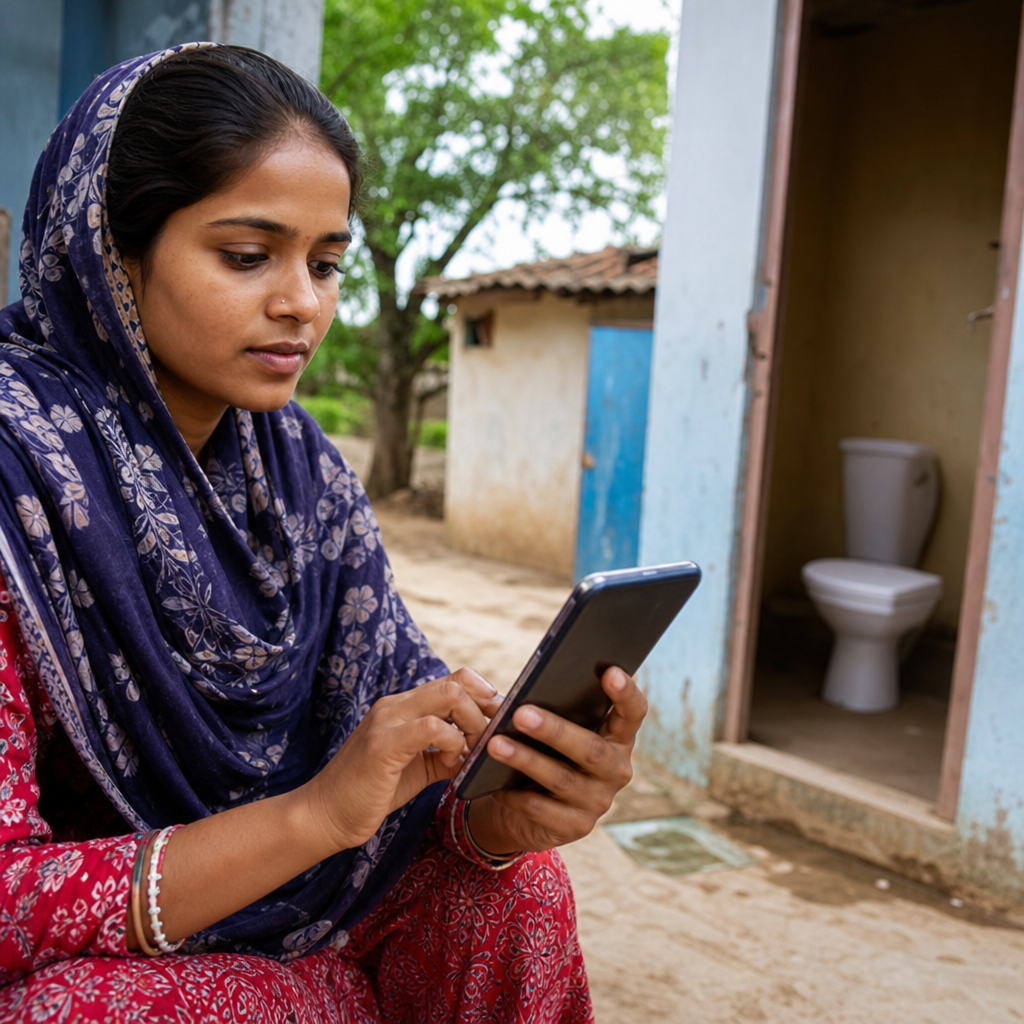
Inclusion is equally important. Women often manage water, household hygiene, and care work, yet men may control spending decisions. Workshops should invite both and make responsibilities visible. Youth groups can support climate messaging and digital reporting. Local masons and artisans need hands-on training so designs are built correctly. Health workers and teachers can reinforce messages after the formal event ends. This networked approach is what turns education into community engagement rather than a standalone meeting.
From Workshop to Implementation: Partnerships, Financing, and Follow-Up
The strongest community workshops are anchored in implementation pathways. That means linking education to municipal planning, agricultural extension, school management, public health outreach, and local enterprise. A workshop that ends with enthusiasm but no supply chain for urine-diverting pans, no trained builders, and no maintenance plan will not scale. Facilitators should map stakeholders early: local government for approvals, nongovernmental organizations for mobilization, microfinance groups for household loans, farmer cooperatives for reuse trials, and sanitation entrepreneurs for collection or maintenance services.
Financing should be discussed in concrete terms. Households need to know upfront cost, expected maintenance cost, replacement intervals, and whether savings from lower water use or fertilizer substitution are realistic. In some projects I have supported, small targeted subsidies worked better than full giveaways because households retained ownership while the poorest families still received help. Community savings groups can spread costs. Schools and clinics often need public or donor financing because their sanitation function is collective. Results improve when procurement, training, and aftercare are budgeted together rather than treated as separate programs.
Follow-up is the difference between education and transformation. Effective workshop hubs connect participants to checklists, demonstration sites, peer champions, maintenance calendars, and reporting channels. Monitoring should begin simply: Are people using the toilets correctly? Are units functional after six months? Is there leakage, odor, or contamination? Are recovered products being handled according to guidance? Over time, communities can add stronger indicators such as reduced pit flooding incidents, fewer days of toilet downtime at schools, lower expenditure on purchased fertilizer, or increased crop yield under controlled trials. If you are building an EcoSan education program, start with one clear community workshop, but design it as the first step in an ongoing learning system.
EcoSan and climate change community workshops work best when they connect sanitation, health, agriculture, and resilience into one practical story. People need more than awareness. They need clear definitions, locally relevant risk explanations, honest technology comparisons, visible safety rules, inclusive participation, and a route from training to implementation. That is the purpose of educating for change: helping communities understand not only what EcoSan is, but why it matters under climate pressure and how to make it function safely over time.
As the hub for this subtopic, this article points to the core issues every related resource should deepen: climate adaptation, nutrient recovery, public health, behavior change, finance, governance, and monitoring. When workshops address all of these areas, they create informed demand instead of short-lived interest. They also strengthen trust because communities can see the tradeoffs and make realistic choices. If you are planning a program, use this framework to audit your current training materials, identify missing modules, and build a workshop series that leads to measurable change.
Frequently Asked Questions
What is EcoSan, and why is it important in climate change community workshops?
EcoSan, or ecological sanitation, is a practical approach to sanitation that views human waste as a resource that can be safely managed, treated, and reused rather than simply discarded. In community workshops focused on climate change, EcoSan is important because it connects sanitation, water protection, soil health, food systems, and resilience in a way people can immediately understand and apply. Instead of treating toilets and waste systems as isolated infrastructure issues, EcoSan helps communities see how sanitation choices affect groundwater quality, drought preparedness, nutrient cycles, and public health.
That makes EcoSan especially relevant in a changing climate. Many communities are facing more intense rainfall, flooding, drought, and pressure on water supplies. Conventional sanitation systems can become costly, vulnerable, or water-intensive under these conditions. EcoSan methods often reduce water use, lower contamination risks, and create opportunities to recover nutrients that would otherwise be lost. Community workshops help translate these concepts into local action by showing how urine diversion, composting, dehydration, safe treatment, and reuse can support cleaner environments and stronger local systems.
Workshops also matter because climate adaptation is most effective when it is rooted in community knowledge and participation. EcoSan training gives residents, local leaders, farmers, schools, and sanitation workers a shared language for discussing safe sanitation and environmental stewardship. Participants learn not just what EcoSan is, but how it can be adapted to local climate risks, cultural practices, land use patterns, and household needs. That combination of technical understanding and community ownership is what turns an abstract sustainability goal into practical resilience.
How do EcoSan workshops help communities respond to climate-related challenges like drought, flooding, and water scarcity?
EcoSan workshops help communities prepare for climate-related stress by focusing on sanitation systems that are more flexible, water-efficient, and environmentally protective. In drought-prone areas, one of the biggest advantages of EcoSan is reduced dependence on large volumes of water for flushing and waste transport. Workshops often explain how dry or low-water sanitation options can maintain hygiene while conserving water for drinking, cooking, and agriculture. That is increasingly valuable where rainfall is less predictable and freshwater resources are under strain.
In areas affected by flooding or rising water tables, workshops can show why poorly designed pit latrines and failing septic systems may contaminate groundwater, rivers, and nearby land during extreme weather. EcoSan approaches can be designed to reduce those risks by encouraging better containment, separation, treatment, and placement of sanitation systems. Participants learn how local geography, soil type, and climate patterns should influence sanitation design decisions. This is critical because a system that works in one region may not be suitable in another, especially as climate impacts intensify.
These workshops also support resilience by teaching communities how to recover useful resources. Properly treated urine and fecal matter can contribute nutrients and organic matter that improve soils and reduce dependence on external fertilizers. In climate-stressed agricultural areas, healthier soils can retain moisture better and support more stable food production. That means sanitation is no longer seen only as a health necessity, but also as part of a broader strategy for adaptation, resource efficiency, and local self-reliance. By linking sanitation with water management, agriculture, and emergency preparedness, EcoSan workshops help communities build practical systems that are better suited to climate uncertainty.
What do people typically learn in an EcoSan and climate change community workshop?
Most EcoSan and climate change workshops are designed to be highly practical, combining basic environmental education with hands-on demonstrations and local problem-solving. Participants usually begin by learning the core principles of ecological sanitation: separating waste streams where appropriate, minimizing water use, safely sanitizing excreta, preventing pollution, and recovering nutrients for productive use. Facilitators often explain how these practices fit into natural cycles, showing that nutrients removed from food-growing soils can be safely returned when managed correctly.
Workshops also commonly cover the connection between sanitation and climate resilience. People learn how conventional sanitation systems may struggle under drought, flooding, infrastructure breakdown, or population growth, and why climate-aware sanitation planning is becoming more important. This includes discussion of site selection, toilet design options, maintenance requirements, hygiene protocols, and the conditions needed for safe reuse. Good workshops make a point of emphasizing safety, because reuse is only beneficial when treatment and handling are done correctly and consistently.
In addition, participants often explore community-specific issues such as local water contamination, crop nutrient needs, affordability, household acceptance, and long-term maintenance. Some workshops include demonstrations of urine-diverting toilets, composting or dehydration techniques, safe storage practices, and ways to monitor treatment processes. Others involve mapping local sanitation challenges or discussing how schools, clinics, and neighborhoods can organize shared solutions. The most effective workshops leave people with more than awareness; they provide clear next steps, realistic examples, and confidence to apply EcoSan principles in homes, institutions, and community planning.
Is EcoSan safe, and what safeguards are discussed in community workshops?
Yes, EcoSan can be safe when it is designed, operated, and monitored properly, and that safety focus is one of the most important parts of any responsible community workshop. Ecological sanitation is not about informal or careless reuse of waste. It is about using established treatment, storage, hygiene, and handling practices to reduce health risks and protect people, crops, soil, and water sources. Workshops should make it clear that safety is non-negotiable and that untreated human waste must never be used directly.
Typical safeguards discussed in workshops include separating urine and feces where appropriate, allowing adequate storage or treatment time, controlling moisture, using protective equipment when needed, washing hands thoroughly, and keeping treated materials away from direct human contact until they are safe. Participants may also learn about pathogen reduction, the importance of correct toilet use, and how environmental factors such as temperature and humidity affect treatment performance. Good facilitators explain that different reuse applications require different levels of caution, and that local regulations and public health guidance should always be followed.
Workshops often address another important aspect of safety: system maintenance. Even well-designed EcoSan systems can fail if they are not cleaned, emptied, repaired, and managed consistently. Communities therefore need training not just in installation, but in ongoing operation and accountability. This can include assigning roles, setting maintenance schedules, teaching households what not to put into the system, and ensuring there is a plan for safe collection and reuse or disposal. When safety protocols are understood and taken seriously, EcoSan can support both public health and environmental protection in a reliable and responsible way.
How can communities start implementing ideas from EcoSan and climate change workshops?
Communities usually get the best results by starting with local assessment rather than rushing straight into construction. After a workshop, the first step is often to identify the specific sanitation and climate pressures the community faces. That might include water scarcity, seasonal flooding, contaminated wells, high fertilizer costs, poor toilet access, or infrastructure that is difficult to maintain. Once those challenges are clear, community members can evaluate which EcoSan approaches fit local conditions, budgets, cultural preferences, land availability, and public health requirements.
A strong next step is to begin with pilot projects. For example, a school, community center, farm, or a small group of households may test an EcoSan system before wider rollout. Pilots allow people to observe how the system performs, what maintenance is required, how users respond, and what design improvements are needed. Workshops often encourage this gradual approach because it builds trust, creates local examples, and helps avoid costly mistakes. It also gives communities a chance to develop training materials, maintenance routines, and safe reuse protocols based on real experience.
Long-term success usually depends on organization as much as technology. Communities may need partnerships with local governments, health officers, agricultural advisers, builders, educators, or nonprofit groups to support implementation and oversight. Ongoing education is also essential so that new users understand correct operation, hygiene, and maintenance. When EcoSan is integrated into broader local planning for water, agriculture, public health, and climate adaptation, it becomes much more sustainable. In that sense, workshops are not the end of the process; they are the starting point for informed, community-led action that can improve sanitation, conserve resources, and strengthen climate resilience over time.