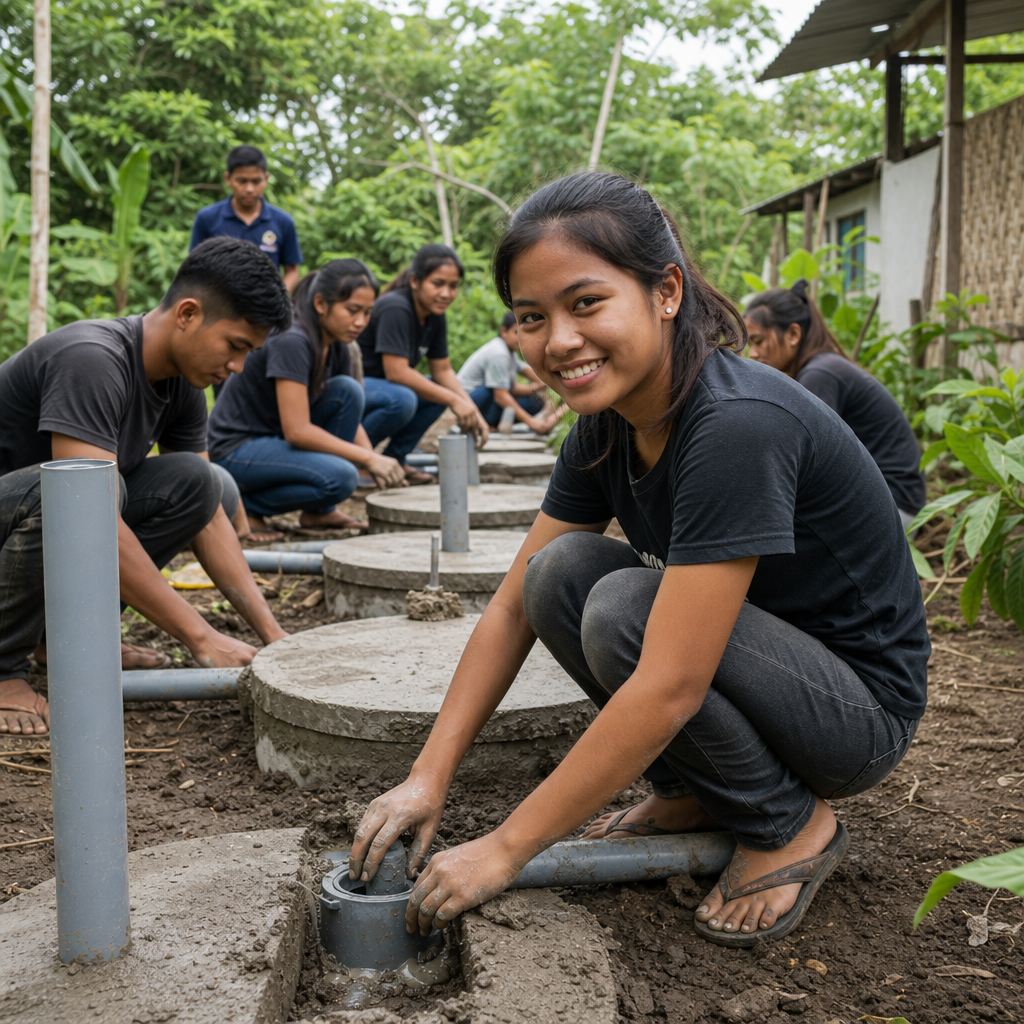
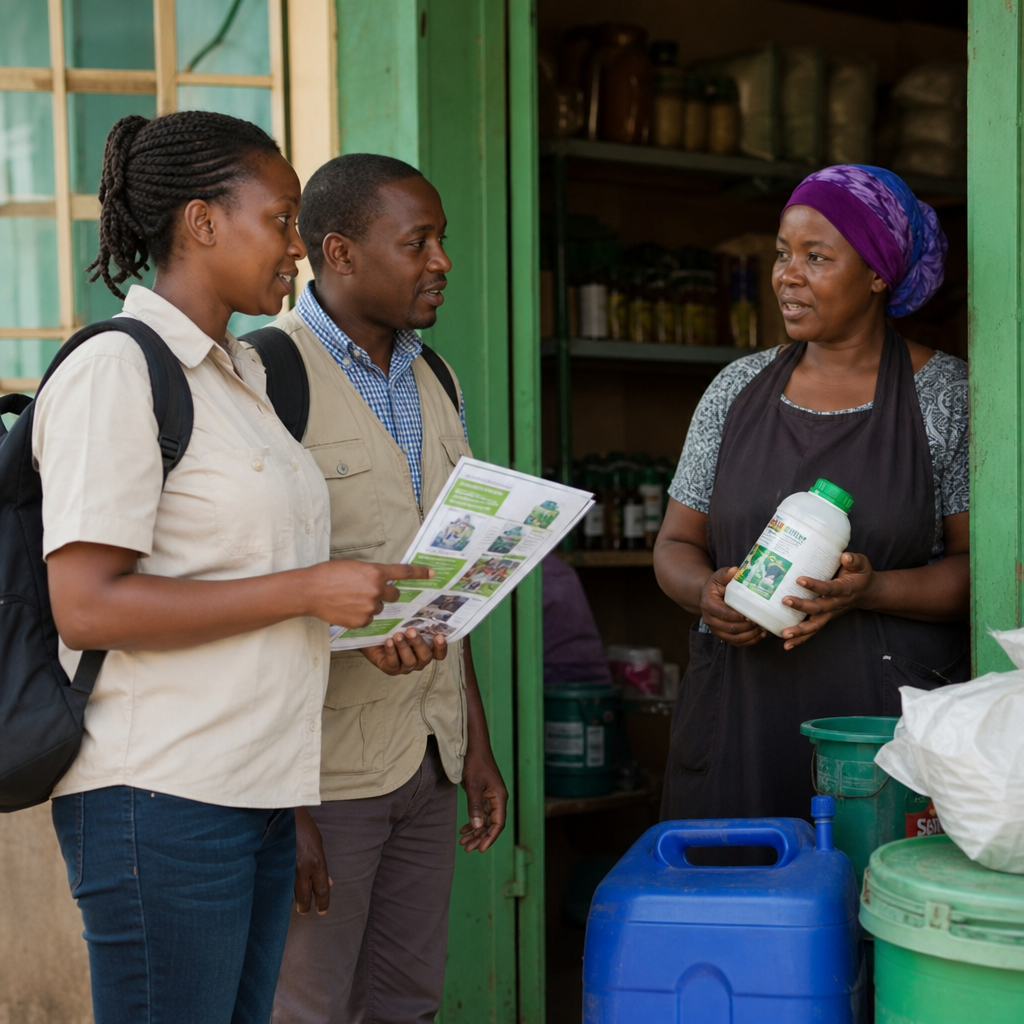
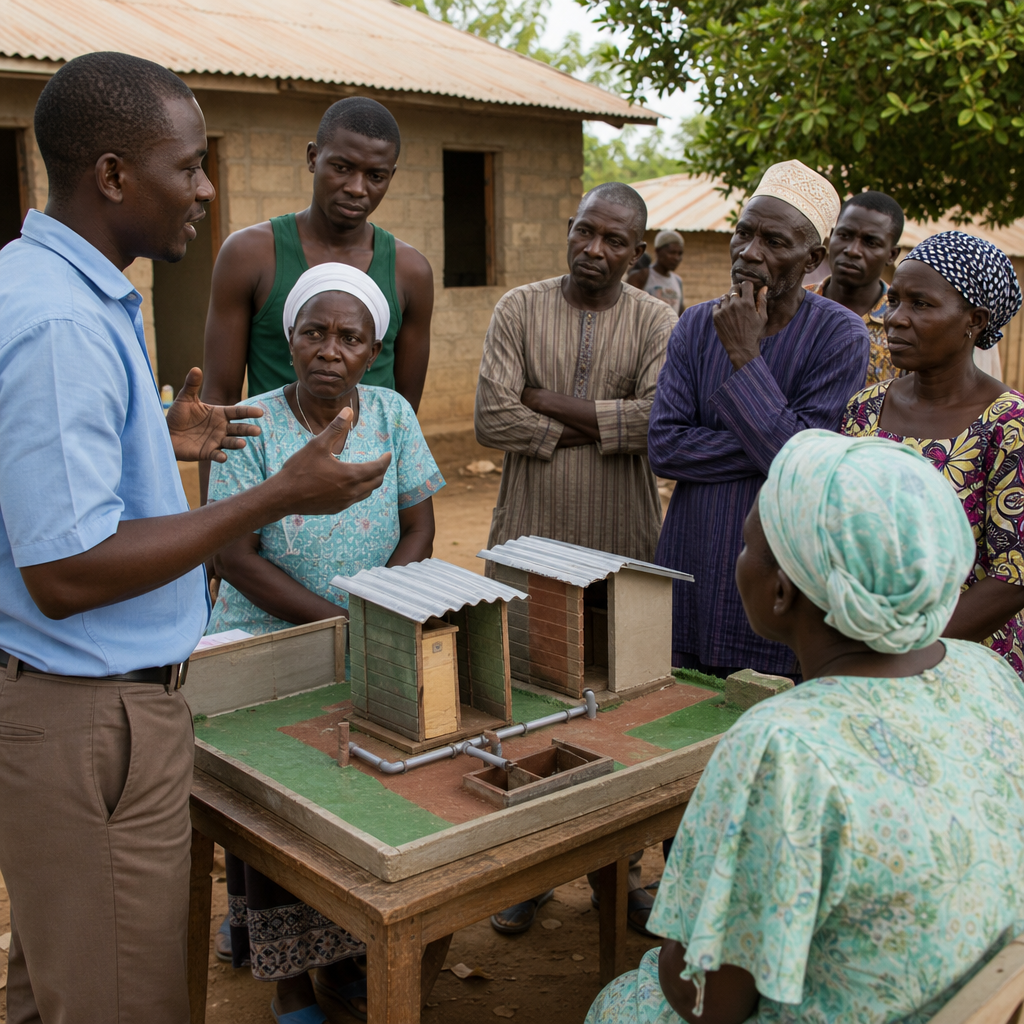
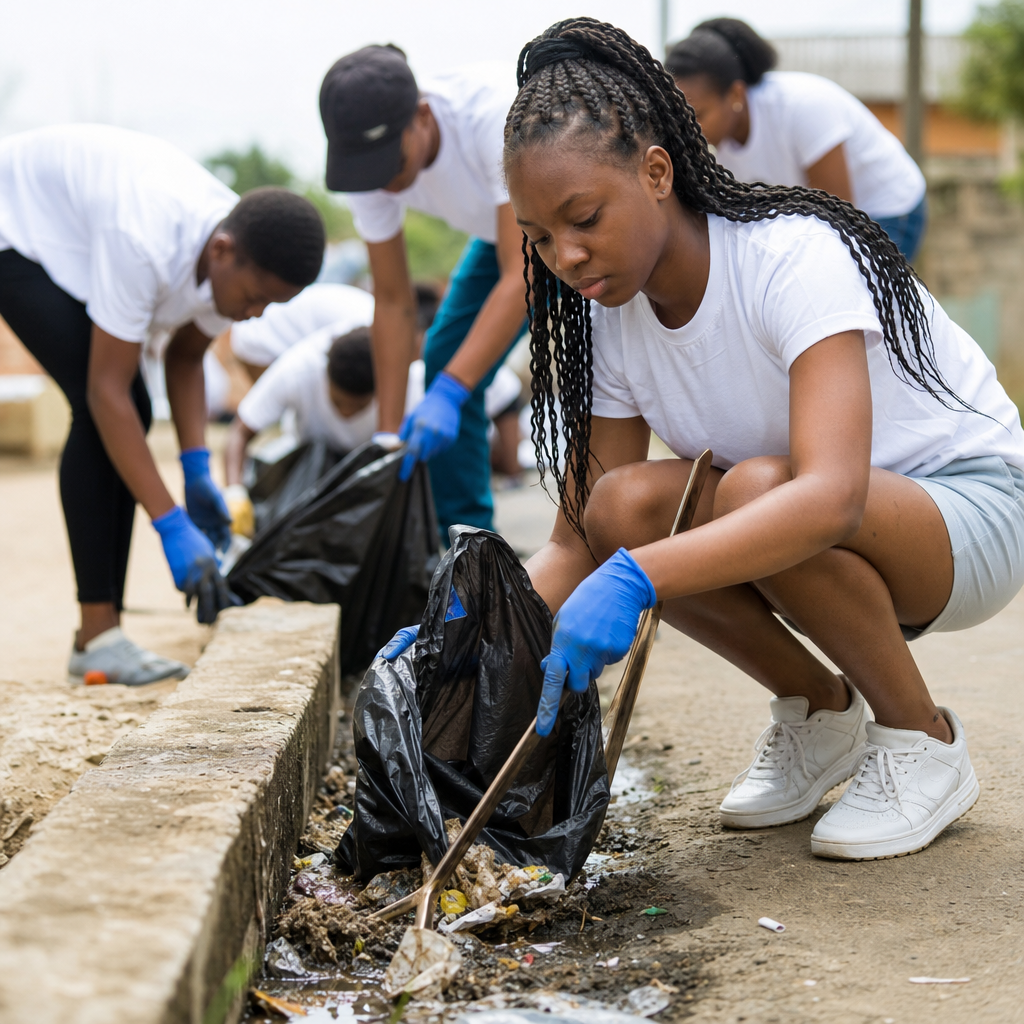
Empowering women through sanitation training programs is one of the most practical ways to improve public health, strengthen local leadership, and turn community education into measurable change. In this context, sanitation training programs are structured efforts that teach people how to manage hygiene, toilets, wastewater, menstrual health, solid waste, and safe behaviors in homes, schools, clinics, and public spaces. When these programs are designed for women and led with women, they do more than transfer information. They build confidence, create income pathways, reduce disease risk, improve school attendance, and give communities trusted educators who can influence daily habits. I have seen sanitation projects fail when infrastructure arrived without training, and I have seen modest facilities perform well for years when local women understood maintenance, financing, hygiene promotion, and community accountability. That is why this topic matters across the full community engagement and education landscape. Knowledge turns sanitation from a one-time construction activity into a durable social system. For a sub-pillar hub focused on empowering communities through knowledge, women-centered sanitation training sits at the center because it connects health, education, safety, dignity, livelihoods, and governance in a way few interventions can match.
The case for this approach is supported by global evidence and by local implementation lessons. Unsafe sanitation and poor hygiene remain major drivers of diarrheal disease, parasitic infection, undernutrition, and lost productivity. Women and girls bear a disproportionate burden because they often manage water collection, household cleaning, caregiving, and menstrual hygiene while also facing privacy and safety risks around inadequate toilets. Training responds to those realities directly. It can cover handwashing with soap at critical times, toilet use and upkeep, fecal sludge management basics, safe water storage, menstrual health education, behavior change communication, and community monitoring. It can also teach women how to serve as peer educators, pump mechanics, masons, sanitation entrepreneurs, school committee members, or data collectors. As a hub article, this page maps the core themes that branch into deeper articles across community engagement and education: behavior change, school programs, household outreach, local leadership, financing literacy, gender inclusion, and monitoring outcomes. The central idea is simple but powerful: communities sustain healthy sanitation systems when people understand why practices matter, how systems work, who is responsible, and what actions they can take today.
Why women-centered sanitation education changes community outcomes
Women-centered sanitation education improves outcomes because women are often the primary managers of everyday hygiene decisions inside households and the most consistent observers of sanitation failures in schools, clinics, and neighborhoods. When a mother understands the disease pathway described in the F-diagram, for example, she does not just memorize a public health message. She can identify exactly how fecal contamination reaches food, water, hands, soil, and surfaces in her setting, then interrupt those transmission routes. In practice, that means covering pits, improving child feces disposal, keeping handwashing stations stocked, and insisting on regular cleaning. Training also creates social legitimacy. In many projects I have supported, behavior change accelerated only after women facilitators led demonstrations in local language, answered sensitive questions privately, and revisited households more than once. Communities trusted them because they were discussing lived realities, not abstract rules.
The community-level gains are broad. Better sanitation knowledge reduces open defecation, increases latrine use, improves maintenance, and raises demand for safer services. In schools, training female teachers and older girls often leads to cleaner toilets, better menstrual health management, and lower absenteeism during menstruation. In health facilities, women trained as hygiene champions can reinforce cleaning protocols and support infection prevention. In rural markets and informal settlements, women’s groups can organize cleaning schedules, fee collection, and oversight of shared facilities. These improvements matter economically as well as medically. Time lost to illness, caregiving, and unsafe access paths has a direct cost. So does infrastructure that breaks because no one knows how to maintain seals, pits, slabs, drainage, or supply chains for soap and disinfectant. Knowledge protects those investments. It also shifts power. A woman who can explain containment, safe emptying, and maintenance costs at a village meeting is more likely to influence budgets and standards than one who is invited only to clean after decisions are made.
Core components of effective sanitation training programs
Effective sanitation training programs combine technical content, practical demonstration, and social learning. The strongest curricula begin with baseline assessment: What sanitation facilities exist, who uses them, what are the hygiene gaps, and what cultural factors shape behavior? From there, trainers build modules that are specific enough to be useful and simple enough to be applied immediately. Essential topics include toilet use and maintenance, handwashing technique, safe child feces disposal, water handling, menstrual health, cleaning protocols, and what to do when facilities overflow, smell, leak, or lose privacy. If a community relies on pit latrines, the training should explain pit siting, safe superstructure care, venting, and signs that emptying is needed. If septic systems are common, women should learn what should never enter the system, how desludging works, and why untreated discharge contaminates groundwater.
Programs work best when they also address communication and leadership. Technical knowledge alone does not change habits if trainees cannot persuade relatives, teachers, neighbors, or landlords. That is why role-play, household counseling practice, and group problem solving are so valuable. Training should include methods from behavior change communication, including audience segmentation, barrier analysis, positive deviance, reminder cues, and follow-up visits. It should also prepare women to collect simple monitoring data such as toilet functionality, soap availability, cleaning frequency, and user satisfaction. The table below outlines a practical structure I have seen deliver reliable results across community settings.
| Training component | What women learn | Community benefit |
|---|---|---|
| Hygiene fundamentals | Critical handwashing times, contamination routes, safe water storage | Lower disease transmission and stronger daily routines |
| Toilet operation and maintenance | Cleaning methods, minor repairs, supply management, reporting faults | Facilities stay usable, cleaner, and safer for longer |
| Menstrual health management | Product options, privacy needs, disposal methods, stigma reduction | Better dignity, school attendance, and inclusion |
| Community outreach | Household counseling, demonstrations, local-language messaging | Higher adoption of healthy behaviors beyond direct trainees |
| Leadership and governance | Committee roles, budgeting basics, accountability, record keeping | Women influence sanitation decisions and resource allocation |
| Livelihood skills | Soap making, pad production, cleaning services, repair referrals | Income generation linked to sanitation improvement |
From knowledge to leadership, livelihoods, and social confidence
One reason sanitation training is so effective is that it creates visible competence in areas communities value immediately. When women can diagnose why a handwashing station keeps running dry, organize a cleaning rota for a shared toilet block, or explain why child feces are more hazardous than many households assume, they become problem solvers. That status matters. In multiple districts where I have worked, women who began as hygiene volunteers later joined water and sanitation committees, negotiated with local officials, and helped set rules for facility access and maintenance funds. Training gave them vocabulary, evidence, and confidence. It also changed how men and local leaders viewed their contributions. Expertise expressed in practical results is hard to dismiss.
Sanitation knowledge can also support livelihoods. Programs that include enterprise modules may train women to produce soap, reusable menstrual products, cleaning agents, toilet slabs, or protective gear for sanitation workers. Others connect women to roles in community-based monitoring, fecal sludge service coordination, or janitorial contracts for schools and clinics. These pathways should not be romanticized; margins can be thin and local demand varies. But when designed with market analysis, quality standards, and mentorship, they can create real economic value. For example, a women’s group that manages cleaning supplies and fee collection for a public toilet can use transparent bookkeeping to keep the facility functional while earning stipends. Another group may run door-to-door hygiene promotion tied to local retail sales of soap and water treatment products. The broader point is that sanitation training does not have to end at awareness. It can build leadership, public speaking, budgeting, technical troubleshooting, and business skills that carry into other forms of civic participation.
Design principles that make programs inclusive and durable
Not every sanitation training program empowers women equally. Poorly designed initiatives overload women with unpaid responsibilities, ignore safety concerns, or assume one workshop is enough. Durable programs account for time, mobility, literacy, disability, caregiving burdens, and social norms. Scheduling matters. Sessions should be offered at times women can actually attend, with child-friendly arrangements where possible. Materials should use plain language, local examples, demonstration tools, and visual aids for participants with limited literacy. Accessibility matters too: toilets used for demonstrations must be safe and reachable for older women and people with disabilities. Privacy is essential when discussing menstrual health, incontinence, or harassment around sanitation access. In conservative settings, female trainers or paired facilitation models can improve participation dramatically.
Strong design also means linking training to systems, not treating it as a stand-alone event. Participants need referral pathways when they identify broken infrastructure, contamination, or violence risks. They need committees with defined roles, local government contacts, and simple maintenance budgets. Programs should align with recognized approaches such as community-led total sanitation where appropriate, school WASH standards, infection prevention protocols in clinics, and service-chain thinking for containment, emptying, transport, treatment, and reuse or disposal. Importantly, training should include what success looks like and how it will be measured. Common indicators include observed handwashing facilities with soap and water, toilet cleanliness scores, functionality rates, menstrual health support in schools, household adoption of safe child feces disposal, and participation of women in decision-making bodies. Follow-up coaching is the difference between initial enthusiasm and sustained practice. In my experience, three to six months of periodic reinforcement outperforms one-off workshops every time.
How this hub connects the wider community engagement and education ecosystem
As a hub within community engagement and education, empowering women through sanitation training programs connects several related content areas that communities and practitioners need to understand together. One branch is behavior change at household level: how messages are framed, repeated, demonstrated, and normalized. Another is school engagement, where girls’ sanitation needs, teacher training, parent committees, and adolescent health education intersect. A third is community leadership development, including how women serve on WASH committees, track budgets, and participate in local planning. Other linked topics include safe menstrual health education, sanitation financing literacy, inclusive facility design, public toilet management, risk communication during outbreaks, and monitoring methods that communities can use themselves. Each of those areas deserves its own detailed article, but this page establishes the unifying principle: knowledge is the mechanism that converts sanitation from infrastructure into shared responsibility.
The most effective community strategies treat women not as passive recipients of messaging but as trainers, auditors, entrepreneurs, organizers, and decision-makers. That shift has practical consequences. Facilities are maintained more consistently. Children learn healthier habits at home and school. Local data become more accurate because trained residents notice functionality problems before they become failures. Public spending is better defended because communities can explain what works and what does not. The key takeaway is straightforward. If you want sanitation systems that people use, trust, maintain, and improve, invest in women’s training with the same seriousness you invest in hardware. Start with a local needs assessment, build a curriculum around real behavior and service gaps, provide follow-up support, and create clear routes into leadership and paid roles. Communities are empowered through knowledge when knowledge is usable, shared, and tied to action. Use this hub as the starting point for a deeper program plan, and build your next sanitation initiative around women who can lead lasting change.
Frequently Asked Questions
1. What are sanitation training programs for women, and why do they matter?
Sanitation training programs for women are organized learning initiatives that build practical knowledge and leadership skills around hygiene, toilet use and maintenance, wastewater handling, menstrual health management, solid waste disposal, handwashing, disease prevention, and safe sanitation behaviors in homes, schools, clinics, workplaces, and public spaces. These programs matter because women are often the primary managers of household water, hygiene, caregiving, and family health, yet they are frequently excluded from sanitation planning and decision-making. When women receive targeted sanitation education, they are better equipped to protect their families from preventable illness, identify unsafe conditions, advocate for improvements, and help communities adopt healthier habits.
Beyond health benefits, these programs create wider social and economic impact. They give women confidence to speak in public, participate in local committees, monitor sanitation facilities, train others, and influence community priorities. In many settings, women who complete sanitation training become peer educators, school advocates, health volunteers, entrepreneurs, or leaders in neighborhood improvement efforts. That means the value of training extends far beyond individual knowledge. It helps build stronger local systems, encourages accountability, and turns women into visible agents of change in areas that directly affect dignity, safety, and quality of life.
2. How do sanitation training programs improve public health and community well-being?
Well-designed sanitation training programs improve public health by reducing the spread of disease at its source. They teach participants how infections move through contaminated hands, unsafe water, open defecation, poorly maintained toilets, improper waste disposal, and unhygienic menstrual practices. When women understand these pathways and know how to interrupt them, they can introduce practical changes such as proper handwashing at key times, safe cleaning routines, household waste separation, better toilet maintenance, child feces disposal, and safer food and water handling. These are simple actions, but together they can significantly lower the risk of diarrheal disease, parasitic infections, skin conditions, and other sanitation-related illnesses.
The benefits also ripple outward into daily community life. Healthier households mean fewer missed school days for children, fewer caregiving burdens, lower medical costs, and more time for work and income generation. In schools and public institutions, improved sanitation awareness can increase attendance, especially for girls who need safe, private, and hygienic facilities during menstruation. In neighborhoods, trained women often become trusted messengers who encourage behavior change more effectively than outside campaigns alone. As community members begin to adopt shared standards around cleanliness, facility maintenance, and safe disposal practices, overall well-being improves. Public health gains become more durable because they are supported by local knowledge, consistent habits, and community ownership rather than one-time interventions.
3. What topics are usually included in women-focused sanitation training programs?
Most women-focused sanitation training programs cover a combination of technical knowledge, health education, and leadership development. Core topics often include hand hygiene, safe toilet use, toilet cleaning and maintenance, household sanitation, wastewater management, safe water storage, drainage, solid waste handling, environmental cleanliness, infection prevention, and the relationship between sanitation and common illnesses. Menstrual health management is also a critical component in many programs, with instruction on hygiene practices, access to safe materials, privacy needs, disposal methods, and reducing stigma through open, respectful discussion. In settings such as schools, clinics, or marketplaces, the training may also address sanitation standards for shared facilities and public-use environments.
Strong programs go further by teaching communication, problem-solving, and community leadership skills. Women may learn how to conduct awareness sessions, monitor sanitation conditions, collect basic community data, support behavior change campaigns, and engage with local leaders or service providers. Some programs include livelihood-oriented content as well, such as making hygiene products, managing sanitation-related microenterprises, or participating in facility maintenance committees. This broader approach is important because sanitation challenges are rarely solved by information alone. Women need both practical tools and a voice in local systems. Training that combines health knowledge with confidence-building and leadership development is far more likely to create lasting impact.
4. How can sanitation training programs empower women economically and socially?
Sanitation training programs empower women socially by increasing their visibility, confidence, and influence in community life. In many places, sanitation has traditionally been treated as a private household issue rather than a leadership issue, even though it affects everyone. Training changes that dynamic by positioning women as knowledgeable contributors with expertise in health, hygiene, safety, and facility management. As women begin leading discussions, training neighbors, advising schools, or serving on water and sanitation committees, they gain recognition as decision-makers. This can shift social norms, especially in communities where women have had limited opportunities to participate in public planning or governance.
Economic empowerment can follow as well. Sanitation knowledge opens doors to income-generating roles connected to hygiene education, menstrual product distribution, waste management, toilet maintenance, community mobilization, and local sanitation enterprises. Women may become trainers, health promoters, suppliers, or small business owners serving community sanitation needs. Even when programs are not directly tied to entrepreneurship, improved sanitation practices can reduce health-related expenses, save time otherwise lost to illness or poor facilities, and support school and work attendance. Those gains matter. Empowerment is not only about earning income; it is also about having greater control over one’s environment, stronger participation in decisions, and practical skills that create long-term opportunity for women, families, and communities.
5. What makes a sanitation training program for women truly effective and sustainable?
An effective and sustainable sanitation training program is one that is locally relevant, inclusive, practical, and designed for long-term behavior change. It should reflect the real sanitation challenges women face in their specific context, whether those involve unsafe school toilets, lack of menstrual hygiene support, poor drainage, limited waste services, or inadequate household facilities. The training should use clear language, relatable examples, and hands-on methods rather than relying only on lectures. Women need opportunities to practice what they learn, ask questions openly, and apply lessons to their homes, workplaces, or communities. Programs are especially effective when they are culturally sensitive while still challenging harmful stigma, silence, or exclusion around sanitation and hygiene topics.
Sustainability also depends on support beyond the training itself. Women need access to usable facilities, hygiene supplies, community backing, and pathways to continue participating after the formal sessions end. Follow-up mentoring, local peer networks, refresher training, and links to schools, clinics, local governments, or community organizations can help maintain momentum. Measurement is another key factor. Strong programs track outcomes such as changes in hygiene behavior, toilet use, cleanliness standards, menstrual health support, school attendance, or women’s participation in local decision-making. When training is paired with infrastructure, leadership opportunities, and ongoing community engagement, it moves from awareness-building to measurable transformation. That is what makes a sanitation program not just informative, but genuinely empowering for women and beneficial for society as a whole.