Creating a culture of cleanliness and sustainability starts with one practical idea: communities protect what they understand, measure, and value together. In community engagement and education, cleanliness means more than litter removal or tidy public spaces. It includes hygiene, waste reduction, recycling habits, stormwater protection, safe public facilities, and everyday behaviors that shape neighborhood health. Sustainability expands that idea by asking whether those behaviors can be maintained without exhausting resources, increasing pollution, or shifting costs onto future generations. When combined, cleanliness and sustainability become a shared operating system for schools, households, local businesses, faith groups, and municipal agencies.
I have worked with neighborhood programs where a single cleanup day produced impressive photos but little long-term change. The durable results came when education, local leadership, and visible systems were built together. Residents needed to know what belonged in a recycling cart, why illegal dumping raised city costs, how food waste affected methane emissions, and where to report overflowing bins or broken fixtures. They also needed proof that participation mattered. Communities stay engaged when they can see cleaner streets, lower contamination rates, safer parks, and stronger trust between institutions and residents.
This hub article focuses on empowering communities through knowledge because information is the bridge between good intentions and consistent action. Knowledge is not limited to classroom lessons. It includes signage that uses plain language, multilingual outreach, resident workshops, school projects, public dashboards, volunteer training, and partnerships with sanitation departments, environmental nonprofits, and healthcare providers. The goal is to make responsible behavior easy to understand and easier to practice. When people know the why, the how, and the local impact, they are far more likely to participate repeatedly instead of occasionally.
Why does this matter now? Urbanization, climate pressure, plastic waste, rising disposal costs, and public health concerns have increased the stakes. According to the World Bank, global municipal solid waste generation is projected to keep rising as populations and consumption grow. At the same time, the U.S. Environmental Protection Agency continues to emphasize source reduction, reuse, composting, and correct recycling as central strategies for reducing environmental harm. Cleanliness is therefore not just a cosmetic issue. It affects respiratory health, water quality, pest control, neighborhood pride, tourism, property values, and municipal budgets. Education is the lever that turns those large issues into practical local habits.
Why knowledge is the foundation of cleaner, more sustainable communities
Communities change behavior when knowledge is specific, local, and actionable. Generic messages such as “keep our city clean” or “go green” rarely change daily routines because they do not tell people what to do, when to do it, or why local conditions make it important. Effective community education answers concrete questions: What materials are accepted in our recycling program? What should residents do with batteries, paint, and electronics? How does dog waste affect waterways? When is bulk pickup scheduled? What causes contamination in a compost stream? In every successful initiative I have seen, the educational content was tied directly to local systems and local consequences.
Knowledge also reduces friction. Many residents want to do the right thing but face uncertainty, inconvenience, or conflicting information. One apartment building may have clearly labeled diversion stations, while another has a single overflowing dumpster with no guidance. One school may teach students how to sort lunch waste, while a nearby business district provides no public bins at all. In those conditions, confusion becomes contamination, littering, and disengagement. Community education works best when it is paired with infrastructure, including labeled containers, collection schedules, clear reporting channels, and public reminders in the places where decisions happen.
Another reason knowledge matters is that cleanliness and sustainability require collective behavior, not isolated individual effort. A resident can sweep a sidewalk, but drainage systems, vacant lots, transit corridors, and public parks cross many boundaries. Shared spaces need shared norms. Education creates those norms by making responsibilities visible and by linking personal actions to community outcomes. When residents learn that clogged storm drains increase flood risk, or that contaminated recycling loads can be rejected and landfilled, they understand that seemingly minor choices have system-wide effects. That understanding builds accountability without relying only on enforcement.
What communities need to learn to act effectively
Empowering communities through knowledge means teaching more than rules. People need a practical framework for decision-making. First, they need material literacy: how to distinguish recyclables, organics, hazardous household waste, textiles, bulky items, and landfill waste. Second, they need health literacy: how cleanliness affects vectors, allergens, mold, indoor air, and safe food handling in public settings. Third, they need civic literacy: who manages sanitation, where budgets come from, how reporting systems work, and how residents can influence policy. Fourth, they need environmental literacy: how waste, runoff, energy use, and consumption patterns affect air, soil, and water.
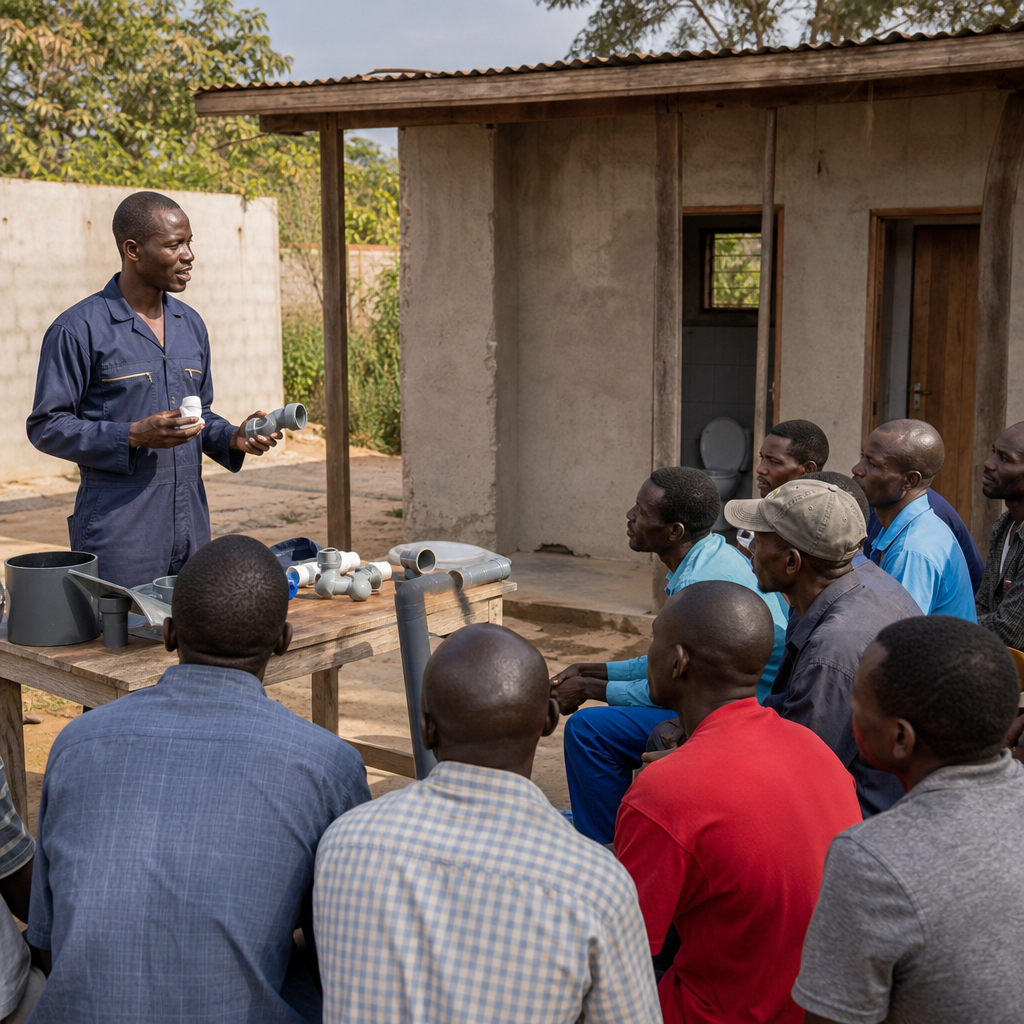
These forms of knowledge should be tailored to audience and context. Children respond well to hands-on sorting exercises, school gardens, and visible goals such as reducing cafeteria waste. Property managers need guidance on bin placement, contamination monitoring, tenant communication, and service contracts. Small businesses benefit from clear instructions on cardboard recovery, grease disposal, back-of-house storage, and compliance requirements. Seniors may need printed materials, phone-based support, or in-person demonstrations rather than app-only systems. New residents and immigrant communities often benefit from multilingual outreach that explains not just the rules but the reasons those rules exist locally.
It is equally important to address misconceptions directly. Many people believe any plastic with a recycling symbol is recyclable in curbside programs, but acceptance depends on local processing capacity and packaging format. Others assume biodegradable plastics break down in any environment, when many require industrial composting conditions. Some think one person’s litter does not matter, though scattered debris often attracts more dumping, a pattern sometimes called the broken windows effect in public management discussions. Good education does not shame people; it replaces guesswork with practical clarity and repeated reinforcement.
Building the systems that turn awareness into habit
Awareness alone does not produce a culture of cleanliness and sustainability. Communities need systems that make the desired behavior the easiest behavior. That starts with design. Bins should be placed where waste is generated, not where it is convenient for storage. Labels should use words and images, ideally with examples of the exact items used in that location. Public spaces need maintenance schedules that prevent overflowing containers, because full bins rapidly lead to adjacent litter. Reporting tools should be simple enough for residents to use in under a minute, whether through 311 services, QR codes, or property management portals.
Training local champions is one of the most reliable ways to sustain behavior change. In neighborhoods, these champions may be block leaders, school staff, youth volunteers, janitorial teams, custodians, resident council members, or business improvement district ambassadors. Their role is not merely to remind others to follow rules. They translate policy into daily practice. I have seen custodial staff dramatically improve diversion rates by correcting signage, explaining contamination to tenants, and adjusting collection points based on traffic flow. That kind of operational knowledge is often more valuable than a broad public campaign with no on-site reinforcement.
Measurement matters because it converts culture from an aspiration into a management practice. Communities should track litter complaints, illegal dumping incidents, recycling contamination, diversion rates, volunteer participation, public space inspection scores, and resident awareness levels. Even basic before-and-after photo documentation can be useful when paired with counts and timelines. Data allows leaders to target problem areas, refine messages, and demonstrate progress to funders and residents. Without measurement, programs drift toward anecdote. With measurement, they become accountable, improvable, and easier to replicate across neighborhoods.
| Community setting | Common cleanliness challenge | Education strategy | System support needed |
|---|---|---|---|
| Schools | Cafeteria waste contamination | Student sorting lessons and peer monitors | Color-coded bins, staff oversight, audit feedback |
| Apartment buildings | Overflowing waste rooms and mixed streams | Move-in guides and multilingual signage | Accessible bin layout, regular hauling, tenant reminders |
| Parks | Litter after events and weekends | Event messaging and volunteer cleanup teams | Temporary bins, clear collection plans, maintenance crews |
| Business districts | Cardboard buildup and sidewalk debris | Merchant training on disposal schedules | Enforcement, storage standards, coordinated pickups |
Education methods that work in the real world
The most effective community engagement combines repetition, visibility, and relevance. Workshops can be valuable, but they should not be the only format. People learn through signage at the point of disposal, school activities, social media explainers, neighborhood events, utility inserts, faith-based outreach, and direct conversations with trusted local figures. In multilingual communities, translation must be paired with cultural adaptation. A direct translation of technical waste terminology is often less effective than examples based on local shopping habits, housing conditions, and community routines. Plain language improves compliance more than slogans do.
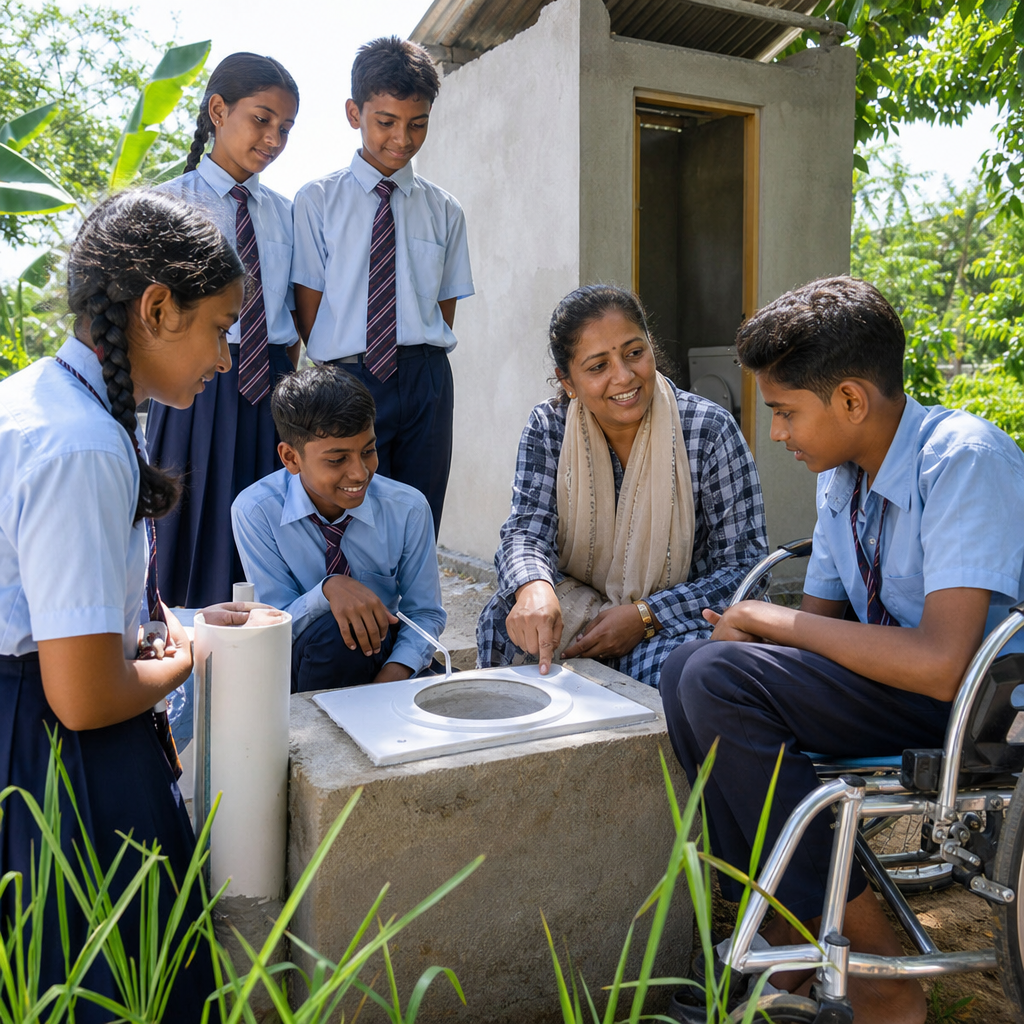
Schools are often the strongest starting point because children carry habits home. A well-run school program can include classroom lessons on materials management, student-led waste audits, refill station promotion, garden composting, and parent communication. The best programs align curriculum with campus operations so students do not hear one message in class and see another in the cafeteria. Municipal agencies can support this work through standard educational kits, field trips to materials recovery facilities, and access to local data. Students who understand systems become persuasive messengers in their households.
Digital tools are useful, but only when they solve a real access problem. QR-linked disposal guides, text reminders for pickup schedules, and map-based reporting tools can improve responsiveness. However, not every resident uses apps comfortably, and some communities have inconsistent internet access. For that reason, the strongest programs operate on multiple channels at once. A resident might see a printed bin sticker, attend a community meeting, receive a text update, and notice a volunteer demonstration at a local event. Repetition across channels is not redundancy; it is how habits become normal.
Partnerships, policy, and local leadership
No single organization can build a lasting culture of cleanliness and sustainability alone. Municipal sanitation departments control collection systems, but schools shape norms, nonprofits deliver outreach, businesses influence packaging and street conditions, and community groups provide trust and continuity. Effective hub-level planning connects these stakeholders so education does not remain fragmented. A city might provide standardized recycling guidance, while neighborhood groups localize delivery. A health department can link cleanliness campaigns to pest prevention and asthma reduction. Housing authorities can integrate waste education into tenant onboarding and maintenance standards.
Policy also matters because education works best when rules are consistent and enforceable. Pay-as-you-throw systems, organics mandates, construction debris regulations, anti-litter ordinances, and procurement standards can all influence behavior. Yet policy without explanation often creates resistance. Communities need to understand why a rule exists, what problem it addresses, how compliance will be supported, and what alternatives are available. For example, a plastic bag restriction is more successful when paired with retailer communication, reusable bag distribution, and clear guidance on what residents should use instead. Education lowers backlash and improves adoption.
Local leadership is the final multiplier. Residents trust examples they can see. When elected officials, school principals, faith leaders, landlords, and business owners model clean practices, the message gains credibility. Public commitments matter, but so do small operational decisions: keeping public restrooms functional, maintaining park bins, funding custodial services, and publishing response times for complaints. Communities quickly notice whether leaders ask for participation while underinvesting in the basics. Credibility is earned when education is matched by service quality and transparent follow-through.
How to sustain momentum and expand impact
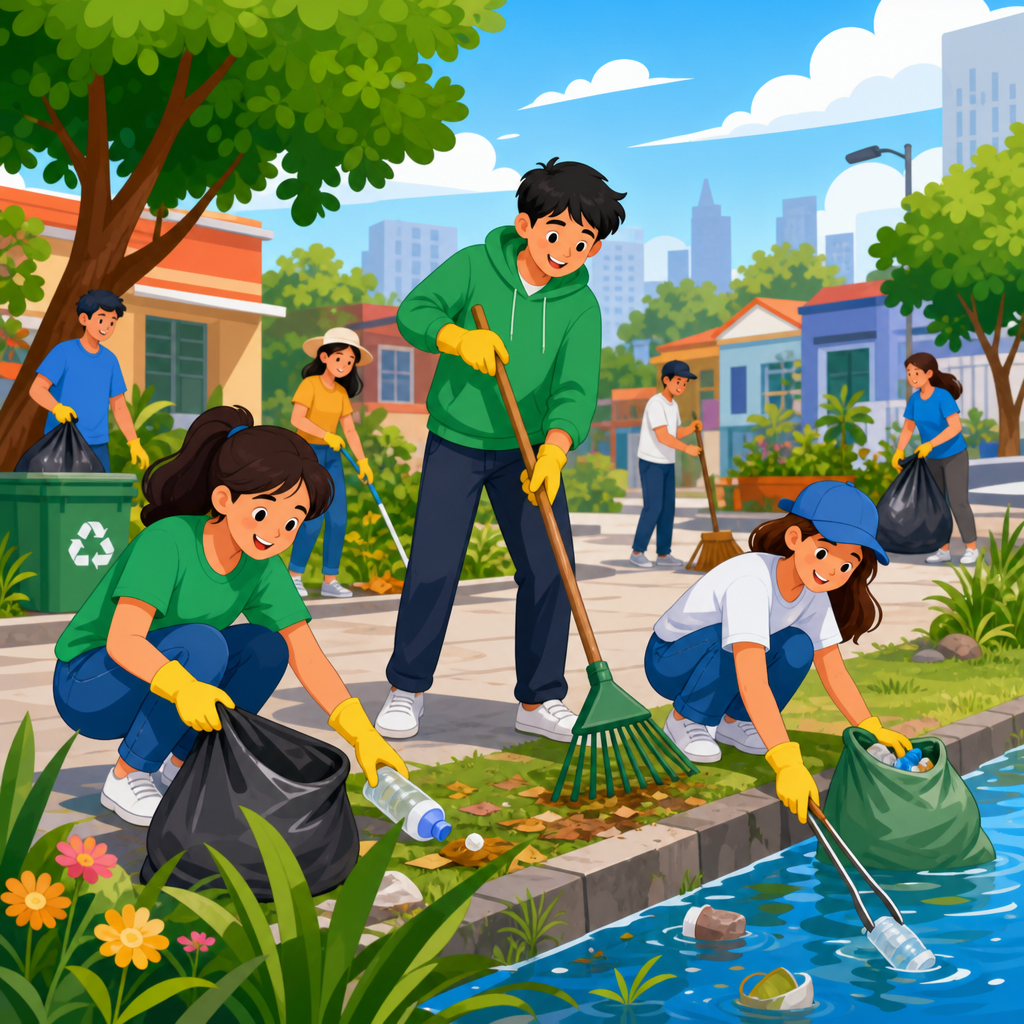
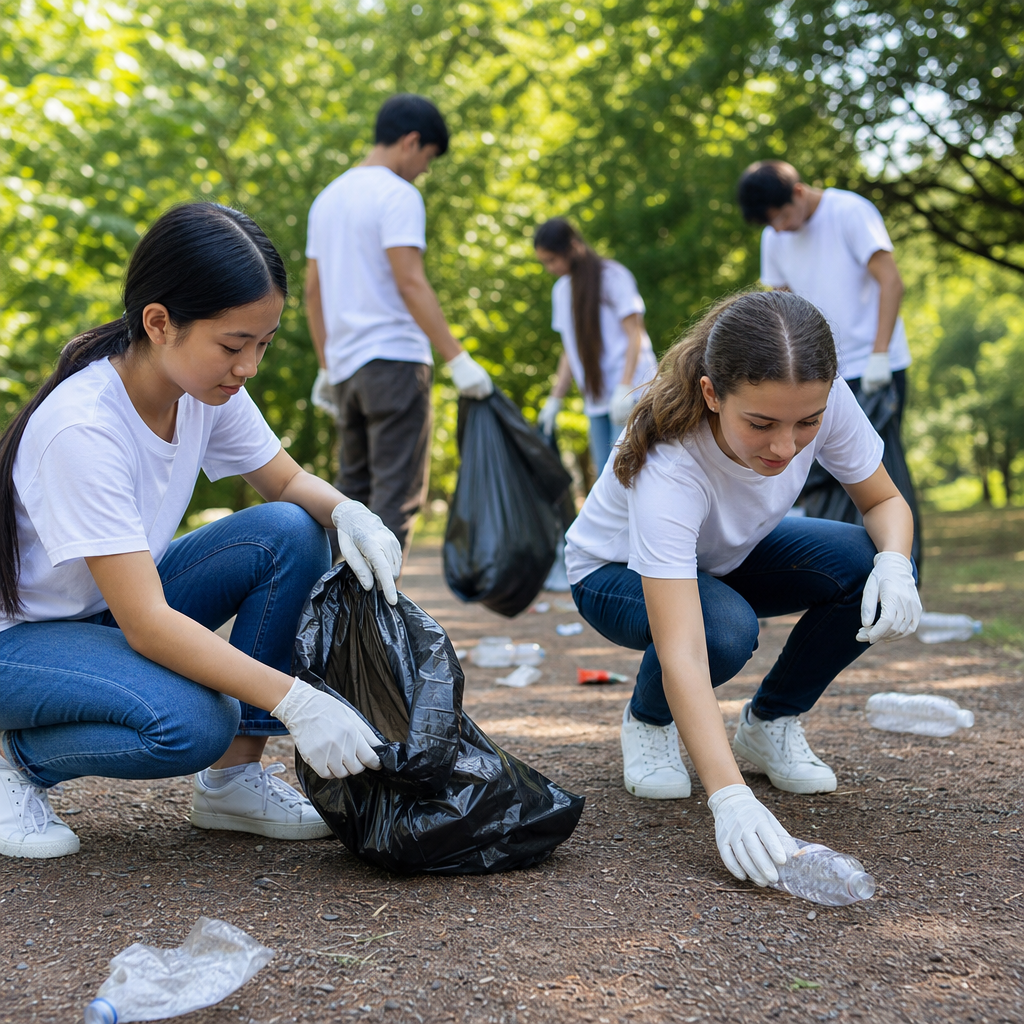
Long-term success depends on integrating cleanliness and sustainability into ordinary community life rather than treating them as occasional campaigns. Annual cleanup events can be useful entry points, but they should lead into permanent routines: monthly audits, school competitions, neighborhood stewardship teams, adopt-a-block programs, and public dashboards showing progress. Recognition programs can help if they reward measurable behavior, such as lower contamination, cleaner corridors, or improved reporting response. The point is to make stewardship visible, social, and repeatable.
This hub under community engagement and education should guide readers toward deeper resources on waste sorting, recycling education, composting, litter prevention, school sustainability, resident outreach, and volunteer program design. Together, those topics form a practical knowledge base for empowering communities through knowledge. The main lesson is simple: cleaner, more sustainable places are not created by awareness campaigns alone. They are created when communities understand local systems, trust the information they receive, and have the tools to act consistently. If you are building this work in your city, school, campus, or neighborhood, start by identifying the behaviors that matter most, the audiences who need support, and the systems that must improve alongside education. Then build a program people can follow every day.
Frequently Asked Questions
What does it really mean to create a culture of cleanliness and sustainability in a community?
Creating a culture of cleanliness and sustainability means building shared habits, expectations, and values that help people care for their environment every day, not just during occasional cleanup events. In practice, it goes far beyond picking up litter or keeping sidewalks neat. It includes hygiene education, proper waste disposal, recycling participation, stormwater protection, safe and well-maintained public spaces, and thoughtful use of resources such as water, energy, and materials. A true culture forms when residents, schools, businesses, local organizations, and public agencies all understand that neighborhood health is shaped by daily behavior and collective responsibility.
Just as importantly, this kind of culture depends on people understanding why these actions matter. When communities can see the connection between overflowing bins and pest issues, between polluted storm drains and local waterways, or between neglected public spaces and reduced community pride, cleanliness becomes a public health and quality-of-life issue rather than a cosmetic one. Sustainability strengthens that approach by asking whether current habits can be maintained over time without creating long-term environmental, social, or financial costs. When people understand, measure, and value these outcomes together, cleaner and more resilient communities become much easier to sustain.
Why is community education so important for improving cleanliness and long-term sustainability?
Community education is essential because people are far more likely to protect what they understand. Many environmental and cleanliness problems are not caused by bad intentions, but by unclear information, inconsistent systems, or lack of awareness about consequences. Residents may not know what can be recycled, how food waste affects sanitation, why storm drains should never be used for dumping, or how small hygiene practices in shared spaces contribute to overall public health. Education closes those gaps and turns abstract goals into clear, manageable actions.
Effective education also helps create consistency. If one household composts, another recycles correctly, a local business reduces packaging waste, and a school teaches proper handwashing and litter prevention, the entire community starts to move in the same direction. Over time, these behaviors become normal rather than exceptional. Educational campaigns are most effective when they are practical, visible, and repeated across many settings, including schools, community centers, neighborhood meetings, signage, social media, and public events. When education is paired with accessible infrastructure such as labeled bins, clean restrooms, safe disposal options, and easy reporting systems for maintenance issues, communities can turn awareness into action much more successfully.
How can communities measure progress when trying to build cleaner and more sustainable neighborhoods?
Measuring progress is one of the most important steps because communities tend to improve what they track. Without clear benchmarks, it is difficult to know whether efforts are working, where gaps remain, or which strategies deserve more support. Communities can measure cleanliness and sustainability in practical ways, such as tracking litter levels, illegal dumping reports, recycling participation rates, contamination in recycling bins, public restroom condition scores, storm drain blockage incidents, waste collection efficiency, and the cleanliness of parks, sidewalks, and transit stops. Public health indicators, resident satisfaction surveys, and volunteer participation rates can also provide valuable insight.
The most useful measurement systems combine hard data with community feedback. For example, a neighborhood may show lower litter counts but still report concerns about overflowing bins, broken sanitation infrastructure, or poorly maintained facilities. That is why resident input matters alongside operational metrics. Sharing results publicly can also strengthen trust and participation. When people see that their efforts lead to visible improvements, such as cleaner streets, reduced waste, better water protection, or safer public spaces, they are more likely to stay involved. Even simple scorecards, neighborhood dashboards, or quarterly updates can help create accountability and reinforce the idea that cleanliness and sustainability are shared community goals.
What everyday behaviors make the biggest difference in supporting cleanliness and sustainability?
The most powerful behaviors are often the most routine ones. Properly disposing of trash, separating recyclables correctly, reducing single-use items, keeping shared spaces clean, reporting damaged or unsanitary public facilities, and avoiding dumping into streets or storm drains all have a direct effect on neighborhood health. Good hygiene in homes, schools, workplaces, and public settings also plays a major role, especially in places where many people gather. Small daily choices, such as carrying reusable bottles or bags, picking up litter when you see it, using public bins correctly, and teaching children respectful habits in shared spaces, can collectively produce significant results.
What makes these behaviors especially important is that they are visible and contagious in a positive way. People tend to follow the standard they see around them. Clean, well-maintained spaces often encourage respectful use, while neglected environments can lead to more littering, misuse, and disengagement. That is why consistency matters. Communities that promote simple, repeatable behaviors and support them with clear expectations, infrastructure, and positive reinforcement are far more likely to see lasting change. Sustainable cleanliness is not based on perfection from a few people. It comes from many people doing the right thing regularly, in ways that fit everyday life.
How can local leaders, organizations, and residents work together to make these efforts last?
Long-term success depends on shared ownership. Local leaders can help by setting clear priorities, funding essential infrastructure, supporting maintenance, and using policies that encourage cleaner and more sustainable practices. Community organizations can provide education, volunteer coordination, outreach, and trusted relationships with residents. Schools can teach habits early and involve students in hands-on stewardship. Businesses can reduce waste, maintain clean storefronts, and model responsible practices for customers and employees. Residents, in turn, play the central role by participating, giving feedback, and helping define what a healthy, clean neighborhood should look like.
To make these efforts last, collaboration must be practical, visible, and ongoing. One-time campaigns are helpful, but lasting culture change usually comes from repeated engagement, clear communication, and systems people can actually use. That may include regular neighborhood cleanups, public reporting tools for sanitation issues, educational workshops, youth engagement programs, accessible recycling and waste stations, and transparent community goals. Recognition also matters. Highlighting successful blocks, schools, businesses, or volunteers can reinforce positive norms and keep momentum strong. When people feel that their actions are noticed, valued, and connected to measurable improvements, they are much more likely to stay committed. A durable culture of cleanliness and sustainability grows when responsibility is shared, progress is visible, and the community sees itself as both caretaker and beneficiary of the environment it depends on.