Leveraging local art in sanitation messaging turns public health guidance into something people notice, remember, and discuss. In community engagement and education work, that shift matters because sanitation behavior is rarely changed by facts alone. It changes when messages feel familiar, socially relevant, and easy to act on. Local art includes murals, street theater, songs, storytelling, textile patterns, school drawings, market signage, radio drama, and digital design created in a community’s own visual and cultural language. Sanitation messaging includes practical communication about handwashing, toilet use, menstrual hygiene, waste disposal, drainage, faecal sludge management, and disease prevention. When these two areas are combined well, communities are not treated as passive audiences. They become co-creators of healthier environments.
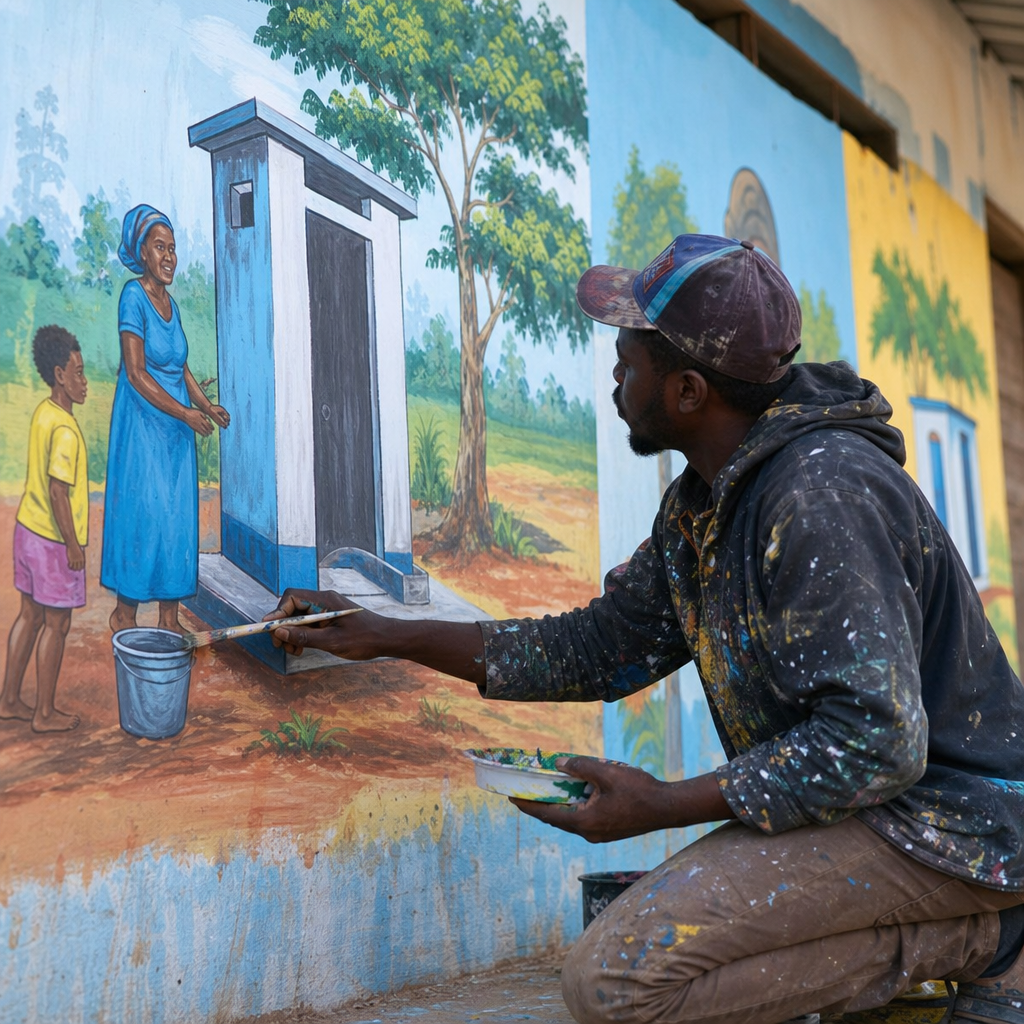
I have seen technical campaigns fail because the posters were correct but emotionally flat, while a community-painted wall near a shared toilet changed daily habits by making the same guidance public, local, and hard to ignore. That is the central lesson of empowering communities through knowledge: information works best when people can see themselves inside it. This article serves as a hub for the broader community engagement and education topic by explaining why local art improves sanitation communication, how to design participatory campaigns, which tools and standards support quality implementation, and how to measure whether creative outreach actually changes behavior. It also points toward the linked themes teams usually explore next, including school engagement, behavior change communication, public space design, and inclusion.
Why local art strengthens sanitation communication
Local art strengthens sanitation messaging because it improves comprehension, trust, recall, and social diffusion at the same time. Public health teams often focus first on message accuracy, which is essential, but message uptake depends on more than accuracy. The communication must fit local literacy levels, spoken language, humor, symbols, and community power dynamics. A mural showing clean water storage in containers people actually use is more effective than a stock image from another country. A folk song about handwashing before preparing food can travel farther than a leaflet because it moves through weddings, markets, schools, and transport stops. In practice, art does not replace sanitation education. It makes sanitation education easier to absorb and repeat.
This matters because sanitation behavior sits within a social system. People use facilities, dispose of waste, or maintain drains based on habit, convenience, dignity, gender roles, peer pressure, and perceived norms. Communication that activates local identity can reshape those norms. Community theater is a good example. A short performance in a market about the consequences of open dumping can dramatize blocked drainage, mosquito breeding, and clinic costs in plain language. Because the actors are known locally, audiences often trust the content more than a generic announcement. The same dynamic appears in school-based art competitions, where children bring messages home and influence adults. Knowledge becomes shared social property rather than an external instruction.
Recognized public health practice supports this approach. UNICEF’s communication for development model, WHO guidance on risk communication and community engagement, and participatory hygiene and sanitation transformation methods all emphasize dialogue, local ownership, and culturally appropriate materials. In the sanitation sector, community-led total sanitation and related approaches have shown that collective action grows when communication is rooted in local realities. Art is one of the strongest vehicles for that rooting because it turns abstract health risks into visible, discussable, place-specific stories.
Designing community-led sanitation art campaigns
The most effective sanitation art campaigns start with listening, not sketching. Before commissioning a mural or script, teams need formative research: What sanitation practices are most risky here? Which myths are common? Who influences household decisions? Where do people gather? Which languages and symbols carry authority? I usually begin with transect walks, short intercept interviews, focus groups segmented by gender and age, and observation around toilets, water points, markets, and schools. This produces the practical detail creative teams need. For example, if households wash hands with water but not soap because soap is kept indoors to prevent theft, the message should not simply say “use soap.” It should show feasible storage, public tippy-tap use, or low-cost alternatives.
Co-creation is the next principle. Invite artists, sanitation workers, teachers, faith leaders, women’s groups, youth clubs, and people with disabilities into message development. Their role is not decorative. They identify barriers that outsiders miss. A local waste collector may explain that residents dump trash in drains because collection times are inconsistent. An adolescent girl may point out that menstrual hygiene messaging fails when disposal options are absent in school toilets. When those realities shape the campaign, art becomes credible. It also reduces the common mistake of romanticizing culture while ignoring infrastructure. Good sanitation messaging connects aspiration with action and with available services.
Message framing should stay concrete. Instead of “improve hygiene,” say “wash both hands with soap after toilet use and before touching food.” Instead of “keep the community clean,” say “put food waste in covered bins so drains stay open during rain.” Strong campaigns usually repeat three to five behaviors across several formats rather than covering everything once. Repetition across touchpoints matters. A wall painting near a latrine, a school song, and a market announcement should reinforce the same behavior sequence. That consistency helps people recall what to do in the moment that matters.
| Campaign element | Best use in sanitation messaging | Practical example |
|---|---|---|
| Murals | High-visibility reminders in shared public spaces | Images beside communal toilets showing handwashing steps and cleaning schedules |
| Street theater | Explaining cause and effect through relatable stories | Market performance linking drain dumping to flooding and mosquito breeding |
| Songs and radio drama | Repetition across low-literacy audiences | Local musicians broadcasting jingles about safe child faeces disposal |
| School art projects | Reaching households through children | Student poster drives tied to handwashing stations and parent meetings |
| Signage by local illustrators | Point-of-use instructions | Simple toilet cleaning and menstrual waste disposal signs using familiar symbols |
Implementation also requires technical review. Every lyric, script, and visual should be checked by sanitation and health specialists for accuracy. If a mural depicts a ventilated improved pit latrine, the features should be right. If a song mentions chlorine, dosage guidance must be safe. Creative quality and technical quality are equally important. In my experience, the strongest campaigns pair one local artist lead with one sanitation focal point and one community mobilizer. That triad keeps the work appealing, correct, and grounded.
Choosing the right art form for different audiences and settings
Different audiences respond to different formats, so selecting the art form is a strategic choice, not an aesthetic one. In dense urban settlements, painted utility walls, toilet block graphics, and transit stop posters work because people move quickly through shared spaces. In rural areas with stronger oral traditions, storytelling, mobile theater, and song circles may outperform static materials. For schools, comic strips, murals students help paint, and interactive assemblies hold attention better than lecture-based talks. For waste workers and sanitation staff, practical illustrated job aids often matter more than broad awareness art, because they need task-specific information on personal protective equipment, safe handling, and reporting hazards.
Audience segmentation is especially important for gender, age, and disability inclusion. Women and girls may need messaging around privacy, menstrual hygiene, and safe access to toilets at night. Men may need messaging that addresses household decision-making, toilet maintenance, and social norms around caring labor. Young children benefit from character-led visuals and songs with repeated action phrases. Older adults often prefer respectful, direct information delivered through trusted voices. For people with low vision, high-contrast designs and audio formats are helpful. For Deaf audiences, live events should include sign language interpretation where possible, and visual sequences should be explicit enough to stand alone.
Context also determines whether humor is useful. Humor can reduce defensiveness around taboo topics like child faeces disposal or toilet cleaning, but it must not shame people who lack services. The goal is to motivate action and collective responsibility, not to ridicule poverty. This is a key judgment area where local artists are invaluable. They know which jokes build connection and which cross a line. The same sensitivity applies to symbolism. Colors, animals, or gestures may carry meanings outsiders do not understand. A design review with community representatives prevents accidental offense and improves resonance.
Digital channels now extend local art beyond physical spaces. Short videos featuring neighborhood performers can circulate through WhatsApp groups, Facebook pages, or local government accounts. QR codes on murals can link to audio instructions or service hotlines where smartphone use is common. Still, digital should support, not replace, offline communication. In many sanitation programs, the most reliable exposure still comes from schools, clinics, markets, faith venues, and shared water points. The best communication mix reflects actual media habits rather than assumptions about connectivity.
Building trust, inclusion, and lasting behavior change
Trust determines whether sanitation messages become habits. Communities are more likely to act when communication respects local knowledge, acknowledges service limitations, and offers realistic next steps. If drains are blocked because municipal collection is irregular, messages should include the reporting channel, cleanup schedule, or neighborhood action plan. If school toilets lack bins for menstrual waste, education must be paired with facility improvements. Otherwise the campaign teaches people what they should do without making it possible to do it. That gap damages credibility quickly.
Inclusion should be designed from the start. Sanitation burdens are not evenly distributed. Women often manage household hygiene. Children face high exposure risks. Tenants may have limited control over toilets or drainage. People with disabilities can be excluded by inaccessible facilities and inaccessible communication. A community-led art process can surface these realities early. I have found that participatory sketch sessions and story circles reveal barriers faster than formal presentations because people point to what is missing in an image or narrative. Those insights can then guide both messaging and service adaptation.
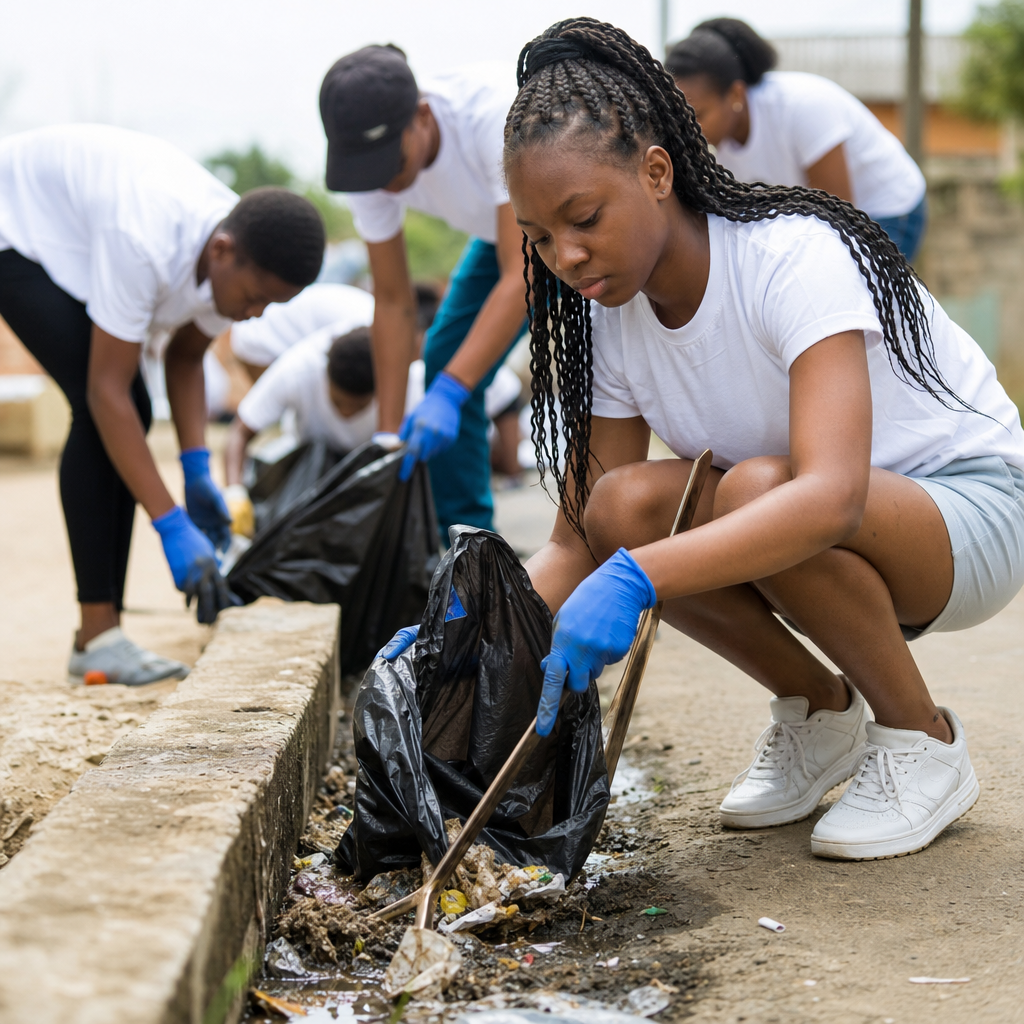
Behavior change is strongest when campaigns make desired practices visible and socially rewarded. Public commitment walls, neighborhood clean-up art days, and school exhibitions can turn private habits into shared norms. If a community mural includes a rotating panel naming block leaders responsible for cleaning rosters, accountability becomes public. If local musicians perform at a drain-clearing event and praise neighborhoods that keep waste out of channels, the message gains status value. These are not gimmicks. They are social reinforcement mechanisms. Behavioral science consistently shows that cues, norms, convenience, and repetition shape routine actions more reliably than one-time instruction.
For this sub-pillar hub on empowering communities through knowledge, local art connects naturally to several companion areas. It supports school sanitation education by making lessons memorable. It strengthens risk communication during outbreaks by translating urgent guidance into local forms people trust. It improves public meeting participation because art invites conversation where technical language can exclude. It also complements infrastructure investments. A new toilet block reaches its potential only when users understand maintenance, cleanliness expectations, and shared responsibility. Education is not separate from service delivery; it is what helps service delivery last.
Measuring impact and improving future campaigns
Creative sanitation outreach should be evaluated with the same discipline used for infrastructure projects. Start with clear indicators tied to behavior, not just visibility. Useful measures include observed handwashing station use, toilet cleanliness scores, safe child faeces disposal rates, drain blockage frequency, attendance at community clean-up events, and recall of key messages after exposure. Pre- and post-campaign surveys help, but direct observation and service data are often more reliable. If a mural is installed near a public toilet, compare soap availability, cleaning log completion, and user compliance before and after launch. If a radio drama airs for eight weeks, track whether hotline questions or community meeting attendance change during that period.
Qualitative feedback is equally important. Short interviews can reveal whether audiences understood the message, identified with the characters, or felt judged by the tone. Artists should be part of the review because they can interpret reactions that evaluators might miss. A line in a song may be catchy but confusing. A symbol on a poster may be memorable but culturally mixed. Iteration is normal. In successful programs, materials are tested, adjusted, and reused rather than treated as fixed outputs.
Partnerships improve scale and durability. Municipal governments can provide wall space and maintenance budgets. Schools can integrate art-based hygiene education into clubs and assemblies. Health facilities can align outreach with immunization days or maternal health sessions. Local businesses can sponsor paint, prizes, or radio airtime. Sanitation utilities and non-governmental organizations can share monitoring data. When these actors coordinate, the community sees one coherent message ecosystem instead of isolated campaigns.
Leveraging local art in sanitation messaging works because it turns knowledge into something visible, credible, and actionable. It helps communities understand risks, remember practical steps, and see healthy behavior as part of local identity rather than an outside demand. The most effective programs begin with listening, co-create with trusted local voices, choose formats that fit real audiences, and measure outcomes beyond awareness alone. If you are building a community engagement and education strategy, use this hub as your starting point: map priority behaviors, involve local artists early, connect messages to actual services, and evaluate what changes. Done well, local art does more than decorate a campaign. It helps communities own the knowledge that protects health.
Frequently Asked Questions
Why is local art effective in sanitation messaging?
Local art works because it translates sanitation guidance into forms people already trust, recognize, and enjoy. Public health advice often fails when it feels distant, technical, or imposed from outside. In contrast, murals, songs, storytelling, radio drama, school drawings, market signage, and street performances can make sanitation messages feel part of everyday life rather than a separate lecture. That matters because behavior change is rarely driven by information alone. People are more likely to notice a handwashing reminder woven into a familiar song, remember a waste disposal message shown in a neighborhood mural, or discuss toilet use after seeing a street theater performance that reflects real local challenges.
Another reason local art is effective is that it creates emotional and social relevance. Art can use humor, pride, identity, aspiration, and shared experience to make sanitation practices feel normal and valuable. Instead of simply saying “wash hands with soap,” a locally created campaign can show respected community figures, family routines, or culturally meaningful symbols that connect hygiene with care, dignity, and belonging. That shift increases recall and makes conversations easier within homes, schools, and public spaces. In practical terms, local art turns sanitation messaging from something people are told into something they can see themselves in, repeat to others, and act on more naturally.
What kinds of local art can be used to promote sanitation behavior?
A wide range of local art forms can support sanitation communication, and the best choice depends on the audience, setting, and behavior being promoted. Visual formats such as murals, painted handwashing stations, illustrated posters, textile-inspired graphics, school drawings, and market stall signage are useful when messages need to remain visible over time. These formats help reinforce habits in places where people make sanitation-related decisions every day, such as schools, clinics, bus stops, communal latrines, and marketplaces. A well-designed mural, for example, can normalize handwashing, safe water storage, menstrual hygiene awareness, or proper waste disposal without requiring repeated formal meetings.
Performance and audio formats are equally valuable, especially where oral communication traditions are strong. Street theater, storytelling, songs, poetry, local comedy, radio drama, and community announcements can bring sanitation issues to life through characters, humor, conflict, and resolution. These formats are particularly useful for explaining why a behavior matters, addressing myths, and showing what practical action looks like in real households. Digital design can also play a role through local social media graphics, short videos, or messaging app content created in community languages and styles. The most effective sanitation campaigns often combine several art forms so people encounter the message repeatedly in different ways: they hear it, see it, discuss it, and eventually practice it.
How can organizations make sure sanitation messaging through art is culturally appropriate and accurate?
The strongest approach is co-creation. Organizations should not begin by selecting an art format and then asking artists to decorate a finished health message. Instead, they should involve local artists, teachers, health workers, youth groups, market leaders, sanitation staff, and community members from the start. This helps ensure the content reflects actual daily routines, local language, humor, barriers, and aspirations. A message about toilet use, handwashing, menstrual hygiene, or waste disposal must fit the realities of water access, facility availability, gender roles, and social norms in that specific place. When communities help shape the message, the final content is more likely to feel respectful and believable.
Accuracy still matters just as much as cultural fit, so all creative materials should be reviewed by public health or sanitation specialists before they are produced or performed widely. The goal is to avoid oversimplification, stigma, or incorrect advice. For example, an engaging mural or drama should still clearly show the right steps for handwashing, safe waste handling, or toilet maintenance. Testing drafts with small community groups is also essential. Pretesting reveals whether people understand the message, whether any images or phrases are confusing, and whether the tone encourages action rather than embarrassment. In short, culturally appropriate sanitation art comes from partnership, and accurate sanitation art comes from careful review. Both are necessary for trust and impact.
What sanitation topics are especially well suited to local art campaigns?
Local art is especially effective for sanitation topics that depend on repeated daily habits and strong social reinforcement. Handwashing with soap, toilet use, child feces disposal, menstrual hygiene, waste separation, drainage care, clean compound maintenance, and safe water handling are all good examples. These topics are not just technical; they are behavioral and social. People often already know some of the facts, but they may not act consistently because the practice is inconvenient, not prioritized, or not seen as normal. Art can help shift that by making the behavior visible, memorable, and publicly endorsed.
It is also particularly useful for topics that carry discomfort or stigma. Menstrual hygiene, open defecation, shared toilet cleanliness, and waste handling can be difficult to discuss in formal settings. Art offers less threatening ways to open conversation. A radio drama can explore the consequences of neglecting shared facilities without directly blaming listeners. A school art project can help children discuss hygiene in age-appropriate ways. A mural can frame toilet cleanliness as community pride rather than private shame. Art is also helpful when messages need to reach mixed audiences, including children, caregivers, vendors, transport workers, and local leaders. Because sanitation behavior often depends on many people acting together, creative formats can build a shared understanding of what good practice looks like and why it matters.
How can the impact of local art in sanitation messaging be measured?
Impact should be measured at several levels, not just by asking whether people liked the artwork. A useful evaluation starts with basic communication indicators such as reach, visibility, audience recall, and message comprehension. Organizations can ask whether people noticed the mural, remembered the song, understood the sanitation advice, and discussed it with others. These early indicators show whether the artistic approach is capturing attention and making the message clear. They are important because even beautiful creative work has limited value if the intended sanitation guidance is not understood correctly.
The next level is behavioral and environmental change. Depending on the campaign goal, this might include increased handwashing station use, higher soap presence near toilets, cleaner shared latrines, improved waste disposal practices, reduced open dumping, stronger school hygiene routines, or more community participation in sanitation maintenance. Measurement methods can include observation checklists, short surveys, before-and-after comparisons, focus groups, community interviews, and facility monitoring. In some cases, organizations can compare areas with and without the art-based intervention to understand added value. Qualitative feedback is also important because it reveals why a campaign worked or did not work. People may say that a mural made the issue feel local, that a drama helped them explain hygiene to children, or that a song spread through the market faster than posters did. The most reliable assessment combines hard indicators with community insight, giving a fuller picture of how local art supports sanitation behavior change over time.