Mobilizing volunteers for sanitation awareness campaigns is one of the most practical ways to turn public health knowledge into measurable community action. In community engagement and education work, sanitation awareness means helping people understand and adopt behaviors that reduce exposure to unsafe water, unmanaged waste, poor hygiene, and disease vectors. Volunteer mobilization is the organized process of recruiting, training, supporting, and coordinating local people to deliver that message credibly and consistently. When these two elements are combined well, communities do more than hear information; they discuss it, test it, and normalize it through social proof. I have worked on local outreach initiatives where the difference between a poster campaign and a volunteer-led campaign was obvious within weeks: households asked more questions, attendance at demonstrations improved, and local leaders started reinforcing the same behaviors in meetings and religious gatherings. That is why this topic matters as a hub under community engagement and education. It connects health communication, behavior change, local leadership, and trust. It also supports the broader goal of empowering communities through knowledge by making education participatory instead of one-directional. A strong sanitation awareness campaign does not simply tell people to wash hands or manage waste properly. It helps them understand why practices matter, what barriers stand in the way, and how neighbors can solve those barriers together with realistic, low-cost steps.
Why volunteer-led sanitation awareness works
Volunteer-led sanitation awareness campaigns work because sanitation behavior is social, visible, and strongly influenced by local norms. People may know that handwashing with soap prevents diarrheal disease, or that safe disposal of feces protects children, yet knowledge alone rarely changes routine behavior. In the field, I have seen households adopt safer practices faster when messages came from familiar voices: school mothers, youth leaders, community health volunteers, market association members, and respected elders. These volunteers understand dialect, local habits, seasonal pressures, and the unspoken reasons people resist change. They can explain how standing water increases mosquito breeding during the rainy season, or why open dumping near a stream affects downstream families, in terms that fit daily life.
There is strong public health logic behind this approach. The World Health Organization and UNICEF have long emphasized the role of hygiene promotion, community participation, and locally adapted communication in water, sanitation, and hygiene programming. Volunteer networks extend reach at lower cost than relying only on paid staff, but their real value is not cheap labor. Their value is trust, repetition, and access. A trained volunteer can visit homes, answer questions after community meetings, notice whether handwashing stations are actually being used, and connect households to local services. That repeated contact creates accountability and gives campaign organizers feedback they would otherwise miss.
Volunteer mobilization also improves campaign resilience. If a school closes for holidays or a planned roadshow is canceled by rain, volunteers can continue sharing messages through churches, women’s groups, street committees, and door-to-door visits. They keep the campaign alive between major events. For a hub article on empowering communities through knowledge, this is central: communities learn best when information circulates through existing relationships, not just formal events.
Building the foundation: goals, audiences, and local insight
Effective sanitation awareness campaigns start long before volunteer recruitment. First, define the campaign outcome clearly. Are you trying to increase household handwashing with soap at critical times, improve latrine use, reduce open dumping, promote menstrual hygiene management, increase safe water storage, or encourage community cleanup participation? “Raise awareness” is too vague to guide volunteers. A sharper objective, such as increasing the proportion of households with a functioning handwashing station near the latrine, gives the campaign direction and makes progress measurable.
Second, segment the audience. Sanitation messages should not be identical for every group. Caregivers of children under five need information on feces disposal, handwashing after cleaning a child, and safe food preparation. Schoolchildren respond well to games, songs, and visible demonstrations. Market traders need practical waste management guidance tied to customer safety and business reputation. Landlords may need messaging on shared sanitation maintenance, while local officials need data and policy implications. When volunteers know which group they are speaking to, they can adapt examples and remove confusion.
Third, gather local insight before launching. In practice, this means brief household interviews, focus groups, transect walks, school visits, and conversations with clinic staff, waste collectors, and traditional leaders. Look for barriers such as water scarcity, soap affordability, inaccessible latrines, poor drainage, or stigma around discussing sanitation. Also identify motivators. In many communities, people respond more to dignity, children’s health, cleanliness, convenience, and neighborhood pride than to disease statistics alone. A campaign that ignores these realities will sound correct but feel irrelevant.
Documenting baseline conditions is equally important. Use simple tools: attendance sheets, household observation checklists, pre-campaign knowledge surveys, and maps of hotspots for illegal dumping or open defecation. These records help volunteers target effort and help coordinators prove results to partners later. This hub article should connect naturally to related community engagement and education resources on behavior change communication, stakeholder mapping, school health education, and monitoring community outreach, because sanitation awareness sits at the intersection of all of them.
Recruiting and preparing volunteers for real community work
The best volunteers are not always the most educated or the loudest speakers. They are the people who show up reliably, listen well, and are already woven into community life. In recruitment, prioritize credibility, empathy, language ability, and availability. Aim for diversity across age, gender, disability status, geography, and social groups. If the campaign only recruits one type of volunteer, it will miss households that trust different messengers. Youth volunteers often bring energy and digital fluency. Older volunteers may carry authority and patience. Teachers, faith leaders, and shopkeepers can reinforce messages through daily contact.
Selection should be transparent. Set clear role descriptions, expected time commitments, safeguarding standards, and whether transport, meals, airtime, or stipends are provided. Many volunteer programs fail because expectations are vague. People join, then leave when the actual workload becomes visible. During orientation, explain campaign goals, target behaviors, reporting lines, and codes of conduct. In sanitation outreach, volunteers may enter homes or speak with children, so basic safeguarding, consent, and privacy standards are essential.
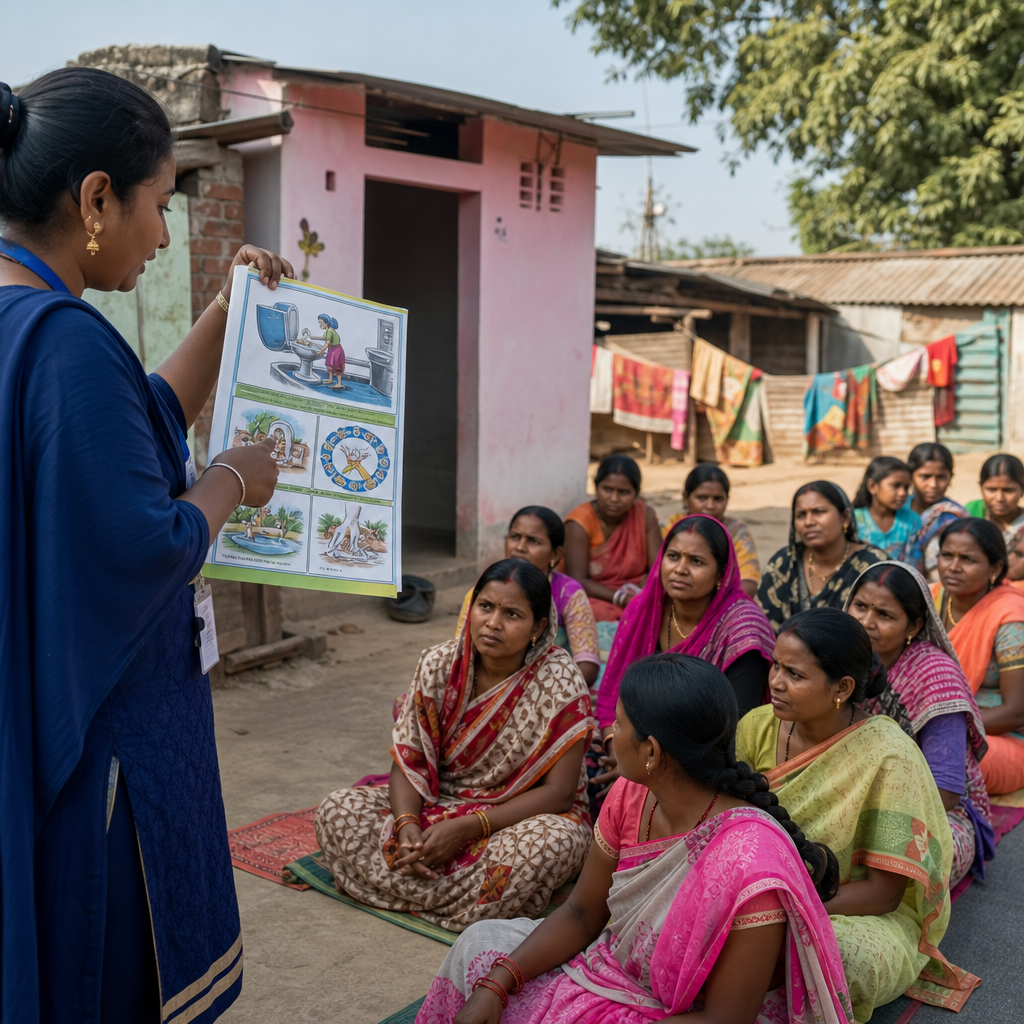
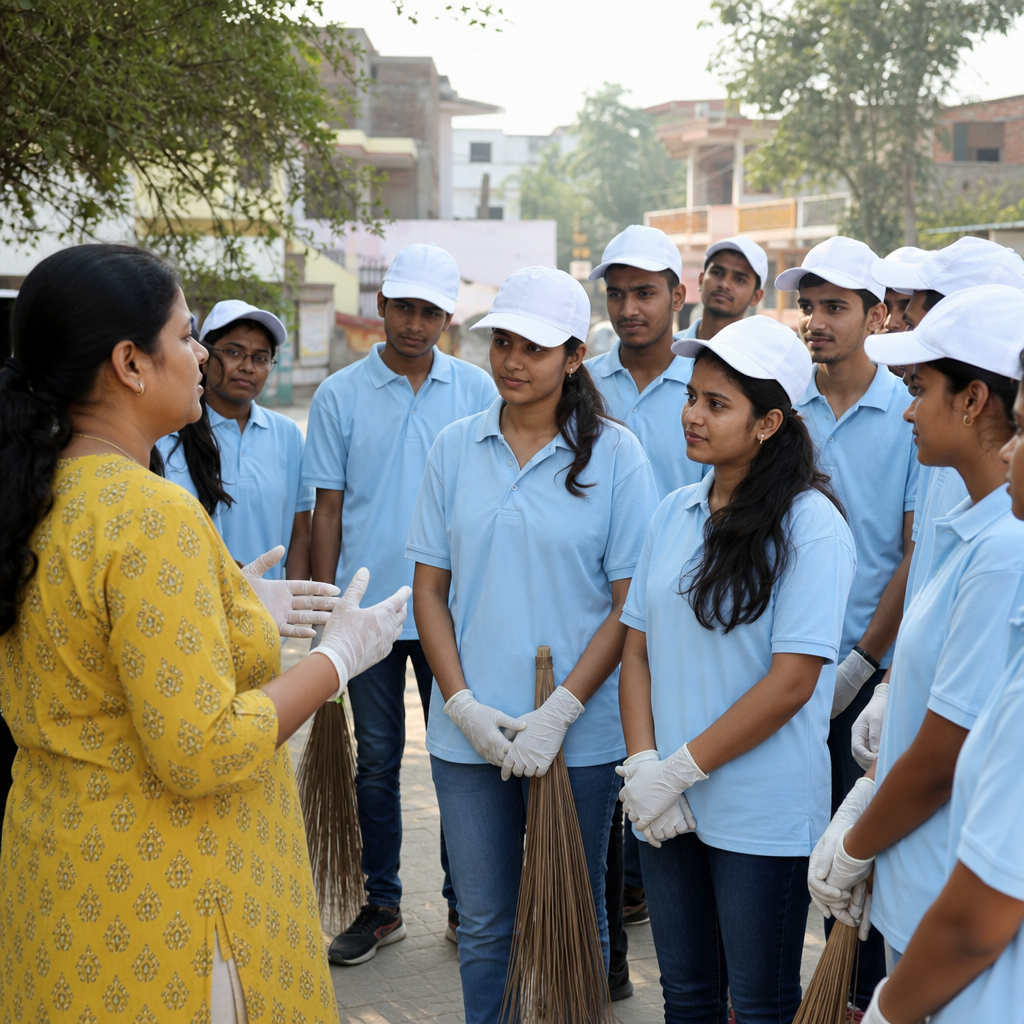
Training should be practical, not lecture heavy. In my experience, the most effective sessions include role-play, household visit simulations, myth-busting exercises, and demonstrations of correct handwashing, water treatment, and waste segregation. Volunteers need message discipline: they should be able to explain key practices accurately in plain language, then answer common objections without sounding judgmental. They also need referral knowledge. If a family asks where to access chlorine tablets, low-cost bins, menstrual hygiene supplies, or support for a damaged latrine, volunteers should know the next step.
A simple training structure can help coordinators standardize quality while keeping delivery local.
| Training area | What volunteers must know | Practical example |
|---|---|---|
| Core sanitation messages | Handwashing moments, safe waste disposal, water storage, latrine hygiene | Demonstrating proper handwashing with soap and running water |
| Communication skills | Active listening, nonjudgmental language, adapting messages by audience | Explaining child feces disposal to caregivers without shaming |
| Community mapping | Identifying hotspots, institutions, influencers, and vulnerable households | Marking illegal dumping areas and schools on a ward map |
| Data collection | Attendance logs, household checklists, referral records, consent basics | Recording how many homes installed tippy taps after visits |
| Safety and safeguarding | Home visit protocols, child protection, respectful conduct, escalation paths | Reporting harassment concerns to the campaign supervisor |
Refreshers matter. People forget details, messages drift, and local issues change. Short weekly debriefs and monthly retraining sessions keep quality high and morale steady.
Designing campaign activities that change behavior
Sanitation awareness campaigns are most effective when volunteers use multiple activities that reinforce one another. Community meetings are useful for visibility and leader endorsement, but they are rarely enough on their own. Pair them with household visits, school sessions, market demonstrations, cleanup events, and local media. Each format does a different job. Meetings introduce the issue and legitimize the campaign. Home visits personalize advice. School activities reach children who then influence adults. Cleanup days create visible proof that collective action is possible.
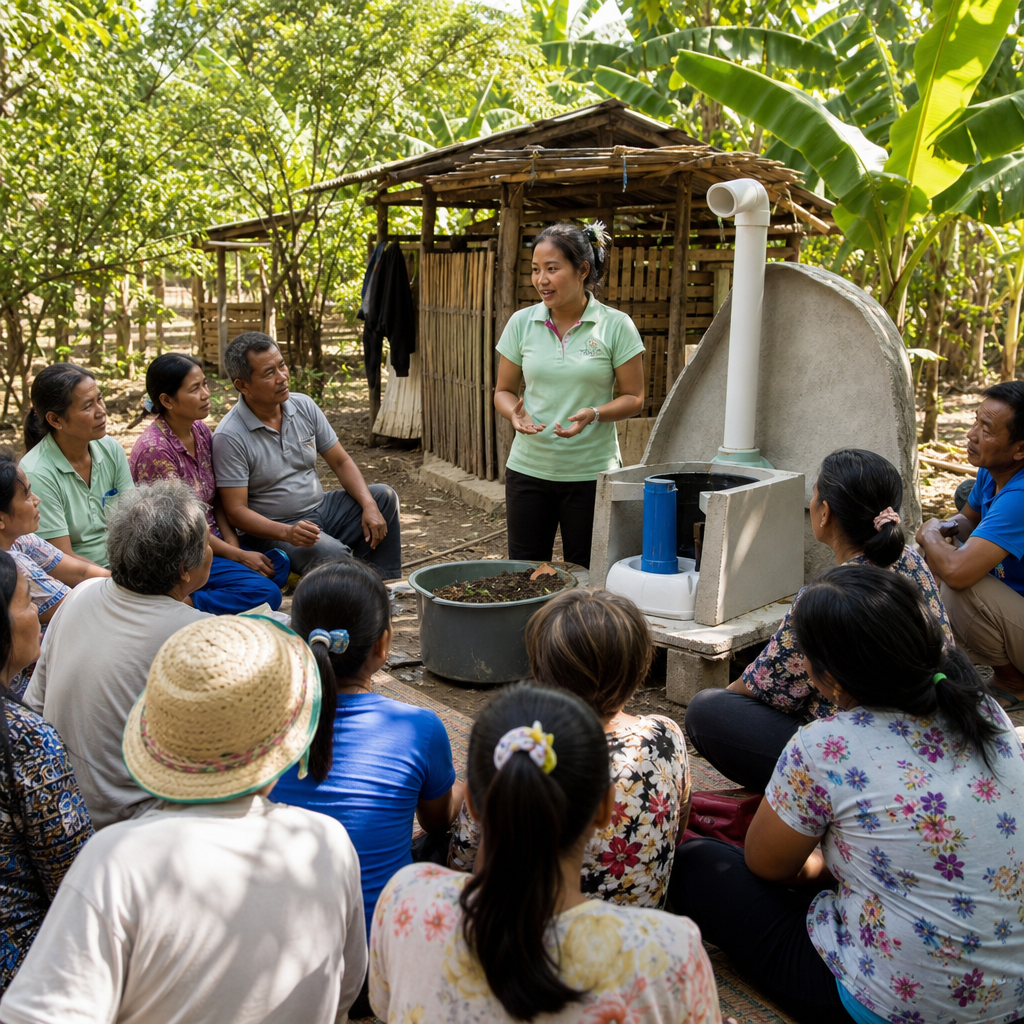
Use demonstrations whenever possible. Showing a low-cost handwashing station, such as a tippy tap made from a jerrycan or bottle, is more effective than verbally describing one. Demonstrating how to cover water containers, separate waste, or clean a shared latrine gives people a model they can copy. Good volunteers ask households to practice during the session instead of just watching. That small shift from observation to action increases follow-through.
Message framing matters. Fear-based messaging can attract attention, but overuse leads to denial or shame. Positive framing tied to child safety, dignity, convenience, cleaner surroundings, and community pride is more sustainable. For example, telling residents that proper waste disposal protects drainage channels and reduces flooding before storms may resonate more than citing infection risks alone. In one campaign I supported, turnout improved when cleanup events were framed as “protect our market and children” rather than “stop dirty habits.” The facts stayed the same, but the emotional entry point changed.
Campaigns should also account for local calendars. Planting seasons, market days, holidays, school exams, and rainy months affect attendance and relevance. A sanitation awareness campaign scheduled without this knowledge will struggle. Local volunteers usually know these rhythms better than outside coordinators, which is another reason they are indispensable.
Supporting volunteers, measuring results, and sustaining momentum
Mobilizing volunteers is not a one-time act; it is an ongoing management responsibility. Volunteers need supervision, recognition, and practical support. Assign manageable coverage areas, provide identification materials, and create clear reporting channels. WhatsApp groups, paper forms, or simple mobile data tools such as KoboToolbox can work, depending on context. Supervisors should review data quickly and discuss what it means. If one block has low uptake of handwashing stations, is the barrier cost, water availability, or landlord resistance? Data should trigger problem-solving, not just reporting upward.
Recognition is essential for retention. Certificates, public appreciation at community meetings, peer awards, and opportunities to lead sessions can sustain motivation even when budgets are tight. Where possible, cover transport and communication costs; calling unpaid people “volunteers” does not remove the obligation to support them properly. Burnout is real, especially when campaigns rely on the same civic-minded individuals repeatedly. Watch for falling attendance, incomplete reporting, or visible fatigue.
Measurement should include both outputs and outcomes. Outputs are easier to count: number of volunteers trained, household visits completed, school clubs formed, community meetings held, or flyers distributed. Outcomes are more valuable: increase in households with soap at handwashing points, cleaner communal areas, improved latrine maintenance, higher participation in waste collection, or reduced reports of open dumping in hotspot zones. If feasible, compare baseline and endline observations rather than relying only on self-reported knowledge.
Sustainability depends on embedding the campaign into local systems. Link volunteers with schools, health committees, ward development structures, women’s groups, and municipal sanitation services. Encourage local leaders to repeat messages in routine gatherings. Develop simple community action plans so residents can continue cleanup schedules, monitor shared facilities, and advocate for service gaps after the campaign ends. Knowledge becomes empowering when it is organized into habit, peer accountability, and local ownership. For readers exploring community engagement and education, the main lesson is clear: sanitation awareness campaigns succeed when volunteers are treated as community educators, not just event helpers. If you are building this subtopic hub, start by mapping local actors, define a narrow behavior goal, train volunteers for real conversations, and measure changes that matter.
Frequently Asked Questions
1. Why are volunteers so important in sanitation awareness campaigns?
Volunteers are essential because they help turn sanitation messages into trusted, local action. In many communities, people are more likely to listen to someone they know, recognize, or relate to than to an outside organization delivering information only once. Volunteers bring credibility, language familiarity, cultural understanding, and day-to-day visibility that make awareness efforts more practical and persuasive. They can explain why handwashing, safe water storage, waste segregation, toilet use, drainage maintenance, and vector control matter in ways that fit local realities rather than sounding abstract or imposed.
They also expand the reach of a campaign dramatically. A small health team or nonprofit staff cannot consistently visit every household, school, market, and neighborhood meeting, but a well-organized volunteer network can. Volunteers can support door-to-door education, school sessions, community demonstrations, clean-up drives, household follow-ups, and reporting on sanitation gaps. This repeated contact is critical because behavior change in sanitation rarely happens after a single message. People often need reminders, examples, encouragement, and practical support before new habits become routine.
Just as importantly, volunteers help communities take ownership of sanitation goals. Instead of sanitation awareness being seen as an external project, it becomes a shared responsibility led by local people. That community ownership often leads to stronger participation, better maintenance of improvements, and greater sustainability after a formal campaign ends. When volunteers are properly trained, supervised, and supported, they become a powerful bridge between public health knowledge and measurable behavior change.
2. How do you recruit the right volunteers for a sanitation awareness campaign?
Recruiting the right volunteers starts with defining what the campaign actually needs. Some volunteers may be best suited for household outreach, others for organizing events, facilitating school activities, translating messages, collecting feedback, or helping with logistics. When roles are clear from the beginning, recruitment becomes more focused and people understand what they are committing to. A good sanitation campaign usually benefits from a mix of volunteers, including youth leaders, teachers, women’s group members, faith leaders, health workers, local business owners, and respected community representatives.
Effective recruitment also depends on selecting people who are not just available, but trusted, dependable, and willing to model the behaviors being promoted. Communication skills matter, but so do patience, consistency, and respect for others. Since sanitation awareness often involves sensitive issues like open defecation, waste disposal, hygiene practices, or household cleanliness, volunteers need to approach conversations without judgment. People who can listen well and engage constructively are often more effective than those who simply repeat technical messages.
It is also wise to recruit through existing community structures whenever possible. Local councils, neighborhood associations, schools, clinics, farmer groups, and religious institutions can help identify volunteers who already have influence and accountability. Open calls can be useful, but community-nominated volunteers often have stronger legitimacy. During recruitment, campaign leaders should explain expectations clearly, including time commitments, training requirements, target areas, reporting processes, and any available support such as materials, meals, transport reimbursement, or recognition. Transparency at this stage reduces drop-off later.
Finally, diversity matters. A strong volunteer team should reflect the population it serves. Including women, youth, older adults, people from different neighborhoods, and speakers of local languages increases reach and improves message acceptance. In sanitation work, some groups may only feel comfortable discussing hygiene or household issues with volunteers they identify with. A thoughtful recruitment process helps ensure the campaign can engage the whole community, not just the most visible segment of it.
3. What kind of training do volunteers need before they begin community sanitation outreach?
Volunteers need more than a simple orientation. To be effective, they should receive practical, structured training that covers both sanitation content and communication methods. On the technical side, volunteers need a clear understanding of the links between sanitation, hygiene, water safety, and disease prevention. This includes topics such as proper handwashing, toilet use and maintenance, safe handling and storage of drinking water, household waste management, drainage and stagnant water control, menstrual hygiene awareness where appropriate, and ways to reduce exposure to flies, mosquitoes, and other disease vectors.
Just as important is training on how to communicate those messages. Volunteers should learn how to facilitate conversations rather than lecture, how to ask open-ended questions, how to handle resistance respectfully, and how to adapt messages for different audiences such as children, caregivers, market vendors, or community elders. Role-play exercises are especially useful because they prepare volunteers for real situations, including skepticism, misinformation, embarrassment, or low motivation. If volunteers are expected to conduct group sessions or home visits, they should practice those formats before deployment.
Training should also cover ethics and safety. Volunteers need guidance on respectful conduct, privacy, child protection where relevant, and boundaries when entering homes or discussing sensitive topics. They should know when to refer issues to health professionals or local authorities, especially if they encounter severe sanitation hazards, illness outbreaks, or infrastructure problems beyond the campaign’s scope. Basic recordkeeping is another key area. Volunteers should understand how to document visits, questions raised by households, attendance at events, and observed sanitation concerns so that campaign managers can track progress and respond effectively.
Refresher sessions are highly recommended. Initial training gives volunteers a foundation, but ongoing coaching helps maintain quality and confidence. Campaigns are strongest when volunteers receive updated guidance, feedback from supervisors, and opportunities to share what they are learning in the field. Well-trained volunteers do more than spread awareness; they represent the campaign professionally, build trust, and contribute to consistent, accurate public health messaging.
4. How can campaign organizers keep sanitation volunteers motivated and engaged over time?
Volunteer motivation is one of the biggest factors in campaign success, and it should never be left to chance. People may join with enthusiasm, but if they feel unsupported, unrecognized, or unclear about their role, participation can fade quickly. The strongest approach is to create a volunteer system, not just a volunteer list. That means providing clear schedules, achievable targets, regular communication, supervision, and practical tools such as educational materials, badges, reporting forms, and demonstration supplies. When volunteers feel organized and equipped, they are more likely to stay committed.
Recognition matters a great deal. Volunteers do important public health work, and their contributions should be visible. Organizers can maintain morale through certificates, appreciation events, public acknowledgment in community meetings, leadership opportunities, testimonials, and small milestones that celebrate progress. Recognition does not always need to be financial to be meaningful, but volunteers should not be expected to absorb unreasonable costs. If transportation, meals, phone data, or supplies are necessary for participation, those needs should be considered in planning so volunteering remains realistic and equitable.
Supportive supervision is equally important. Volunteers need a point of contact they can reach with questions, challenges, or concerns. Regular check-ins help identify obstacles early, such as households that are resistant, confusion about messages, or fatigue from competing responsibilities. Good supervisors do more than collect reports; they coach, encourage, troubleshoot, and help volunteers improve. Peer support can also strengthen retention. Group meetings where volunteers share experiences, practical tips, and success stories can reinforce purpose and build team identity.
Most of all, volunteers stay engaged when they can see that their work matters. Campaign organizers should share evidence of progress whenever possible, such as increased attendance at hygiene sessions, cleaner communal spaces, improved use of sanitation facilities, or stronger community participation in clean-up activities. When volunteers understand how their efforts contribute to healthier households and safer neighborhoods, motivation becomes rooted in impact rather than obligation alone.
5. How do you measure whether volunteer-led sanitation awareness campaigns are actually working?
Measuring success requires looking beyond the number of volunteers recruited or the number of events held. Those outputs are useful, but they do not necessarily show whether the campaign is influencing behavior or improving sanitation conditions. A strong monitoring approach combines activity data, behavior indicators, and community feedback. At the activity level, organizers can track home visits completed, meetings conducted, materials distributed, school sessions delivered, and attendance at community events. This helps confirm whether the volunteer system is functioning as planned.
The next level is behavior and practice change. Depending on the campaign’s goals, indicators might include increased handwashing at key times, improved safe water storage, better household waste disposal, reduced stagnant water, cleaner shared spaces, more consistent use of toilets, or greater participation in neighborhood clean-up efforts. Some of these can be measured through surveys, observation checklists, spot checks, or simple before-and-after comparisons. It is important to use realistic indicators that reflect what volunteers are actually promoting and what communities can reasonably change within the campaign period.
Qualitative information is just as valuable. Volunteers often hear concerns, barriers, and suggestions that numbers alone cannot capture. Organizers should collect feedback from households, local leaders, teachers, and health workers to understand what messages are resonating, what misconceptions remain, and what practical obstacles are limiting adoption. For example, a family may understand the importance of safe sanitation but still lack access to soap, drainage solutions, or waste collection options. That insight helps refine the campaign and avoid unfairly blaming communities for structural problems.
Finally, campaigns should treat monitoring as a learning tool, not just a reporting requirement. Reviewing volunteer reports regularly can reveal which neighborhoods need more attention, which outreach methods are most effective, and where volunteers need additional support or training. If possible, campaign teams