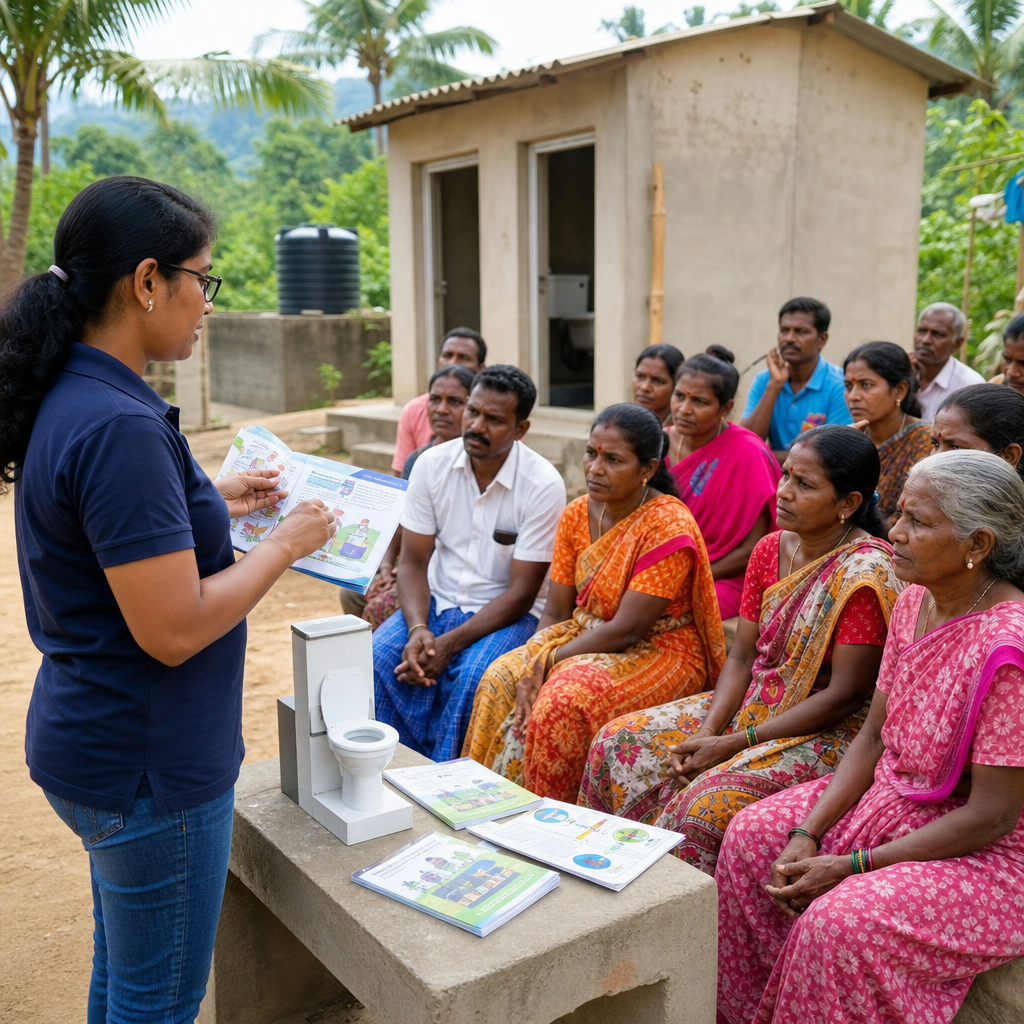
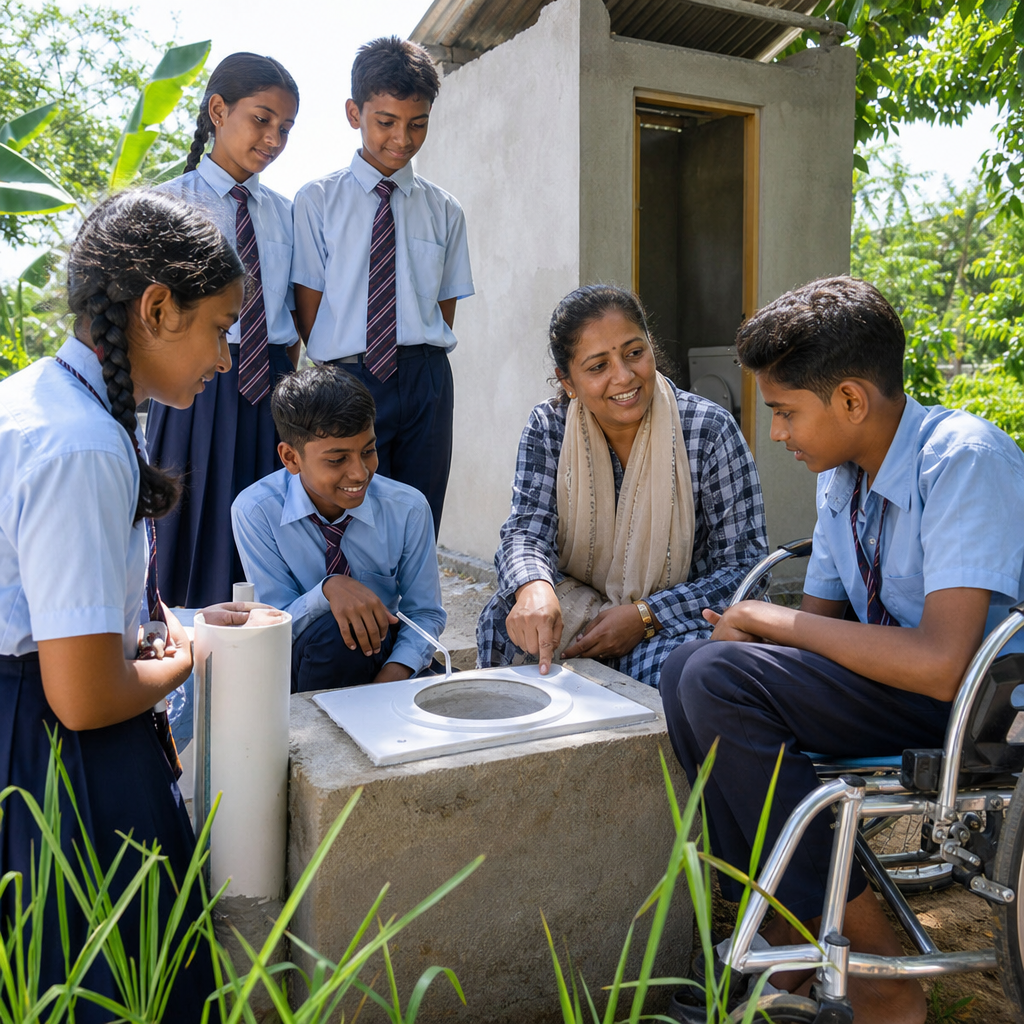
Promoting gender equality in sanitation education is essential to public health, school attendance, safety, and social inclusion, because the way communities learn about toilets, hygiene, water access, and waste management shapes who participates, who is protected, and who is left behind. In practice, sanitation education means structured learning about hygiene behaviors, menstrual health, safe toilet use, handwashing, fecal sludge management, disability access, and shared responsibility for maintaining facilities at home, in schools, workplaces, and public spaces. Gender equality in this context does not mean treating everyone identically; it means designing education so girls, boys, women, men, and gender-diverse people can access information, use services safely, influence decisions, and benefit equally from sanitation systems. I have seen projects fail when training materials assumed all users had the same needs, mobility, privacy concerns, literacy levels, and decision-making power. I have also seen communities improve rapidly when sanitation education addressed those differences directly. This matters because sanitation is never only technical infrastructure. A toilet block can be newly built and still remain underused if girls fear harassment, if mothers are excluded from planning, if male teachers avoid menstrual health topics, or if caretakers are not trained to maintain locks, lighting, bins, and handwashing stations. Effective sanitation education closes the gap between facilities and actual use.
Why gender-responsive sanitation education changes outcomes
Gender-responsive sanitation education improves health and participation because sanitation behaviors are shaped by daily routines, caregiving roles, privacy needs, social norms, and control over resources. Women and girls often manage household water, child hygiene, and menstrual care, yet they may have less influence over budgets, school rules, or infrastructure decisions. Men and boys may be overlooked in hygiene education beyond basic handwashing, which weakens shared responsibility and can reinforce the idea that cleanliness and care work belong only to females. A stronger approach teaches everyone their role in sanitation safety and dignity.
In schools, the connection is especially clear. UNESCO, UNICEF, and WHO have repeatedly linked poor water, sanitation, and hygiene conditions with absenteeism, reduced concentration, and lower retention, particularly for adolescent girls when menstruation is stigmatized or facilities lack privacy. A usable school toilet needs more than a door. It needs an inside lock, water nearby, a place to wash hands with soap, menstrual waste disposal, adequate lighting, cleaning routines, and teachers willing to answer questions without embarrassment. Education is what makes students aware of how to use, protect, and demand those standards.
Community-level sanitation education also affects safety. In peri-urban settlements where shared toilets are common, I have worked with residents who identified timing, path lighting, queue management, and caretaker accountability as more important to women’s use than the technical design alone. When women’s groups were invited to map unsafe routes and discuss harassment risks, facility usage increased because education sessions were paired with practical changes. The lesson is simple: sanitation education works best when it helps people identify barriers, not just memorize hygiene messages.
Core principles for fostering participation and learning
Fostering participation and learning in sanitation requires four principles: inclusion, relevance, safety, and accountability. Inclusion means involving all user groups in planning and delivery, including adolescent girls, boys, mothers, fathers, teachers, cleaners, people with disabilities, and local leaders. Relevance means tailoring messages to actual daily practices, such as water storage, menstrual management, child feces disposal, toilet cleaning, and shared facility rules. Safety means creating learning spaces where sensitive issues can be discussed without shame or retaliation. Accountability means setting clear standards for what schools, committees, and service providers must deliver after the education sessions end.
Participation is strongest when learners shape the program. In one district training cycle, we stopped opening with lectures and instead began with anonymous questions collected on paper. The most frequent concerns were not what staff predicted. Students asked about blood stains, toilet bullying, smell control, and whether boys should learn about menstruation. Parents asked who would pay for soap and who would empty bins. These questions changed the curriculum and made sessions more credible. People engage when they recognize their own reality in the material.
Language matters too. Technical terms like “WASH services” are useful for practitioners, but community education is more effective when translated into direct concepts: safe toilets, private washing, clean hands, clean water containers, waste disposal, and respectful behavior. Visual aids help, but they must reflect local facilities and clothing norms. A poster showing a flush toilet is irrelevant in a village using ventilated improved pit latrines. Practical accuracy builds trust.
What a comprehensive sanitation education hub should cover
As a hub under community engagement and education, this topic should connect the full learning journey rather than treat sanitation as a single lesson. Readers need a framework that links school-based education, household behavior change, community facilitation, facility management, menstrual health, disability inclusion, and monitoring. The goal is not only awareness. The goal is sustained participation that improves service use, maintenance, and equity.
The most effective hub structure covers audience-specific learning needs, facilitation methods, content design, safeguarding, behavior change, and measurement. It should explain how to engage teachers, health workers, youth leaders, sanitation committees, and municipal actors. It should also show how education links to hardware decisions such as toilet siting, cubicle ratios, wash areas, incinerators or covered bins, ramps, grab bars, and water availability. Education and infrastructure must reinforce each other.
Below is a practical breakdown of the core areas that belong in a strong sanitation education program and should anchor related articles in this subtopic.
| Program area | What learners need | Example of good practice |
|---|---|---|
| School hygiene education | Handwashing, toilet etiquette, cleaning responsibility, reporting faults | Student clubs track soap, water, and lock functionality weekly |
| Menstrual health education | Puberty knowledge, product use, disposal options, stigma reduction | Girls and boys receive age-appropriate sessions led by trained staff |
| Community participation | Shared rules, fee systems, safety mapping, maintenance roles | Women, tenants, and persons with disabilities join facility committees |
| Caregiver learning | Child feces disposal, handwashing support, water treatment, home routines | Home visits reinforce school messages and address barriers |
| Inclusive design awareness | Privacy, accessibility, lighting, distance, culturally acceptable layouts | Users review plans before construction and after handover |
| Monitoring and feedback | How to report problems, track use, and measure satisfaction | Simple scorecards are reviewed monthly with local authorities |
Teaching methods that reach girls, boys, and caregivers effectively
Good sanitation education uses multiple teaching methods because people learn differently and because sensitive topics require more than one format. Classroom teaching works for basic concepts, but discussion circles, peer education, demonstrations, role play, and community mapping are often more effective for behavior change. For example, handwashing technique improves when learners practice at an actual station with soap and flowing water. Understanding privacy and safety improves when users walk routes, inspect facilities, and identify risks themselves.
Peer-led models can be powerful when properly supervised. Adolescents often disclose concerns to other adolescents more easily than to adults. In secondary schools, trained peer educators can normalize conversations about menstruation, odor, pad disposal, and toilet bullying. However, peer programs should never replace trained adult support. Teachers, school nurses, or community health workers need clear referral pathways for infection concerns, safeguarding issues, and severe absenteeism.
Caregiver engagement is equally important. If girls learn about menstrual hygiene at school but have no supplies, no water, or no private washing area at home, education alone will not solve the problem. I have found that parent meetings are more productive when they focus on practical household actions rather than abstract rights language. Asking families to identify one improvement they can make this month, such as a covered bin, a handwashing container, or a privacy latch, leads to better follow-through than long lectures.
Timing also affects participation. Sessions for women should not be scheduled during peak water collection or market hours. Sessions for men often work better when tied to existing meetings or livelihood groups rather than stand-alone hygiene talks. In mixed groups, facilitators need ground rules that prevent domination by older men or local elites. Structured turn-taking and small-group work improve participation from quieter members.
Addressing menstrual health, safety, and stigma directly
No sanitation education program can claim gender equality if it avoids menstrual health. Menstruation affects school attendance, confidence, comfort, and facility requirements, yet many programs still treat it as an optional add-on. A complete approach includes basic reproductive health education, practical information on products, pain management awareness, washing and drying guidance, disposal systems, and stigma reduction among both girls and boys. It also addresses what happens when facilities fail. A student needs to know where to get water, soap, extra materials, and support if her period starts unexpectedly.
Stigma reduction requires whole-community learning. When only girls receive information, myths persist among boys, male teachers, fathers, and religious leaders. That can lead to teasing, restrictions, or silence around facility needs. Age-appropriate, mixed-awareness sessions reduce misinformation and normalize respectful behavior. In several school programs, absenteeism linked to menstruation fell after schools combined puberty education, emergency pad access, cleaner training, and a maintenance budget for disposal bins and water points. The improvement came from systems, not a single lesson.
Safety must be addressed with equal clarity. Girls and women often change their sanitation behavior to avoid harassment, especially in communal settings or after dark. Education should cover reporting mechanisms, buddy systems for younger students, facility supervision, and expectations for respectful conduct. This is not separate from sanitation; it is central to whether facilities are usable. A toilet that users fear is not adequate sanitation.
Designing for inclusion: disability, age, and social context
Gender equality in sanitation education must include disability, age, and social context, because barriers overlap. An adolescent girl with a mobility impairment may need a wider cubicle, handrails, lower wash points, extra time between classes, and a trusted aide who understands privacy. An older woman may need lighting and seating support. A transgender learner may face harassment in sex-segregated facilities and require clear anti-bullying protections. Education should prepare communities to understand these needs as ordinary service requirements, not exceptions.
Recognized guidance from UNICEF, WHO, and the JMP service ladders supports attention to usability, accessibility, availability, and privacy. In field assessments, I use these criteria because they force practical questions: Can users reach the toilet safely? Can they lock it from inside? Is water available when needed? Can menstrual materials be managed discreetly? Is the path usable in rain? These are concrete teaching points for school management committees and community groups.
Social context shapes what is possible. In dense informal settlements, private household toilets may be unrealistic, so education must address shared facility governance, cleaning schedules, payment transparency, and conflict resolution. In rural areas with water scarcity, the focus may shift toward dry sanitation options, handwashing device efficiency, and safe storage. Programs that ignore context often produce messages people cannot act on. Credible sanitation education offers realistic options, not idealized slogans.
Measuring progress and sustaining change
Sanitation education should be measured by behavior, usability, and participation, not just by the number of people trained. Useful indicators include toilet functionality, presence of soap and water, privacy features, reported confidence using facilities, menstrual-related absenteeism, inclusion of women in committees, and the speed of repairs after faults are reported. Schools can use monthly checklists. Communities can use scorecards or public dashboards. Local governments can tie inspections to budget follow-up.
Qualitative feedback matters as much as infrastructure counts. A facility may meet technical standards on paper and still fail users because it smells, lacks disposal bins, or feels unsafe. Short interviews, suggestion boxes, and anonymous student surveys often reveal problems before formal audits do. I recommend reviewing data with users, not only officials. When girls, cleaners, and caretakers see their feedback lead to action, participation becomes durable.
Sustaining change requires budgeting and ownership. Soap supply, cleaner wages, spare parts, waste collection, and teacher refresher training all need predictable funding. Education programs should therefore include cost awareness and management planning. The most successful initiatives I have worked on made responsibilities explicit: students reported issues, cleaners logged faults, head teachers approved purchases, committees reviewed budgets, and local authorities monitored compliance. Clear roles prevent sanitation education from fading into a one-time campaign.
Promoting gender equality in sanitation education means building learning systems that make sanitation safe, practical, and dignified for everyone. The strongest programs recognize that toilets alone do not change lives; informed users, responsive institutions, and inclusive decision-making do. When education addresses menstrual health, safety, disability access, caregiver roles, and shared responsibility, participation rises and facilities are used as intended. That is why this topic belongs at the center of community engagement and education. It connects behavior change with infrastructure, household routines with public services, and individual confidence with collective accountability. For practitioners, schools, NGOs, and local governments, the next step is clear: review your sanitation education efforts through a gender lens, identify who is missing from the conversation, and redesign the program so every user can learn, participate, and benefit equally.
Frequently Asked Questions
Why is gender equality important in sanitation education?
Gender equality is fundamental to sanitation education because sanitation affects people differently depending on gender, age, disability, income, and social role. When education programs ignore those differences, they often fail to address real barriers such as lack of privacy, fear of harassment, inadequate menstrual health support, unsafe routes to toilets, or expectations that women and girls alone should manage household hygiene. A gender-equal approach makes sanitation education more accurate, more practical, and more effective by recognizing that everyone should have safe access to toilets, water, hygiene information, and decision-making.
It also has direct public health and educational benefits. Girls are more likely to attend school consistently when they have access to private, safe sanitation facilities and receive clear information about menstrual health. Boys benefit from learning respectful, shared responsibility for hygiene and facility upkeep. Communities benefit when sanitation education teaches that hygiene, waste management, handwashing, and toilet maintenance are collective responsibilities rather than burdens placed on one group. In this way, gender equality in sanitation education supports health outcomes, school retention, dignity, safety, and broader social inclusion.
What topics should gender-responsive sanitation education include?
Effective gender-responsive sanitation education should go well beyond basic toilet use. It should include hygiene behaviors such as handwashing with soap, safe water handling, and proper toilet maintenance, but it should also address menstrual health, puberty education, privacy needs, and the social dynamics that shape access to sanitation. Learners need practical, age-appropriate information on how to use sanitation facilities safely, how to dispose of waste properly, and how to prevent disease transmission in homes, schools, and public spaces.
Strong programs also include fecal sludge management, shared cleaning responsibilities, disability access, and the design features that make facilities safe and usable for everyone. For example, learners should understand why lighting, locks, water availability, disposal bins, ramps, handrails, and space for caregivers matter. Education should also address stigma and harmful norms, including the idea that menstruation is shameful or that cleaning toilets is solely women’s work. When these topics are included in a structured and respectful way, sanitation education becomes more inclusive, more realistic, and better able to prepare communities to create systems that protect everyone.
How does sanitation education affect school attendance and student well-being?
Sanitation education plays a major role in whether students can attend school safely, comfortably, and consistently. When students understand hygiene practices and have access to facilities that reflect what they are taught, they are better able to manage their daily needs with dignity. This is especially important for girls during menstruation, but it also matters for younger children, students with disabilities, and any student who may avoid school because of dirty toilets, lack of water, bullying, or unsafe conditions. Education helps normalize these needs and gives students practical knowledge, while also creating a stronger case for schools to provide adequate infrastructure.
Student well-being improves when sanitation education reduces shame, confusion, and fear. Clear teaching about puberty, menstrual health, handwashing, and safe toilet use can reduce anxiety and prevent misinformation. It can also improve confidence and participation in class. Just as importantly, inclusive sanitation education helps build a school culture where students respect each other’s needs rather than mock or exclude peers. When combined with clean facilities, reliable water, privacy, and supportive staff, sanitation education becomes a key factor in attendance, concentration, health protection, and emotional safety.
How can communities and schools make sanitation education more inclusive for women, girls, boys, and people with disabilities?
Inclusion begins with listening to the people most affected by sanitation challenges. Schools and communities should involve women, girls, boys, caregivers, people with disabilities, and marginalized groups in identifying barriers and shaping solutions. That means asking practical questions: Are toilets private and safe? Is water available? Can students manage menstruation discreetly? Are facilities accessible for wheelchair users or people with limited mobility? Do learning materials reflect different experiences and needs? Inclusive sanitation education is strongest when it is informed by real daily realities rather than assumptions.
Programs should use accessible language, culturally sensitive teaching methods, and materials that address both shared and specific needs. Teachers and facilitators should be trained to discuss hygiene, menstruation, disability access, and gender norms without embarrassment or bias. Schools can support inclusion by providing separate and accessible facilities where appropriate, ensuring disposal options for menstrual products, assigning maintenance responsibilities fairly, and creating safe reporting systems for harassment or facility-related concerns. Community campaigns can reinforce these lessons by encouraging men and boys to share sanitation responsibilities and by challenging stigma that keeps some groups silent. Inclusion works best when education, infrastructure, and community attitudes improve together.
What are the long-term benefits of promoting gender equality in sanitation education?
The long-term benefits are wide-ranging and deeply connected to health, education, and social development. At the household and community level, gender-equal sanitation education can improve hygiene practices, reduce disease transmission, and increase the safe use and maintenance of toilets, water points, and waste systems. It can also lead to more informed decisions about facility design, budgeting, and management because a broader range of people are included in planning. When everyone understands that sanitation is a shared public responsibility, systems tend to be more sustainable and more responsive to actual needs.
Over time, this kind of education also helps shift social norms. It can reduce stigma around menstruation, challenge unequal expectations about cleaning and caregiving, and create space for women and girls to participate in decisions that affect their health and safety. Boys and men benefit as well because they learn respectful behaviors, practical hygiene knowledge, and the value of shared responsibility. In schools, these changes support better attendance and learning. In communities, they strengthen dignity, safety, and inclusion. Ultimately, promoting gender equality in sanitation education is not just about improving lessons; it is about building healthier, fairer systems that serve everyone more effectively.