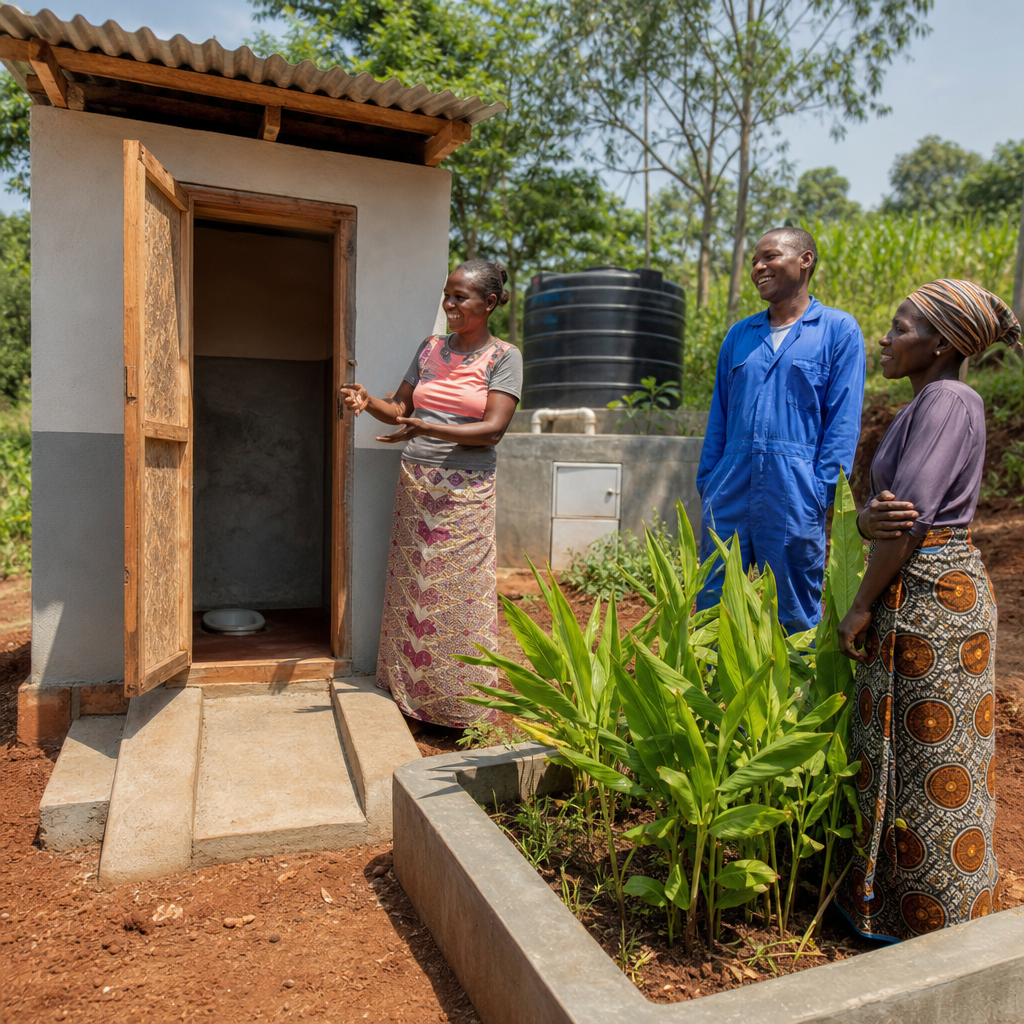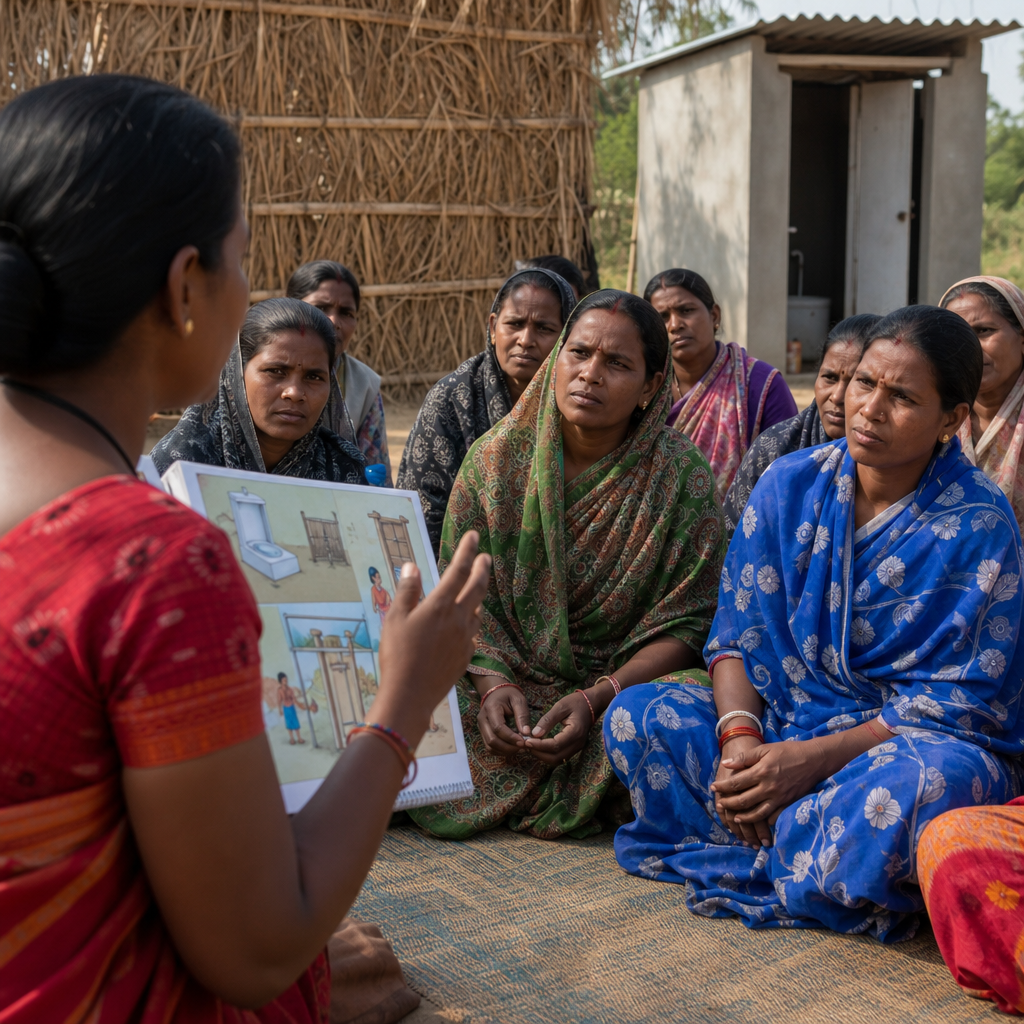
Peer-to-peer education in sanitation turns community members into teachers, problem-solvers, and trusted advocates for healthier daily practices. In practical terms, it means neighbors learning from neighbors about handwashing, toilet use, menstrual hygiene management, child feces disposal, water handling, drain maintenance, and safe waste habits. I have seen sanitation campaigns succeed when advice came from a respected street vendor, school prefect, tenant leader, or mother’s group organizer rather than from an outsider with a flip chart. That difference matters because sanitation is not only technical infrastructure; it is behavior, trust, repetition, and social proof. When people see someone like them adopt a practice and explain why it works, resistance drops and participation rises.
As a hub within community engagement and education, this topic focuses on fostering participation and learning across the full sanitation journey. Participation means communities help identify problems, test solutions, monitor progress, and hold one another accountable. Learning means people gain practical knowledge, but also confidence, agency, and the ability to teach others. Peer education sits at the center because it connects formal public health guidance with local realities such as shared toilets, seasonal water scarcity, landlord-tenant tensions, disability access, or school attendance during menstruation. It is especially valuable in low-resource settings, informal settlements, refugee contexts, and rural villages where official outreach capacity is limited.
Sanitation education fails when it treats people as passive recipients of messages. It works when it respects lived experience, uses local language, addresses barriers honestly, and creates visible opportunities for action. A peer educator can explain why a tippy tap saves water, demonstrate how to clean a slab without damaging it, or show caregivers where to dispose of child feces safely. They can also surface concerns that standard campaigns miss, including user fees, fear of harassment near toilets at night, or the stigma adolescent girls face when products are unavailable. Because these conversations happen in homes, schools, workplaces, worship spaces, and market stalls, peer-to-peer education creates reach that posters alone cannot deliver.
For organizations building a community engagement and education program, this hub frames the core principles, models, tools, and measurement approaches that make peer sanitation learning effective. It also links conceptually to related subtopics such as behavior change communication, school sanitation clubs, community-led total sanitation, inclusive WASH training, household counseling, volunteer management, and participatory monitoring. The goal is not simply to spread messages. The goal is to build lasting participation and learning so sanitation behaviors become normal, feasible, and community-owned.
What Peer-to-Peer Education in Sanitation Includes
Peer-to-peer education in sanitation is a structured learning approach in which people from the same social group share practical knowledge and model behaviors. A peer group may be defined by age, neighborhood, occupation, school grade, language, religion, tenancy status, disability experience, or gender. In sanitation programs, peers commonly include community health volunteers, natural leaders identified during triggering exercises, school hygiene champions, women’s savings groups, youth mentors, and trained caretakers of shared facilities. The approach can be formal, with curricula and supervision, or informal, through repeated demonstrations and discussions.
The most effective programs cover specific sanitation behaviors rather than broad awareness alone. These behaviors include consistent toilet use, safe management of child feces, regular handwashing with soap after contact with feces and before food handling, routine latrine cleaning, menstrual hygiene support, and safe emptying or reporting of full pits and tanks. In urban settings, peer educators may also address drain blockage, solid waste disposal that affects flooding and fecal contamination, and the rules of shared sanitation blocks. In schools, they often focus on handwashing stations, attendance, maintenance rosters, and anti-stigma support during puberty.
What makes peer learning distinct is credibility. People judge health information partly by source trust, not only by content accuracy. A landlord may ignore a municipal leaflet about cleaning schedules, yet respond when tenants collectively explain how neglect increases odors, fly breeding, and disputes. A group of adolescent boys may tune out a teacher’s lecture on toilet etiquette but listen to older students who explain how misuse causes closures that affect everyone. In my work, the strongest peer educators were rarely the loudest speakers; they were the ones others already relied on for practical advice.
Why Participation and Learning Drive Better Sanitation Outcomes
Participation and learning improve sanitation because behavior change depends on more than knowledge. People need motivation, skills, reminders, social acceptance, and realistic options. Public health research consistently shows that information campaigns alone have limited effect when environmental barriers remain. Peer education helps bridge that gap by combining explanation with problem-solving. If households say soap is expensive, peers can discuss low-cost procurement, placement near the water point, and shared purchasing. If a school has water interruptions, students can help design refill routines and alert systems instead of being blamed for noncompliance.
Participation also improves program design. Community members know which toilets are avoided, which lanes flood, which times women feel unsafe, and which messages are culturally acceptable. Through peer-led discussions, this knowledge becomes visible and actionable. Programs can then target the real constraints behind poor sanitation behavior. That is why participatory mapping, transect walks, and household visits remain valuable tools: they reveal the local system around sanitation, not just the hardware. Learning becomes practical when people identify their own risks and test their own solutions.
There is also a durability advantage. External campaigns often fade when budgets end. Peer networks can continue if they are embedded in schools, resident associations, savings groups, clinic outreach, or local government structures. This continuity matters because sanitation gains are fragile. A well-used handwashing station can become a broken standpipe in a month without ownership. A clean shared toilet can decline quickly if new tenants are never oriented. Peer educators provide the repeated reinforcement that keeps standards alive between formal visits from health staff or NGOs.
Core Models for Peer Sanitation Learning
Several models work well, and the right choice depends on setting, risk profile, and available support. Household mentoring pairs trained volunteers with a manageable number of homes for repeated visits. This model is effective for newborn care, child feces disposal, latrine upgrading, and household handwashing because it allows private discussion and tailored advice. Group facilitation works better where norms are the issue, such as collective cleaning in shared compounds, market sanitation, or village-wide open defecation reduction. School club models are powerful because children learn, practice, and influence siblings at home.
Some programs use cascade training, where lead peers train additional peer educators. This expands reach, but quality control becomes critical. Without strong supervision, key details get diluted, and myths can spread. A better version uses short standardized modules, observation checklists, and regular refresher sessions. Digital tools can help. WhatsApp groups, simple mobile forms, and photo verification are increasingly used to support peer educators, though privacy and data quality require attention. For urban sanitation, caretaker-led tenant orientation is another strong model: every new household receives a short briefing on cleaning schedules, water use, and reporting procedures.
| Model | Best use case | Main strength | Main limitation |
|---|---|---|---|
| Household mentoring | Home practices, child feces disposal, handwashing | Tailored guidance in private settings | Labor intensive |
| Group facilitation | Shared toilets, village norms, cleanup campaigns | Builds collective accountability | Quiet participants may be overlooked |
| School sanitation clubs | Routine hygiene, puberty support, student leadership | High repetition and strong peer influence | Needs teacher backing and supplies |
| Cascade training | Large geographic coverage | Scales quickly | Message quality can drift |
In practice, blended models usually perform best. A settlement improvement project may combine youth-led block meetings, caretaker demonstrations at shared toilets, and household follow-up for families with young children. The key is alignment: all educators use the same core messages, referral pathways, and reporting standards.
How to Recruit, Train, and Support Peer Educators
Selection determines credibility. Choose people who are trusted, available, and able to model the behaviors being promoted. Literacy helps with reporting, but communication skill, reliability, and social acceptance are more important. Programs often make the mistake of selecting only formal leaders. Include informal influencers too: janitors, hairdressers, teachers, youth captains, religious volunteers, and respected tenants. Representation matters. Women, men, adolescents, people with disabilities, and marginalized groups should all see themselves reflected among educators.
Training should be practical, short-cycle, and competency-based. Good sanitation peer training covers disease transmission basics, local sanitation technologies, demonstration methods, safeguarding, rumor management, confidentiality, and referral for infrastructure or protection concerns. Role-play is essential. Peer educators need to practice responding when someone says the toilet smells too much, the handwashing point has no water, or menstrual products are unaffordable. Use plain language and local examples rather than textbook lectures. I have found that a two-day initial training plus monthly refreshers often outperforms a one-off five-day workshop that overwhelms volunteers.
Support systems keep quality high. Supervisors should conduct spot checks, joint visits, and brief review meetings using simple indicators such as households visited, demonstrations completed, barriers reported, and referrals resolved. Modest incentives can help retention, but they should fit the context: transport reimbursement, airtime, certificates, branded materials, priority training access, or public recognition. Overpaying can distort motivation and exclude volunteer-driven ownership; under-supporting leads to dropout. Safety matters as well. Peer educators need clear guidance on visiting hours, harassment reporting, and boundaries when working with children or vulnerable households.
Designing Messages That Change Behavior
Effective sanitation messages are specific, observable, and feasible. “Practice good hygiene” is weak. “Wash both hands with soap after using the toilet and before preparing food” is usable. “Keep the shared toilet clean” is vague. “Sweep daily, wash slab and touchpoints with detergent, and empty the waste bin every evening” gives a standard people can follow. Strong messages also explain why the behavior matters and what to do when obstacles arise. If water is scarce, show the minimum water needed for handwashing and cleaning. If facilities are shared, state who is responsible and when.
Behavior change frameworks are useful here because they force programs to address capability, opportunity, and motivation together. A person may know the correct action yet still fail because soap is stored too far away, the toilet lacks lighting, or others ridicule the behavior. Peer educators are especially good at uncovering these barriers through conversation. They can then use demonstrations, prompts, stories, and commitments to make action easier. For example, a school club may place painted footprints leading to a handwashing station, while a tenant committee posts a rota and a reporting number for repairs.
Message design should avoid fear-heavy tactics unless there is a clear protective action people can take immediately. Shame can produce short-term compliance but often drives concealment and stigma. Respectful communication works better, especially around menstruation, disability, incontinence, and child care. The most persuasive sanitation education I have seen combines factual explanation with dignity. It tells people not only how to prevent contamination, but also how better sanitation protects time, privacy, safety, attendance, and household pride.
Measuring What Participation and Learning Achieve
Measurement should go beyond counting sessions. A strong peer-to-peer sanitation program tracks reach, quality, behavior adoption, and system response. Reach includes how many people were engaged and whether priority groups were included. Quality includes observation of demonstrations, message accuracy, and participant understanding. Behavior indicators might include presence of soap and water at handwashing points, cleanliness scores for shared toilets, safe child feces disposal, school toilet usability, or reported consistency of toilet use. Where possible, combine self-report with observation because respondents often overstate good behavior.
Learning outcomes matter too. Can participants explain the critical moments for handwashing? Do school champions know how to report a broken tap? Can caretakers describe cleaning frequencies and disinfectant dilution correctly? Short quizzes, household spot checks, and structured observation tools are more informative than attendance sheets alone. For participatory programs, monitor whether community feedback leads to action. If peer educators repeatedly report poor lighting near toilets and nothing changes, trust declines even if education coverage is high.
Use feedback loops. Share results with the community in simple formats, discuss what is improving, and agree on next steps. This turns measurement into another learning mechanism rather than an extractive reporting exercise. Over time, the best sign of success is normalization: people remind each other, orient newcomers, request repairs early, and expect sanitation standards to be maintained.
Common Challenges and How to Address Them
Peer education is powerful, but it is not a shortcut around infrastructure gaps. If toilets are unsafe, inaccessible, or constantly broken, education alone will not deliver sustained change. Programs must pair learning with service response, supply access, and maintenance systems. Another challenge is message drift. Volunteers sometimes simplify too much or repeat local myths. Regular supervision, clear job aids, and refresher training reduce this risk. Burnout is also common, especially where volunteers handle many health topics. Keep scopes realistic and celebrate visible wins.
Power dynamics can interfere with participation. Young people may hesitate to correct older adults; tenants may fear criticizing landlords; women may be excluded from decisions about budgets or repairs. Good program design creates protected spaces for these groups to speak and links peer feedback to formal authority channels. Finally, not every person is persuadable through the same messenger. Use multiple peer types and multiple contact points. When participation and learning are designed as a system rather than a campaign, communities build sanitation habits that last.
Peer-to-peer education in sanitation works because it turns everyday relationships into channels for practical learning, trust, and accountability. It helps communities move from hearing messages to solving problems, from isolated behaviors to shared norms, and from short projects to durable local ownership. As the hub for fostering participation and learning, this topic brings together the essential elements: clear definitions, behavior-focused models, careful educator selection, practical training, precise message design, and measurement that captures real use rather than simple attendance.
The central lesson is straightforward. Sanitation improves fastest when people are not treated as targets of education but as active participants in it. Trusted peers can explain local risks in plain terms, demonstrate feasible practices, identify obstacles early, and keep standards visible between formal outreach visits. When these efforts are backed by functioning services, inclusive design, and responsive leadership, communities are far more likely to maintain clean facilities, safer hygiene routines, and stronger accountability over time.
If you are building a community engagement and education strategy, start by mapping the peer networks that already shape behavior in your setting. Identify who people listen to, what barriers they face, and where quick wins are possible. Then train, support, and measure a peer education approach that fits those realities. Done well, peer-to-peer sanitation education does more than spread information; it builds participation and learning that communities can sustain.
Frequently Asked Questions
What is peer-to-peer education in sanitation, and why does it work so well?
Peer-to-peer education in sanitation is an approach in which community members teach, demonstrate, and reinforce healthy sanitation behaviors within their own social circles. Instead of relying only on outside experts, this model equips trusted local people such as parents, market vendors, teachers, youth leaders, landlords, tenant representatives, and women’s group organizers to share practical sanitation knowledge in ways that feel relevant and believable. The core idea is simple: people are often more willing to listen to someone who understands their living conditions, daily routines, cultural norms, and constraints.
This approach works well because sanitation is not just about information. It is about habits, convenience, social expectations, and problem-solving. Many people already know that handwashing, safe toilet use, proper child feces disposal, and safe water storage are important, but they may struggle with limited water access, crowded housing, broken drains, poor waste collection, or lack of privacy. A peer educator can speak directly to those realities and offer workable solutions that fit local life. That makes the guidance more practical than generic public health messaging.
Peer-to-peer education also builds trust and accountability. When a respected neighbor demonstrates how to keep a latrine cleaner, how to manage menstrual hygiene discreetly and safely, or how to store drinking water to reduce contamination, the advice carries social credibility. It also creates repetition. People hear the message at home, in the market, at school, in tenant meetings, and during community cleanups. Over time, healthy practices become more visible, more normal, and more likely to stick. In that sense, peer-to-peer sanitation education helps communities move from one-time awareness to everyday behavior change.
What sanitation topics are best suited for peer-to-peer education?
Peer-to-peer education is especially effective for sanitation topics that depend on daily routines and shared community habits. Common and high-impact subjects include handwashing with soap at critical times, safe and consistent toilet use, cleaning and maintaining household and shared latrines, child feces disposal, menstrual hygiene management, household water treatment and safe storage, drain cleaning, solid waste separation and disposal, and ways to reduce contamination around cooking and washing areas. These are all issues people encounter regularly, which makes them ideal for practical learning from someone nearby.
One major strength of the model is that peers can turn broad sanitation guidance into visible, relatable examples. A school prefect can show younger students when and how to wash hands properly. A mother’s group leader can explain how to safely dispose of child feces instead of leaving it in open areas. A tenant leader can organize demonstrations on shared toilet cleaning schedules and encourage fair responsibility among households. A street vendor can model safe water handling and waste management in public spaces where many people gather. These real-world examples help bridge the gap between knowing what to do and actually doing it.
Peer educators are also well placed to address sensitive sanitation topics that people may hesitate to discuss openly with outsiders. Menstrual hygiene management, open defecation, smell and cleanliness in shared toilets, and unsafe disposal of infant waste are often shaped by stigma or embarrassment. Trusted peers can approach these topics with more empathy and fewer barriers. They can answer questions honestly, correct myths without shaming anyone, and encourage practical improvements that respect dignity, affordability, and local customs. That makes peer-led sanitation education both broad in scope and powerful in impact.
How can a community start a successful peer-to-peer sanitation education program?
Starting a successful peer-to-peer sanitation education program begins with identifying the sanitation challenges that matter most locally. In one neighborhood, the priority may be clogged drains and unsafe waste disposal. In another, it may be poor handwashing habits, dirty shared toilets, unsafe water storage, or limited support for menstrual hygiene. A quick community assessment through observation, informal conversations, and meetings can help define the most urgent issues and the behaviors that need to change. Clear priorities make the program more focused and easier for peer educators to communicate.
The next step is selecting the right peer educators. The best candidates are not always the loudest or most formally educated people. They are often those whom others already trust and listen to. This could include tenant association members, youth mentors, school leaders, religious group volunteers, community health workers, mothers’ group coordinators, sanitation committee members, or respected local business owners. Once identified, these peer educators need practical training, not just theory. They should learn core sanitation messages, facilitation skills, demonstration techniques, respectful communication, myth correction, and ways to respond when families face financial or environmental barriers.
Programs are strongest when they combine education with ongoing support and visible action. That may include household visits, small group discussions, school activities, neighborhood meetings, demonstrations on handwashing stations, latrine cleaning campaigns, and simple reminder materials. Monitoring is also important. Communities should track whether people are adopting the promoted practices, whether facilities are improving, and whether certain groups are being left out. The most effective programs treat peer educators as long-term local change agents rather than short-term messengers. With regular feedback, recognition, and practical tools, they can help create lasting sanitation improvements across the community.
What are the biggest benefits of using trusted local people instead of relying only on outside sanitation experts?
Outside sanitation experts bring technical knowledge, but trusted local people bring something equally important: social access. They understand the realities of the area from the inside. They know which households share facilities, where water shortages happen, what times people are available, which beliefs influence hygiene behavior, and what kinds of messages people are most likely to accept. Because they are part of the same community, they can frame sanitation advice in ways that feel achievable rather than idealized. This often leads to stronger engagement and more honest conversations about obstacles.
Another major benefit is continuity. External campaigns are often limited by project timelines, budgets, or short visits. Peer educators remain present after the workshop ends, after the posters fade, and after the health team leaves. They can reinforce messages repeatedly, answer follow-up questions, observe whether changes are being maintained, and motivate others when progress slows. That kind of continuity matters in sanitation because behavior change usually happens through repetition, reminders, and community reinforcement, not through one-time instruction.
Local peer educators can also reduce resistance. People may feel judged, lectured, or misunderstood by outsiders, especially if recommendations do not match local conditions. A neighbor or local leader is often better positioned to say, “Here is how we made this work in a similar household,” or “Let’s solve this together.” That collaborative tone helps replace blame with shared responsibility. It also strengthens community ownership. Instead of sanitation being viewed as an external requirement, it becomes a local standard supported by people the community already respects. In the long run, that makes healthy sanitation behaviors more resilient and more likely to become part of daily life.
What challenges can affect peer-to-peer sanitation education, and how can they be addressed?
Peer-to-peer sanitation education is highly effective, but it is not automatic. One common challenge is inconsistency in the quality of information being shared. If peer educators are not properly trained or supported, messages can become incomplete, outdated, or mixed with local myths. This can be addressed through clear training materials, refresher sessions, supervision, and simple job aids that help educators communicate accurate sanitation guidance. Regular check-ins also allow organizers to correct misunderstandings before they spread.
Another challenge is volunteer fatigue or uneven participation. Community educators often have jobs, family responsibilities, and limited time. Without recognition or support, even motivated people can lose momentum. Programs can reduce this risk by setting realistic expectations, sharing responsibilities among several educators, celebrating progress publicly, and offering practical support such as transportation reimbursement, teaching materials, or certificates of recognition. The goal is not only to recruit trusted people, but to help them stay active and effective over time.
There can also be structural barriers that education alone cannot solve. A family may understand the importance of safe sanitation but still lack access to a functioning toilet, sufficient water, menstrual hygiene supplies, drainage, or waste collection services. In these situations, peer education should be linked with broader community action and service improvement. Educators can document problems, advocate with local authorities, organize collective solutions where possible, and help households make low-cost improvements while larger issues are being addressed. The strongest peer-to-peer sanitation programs recognize that behavior change and infrastructure support must work together. When communities combine trusted local education with practical improvements, the results are more realistic, inclusive, and sustainable.