Community dialogues on sanitation and hygiene practices are one of the most effective ways to turn public health advice into daily behavior, because people change routines more readily when solutions are discussed, questioned, and owned locally. In community engagement and education work, a dialogue is not a lecture or a one-way awareness session; it is a structured conversation in which residents, facilitators, service providers, teachers, health workers, and local leaders identify risks, compare experiences, and agree on practical action. Sanitation refers to the safe management of human waste, wastewater, solid waste, and the conditions that keep environments clean. Hygiene refers to behaviors that prevent disease transmission, including handwashing with soap, menstrual hygiene management, food hygiene, safe water handling, and cleaning practices in homes, schools, markets, and public spaces.
This topic matters because infrastructure alone rarely delivers health gains without participation and learning. A toilet block can be built and still remain unused, poorly maintained, or inaccessible to women, older adults, and people with disabilities. Handwashing stations can be installed near classrooms and still sit empty if no one has discussed soap supply, drainage, supervision, or habit formation. Across community programs I have supported, the strongest sanitation outcomes came when residents helped define the problem, reviewed local evidence, and created rules they considered fair. Community dialogues build that ownership. They also surface barriers that outsiders miss, such as stigma around pit emptying, fear of using shared toilets at night, confusion about chlorine dosage, or the cost of menstrual materials during lean seasons.
As a hub within community engagement and education, this article focuses on fostering participation and learning across the full sanitation and hygiene cycle: listening, planning, behavior change, accountability, inclusion, and follow-up. It also connects naturally to related areas such as school health, water safety, waste management, social and behavior change communication, and local governance. The central idea is simple: effective dialogue turns information into shared understanding, and shared understanding into collective action. When that process is designed well, communities do not merely receive messages about sanitation and hygiene practices; they build the confidence, skills, and local systems needed to sustain healthier environments.
Why Community Dialogues Improve Sanitation and Hygiene Outcomes
Community dialogues improve sanitation and hygiene outcomes because they address the social side of public health, not just the technical side. Disease transmission is shaped by routines, norms, incentives, and trust. People need to know why a practice matters, but they also need to see how it fits daily life. In many villages and dense urban settlements, one family’s sanitation choices affect everyone else through contaminated soil, flies, drains, and water points. That makes sanitation a shared issue requiring discussion, coordination, and mutual accountability. A dialogue creates space to answer practical questions directly: Where will waste go? Who will clean shared facilities? How will soap be paid for? What is the safest option during floods? Why are children still getting diarrhea when toilets exist?
In practice, dialogue works because it replaces assumptions with local evidence. Facilitators can map open defecation areas, review clinic data on diarrhea or cholera, identify handwashing gaps at key moments, and compare high-risk locations such as markets, schools, and transport hubs. I have seen attitudes shift quickly when residents physically traced contamination routes from overflowing pits to shallow wells, or when mothers compared the cost of repeated treatment for diarrhea with the monthly cost of soap and water storage lids. People rarely resist healthy behavior because they prefer illness; they resist because options seem inconvenient, unaffordable, unsafe, unfamiliar, or socially unsupported. Dialogues help communities solve those exact constraints.
They also strengthen legitimacy. Messages delivered only by outside organizations may be dismissed as temporary projects. Messages discussed publicly with respected local actors gain staying power. Religious leaders can reinforce cleanliness norms, teachers can normalize handwashing routines, youth groups can organize cleanup drives, and local government staff can explain service standards and complaint channels. When dialogue includes these voices, behavior change becomes embedded in community life rather than attached to a campaign poster.
Core Elements of Effective Participation and Learning
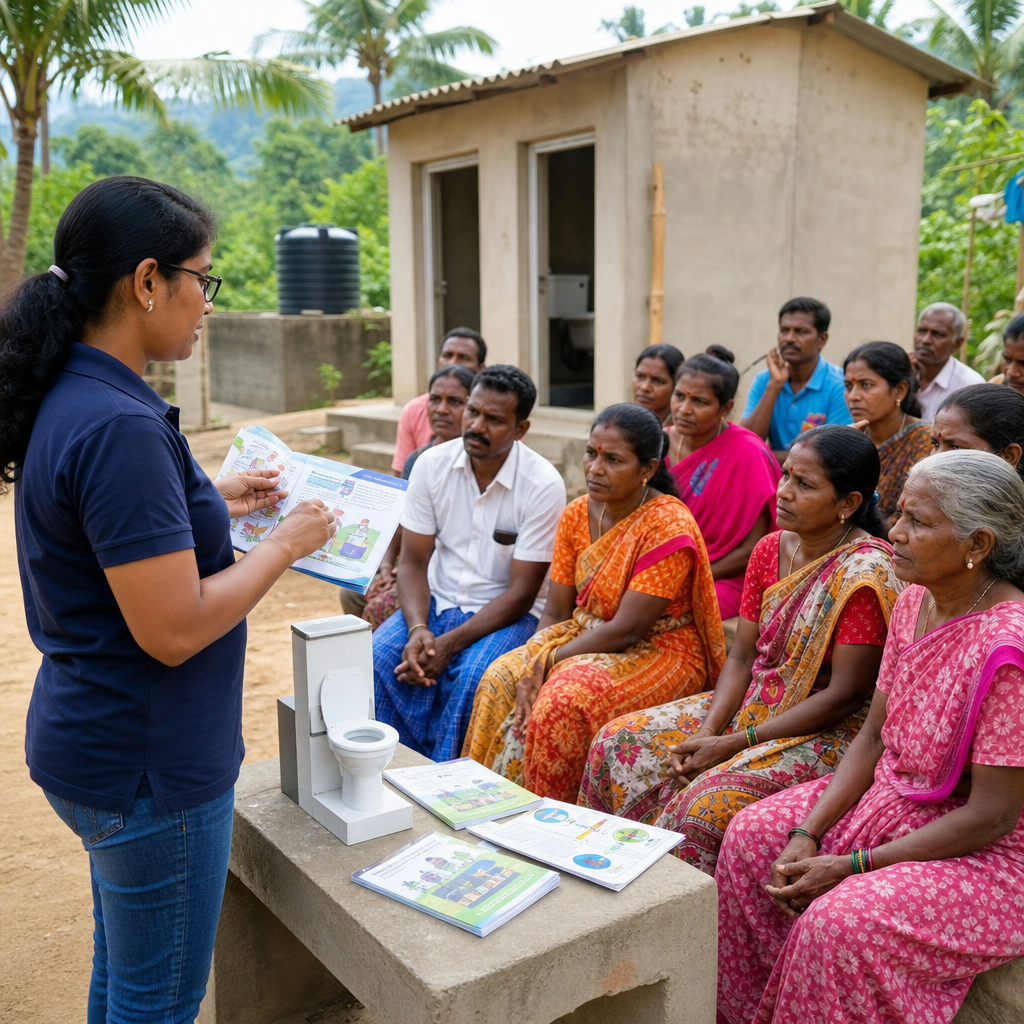
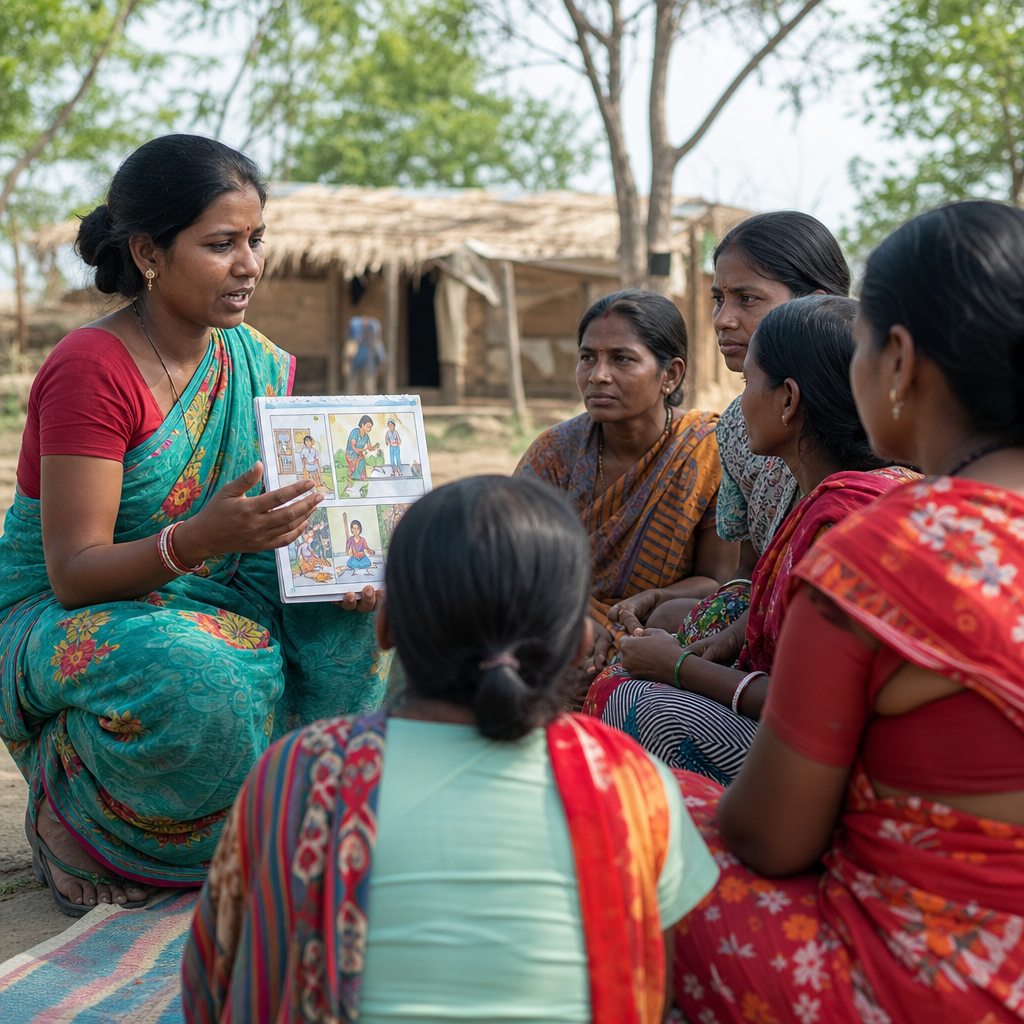
Fostering participation and learning requires more than inviting people to a meeting. The design must make it easy for people to contribute, understand, remember, and act. First, the dialogue needs a clear purpose. One session may focus on latrine use and maintenance, another on handwashing with soap at critical times, and another on menstrual hygiene and safe disposal. Mixing too many topics often weakens results. Second, facilitators must use plain language and visual tools. Community maps, seasonal calendars, route walks, contamination flow diagrams, and facility scorecards help people analyze familiar realities. Third, the session should end with decisions, not only discussion. The best dialogues produce commitments, named responsibilities, deadlines, and follow-up points.
Adult learning principles are essential. People learn best when new information connects to lived experience, when they can ask questions without embarrassment, and when they can test ideas practically. Demonstrations matter. Showing how to build a low-cost handwashing station, how to treat water correctly, or how to clean a slab without damaging it is often more effective than distributing pamphlets. Repetition matters too. One meeting almost never shifts entrenched habits. Strong programs schedule repeated dialogues, household visits, peer discussion groups, and public reviews of progress.
Inclusion is another core element. If only vocal men attend, the dialogue will miss the people who fetch water, assist children with toileting, manage household cleanliness, and face the biggest privacy and safety concerns. Effective participation means deliberately including women, adolescents, older persons, tenants, sanitation workers, persons with disabilities, and marginalized groups. Timing, venue, seating, language, childcare, and facilitation style all influence who speaks. In one settlement project, attendance rose sharply after moving meetings from a government office to a school courtyard and separating some discussions by age and gender before reconvening. Participation improved because the format respected social realities rather than ignoring them.
How to Structure a Community Dialogue Process
A strong community dialogue process usually follows a sequence: preparation, discussion, action planning, implementation support, and review. Preparation begins with stakeholder mapping. Identify households, landlords, school administrators, health volunteers, local government officers, market committees, disability advocates, and sanitation workers. Gather baseline information before the meeting. Useful inputs include the number and condition of toilets, water access points, availability of handwashing facilities with soap, solid waste accumulation spots, drainage problems, and common disease trends. This allows the conversation to focus on evidence rather than rumor.
During the discussion phase, facilitators should open with a specific local problem and encourage residents to describe what they see. Questions that work well are concrete: When do children wash hands? Which toilets are unsafe at night? What happens when pits fill? Where does wastewater collect after rain? The facilitator’s role is to probe, summarize, and connect responses to health risks and feasible solutions. Blame-heavy approaches usually fail. Shame may generate short-term compliance, but respectful problem solving builds durable change. The aim is collective responsibility, not public humiliation.
Action planning converts dialogue into movement. Communities should identify what can be done immediately at household level, what needs group effort, and what requires outside support. Households may commit to covering water containers and keeping soap near washing areas. Neighborhood groups may organize drain cleaning or establish a toilet maintenance rota. Local authorities may need to address fecal sludge management, waste collection, or repairs in schools and clinics.
| Dialogue stage | Main question | Practical output |
|---|---|---|
| Preparation | What is the actual sanitation and hygiene situation? | Baseline map, participant list, risk priorities |
| Discussion | Why are unsafe practices continuing? | Shared understanding of causes and barriers |
| Action planning | Who will do what, by when, with what resources? | Community action plan with responsibilities |
| Follow-up | What changed, what failed, and what needs support? | Progress review, adaptations, accountability record |
Follow-up is where many initiatives weaken. Without review, attendance declines and commitments drift. Effective teams schedule return sessions, household spot checks, and public progress updates. They also celebrate visible gains, such as cleaner shared toilets, reduced open defecation sites, or improved handwashing compliance in schools. Recognition helps maintain momentum.
Priority Topics for Sanitation and Hygiene Dialogues
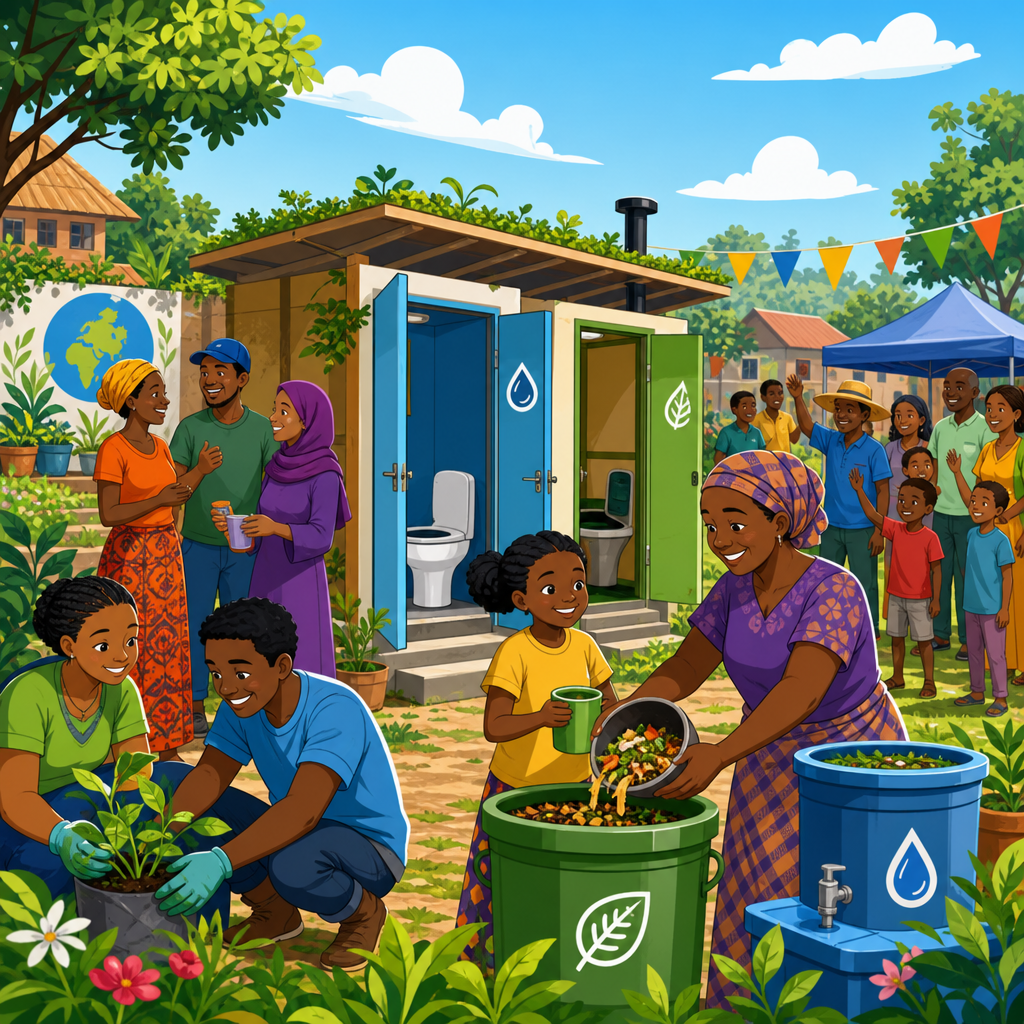
The most useful hub for fostering participation and learning covers the full range of sanitation and hygiene practices communities need to understand. Household sanitation is usually first: consistent toilet use, child feces disposal, pit emptying options, cleaning routines, ventilation, privacy, lighting, and accessibility. Hand hygiene is another priority, especially the critical times recognized by public health guidance: after using the toilet, after cleaning a child, before preparing food, before eating, and before feeding a child. Food hygiene should include safe storage, utensil cleaning, and keeping flies away from food preparation areas. Water handling belongs in the same conversation because contamination often occurs between source and consumption through dirty containers, uncovered vessels, or unclean cups.
Menstrual hygiene management deserves explicit attention rather than being treated as a secondary issue. Community dialogues should address privacy, disposal, washing facilities, stigma, school absenteeism, and the affordability of products. In many places, girls and women avoid drinking water during the day to reduce toilet visits, which can contribute to dehydration and discomfort. That is a sanitation design issue as much as a health education issue. Similarly, disability-inclusive sanitation must cover ramp gradients, handrails, door width, seat options, caregiver access, and tactile or visual cues where needed.
Wastewater and solid waste should not be ignored. Standing water near homes can increase mosquito breeding and create foul conditions around latrines. Uncollected waste blocks drains and worsens flooding, which then spreads fecal contamination. In urban neighborhoods, community dialogues often reveal that residents know the risks but lack clear collection schedules, legal dumping points, or affordable emptying services. That insight changes the response from “teach people better habits” to “pair behavior change with service improvements.”
Roles of Leaders, Institutions, and Local Champions
Community dialogues are strongest when responsibility is distributed across trusted actors. Local leaders can convene meetings and legitimize agreed rules, but they should not dominate the discussion. Health workers bring technical credibility on disease prevention and outbreak risk. Teachers and school management committees can turn dialogue points into school routines, such as supervised handwashing before meals or student-led toilet inspection. Community health volunteers often become the bridge between public meetings and household practice because they can revisit homes, answer questions privately, and observe whether commitments are realistic.
Local champions matter because people follow examples they can see. A landlord who upgrades shared toilets and posts a cleaning schedule influences neighboring compounds more than a distant campaign slogan. A market association that installs handwashing points and enforces vendor hygiene creates visible standards. Sanitation workers should also be part of the conversation. They understand operational constraints around collection, pit emptying, transport, protective equipment, and disposal sites. Excluding them leads to plans that look tidy on paper but fail in implementation.
Institutions need feedback loops. Schools, clinics, and local councils should not only transmit messages; they should receive complaints and act on them. In one municipal program, residents used a simple facility scorecard during quarterly dialogues to rate toilet cleanliness, water reliability, soap availability, lighting, and accessibility. Because the same indicators were reviewed each quarter, service providers could see trends instead of isolated complaints. That kind of structured feedback turns participation into accountability.
Measuring Learning, Behavior Change, and Sustainability
Community dialogues should be measured by what people understand, what they do, and what systems improve over time. Attendance alone is a weak indicator. Better measures include the percentage of households with a functional handwashing station and soap, the proportion of toilets in use and clean at inspection, safe child feces disposal rates, school absenteeism linked to inadequate sanitation, and the time required to repair broken water or toilet facilities. Programs should combine observation, short interviews, and service data. Self-reported behavior is useful, but direct observation often shows the gap between intention and routine.
Learning can be assessed through simple recall and problem-solving questions. Can participants name the critical times for handwashing? Can they explain how water becomes contaminated after collection? Do they know whom to contact when a shared latrine needs desludging? Sustainability depends on whether communities can maintain practices without constant external prompting. That requires supply chains for soap, spare parts, cleaning materials, and fecal sludge services, as well as clear local responsibilities and budget lines where public facilities are involved.
The main benefit of community dialogues on sanitation and hygiene practices is that they convert health messages into shared action backed by local ownership, practical learning, and accountability. Effective dialogues define problems clearly, include the people most affected, connect behavior change with service realities, and return regularly to review progress. As a hub within community engagement and education, this topic links every related article on participation, school outreach, household coaching, inclusive design, waste management, and local governance because each depends on people learning together and acting together. If you are building a sanitation or hygiene program, start by designing the dialogue process with the same care you give infrastructure. Better conversations create better habits, stronger services, and healthier communities.
Frequently Asked Questions
1. What are community dialogues on sanitation and hygiene practices?
Community dialogues on sanitation and hygiene practices are structured conversations that bring together residents, local leaders, teachers, health workers, service providers, and facilitators to discuss everyday public health issues in a practical and participatory way. Unlike a lecture or a one-way awareness campaign, a dialogue gives people space to ask questions, compare experiences, identify local risks, and agree on actions that make sense in their own setting. The focus is not only on sharing information about handwashing, safe water, toilet use, waste disposal, menstrual hygiene, or environmental cleanliness, but also on understanding why certain behaviors are difficult to maintain and what the community can realistically do about them.
These dialogues are effective because they connect public health advice to real life. Families may already know that handwashing is important, for example, but still struggle with water access, soap costs, shared facilities, or social habits. A dialogue helps uncover those barriers and encourages collective problem-solving. It also strengthens local ownership. When people participate in identifying problems and proposing solutions, they are far more likely to support and sustain the changes. In this way, community dialogues turn sanitation and hygiene from a technical message into a shared responsibility and a practical community action process.
2. Why are community dialogues more effective than simple awareness campaigns?
Simple awareness campaigns can increase knowledge, but knowledge alone does not always lead to behavior change. People often understand that unsafe sanitation and poor hygiene contribute to diarrhea, cholera, parasitic infections, and other illnesses, yet daily routines may remain unchanged because of habit, cost, convenience, social norms, or limited infrastructure. Community dialogues are more effective because they move beyond telling people what to do. They create a setting where participants can question advice, discuss obstacles openly, and shape solutions that fit local realities.
This approach matters because sanitation and hygiene behaviors are deeply social. Toilet use, child feces disposal, handwashing, water storage, and compound cleanliness are influenced by household roles, community expectations, facility availability, and shared beliefs. Through dialogue, people hear directly from neighbors, local health workers, and trusted leaders, which often makes messages more credible and relevant. The process also helps communities build consensus around priorities, such as repairing broken handwashing stations, improving school sanitation, organizing clean-up efforts, or supporting vulnerable households. When change is discussed publicly and owned locally, it becomes more practical, more accountable, and more sustainable than a campaign that simply delivers information and moves on.
3. Who should be involved in a community dialogue about sanitation and hygiene?
An effective community dialogue should involve a broad mix of people who influence daily life, decision-making, and service delivery. Residents are central, including women, men, youth, older persons, caregivers, and people living with disabilities, because they experience sanitation and hygiene challenges directly and understand the practical realities of the community. It is also important to involve teachers, school administrators, community health workers, religious leaders, traditional leaders, local government representatives, water and sanitation service providers, and civil society organizations where relevant. Each group brings a different perspective and can contribute to both identifying problems and implementing solutions.
Inclusion is especially important because sanitation and hygiene affect people differently. Women and girls may face privacy and menstrual hygiene concerns. Children may need age-appropriate facilities and hygiene education. People with disabilities and older adults may require accessible toilets and water points. Landlords, masons, and local businesses may influence whether improvements are affordable and feasible. A well-designed dialogue creates space for all of these voices, rather than allowing only the most powerful or vocal participants to dominate the discussion. When participation is genuinely inclusive, the resulting action plans are more realistic, more equitable, and more likely to improve health outcomes across the whole community.
4. What topics are usually discussed during sanitation and hygiene community dialogues?
Community dialogues typically cover the sanitation and hygiene issues that have the greatest impact on health, dignity, and daily living. Common topics include consistent handwashing with soap at critical times, safe toilet use, ending open defecation, proper disposal of child feces, safe water collection and storage, household waste management, drainage, cleaning shared facilities, food hygiene, and menstrual hygiene management. Dialogues may also address sanitation conditions in schools, markets, health centers, and public spaces, especially where poor facility maintenance increases disease risk for many people at once.
Just as important, the discussion usually explores the reasons behind current practices. Participants may examine why toilets are not used regularly, why handwashing stations are missing or empty, why waste accumulates in certain areas, or why some households struggle to maintain hygienic routines. Seasonal issues, water shortages, flooding, affordability, cultural beliefs, and gender roles often come up as well. Good dialogues do not stop at identifying problems. They also focus on practical next steps, such as assigning community responsibilities, improving communication, organizing local repair efforts, strengthening school hygiene clubs, or linking residents to local government support. The goal is to move from broad health concerns to clear, locally workable actions.
5. How can communities make sanitation and hygiene dialogue outcomes last over time?
For dialogue outcomes to last, communities need more than a successful meeting; they need follow-through, accountability, and visible progress. One of the best ways to sustain results is to end each dialogue with specific commitments: who will do what, by when, and with what support. These commitments might include maintaining handwashing stations, monitoring toilet cleanliness, organizing neighborhood clean-up schedules, reporting broken water points, or ensuring schools have soap and safe facilities. Clear roles help transform discussion into action and reduce the risk that important ideas fade after the meeting ends.
Long-term success also depends on regular review and local leadership. Communities benefit when dialogue is treated as an ongoing process rather than a one-time event. Follow-up meetings, household visits, school-based activities, and simple community monitoring can help track what is improving and where challenges remain. It is equally important to celebrate small wins, such as cleaner compounds, increased toilet use, or better handwashing habits, because visible progress motivates continued participation. Finally, sustainable change often requires linking community action with institutional support from local authorities, health systems, and service providers. When community ownership is combined with practical resources, inclusive leadership, and repeated engagement, sanitation and hygiene improvements are much more likely to endure.