EcoSan in public health connects sanitation practice with disease prevention, resource recovery, and community education, making workshops and seminars essential tools for turning technical concepts into habits people actually adopt. In this context, EcoSan refers to ecological sanitation systems and behaviors that safely manage human waste, protect water sources, reduce pathogen transmission, and, where appropriate, recover nutrients for agriculture. Public health, meanwhile, is the organized effort to prevent illness and promote wellbeing across populations, not just treat individuals after they become sick. When these two fields meet in neighborhoods, schools, clinics, and municipal programs, participation matters as much as engineering. A toilet design can be technically sound and still fail if users do not understand maintenance, hygiene, or why separation, storage, and safe handling are necessary.
I have seen this gap repeatedly in community sanitation work: infrastructure gets installed, photos are taken, and six months later the system is underused because no one explained odor control, ash application, vault rotation, or safe emptying in language residents trusted. That is why workshops and seminars are not side activities. They are core public health interventions. They create the conditions for informed consent, practical learning, social acceptance, and long-term behavior change. They also give local health workers, teachers, engineers, and residents a shared vocabulary for discussing contamination pathways, handwashing, menstrual hygiene, child feces disposal, and environmental protection. As a hub within community engagement and education, this article explains how fostering participation and learning makes EcoSan programs more effective, more equitable, and easier to sustain across diverse settings.
Why EcoSan Education Matters in Public Health
Workshops and seminars matter because sanitation outcomes depend on daily human behavior. The World Health Organization and UNICEF Joint Monitoring Programme consistently show that safe sanitation is not only about facility access but also about service level, containment, transport, treatment, and safe reuse or disposal. EcoSan adds another layer: users often need to understand urine diversion, dehydration, composting timelines, vector control, and protective equipment. Without education, these systems can be misunderstood as complicated or unsafe. With education, they become understandable, manageable, and locally valuable.
The public health benefits are direct. Well-run EcoSan education reduces open defecation, protects groundwater from fecal contamination, lowers exposure to diarrheal pathogens, and supports hand hygiene routines. In schools, seminars can improve attendance by linking safe toilets with privacy and menstrual health support. In dense settlements, community sessions help residents distinguish between a pit latrine that may flood and contaminate nearby water and a contained system designed for safer waste handling. In farming communities, education clarifies when treated excreta can and cannot be used, preventing risky shortcuts. Good training also corrects persistent myths, such as the belief that all odor means disease risk or that any composted material is automatically safe for food crops.
Education creates institutional alignment as well. Environmental health officers, school administrators, public works departments, and local leaders often approach sanitation from different angles. A structured seminar brings them into the same room to discuss standards, responsibilities, financing, and monitoring. That coordination is one reason the most successful EcoSan programs do not stop at one awareness event; they build a learning pathway from introductory orientation to user training, refresher sessions, and local trainer development.
Designing Workshops That People Can Use
Effective EcoSan workshops begin with audience segmentation. Households need practical guidance on everyday use. Health workers need disease prevention messaging and referral protocols. Teachers need age-appropriate lesson formats. Municipal staff need regulatory clarity, budgeting basics, and maintenance workflows. Combining all groups in a generic seminar usually weakens results because technical depth and user relevance get diluted. The strongest programs define learning objectives first, then match format, language, duration, and materials to the audience.
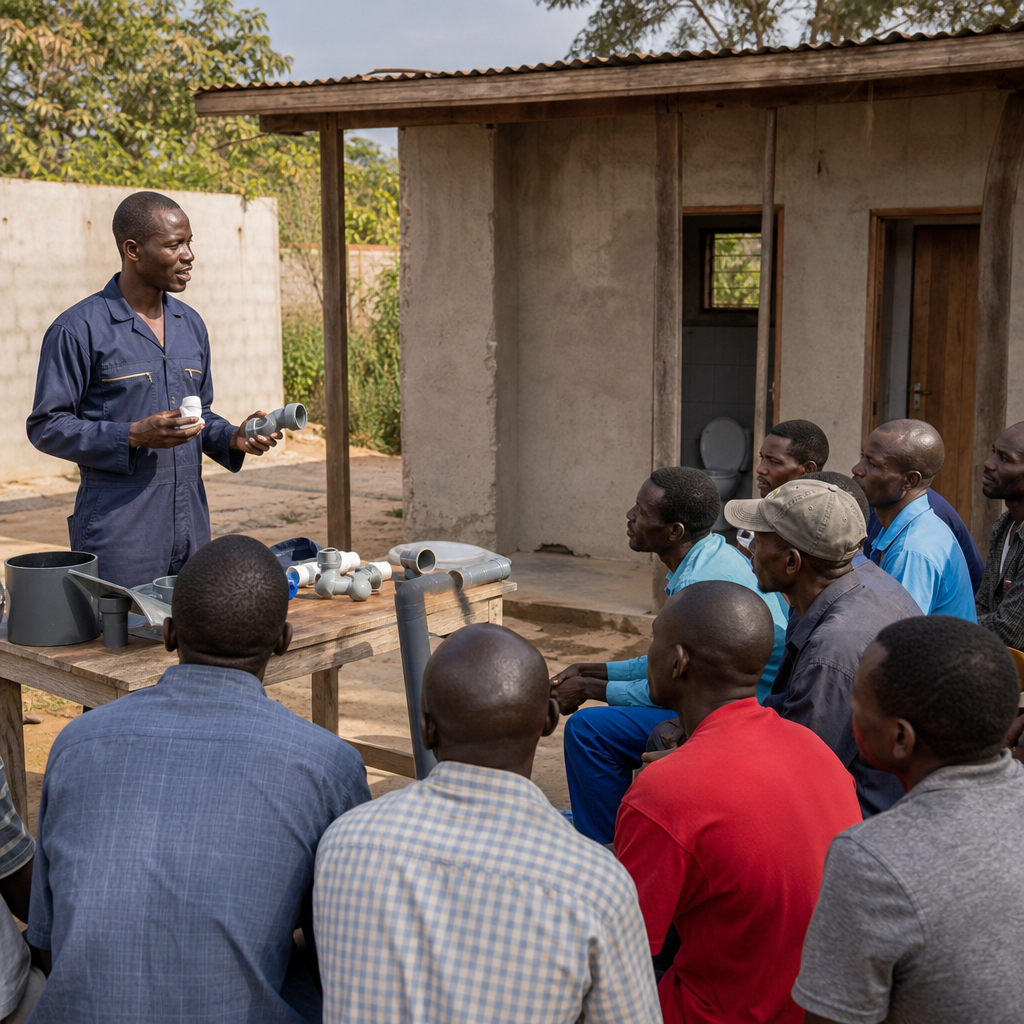
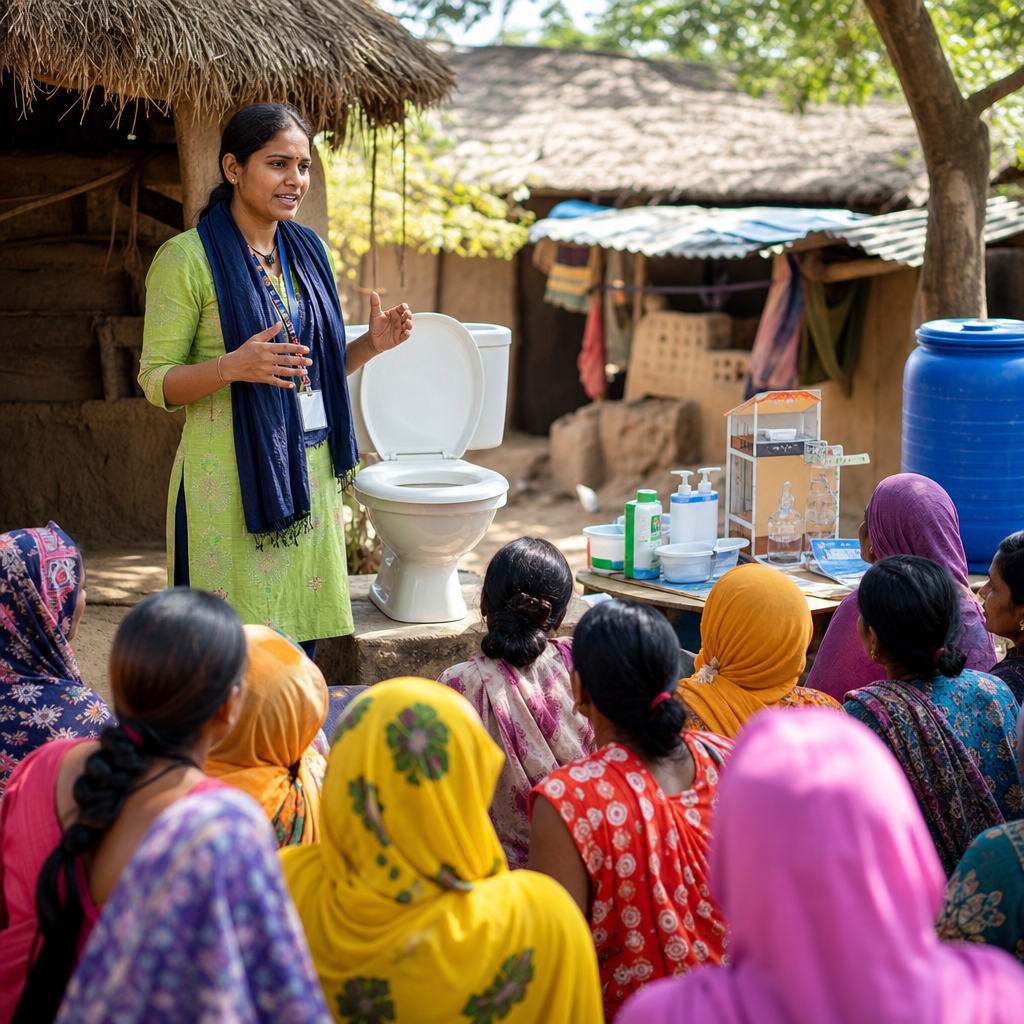
In practice, a useful community workshop answers five questions clearly: what the system is, why it protects health, how to use it, how to maintain it, and what to do when something goes wrong. Demonstration matters. When I have run sanitation trainings, the sessions people remember are the ones where they physically inspect pans, vents, urine containers, handwashing stations, storage vaults, and cleaning tools. Seeing the slope of a urine-diverting pan or the amount of dry cover material needed after use eliminates uncertainty better than any poster. Role-play also helps. One participant demonstrates correct use, another spots common mistakes, and a facilitator explains consequences in plain terms.
Good seminar design also accounts for literacy, time pressure, and social norms. Visual aids, translated materials, and local examples improve retention. Short modules work better than a single long lecture, especially where participants travel far or juggle daily wage work. Gender-sensitive facilitation is essential. Women and girls may raise different concerns about privacy, menstrual hygiene products, cleaning burdens, or nighttime access. Men may need direct discussion about shared maintenance responsibilities. People with disabilities need design and usage guidance that addresses transfer space, railings, door width, and caregiver support, not an afterthought added at the end.
Participation Strategies That Build Ownership
Fostering participation means moving beyond information delivery to shared problem solving. Communities are more likely to use and protect sanitation systems when they help shape decisions about siting, user rules, maintenance schedules, and communication methods. Participation starts with listening sessions, not polished presentations. Before developing workshop content, facilitators should ask residents what sanitation problems they face during rain, dry seasons, school hours, market days, and festivals. Those details reveal practical barriers that generic training misses.
Participatory mapping is especially effective. Residents identify water points, drainage paths, flood-prone zones, schools, clinics, and existing toilets, then discuss where contamination risks are highest. This creates a visual link between sanitation choices and public health outcomes. Another proven method is household journey mapping, where facilitators trace what happens from toilet use to cleaning, storage, emptying, transport, and final treatment. People quickly see where exposure occurs and where a workshop can focus behavior change.
Local champions strengthen credibility. These may be respected mothers, school custodians, farmers, health volunteers, faith leaders, or masons trained in EcoSan construction. Their role is not to replace technical experts but to translate messages into trusted local language and norms. Incentives do not need to be expensive. Recognition certificates, public acknowledgment, and opportunities to co-facilitate often sustain engagement. The key is accountability: champions should know what advice to give, what to avoid, and when to refer technical issues to qualified staff.
| Participation method | How it works | Public health value | Example use |
|---|---|---|---|
| Community mapping | Residents mark toilets, wells, drainage, and flood zones | Shows contamination pathways and priority areas | Planning school and market sanitation upgrades |
| Demonstration sessions | Facilitators show correct toilet use and maintenance steps | Reduces user error and unsafe handling | Introducing urine-diverting dry toilets in peri-urban settlements |
| Peer educators | Trained local volunteers reinforce messages after workshops | Improves trust and message retention | Monthly follow-up in villages with dispersed households |
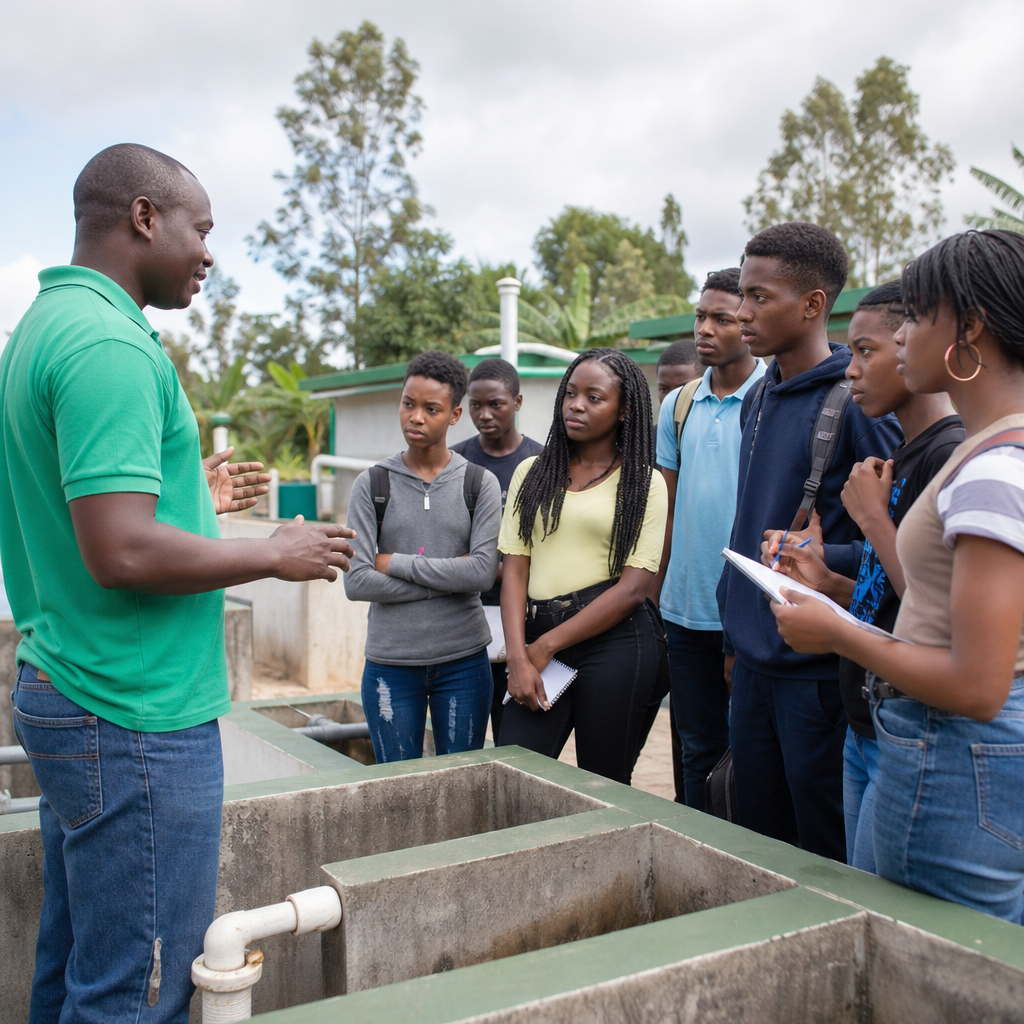
| School sanitation clubs | Students lead hygiene campaigns and monitor facilities | Builds early habits and protects attendance | Primary schools integrating handwashing and toilet care |
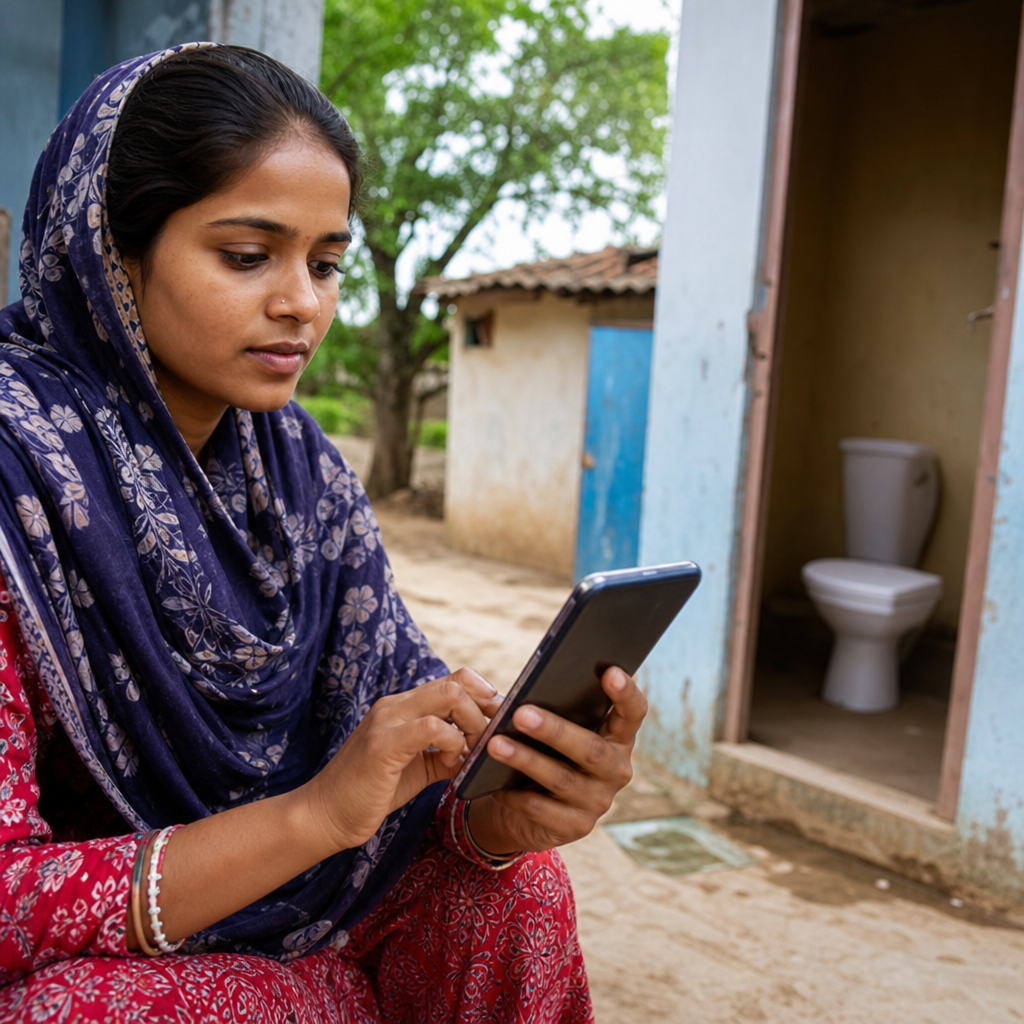
Participation also requires feedback loops. Post-workshop surveys, suggestion boxes, WhatsApp groups, and scheduled community reviews help organizers detect confusion early. If users repeatedly report odor, for example, the issue may be poor cover material use, blocked ventilation, or incorrect moisture balance, not rejection of EcoSan itself. Responsive programs treat that feedback as operational data, then adapt training materials accordingly.
What Workshops and Seminars Should Teach
A strong EcoSan curriculum covers both technical and behavioral content. First, participants need the health rationale: fecal-oral transmission, groundwater protection, hand hygiene, and the link between poorly managed sanitation and diarrheal disease, helminth infections, and environmental contamination. Second, they need system-specific skills. For urine-diverting dry toilets, that includes correct positioning, keeping feces and urine separate, adding dry cover material, routine cleaning without excess water, and knowing when a chamber must rest. For composting or dehydration systems, users must understand treatment time, temperature and moisture limits, and why fresh material is never handled as if it were already safe.
Maintenance training deserves more attention than it usually gets. Caretakers need checklists for cleaning agents, personal protective equipment, ventilation checks, slab condition, container replacement, and safe storage. Municipal seminars should address service chains, not just household usage. Who empties vaults? How are workers protected? Where does treated material go? What permits or inspections apply? In many places, the weakest link is not user acceptance but the absence of a reliable downstream management plan.
Education should also cover sensitive but essential topics. Menstrual hygiene management belongs in EcoSan training where facilities are shared by schools or public institutions. So does child-friendly sanitation practice, because child feces are often misclassified as harmless when they can carry significant pathogen loads. In flood-prone areas, sessions should include emergency sanitation guidance, including temporary containment, water source protection, and what to do if a facility is inundated. The best seminars do not treat these as side notes. They build them into the main curriculum because real households face these conditions routinely.
Where Hub Content Supports Broader Community Learning
As a hub page under community engagement and education, this topic should connect readers to the full learning ecosystem around EcoSan participation. Workshops and seminars do not stand alone; they work best when supported by related resources on school engagement, behavior change communication, facilitator training, monitoring tools, inclusive sanitation design, and local policy advocacy. In practical publishing terms, this hub should point readers toward implementation guides, case studies, maintenance checklists, and program evaluation methods so they can move from awareness to action without hitting an information dead end.
For example, a public health officer who lands here may next need a guide on planning school-based sanitation sessions. A community organizer may need an article on running participatory sanitation mapping. A municipal planner may need content on budgeting for EcoSan operation and maintenance. Internal connections between these subjects matter because sanitation adoption is rarely solved by one event or one audience. A well-structured hub reflects the real workflow of implementation: assess needs, engage stakeholders, train users, monitor practice, correct problems, and document outcomes. That sequencing helps readers find the next right resource quickly, which is exactly how education-driven sanitation programs should function offline as well.
Measuring Whether Learning Leads to Better Health
Workshops are only successful if they change knowledge, practice, and eventually health risk. That means evaluation should be built in from the start. At minimum, organizers should measure attendance, participant mix, pre- and post-training knowledge, and observed user competence. Better programs go further by tracking toilet functionality, correct use rates, handwashing station availability, cleaning frequency, and reported maintenance problems over time. In schools, indicators can include absenteeism linked to sanitation access, especially for girls. In communities, environmental health teams can monitor complaints, overflow events, and proximity risks to water sources.
Mixed methods work best. Quantitative tools such as checklists and short quizzes show whether messages were understood. Qualitative interviews reveal why some behaviors still fail. I have seen cases where participants passed post-training questions yet continued misusing systems because dry cover material was not consistently available. The lesson was not that the workshop failed intellectually; it was that education and supply planning were disconnected. Monitoring should therefore examine enabling conditions, not just recall.
Established approaches such as KAP surveys, sanitation safety planning, and routine supervisory visits provide useful structure. Digital tools like KoboToolbox, CommCare, and simple GIS mapping can support field data collection, especially across multiple sites. However, small programs should not wait for sophisticated dashboards. A paper checklist used consistently by trained supervisors is better than an advanced platform no one maintains. The goal is operational learning: identify what people are doing, where risks remain, and which workshop messages need reinforcement. When evaluation is tied to program decisions, seminars become part of a living public health system instead of isolated events.
EcoSan in public health succeeds when communities do more than receive toilets or attend one awareness session. They need clear instruction, repeated practice, local ownership, and a reliable support system that connects behavior with safe sanitation outcomes. Workshops and seminars provide that bridge. They translate technical sanitation principles into daily actions, align institutions around shared responsibilities, and surface the practical concerns that determine whether a system is accepted or neglected. When designed well, they reduce confusion, strengthen hygiene habits, protect water and soil, and make safe waste management achievable for households, schools, and public facilities.
The central lesson is straightforward: participation and learning are not optional extras in EcoSan programs. They are the mechanism that turns sanitation infrastructure into public health protection. Effective training is audience-specific, practical, inclusive, and measurable. It uses demonstrations, community feedback, trusted local facilitators, and clear follow-up pathways. As the hub for fostering participation and learning, this page should guide readers toward the connected topics that make education-driven sanitation work at scale, from school outreach and behavior change tools to maintenance planning and monitoring.
If you are building or improving an EcoSan initiative, start by strengthening the education plan alongside the technical design. Map your audiences, define the skills each group needs, run participatory workshops, and track what changes afterward. That is how EcoSan becomes not just a sanitation option, but a durable public health practice.
Frequently Asked Questions
What does EcoSan mean in public health, and why are workshops and seminars so important?
In public health, EcoSan, or ecological sanitation, refers to sanitation systems and everyday practices designed to safely manage human waste, prevent disease, protect groundwater and surface water, and in some settings recover nutrients in a safe, controlled way. It is not only about installing a toilet or introducing a treatment method. It is about creating a complete chain of safe sanitation behavior, from toilet use and handwashing to waste handling, treatment, reuse decisions, maintenance, and long-term community acceptance. Public health focuses on protecting entire populations, so EcoSan matters because poor sanitation can quickly affect households, schools, markets, clinics, and entire neighborhoods through contamination and pathogen transmission.
Workshops and seminars are essential because sanitation behavior does not change through infrastructure alone. People need practical instruction, clear explanations, and opportunities to ask questions about hygiene, maintenance, safety, cultural concerns, and cost. A well-designed workshop helps communities understand how germs spread, why source separation or safe containment matters, how to keep systems functioning, and what responsibilities users, caretakers, and local institutions each have. Seminars also help bridge the gap between technical experts and the public by translating engineering and health concepts into daily actions that people can realistically adopt and sustain.
These educational events also build trust, which is critical in public health programs. When residents, teachers, health workers, local leaders, and sanitation practitioners learn together, they are more likely to support common standards and consistent practices. Workshops make sanitation visible as a shared public good rather than a private household issue. That shift is important because disease prevention depends on collective action. If only a few households follow safe sanitation practices while others continue unsafe disposal, the whole community remains at risk. For that reason, EcoSan training events are not optional add-ons. They are central tools for turning technical sanitation concepts into habits, norms, and systems that protect health over time.
How do EcoSan workshops help prevent disease transmission in communities?
EcoSan workshops help prevent disease transmission by showing exactly how unsafe sanitation contributes to the spread of pathogens and by teaching people the steps needed to interrupt that chain. Human waste can carry bacteria, viruses, protozoa, and helminths that move from feces into hands, water, soil, food, and household surfaces. In many communities, disease spreads not because people are unwilling to stay healthy, but because they have not been given practical, locally relevant guidance on how contamination actually happens and how it can be prevented. Workshops address that gap directly through demonstrations, visual tools, group discussion, and hands-on learning.
For example, participants may learn why proper toilet use, safe child feces disposal, routine cleaning, handwashing with soap, and protection of drinking water sources are all connected. They may also learn how neglected sanitation systems can overflow, attract flies, contaminate runoff, or expose workers and family members to untreated waste. In EcoSan programs that include resource recovery, workshops are especially important for teaching the difference between safe, treated materials and hazardous untreated waste. Without that understanding, well-intentioned reuse can create health risks. With proper education, however, communities can follow treatment and handling protocols that reduce danger and support better environmental outcomes.
Another major public health benefit is consistency. Disease prevention depends on repeated daily behaviors, not one-time awareness. Workshops and seminars reinforce routine actions such as regular maintenance, use of protective equipment when needed, safe emptying procedures, and prompt reporting of system failures. They also correct myths, reduce stigma around discussing sanitation, and encourage families to seek help early if they encounter breakdowns or hygiene concerns. When these messages are repeated through schools, health centers, community groups, and local government sessions, communities are more likely to adopt common protective behaviors. That creates a stronger barrier against diarrheal disease, parasitic infections, water contamination, and other sanitation-related health problems.
Who should attend EcoSan public health seminars, and what topics should they cover?
EcoSan public health seminars are most effective when they bring together a wide range of participants rather than targeting only engineers or sanitation specialists. Household users, landlords, school administrators, teachers, public health officers, community health workers, municipal staff, environmental health inspectors, local leaders, farmers where reuse is relevant, and sanitation service providers all have roles in making ecological sanitation systems safe and sustainable. Each group sees a different part of the sanitation chain, so a seminar that includes multiple stakeholders is more likely to address real-world barriers such as maintenance responsibilities, cost concerns, behavior change, user comfort, regulation, and monitoring.
The most useful seminars cover both technical and behavioral topics. On the technical side, participants should understand the basic principles of ecological sanitation, including containment, separation where applicable, treatment, system maintenance, odor control, ventilation, cleaning, safe storage, and protection of water sources. On the public health side, seminars should explain how fecal-oral disease transmission occurs, why hygiene practices matter, how sanitation relates to nutrition and child health, and what safety measures are needed for handling waste or treated outputs. If nutrient recovery is part of the model, the seminar should clearly explain treatment standards, timing, handling precautions, and safe agricultural use without overstating benefits or minimizing health safeguards.
Strong seminars also address social and operational issues. These include user acceptance, affordability, gender and privacy needs, access for children, older adults, and people with disabilities, as well as community feedback mechanisms. Participants should leave with clear expectations about who is responsible for cleaning, maintenance, inspection, repairs, and follow-up education. In public health terms, the best seminar is one that turns sanitation from a vague concept into a set of shared, coordinated responsibilities. When people understand both the science and the practical steps, implementation becomes more reliable and public health protection becomes much stronger.
Can EcoSan workshops change sanitation behavior, or do they mainly provide information?
Effective EcoSan workshops do much more than provide information. Their real value is in helping people move from awareness to action. Many sanitation campaigns fail when they assume that once people know the health risks, they will automatically change their behavior. In reality, sanitation habits are shaped by convenience, beliefs, privacy, gender roles, local norms, maintenance burdens, perceived cost, and trust in the system. Workshops can address these factors directly by making the learning process interactive, practical, and specific to the community’s daily routines.
Behavior change happens when participants can see how EcoSan practices fit into real life. For instance, a workshop may include a demonstration of correct toilet use, safe cleaning procedures, handwashing stations, or maintenance schedules. It may also invite users to discuss barriers such as smell, confusion about system design, reluctance to handle waste-related materials, or fears about reuse. These discussions are valuable because they reveal why a system may not be used as intended. Trainers can then respond with culturally appropriate guidance, troubleshooting strategies, and examples from similar communities that have successfully adopted the practices.
Workshops are also powerful because they can create social reinforcement. When respected local leaders, health workers, and early adopters participate, sanitation behaviors become more visible and socially supported. Follow-up sessions, peer educators, school activities, and community monitoring can extend the effect beyond the training event itself. In public health, lasting behavior change usually requires repeated engagement, reminders, and practical support. So while seminars often build understanding, workshops are especially important because they allow people to practice, ask questions, solve problems, and commit to new routines. That is what turns sanitation education into improved health outcomes.
What makes an EcoSan workshop or seminar successful from a public health perspective?
From a public health perspective, a successful EcoSan workshop or seminar is one that leads to safer behavior, more reliable sanitation system use, and measurable reductions in exposure risk. Success is not defined only by attendance or enthusiasm during the event. It depends on whether participants leave with a clear understanding of health risks, practical skills for safe sanitation, and confidence in how to maintain those practices over time. A strong program starts with accurate, evidence-based content and presents it in language that matches the audience’s literacy level, cultural context, and everyday experience.
Good design also matters. Successful workshops are interactive, not purely lecture-based. They use demonstrations, diagrams, local examples, question-and-answer sessions, and problem-solving exercises. They explain not just what to do, but why it matters for disease prevention, water protection, and community well-being. They are realistic about local challenges such as limited water access, maintenance costs, supply availability, land constraints, and shared sanitation conditions. Most importantly, they define responsibilities clearly so that users, institutions, and service providers know how to keep the system safe after the event ends.
Another sign of success is follow-through. Public health education works best when workshops are connected to broader systems such as school health programs, local government sanitation plans, health outreach, inspection frameworks, and community feedback channels. Organizers should evaluate whether participants understood key messages, whether facilities are being used correctly, whether maintenance is happening on schedule, and whether hygiene practices improve after the training. In some settings, indicators may include reduced contamination around facilities, better handwashing compliance, fewer breakdowns, stronger user acceptance, and safer management of treated or stored materials. In short, the most successful EcoSan seminars do not stop at awareness. They build the knowledge, habits, and accountability needed to protect community health in a lasting way.